 Скачать презентацию Tales of Trash A short history of garbage
202c9503ae92fa4d0585aa7695fdbe7a.ppt
- Количество слайдов: 33



Tales of Trash A short history of garbage
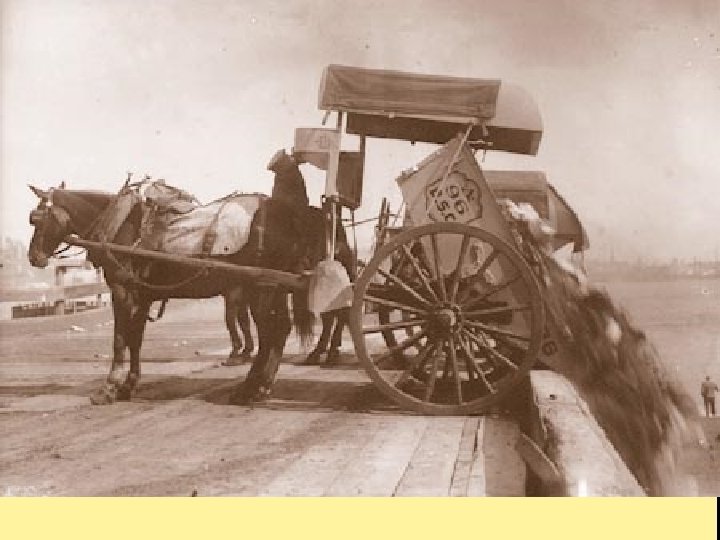
Early Days • In 1690, the first paper was made in America, using recycled rags—now almost exclusively wood-based • 1757 First municipal garbage disposal system in the USA—Delaware slaves wade out and throw trash in fast-flowing rivers (externalities). • 1758 First cardboard box made in US
The Can • The first tin can was made in 1810. • However, the first can opener was not invented until 1855! • Now we produce 100, 000, 000 every year.
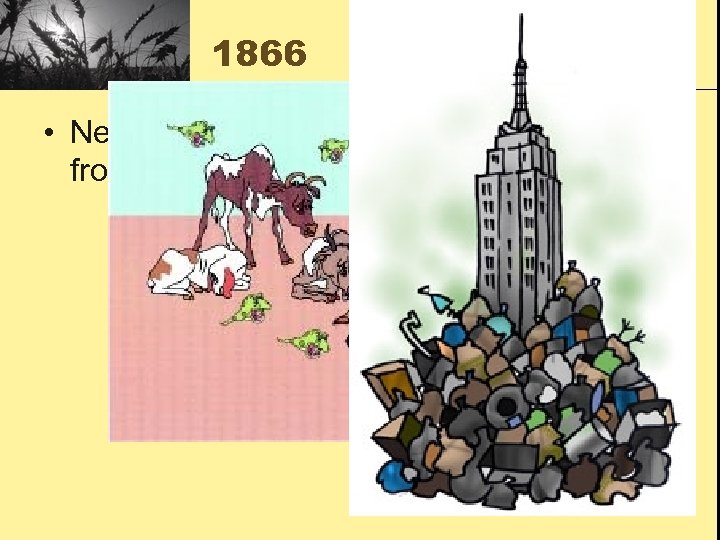
1866 • New York passes a law to prohibit people from throwing dead animals in the street.
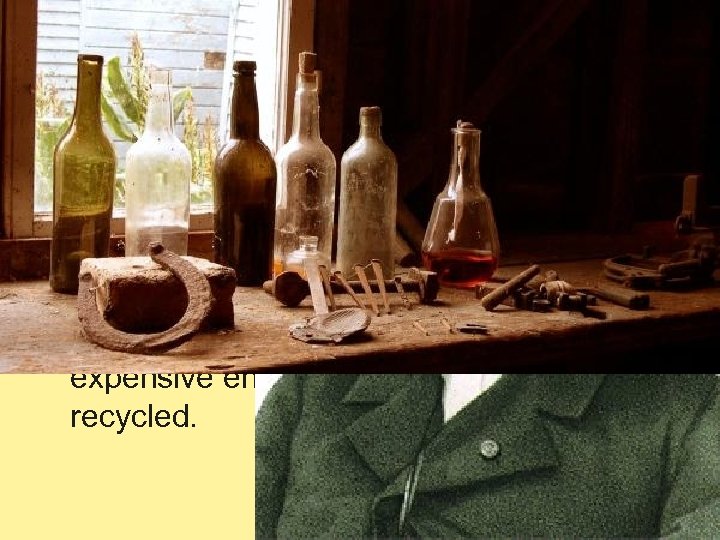
1875 • In this year, French scientist Louis Pasteur discovers process that preserves beverages, such as milk, from spoiling • It is named Pasteurization after him • It allows the beginning of the bottled beverage business, but glass was expensive enough then for it to be recycled.
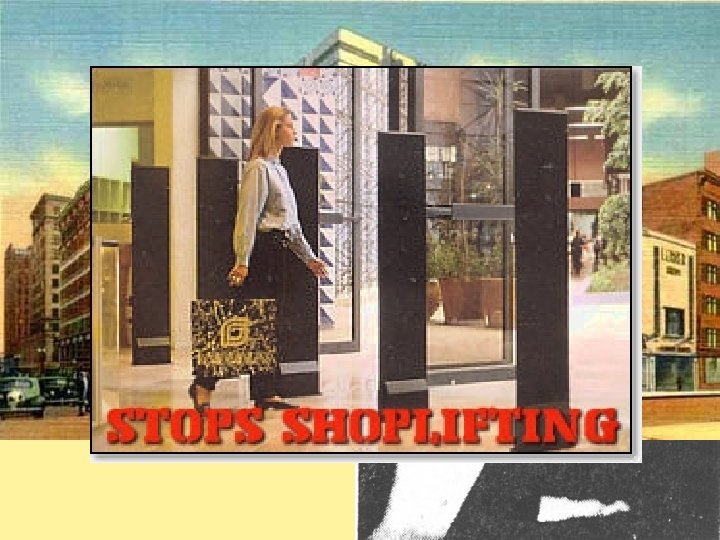
Breakthrough in Retailing • 1879 Frank W Woolworth pioneers the idea of having goods on open counters so customers can see and feel them. • Two things happen: shoplifting begins, and packaging is necessary
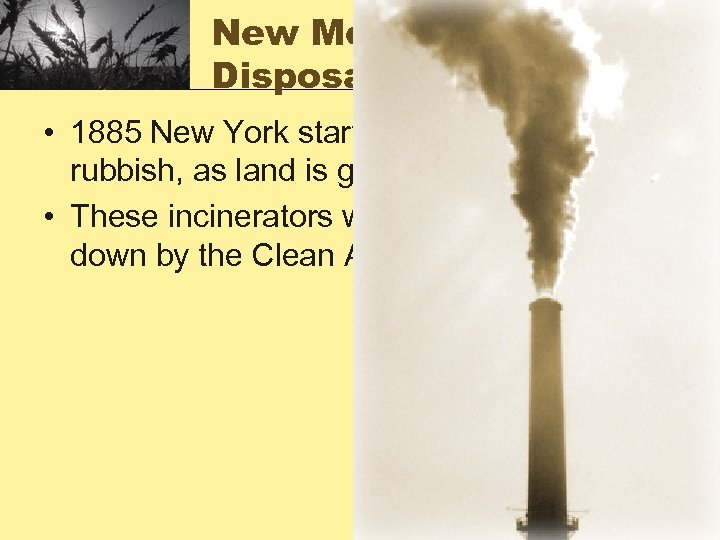
New Method of Disposal • 1885 New York starts to incinerate its rubbish, as land is getting scarce. • These incinerators were mostly closed down by the Clean Air Act of 1972
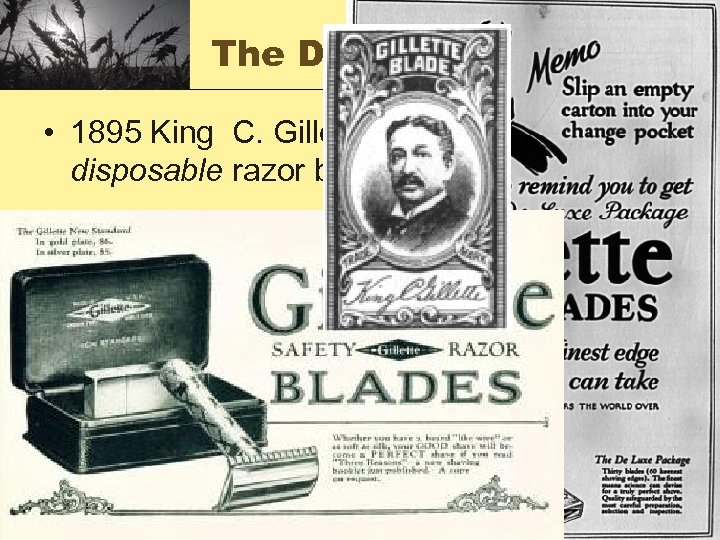
The Disposable King • 1895 King C. Gillette invents world’s first disposable razor blade
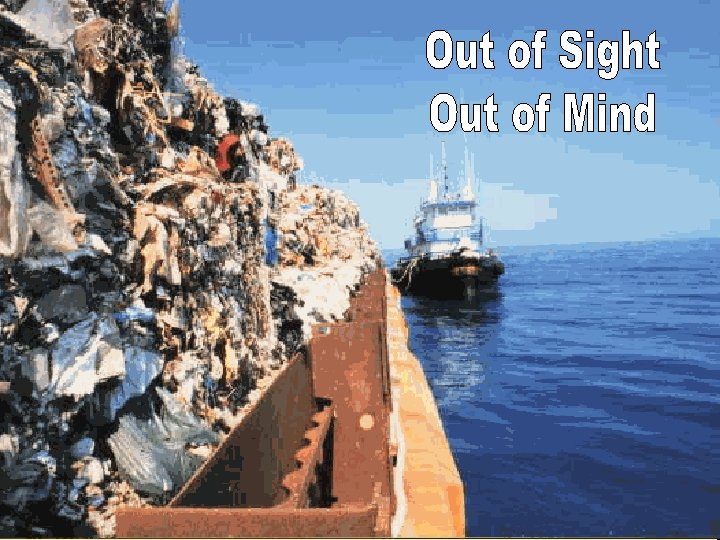
Waste Separation • 1896 NY requires everyone to separate their trash into: Biodegradables, Ash, and general Trash. Unenforceable, and so breaks down • NY then puts garbage on barges and dumps it at sea
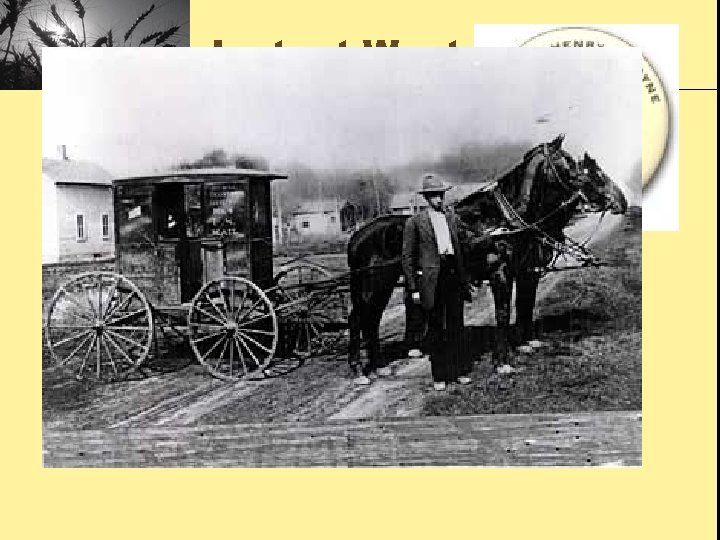
Instant Waste • In 1904 Postmaster-General Payne authorizes “Permit Mail, ” and junk mail begins • Today about 44% of mail is never even opened.
Plastics • 1912 Dr. Jacques Brandenberger invents a clear packaging material called Cellophane (actually from wood cellulose) • So begins the wrapping and packaging industry of plastics.
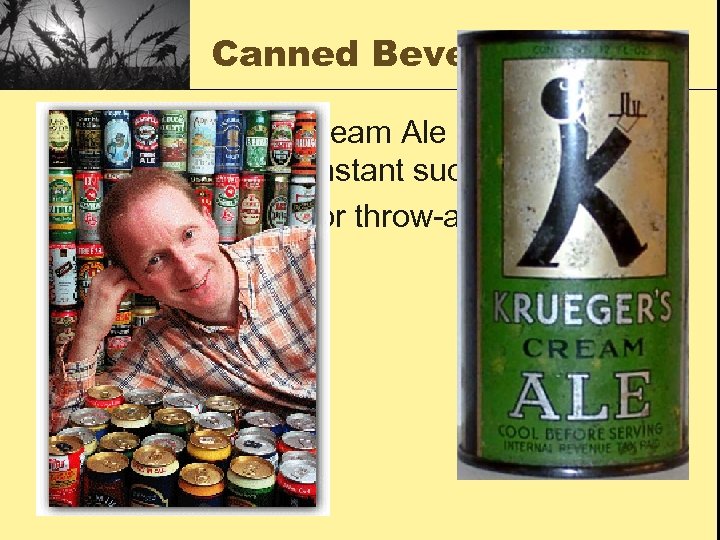
Canned Beverages • 1935 Kreuger’s Cream Ale produces the first can of beer. Instant success • This is now a major throw-away item
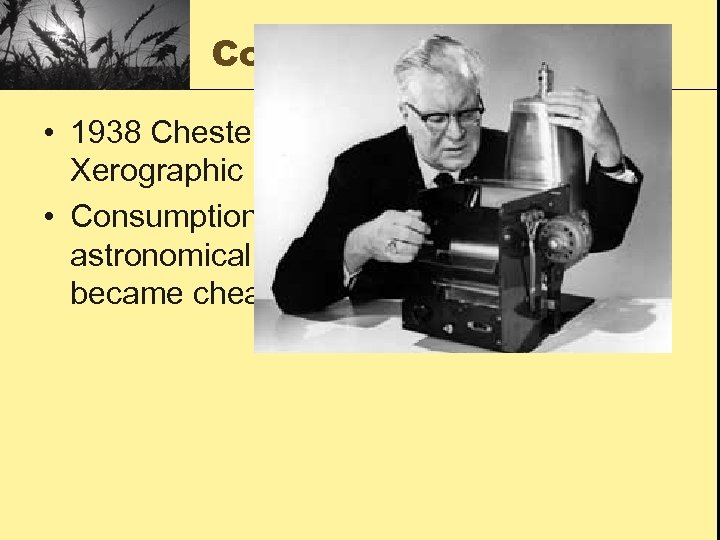
Copy That • 1938 Chester Carlson produces the first Xerographic (photocopied) image. • Consumption of paper goes up astronomically after the 60 s (when method became cheaply and widely available)
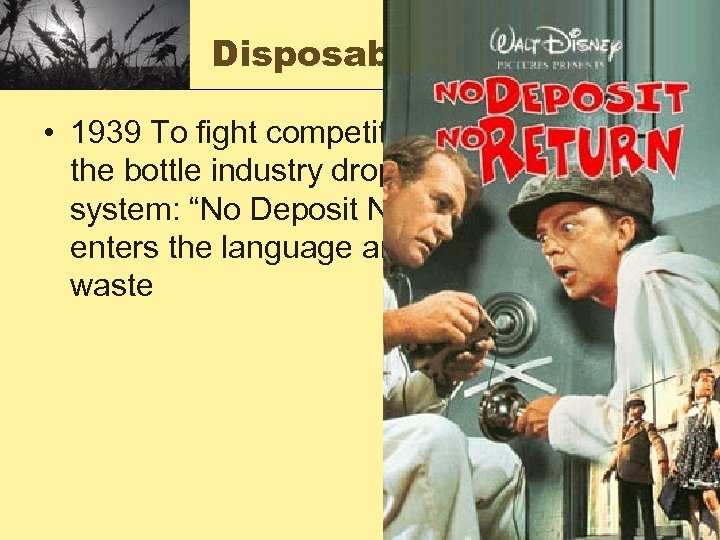
Disposability • 1939 To fight competition from the can, the bottle industry drops the deposit system: “No Deposit No Return” phrase enters the language and encourages waste
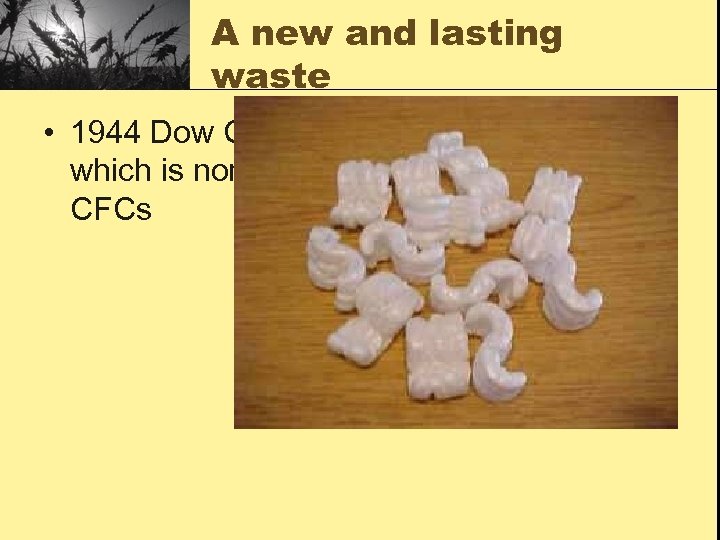
A new and lasting waste • 1944 Dow Chemicals invent Styrofoam, which is non-biodegradable and contains CFCs
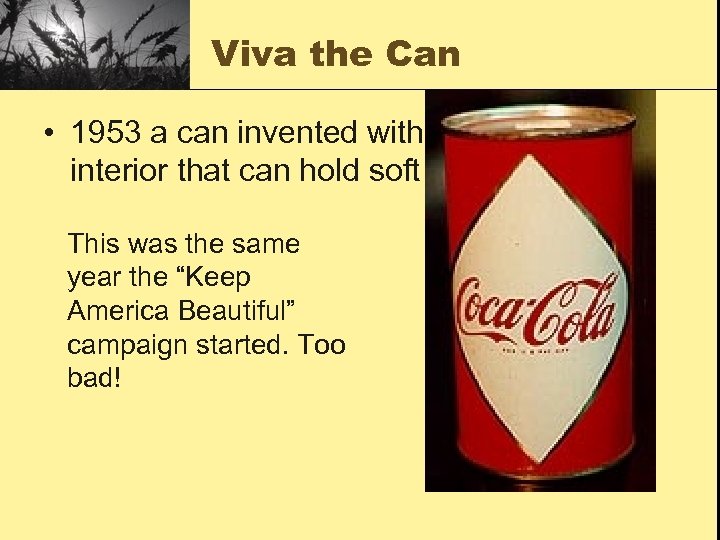
Viva the Can • 1953 a can invented with acid resistant interior that can hold soft drinks This was the same year the “Keep America Beautiful” campaign started. Too bad!
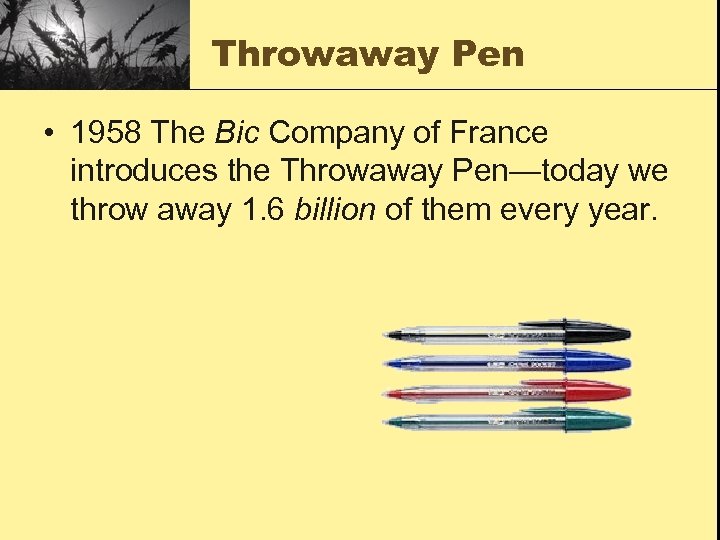
Throwaway Pen • 1958 The Bic Company of France introduces the Throwaway Pen—today we throw away 1. 6 billion of them every year.
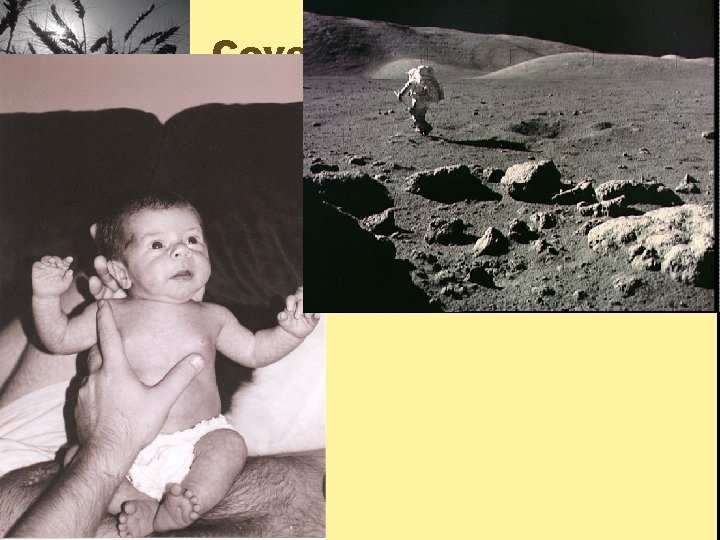
Cover your rear • 1961 Proctor and Gamble invent the disposable diaper • Today, Americans alone use enough of these to reach to the moon and back seven times.
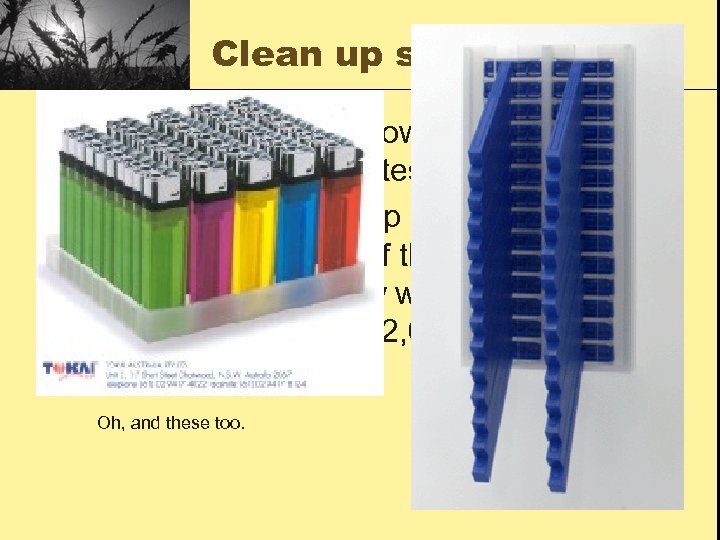
Clean up starts • 1971 Oregon bans throwaway cans and bottles. Nine other states follow • 1975 Gillette follows up its earlier success with the introduction of the totally disposable razor. Now we throw away, in the US alone, around 2, 000, 000 of them annually. Oh, and these too.
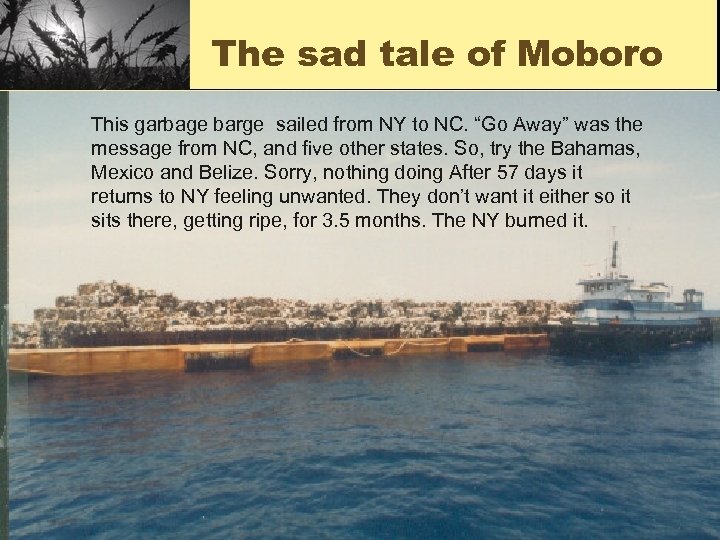
The sad tale of Moboro This garbage barge sailed from NY to NC. “Go Away” was the message from NC, and five other states. So, try the Bahamas, Mexico and Belize. Sorry, nothing doing After 57 days it returns to NY feeling unwanted. They don’t want it either so it sits there, getting ripe, for 3. 5 months. The NY burned it.
And now, what’s new? • • • Biodegradable forms of plastic Bioremediation Recycle programs for homeowners Incineration (single and multi-use) Search for home for radioactive waste, still not resolved
New Types of Landfill Simply put, bioreactor landfill technology accelerates the biological decomposition of organic wastes in a landfill by promoting conditions necessary for the microorganisms that degrade the waste. In practice, this is accomplished by controlling the addition and removal of moisture from the waste mass, the collection and extraction of landfill gas, and in some instances the addition of air.
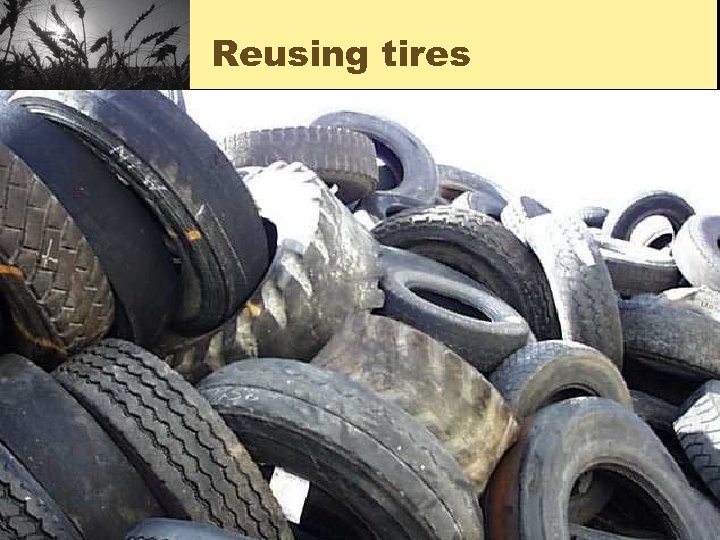
Reusing tires
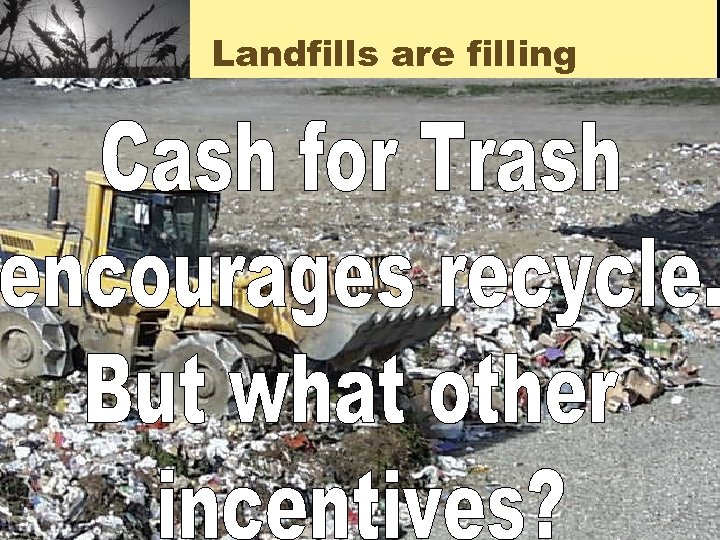
Landfills are filling
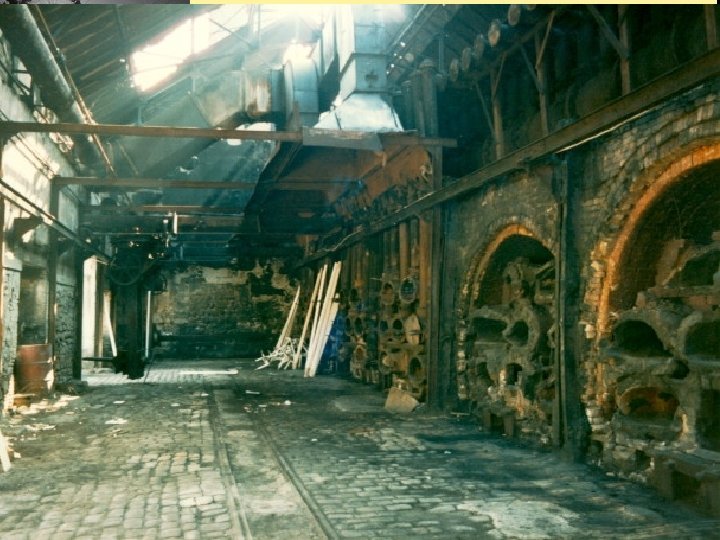
Virgin Materials Tax • This would make first-time use resources, like mineral ores, more expensive, to encourage the re-use of existing materials. • Downside: it makes the price of raw materials more expensive, and if only the US does this, then our industries become less competitive.
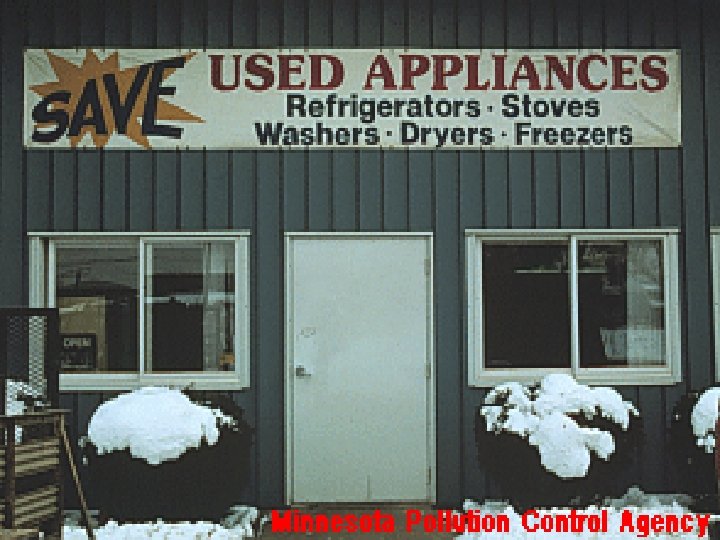
Redefine Trash • In grandparent’s day, it was common to own a single item all your life, like a watch, pen, washing machine, or even car. • Now it is often cheaper (i. e. “more economic” to trash the item, and replace it with new. Often it is prohibitively expensive to have something repaired. Does this have to be so?
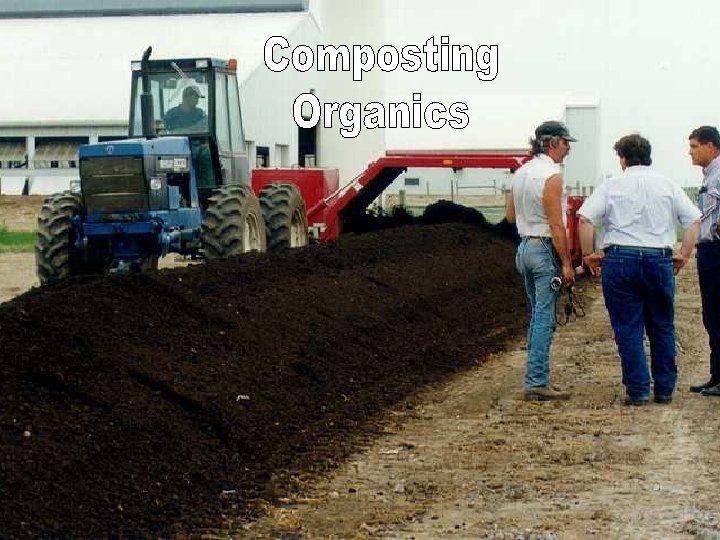
Re-Use • Many things could have a multiple use, rather than being dumped in the Landfill. • One example is the more than 30, 000 Christmas Trees that are trashed each year. • These can make valuable and productive mulch to encourage plant-growth, or for decorative purposes.
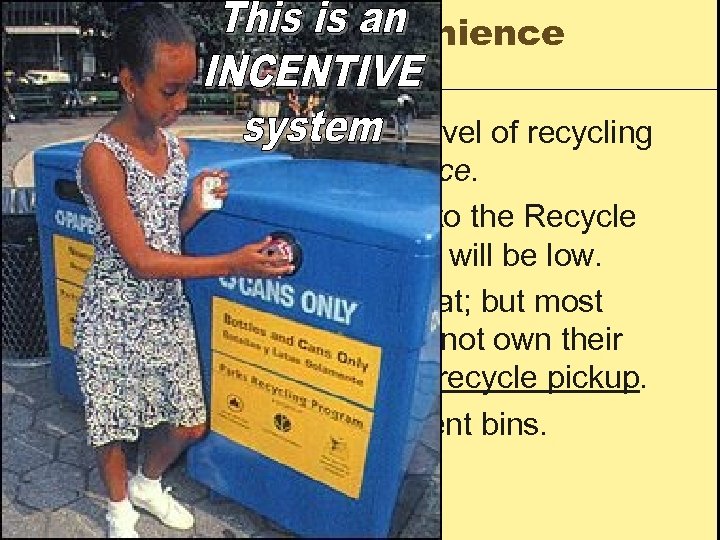
The “convenience factor” • A huge difference in the level of recycling can result from convenience. • If you have to haul things to the Recycle Center, then the response will be low. • If they are picked up…great; but most people in Bloomington do not own their own homes, and have no recycle pickup. • Many cities have convenient bins.
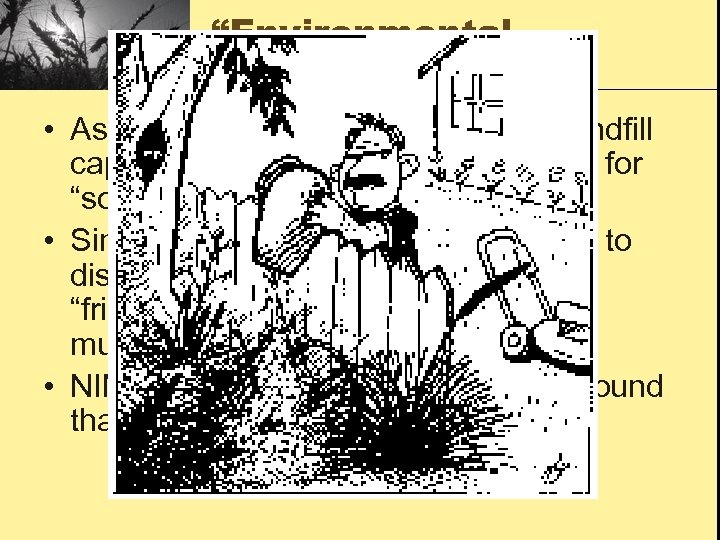
“Environmental Racism” • As the problems grow from lack of landfill capacity, then the pressure will be on for “solutions. ” • Since it is now much more expensive to dispose of trash—trucking it to some “friendly” state (like Indiana), there is much money to be made. • NIMBY problem, so how do you get round that?
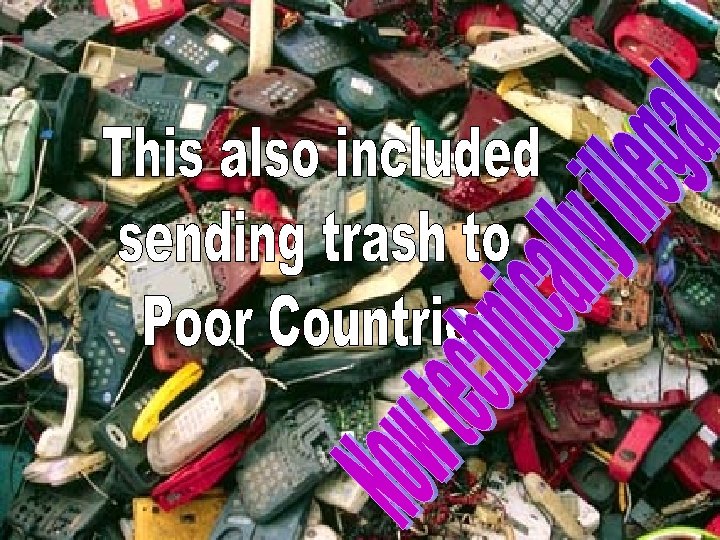
“Environmental Racism” • People will be paid to “dump” trash in the middle of the night illegally • It will be very profitable for some entrepreneurs to find places willing to accept trash, landfills, or incinerators. • These communities are generally poor and powerless, and very often minority. However, it is the former, not the latter, that is the principal attraction.
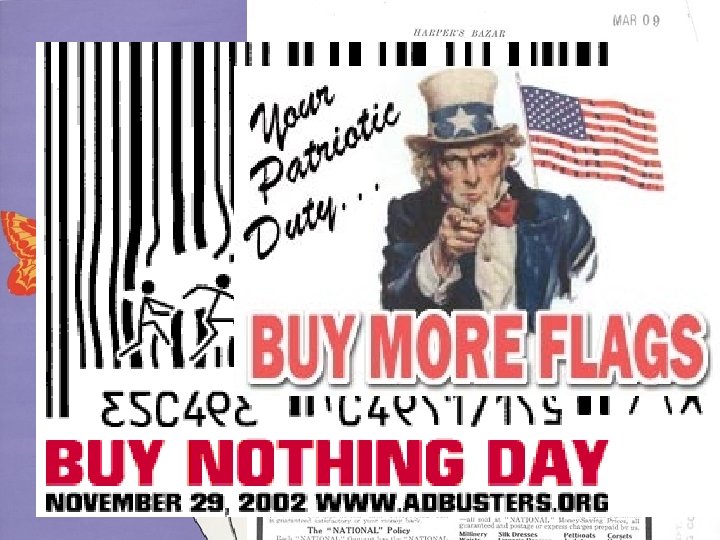
Pressures on Us • Advertising—induces a constant “need” for new things, even when the old are perfectly fine • Fashion induces “style” changes so that perfectly serviceable things become “out of date” • Even patriotism was called in to get us to buy more after 9/11. The “consumer saved us from recession. ”
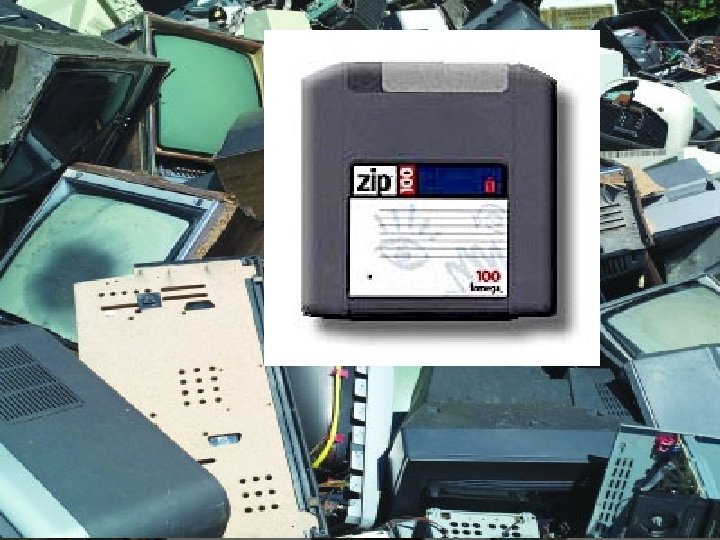
And then there is Technology • The pace of technological change makes perfectly good things unwanted very quickly.

Consumerism • There would, of course, be far less trash if we acquired far less stuff • But, there seems to be no logic nor limit to our desire to acquire. • It has long passed the satisfaction of need, to the fulfillment of wants • The pressure is always on us to have more and “better” i. e. different.
Скачать презентацию Tales of Trash A short history of garbage
202c9503ae92fa4d0585aa7695fdbe7a.ppt