 Скачать презентацию TAKAYASU S ARTERITIS Dr Katya Dolnikov 2017 D_katya rambam health
TAKAYASU ARTERITIS ppt.pptx
- Количество слайдов: 39



TAKAYASU’S ARTERITIS Dr Katya Dolnikov 2017 D_katya@rambam. health. gov. il
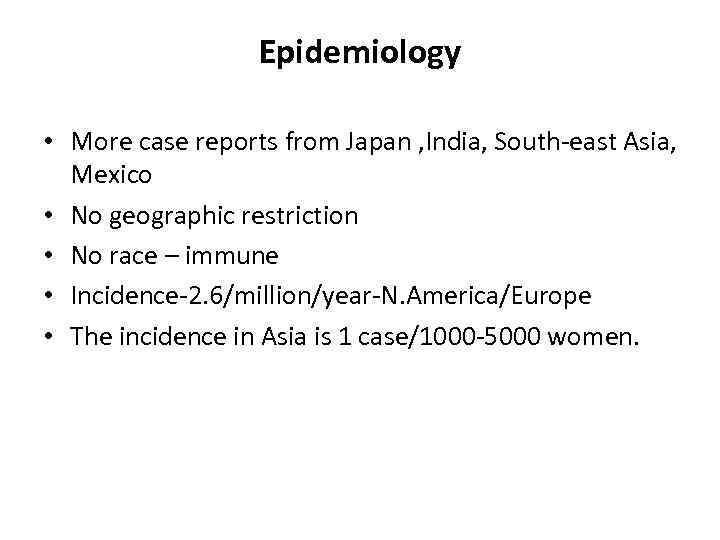
Epidemiology • More case reports from Japan , India, South-east Asia, Mexico • No geographic restriction • No race – immune • Incidence-2. 6/million/year-N. America/Europe • The incidence in Asia is 1 case/1000 -5000 women.
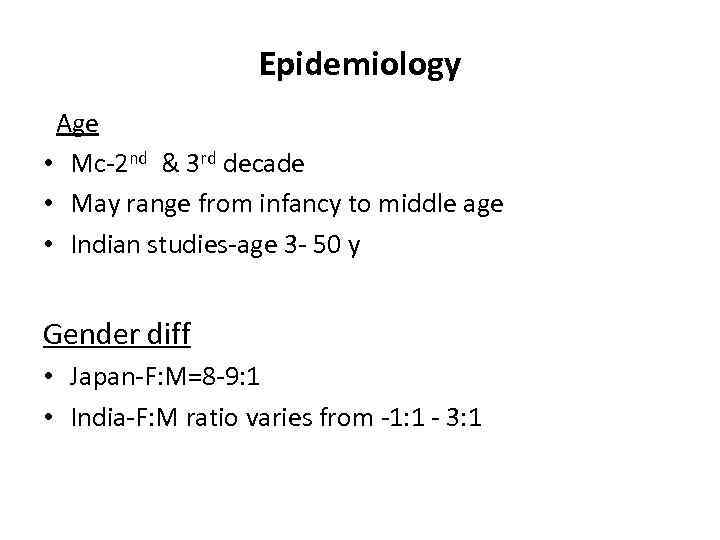
Epidemiology Age • Mc-2 nd & 3 rd decade • May range from infancy to middle age • Indian studies-age 3 - 50 y Gender diff • Japan-F: M=8 -9: 1 • India-F: M ratio varies from -1: 1 - 3: 1
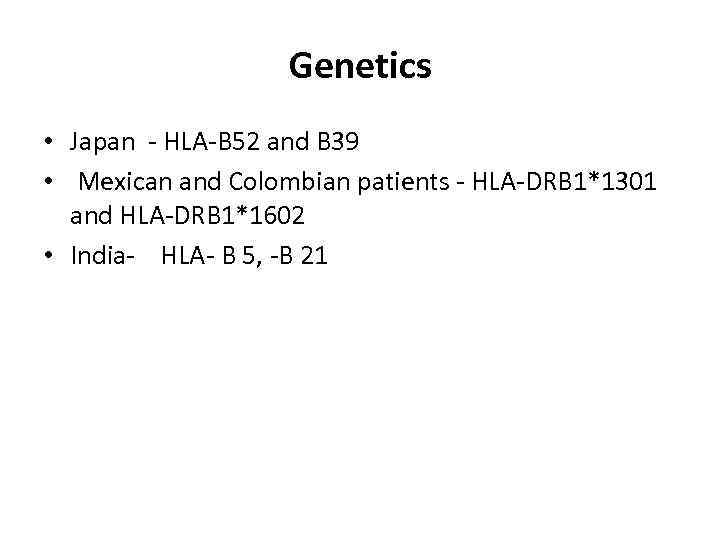
Genetics • Japan - HLA-B 52 and B 39 • Mexican and Colombian patients - HLA-DRB 1*1301 and HLA-DRB 1*1602 • India- HLA- B 5, -B 21
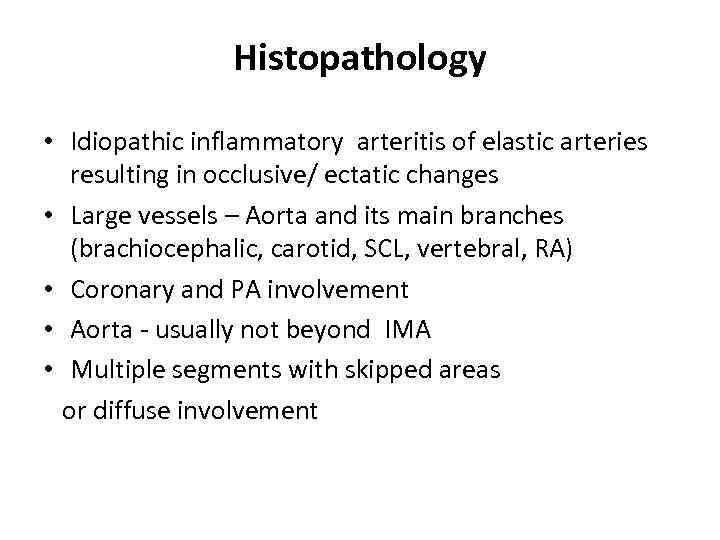
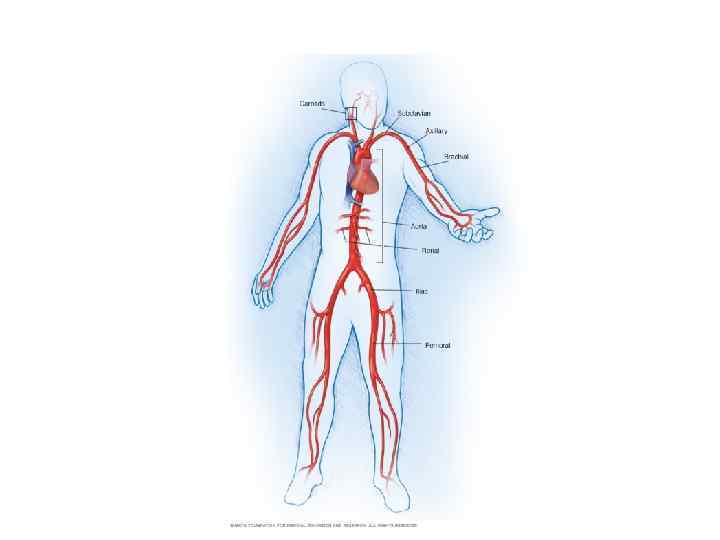
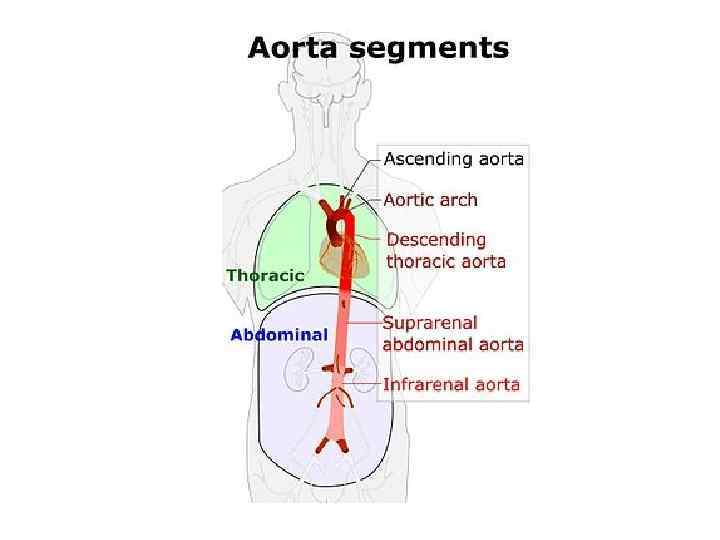
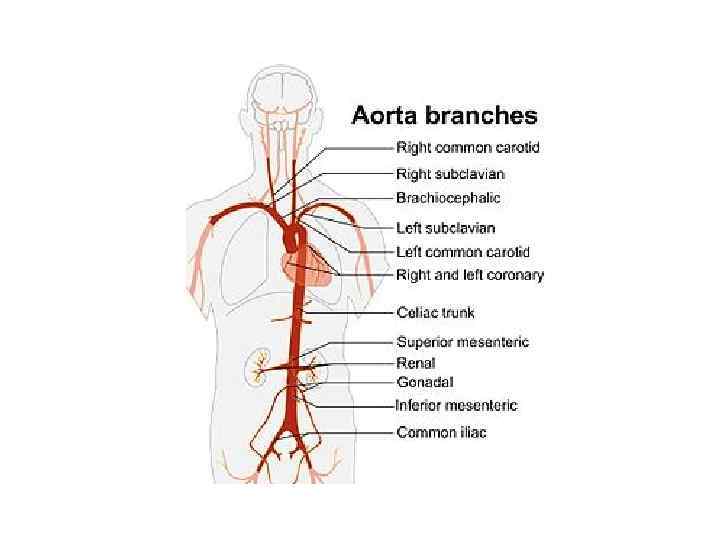
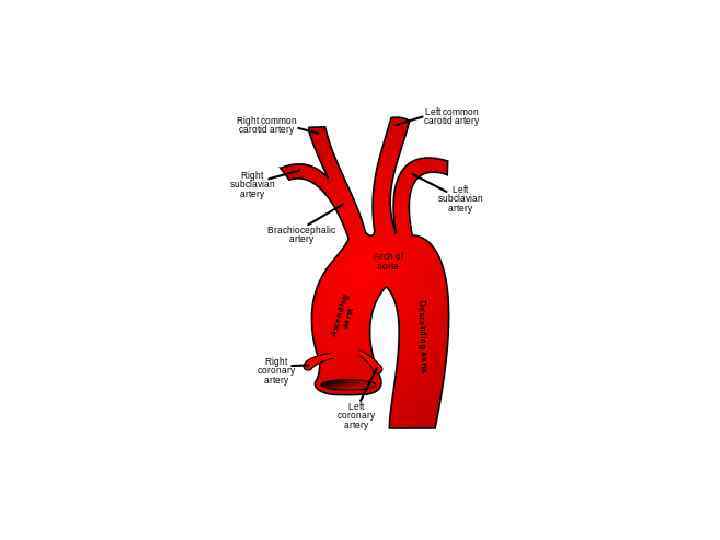
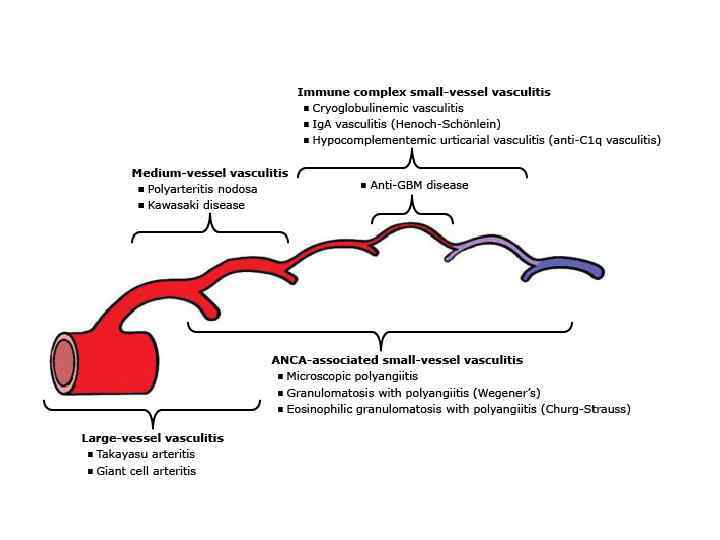
Histopathology • Idiopathic inflammatory arteritis of elastic arteries resulting in occlusive/ ectatic changes • Large vessels – Aorta and its main branches (brachiocephalic, carotid, SCL, vertebral, RA) • Coronary and PA involvement • Aorta - usually not beyond IMA • Multiple segments with skipped areas or diffuse involvement
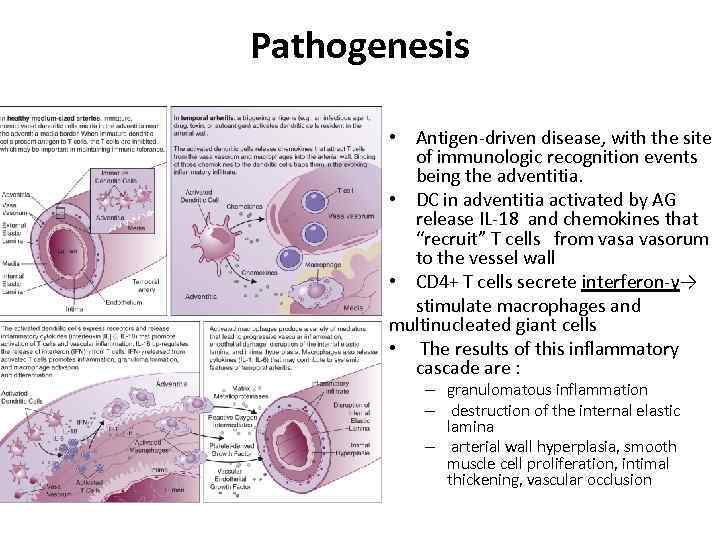
Pathogenesis • Antigen-driven disease, with the site of immunologic recognition events being the adventitia. • DC in adventitia activated by AG release IL-18 and chemokines that “recruit” T cells from vasa vasorum to the vessel wall • CD 4+ T cells secrete interferon-γ→ stimulate macrophages and multinucleated giant cells • The results of this inflammatory cascade are : – granulomatous inflammation – destruction of the internal elastic lamina – arterial wall hyperplasia, smooth muscle cell proliferation, intimal thickening, vascular occlusion
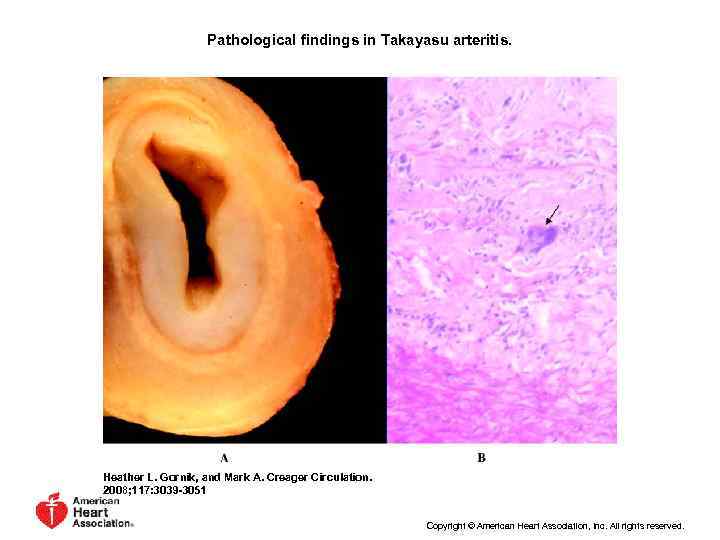
Pathological findings in Takayasu arteritis. Heather L. Gornik, and Mark A. Creager Circulation. 2008; 117: 3039 -3051 Copyright © American Heart Association, Inc. All rights reserved.
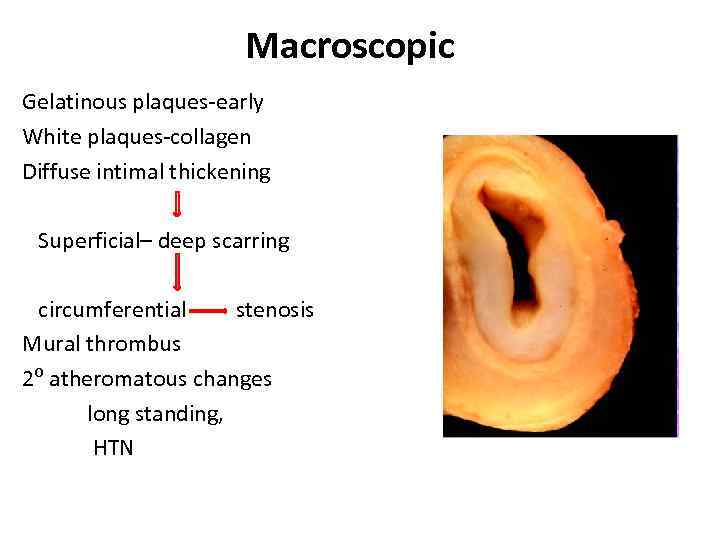
Macroscopic Gelatinous plaques-early White plaques-collagen Diffuse intimal thickening Superficial– deep scarring circumferential stenosis Mural thrombus 2⁰ atheromatous changes long standing, HTN
Macroscopic • Wall thickening, fibrosis, stenosis, thrombus formation →end organ ischemia • More inflammation → destroys arterial media → Aneurysm (fibrosis inadequate) • Most patients with aneurysms also have stenosis
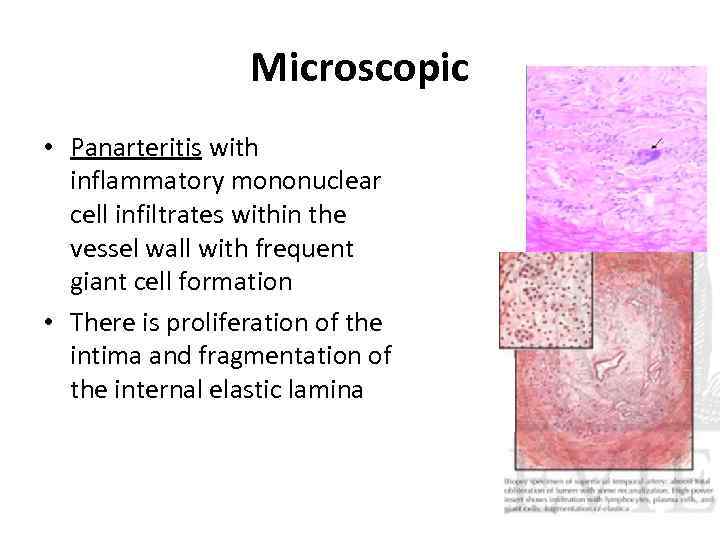
Microscopic • Panarteritis with inflammatory mononuclear cell infiltrates within the vessel wall with frequent giant cell formation • There is proliferation of the intima and fragmentation of the internal elastic lamina
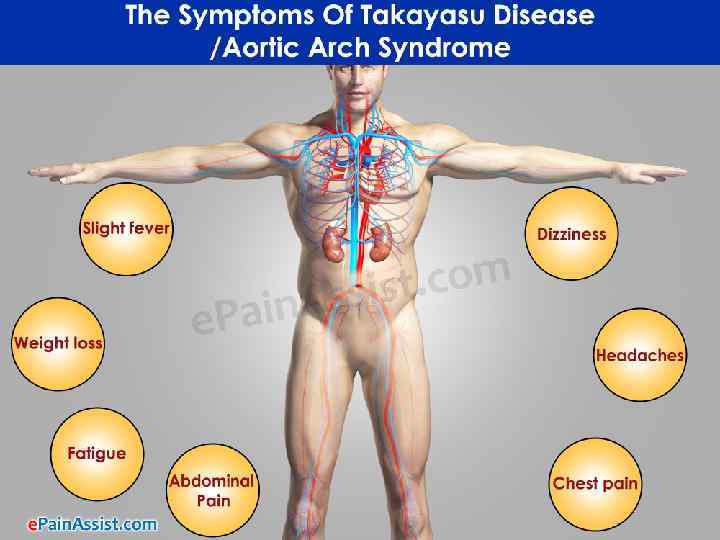
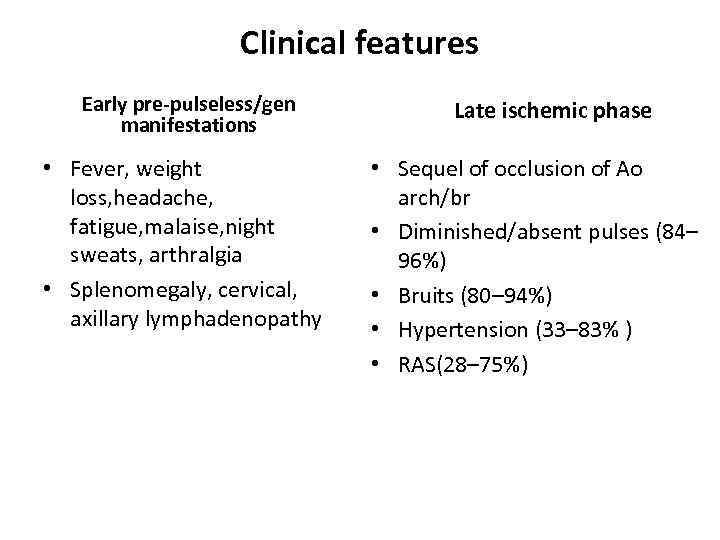
Clinical features Early pre-pulseless/gen manifestations • Fever, weight loss, headache, fatigue, malaise, night sweats, arthralgia • Splenomegaly, cervical, axillary lymphadenopathy Late ischemic phase • Sequel of occlusion of Ao arch/br • Diminished/absent pulses (84– 96%) • Bruits (80– 94%) • Hypertension (33– 83% ) • RAS(28– 75%)
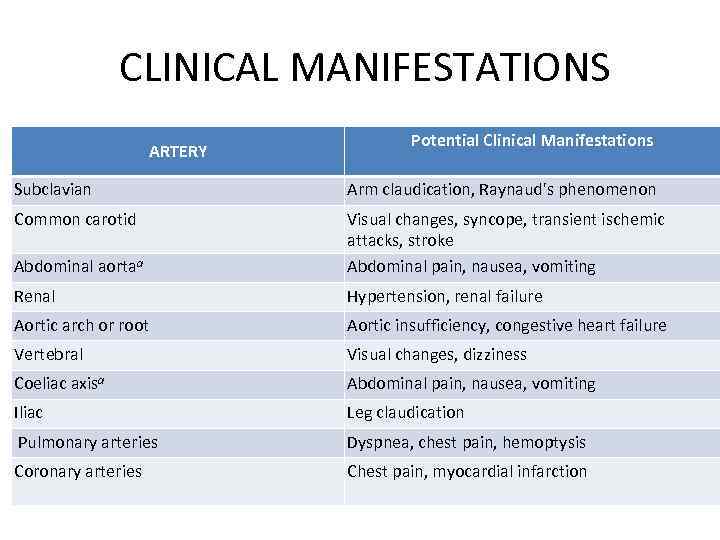
CLINICAL MANIFESTATIONS ARTERY Potential Clinical Manifestations Subclavian Arm claudication, Raynaud's phenomenon Common carotid Abdominal aortaa Visual changes, syncope, transient ischemic attacks, stroke Abdominal pain, nausea, vomiting Renal Hypertension, renal failure Aortic arch or root Aortic insufficiency, congestive heart failure Vertebral Visual changes, dizziness Coeliac axisa Abdominal pain, nausea, vomiting Iliac Leg claudication Pulmonary arteries Dyspnea, chest pain, hemoptysis Coronary arteries Chest pain, myocardial infarction
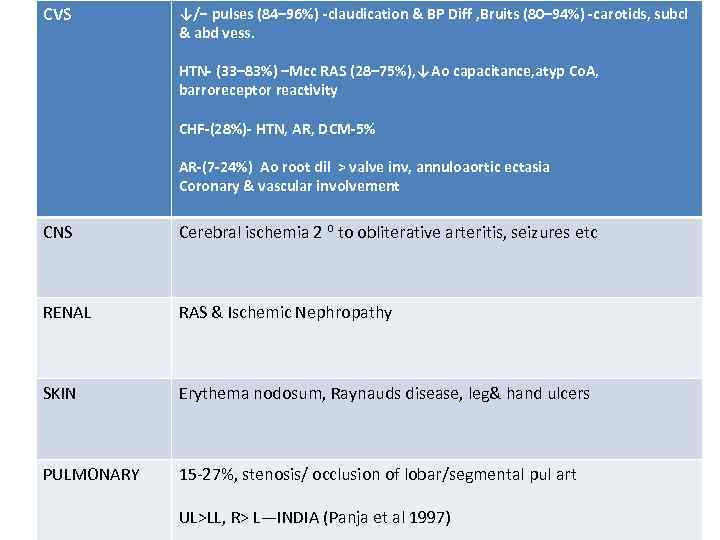
CVS ↓/− pulses (84– 96%) -claudication & BP Diff , Bruits (80– 94%) -carotids, subcl & abd vess. HTN- (33– 83%) –Mcc RAS (28– 75%), ↓Ao capacitance, atyp Co. A, barroreceptor reactivity CHF-(28%)- HTN, AR, DCM-5% AR-(7 -24%) Ao root dil > valve inv, annuloaortic ectasia Coronary & vascular involvement CNS Cerebral ischemia 2 ⁰ to obliterative arteritis, seizures etc RENAL RAS & Ischemic Nephropathy SKIN Erythema nodosum, Raynauds disease, leg& hand ulcers PULMONARY 15 -27%, stenosis/ occlusion of lobar/segmental pul art UL>LL, R> L—INDIA (Panja et al 1997)
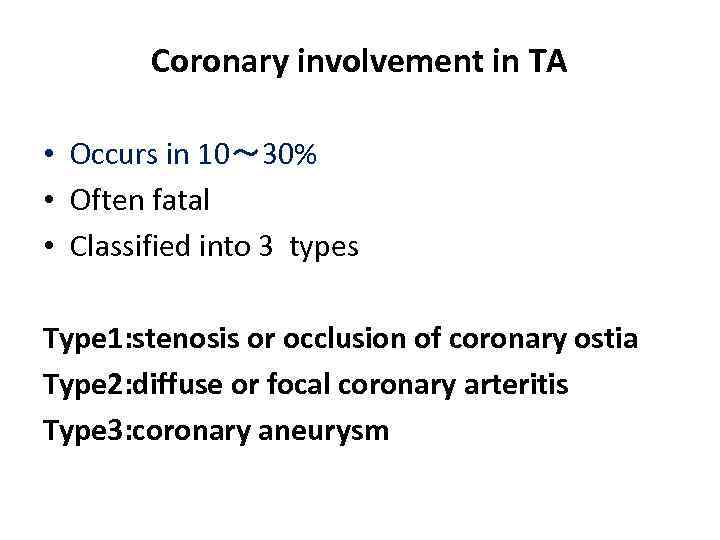
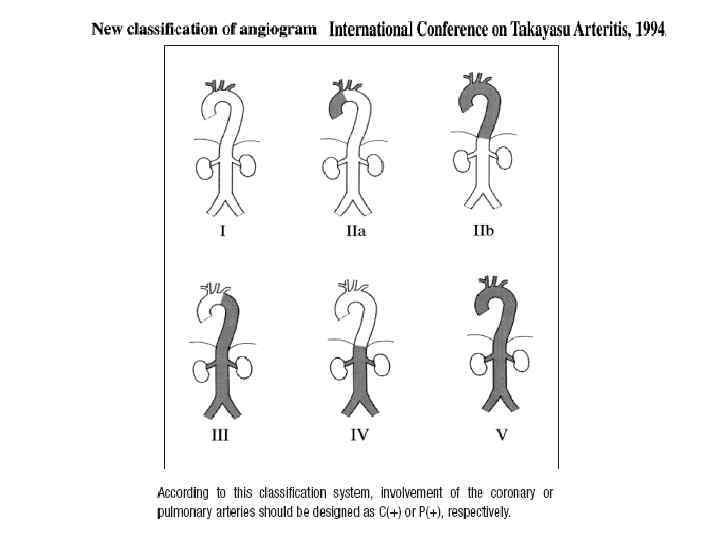
Coronary involvement in TA • Occurs in 10~ 30% • Often fatal • Classified into 3 types Type 1: stenosis or occlusion of coronary ostia Type 2: diffuse or focal coronary arteritis Type 3: coronary aneurysm
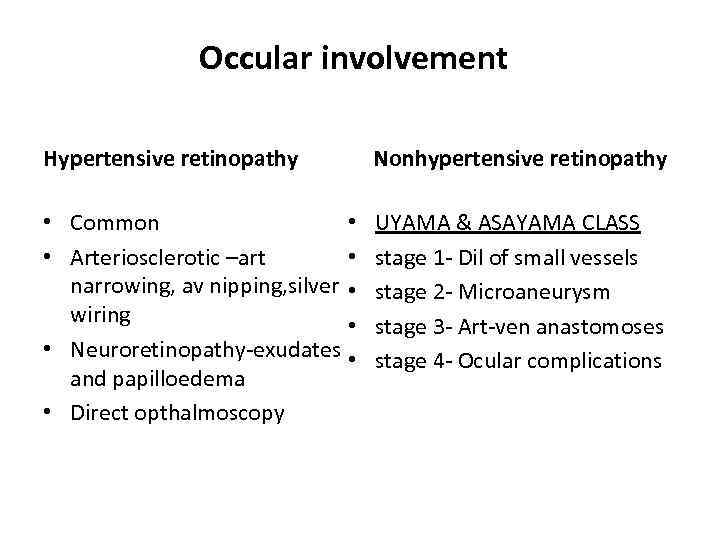
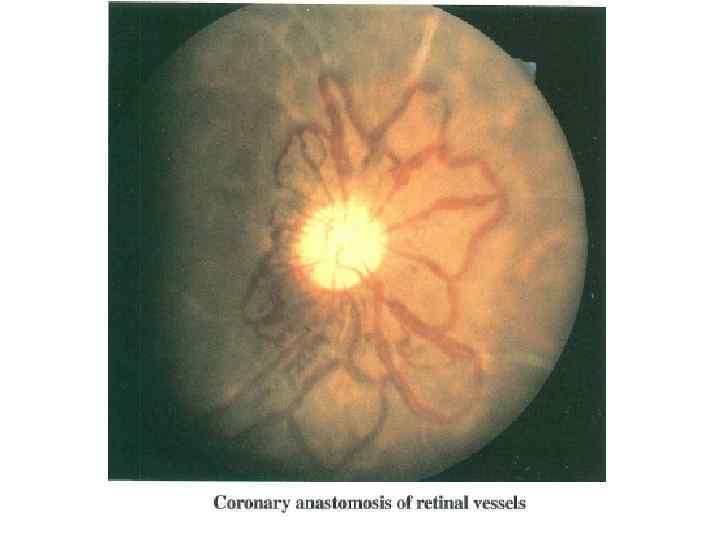
Occular involvement Hypertensive retinopathy Nonhypertensive retinopathy • Common • • Arteriosclerotic –art • narrowing, av nipping, silver • wiring • • Neuroretinopathy-exudates • and papilloedema • Direct opthalmoscopy UYAMA & ASAYAMA CLASS stage 1 - Dil of small vessels stage 2 - Microaneurysm stage 3 - Art-ven anastomoses stage 4 - Ocular complications
nee
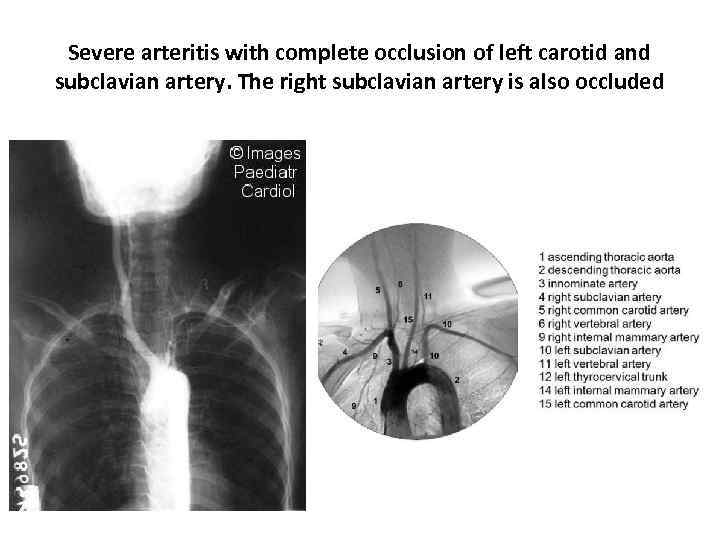
Severe arteritis with complete occlusion of left carotid and subclavian artery. The right subclavian artery is also occluded
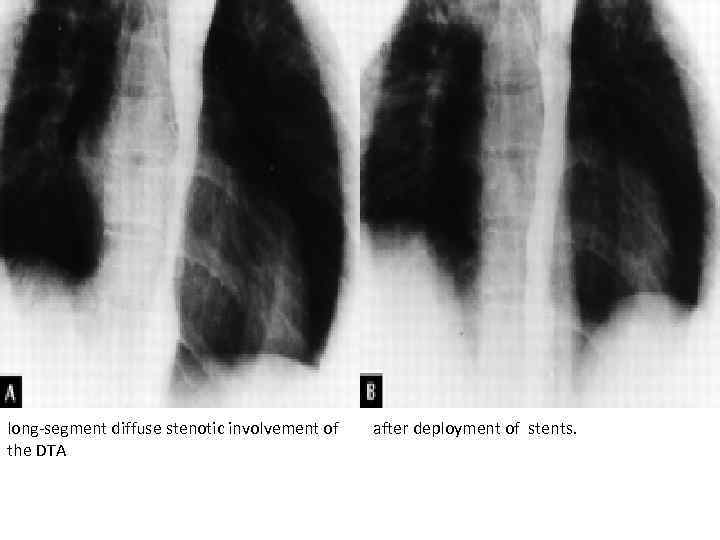
long-segment diffuse stenotic involvement of the DTA after deployment of stents.
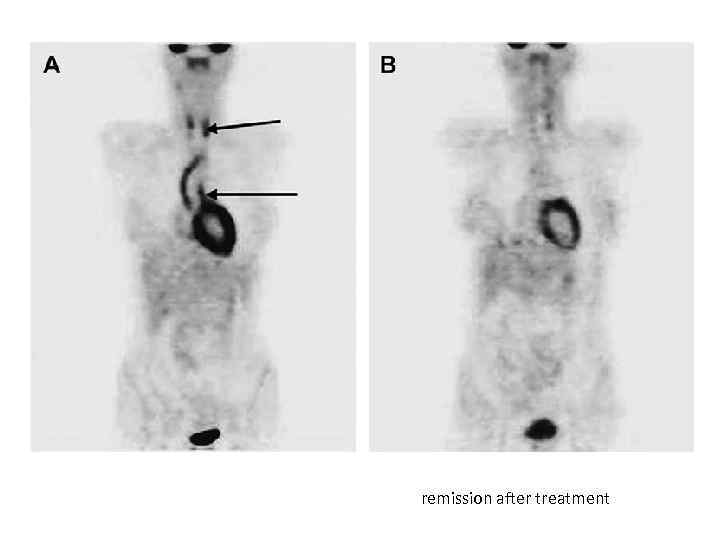
remission after treatment
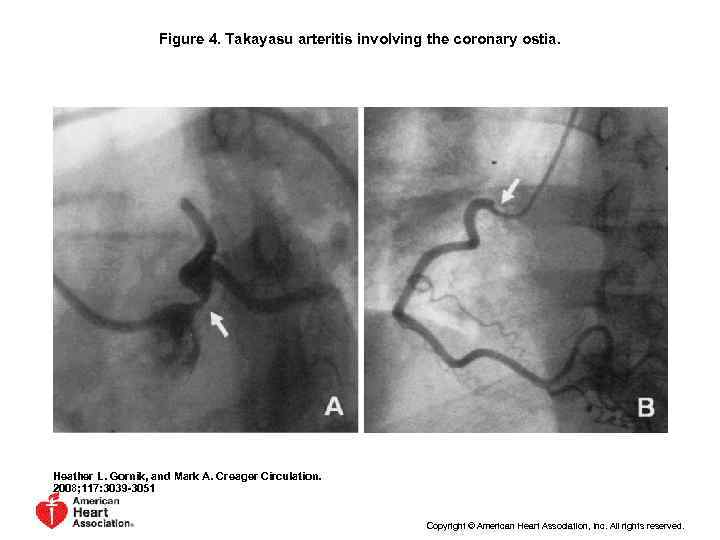
Figure 4. Takayasu arteritis involving the coronary ostia. Heather L. Gornik, and Mark A. Creager Circulation. 2008; 117: 3039 -3051 Copyright © American Heart Association, Inc. All rights reserved.
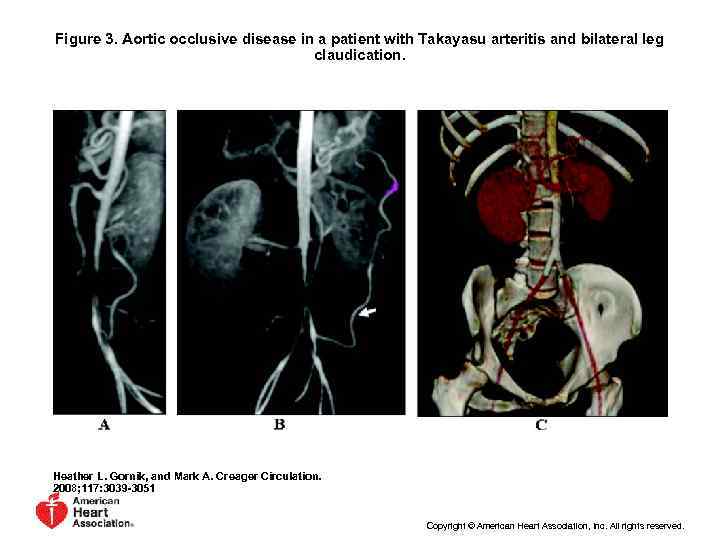
Figure 3. Aortic occlusive disease in a patient with Takayasu arteritis and bilateral leg claudication. Heather L. Gornik, and Mark A. Creager Circulation. 2008; 117: 3039 -3051 Copyright © American Heart Association, Inc. All rights reserved.
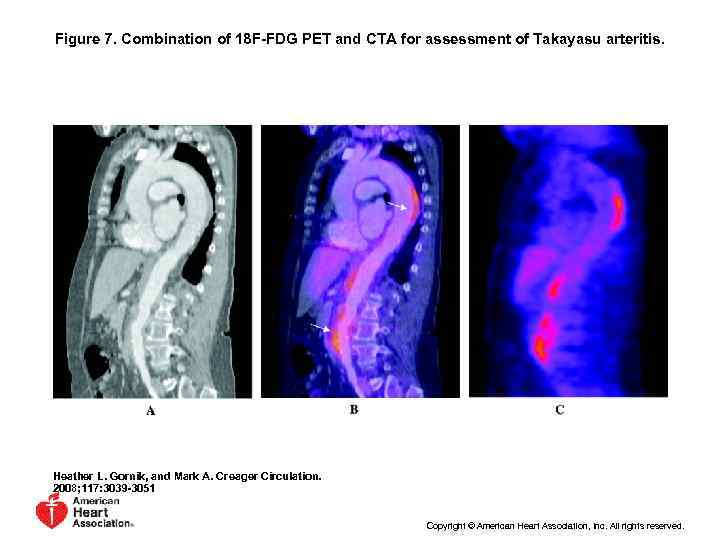
Figure 7. Combination of 18 F-FDG PET and CTA for assessment of Takayasu arteritis. Heather L. Gornik, and Mark A. Creager Circulation. 2008; 117: 3039 -3051 Copyright © American Heart Association, Inc. All rights reserved.
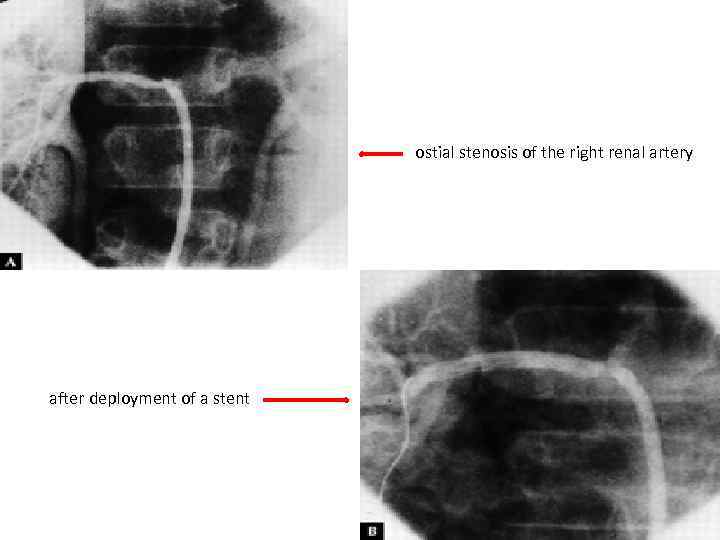
ostial stenosis of the right renal artery after deployment of a stent
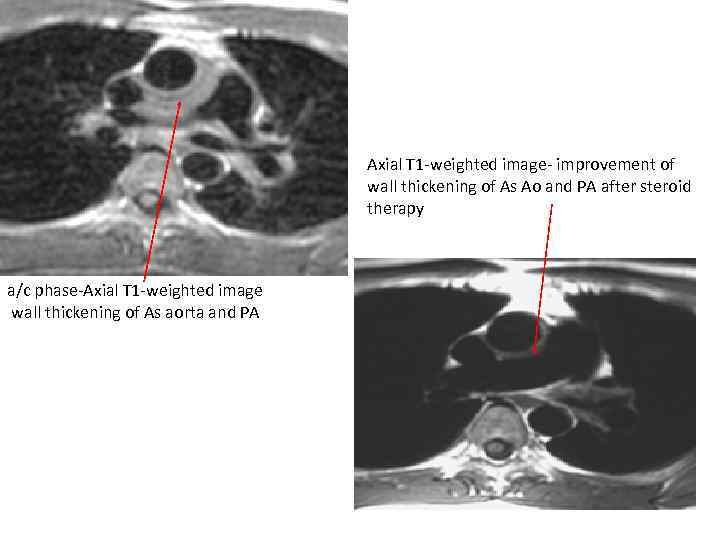
Axial T 1 -weighted image- improvement of wall thickening of As Ao and PA after steroid therapy a/c phase-Axial T 1 -weighted image wall thickening of As aorta and PA
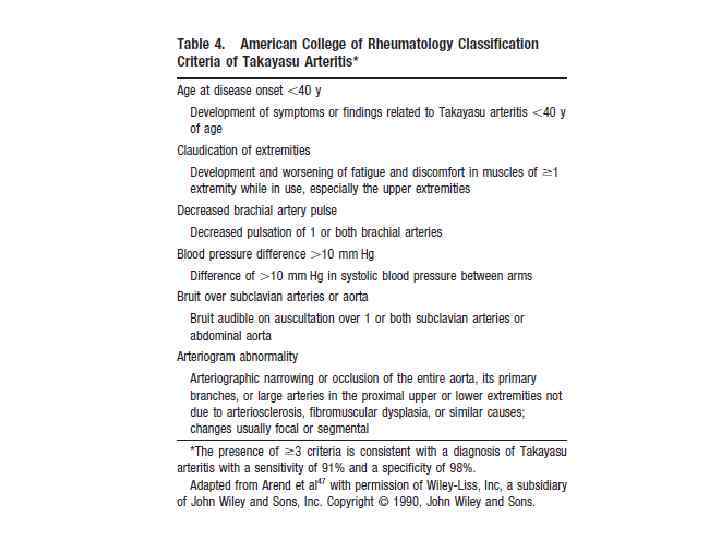
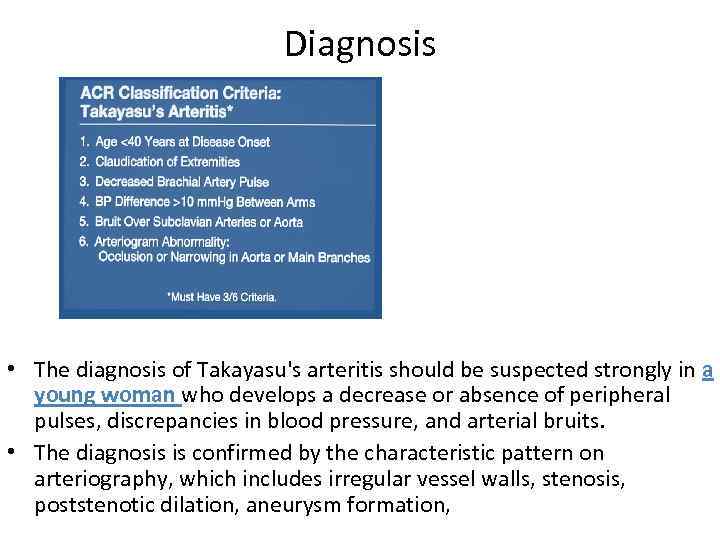
Diagnosis • The diagnosis of Takayasu's arteritis should be suspected strongly in a young woman who develops a decrease or absence of peripheral pulses, discrepancies in blood pressure, and arterial bruits. • The diagnosis is confirmed by the characteristic pattern on arteriography, which includes irregular vessel walls, stenosis, poststenotic dilation, aneurysm formation,
Treatment • Disease-related mortality most often occurs from congestive heart failure, cerebrovascular events, myocardial infarction, aneurysm rupture, or renal failure. • The course of the disease is variable, and although spontaneous remissions may occur, Takayasu's arteritis is most often chronic and relapsing. • Glucocorticoid therapy for acute signs and symptoms. • An aggressive surgical and/or arterioplastic approach to stenosed vessels. Unless it is urgently required, surgical correction of stenosed arteries should be undertaken only when the vascular inflammatory process is well controlled with medical therapy. • In individuals who are refractory to or unable to taper glucocorticoids, methotrexate in doses up to 25 mg per week has yielded encouraging results. • Anti-TNF therapies have encouraging results
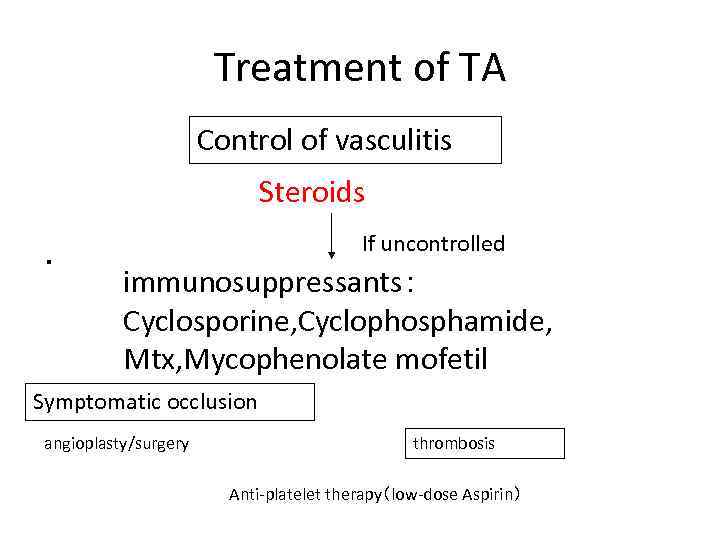
Treatment of TA Control of vasculitis Steroids ・ If uncontrolled immunosuppressants: Cyclosporine, Cyclophosphamide, Mtx, Mycophenolate mofetil Symptomatic occlusion angioplasty/surgery thrombosis Anti-platelet therapy(low-dose Aspirin)
Pharmacological treatment 0. 7 -1 mg/kg/day –prednisone for 1 -3 months common tapering regimen once remission ↓ pred by 5 mg/week → 20 mg/day. Thereafter, ↓by 2. 5 mg/week → 10 mg/day ↓ 1 mg/day each week, as long as disease does not become more active Pulse iv corticosteroids - CNS symptoms- no data to support
• Steroids → 50% response • Methotrexate →further 50% respond • 25% with active disease will not respond to current treatments • resistant to steroids/ recurrent disease once corticosteroids are tapered cyclophosphamide (1 -2 mg/kg/day), azathioprine (1 -2 mg/kg/day), or methotrexate (0. 3 mg/kg/week) Mycophenolate mofetil/ anti TNF α agents
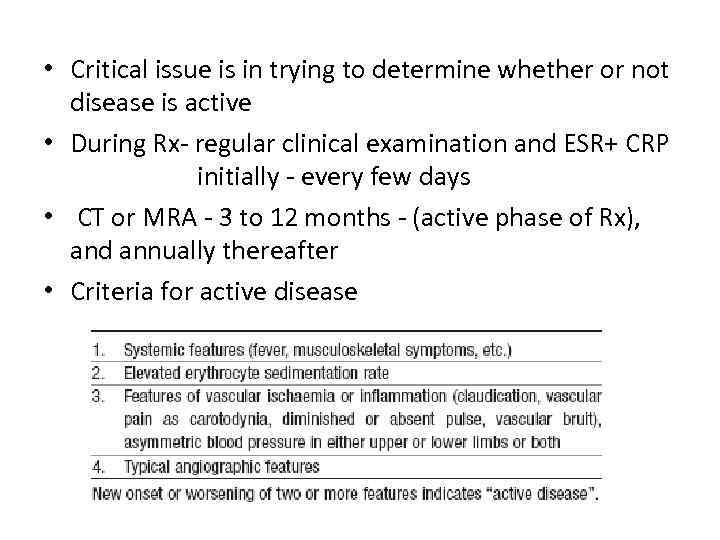
• Critical issue is in trying to determine whether or not disease is active • During Rx- regular clinical examination and ESR+ CRP initially - every few days • CT or MRA - 3 to 12 months - (active phase of Rx), and annually thereafter • Criteria for active disease
Invasive treatment • HTN with critical RAS • Extremity claudication limiting daily activities • Cerebrovascular ischaemia or critical stenoses of ≥ 3 cerebral vessels • Moderate AR • Cardiac ischaemia with confirmed coronary involvement • Aneurysms Recommended at quiescent state - avoids complications (restenosis, anastamotic failure, thrombosis, haemorrhage, infection)
Скачать презентацию TAKAYASU S ARTERITIS Dr Katya Dolnikov 2017 D_katya rambam health
TAKAYASU ARTERITIS ppt.pptx