


 Скачать презентацию System s thinking in the context of development aid
79a512ad75a5a862dfc015fe5f3884fa.ppt
- Количество слайдов: 44
 System’s thinking in the context of development aid Working through models to intervene in complex realities?
 Recapitulation: Development aid = changing systems. Action-research is a tool by excellence for working in / with systems Continuation: Decision-making in complex systems is based on (implicit or explicit) models
 Exercise Animal Farm 2
 Results? l There was no elephant in this room! l There was even less a dinosaur in the room! l People with much more credibility than you were locked-up for such ‘vision’
 Results? l If you were precise you would have said: I saw toys representing elephants, dinosaurs…. l If you were more scientific, you would have said: I saw models…. l But ‘by the way’, what is a model?
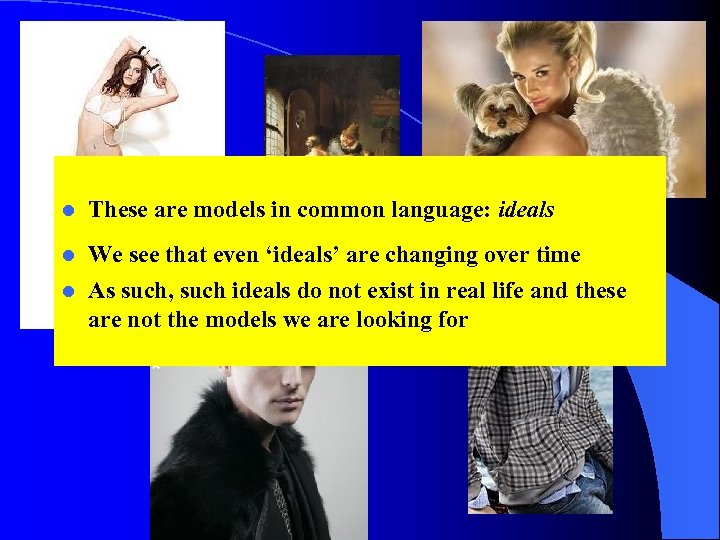 l These are models in common language: ideals l We see that even ‘ideals’ are changing over time l As such, such ideals do not exist in real life and these are not the models we are looking for
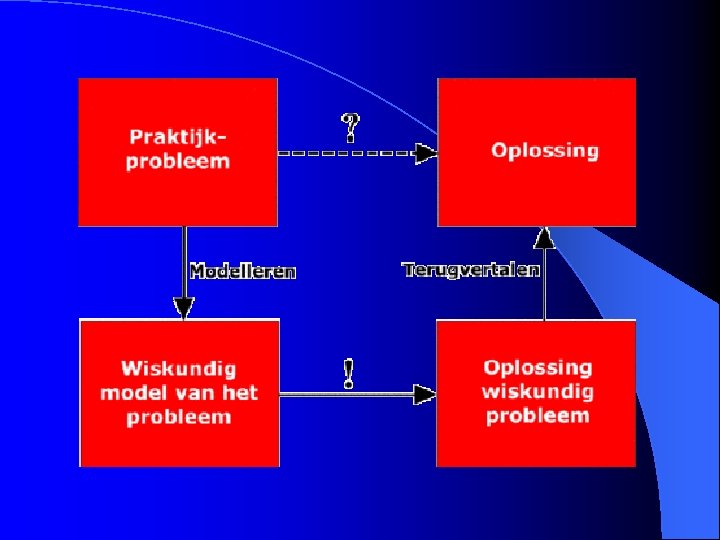
 Models in the context of complex systems l. A model is a simplified representation of reality, and in system’s thinking, of a complex system l Systems are too complex to be described fully l Models are representations of systems in order to understand (some aspects of) them l System’s behaviour is unpredictable, models help us to predict (with more accuracy) their behaviour
 Models in the context of complex systems l. A model is a simplified representation of reality (they contain certain elements, interrelations, values…) l Models are always a reduction: they are much simpler than reality itself l It helps organising our mind for thinking within a complex reality…… l They therefore orient decision-making
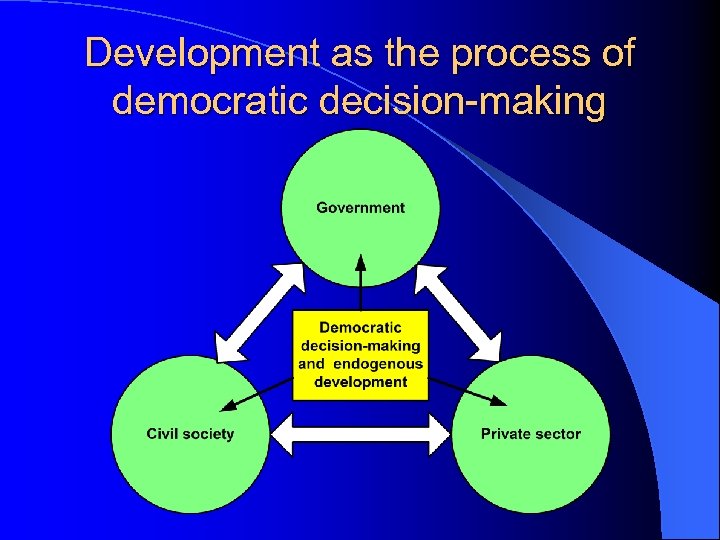 Development as the process of democratic decision-making
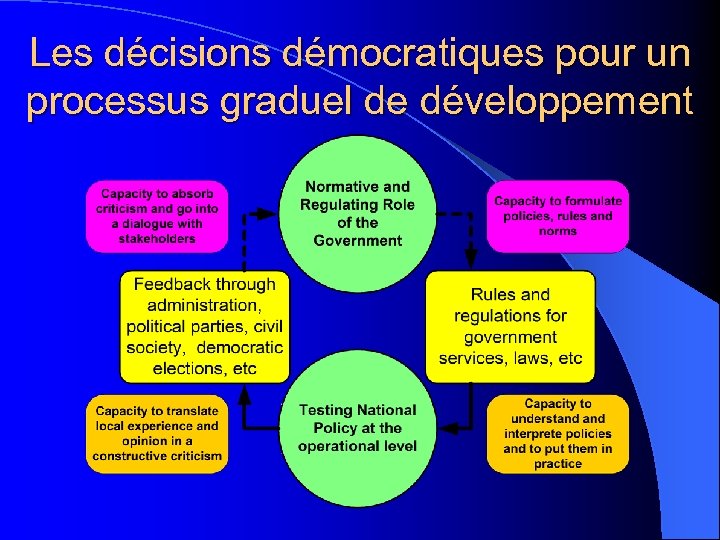 Les décisions démocratiques pour un processus graduel de développement
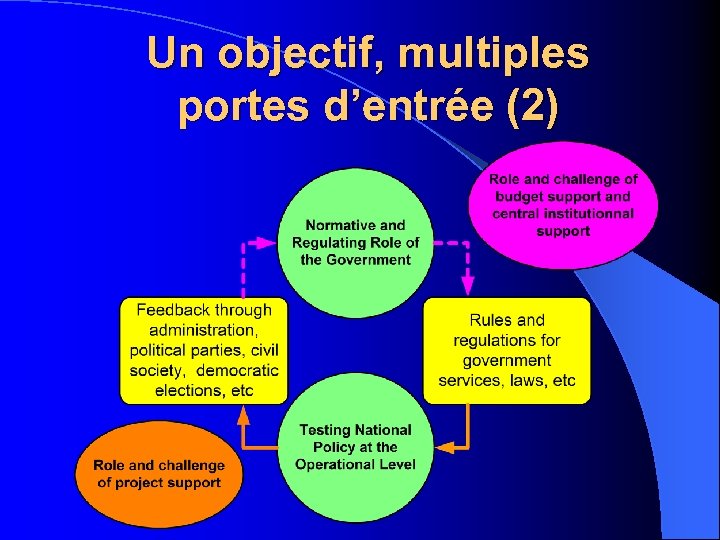 Un objectif, multiples portes d’entrée (2)
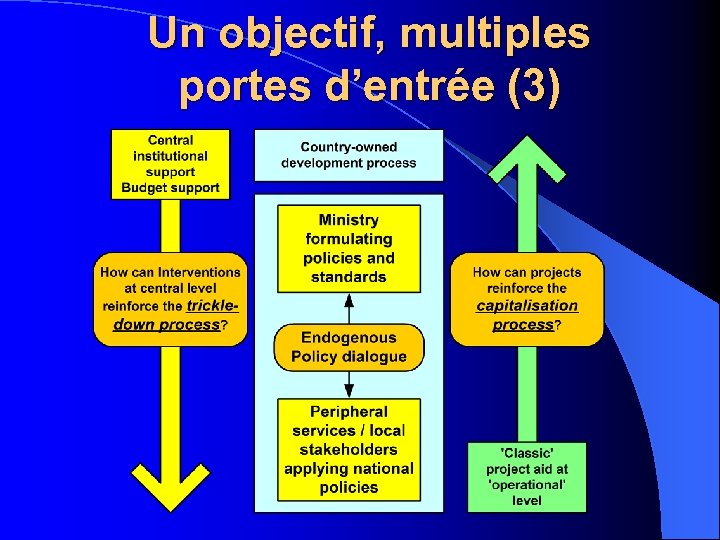 Un objectif, multiples portes d’entrée (3)
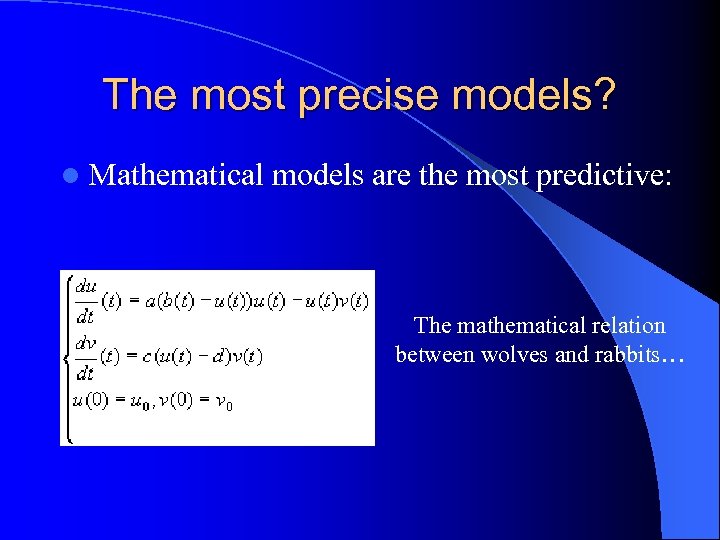 The most precise models? l Mathematical models are the most predictive: The mathematical relation between wolves and rabbits…
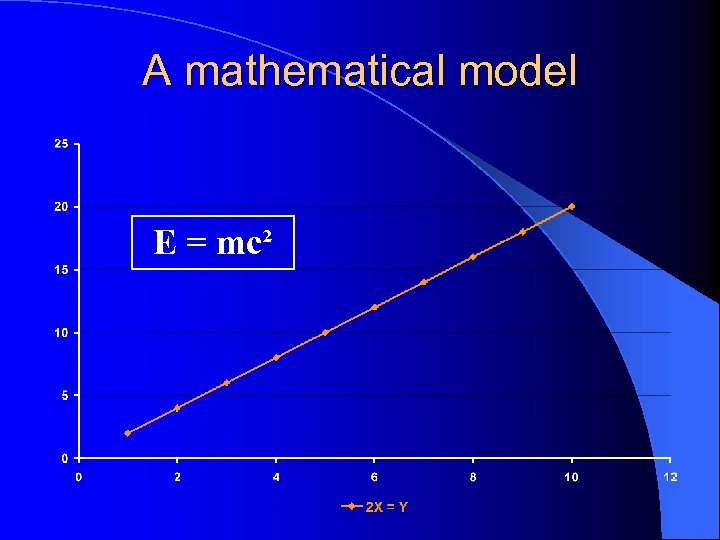 A mathematical model E = mc²
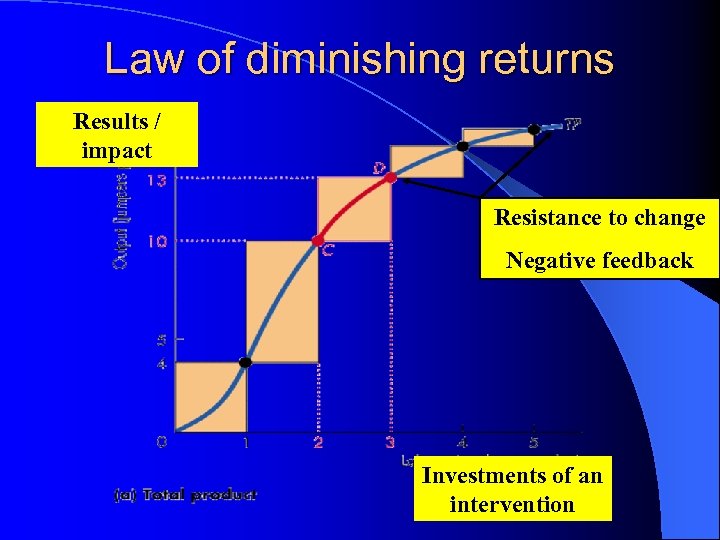 Law of diminishing returns Results / impact Resistance to change Negative feedback Investments of an intervention
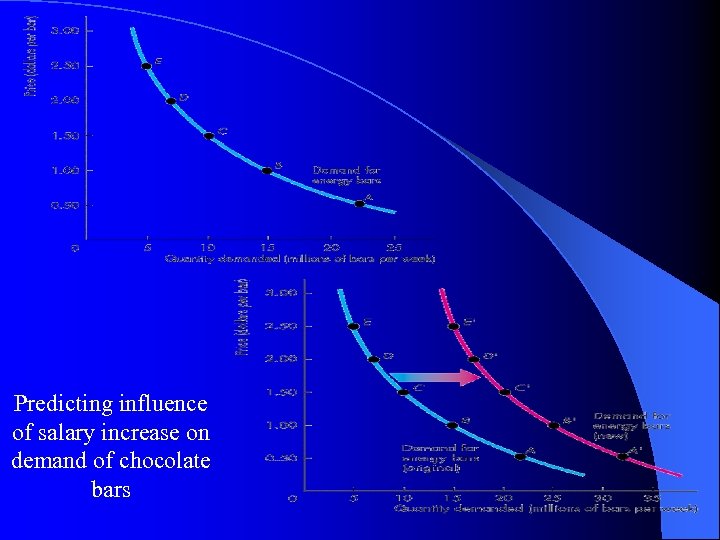 Predicting influence of salary increase on demand of chocolate bars
 By the way : on models and predictive value: l In 1933 the financial and economic crisis was not predicted l In 2001, 2003 and 2009, the economic crises were not predicted either…… l Opposite models can predict different things l Models can be wrong and are wrong by definition outside a certain range l Models do not predict everything on the system

 Do we understand the title of this article? l“We can only solve very simple problems with mathematics…”
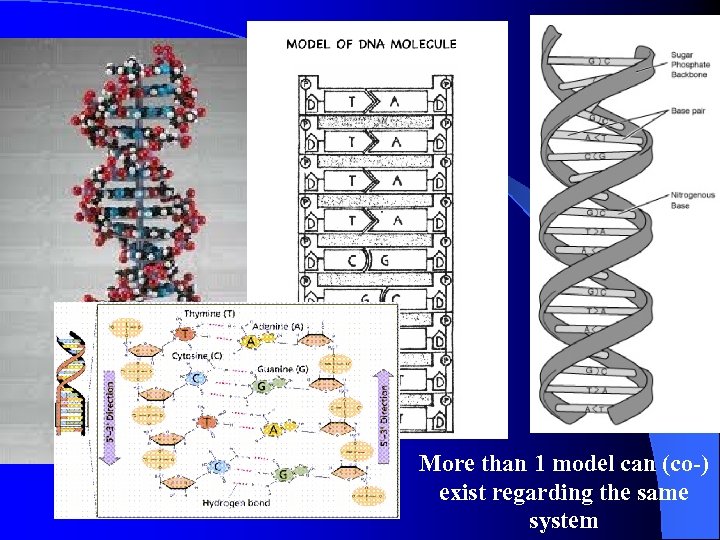 More than 1 model can (co-) exist regarding the same system

 Models provide you the necessary information to formulate working hypotheses
 Models in the context of complex systems l. A model is a simplified representation of reality l It helps organising our mind for thinking within a complex reality…… a team’s mind! l Models help to conceive vaccines / drugs against HIV infection l Models help to make decisions
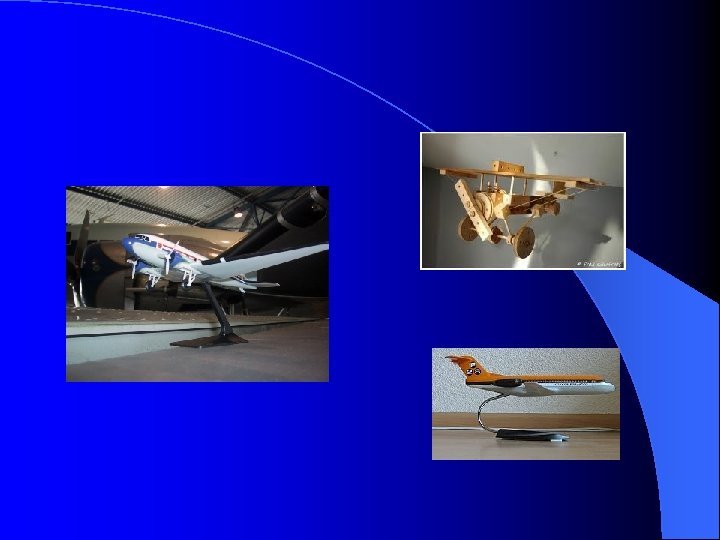
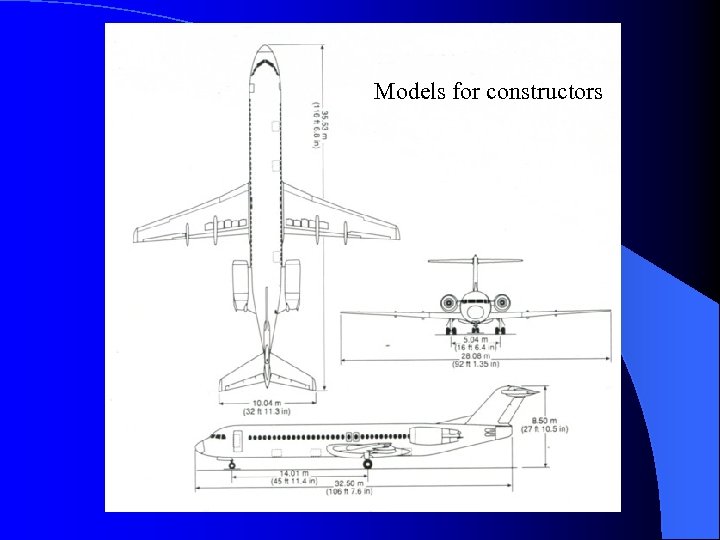 Models for constructors
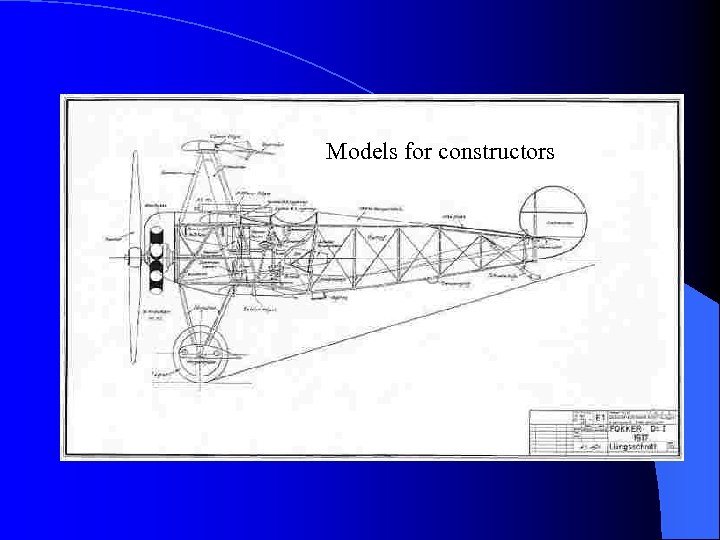 Models for constructors
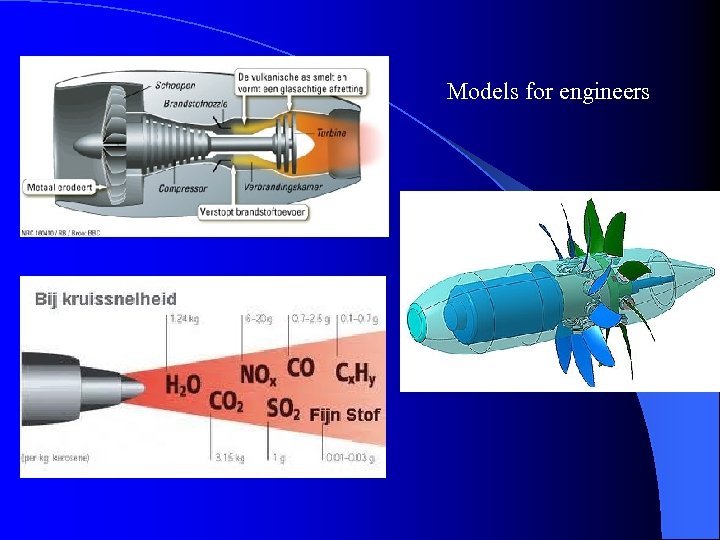 Models for engineers
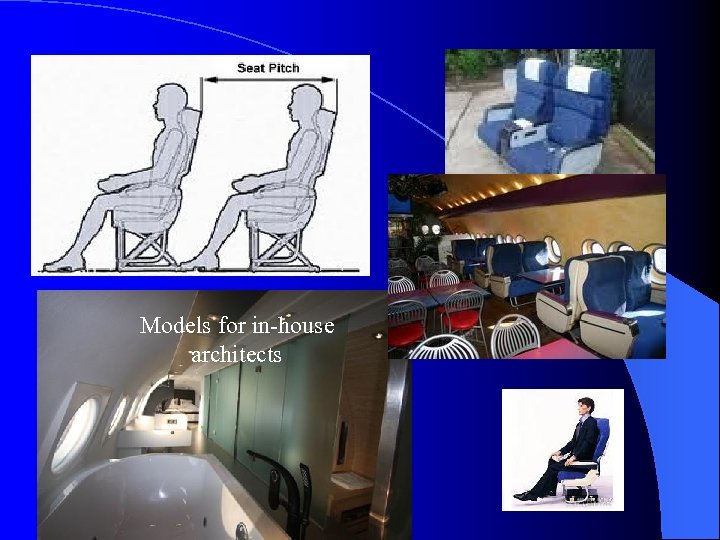 Models for in-house architects
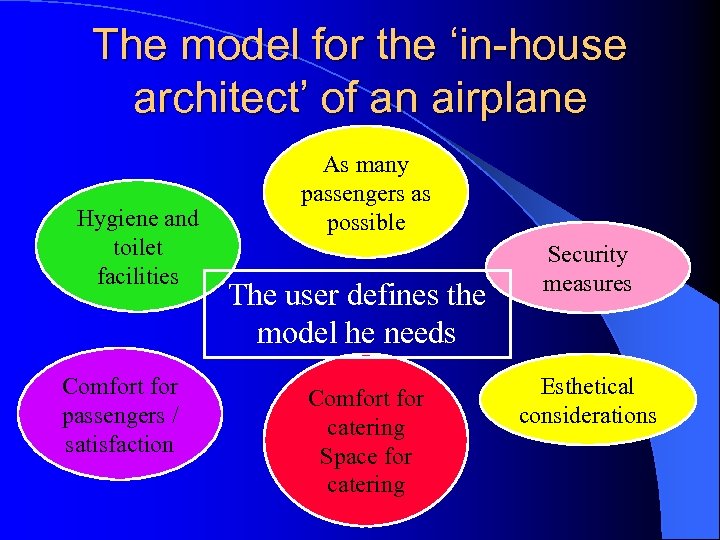 The model for the ‘in-house architect’ of an airplane Hygiene and toilet facilities Comfort for passengers / satisfaction As many passengers as possible The user defines the model he needs Comfort for catering Space for catering Security measures Esthetical considerations
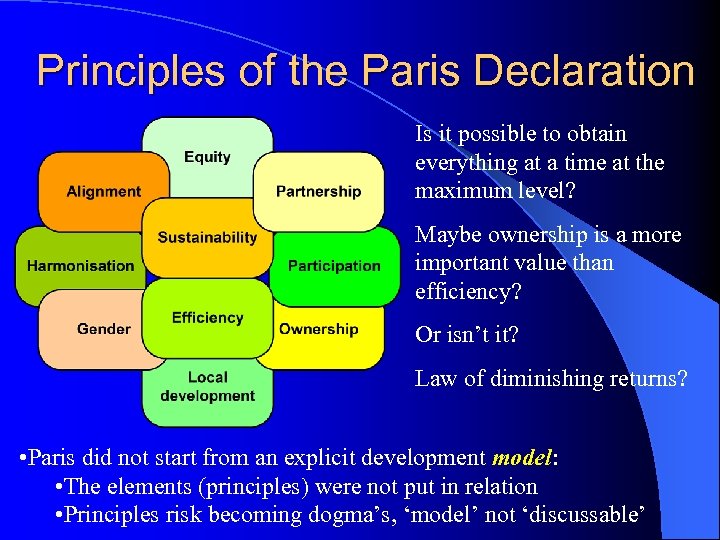 Principles of the Paris Declaration Is it possible to obtain everything at a time at the maximum level? Maybe ownership is a more important value than efficiency? Or isn’t it? Law of diminishing returns? • Paris did not start from an explicit development model: • The elements (principles) were not put in relation • Principles risk becoming dogma’s, ‘model’ not ‘discussable’
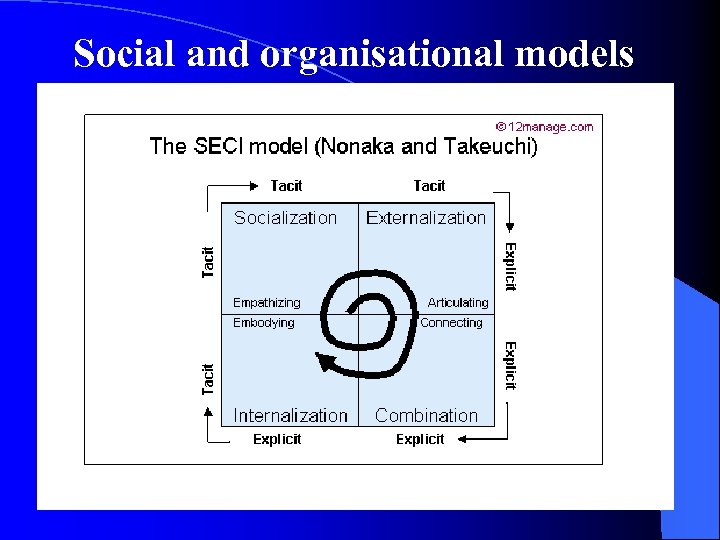 Social and organisational models
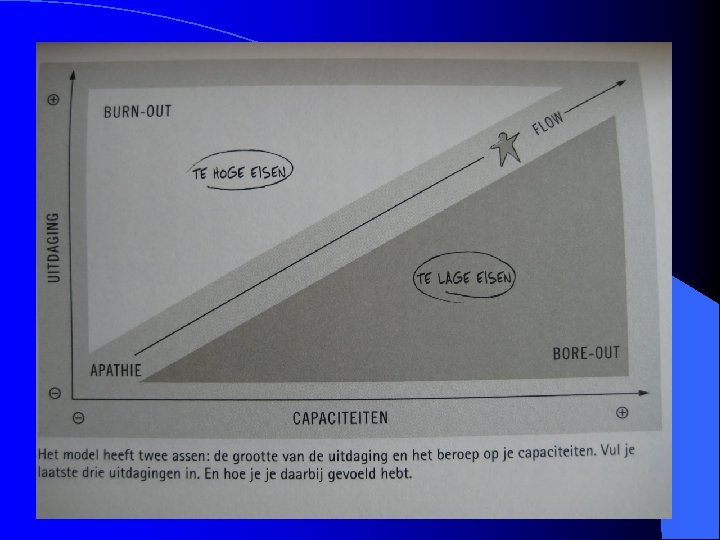
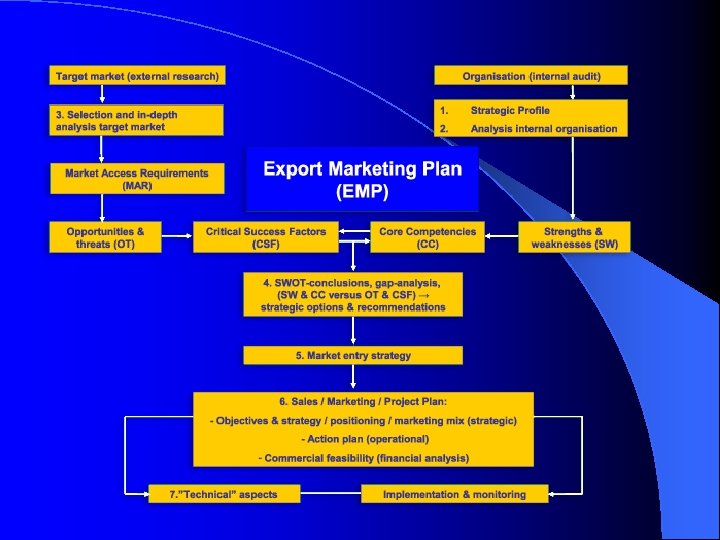
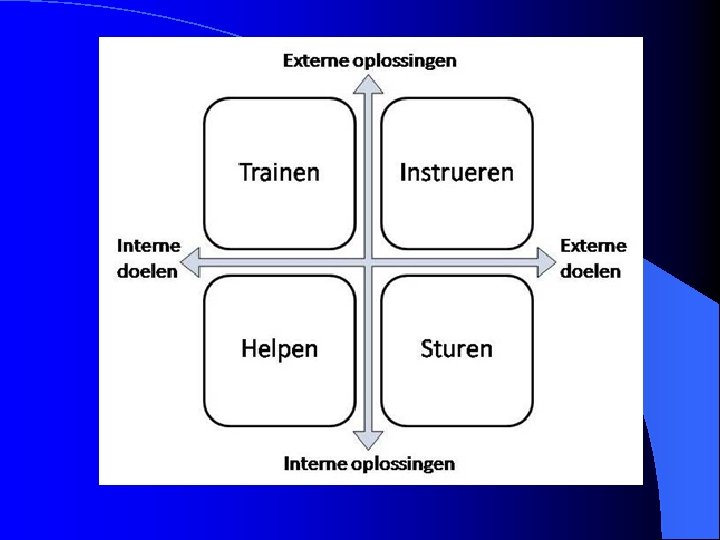
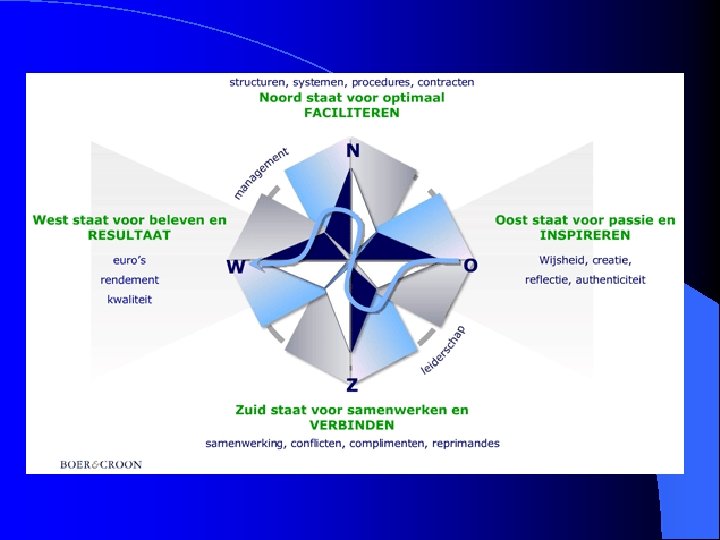
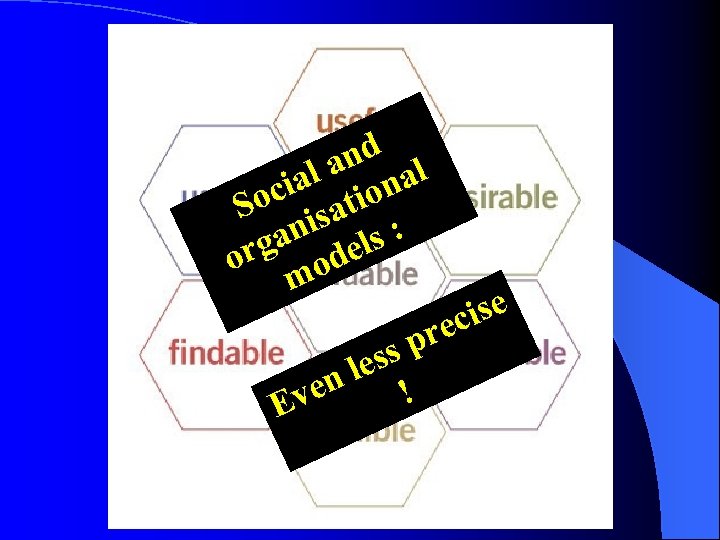 nd l al a ona ci ti So isa an els : org od m pr ess nl ! ve E ise ec
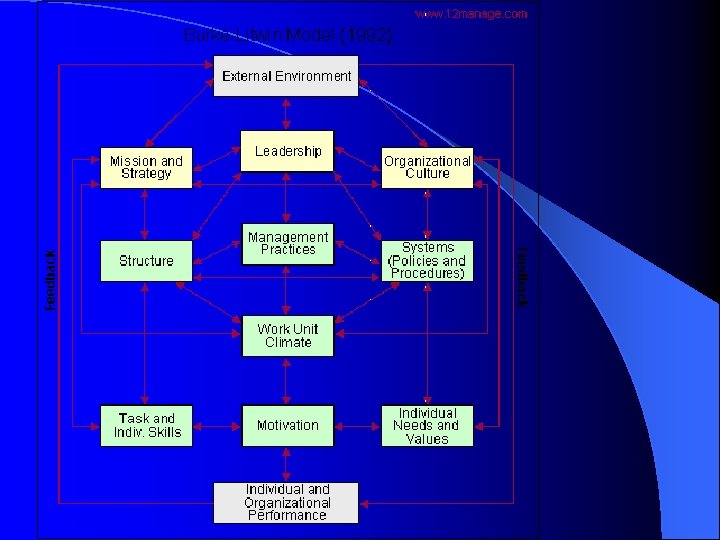
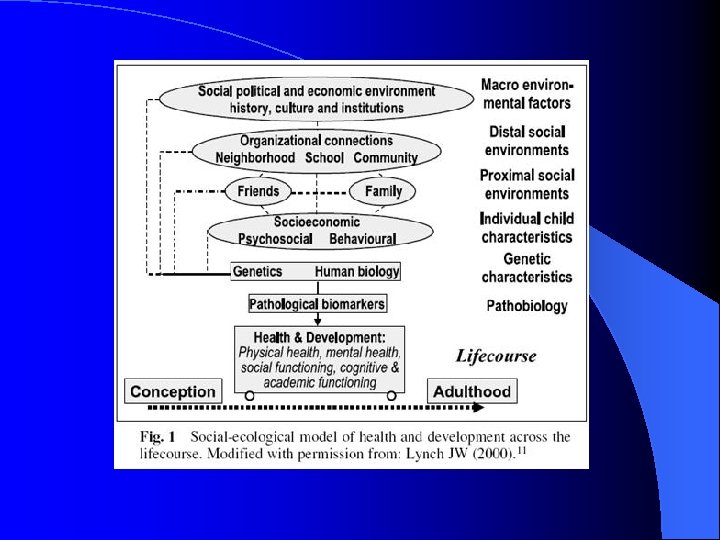
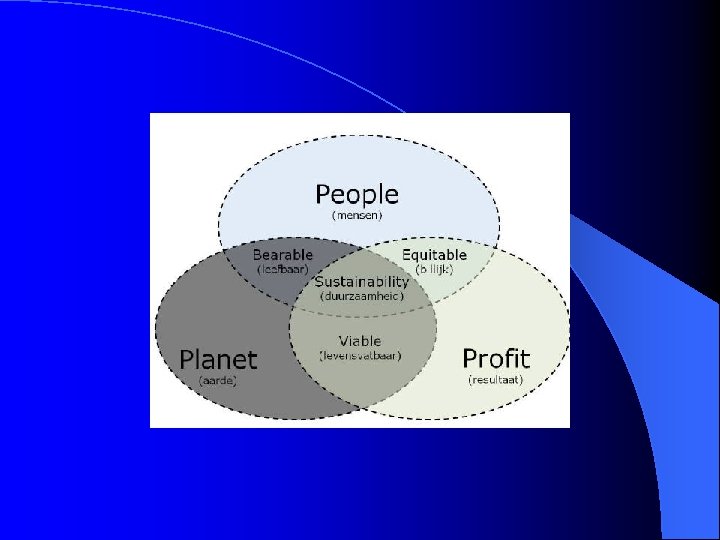
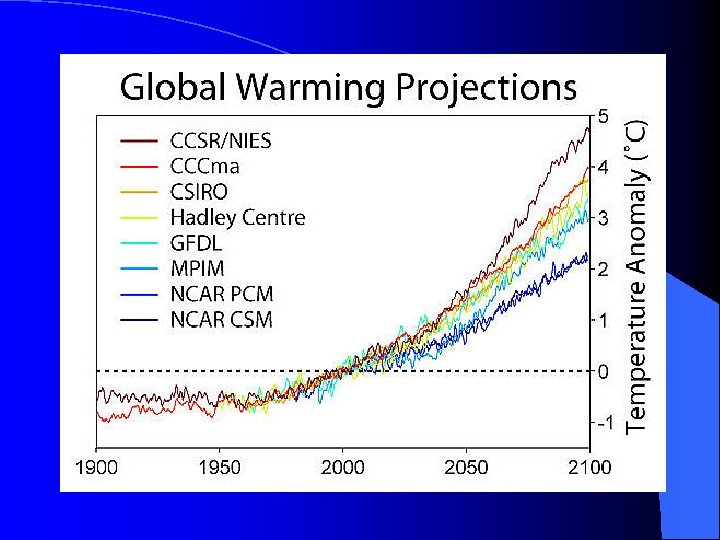
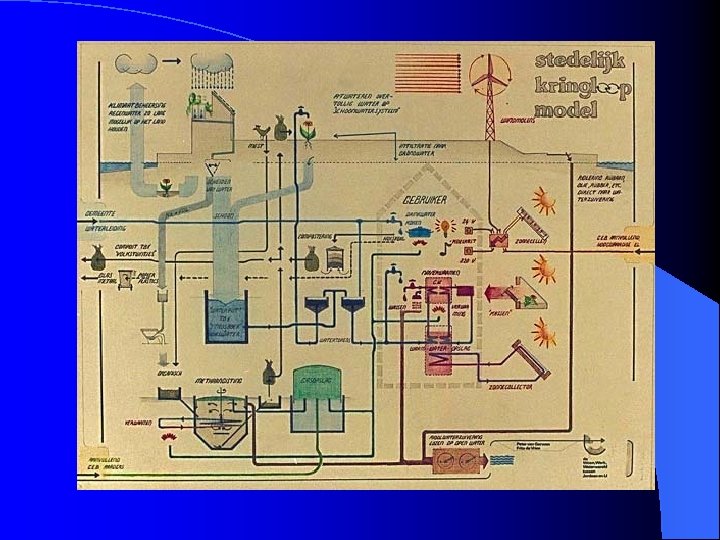
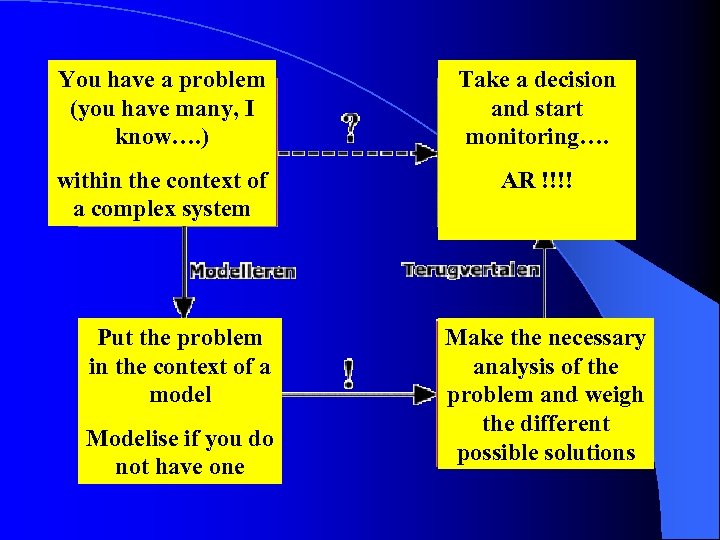 You have a problem (you have many, I know…. ) Take a decision and start monitoring…. within the context of a complex system AR !!!! Put the problem in the context of a model Modelise if you do not have one Make the necessary analysis of the problem and weigh the different possible solutions