 Скачать презентацию System Considerations for Submillimeter Receiver Junji INATANI Space
05764ac007e929fbd1f1ad0941836726.ppt
- Количество слайдов: 31



System Considerations for Submillimeter Receiver Junji INATANI Space Utilization Research Program National Space Development Agency of Japan (NASDA) March 12 -13, Nanjing 1
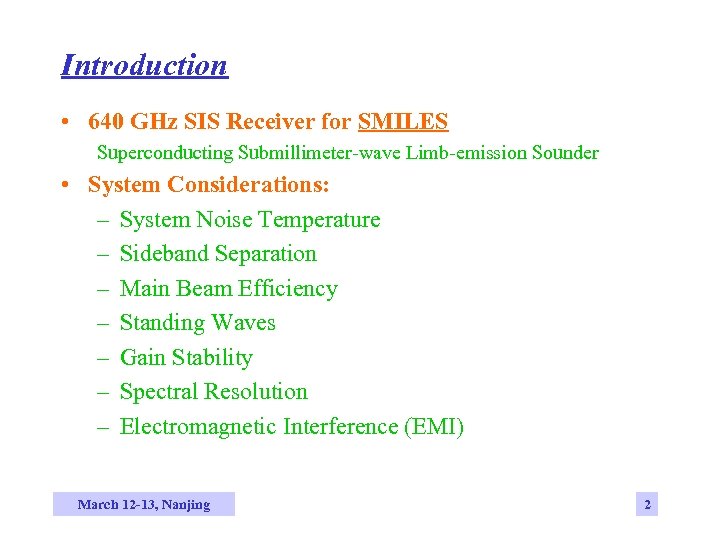
Introduction • 640 GHz SIS Receiver for SMILES Superconducting Submillimeter-wave Limb-emission Sounder • System Considerations: – System Noise Temperature – Sideband Separation – Main Beam Efficiency – Standing Waves – Gain Stability – Spectral Resolution – Electromagnetic Interference (EMI) March 12 -13, Nanjing 2
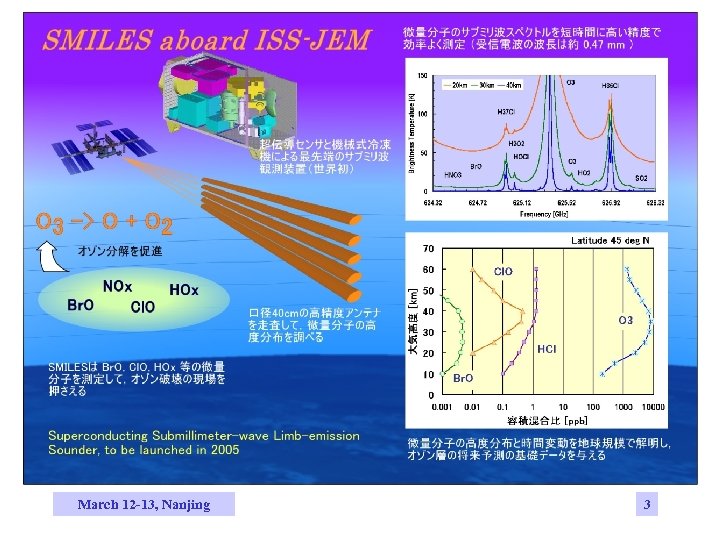
March 12 -13, Nanjing 3
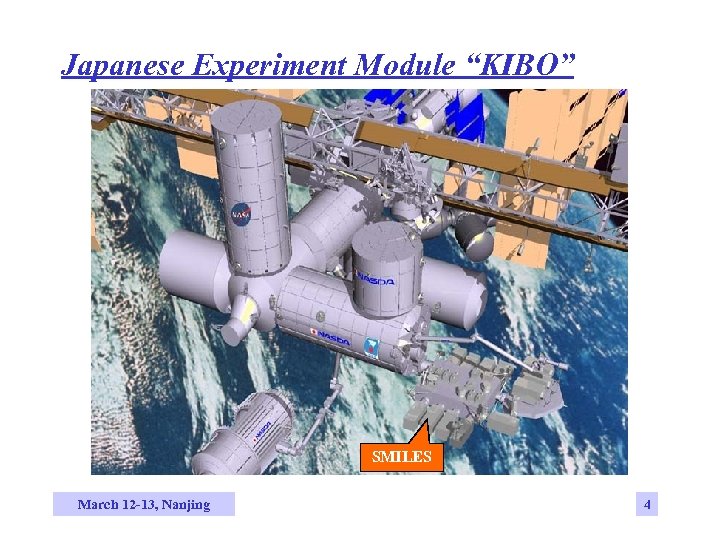
Japanese Experiment Module “KIBO” SMILES March 12 -13, Nanjing 4
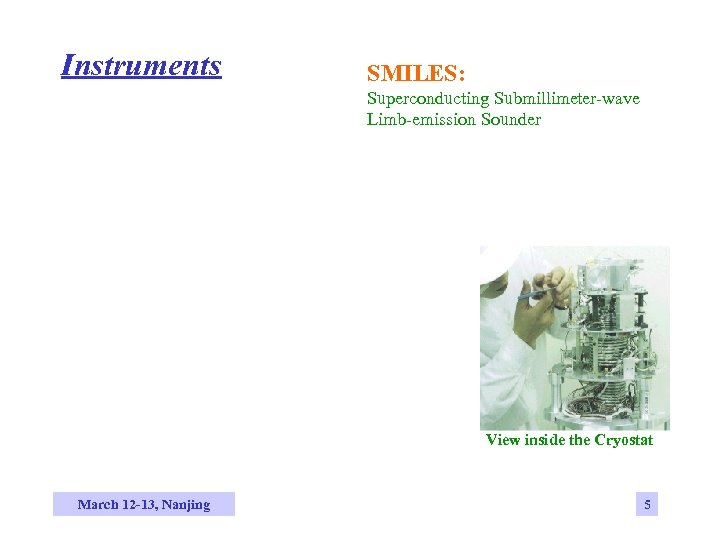
Instruments SMILES: Superconducting Submillimeter-wave Limb-emission Sounder View inside the Cryostat March 12 -13, Nanjing 5
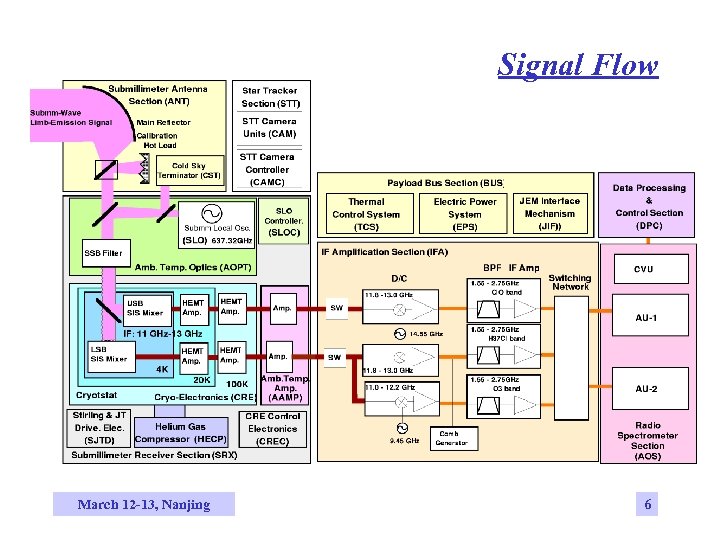
Signal Flow March 12 -13, Nanjing 6
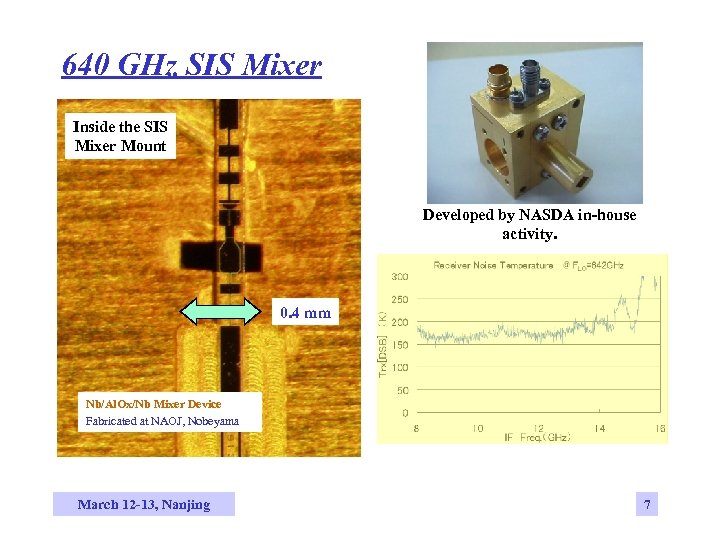
640 GHz SIS Mixer Inside the SIS Mixer Mount Developed by NASDA in-house activity. 0. 4 mm Nb/Al. Ox/Nb Mixer Device Fabricated at NAOJ, Nobeyama March 12 -13, Nanjing 7
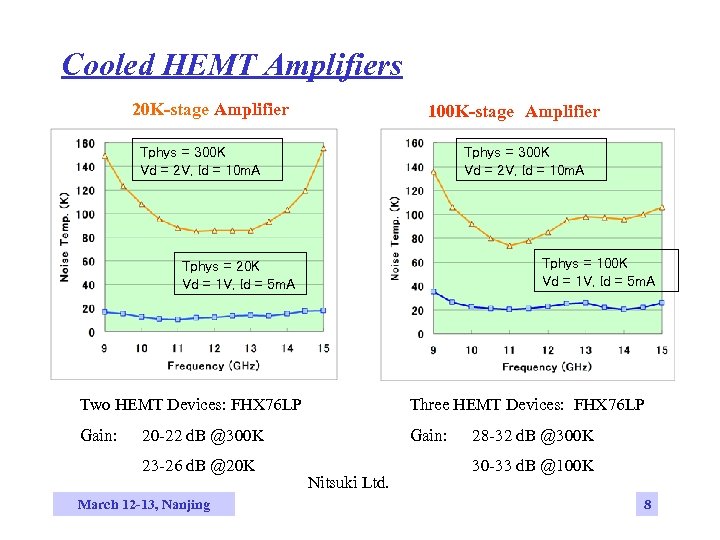
Cooled HEMT Amplifiers 20 K-stage Amplifier 100 K-stage Amplifier Tphys = 300 K Vd = 2 V, Id = 10 m. A Tphys = 100 K Vd = 1 V, Id = 5 m. A Tphys = 20 K Vd = 1 V, Id = 5 m. A Two HEMT Devices: FHX 76 LP Three HEMT Devices: FHX 76 LP Gain: 20 -22 d. B @300 K 23 -26 d. B @20 K March 12 -13, Nanjing Nitsuki Ltd. 28 -32 d. B @300 K 30 -33 d. B @100 K 8
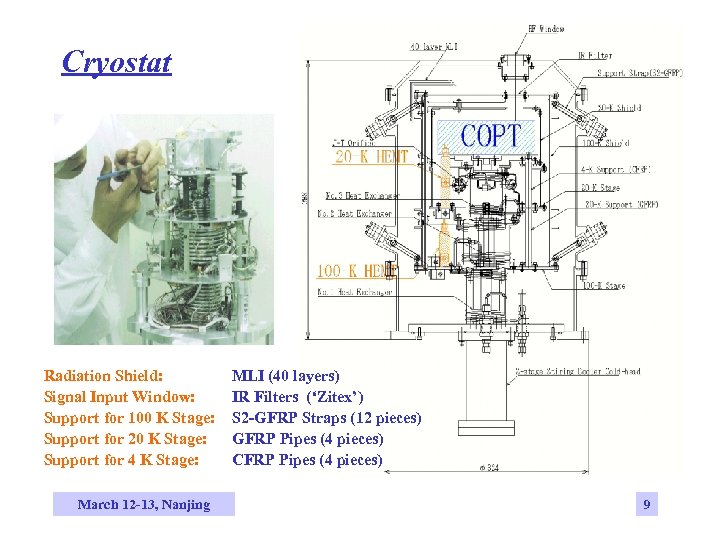
Cryostat Radiation Shield: Signal Input Window: Support for 100 K Stage: Support for 20 K Stage: Support for 4 K Stage: March 12 -13, Nanjing MLI (40 layers) IR Filters (‘Zitex’) S 2 -GFRP Straps (12 pieces) GFRP Pipes (4 pieces) CFRP Pipes (4 pieces) 9
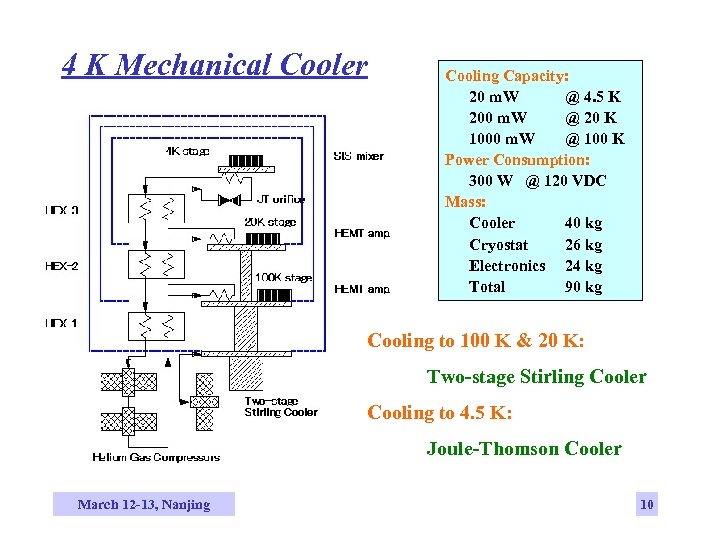
4 K Mechanical Cooler Cooling Capacity: 20 m. W @ 4. 5 K 200 m. W @ 20 K 1000 m. W @ 100 K Power Consumption: 300 W @ 120 VDC Mass: Cooler 40 kg Cryostat 26 kg Electronics 24 kg Total 90 kg Cooling to 100 K & 20 K: Two-stage Stirling Cooler Cooling to 4. 5 K: Joule-Thomson Cooler March 12 -13, Nanjing 10
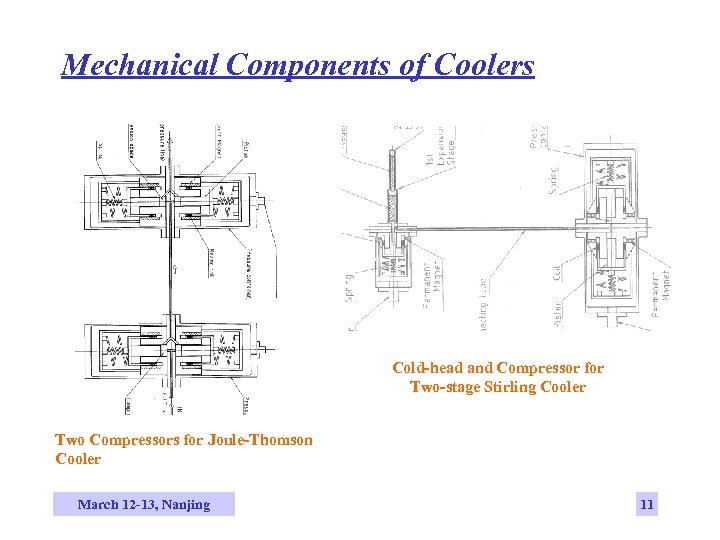
Mechanical Components of Coolers Cold-head and Compressor for Two-stage Stirling Cooler Two Compressors for Joule-Thomson Cooler March 12 -13, Nanjing 11
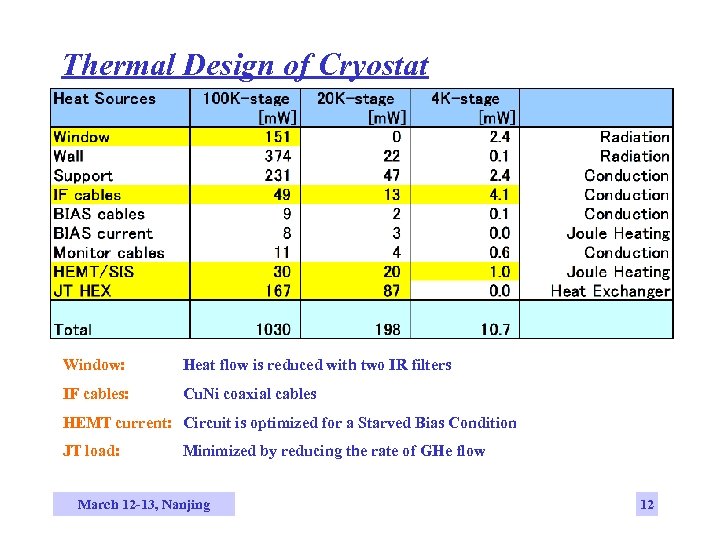
Thermal Design of Cryostat Window: Heat flow is reduced with two IR filters IF cables: Cu. Ni coaxial cables HEMT current: Circuit is optimized for a Starved Bias Condition JT load: Minimized by reducing the rate of GHe flow March 12 -13, Nanjing 12
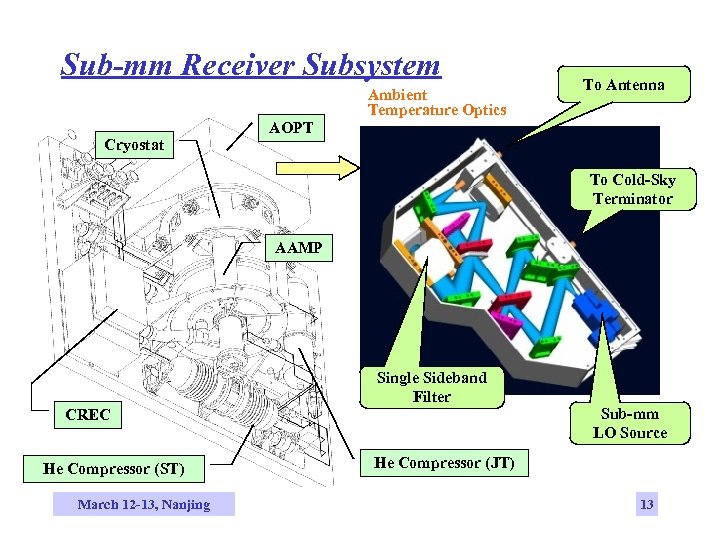
Sub-mm Receiver Subsystem Cryostat AOPT Ambient Temperature Optics To Antenna To Cold-Sky Terminator AAMP Single Sideband Filter CREC He Compressor (ST) March 12 -13, Nanjing Sub-mm LO Source He Compressor (JT) 13
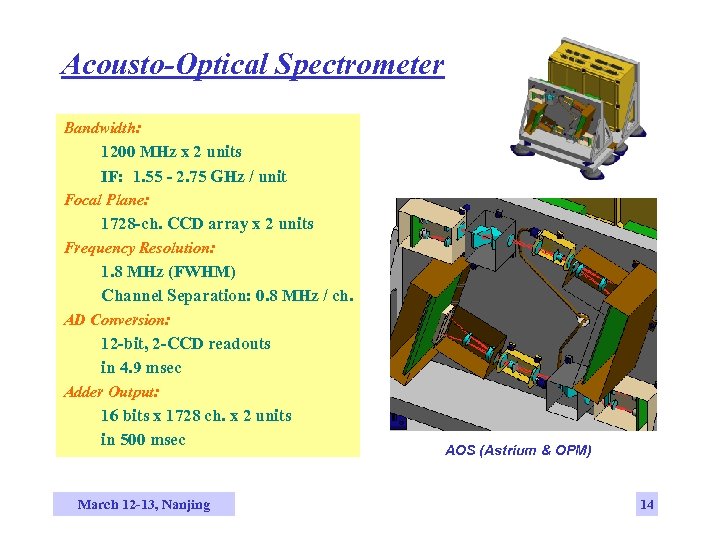
Acousto-Optical Spectrometer Bandwidth: 1200 MHz x 2 units IF: 1. 55 - 2. 75 GHz / unit Focal Plane: 1728 -ch. CCD array x 2 units Frequency Resolution: 1. 8 MHz (FWHM) Channel Separation: 0. 8 MHz / ch. AD Conversion: 12 -bit, 2 -CCD readouts in 4. 9 msec Adder Output: 16 bits x 1728 ch. x 2 units in 500 msec March 12 -13, Nanjing AOS (Astrium & OPM) 14
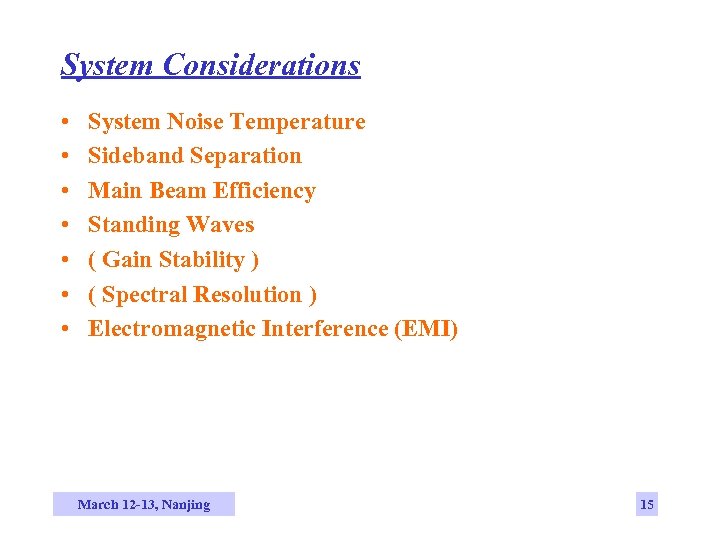
System Considerations • • System Noise Temperature Sideband Separation Main Beam Efficiency Standing Waves ( Gain Stability ) ( Spectral Resolution ) Electromagnetic Interference (EMI) March 12 -13, Nanjing 15
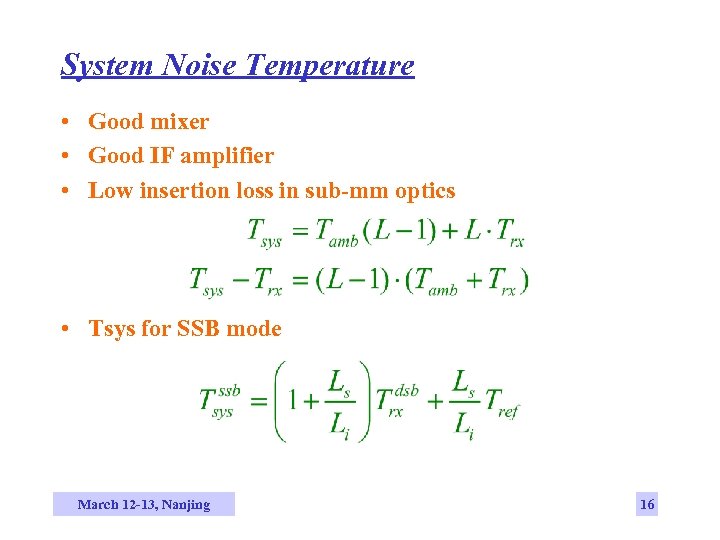
System Noise Temperature • Good mixer • Good IF amplifier • Low insertion loss in sub-mm optics • Tsys for SSB mode March 12 -13, Nanjing 16
Sideband Separation • Martin-Pupplet Interferometer (RF filter) – One mixer for one sideband, one polarization – Two mixers for two sidebands, one polarization – Narrow RF bandwidth: mech. tunable or fixed • Phase Synthesis (Single-ended mixer) – Two mixers for two sidebands, one polarization – Broad RF bandwidth: no mech. tuner necessary – Poor LO coupling • Phase Synthesis (Balanced mixer) – Four mixers for two sidebands, one polarization – Broad RF bandwidth: no mech. tuner necessary – Efficient LO coupling March 12 -13, Nanjing 17
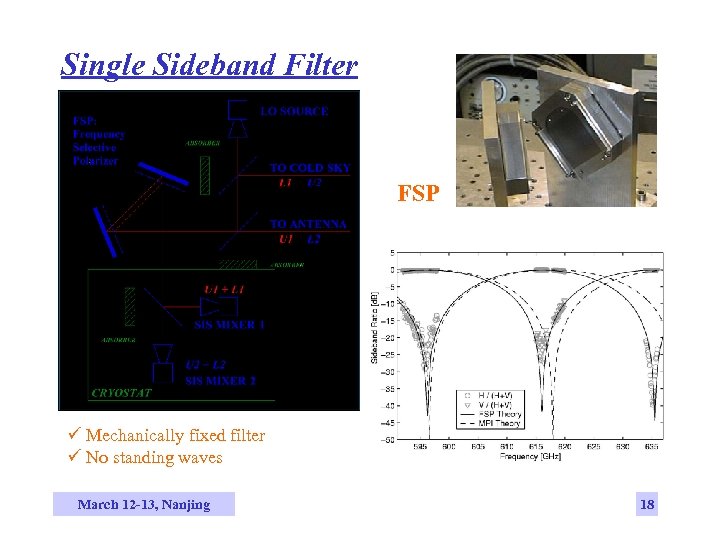
Single Sideband Filter FSP ü Mechanically fixed filter ü No standing waves March 12 -13, Nanjing 18
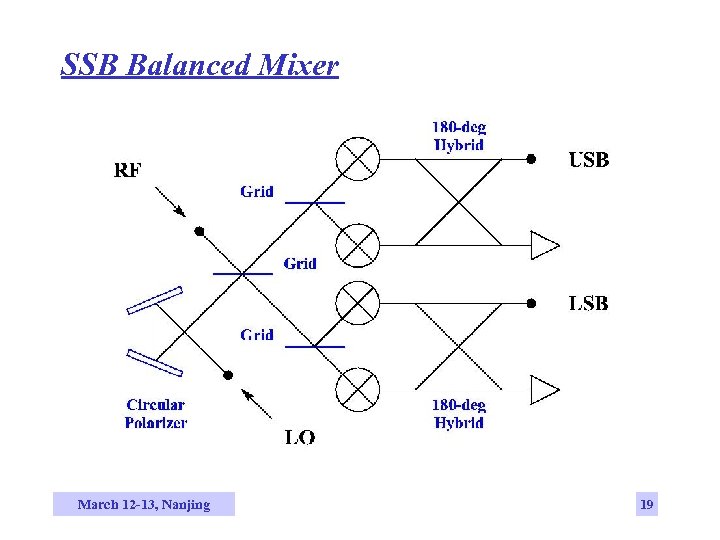
SSB Balanced Mixer March 12 -13, Nanjing 19
Main Beam Efficiency • Low Spill-over for Main and Sub- Reflectors • Use of Primary Horn’s Optical Image – No electric field outside the horn’s aperture – It is the case for its optical image, ideally – Field distribution is independent of frequency • Relation of Horn Aperture and Its Optical Image March 12 -13, Nanjing 20
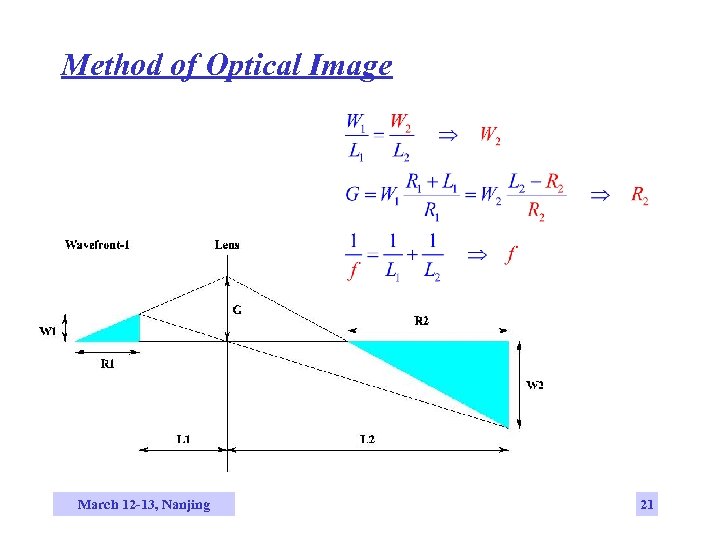
Method of Optical Image March 12 -13, Nanjing 21
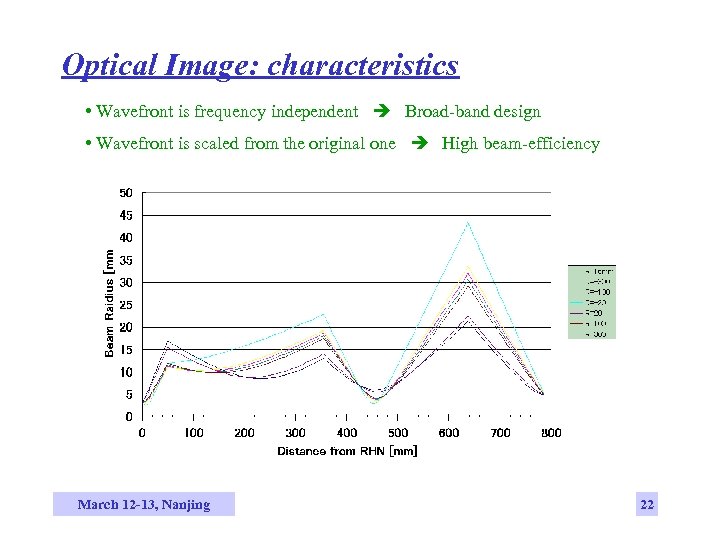
Optical Image: characteristics • Wavefront is frequency independent Broad-band design • Wavefront is scaled from the original one High beam-efficiency March 12 -13, Nanjing 22
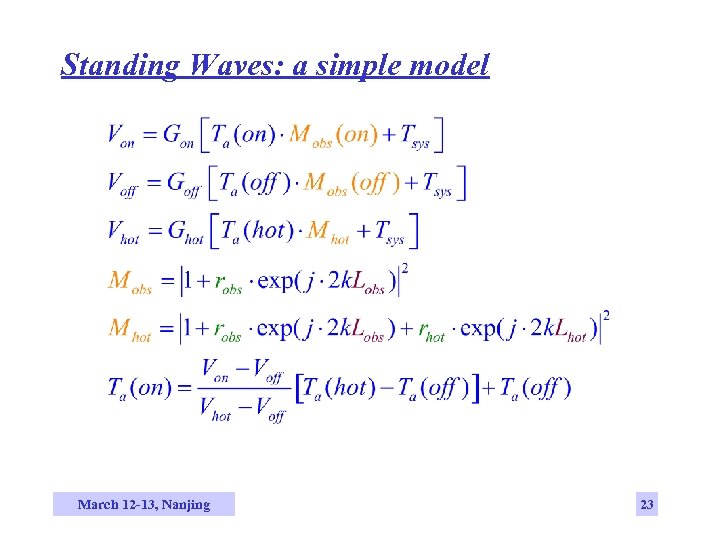
Standing Waves: a simple model March 12 -13, Nanjing 23
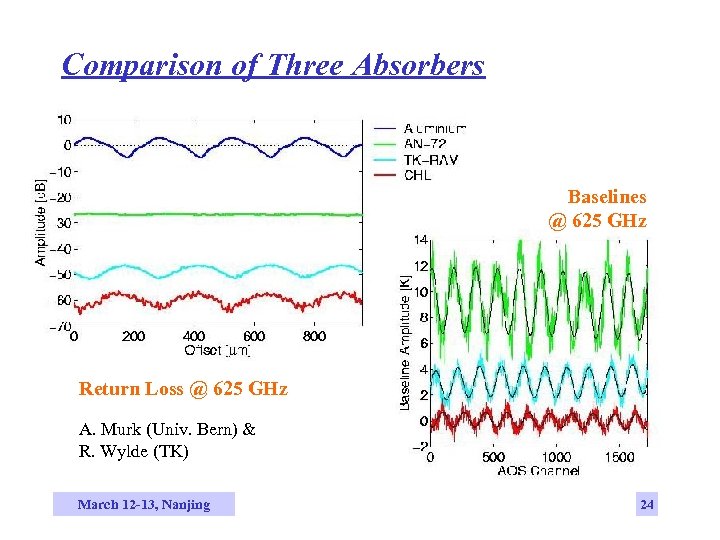
Comparison of Three Absorbers Baselines @ 625 GHz Return Loss @ 625 GHz A. Murk (Univ. Bern) & R. Wylde (TK) March 12 -13, Nanjing 24
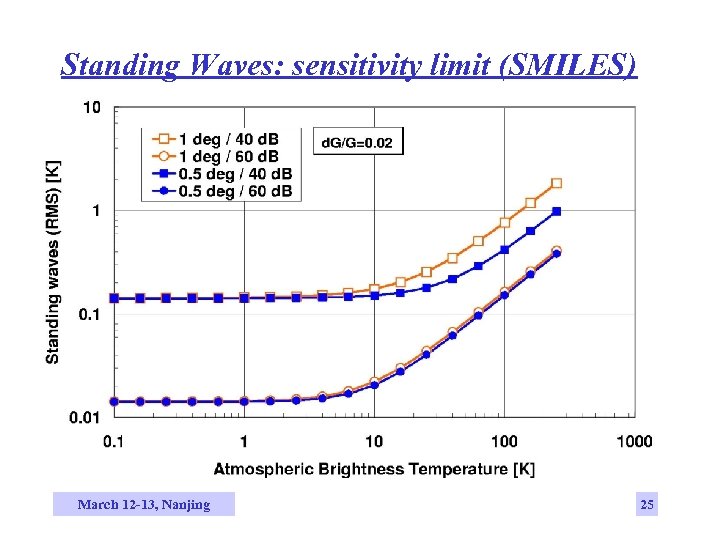
Standing Waves: sensitivity limit (SMILES) March 12 -13, Nanjing 25
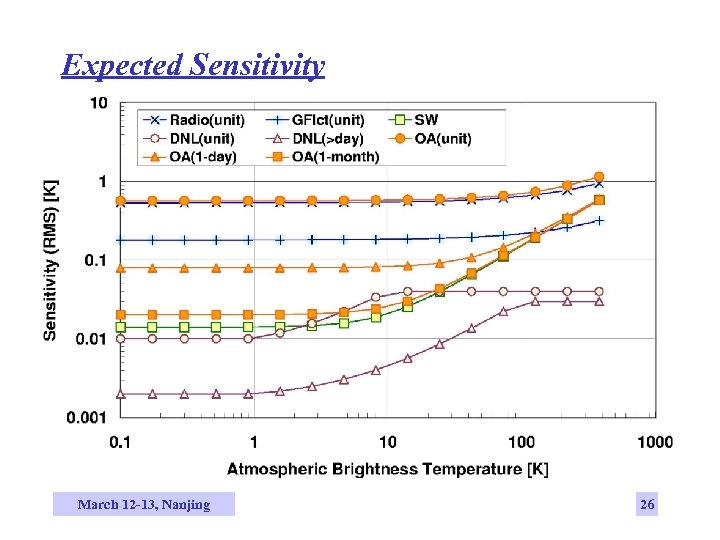
Expected Sensitivity March 12 -13, Nanjing 26
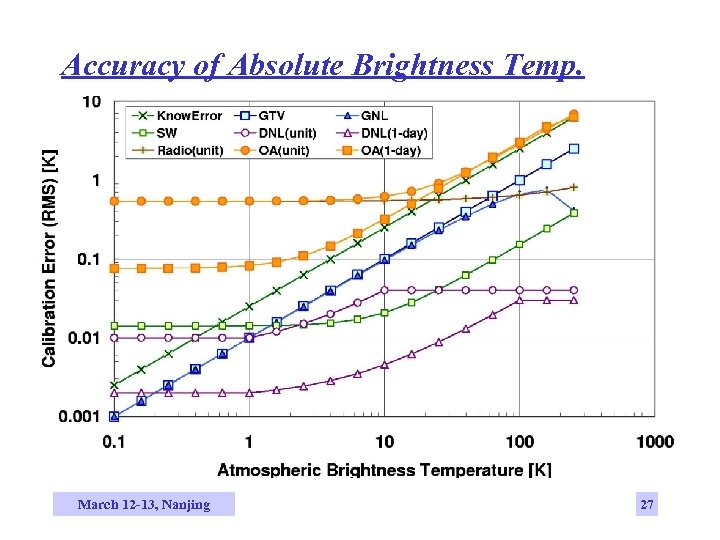
Accuracy of Absolute Brightness Temp. March 12 -13, Nanjing 27
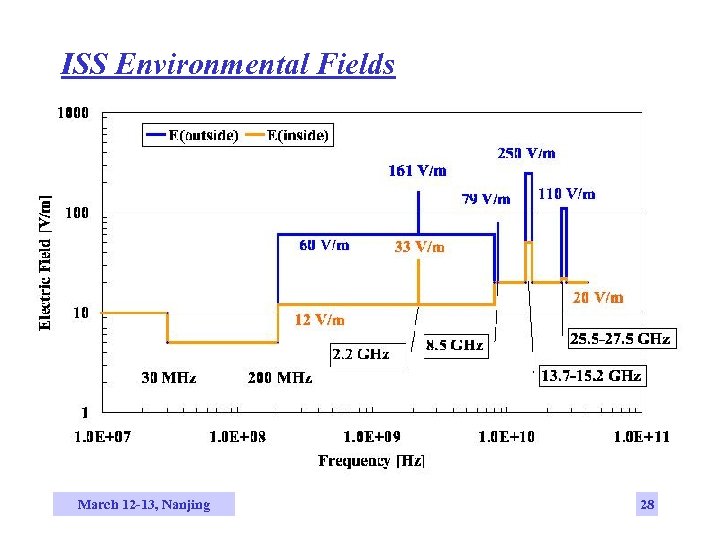
ISS Environmental Fields March 12 -13, Nanjing 28
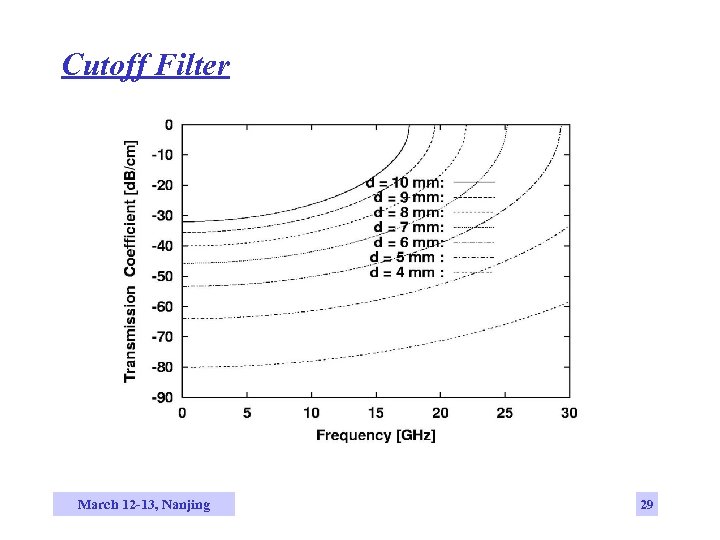
Cutoff Filter March 12 -13, Nanjing 29
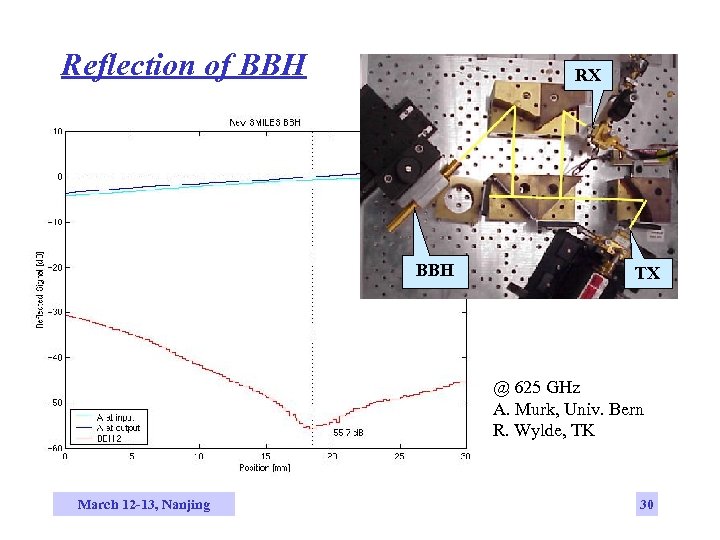
Reflection of BBH RX BBH TX @ 625 GHz A. Murk, Univ. Bern R. Wylde, TK March 12 -13, Nanjing 30
Conclusions • 640 GHz SIS Receiver for SMILES Superconducting Submillimeter-wave Limb-emission Sounder • System Considerations: – System Noise Temperature – Sideband Separation – Main Beam Efficiency – Standing Waves – Gain Stability – Spectral Resolution – Electromagnetic Interference (EMI) March 12 -13, Nanjing 31
Скачать презентацию System Considerations for Submillimeter Receiver Junji INATANI Space
05764ac007e929fbd1f1ad0941836726.ppt