 Скачать презентацию Sustainability The first and final challenge of leadership
4faeaa9c413f937869d082853b29db7e.ppt
- Количество слайдов: 31



Sustainability The first and final challenge of leadership
How can a principal lead a school into sustainability? Leading worthwhile change and nurturing a resilient heritage Heritage: Building on success, embedding resilience, adapting, linking, seeking synergy. Change: Continuous improvement, avoiding unnecessary change, creating a vigorous learning culture that fosters risk.
What is sustainability and why is it desirable? Sustainable Organisations are where people engage in the complexities of continuous improvement consistent with deep values of human purpose Michael Fullen
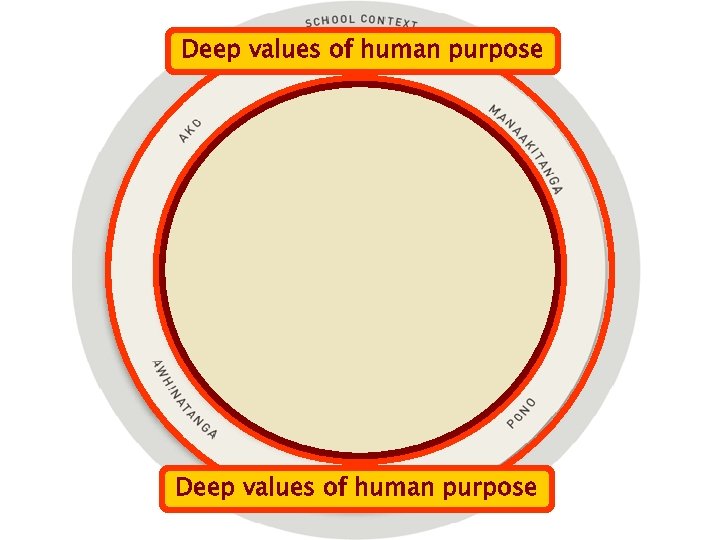
Deep values of human purpose Complexities of continuous improvement Deep values of human purpose
VISION and ENERGY VISION Success for all Deep learning for all
Success for all Over the next 50 years we will become a nation of predominantly Maori and Pasifika people. If we do not find ways to address the cause of these groups’ lower rates of participation and achievement, our overall levels of educational attainment will drop, and as a country we will be ill equipped to participate in the globalised world of the 21 st century Jane Gilbert ‘Catching the knowledge Wave’
Deep learning for all Learning involves generating not storing, it is primarily a group activity, it happens in a real world problem based context. Students learning from teachers Students learning with teachers Creative, collaborative, authentic
What can teachers do? Jane Gilbert They can work together more They can foreground students real-world research projects They can develop skills for helping students work in small groups They can focus on developing a systemslevel understanding of their subject They can think of new ways to timetable student activities
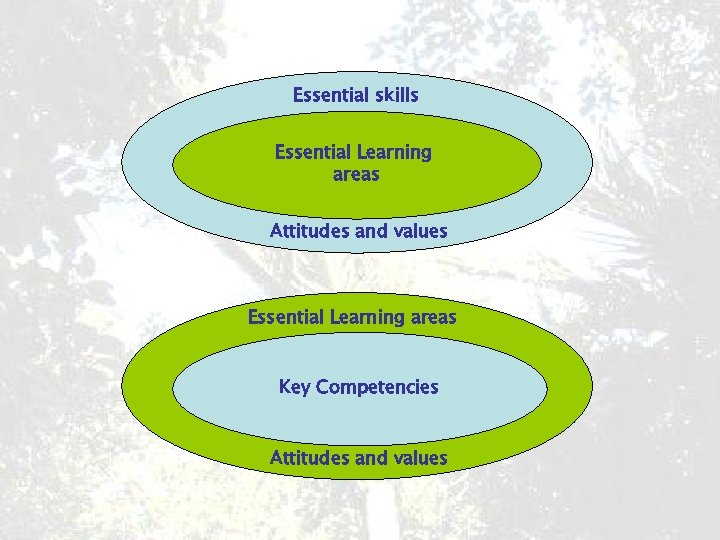
Essential skills Essential Learning areas Attitudes and values Essential Learning areas Key Competencies Attitudes and values

NZC Key Competencies and Effective Pedagogies What does your school do that already has a KC flavour? Does it have the potential to be aligned more closely with the KCs and extended to include ALL students? (e. g. Productions, competitions, individual research projects, keeping a reflective diary, sports day, field trips, leadership system, Whanau/house system).
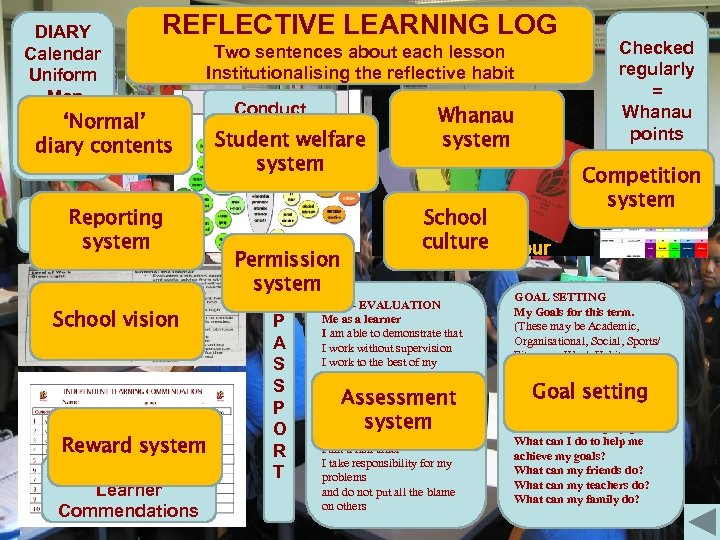
REFLECTIVE LEARNING LOG DIARY Two sentences about each lesson Calendar Institutionalising the reflective habit Uniform Map Conduct One each term Whanau Staff list ‘Normal’ Home Student welfare system diary contents learning system Student diaries Conversations Reporting with parents system Independent Learner School vision rubrics Reward system Permission system P A S S P O R T School culture Whanau flavour SELF- EVALUATION Me as a learner I am able to demonstrate that I work without supervision I work to the best of my ability I am keen to learn ETC Me as a person I have confidence in myself I am a risk taker I take responsibility for my problems and do not put all the blame on others Assessment system Competition system GOAL SETTING My Goals for this term. (These may be Academic, Organisational, Social, Sports/ Fitness or Work Habits. At least one Academic Goal is to be recorded). These are my goals because: What obstacles could be a barrier to achieving my goals? What can I do to help me achieve my goals? What can my friends do? What can my teachers do? What can my family do? Goal setting One each term In house/whanau colours Independent Learner Commendations Checked regularly = Whanau points
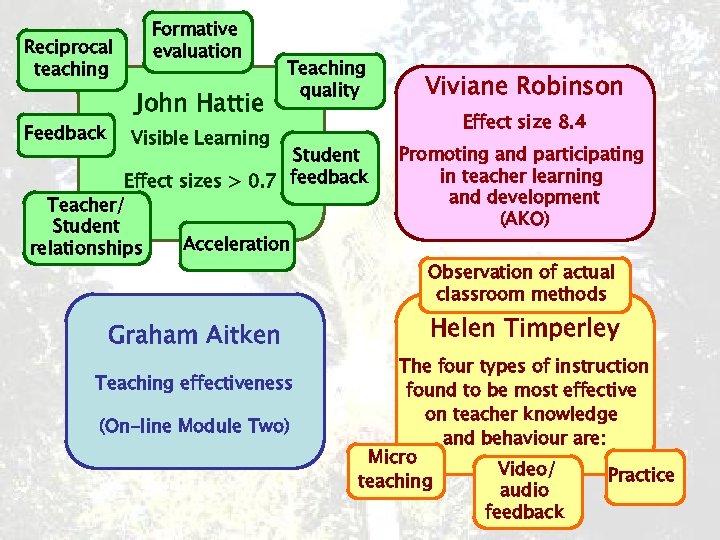
Reciprocal teaching Feedback Formative evaluation John Hattie Teaching quality Visible Learning Viviane Robinson Effect size 8. 4 Student Effect sizes > 0. 7 feedback Teacher/ Student Acceleration relationships Promoting and participating in teacher learning and development (AKO) Graham Aitken Helen Timperley Teaching effectiveness (On-line Module Two) Observation of actual classroom methods The four types of instruction found to be most effective on teacher knowledge and behaviour are: Micro Video/ Practice teaching audio feedback
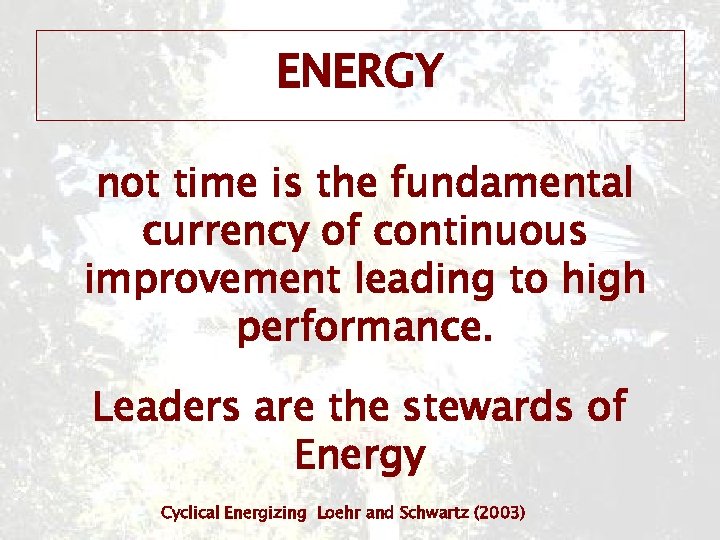
ENERGY not time is the fundamental currency of continuous improvement leading to high performance. Leaders are the stewards of Energy Cyclical Energizing Loehr and Schwartz (2003)
Leaders in effective organisations have: Hope, Enthusiasm and Energy Successful leaders engage others with their energy and are, in turn, energised by the activities and accomplishments of the group. Michael Fullen 2002
Energy Creators Are enthusiastic and always positive Use critical thinking, creativity and imagination Stimulate and spark others Practice leadership at all levels Able and willing to scrutinise their practice and make their practice accessible to others Wish to improve on their previous best Tim Brighouse
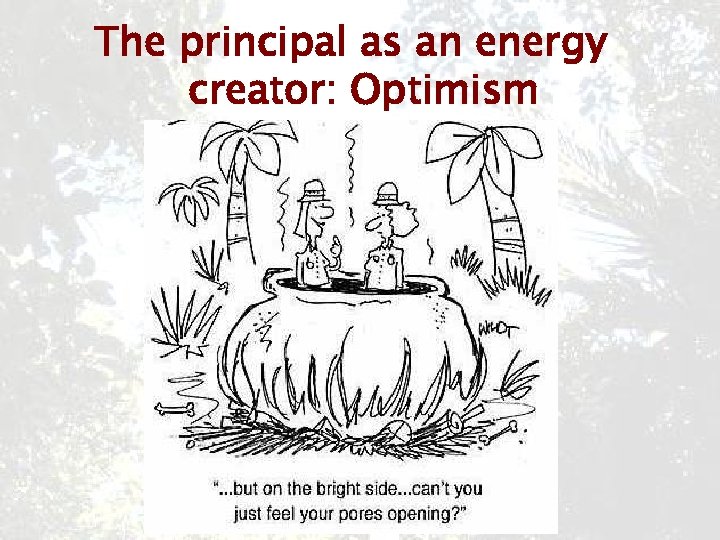
The principal as an energy creator: Optimism
Realistic assessment with a positive plan Never blame and never complain Extract from an ERO report: ‘The management of student behaviour is inconsistent. While behavioural management expectations have been documented not all class teachers adhere to them. ’ If this were your school what would you do?
A police officer's tooth was pushed through his cheek during a school brawl in Hastings on Tuesday that reportedly involved up to 200 people. • Senior Sergeant Mike Fulcher, community services manager for Counties Manukau police, said the Cops in Schools programme that began this year and placed five police officers on site in 10 schools was progressing well. • "By having these cops in schools, we've been able to head off a lot of trouble because we've been able to get on to it a lot quicker. “ • Mr Fulcher said fights in schools often involved "minimal" people actually fighting but many others watching. NZ Herald 25 09 08
Trust me, I’m the Principal.
Trust • Respect for self and others • Valid information • Internal commitment to decisions
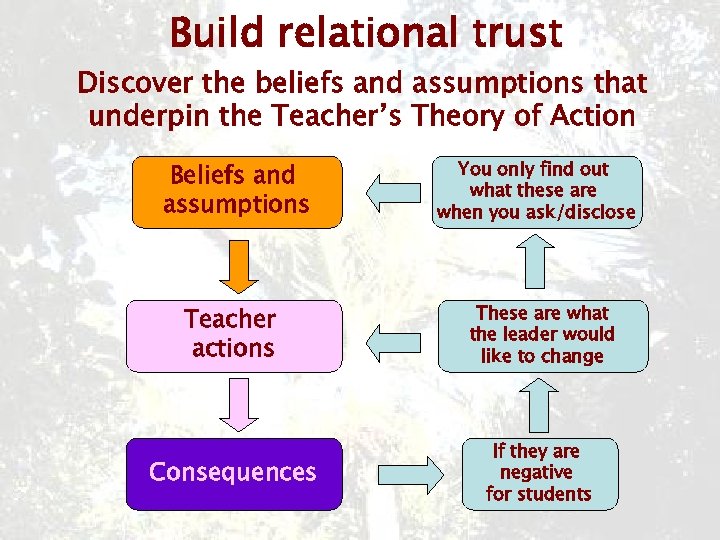
Build relational trust Discover the beliefs and assumptions that underpin the Teacher’s Theory of Action Beliefs and assumptions You only find out what these are when you ask/disclose Teacher actions These are what the leader would like to change Consequences If they are negative for students
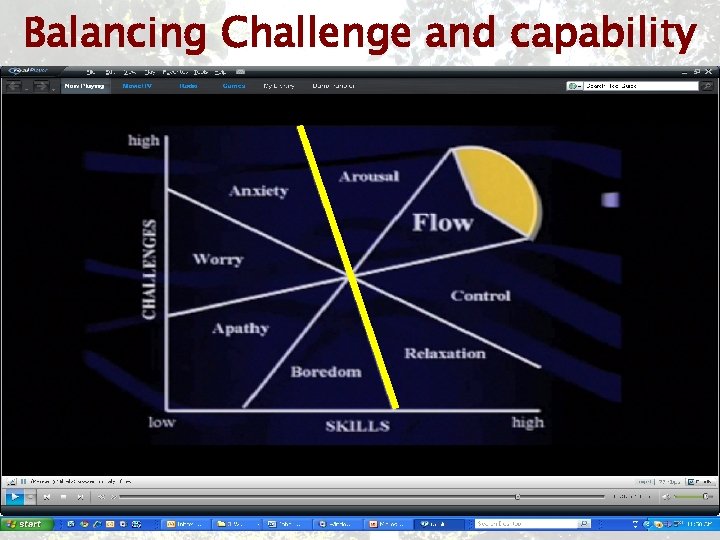
Balancing Challenge and capability
Mihaly Csikszentmihalyi FLOW Optimal experience, ‘In The Zone’ Goals are clear, Immediate relevant feedback provided, skills completely engaged in overcoming a demanding challenge
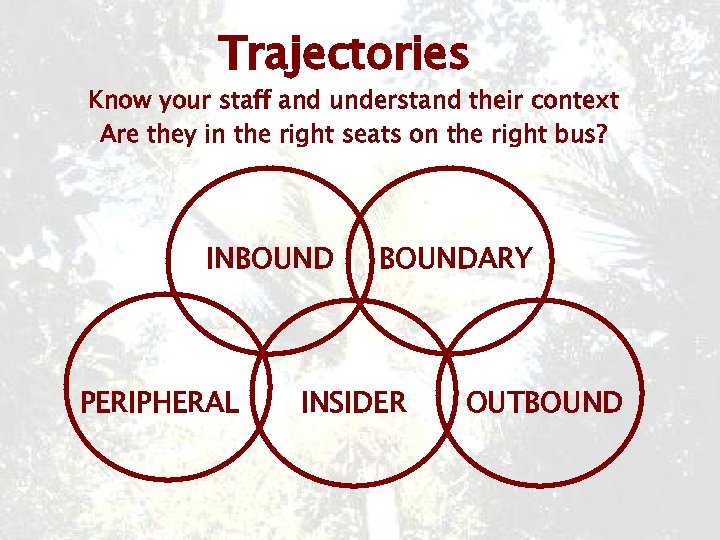
Trajectories Know your staff and understand their context Are they in the right seats on the right bus? INBOUND PERIPHERAL BOUNDARY INSIDER OUTBOUND
Succession planning Do you have a succession plan for every role of significance in your school? Who will replace you?
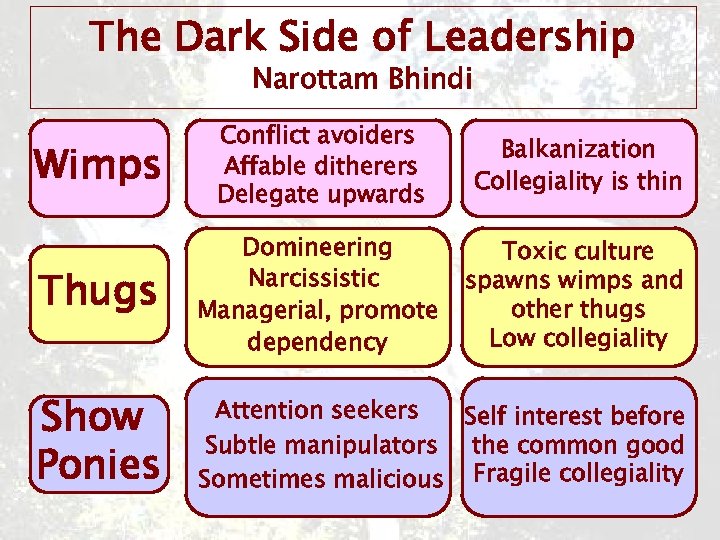
The Dark Side of Leadership Narottam Bhindi Wimps Conflict avoiders Affable ditherers Delegate upwards Balkanization Collegiality is thin Thugs Domineering Narcissistic Managerial, promote dependency Toxic culture spawns wimps and other thugs Low collegiality Show Ponies Attention seekers Self interest before Subtle manipulators the common good Sometimes malicious Fragile collegiality
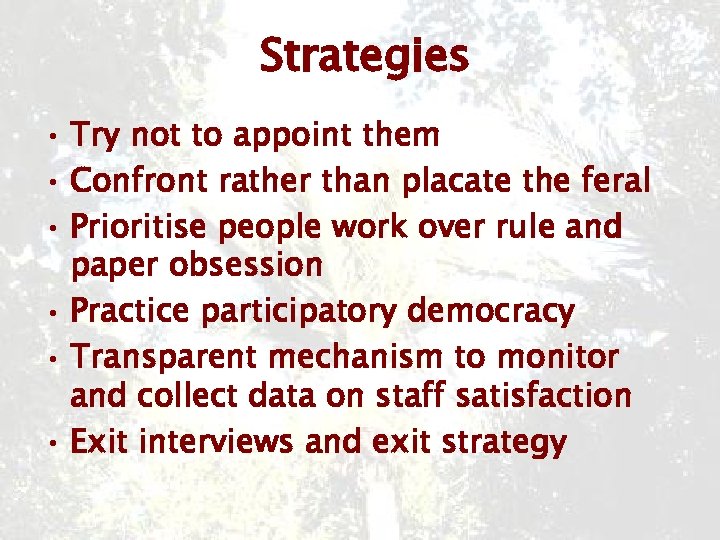
Strategies • Try not to appoint them • Confront rather than placate the feral • Prioritise people work over rule and paper obsession • Practice participatory democracy • Transparent mechanism to monitor and collect data on staff satisfaction • Exit interviews and exit strategy
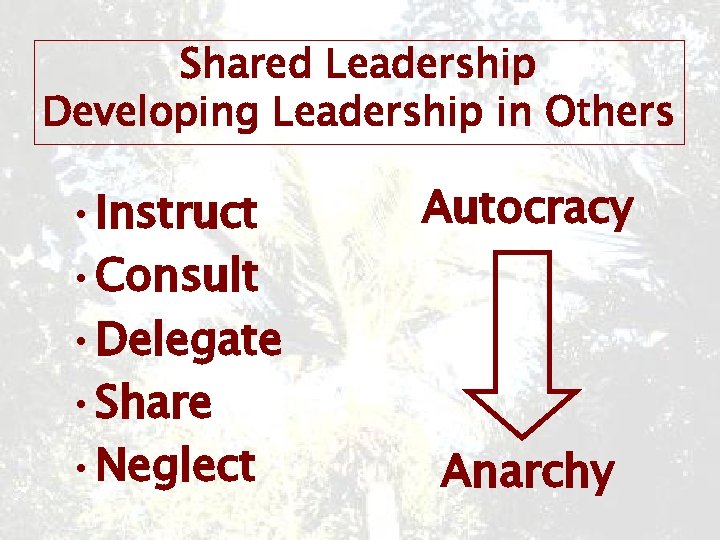
Shared Leadership Developing Leadership in Others • Instruct • Consult • Delegate • Share • Neglect Autocracy Anarchy
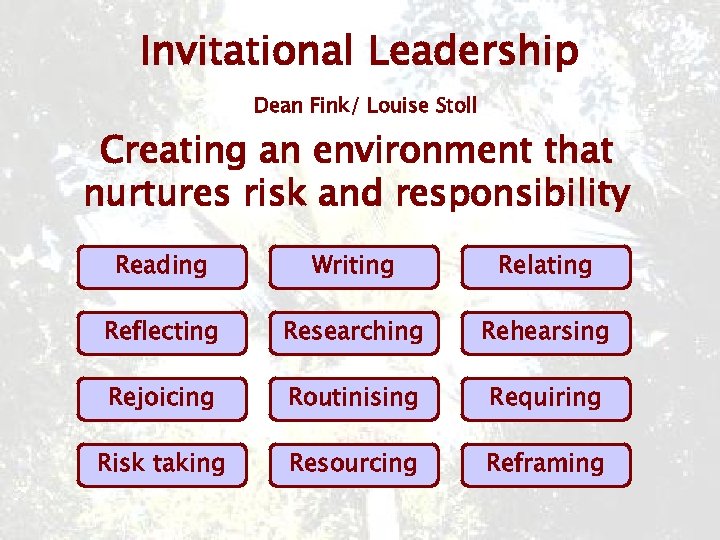
Invitational Leadership Dean Fink/ Louise Stoll Creating an environment that nurtures risk and responsibility Reading Writing Relating Reflecting Researching Rehearsing Rejoicing Routinising Requiring Risk taking Resourcing Reframing
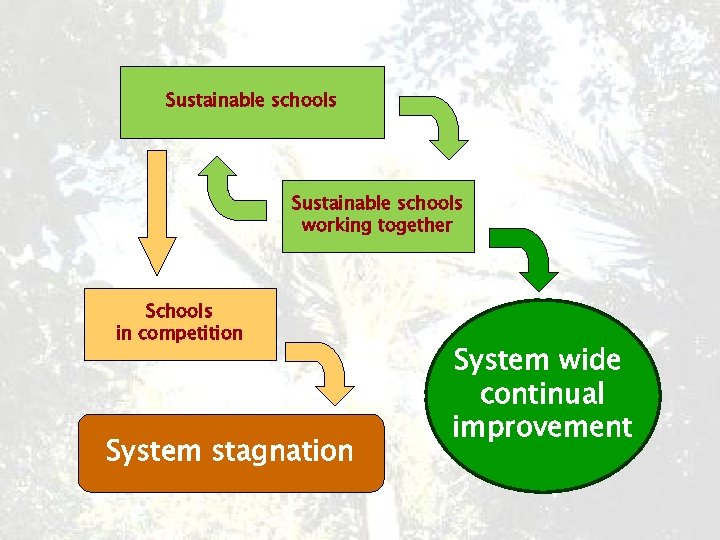
Sustainable schools working together Schools in competition System stagnation System wide continual improvement
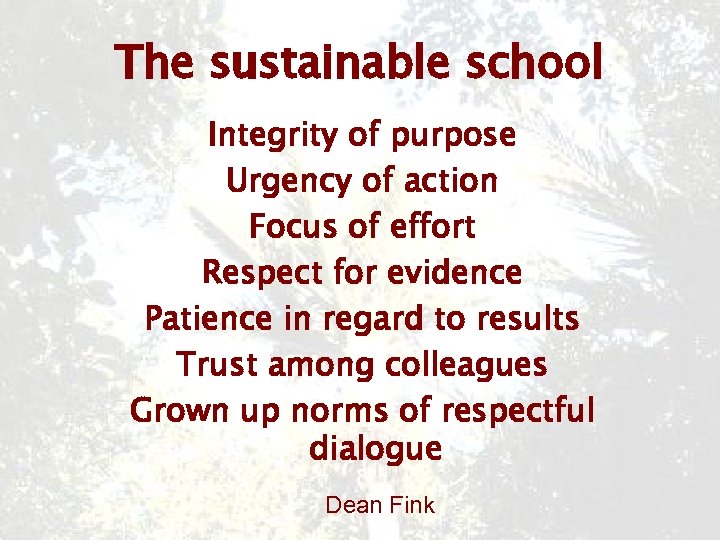
The sustainable school Integrity of purpose Urgency of action Focus of effort Respect for evidence Patience in regard to results Trust among colleagues Grown up norms of respectful dialogue Dean Fink
Скачать презентацию Sustainability The first and final challenge of leadership
4faeaa9c413f937869d082853b29db7e.ppt