 Скачать презентацию Surmounting Borders as Barriers to Best Practices
adbf7ccf53249a3ca6841b27a256eefe.ppt
- Количество слайдов: 62



Surmounting Borders as Barriers to Best Practices – The Case of GIS Prevention Research: Driving Successful Outcomes Barbara Seitz de Martinez, Ph. D, MLS, CPP Desiree Goetze, MPH, CHES, CPP …. Indiana Prevention Resource Center 21 st Annual National Prevention Network Conference Indianapolis Marriott Downtown Hotel August 27, 2008 1
We will learn: • Why it is imperative to surmount borders • How borders present barriers to success • Ways technology obstructs and facilitates surmounting borders • That we need to acknowledge our power to influence others and be responsible • We need to acknowledge our neighbors’ influence over us and work together 2 Learning Objectives
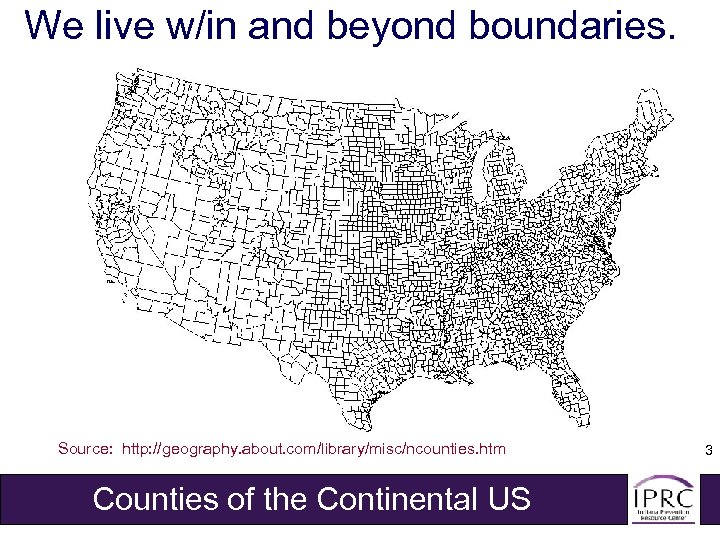
We live w/in and beyond boundaries. Source: http: //geography. about. com/library/misc/ncounties. htm Counties of the Continental US 3
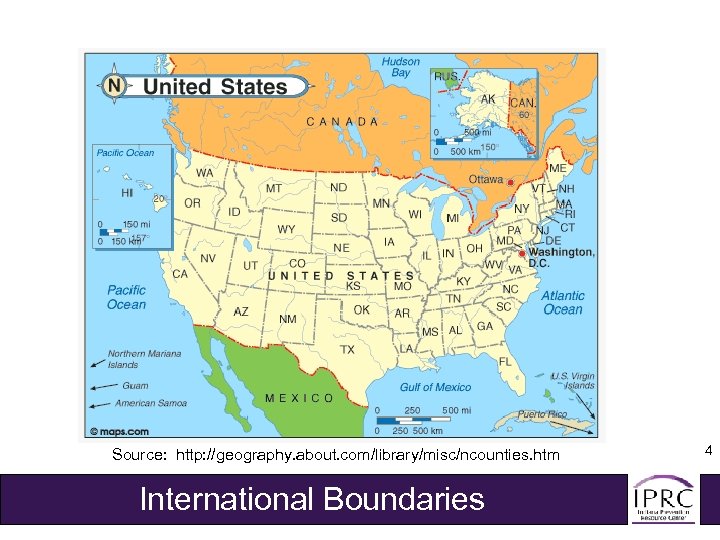
Source: http: //geography. about. com/library/misc/ncounties. htm International Boundaries 4
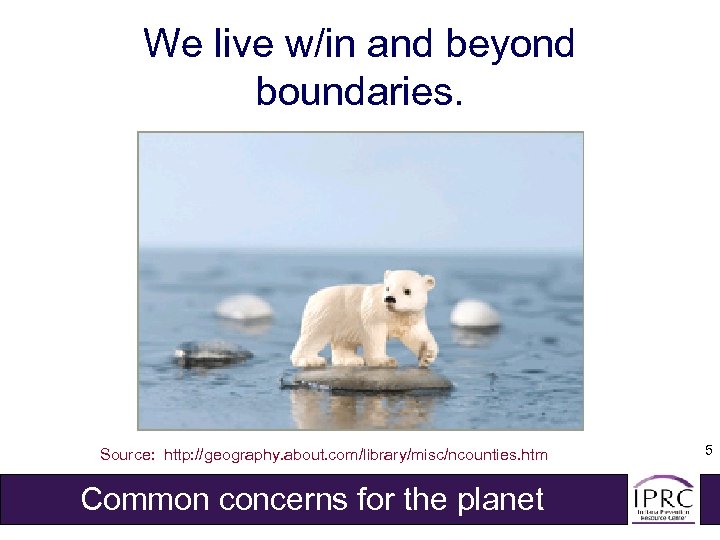
We live w/in and beyond boundaries. Source: http: //geography. about. com/library/misc/ncounties. htm Common concerns for the planet 5
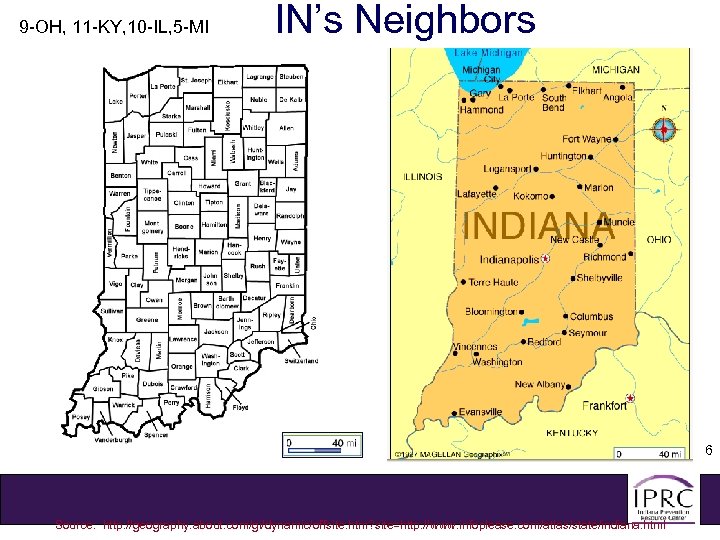
9 -OH, 11 -KY, 10 -IL, 5 -MI IN’s Neighbors 6 Source: http: //geography. about. com/gi/dynamic/offsite. htm? site=http: //www. infoplease. com/atlas/state/indiana. html
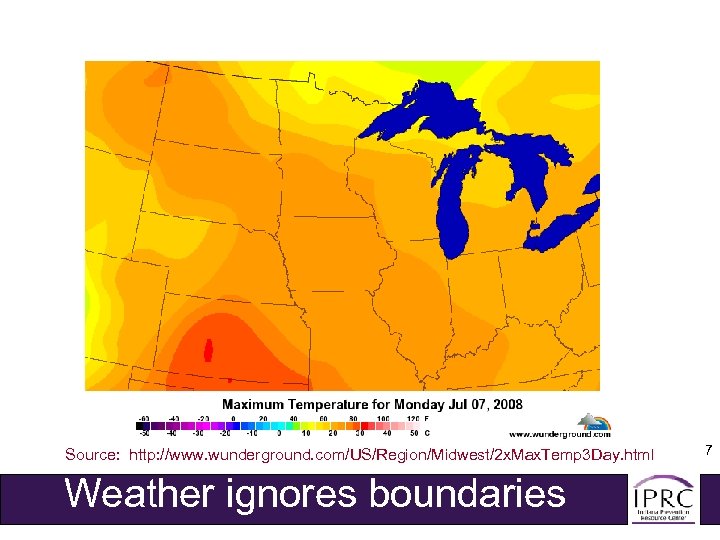
Source: http: //www. wunderground. com/US/Region/Midwest/2 x. Max. Temp 3 Day. html Weather ignores boundaries 7
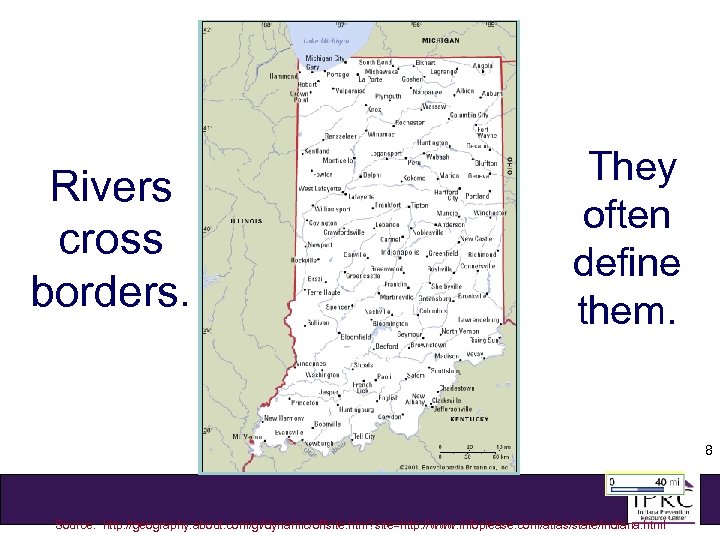
Rivers cross borders. They often define them. 8 Source: http: //geography. about. com/gi/dynamic/offsite. htm? site=http: //www. infoplease. com/atlas/state/indiana. html
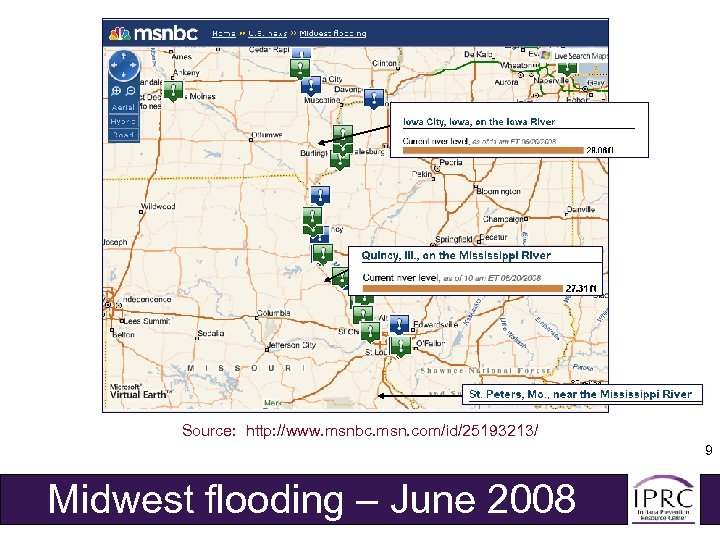
Source: http: //www. msnbc. msn. com/id/25193213/ 9 Midwest flooding – June 2008
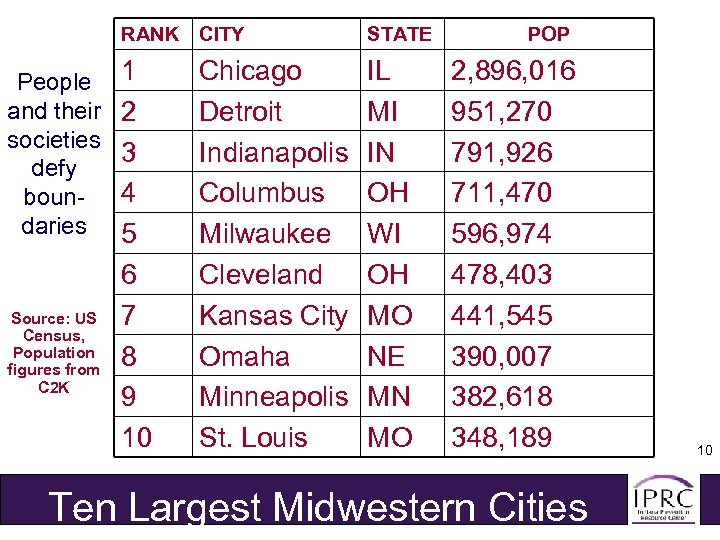
RANK People and their societies defy boundaries Source: US Census, Population figures from C 2 K CITY STATE 1 2 3 4 5 6 7 8 9 10 Chicago Detroit Indianapolis Columbus Milwaukee Cleveland Kansas City Omaha Minneapolis St. Louis IL MI IN OH WI OH MO NE MN MO POP 2, 896, 016 951, 270 791, 926 711, 470 596, 974 478, 403 441, 545 390, 007 382, 618 348, 189 Ten Largest Midwestern Cities 10
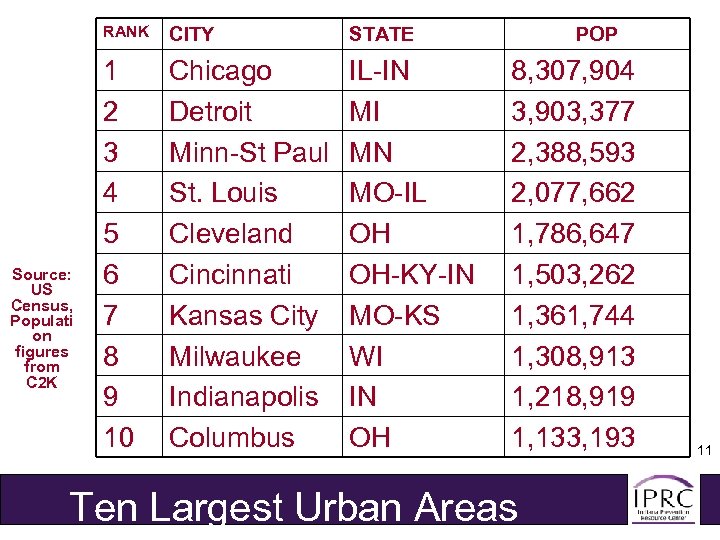
RANK Source: US Census, Populati on figures from C 2 K CITY STATE 1 2 3 4 5 6 7 8 9 10 Chicago Detroit Minn-St Paul St. Louis Cleveland Cincinnati Kansas City Milwaukee Indianapolis Columbus IL-IN MI MN MO-IL OH OH-KY-IN MO-KS WI IN OH POP 8, 307, 904 3, 903, 377 2, 388, 593 2, 077, 662 1, 786, 647 1, 503, 262 1, 361, 744 1, 308, 913 1, 218, 919 1, 133, 193 Ten Largest Urban Areas 11
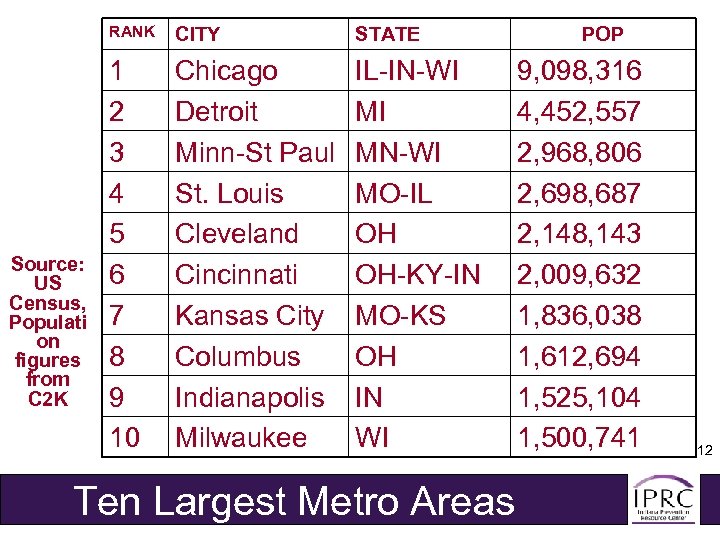
RANK Source: US Census, Populati on figures from C 2 K CITY STATE 1 2 3 4 5 6 7 8 9 10 Chicago Detroit Minn-St Paul St. Louis Cleveland Cincinnati Kansas City Columbus Indianapolis Milwaukee IL-IN-WI MI MN-WI MO-IL OH OH-KY-IN MO-KS OH IN WI Ten Largest Metro Areas POP 9, 098, 316 4, 452, 557 2, 968, 806 2, 698, 687 2, 148, 143 2, 009, 632 1, 836, 038 1, 612, 694 1, 525, 104 1, 500, 741 12
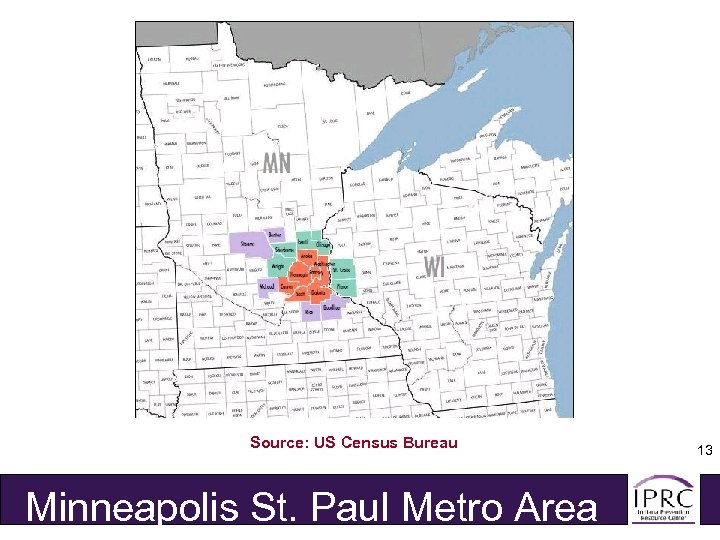
Source: US Census Bureau Minneapolis St. Paul Metro Area 13
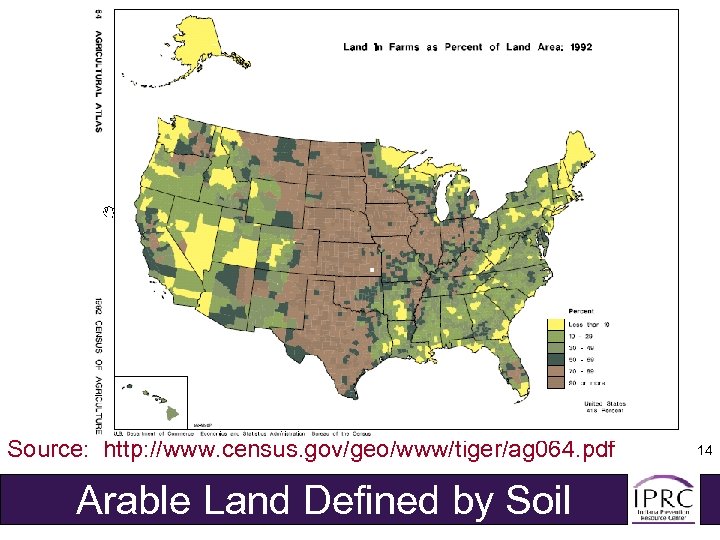
Source: http: //www. census. gov/geo/www/tiger/ag 064. pdf Arable Land Defined by Soil 14
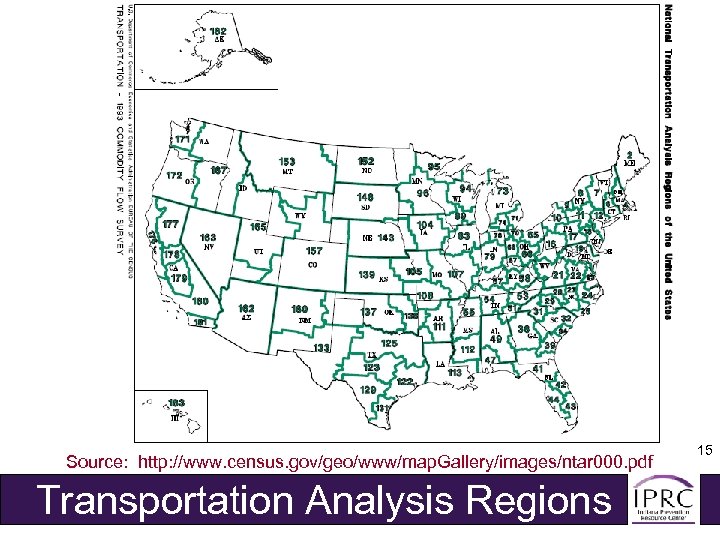
Source: http: //www. census. gov/geo/www/map. Gallery/images/ntar 000. pdf Transportation Analysis Regions 15
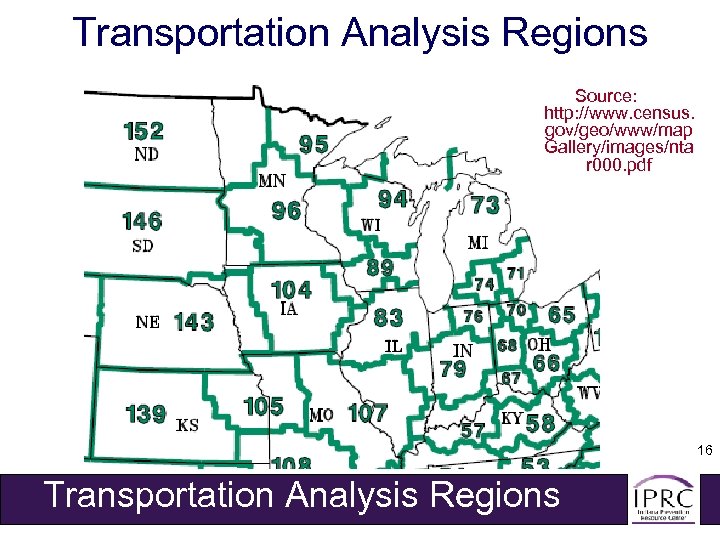
Transportation Analysis Regions Source: http: //www. census. gov/geo/www/map Gallery/images/nta r 000. pdf 16 Transportation Analysis Regions
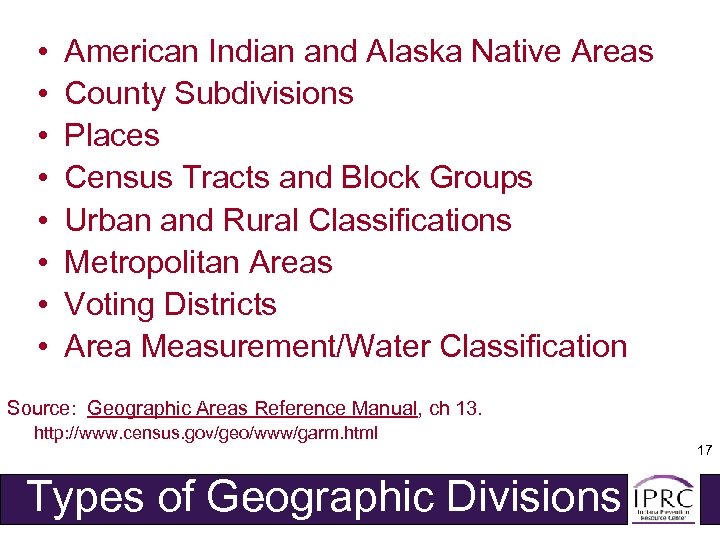
• • American Indian and Alaska Native Areas County Subdivisions Places Census Tracts and Block Groups Urban and Rural Classifications Metropolitan Areas Voting Districts Area Measurement/Water Classification Source: Geographic Areas Reference Manual, ch 13. http: //www. census. gov/geo/www/garm. html 17 Types of Geographic Divisions
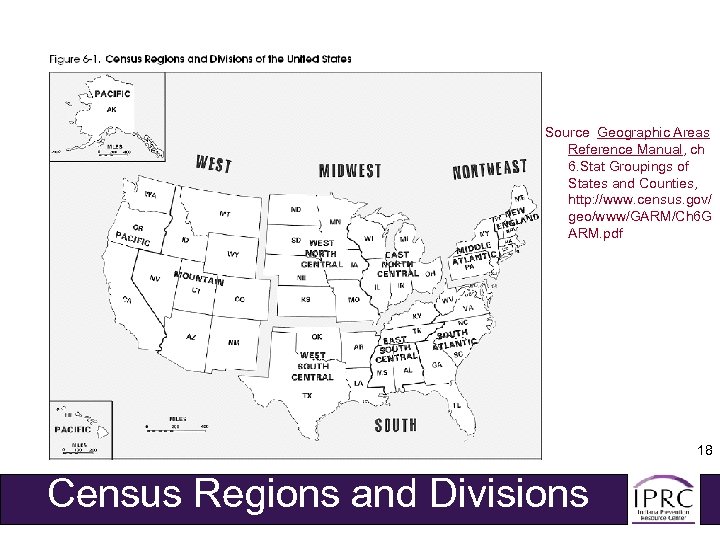
Source Geographic Areas Reference Manual, ch 6. Stat Groupings of States and Counties, http: //www. census. gov/ geo/www/GARM/Ch 6 G ARM. pdf 18 Census Regions and Divisions
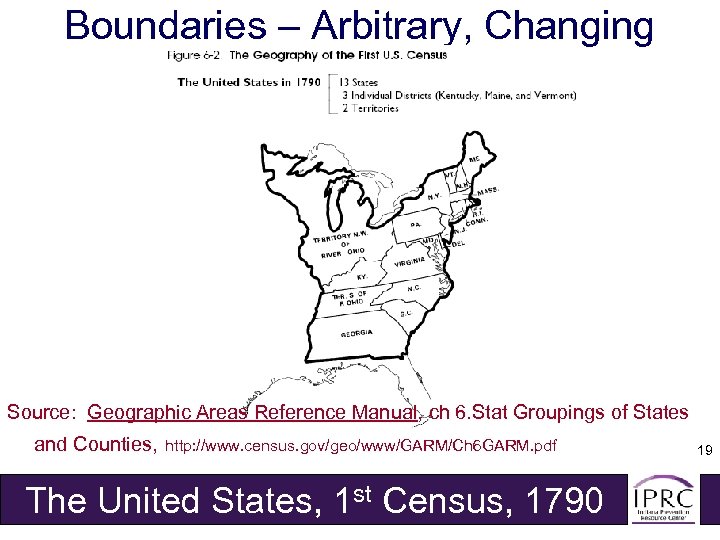
Boundaries – Arbitrary, Changing Source: Geographic Areas Reference Manual, ch 6. Stat Groupings of States and Counties, http: //www. census. gov/geo/www/GARM/Ch 6 GARM. pdf The United States, 1 st Census, 1790 19
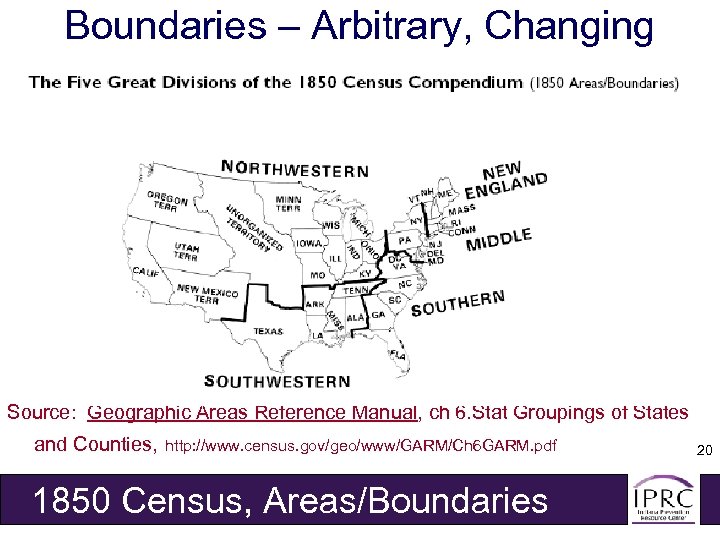
Boundaries – Arbitrary, Changing Source: Geographic Areas Reference Manual, ch 6. Stat Groupings of States and Counties, http: //www. census. gov/geo/www/GARM/Ch 6 GARM. pdf 1850 Census, Areas/Boundaries 20
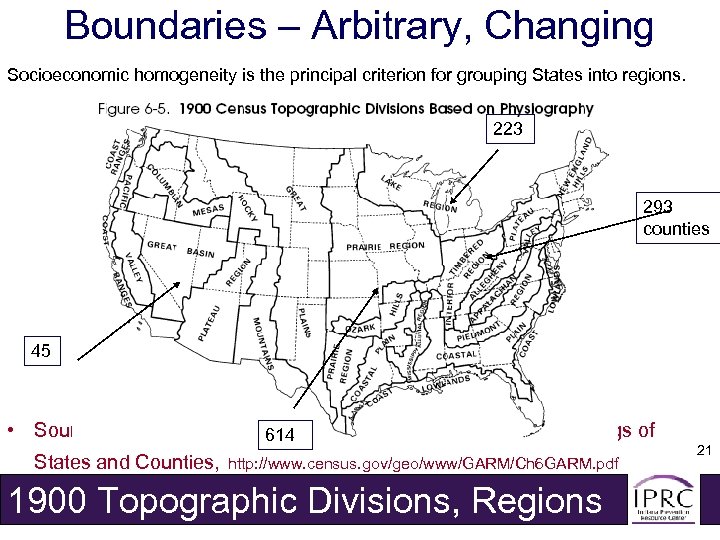
Boundaries – Arbitrary, Changing Socioeconomic homogeneity is the principal criterion for grouping States into regions. 223 293 counties 45 • Source: Geographic Areas Reference Manual, ch 6. Stat Groupings of 614 States and Counties, http: //www. census. gov/geo/www/GARM/Ch 6 GARM. pdf 1900 Topographic Divisions, Regions 21
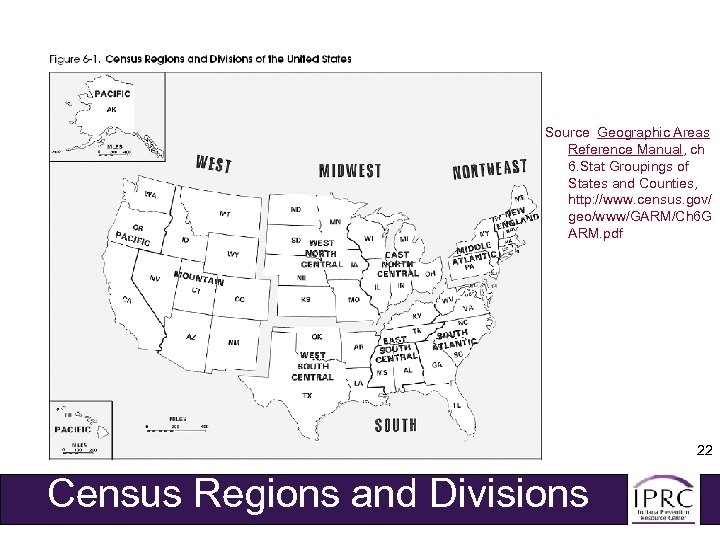
Source Geographic Areas Reference Manual, ch 6. Stat Groupings of States and Counties, http: //www. census. gov/ geo/www/GARM/Ch 6 G ARM. pdf 22 Census Regions and Divisions
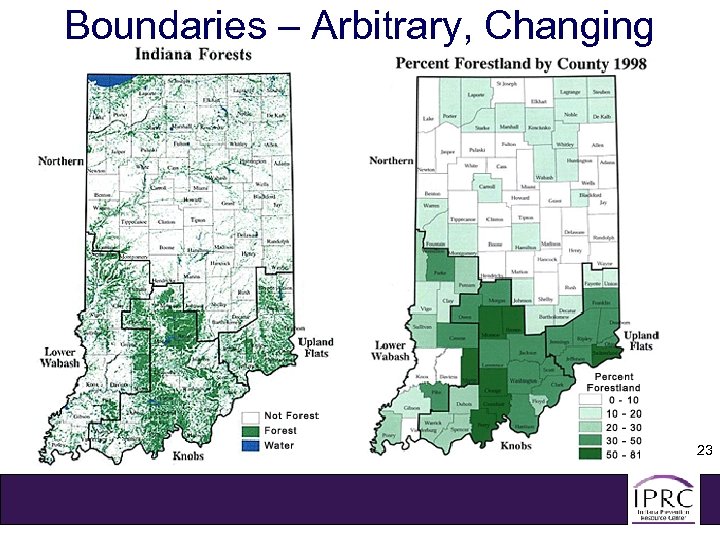
Boundaries – Arbitrary, Changing Source: http: //fhm. f s. fed. us/fh h/fhh 01/in/in_01. htm 23
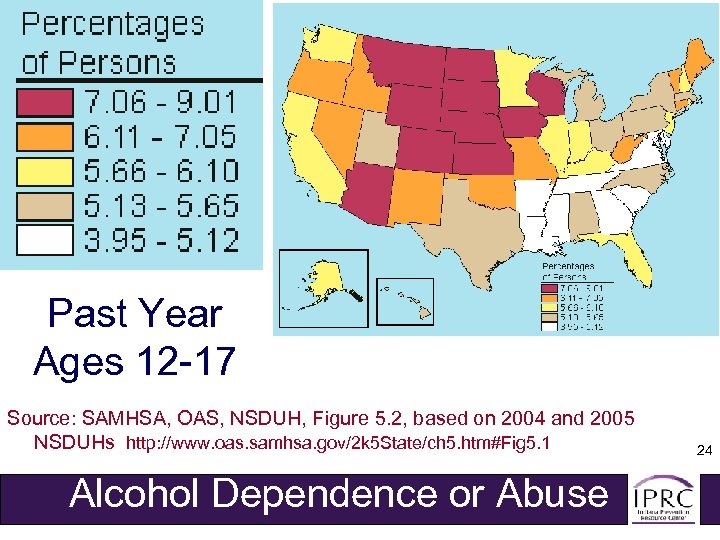
Past Year Ages 12 -17 Source: SAMHSA, OAS, NSDUH, Figure 5. 2, based on 2004 and 2005 NSDUHs http: //www. oas. samhsa. gov/2 k 5 State/ch 5. htm#Fig 5. 1 Alcohol Dependence or Abuse 24
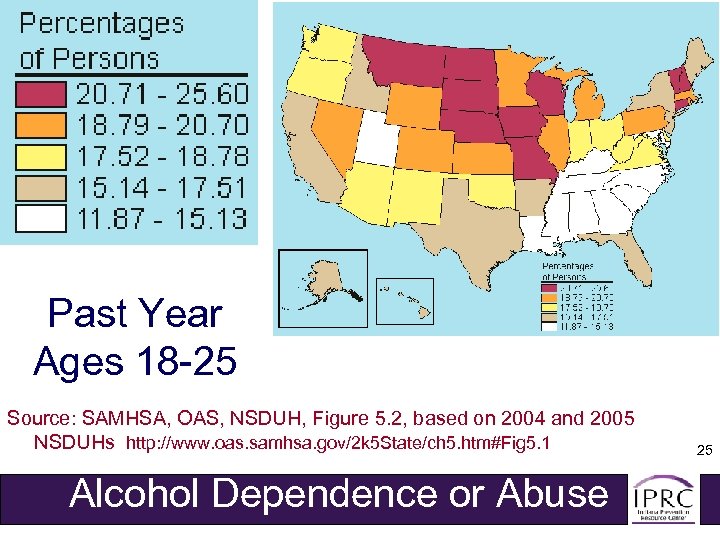
Past Year Ages 18 -25 Source: SAMHSA, OAS, NSDUH, Figure 5. 2, based on 2004 and 2005 NSDUHs http: //www. oas. samhsa. gov/2 k 5 State/ch 5. htm#Fig 5. 1 Alcohol Dependence or Abuse 25
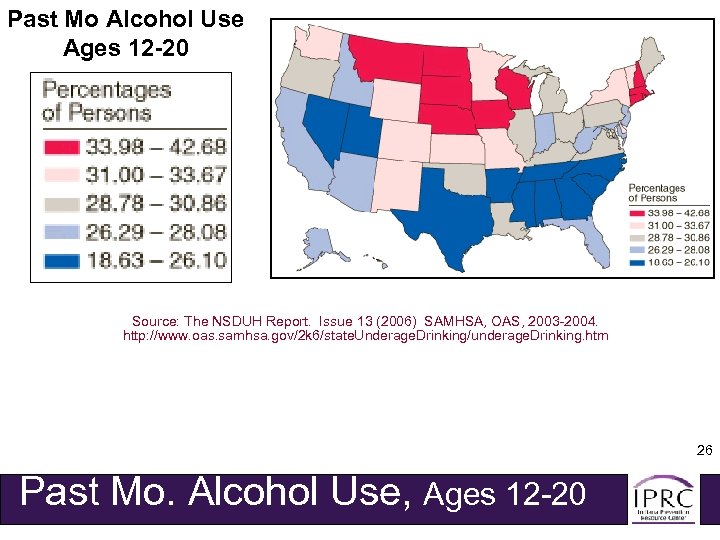
Past Mo Alcohol Use Ages 12 -20 Source: The NSDUH Report. Issue 13 (2006) SAMHSA, OAS, 2003 -2004. http: //www. oas. samhsa. gov/2 k 6/state. Underage. Drinking/underage. Drinking. htm 26 Past Mo. Alcohol Use, Ages 12 -20
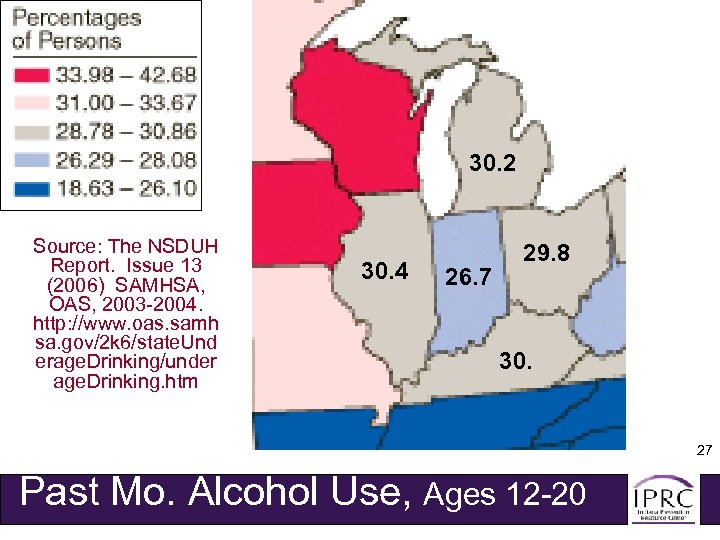
30. 2 Source: The NSDUH Report. Issue 13 (2006) SAMHSA, OAS, 2003 -2004. http: //www. oas. samh sa. gov/2 k 6/state. Und erage. Drinking/under age. Drinking. htm 30. 4 26. 7 29. 8 30. 27 Past Mo. Alcohol Use, Ages 12 -20
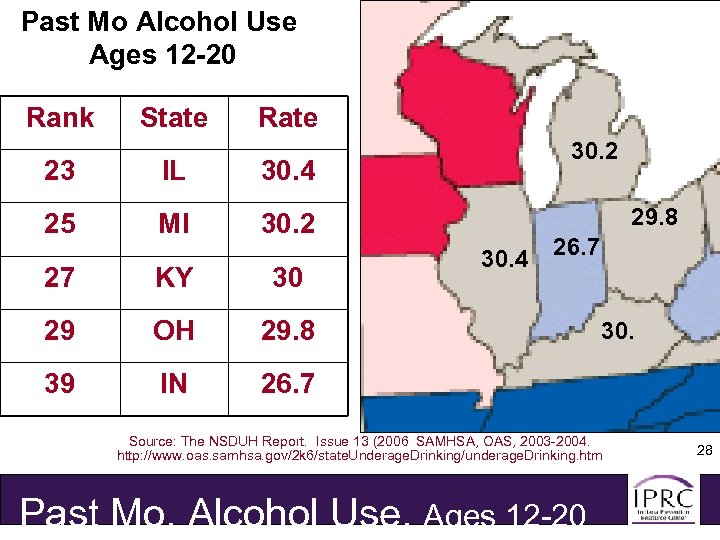
Past Mo Alcohol Use Ages 12 -20 Rank State Rate 23 IL 30. 4 25 MI 30. 2 27 KY 30 29 OH IN 30. 4 26. 7 29. 8 39 29. 8 26. 7 30. Source: The NSDUH Report. Issue 13 (2006 SAMHSA, OAS, 2003 -2004. http: //www. oas. samhsa. gov/2 k 6/state. Underage. Drinking/underage. Drinking. htm Past Mo. Alcohol Use, Ages 12 -20 28
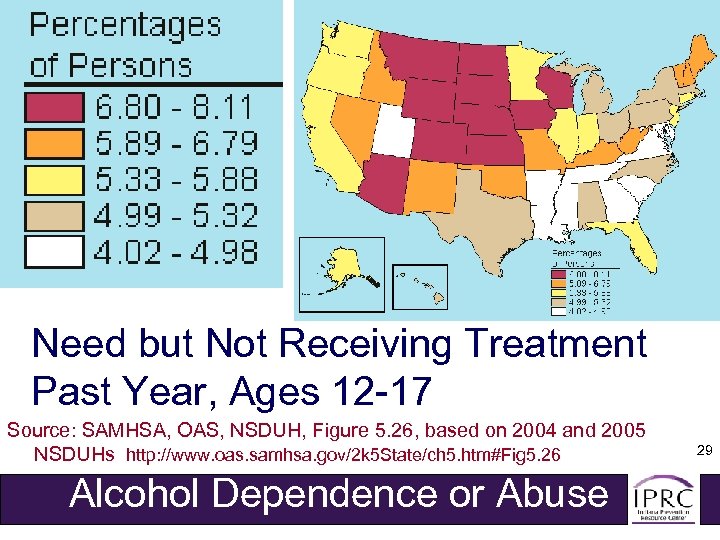
Need but Not Receiving Treatment Past Year, Ages 12 -17 Source: SAMHSA, OAS, NSDUH, Figure 5. 26, based on 2004 and 2005 NSDUHs http: //www. oas. samhsa. gov/2 k 5 State/ch 5. htm#Fig 5. 26 Alcohol Dependence or Abuse 29
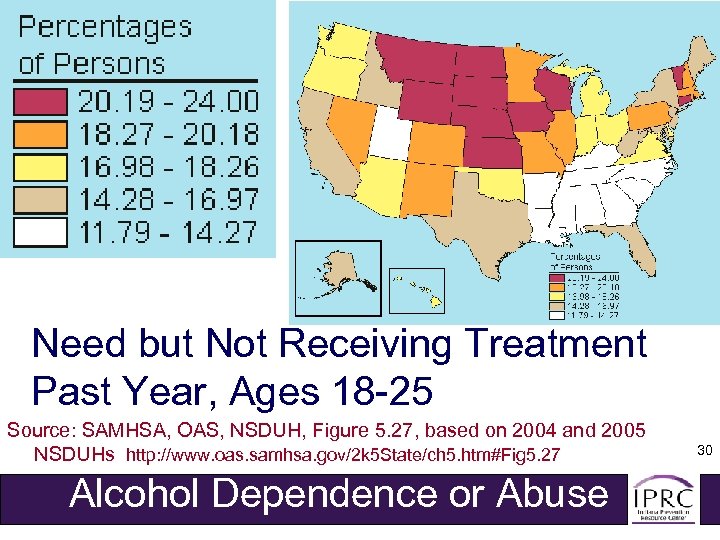
Need but Not Receiving Treatment Past Year, Ages 18 -25 Source: SAMHSA, OAS, NSDUH, Figure 5. 27, based on 2004 and 2005 NSDUHs http: //www. oas. samhsa. gov/2 k 5 State/ch 5. htm#Fig 5. 27 Alcohol Dependence or Abuse 30
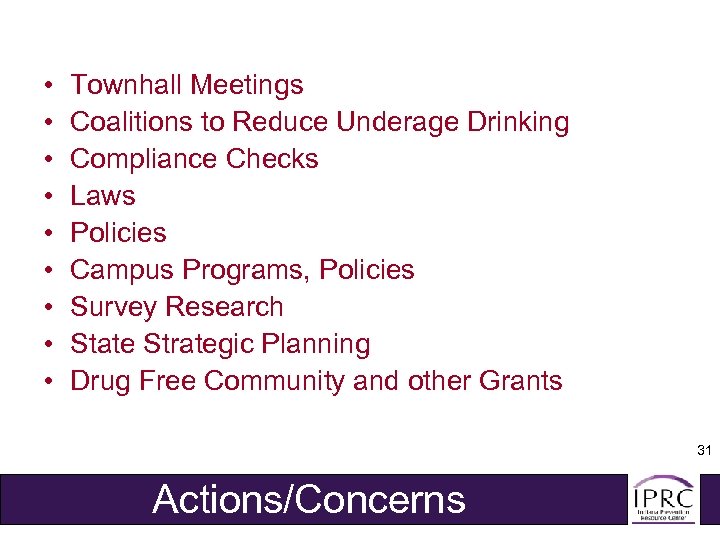
• • • Townhall Meetings Coalitions to Reduce Underage Drinking Compliance Checks Laws Policies Campus Programs, Policies Survey Research State Strategic Planning Drug Free Community and other Grants 31 Actions/Concerns
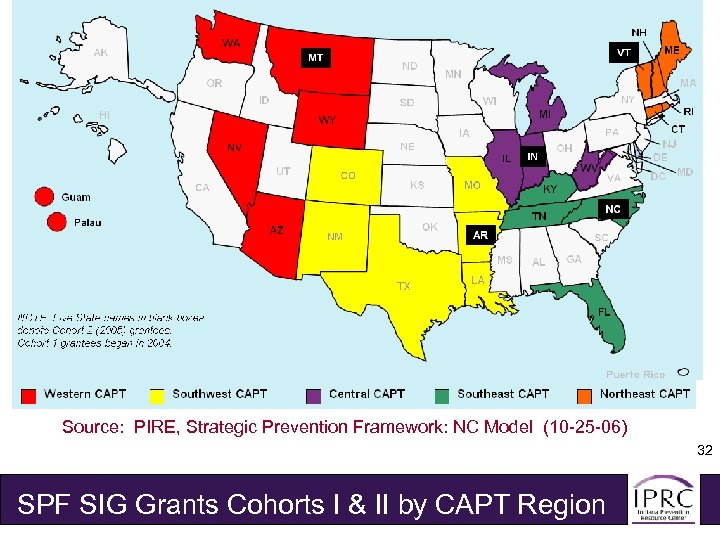
Source: PIRE, Strategic Prevention Framework: NC Model (10 -25 -06) 32 SPF SIG Grants Cohorts I & II by CAPT Region
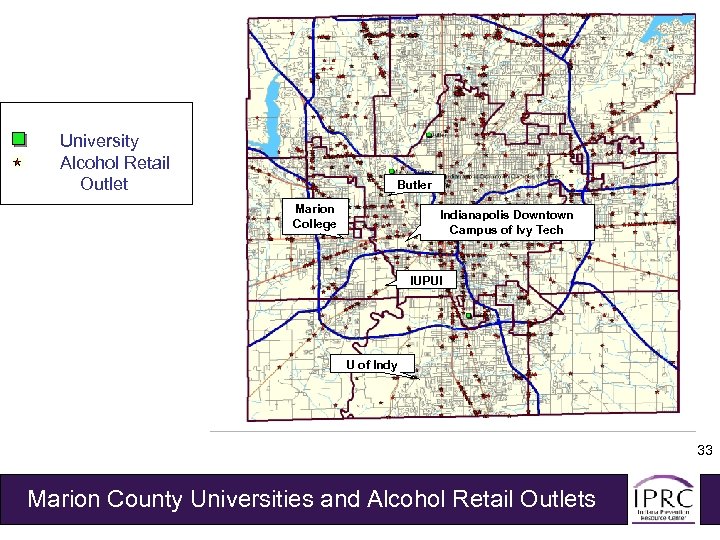
University Alcohol Retail Outlet Butler Marion College Indianapolis Downtown Campus of Ivy Tech IUPUI U of Indy 33 Marion County Universities and Alcohol Retail Outlets
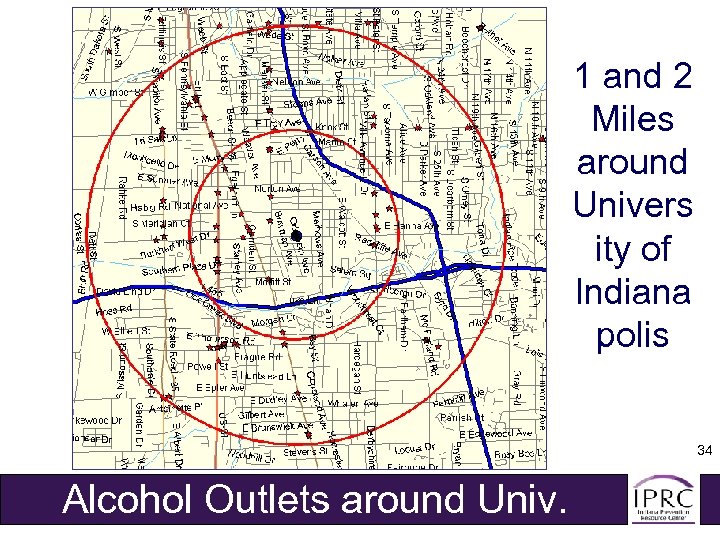
1 and 2 Miles around Univers ity of Indiana polis 34 Alcohol Outlets around Univ.
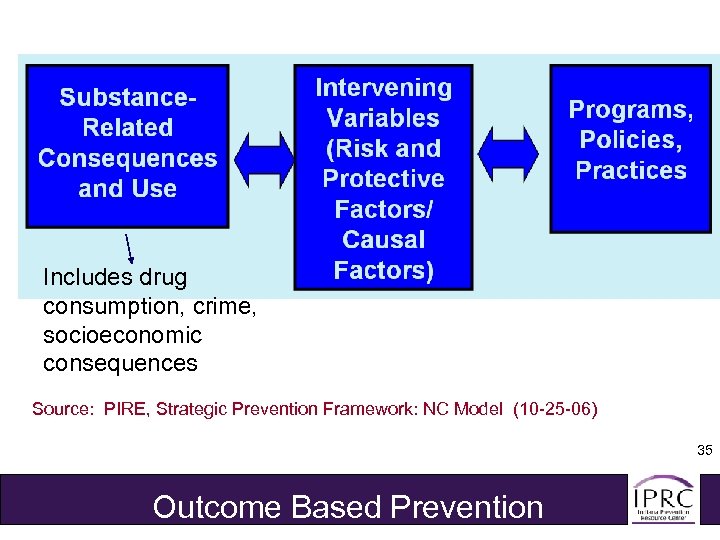
Includes drug consumption, crime, socioeconomic consequences Source: PIRE, Strategic Prevention Framework: NC Model (10 -25 -06) 35 Outcome Based Prevention
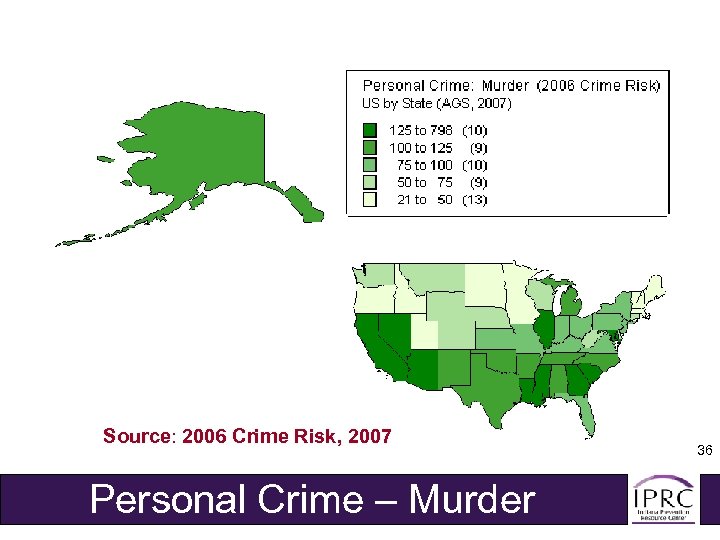
Source: 2006 Crime Risk, 2007 Personal Crime – Murder 36
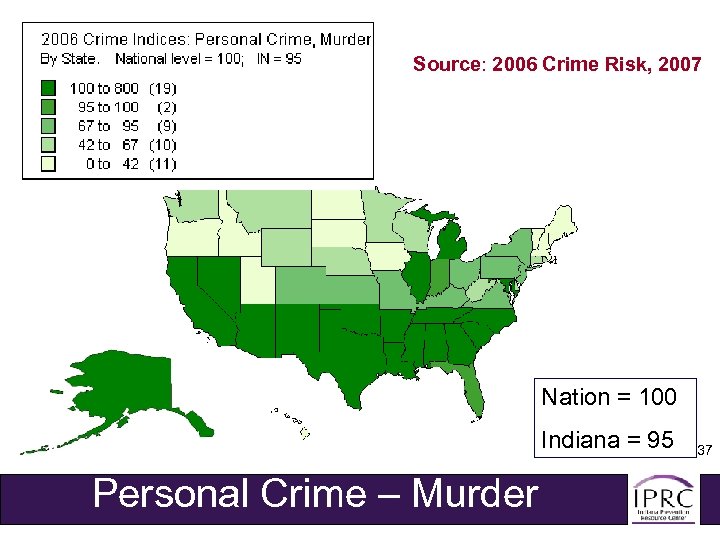
2007 Source: 2006 Crime Risk, 2007 Nation = 100 Indiana = 95 Personal Crime – Murder 37
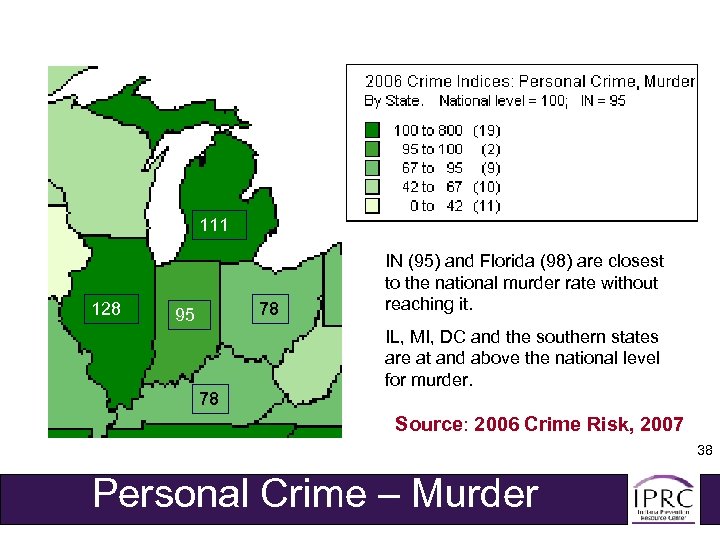
111 128 78 95 78 IN (95) and Florida (98) are closest to the national murder rate without reaching it. IL, MI, DC and the southern states are at and above the national level for murder. Source: 2006 Crime Risk, 2007 38 Personal Crime – Murder
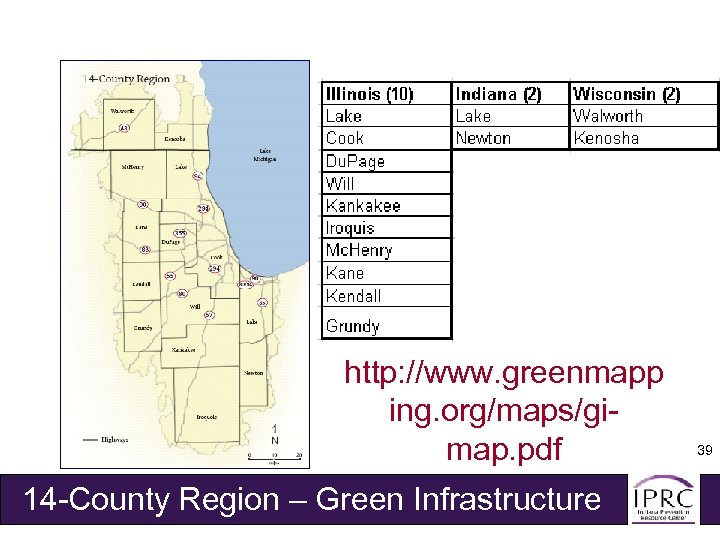
http: //www. greenmapp ing. org/maps/gimap. pdf 14 -County Region – Green Infrastructure 39
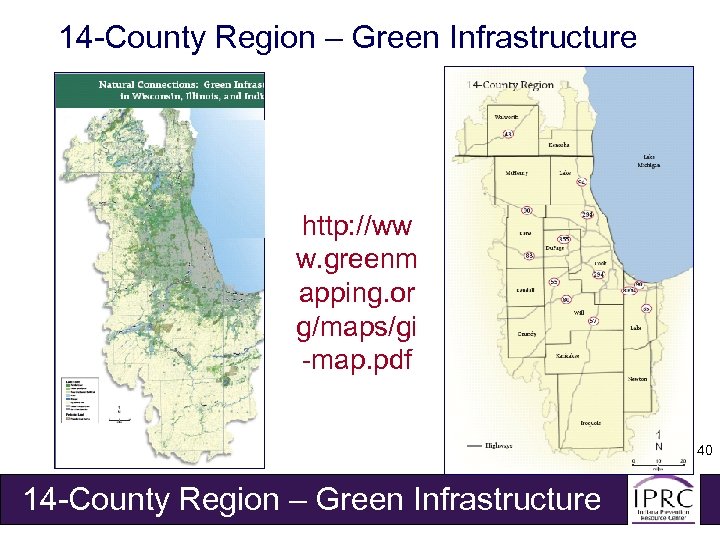
14 -County Region – Green Infrastructure http: //ww w. greenm apping. or g/maps/gi -map. pdf 40 14 -County Region – Green Infrastructure
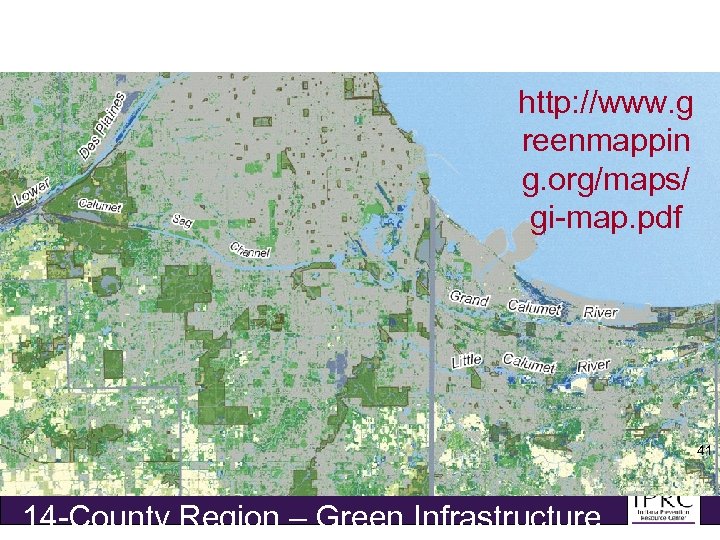
http: //www. g reenmappin g. org/maps/ gi-map. pdf 41 14 -County Region – Green Infrastructure
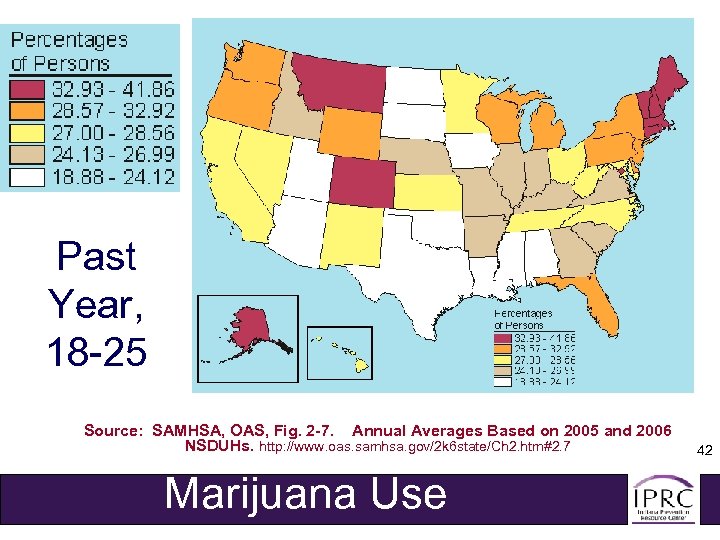
Past Year, 18 -25 Source: SAMHSA, OAS, Fig. 2 -7. Annual Averages Based on 2005 and 2006 NSDUHs. http: //www. oas. samhsa. gov/2 k 6 state/Ch 2. htm#2. 7 Marijuana Use 42
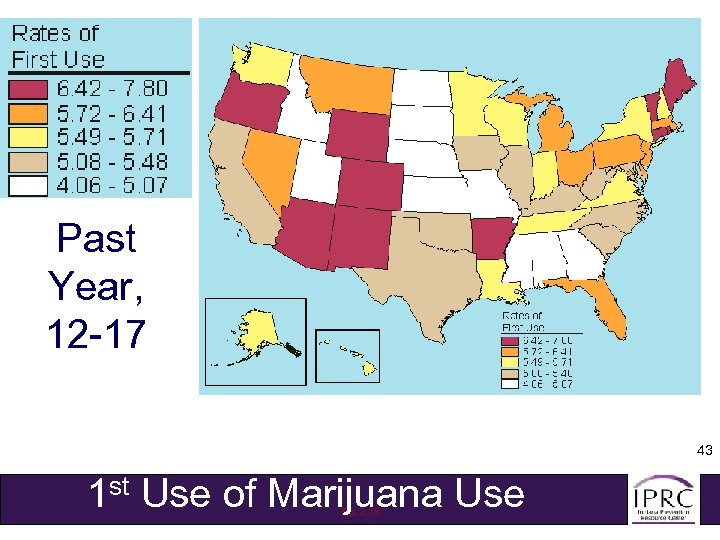
Past Year, 12 -17 43 1 st Use of Marijuana Use Fig. 2. 18
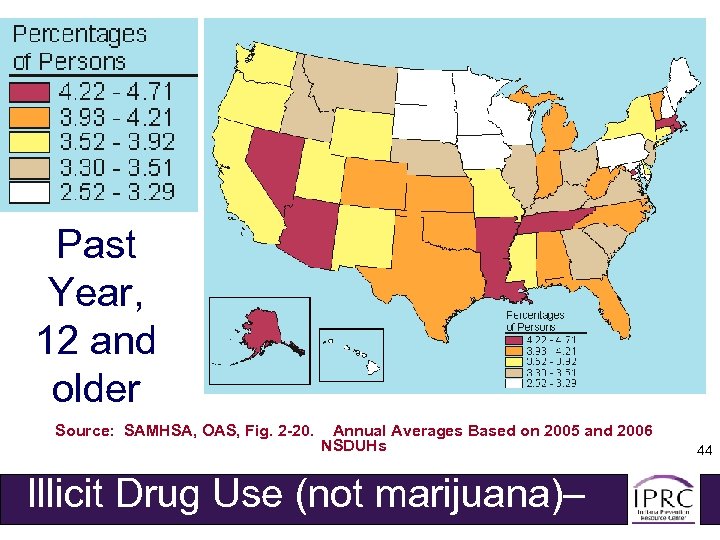
Past Year, 12 and older Source: SAMHSA, OAS, Fig. 2 -20. Annual Averages Based on 2005 and 2006 NSDUHs Illicit Drug Use (not marijuana)– 44
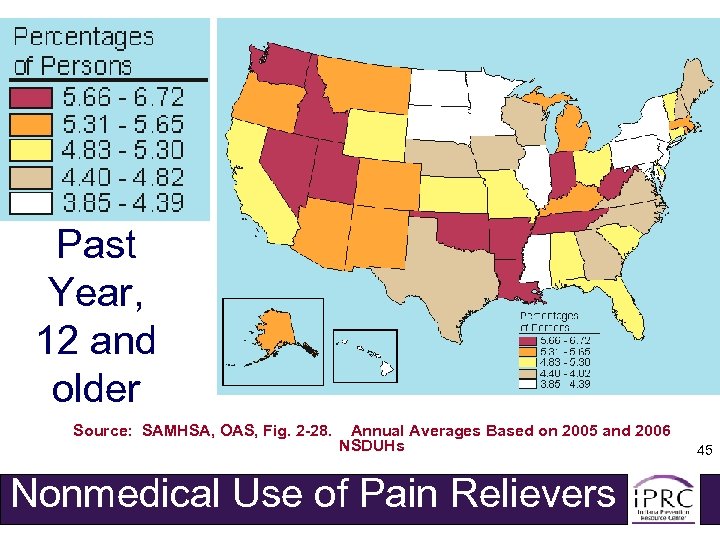
Past Year, 12 and older Source: SAMHSA, OAS, Fig. 2 -28. Annual Averages Based on 2005 and 2006 NSDUHs Nonmedical Use of Pain Relievers – 45
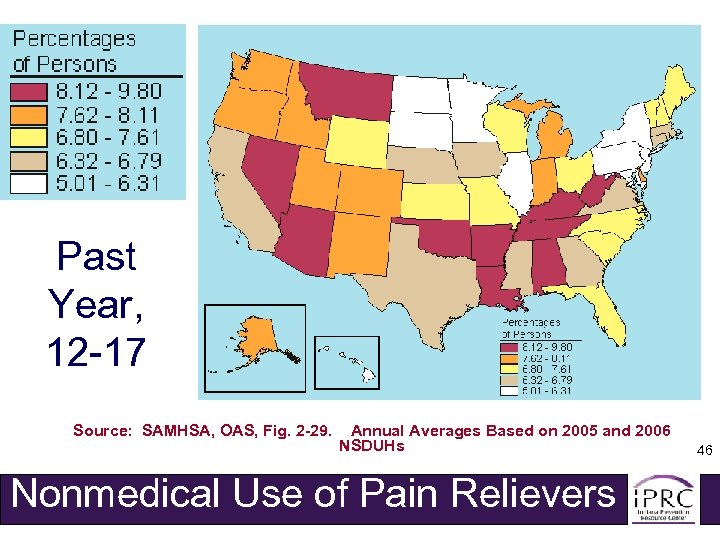
Past Year, 12 -17 Source: SAMHSA, OAS, Fig. 2 -29. Annual Averages Based on 2005 and 2006 NSDUHs Nonmedical Use of Pain Relievers – 46
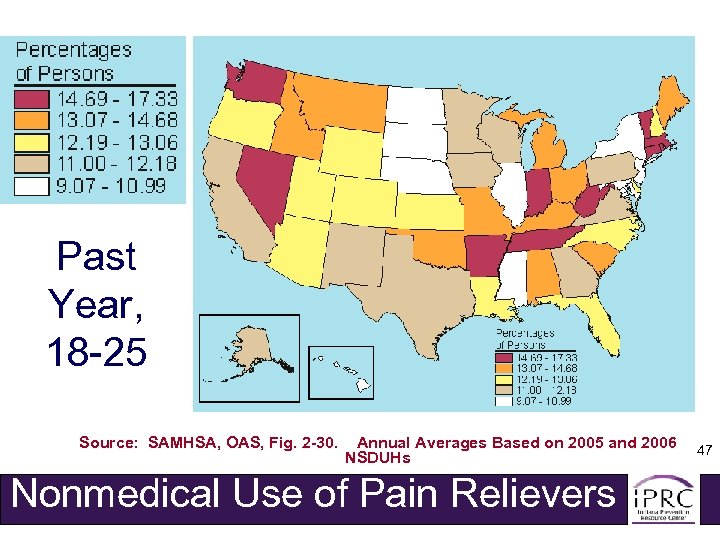
Past Year, 18 -25 Source: SAMHSA, OAS, Fig. 2 -30. Annual Averages Based on 2005 and 2006 NSDUHs Nonmedical Use of Pain Relievers – 47
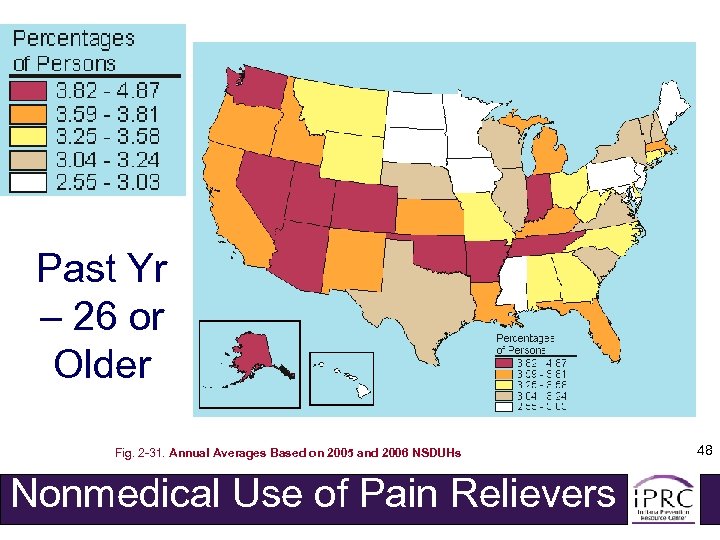
Past Yr – 26 or Older Fig. 2 -31. Annual Averages Based on 2005 and 2006 NSDUHs Nonmedical Use of Pain Relievers – 48
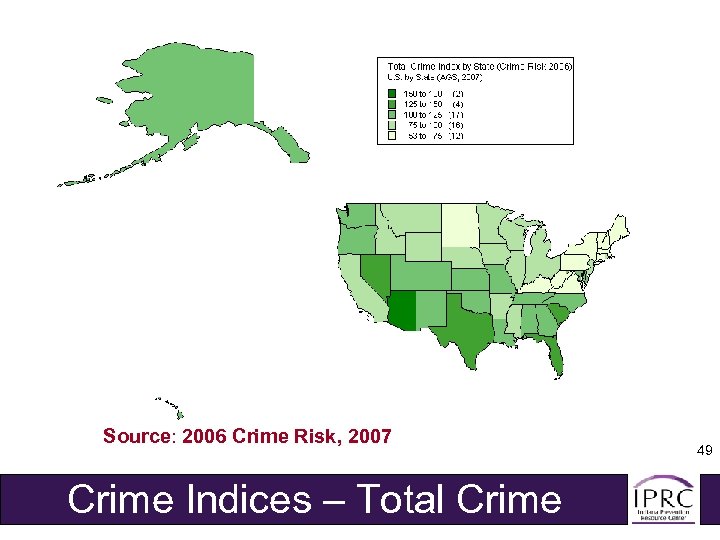
Source: 2006 Crime Risk, 2007 Crime Indices – Total Crime 49
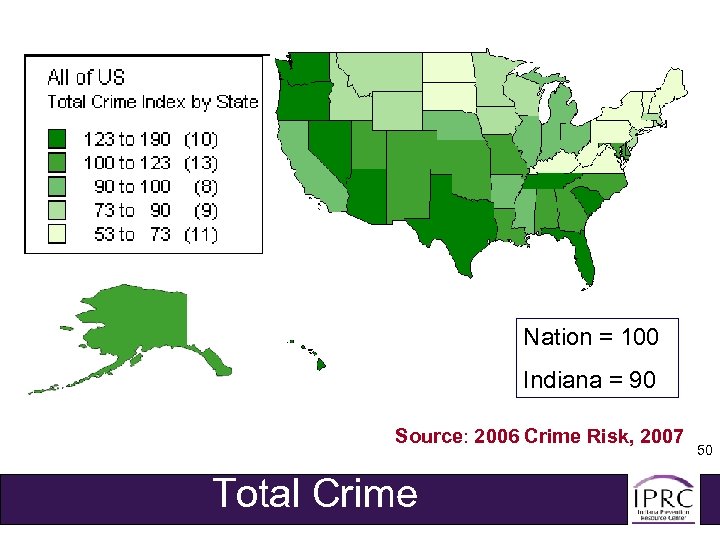
Nation = 100 Indiana = 90 Source: 2006 Crime Risk, 2007 Total Crime 50
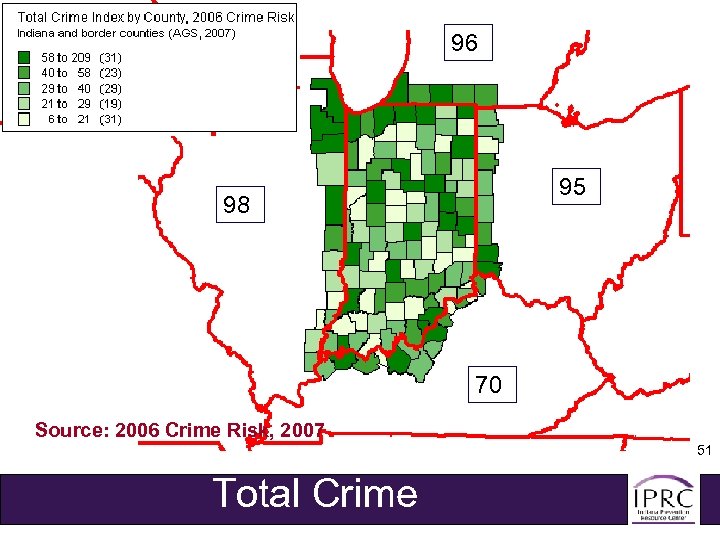
96 95 98 70 Source: 2006 Crime Risk, 2007 51 Total Crime
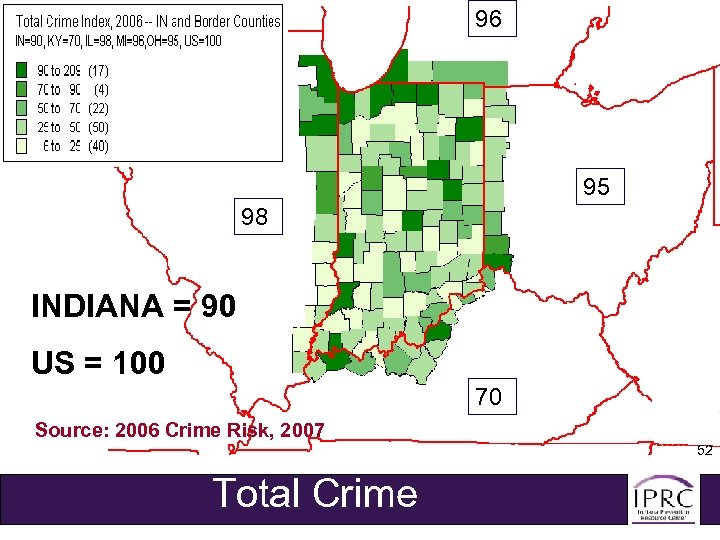
96 Crime Risk 2007 – Total Crime 95 98 INDIANA = 90 US = 100 70 Source: 2006 Crime Risk, 2007 52 Total Crime
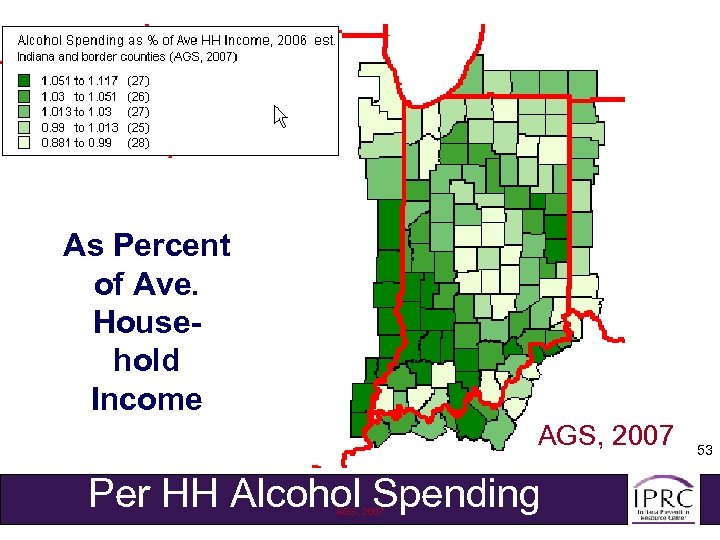
As Percent of Ave. Household Income AGS, 2007 Per HH Alcohol Spending AGS, 2007 53
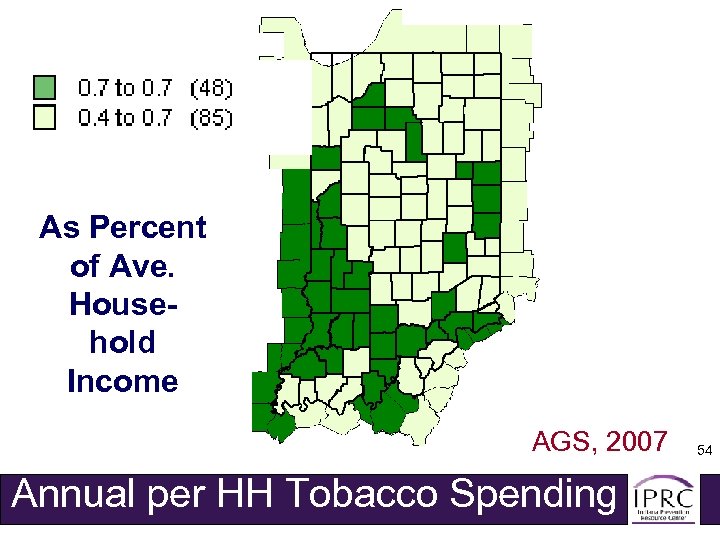
As Percent of Ave. Household Income AGS, 2007 Annual per HH Tobacco Spending 54
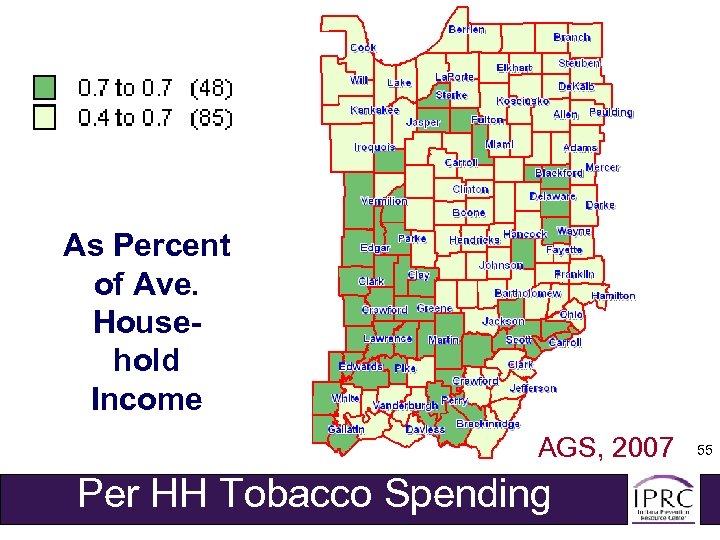
As Percent of Ave. Household Income AGS, 2007 Per HH Tobacco Spending 55
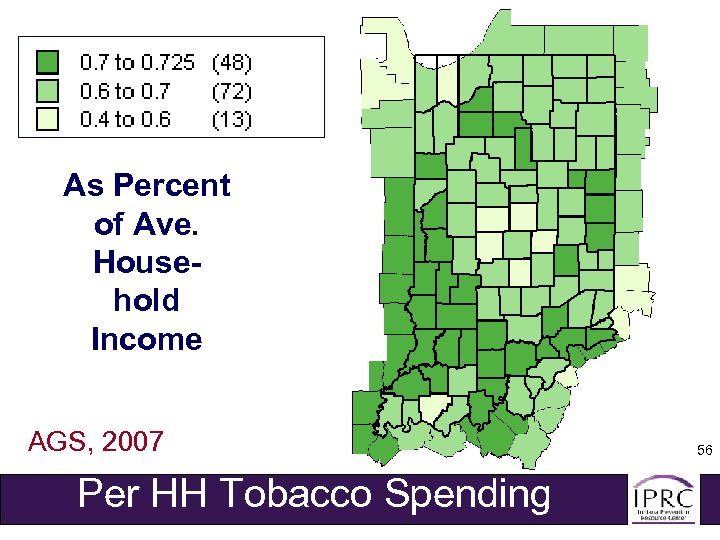
As Percent of Ave. Household Income AGS, 2007 Per HH Tobacco Spending 56
We have learned: Why it is imperative to surmount borders • We live dynamically, in contexts, not in bubbles or silos • Like peers, we influence one another • Like people, as groups we need support • It is our responsibility to ourselves and others. Together we are stronger. Conclusion 57
We have learned: How borders present barriers to success • • Governments have boundaries. Funding often limited by boundaries Data is generally presented by boundaries Policies, laws and program coverage is often limited by boundaries. 58 Conclusion
We have learned: Ways technology obstructs and facilitates our surmounting borders • • • Creates buttresses, invisible walls, limits We purchase data by boundaries We describe phenomenon by boundary Technology allows us to see relationships Technology allows us to study dynamics 59 Conclusion
We have learned: • That we need to acknowledge our power to influence others and be responsible HOW? • Use GIS to study broader environment • Note risk factors that are higher in your area • ID and study intervening variables • Note policies, practices and programs that contribute to progress or problems • Brainstorm together how to coordinate Conclusion 60
We have learned: That we need to acknowledge our neighbors’ influence over us and work together: HOW TO DO THIS: Some ideas • Share information online (IPRC County Profiles) • Share at conferences • RADAR Network, SALIS, regional groups • Obtain data about your neighbors • Share findings 61 Conclusion
For more information: Indiana Prevention Resource Center 812/855 -1237 62
Скачать презентацию Surmounting Borders as Barriers to Best Practices
adbf7ccf53249a3ca6841b27a256eefe.ppt