 Скачать презентацию Support- framework that supports body and
011 Skeletal System.ppt
- Количество слайдов: 49



• Support- framework that supports body and cradles its soft organs • Protection- for delicate organs, heart, lungs, brain • Movement- bones act as levers for muscles • Mineral storage- calcium & phosphate • Blood cell formation- hematopoiesis
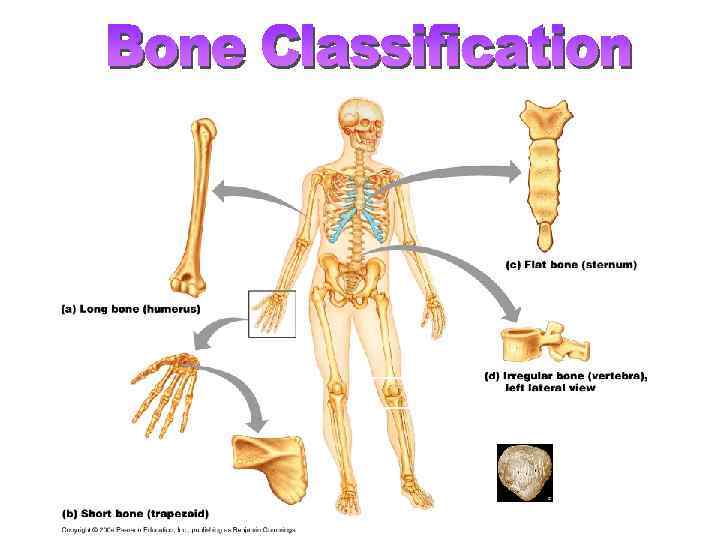
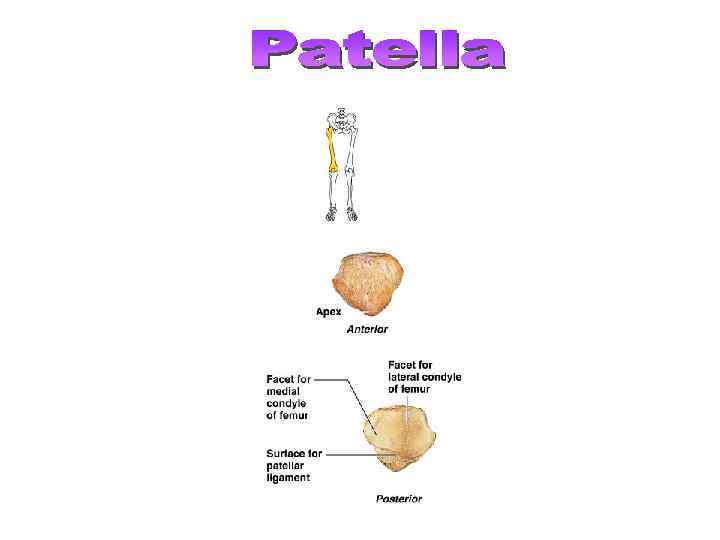
• Long Bones- metacarples, metatarsals, phelangies, humerus, ulna, radius, tibia, fibula • Short Bones- carpals, tarsals • Flat Bones- rib, scapula, skull, sternum • Irregular Bones- vertebrae, some facial bones • Sesamoid- patella
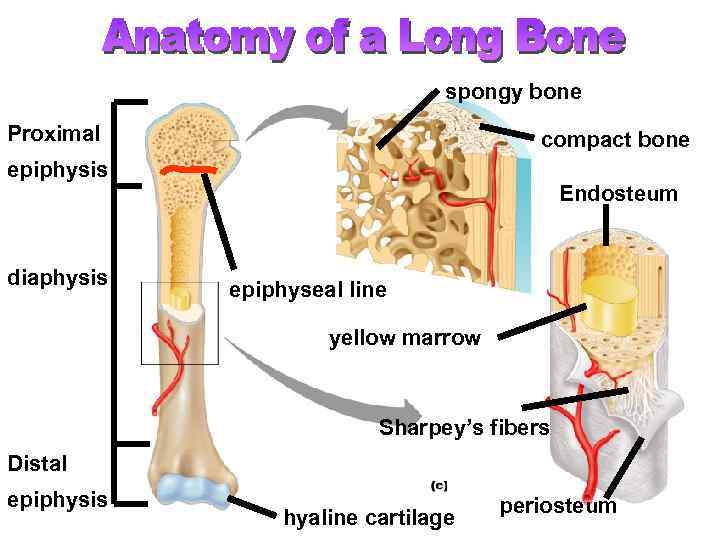
spongy bone Proximal compact bone epiphysis diaphysis Endosteum epiphyseal line yellow marrow Sharpey’s fibers Distal epiphysis hyaline cartilage periosteum
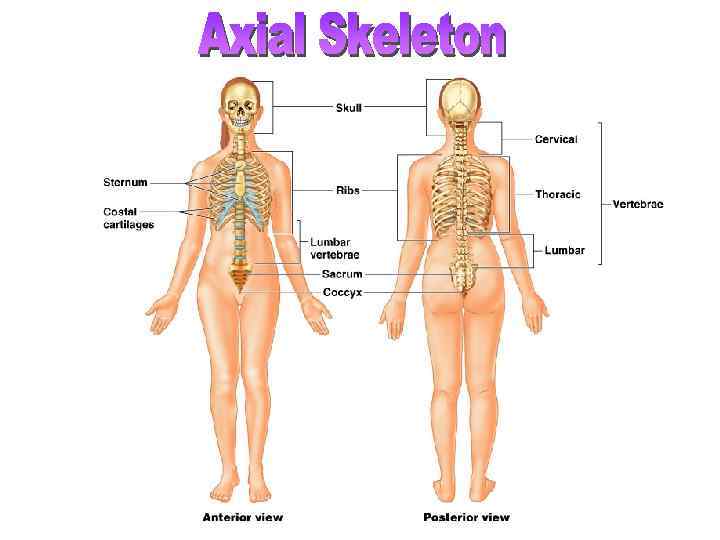
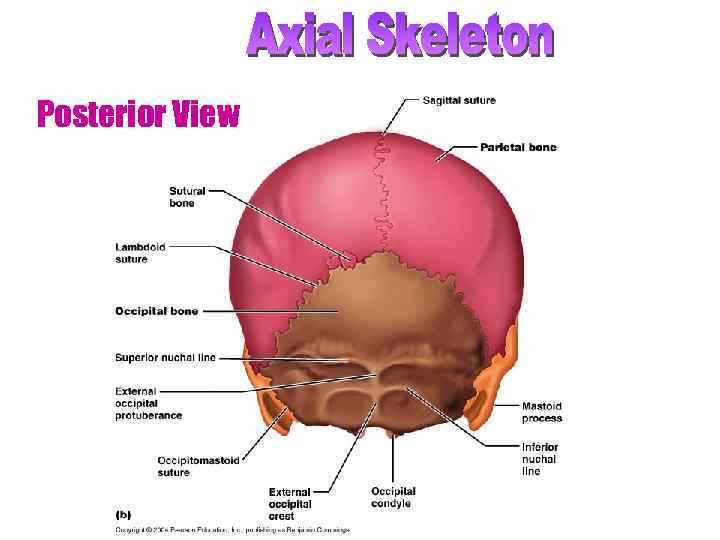
Posterior View
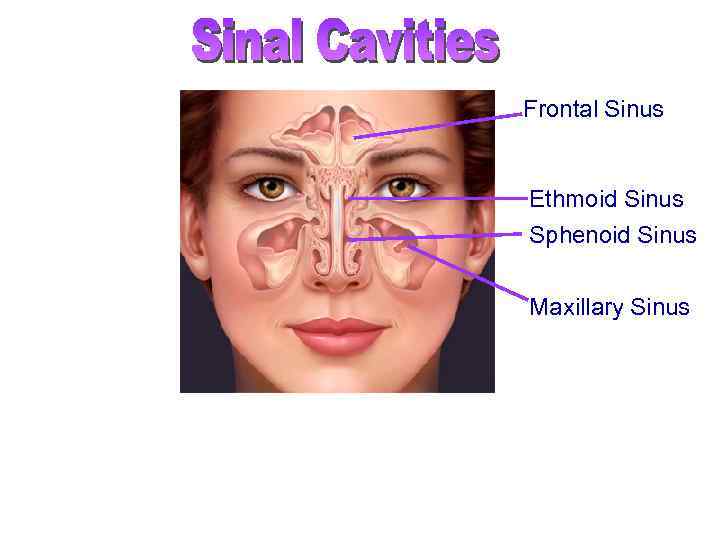
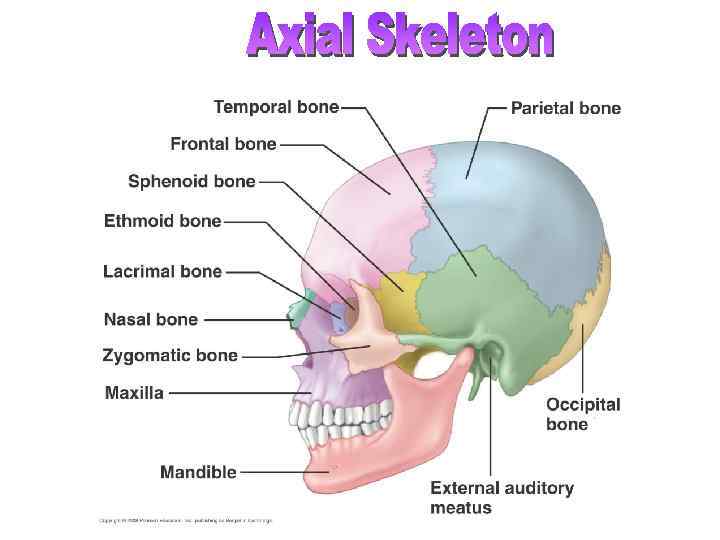
Frontal Sinus Ethmoid Sinus Sphenoid Sinus Maxillary Sinus • • • Warm and moisten air Lighten the skull Enhance voice resonance
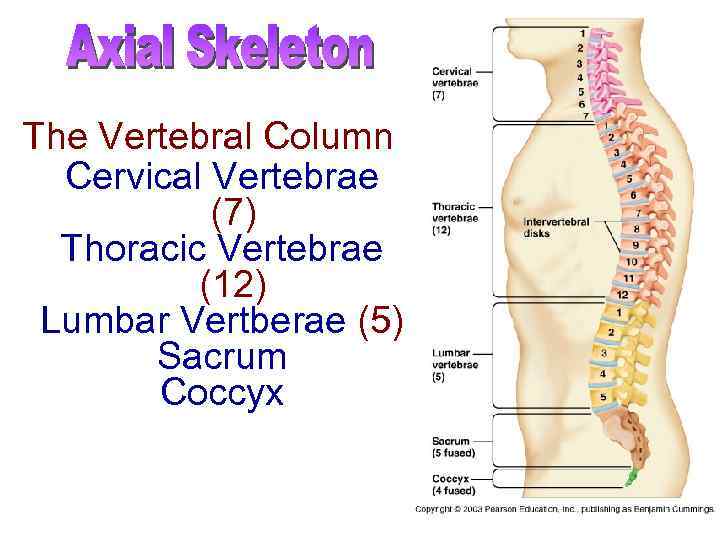
The Vertebral Column Cervical Vertebrae (7) Thoracic Vertebrae (12) Lumbar Vertberae (5) Sacrum Coccyx
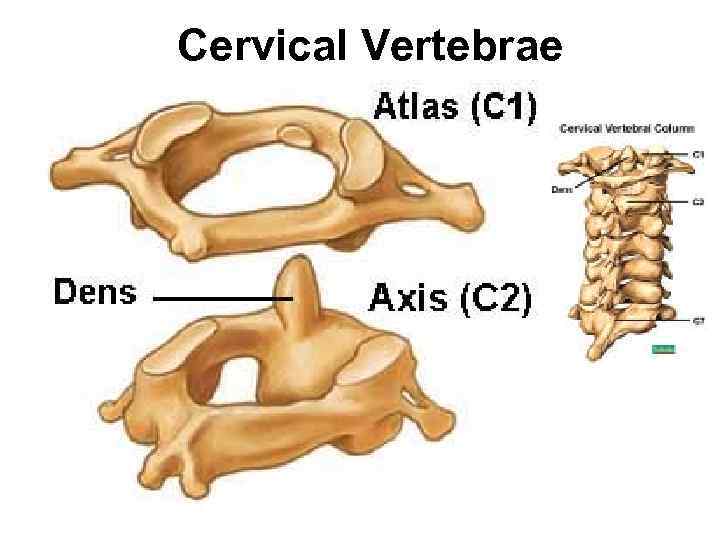
Cervical Vertebrae
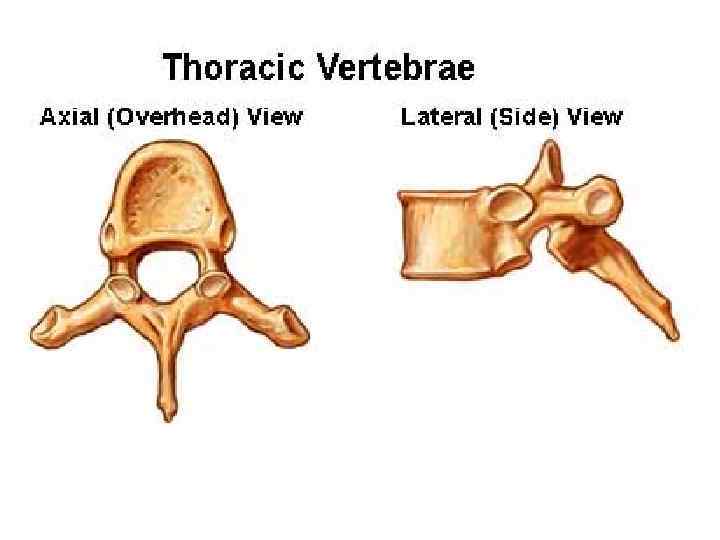
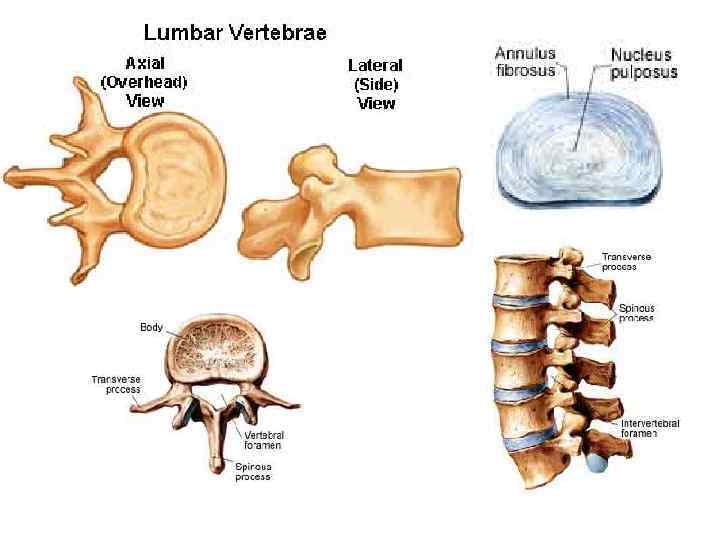
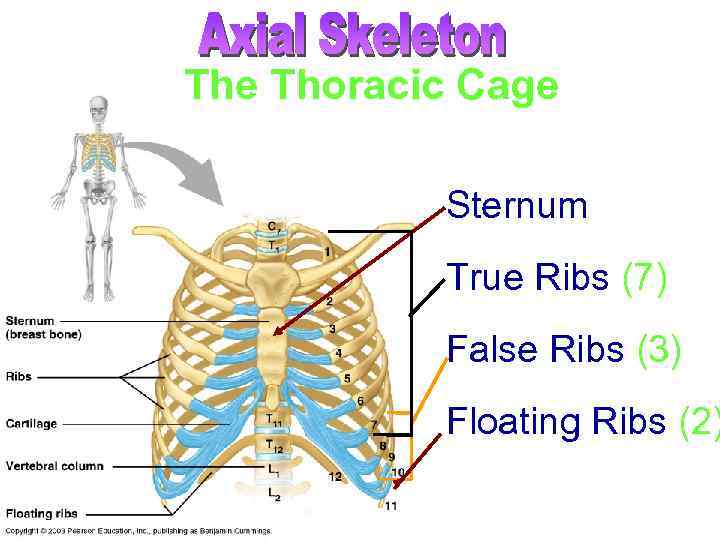
The Thoracic Cage Sternum True Ribs (7) False Ribs (3) Floating Ribs (2)
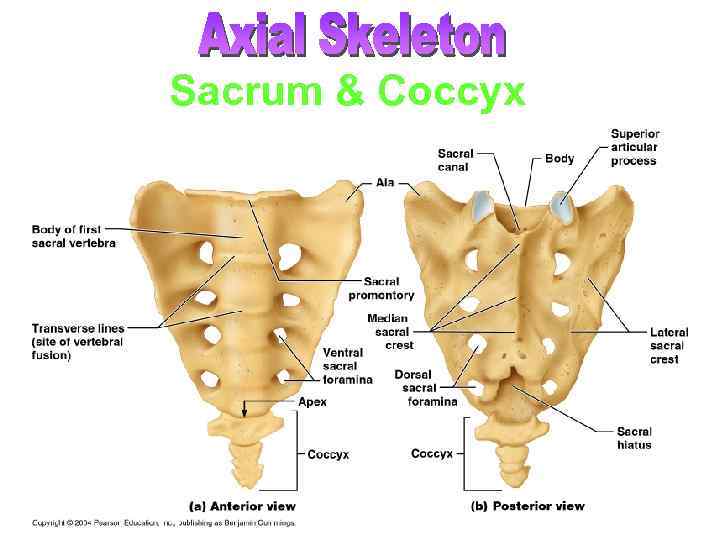
Sacrum & Coccyx
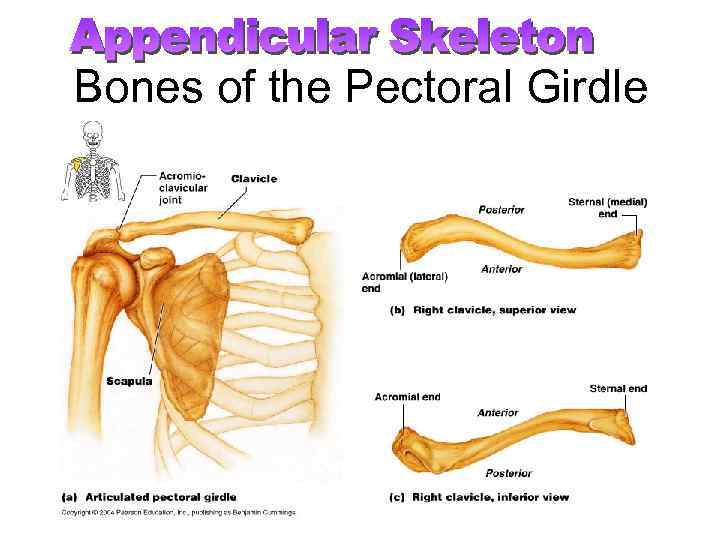
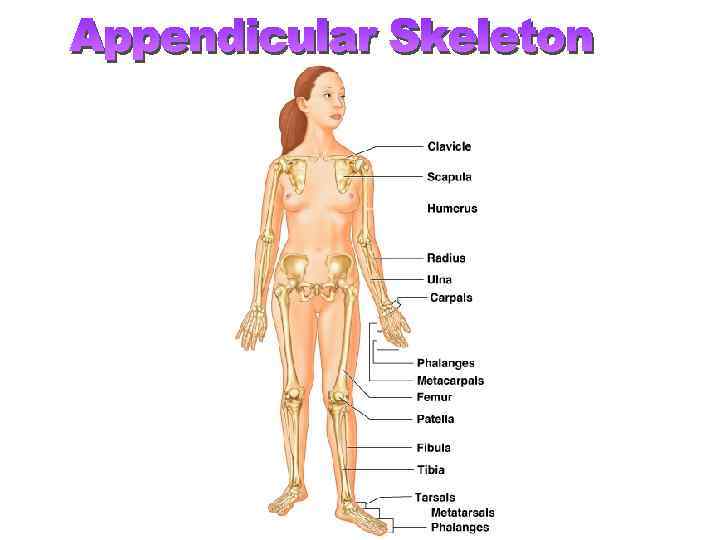
Bones of the Pectoral Girdle
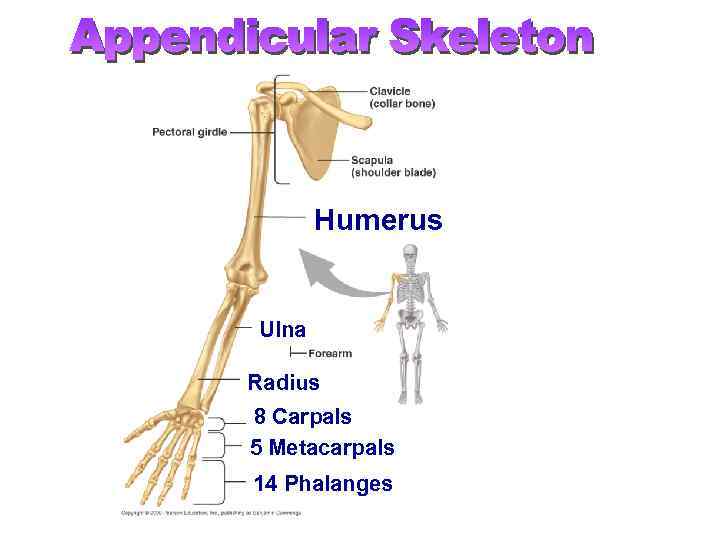
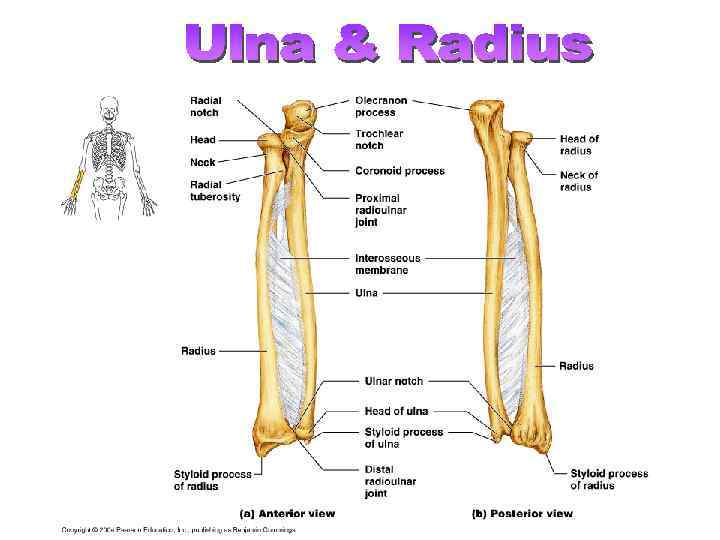
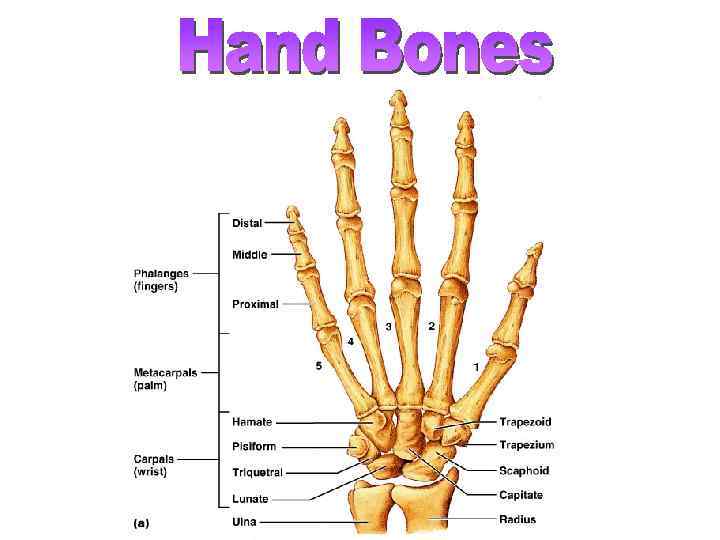
Humerus Ulna Radius 8 Carpals 5 Metacarpals 14 Phalanges
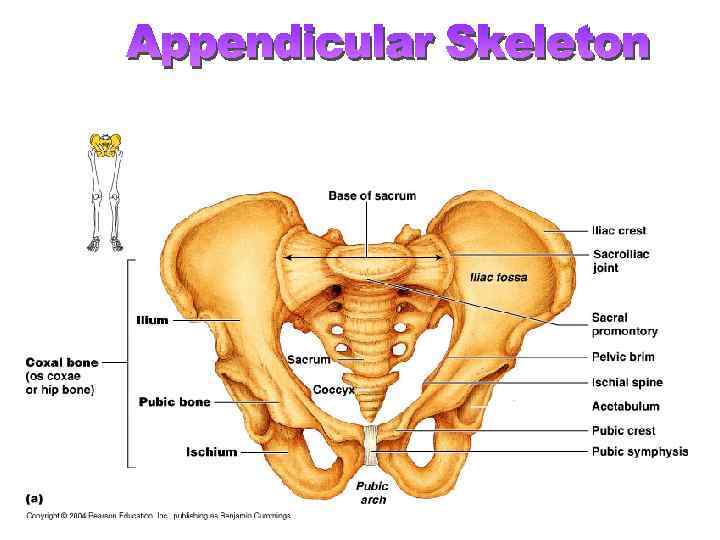
Pelvis
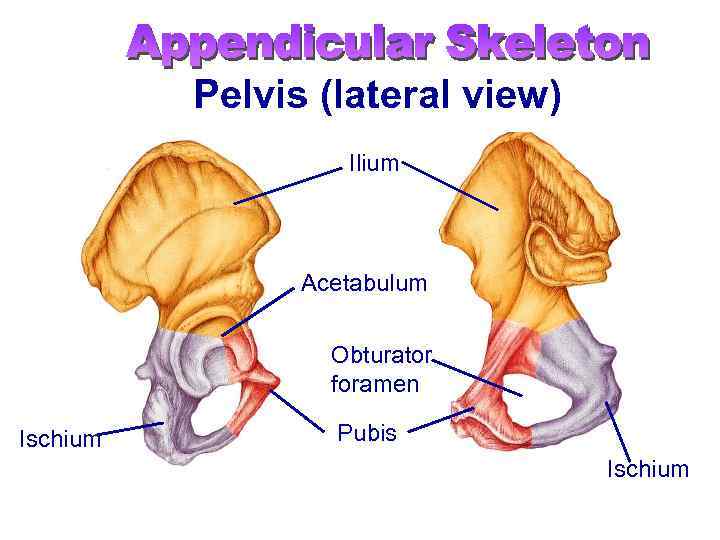
Pelvis (lateral view) Ilium Acetabulum Obturator foramen Ischium Pubis Ischium
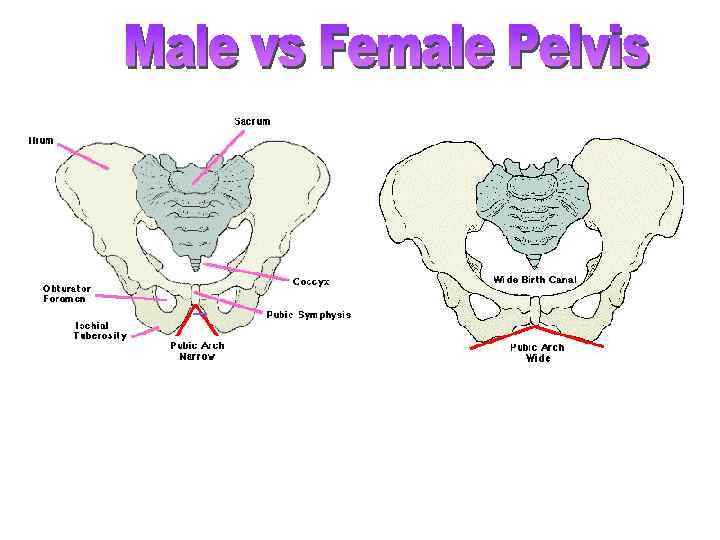
Male Pelvic Girdle Female Pelvic Girdle
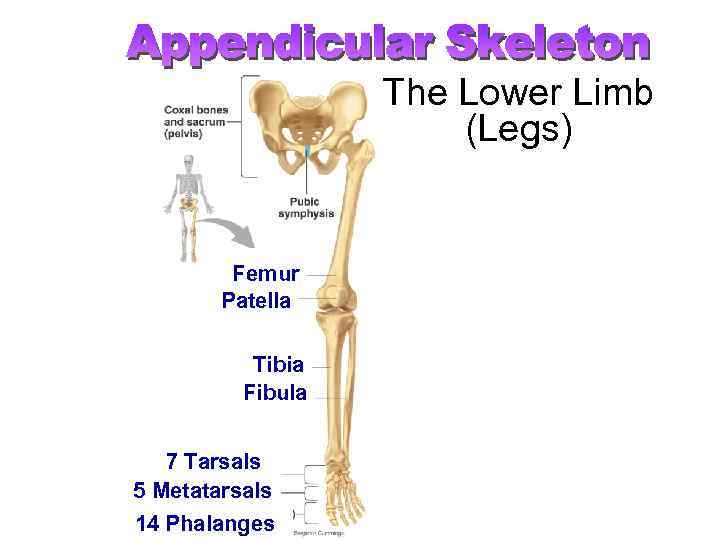
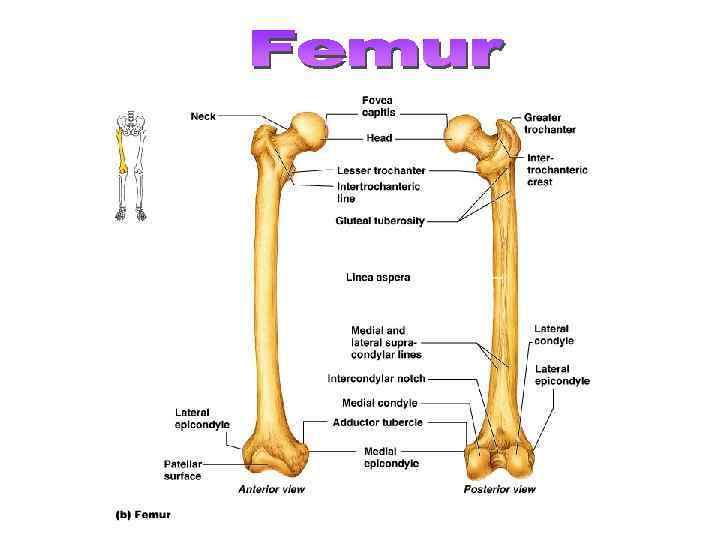
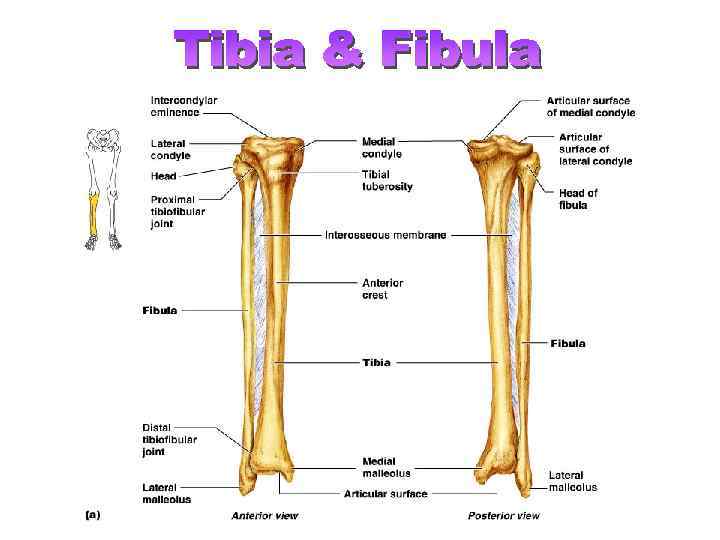
The Lower Limb (Legs) Femur Patella Tibia Fibula 7 Tarsals 5 Metatarsals 14 Phalanges
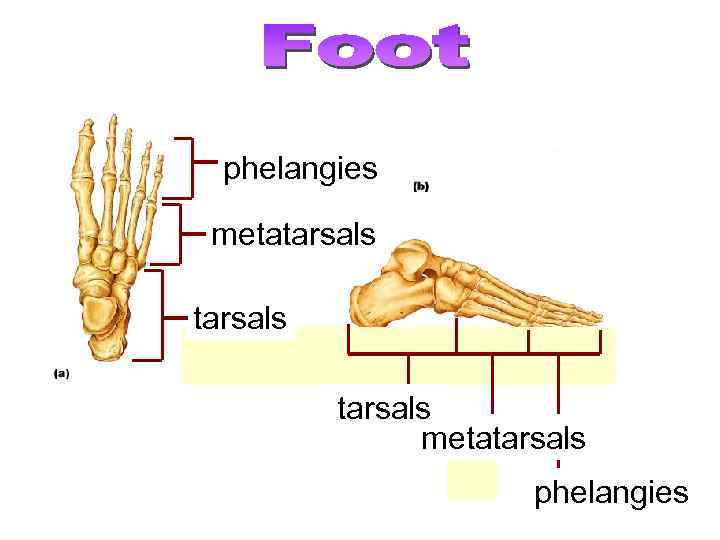
phelangies metatarsals metatarsals phelangies
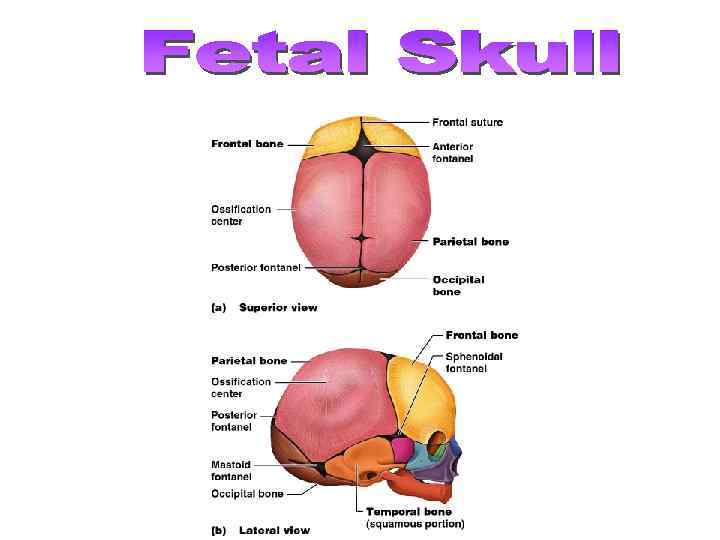
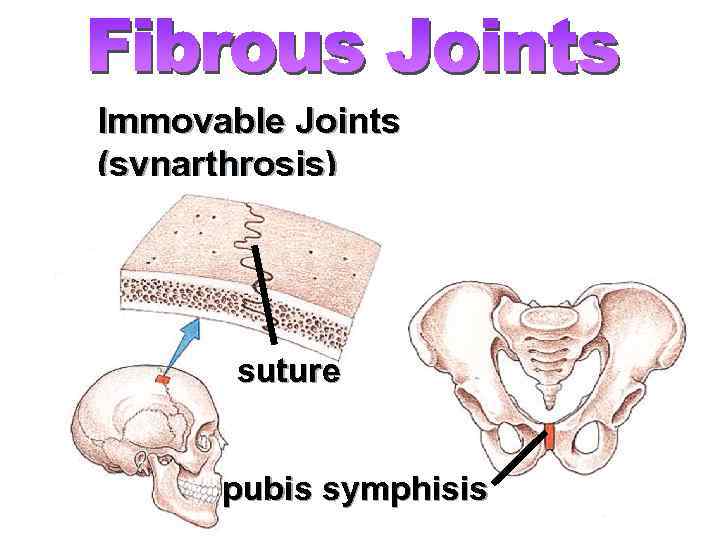
Immovable Joints (synarthrosis) suture pubis symphisis
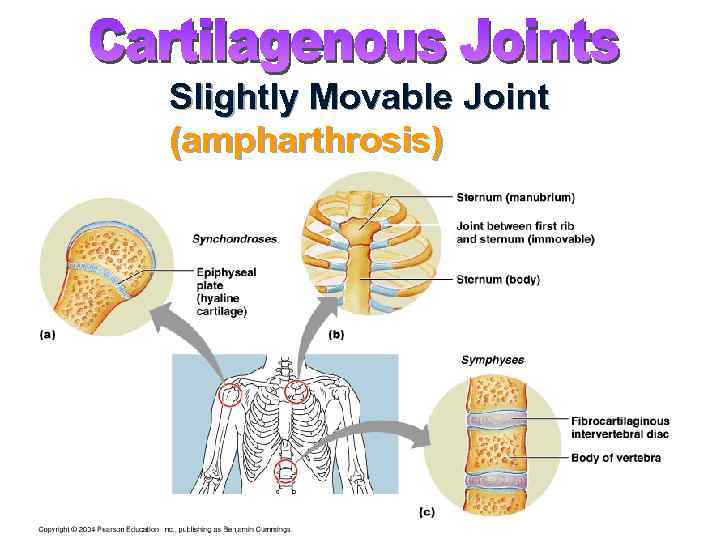
Slightly Movable Joint (ampharthrosis)
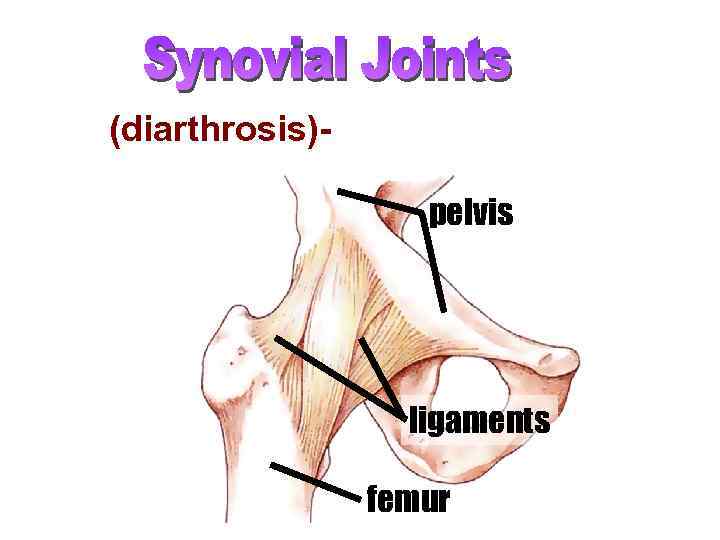
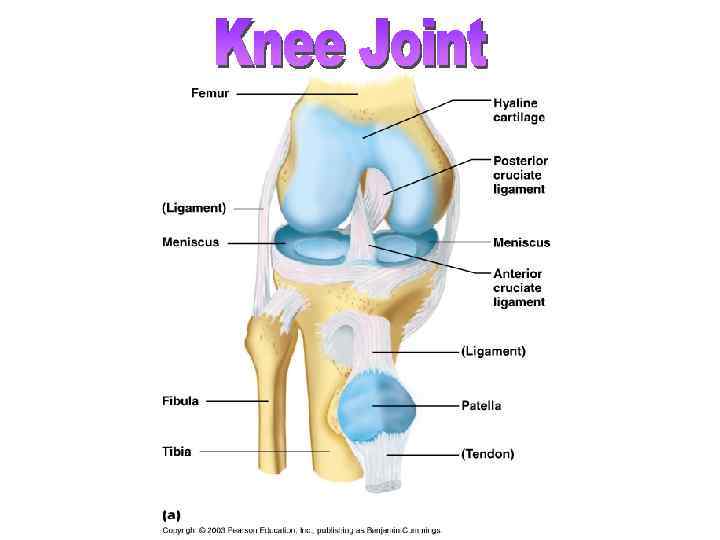
(diarthrosis)- freely moveable pelvis ligaments femur
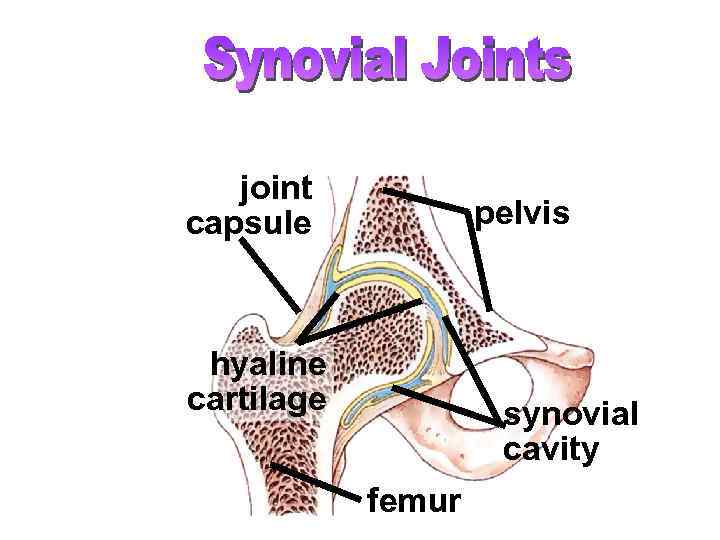
joint capsule pelvis hyaline cartilage synovial cavity femur
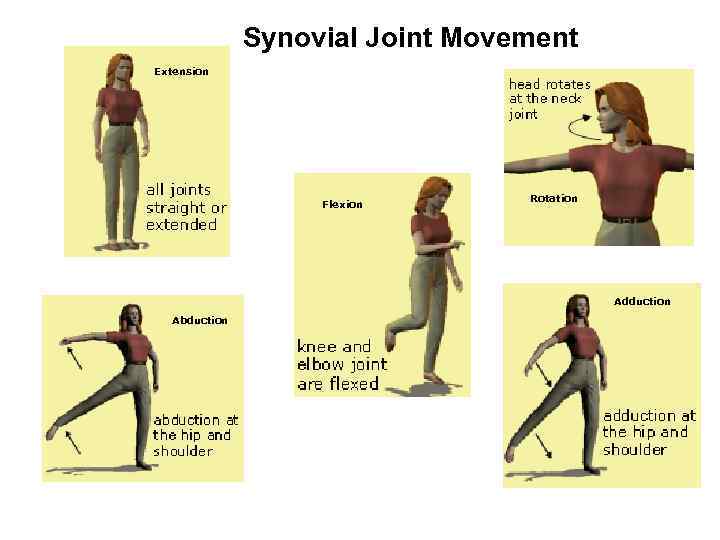
Synovial Joint Movement Extension Flexion Rotation Adduction Abduction
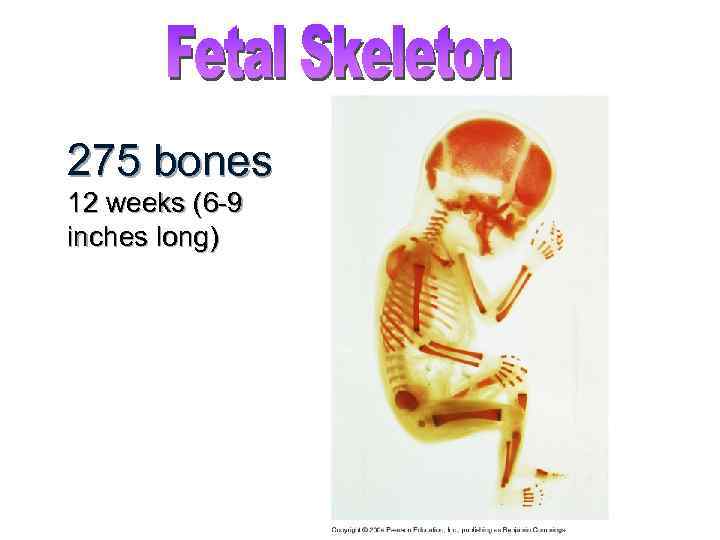
275 bones 12 weeks (6 -9 inches long)
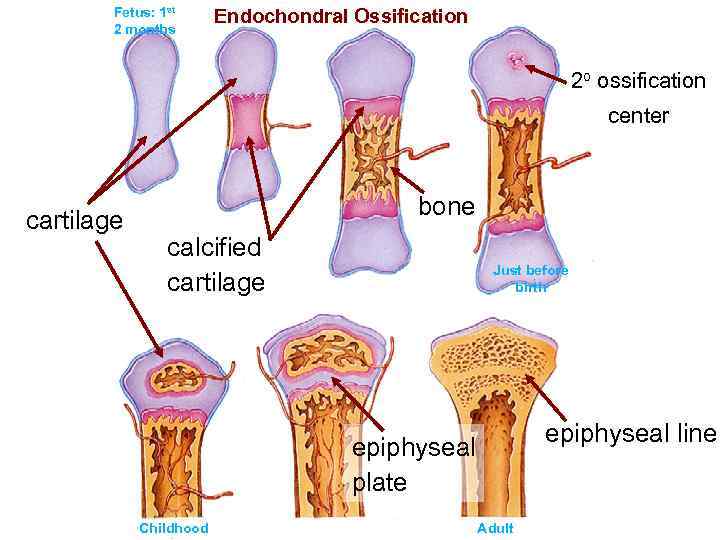
Fetus: 1 st 2 months Endochondral Ossification 2 o ossification center cartilage bone calcified cartilage Just before birth epiphyseal plate Childhood Adult epiphyseal line
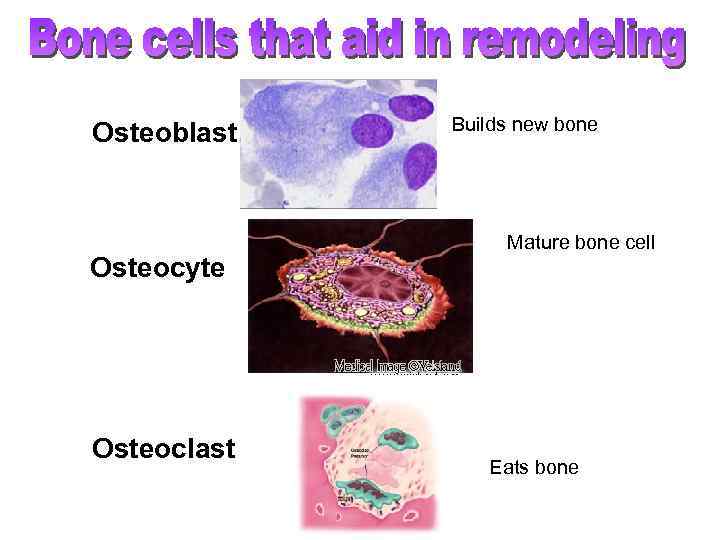
Osteoblast Osteocyte Osteoclast Builds new bone Mature bone cell Eats bone
Bone Repair: 1. Electrical stimulation of the fracture site: • Increases speed and completeness of healing • The e- stimulation inhibits PTH and slow osteoclasts down from reabsorbing bone 2. Ultrasound treatment: • Daily treatments reduce healing time of broken bones by 25 -35% 3. Free vascular fibular graft technique: • Transplant fibula in arm • Gives good blood supply not available in other treatments 4. Bone substitutes: • Crushed bone from cadaver- but risk of HIV and hepatitis • Sea bone- coral • Artificial bone- ceramic
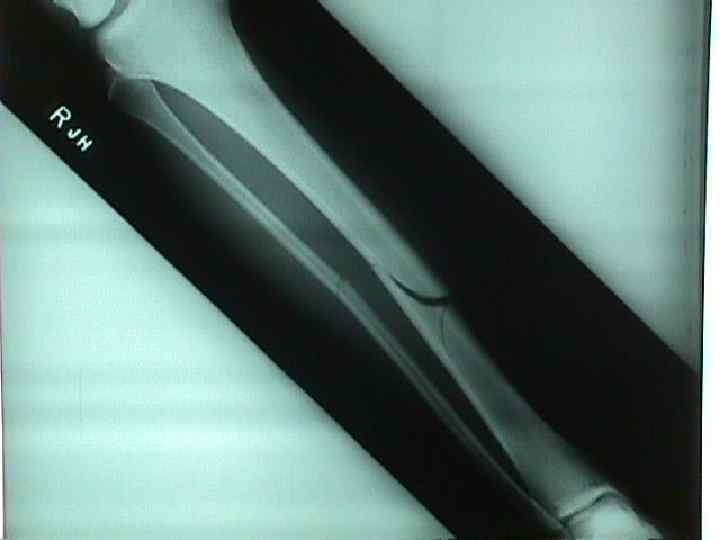
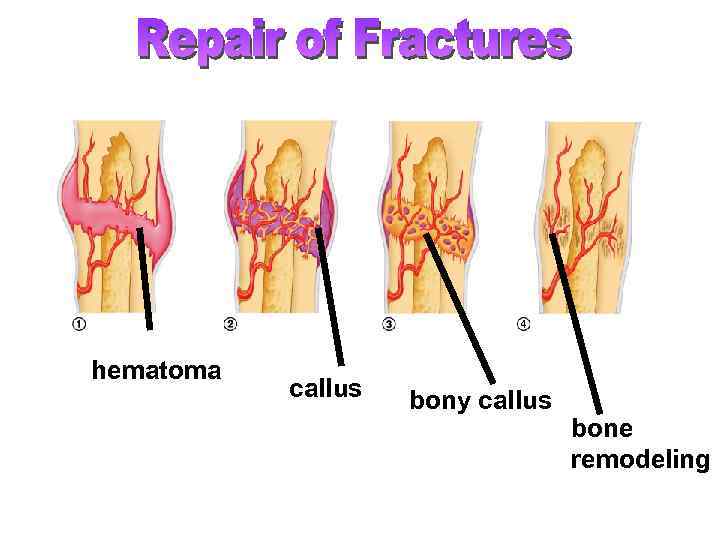
hematoma callus bony callus bone remodeling
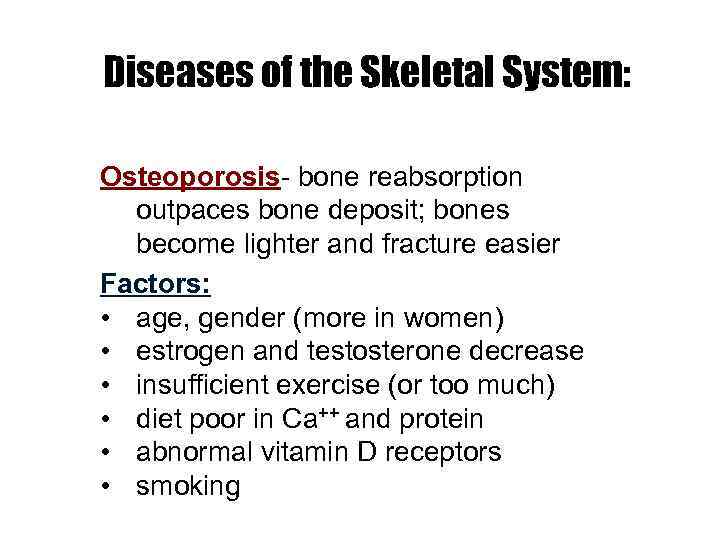
Diseases of the Skeletal System: Osteoporosis- bone reabsorption outpaces bone deposit; bones become lighter and fracture easier Factors: • age, gender (more in women) • estrogen and testosterone decrease • insufficient exercise (or too much) • diet poor in Ca++ and protein • abnormal vitamin D receptors • smoking
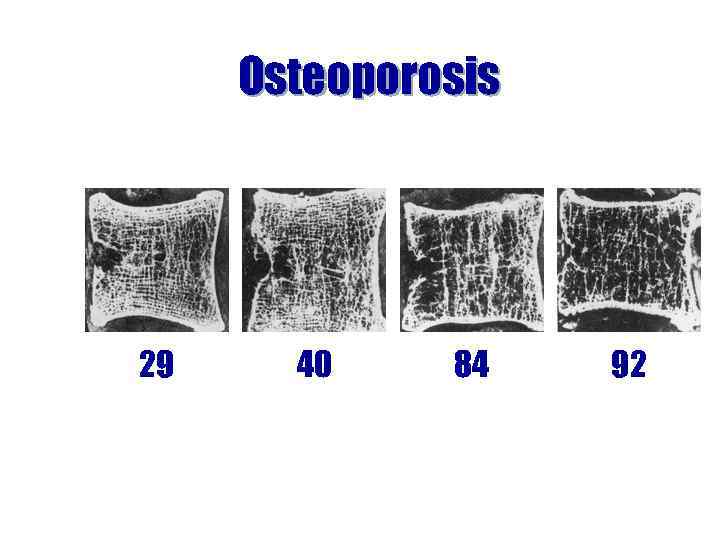
Osteoporosis 29 40 84 92
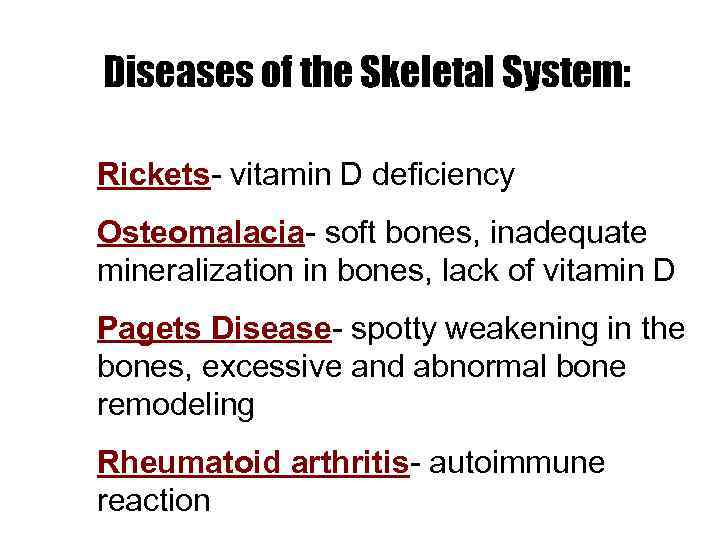
Diseases of the Skeletal System: Rickets- vitamin D deficiency Osteomalacia- soft bones, inadequate mineralization in bones, lack of vitamin D Pagets Disease- spotty weakening in the bones, excessive and abnormal bone remodeling Rheumatoid arthritis- autoimmune reaction
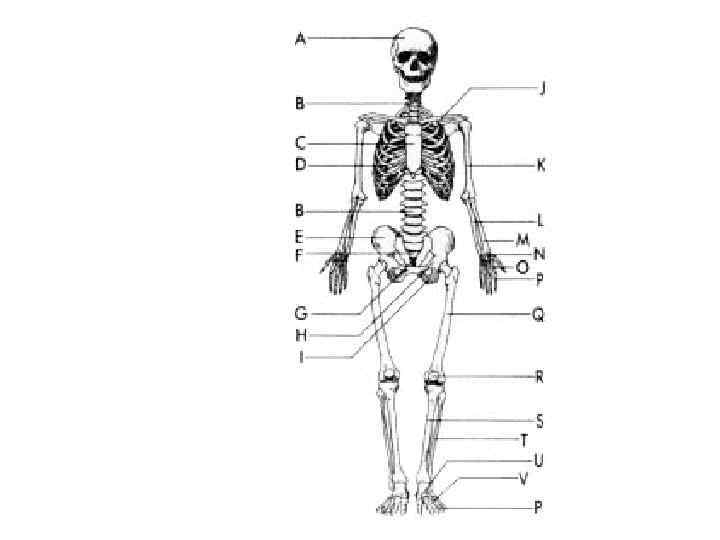
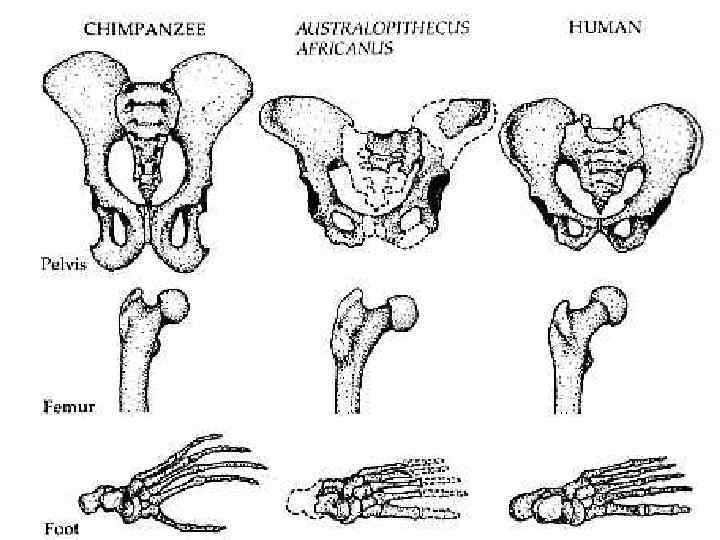
INQUIRY 1. What is a fontanel? 2. How many bones in the adult skeleton? 3. What is the difference between the appendicular and axial skeleton? 4. What is a meniscus? 5. Demonstrate adduction. 6. Weight bearing vertebrae are called? 7. What does an osteoclast do? Extra Credit: 1 -page reaction paper on bipedalism and problems associated with our human frame. Attach article. Turn in 1 -week from today. http: //www. youtube. com/watch? v=DSHoon. PWw. XQ
Скачать презентацию Support- framework that supports body and
011 Skeletal System.ppt