


 Скачать презентацию Successful Reduction of Community Exposure to Perfluorooctanoate Through
6acc2e7f84c5e6bae670d3c3b4ba17d2.ppt
- Количество слайдов: 46
 Successful Reduction of Community Exposure to Perfluorooctanoate Through an Environmental Justice Partnership OR How can Occupational/Environmental Physicians Help a Community Resolve a Problem? Edward A Emmett MD, MS University of Pennsylvania School of Medicine Nancy V. Rodway MD MPH Temple University Hospital
 Supported by R 25 ES-12591 Environmental Justice Grant, NIEHS • Edward A. Emmett, MD, University of Pennsylvania • Mary Hufford, Ph. D, University of Pennsylvania • David Freeman - Decatur Community Association • Hong Zhang, MD - Grand Central Family Medicine, Parkersburg WV • Nancy Rodway, MD - Temple University Hospital • Chintan Desai, University of Pennsylvania • Leslie Shaw, Ph. D, University of Pennsylvania
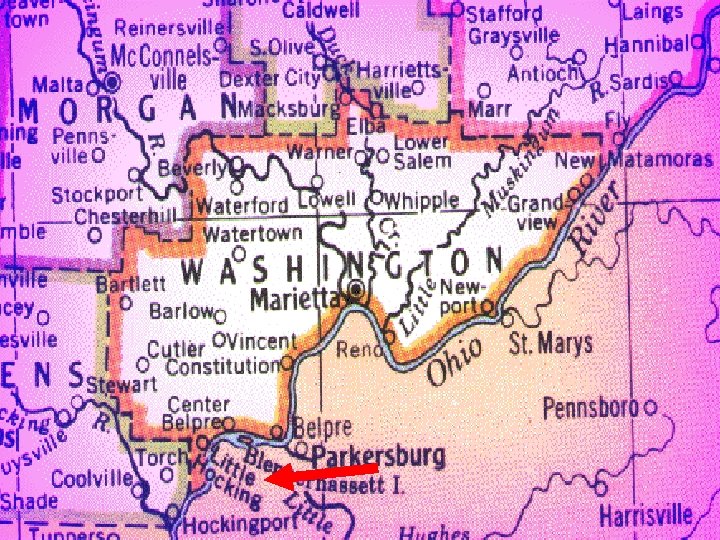
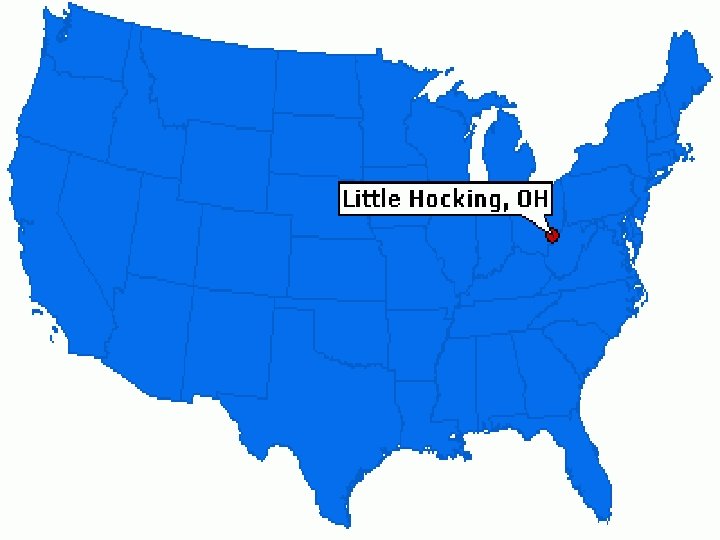
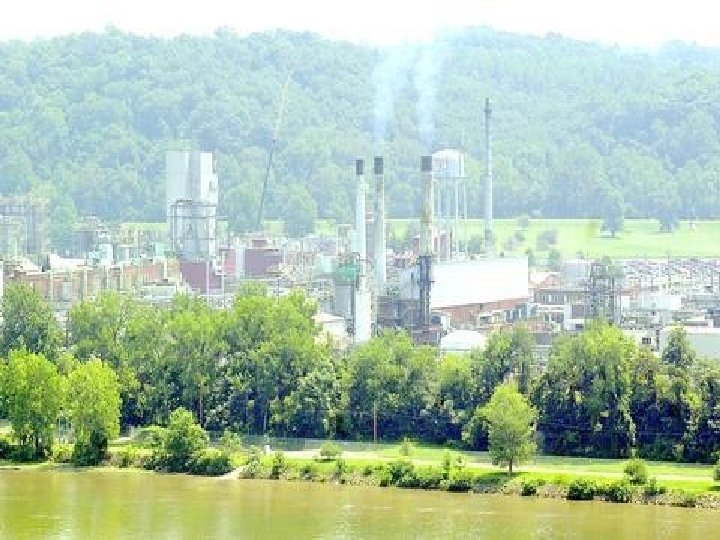
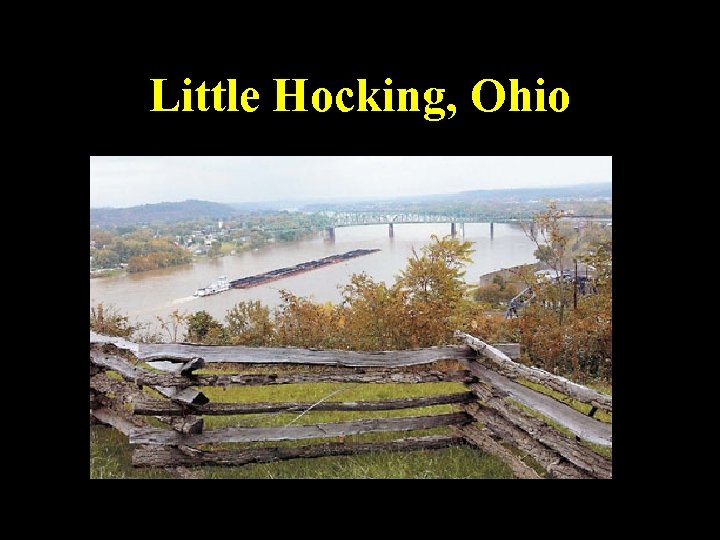 Little Hocking, Ohio
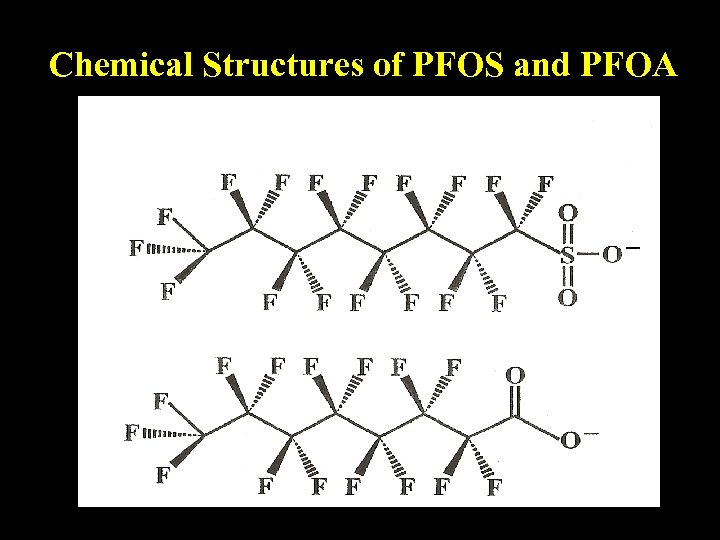 Chemical Structures of PFOS and PFOA
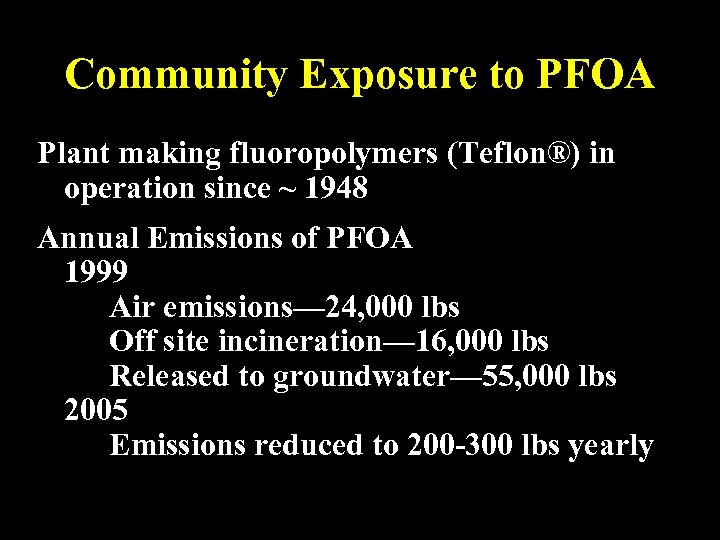 Community Exposure to PFOA Plant making fluoropolymers (Teflon®) in operation since ~ 1948 Annual Emissions of PFOA 1999 Air emissions— 24, 000 lbs Off site incineration— 16, 000 lbs Released to groundwater— 55, 000 lbs 2005 Emissions reduced to 200 -300 lbs yearly
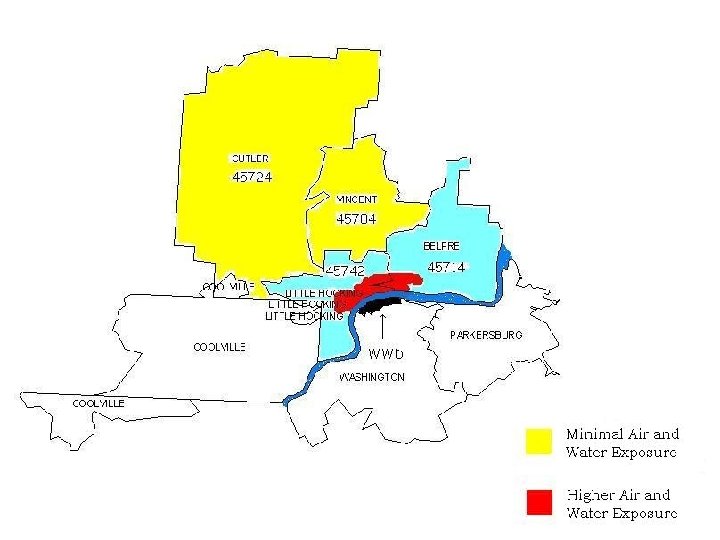
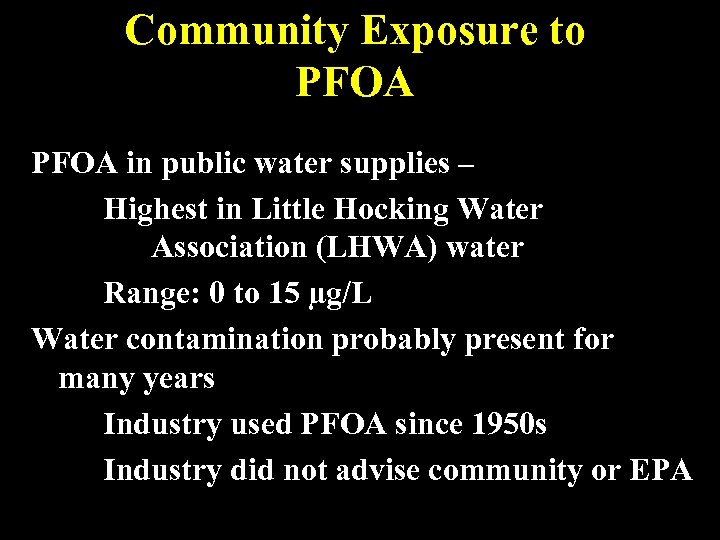 Community Exposure to PFOA in public water supplies – Highest in Little Hocking Water Association (LHWA) water Range: 0 to 15 µg/L Water contamination probably present for many years Industry used PFOA since 1950 s Industry did not advise community or EPA
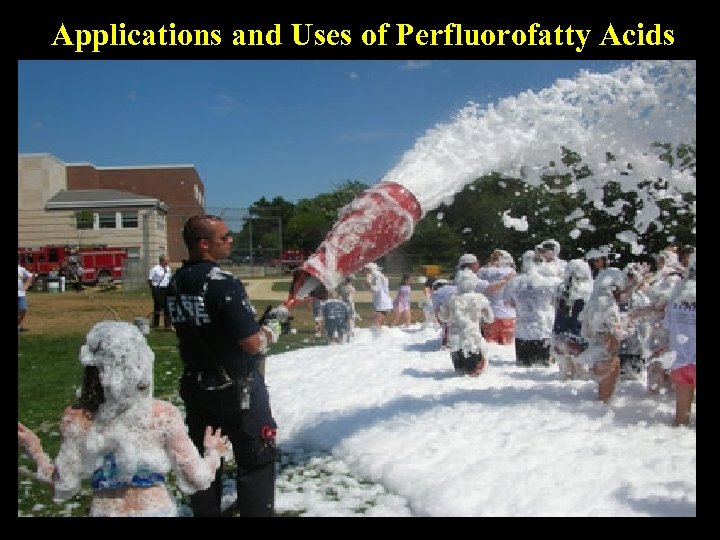 Applications and Uses of Perfluorofatty Acids • Emulsifier in production of polytetrafluoroethylene (Teflon®) NOT PRESENT IN FINAL PRODUCT • Water, soil, and stain-resistant coatings • Oil-resistant coatings for paper products (microwave popcorn) • Electroplating and electronic etch bath surfactants • Photographic emulsifier • Aviation hydraulic fluids • Firefighting foams • Floor polishes Not regulated - limited information in public domain
 PFOA (and PFOS) in the Environment • Stable and persistent in the environment • Present in marine mammals globally • No known natural source • Low levels present in humans globally
 “Whether exposures are due to PFOA in air, water, dusts, sediments in dietary sources or some combination of routes is currently unknown” (EPA 2005)
 PFOA Toxicity -Experimental Species Rats: Hepatotoxicity, immunotoxicity, fat tissue loss Carcinogenic promoter (by peroxisomal proliferation—not operative in humans) • Liver tumors • Pancreatic acinar cell tumors • Leydig cell adenomas. Developmental delays, without developmental defects Monkeys: Hepatotoxicity, decreased thyroid hormone levels, Hypocellular bone marrow, lymphoid follicle atrophy.
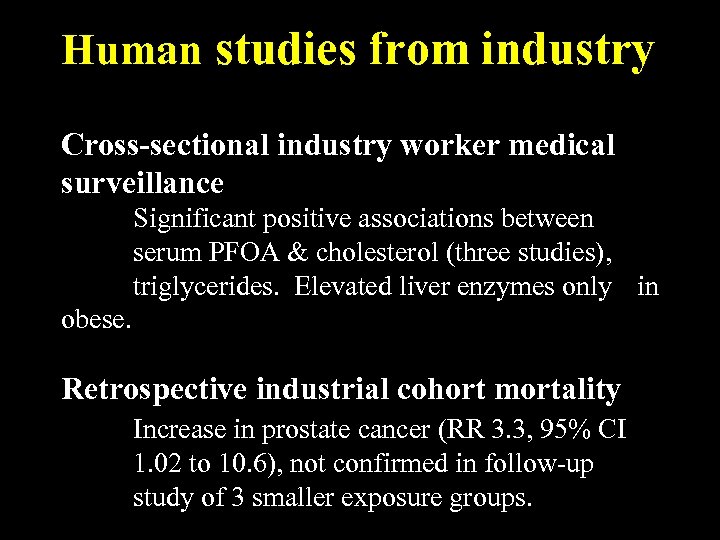 Human studies from industry Cross-sectional industry worker medical surveillance Significant positive associations between serum PFOA & cholesterol (three studies), triglycerides. Elevated liver enzymes only in obese. Retrospective industrial cohort mortality Increase in prostate cancer (RR 3. 3, 95% CI 1. 02 to 10. 6), not confirmed in follow-up study of 3 smaller exposure groups.
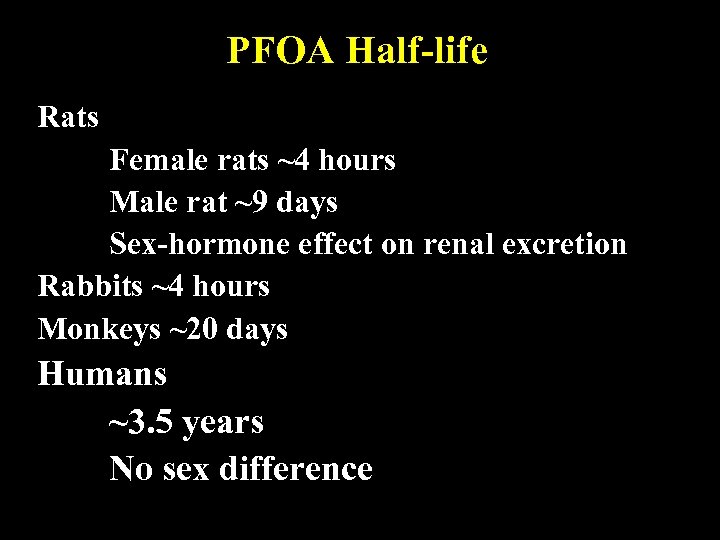 PFOA Half-life Rats Female rats ~4 hours Male rat ~9 days Sex-hormone effect on renal excretion Rabbits ~4 hours Monkeys ~20 days Humans ~3. 5 years No sex difference
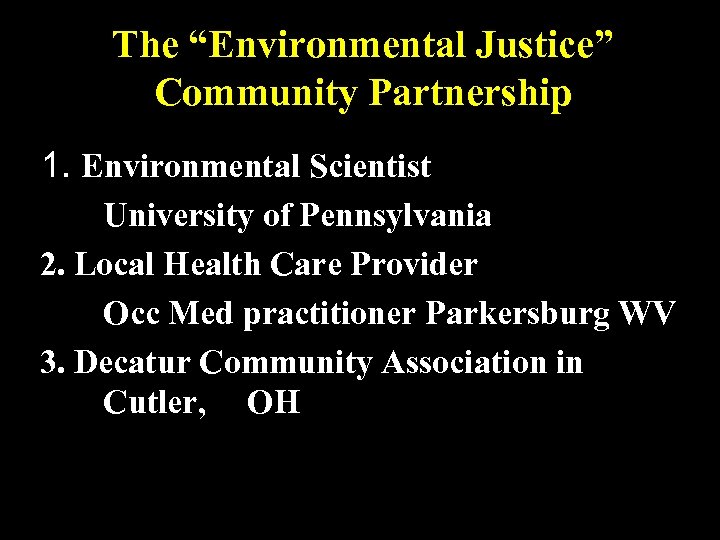 The “Environmental Justice” Community Partnership 1. Environmental Scientist University of Pennsylvania 2. Local Health Care Provider Occ Med practitioner Parkersburg WV 3. Decatur Community Association in Cutler, OH
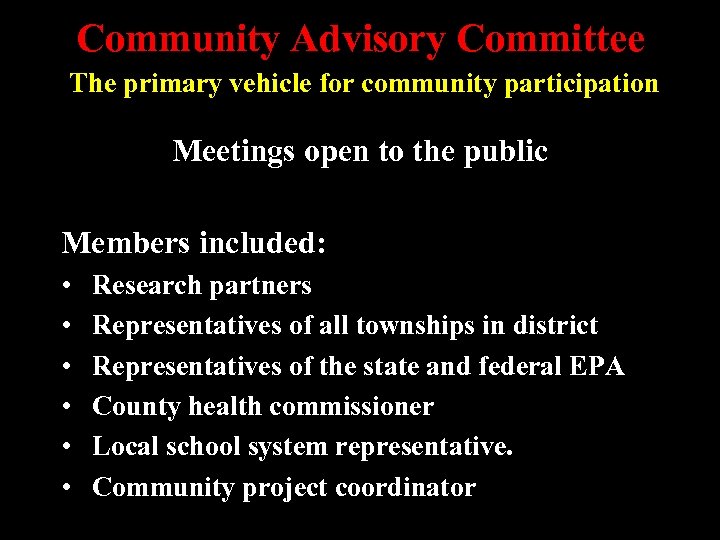 Community Advisory Committee The primary vehicle for community participation Meetings open to the public Members included: • Research partners • Representatives of all townships in district • Representatives of the state and federal EPA • County health commissioner • Local school system representative. • Community project coordinator
 Expressed community concerns • The “safe levels” as determined by the State of WV (CATT findings) keep escalating • Inability of LHWA to independently measure PFOA levels in water • 3 M ceased manufacture of C 8 • EPA Announces Priority Review and designates C 8 a “probable human carcinogen. ” • Unsure of source of C 8
 Aims of study • To determine the levels of C 8 in the blood of residents. • To determine the major source(s) of exposure (water, air, other) influencing the blood C 8 levels. • To determine if an association exists between blood C 8 levels and levels of serum markers of health effects.
 Study Methods • Stratified random sample 326 residents in 160 households in four communities • Questionnaire – Demographics, water supply, diet, occupation, habits, history of liver or thyroid disease. • Serum PFOA – HPLC/tandem MS method (LOQ= 0. 5 ppm) with QA/QC – Tested Philadelphia comparison group —median PFOA 5 ppb
 Study Methods • Biomarkers of effect – Serum cholesterol, albumin, bilirubin, AST, ALT, GGT, TSH, BUN, creatinine. – Complete blood count (CBC) • IRB Approval – Certificate of confidentiality obtained from NIH to protect data from subpoena given ongoing litigation
 BUT
BUT
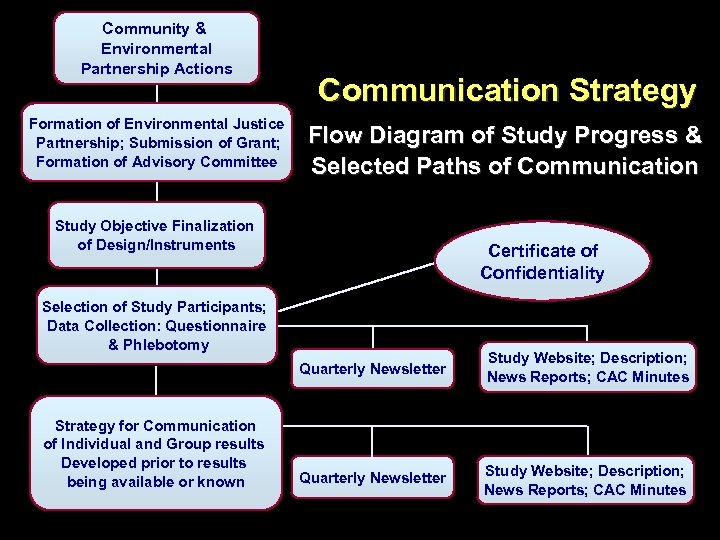 Community & Environmental Partnership Actions Formation of Environmental Justice Partnership; Submission of Grant; Formation of Advisory Committee Communication Strategy Flow Diagram of Study Progress & Selected Paths of Communication Study Objective Finalization of Design/Instruments Certificate of Confidentiality Selection of Study Participants; Data Collection: Questionnaire & Phlebotomy Quarterly Newsletter Strategy for Communication of Individual and Group results Developed prior to results being available or known Study Website; Description; News Reports; CAC Minutes Quarterly Newsletter Study Website; Description; News Reports; CAC Minutes
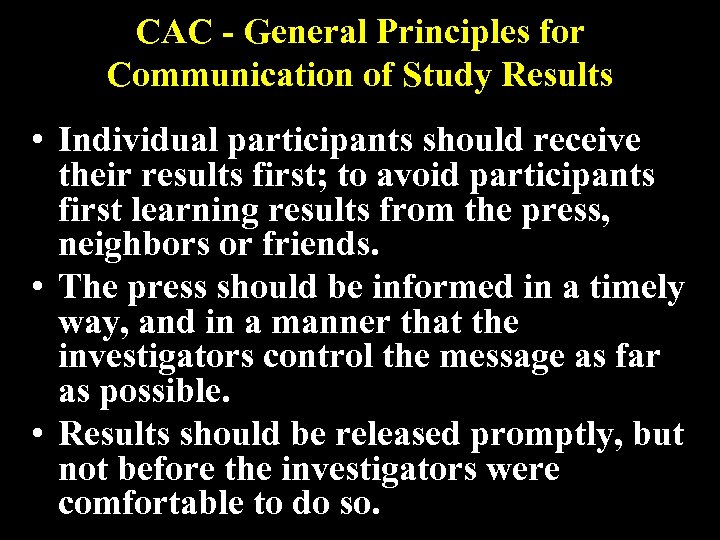 CAC - General Principles for Communication of Study Results • Individual participants should receive their results first; to avoid participants first learning results from the press, neighbors or friends. • The press should be informed in a timely way, and in a manner that the investigators control the message as far as possible. • Results should be released promptly, but not before the investigators were comfortable to do so.
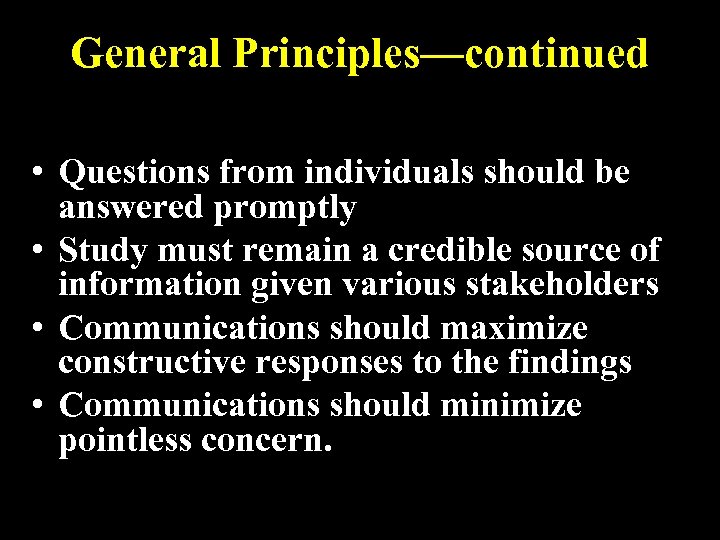 General Principles—continued • Questions from individuals should be answered promptly • Study must remain a credible source of information given various stakeholders • Communications should maximize constructive responses to the findings • Communications should minimize pointless concern.
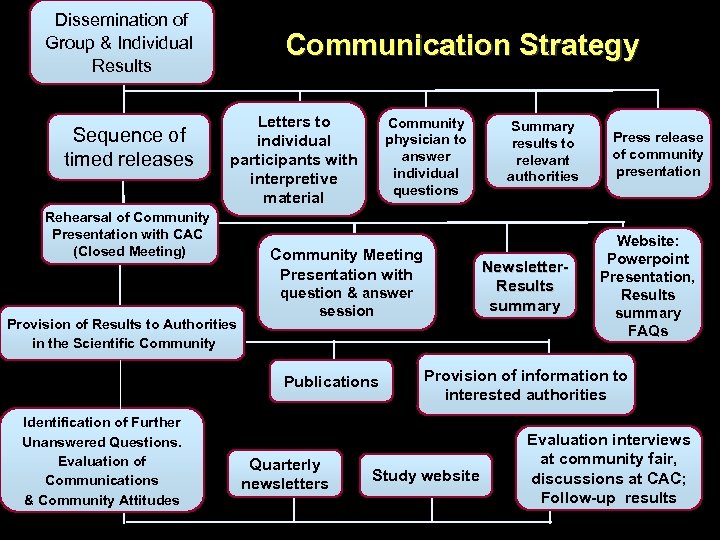 Dissemination of Group & Individual Results Sequence of timed releases Communication Strategy Letters to individual participants with interpretive material Rehearsal of Community Presentation with CAC (Closed Meeting) Provision of Results to Authorities in the Scientific Community physician to answer individual questions Community Meeting Presentation with Identification of Further Unanswered Questions. Evaluation of Communications & Community Attitudes Newsletter. Results summary question & answer session Publications Quarterly newsletters Summary results to relevant authorities Press release of community presentation Website: Powerpoint Presentation, Results summary FAQs Provision of information to interested authorities Study website Evaluation interviews at community fair, discussions at CAC; Follow-up results
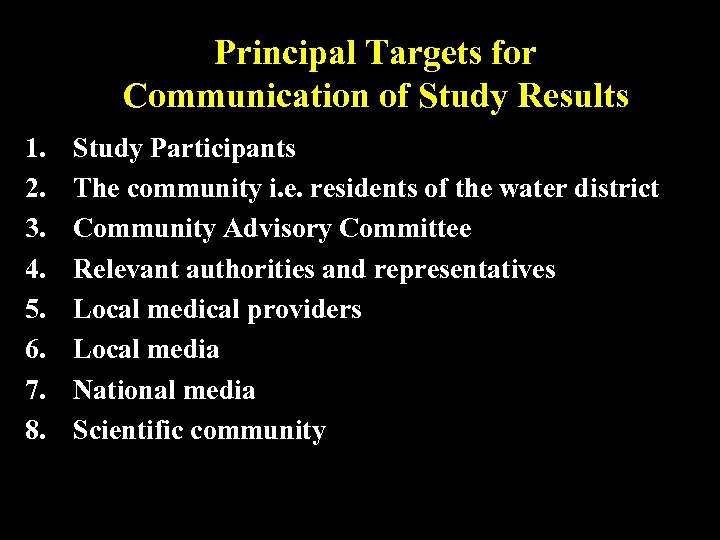 Principal Targets for Communication of Study Results 1. 2. 3. 4. 5. 6. 7. 8. Study Participants The community i. e. residents of the water district Community Advisory Committee Relevant authorities and representatives Local medical providers Local media National media Scientific community
 RESULTS
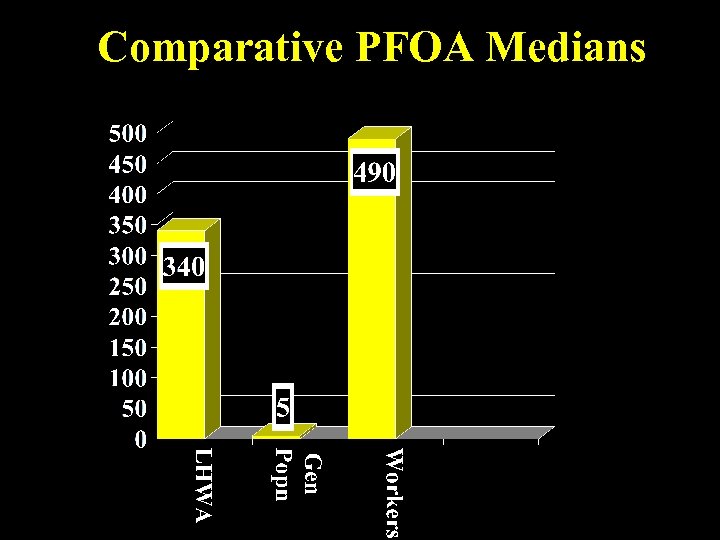 Comparative PFOA Medians
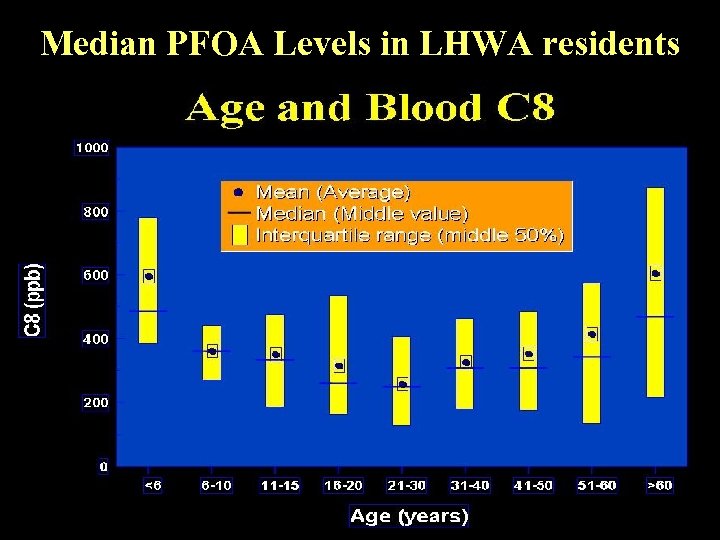 Median PFOA Levels in LHWA residents
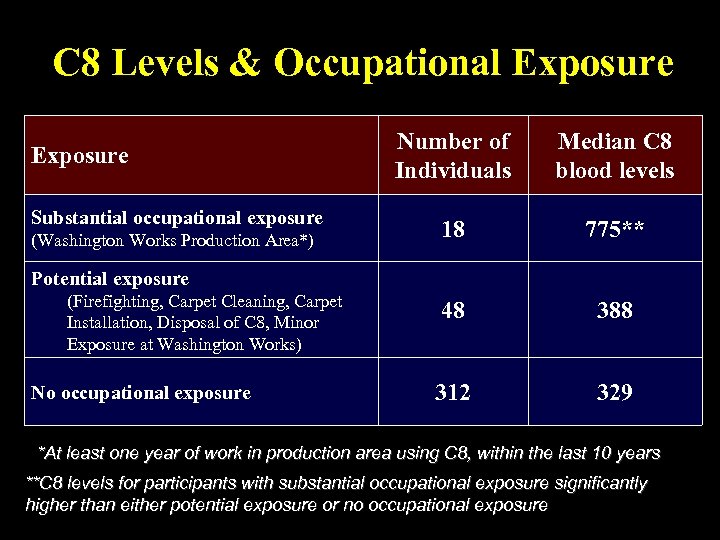 C 8 Levels & Occupational Exposure Substantial occupational exposure (Washington Works Production Area*) Number of Individuals Median C 8 blood levels 18 775** 48 388 312 329 Potential exposure (Firefighting, Carpet Cleaning, Carpet Installation, Disposal of C 8, Minor Exposure at Washington Works) No occupational exposure *At least one year of work in production area using C 8, within the last 10 years **C 8 levels for participants with substantial occupational exposure significantly higher than either potential exposure or no occupational exposure
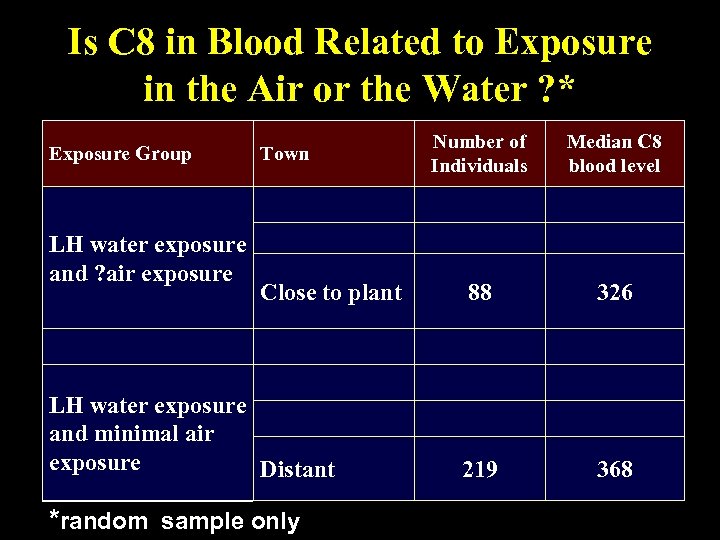 Is C 8 in Blood Related to Exposure in the Air or the Water ? * Exposure Group LH water exposure and ? air exposure Town Close to plant LH water exposure and minimal air exposure Distant *random sample only Number of Individuals Median C 8 blood level 88 326 219 368
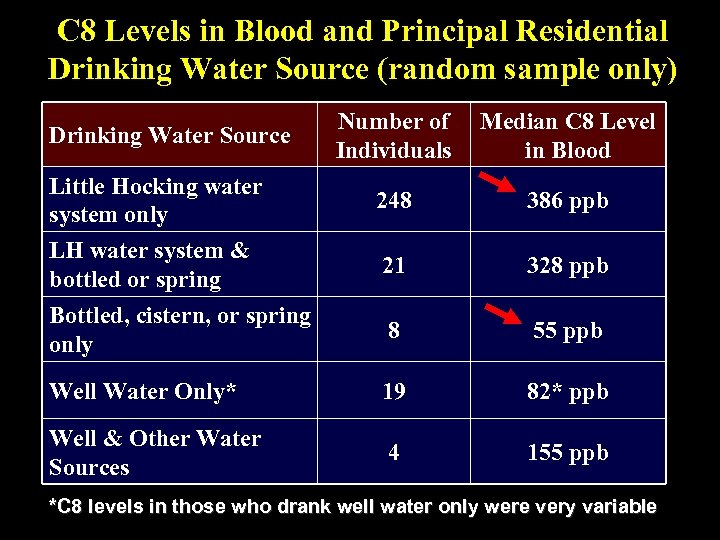 C 8 Levels in Blood and Principal Residential Drinking Water Source (random sample only) Number of Individuals Median C 8 Level in Blood 248 386 ppb 21 328 ppb 8 55 ppb Well Water Only* 19 82* ppb Well & Other Water Sources 4 155 ppb Drinking Water Source Little Hocking water system only LH water system & bottled or spring Bottled, cistern, or spring only *C 8 levels in those who drank well water only were very variable
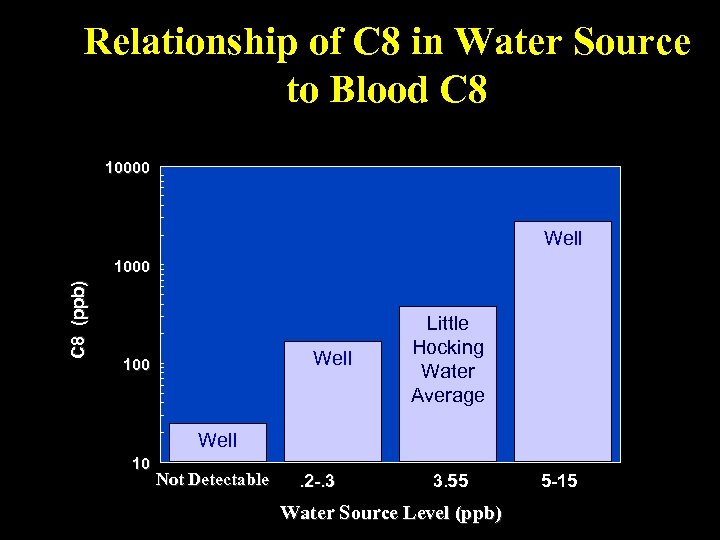 Relationship of C 8 in Water Source to Blood C 8 10000 Well C 8 (ppb) 1000 Well 100 Little Hocking Water Average Well 10 Not Detectable . 2 -. 3 3. 55 Water Source Level (ppb) 5 -15
 Other Findings • Use of carbon filters results in a small but significant reduction in PFOA • Number of servings of home-grown fruits and vegetables consumed positively related to serum PFOA levels • No relationship of PFOA levels to reported disease or biomarkers
 Community Meeting Recommendations Institute treatment to remove PFOA from water expeditiously and monitor efficacy. 2. Ensure continued reduced emissions of PFOA from source 3. Consider alternate drinking water source (e. g. , bottled water) if primary residential water source contains PFOA 1.
 Recommendations (Continued) 4. We do not recommend reliance on a water filter 5. The West Virginia so-called “safe level” of PFOA of 150 ppb in water may need revision in the light of the PFOA levels found in those who consume contaminated water 6. For issues about personal medical problems and PFOA consult your physician. We will provide information to your physicians on request
 Success of “Community First” Communication Strategy Described in Recently Published Book “ … release the results in a rural high school auditorium as soon as he possibly could (which mightily inconvenienced the droves of industry, legal, government, and media people who had to travel to be there for the major announcement). Emmett even went so far as to make time for one-on-one sessions and followup questions with individual study participants, publicly announcing his availability at a remote community building for several hours the following day”
 Success of “Community First” Communication Strategy • August 15, 2005 (day of community meeting to release detailed results) Du. Pont announces provision of three liters of free bottled water person per day. • 78. 6% of eligible households utilize bottled water offer • Two fast-track scientific articles published August 2006 JOEM
 Results – Continued • Du. Pont and EPA enter into consent agreement December 2006 to provide free bottled water for communities with PFOA levels >0. 5 ppb • Minnesota, New Jersey use results to set state standards
 As a result of the class action lawsuit, a new water filtration plant is currently under construction in the LHWA district.
 Class Action Lawsuit • Over $100 million settlement initially and possibility of another $225 million if health effects are found • A large EPA fine • An independent scientific study ongoing unaffiliated with this research
 Observations of “Communication First” Strategy ü Community empowerment altered the usual balance of power ü Control the order of information release ü Importance of: Independence Trust Prioritizing stakeholders’ interests
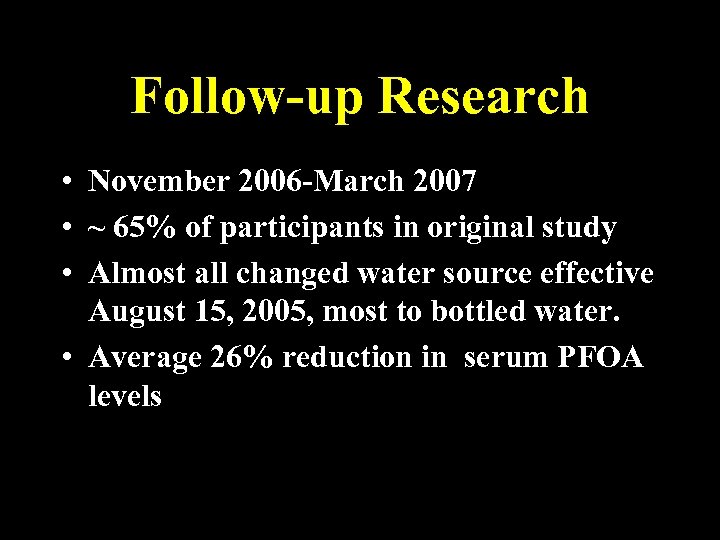 Follow-up Research • November 2006 -March 2007 • ~ 65% of participants in original study • Almost all changed water source effective August 15, 2005, most to bottled water. • Average 26% reduction in serum PFOA levels
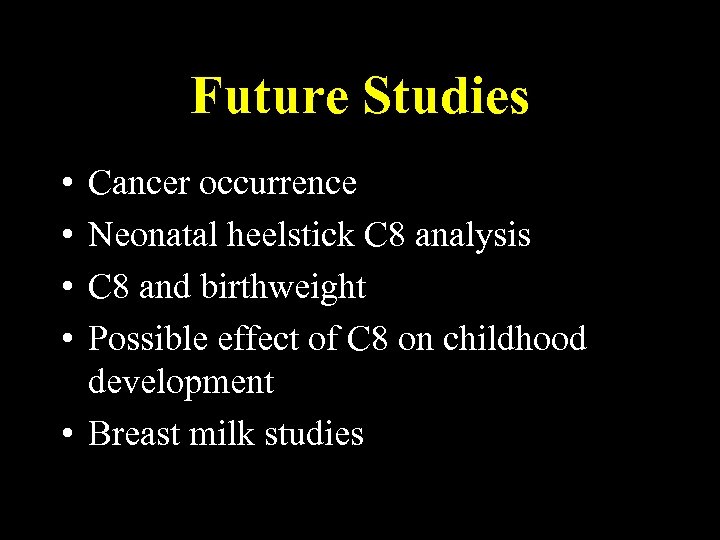 Future Studies • • Cancer occurrence Neonatal heelstick C 8 analysis C 8 and birthweight Possible effect of C 8 on childhood development • Breast milk studies