


 Скачать презентацию STYLISTICS of the English language A HISTORICAL
STYLISTICS.ppt
- Количество слайдов: 23
 STYLISTICS of the English language
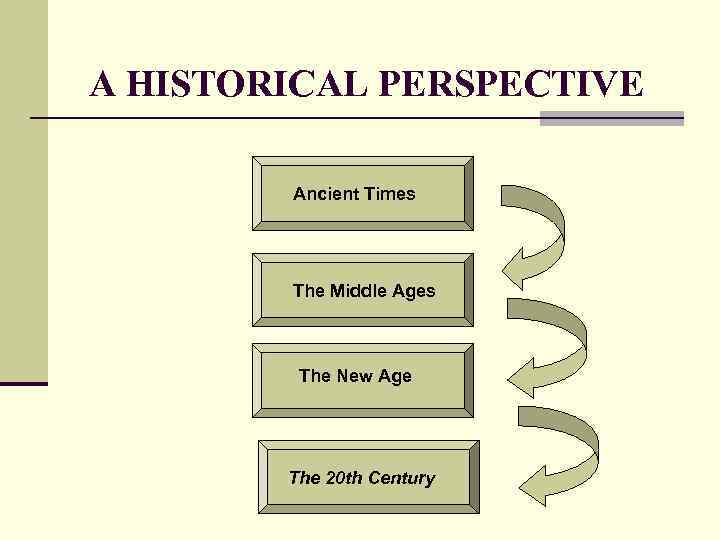 A HISTORICAL PERSPECTIVE Ancient Times The Middle Ages The New Age The 20 th Century
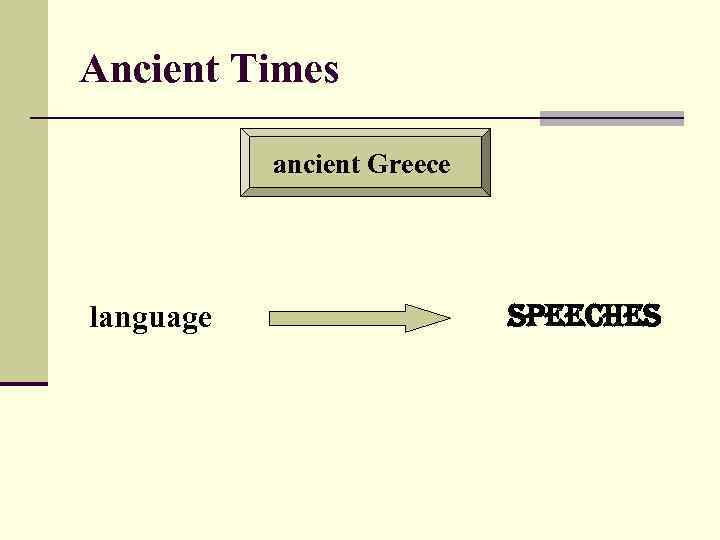 Ancient Times ancient Greece language speeches
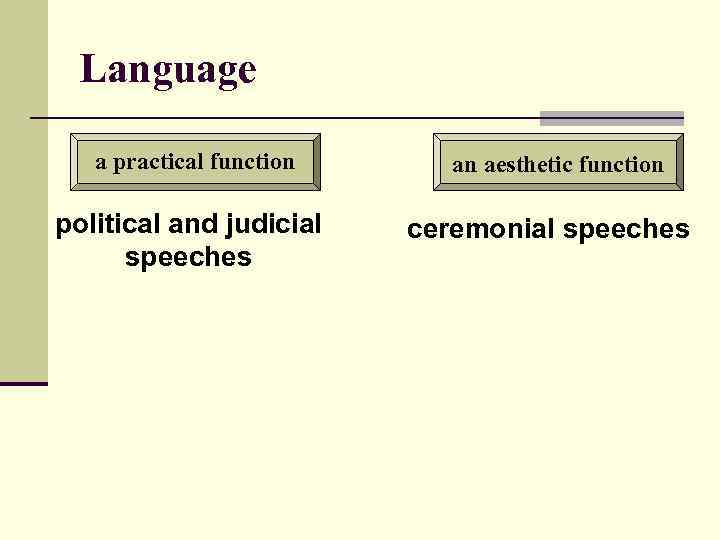 Language a practical function political and judicial speeches an aesthetic function ceremonial speeches
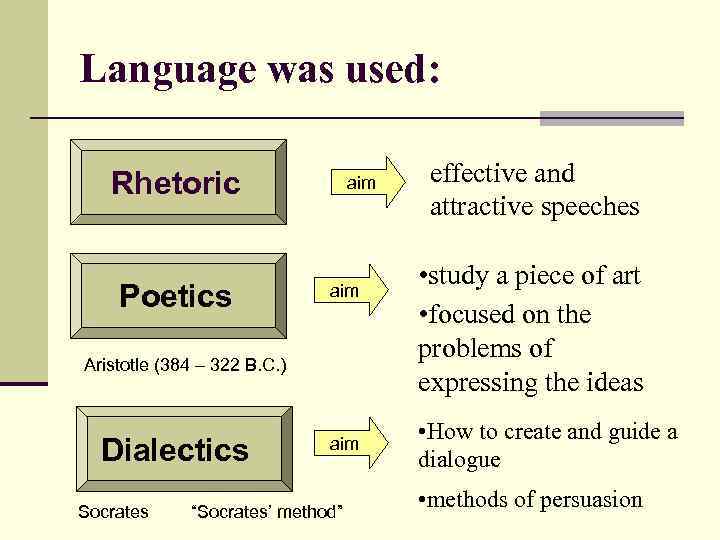 Language was used: Rhetoric Poetics aim Aristotle (384 – 322 B. C. ) Dialectics Socrates aim “Socrates’ method” effective and attractive speeches • study a piece of art • focused on the problems of expressing the ideas • How to create and guide a dialogue • methods of persuasion
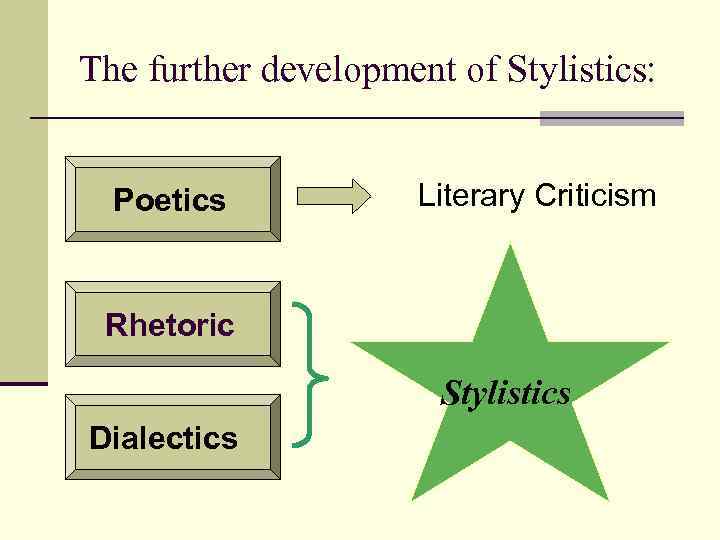 The further development of Stylistics: Poetics Literary Criticism Rhetoric Stylistics Dialectics
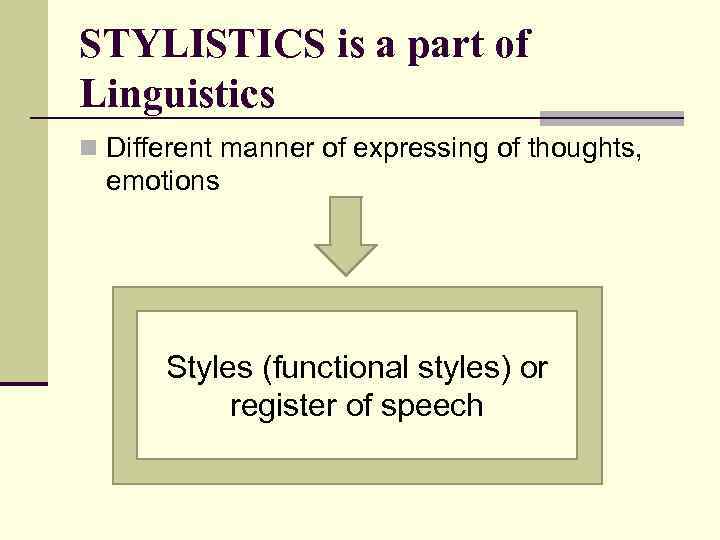 STYLISTICS is a part of Linguistics n Different manner of expressing of thoughts, emotions Styles (functional styles) or register of speech
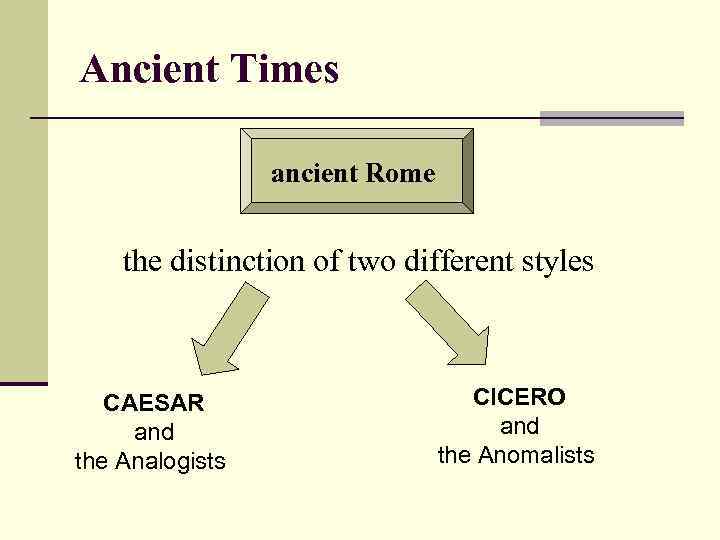 Ancient Times ancient Rome the distinction of two different styles CAESAR and the Analogists CICERO and the Anomalists
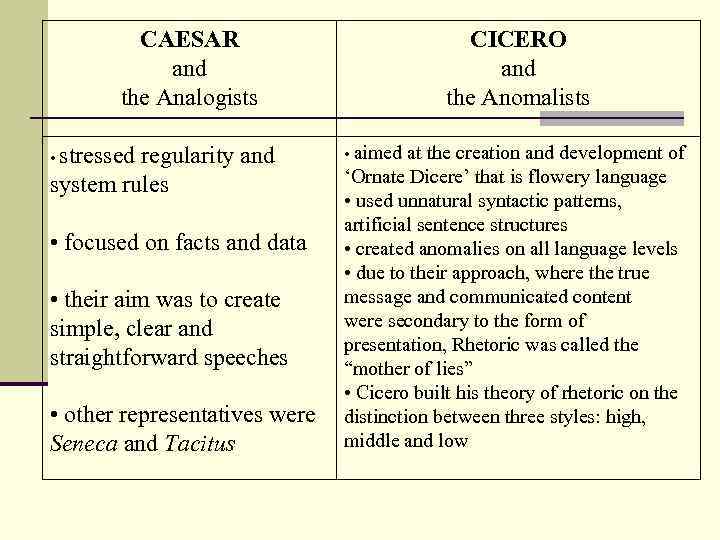 CAESAR and the Analogists • stressed regularity and system rules • focused on facts and data • their aim was to create simple, clear and straightforward speeches • other representatives were Seneca and Tacitus CICERO and the Anomalists • aimed at the creation and development of ‘Ornate Dicere’ that is flowery language • used unnatural syntactic patterns, artificial sentence structures • created anomalies on all language levels • due to their approach, where the true message and communicated content were secondary to the form of presentation, Rhetoric was called the “mother of lies” • Cicero built his theory of rhetoric on the distinction between three styles: high, middle and low
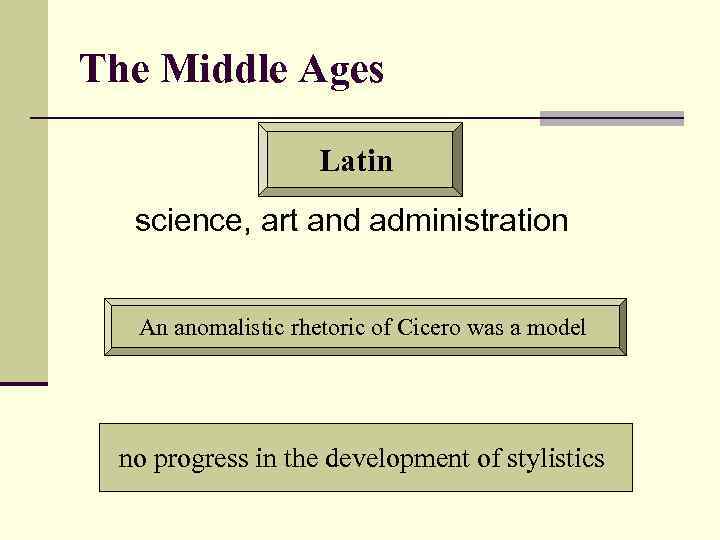 The Middle Ages Latin science, art and administration An anomalistic rhetoric of Cicero was a model no progress in the development of stylistics
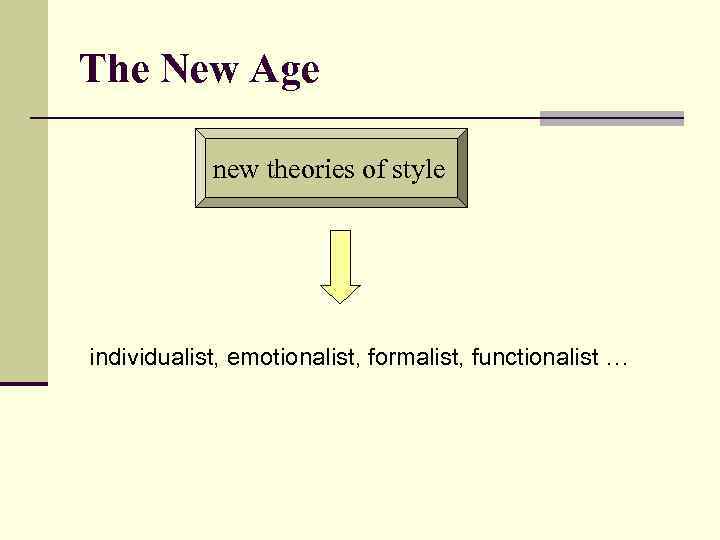 The New Age new theories of style individualist, emotionalist, formalist, functionalist …
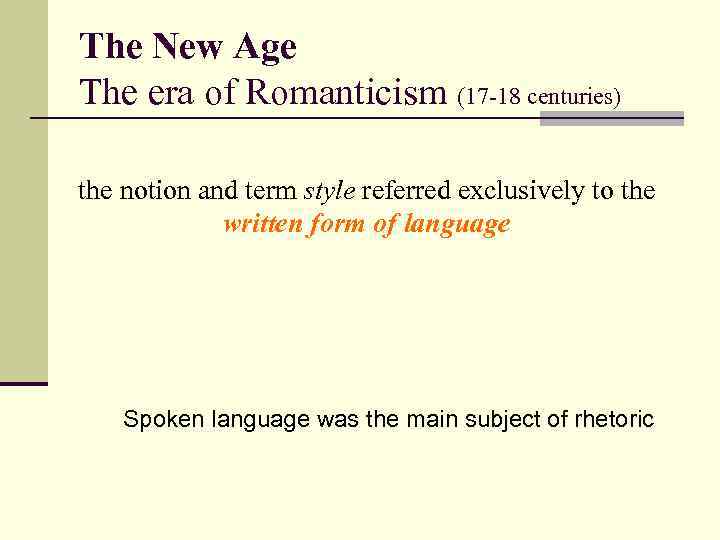 The New Age The era of Romanticism (17 -18 centuries) the notion and term style referred exclusively to the written form of language Spoken language was the main subject of rhetoric
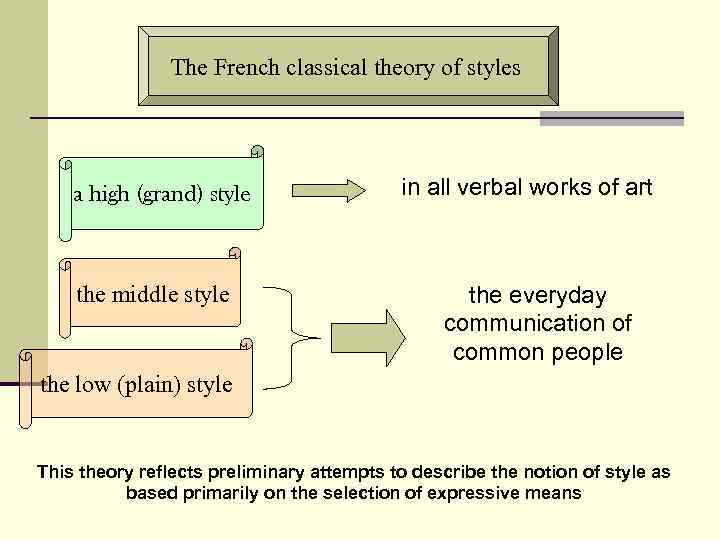 The French classical theory of styles a high (grand) style the middle style in all verbal works of art the everyday communication of common people the low (plain) style This theory reflects preliminary attempts to describe the notion of style as based primarily on the selection of expressive means
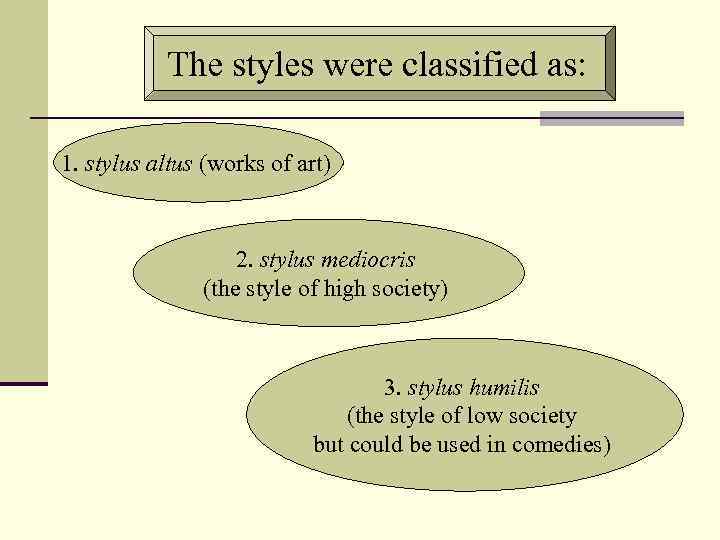 The styles were classified as: 1. stylus altus (works of art) 2. stylus mediocris (the style of high society) 3. stylus humilis (the style of low society but could be used in comedies)
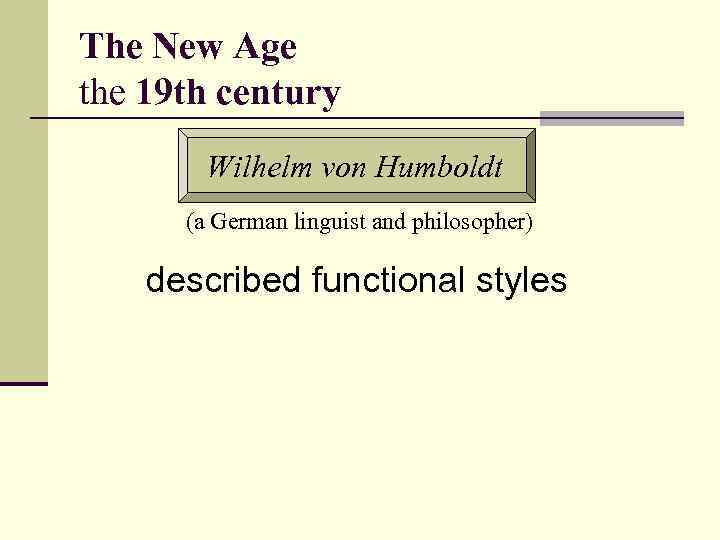 The New Age the 19 th century Wilhelm von Humboldt (a German linguist and philosopher) described functional styles
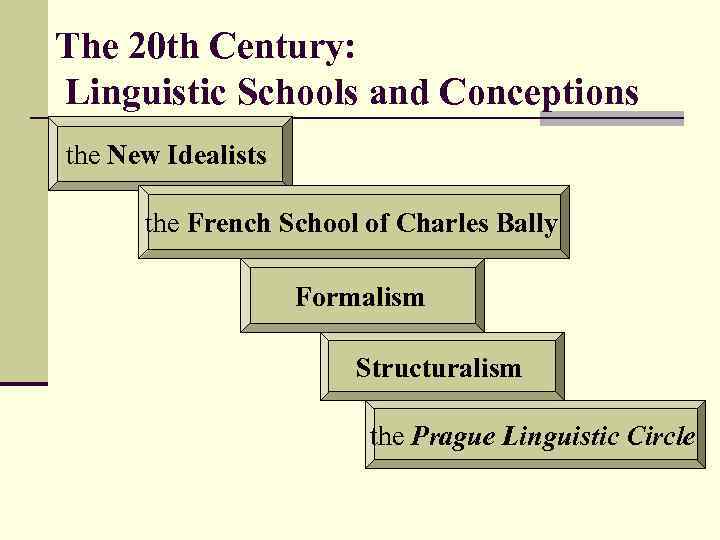 The 20 th Century: Linguistic Schools and Conceptions the New Idealists the French School of Charles Bally Formalism Structuralism the Prague Linguistic Circle
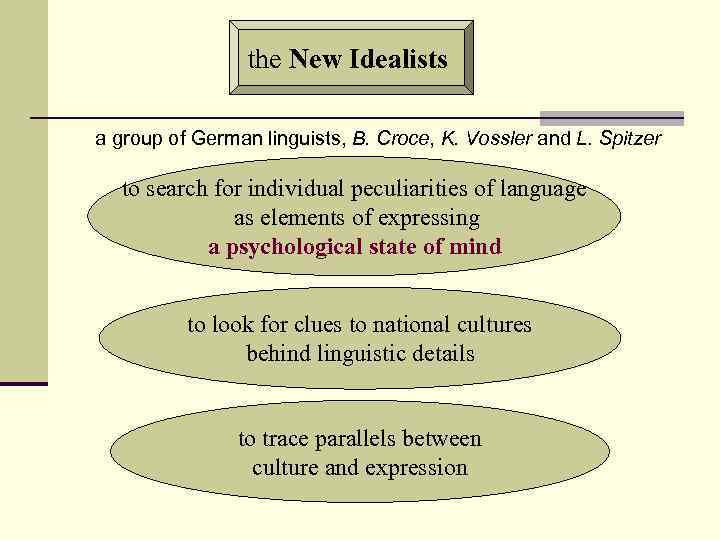 the New Idealists a group of German linguists, B. Croce, K. Vossler and L. Spitzer to search for individual peculiarities of language as elements of expressing a psychological state of mind to look for clues to national cultures behind linguistic details to trace parallels between culture and expression
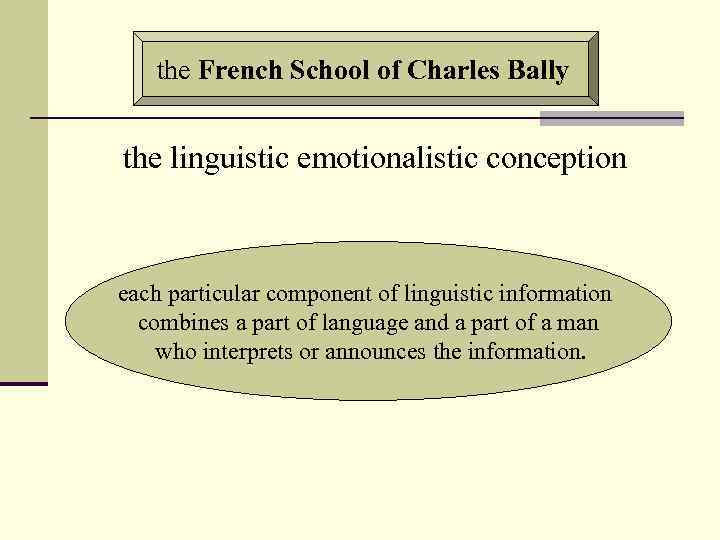 the French School of Charles Bally the linguistic emotionalistic conception each particular component of linguistic information combines a part of language and a part of a man who interprets or announces the information.
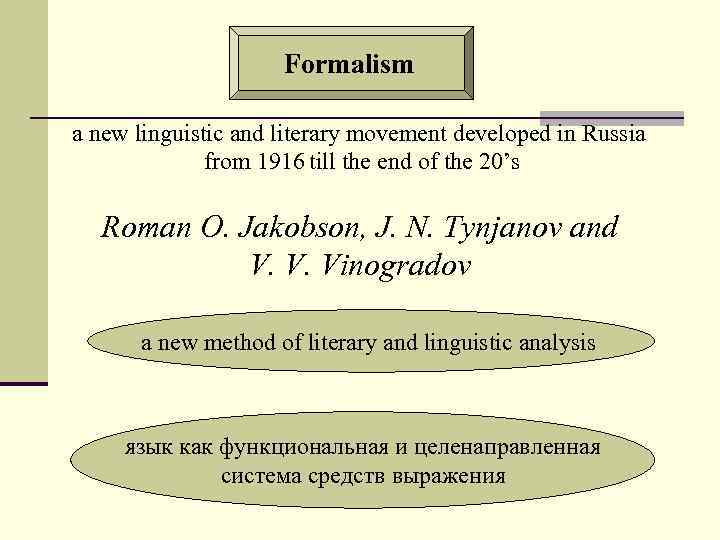 Formalism a new linguistic and literary movement developed in Russia from 1916 till the end of the 20’s Roman O. Jakobson, J. N. Tynjanov and V. V. Vinogradov a new method of literary and linguistic analysis язык как функциональная и целенаправленная система средств выражения
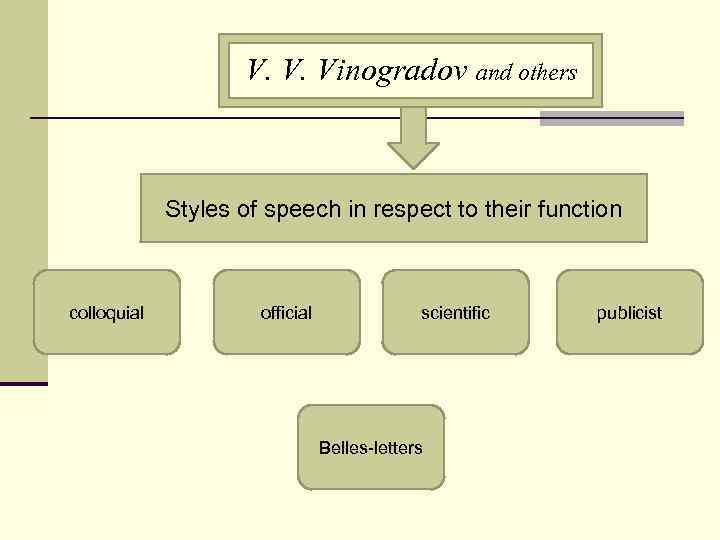 V. V. Vinogradov and others Styles of speech in respect to their function colloquial official scientific Belles-letters publicist
 Structuralism Ferdinand de Saussure (1856 – 1913) What is language and what is its organization like?
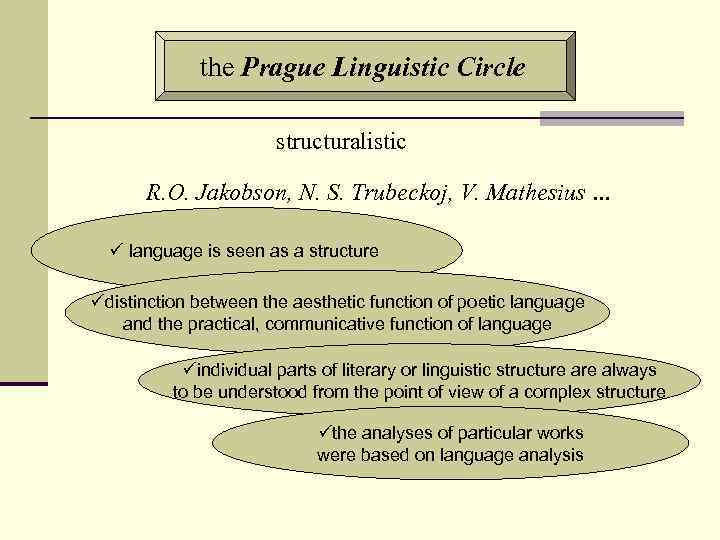 the Prague Linguistic Circle structuralistic R. O. Jakobson, N. S. Trubeckoj, V. Mathesius … ü language is seen as a structure üdistinction between the aesthetic function of poetic language and the practical, communicative function of language üindividual parts of literary or linguistic structure always to be understood from the point of view of a complex structure üthe analyses of particular works were based on language analysis
 Literature n И. В. Арнольд Стилистика. Современный английский язык n В. В. Гуревич Стилистика английского языка n Т. А. Знаменская Стилистика английского языка