 Скачать презентацию STYLES OF ART IMPRESSIONISM ØCharacterized by short
stylesofart-150814013742-lva1-app6892 (1).ppt
- Количество слайдов: 68



STYLES OF ART
IMPRESSIONISM ØCharacterized by short brisk strokes of bright colors used to recreate the impression of light on objects.
IMPRESSIONISM ØIt portrays the effects of experience upon the consciousness of the artist and the audience. The artist is characterized as one concerned more with the technique of suggesting light and color to the picture than with the subject matter
IMPRESSIONISM ØA scene may either be in natural setting or a man-made landscape, but outdoors are generally the subject, with vibrant colors without an emphasis on details.
IMPRESSIONISM Impressionism enabled the artist to paint an image in the way that someone might see it if they only caught a quick glimpse of the subject.
IMPRESSIONISM This method allowed the artists to emphasize the impression of their subject matter rather than paint the object in a more realistic manner.
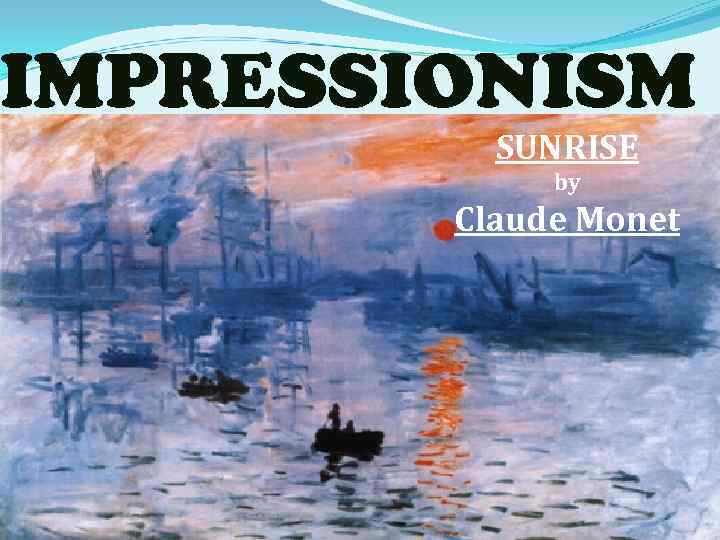
IMPRESSIONISM SUNRISE by Claude Monet
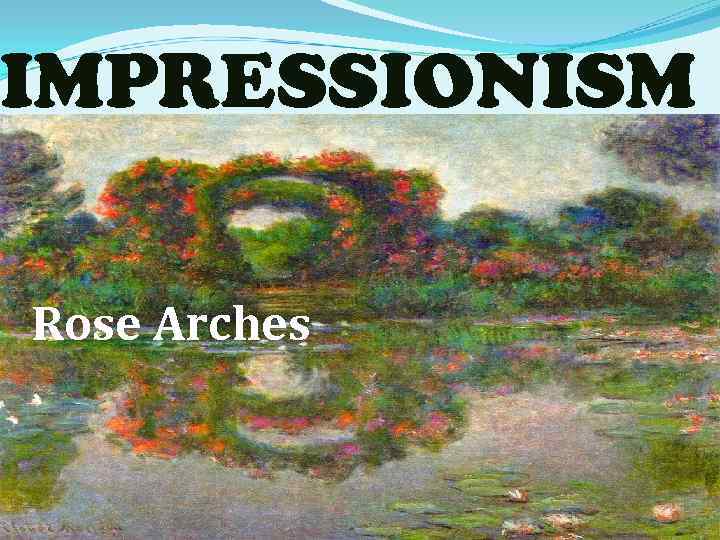
IMPRESSIONISM Rose Arches
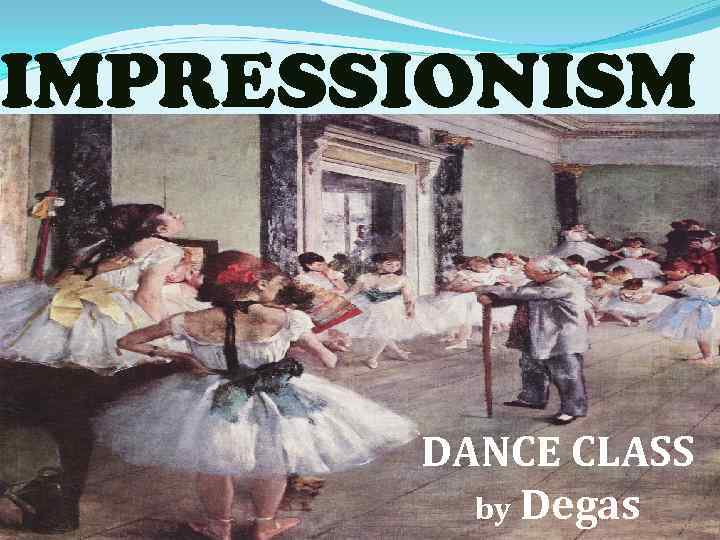
IMPRESSIONISM DANCE CLASS by Degas
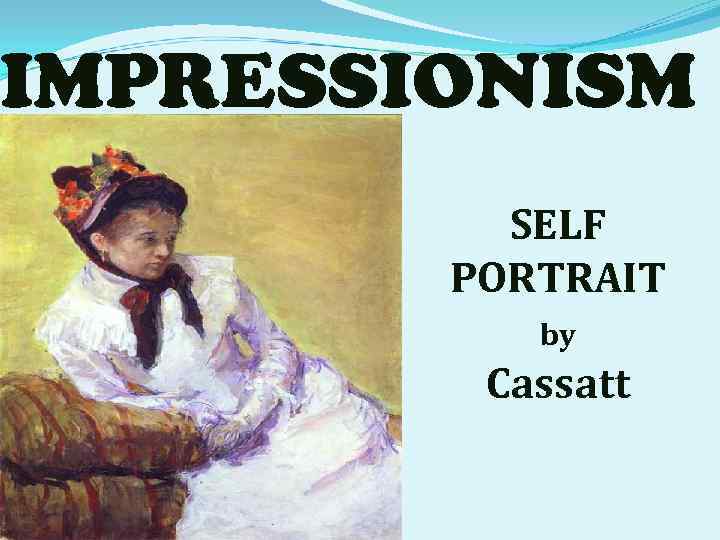
IMPRESSIONISM SELF PORTRAIT by Cassatt
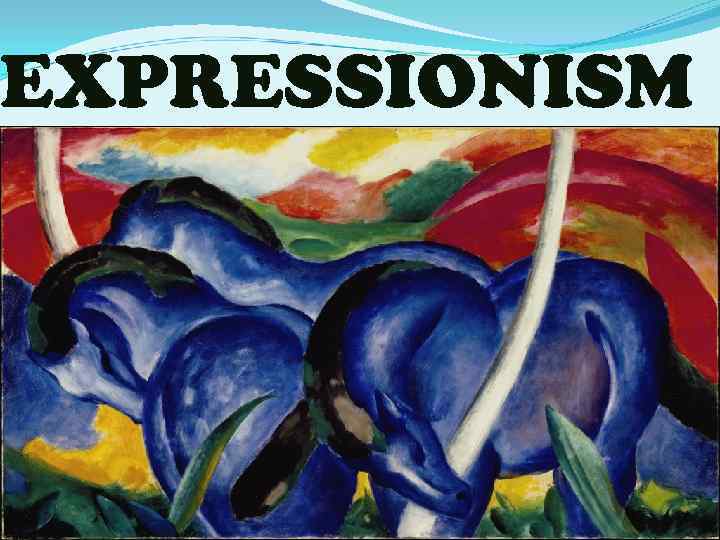
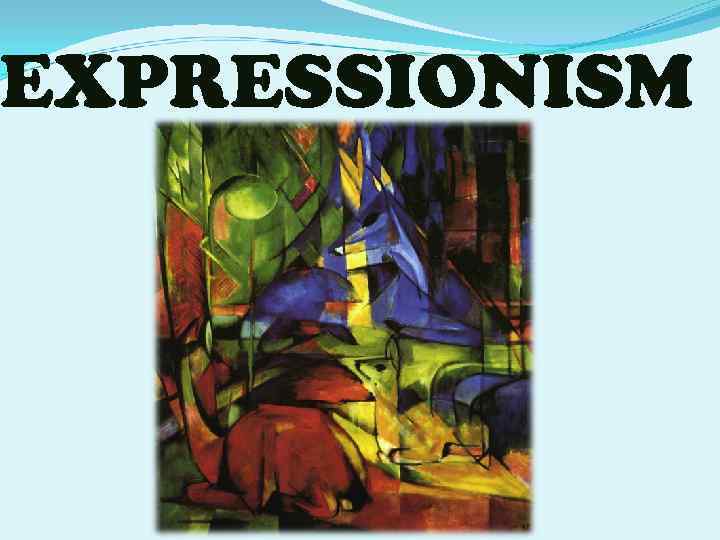
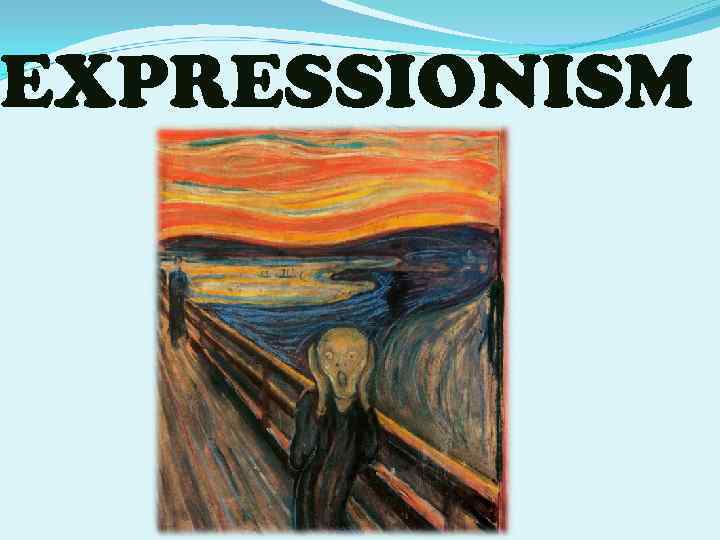
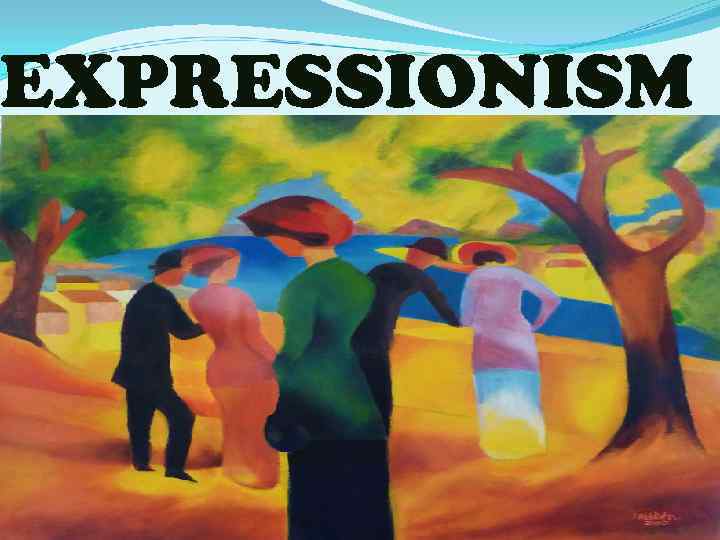
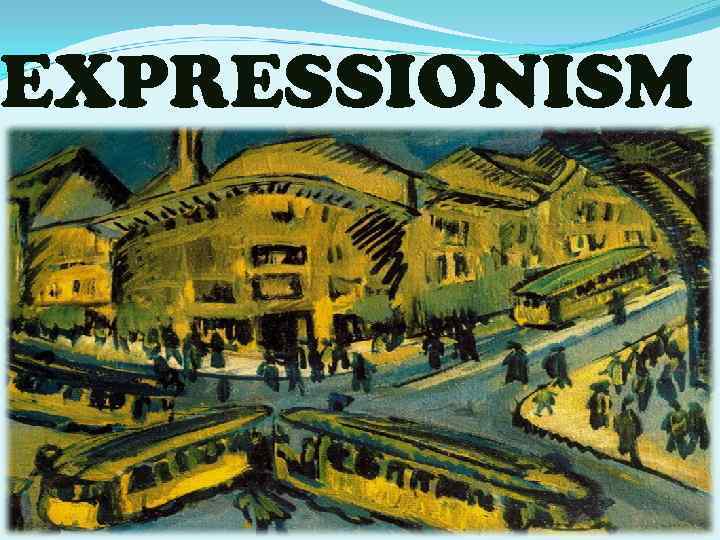
EXPRESSIONISM ØIt is a manner of painting and sculpturing in which natural forms and colors are distorted and exaggerated.
EXPRESSIONISM ØThe artist uses free distortion of form and color through which he gives visual form to inner sensations or emotions.
EXPRESSIONISM ØThe paintings, the primary art of which expressionism influenced, are full of vivid imagery and emotion and are often described as showing a touch of the dark side of human nature.
EXPRESSIONISM ØExpressionist artist show emotions and personal views in their work. They portray subjective reality rather than realism.
EXPRESSIONISM ØArtist might incorporate fantasy and violence in their subject matter in order to show the extremes of emotion.
EXPRESSIONISM
EXPRESSIONISM
EXPRESSIONISM
EXPRESSIONISM
EXPRESSIONISM
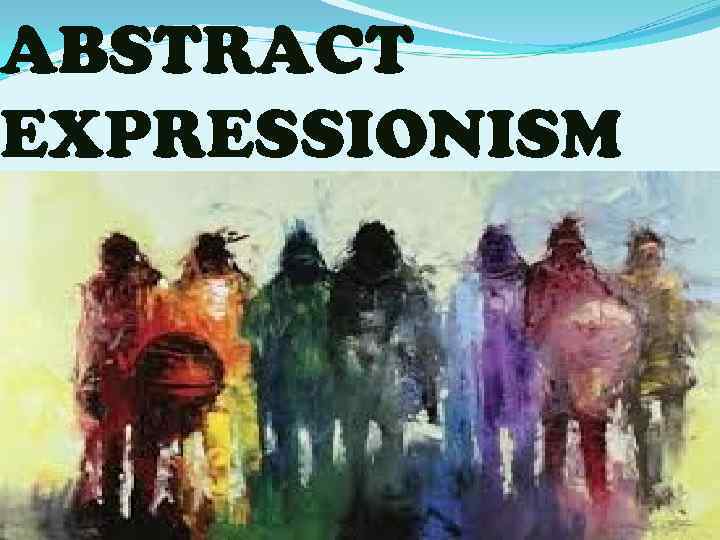
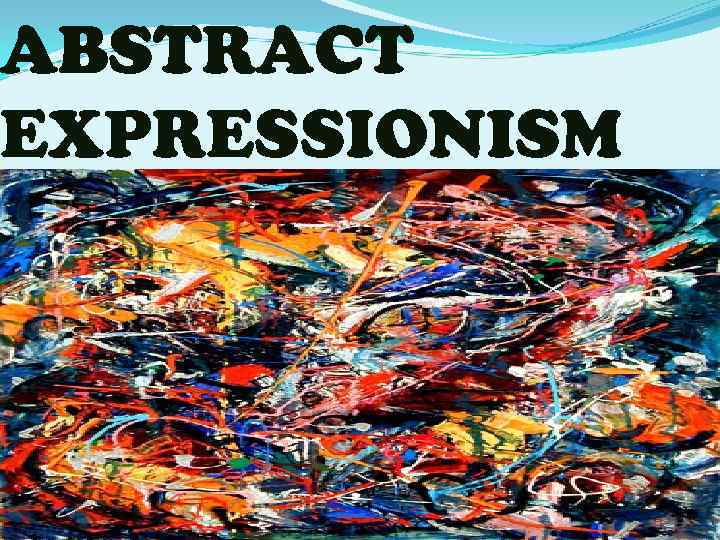
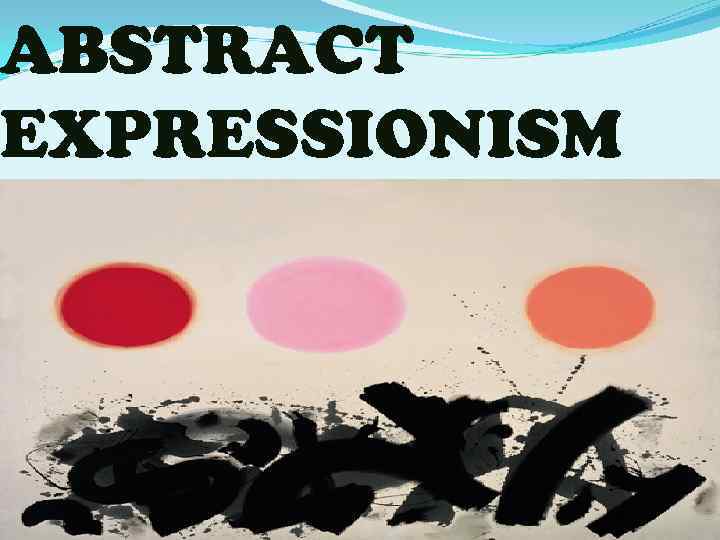
ABSTRACT EXPRESSIONISM ØAbstract art is conceived apart from any realities, or specific objects. It pertains to the formal aspects of art in emphasizing lines, colors, and generalized geometric forms. This kind of art is a logical extension of cubism with its fragmentation of the object.
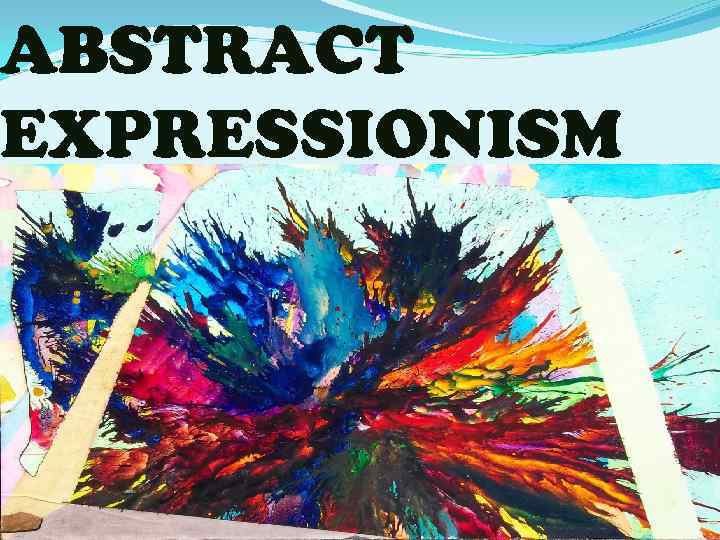
ABSTRACT EXPRESSIONISM ØIt is a post-World War II art movement that developed in New York in the 1940 s. ØThere were actually no established styles, although the works put an emphasis on dynamic and energetic gesture. The imagery used primarily still abstract.
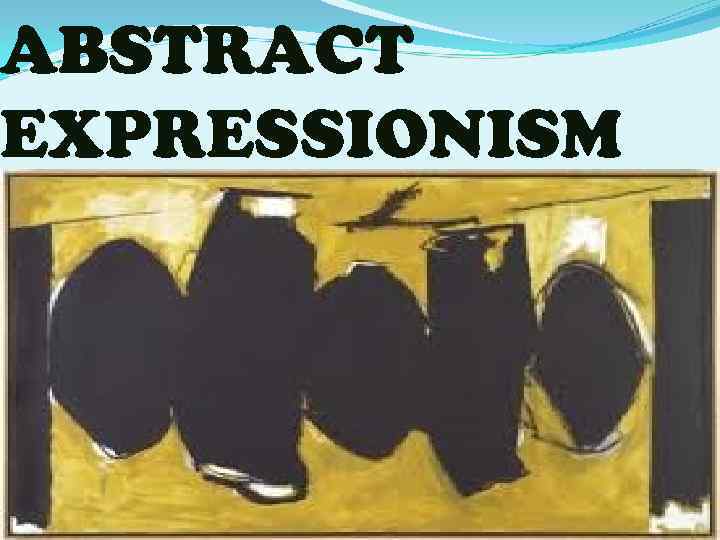
ABSTRACT EXPRESSIONISM ØTwo broad groupings: 1. ACTION PAINTERS 2. COLOR FIELD PAINTERS
ABSTRACT EXPRESSIONISM ACTION PAINTERS ØThe artists worked in a spontaneous improvisatory manner often using large brush to make sweeping gestural marks.
ABSTRACT EXPRESSIONISM COLOR FIELD PAINTERS ØThe artists were deeply interested in religion and myth; and created simple compositions with large areas of single color intended to produce a contemplative or meditational response in the viewer.
ABSTRACT EXPRESSIONISM
ABSTRACT EXPRESSIONISM
ABSTRACT EXPRESSIONISM
ABSTRACT EXPRESSIONISM
ABSTRACT EXPRESSIONISM
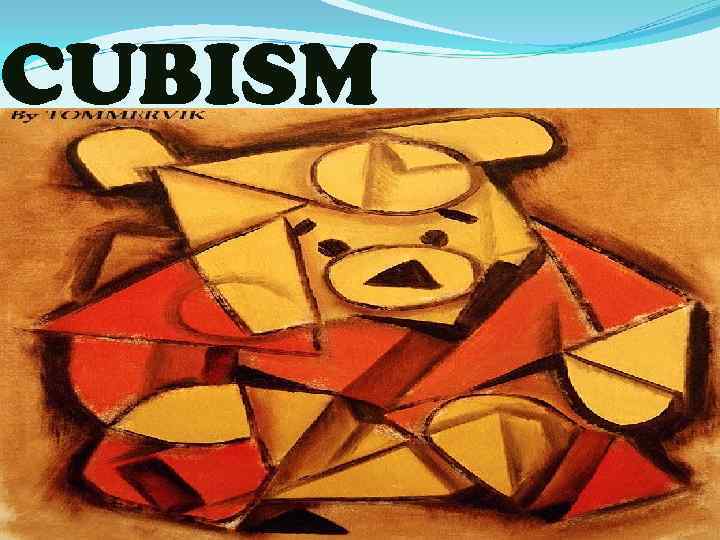
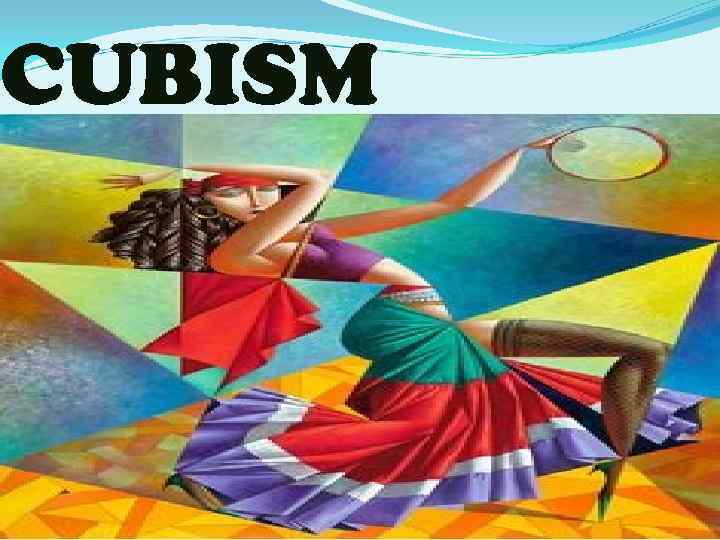
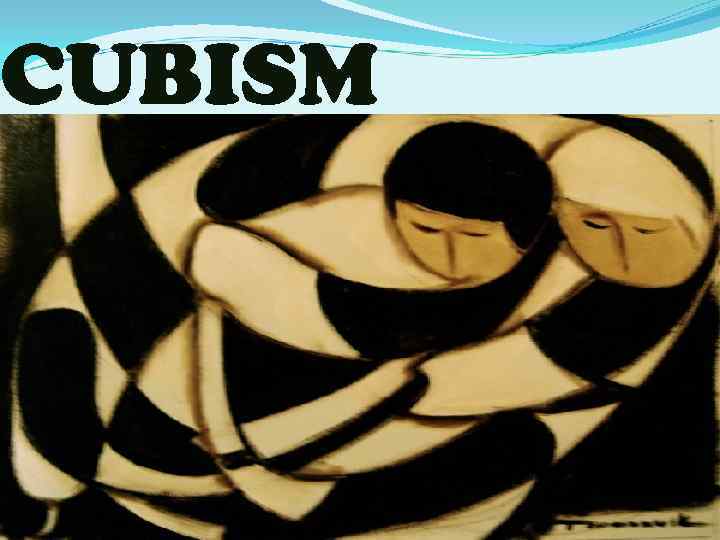
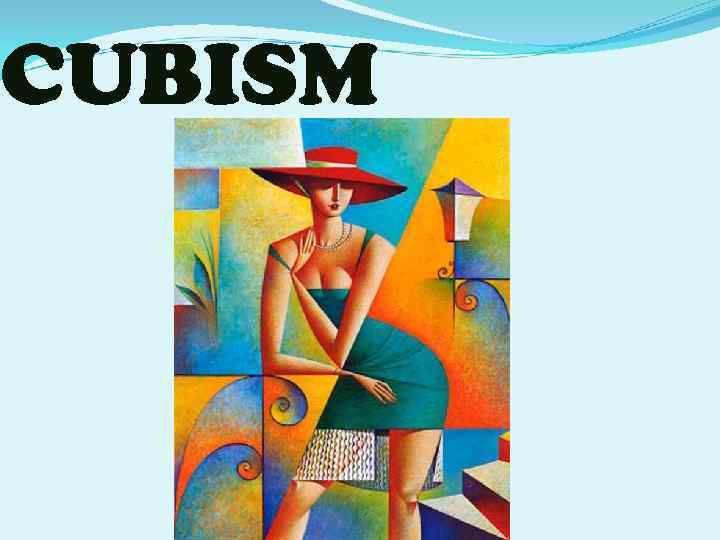
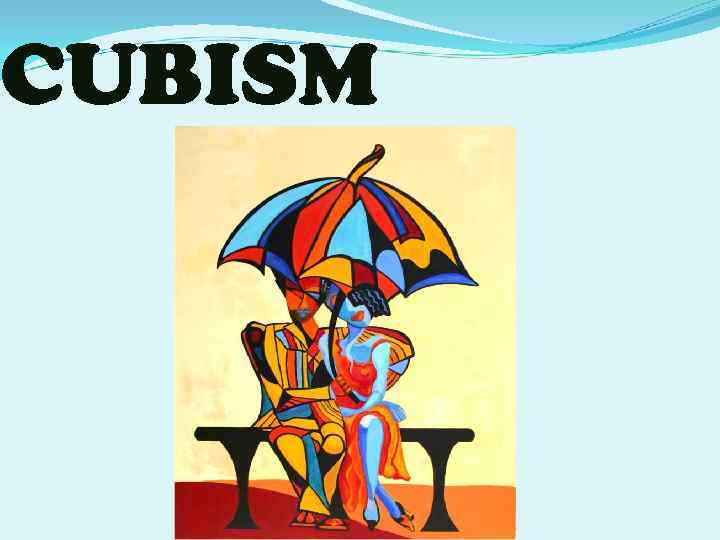
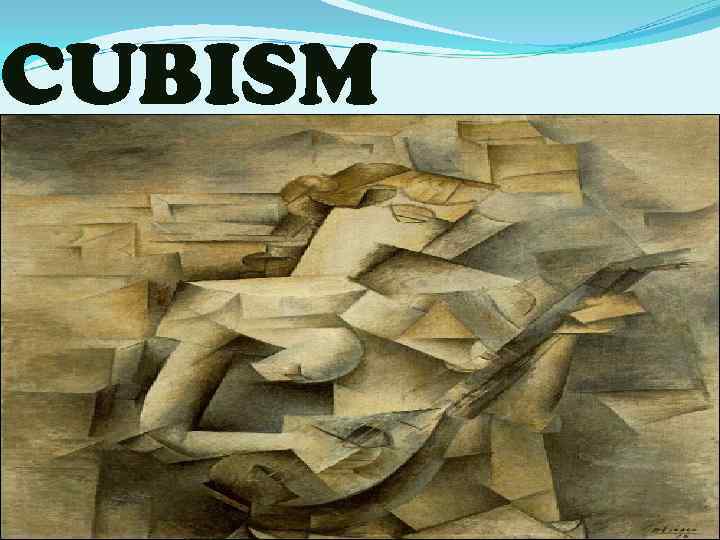
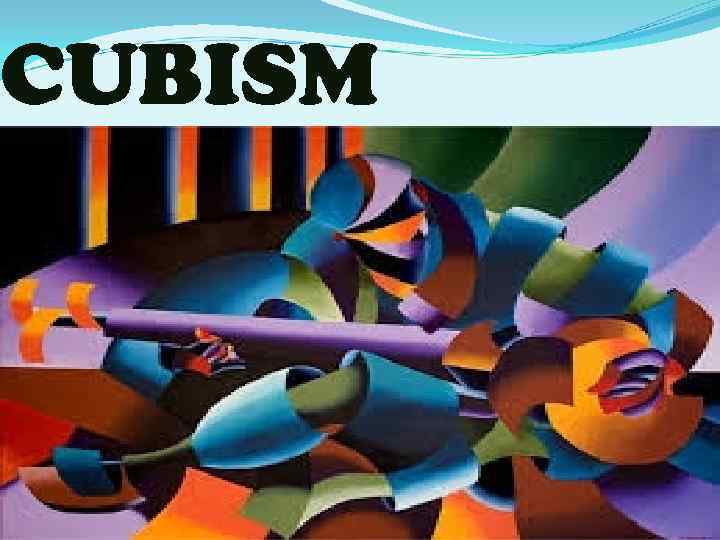
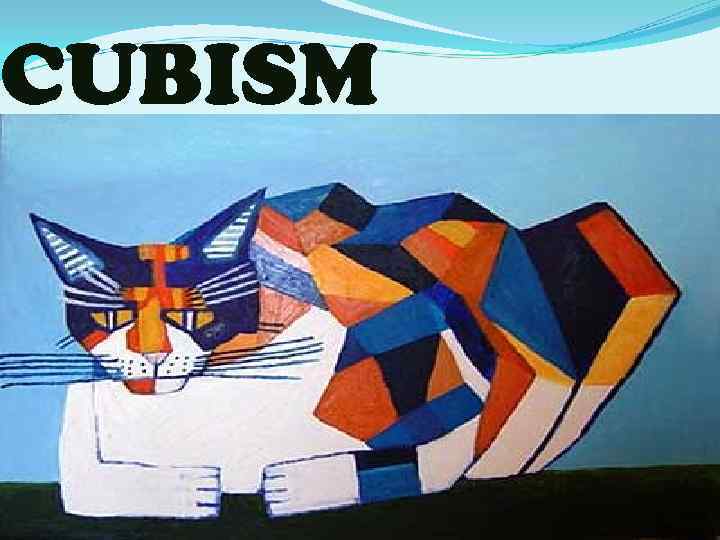
CUBISM ØIt is considered as the most influential art movement in the 20 th century ØCharacterized by an emphasis on the formal structure of a work of art and the reduction of natural forms of their geometrical equivalent.
CUBISM
CUBISM
CUBISM
CUBISM
CUBISM
CUBISM
CUBISM
CUBISM
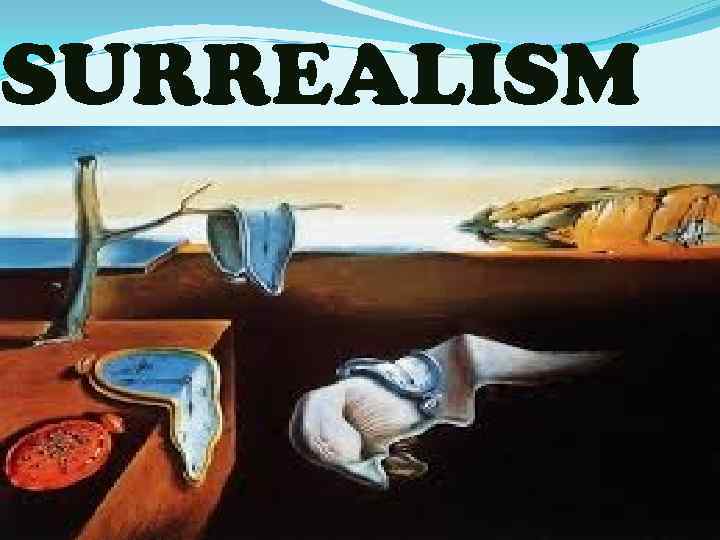
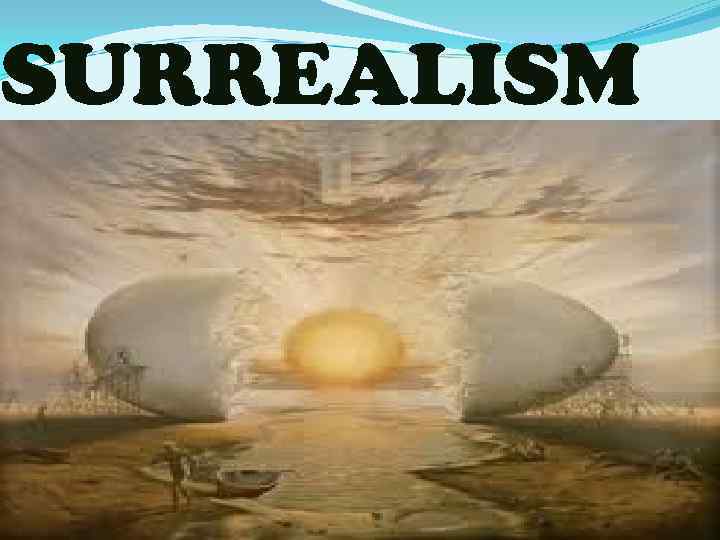
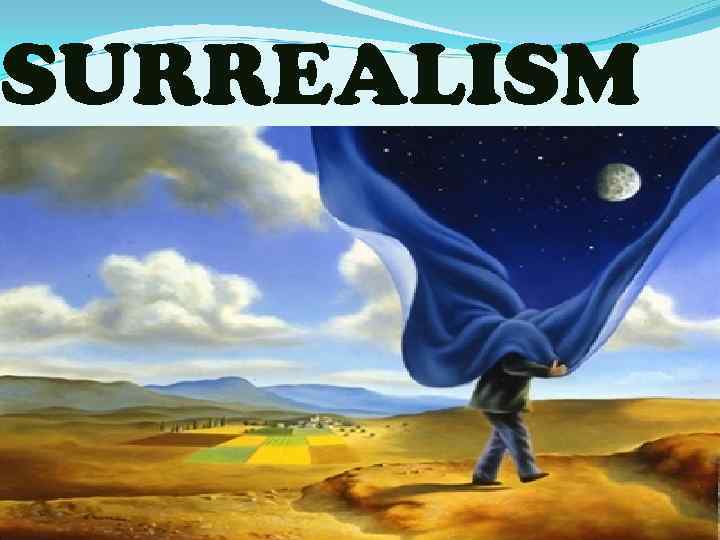
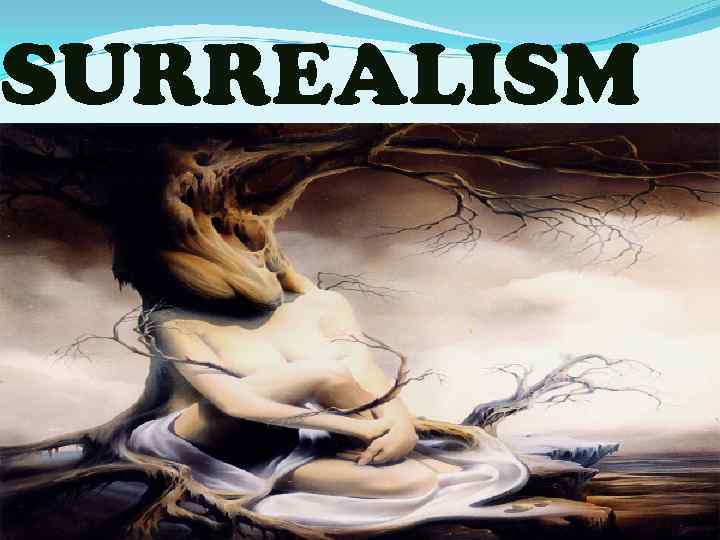
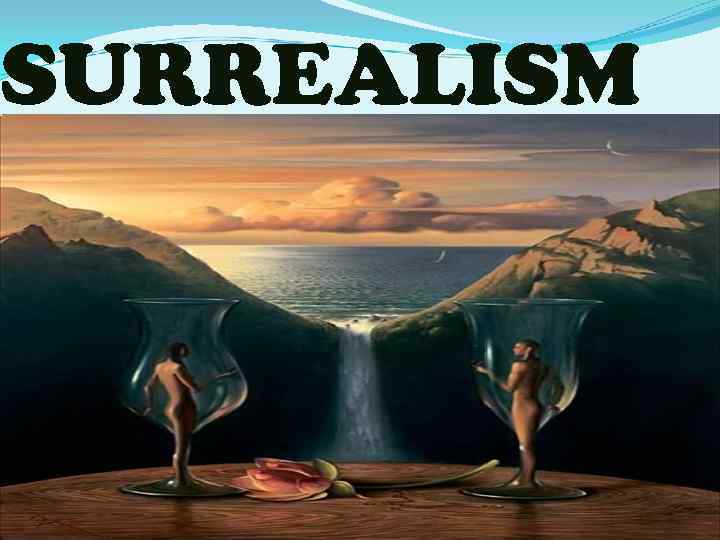
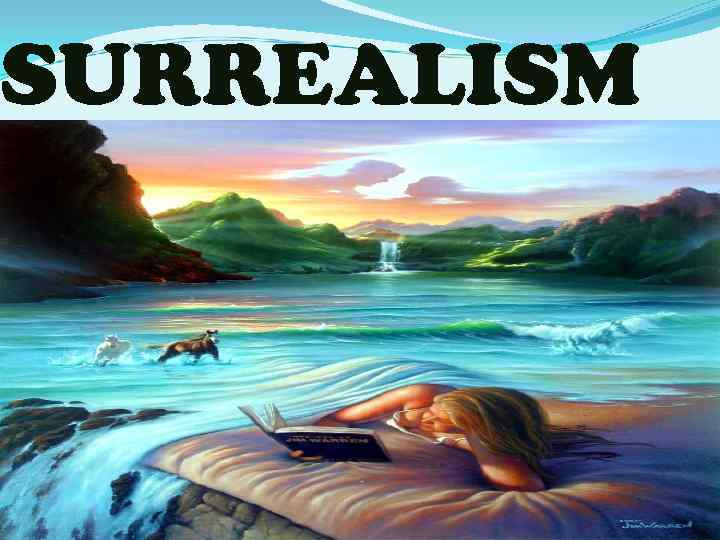
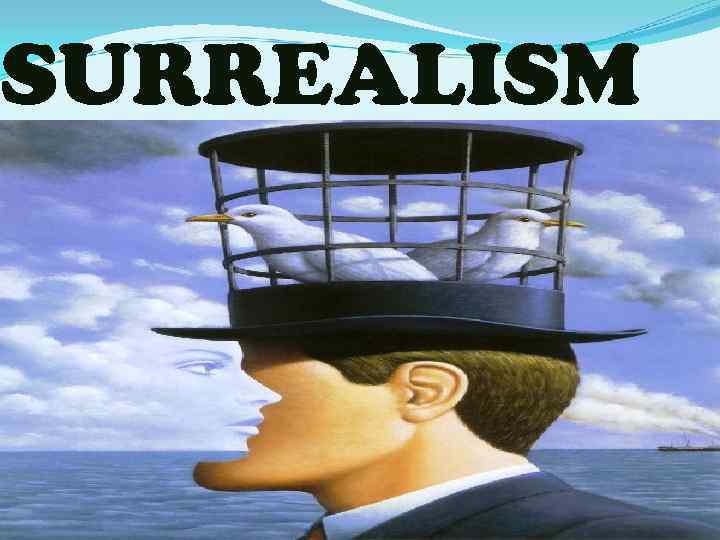
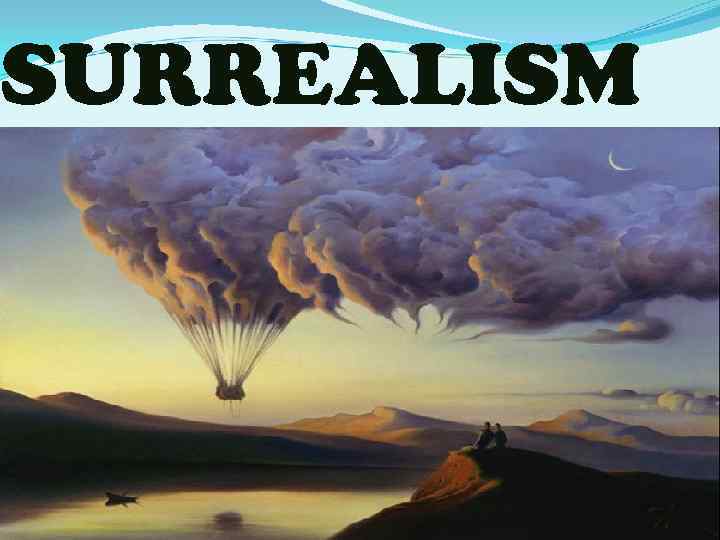
SURREALISM ØIt was an art movement that sought to link the world of dreams with real life.
SURREALISM ØIt was founded in Paris by a small group of writers and artist who sought to channel the unconscious as a means to unlock the power of the imagination.
SURREALISM SURREAL – means beyond or above reality
SURREALISM
SURREALISM
SURREALISM
SURREALISM
SURREALISM
SURREALISM
SURREALISM
SURREALISM
REALISM ØAnother style of art whose interest and concern centers around the actual or real problems. It deviates on the treatment of forms, colors, and space, as they appear in actuality or ordinary visual experience.
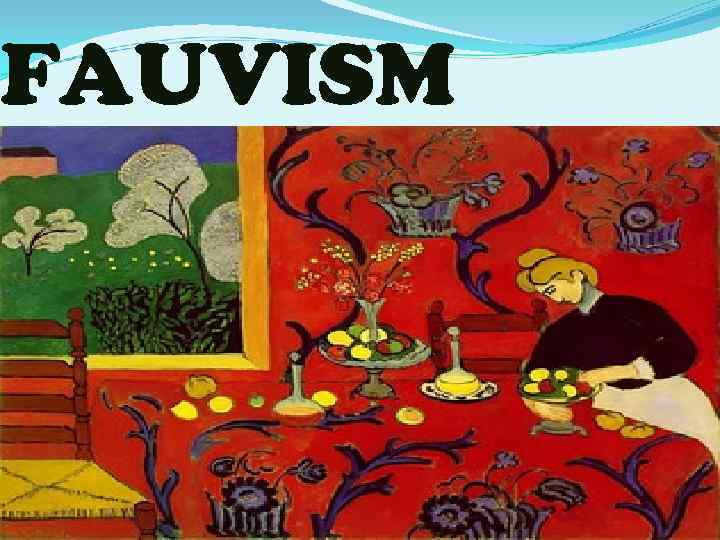
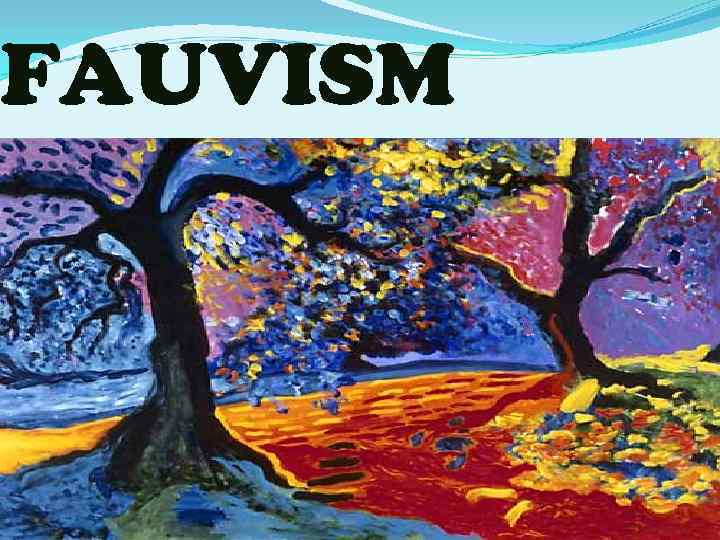
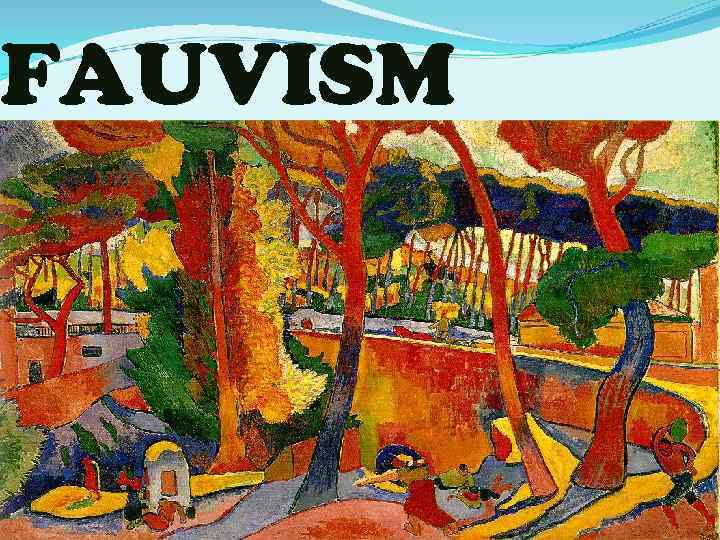
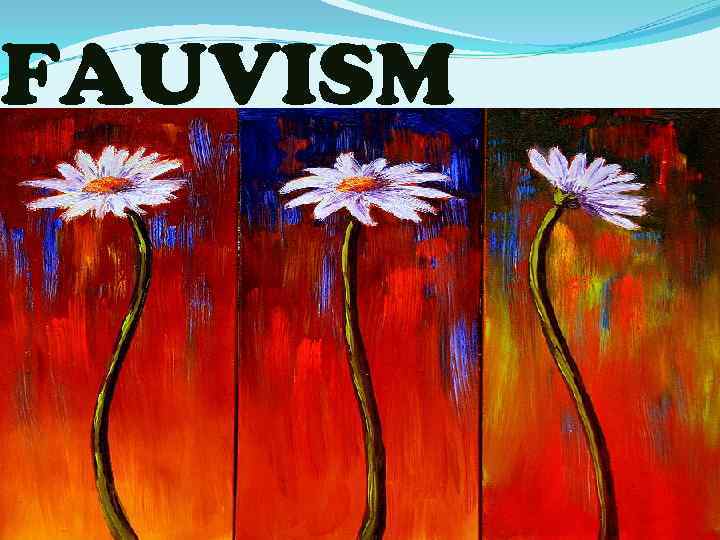
FAUVISM ØUsed pure, brilliant colors applied straight from the paint tubes in a bold direct manner to create an explosive effect on the canvas. Artist of this style were called FAUVES
FAUVISM

FAUVISM
FAUVISM
FAUVISM

FAUVISM
FAUVISM
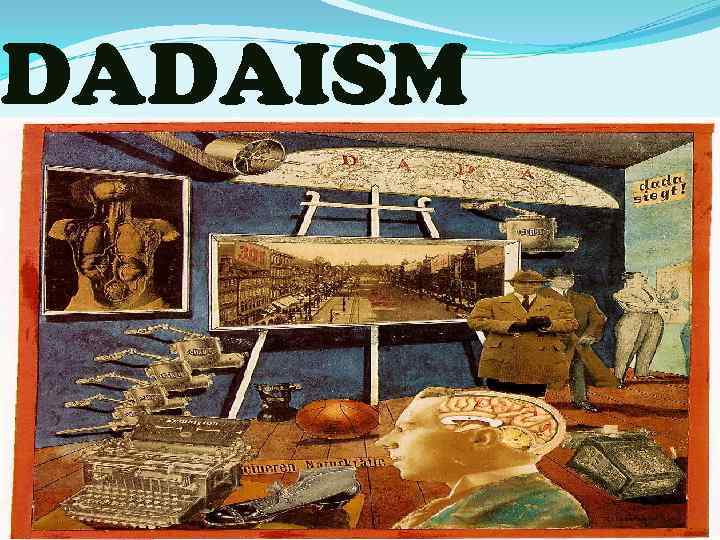
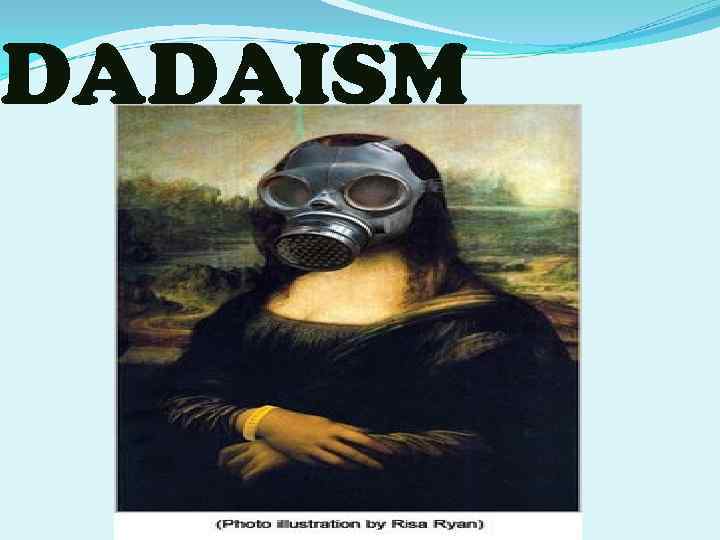
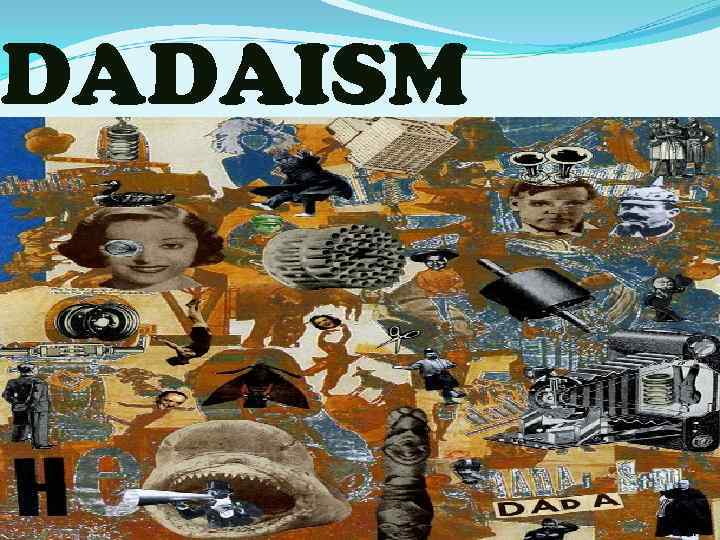
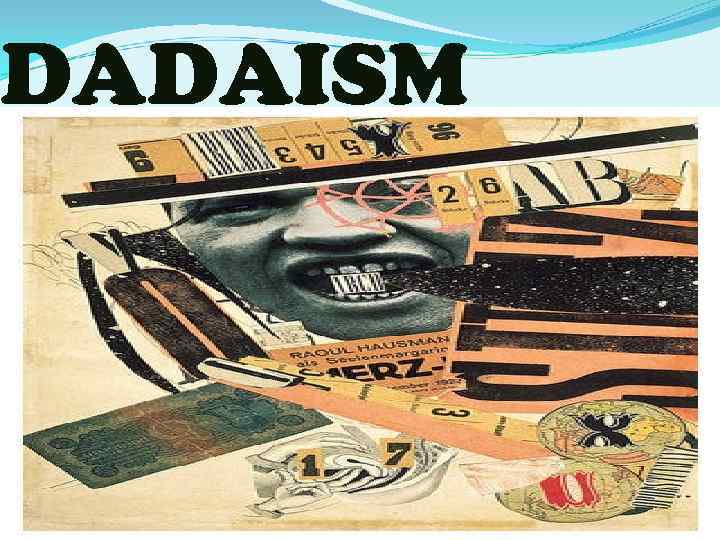
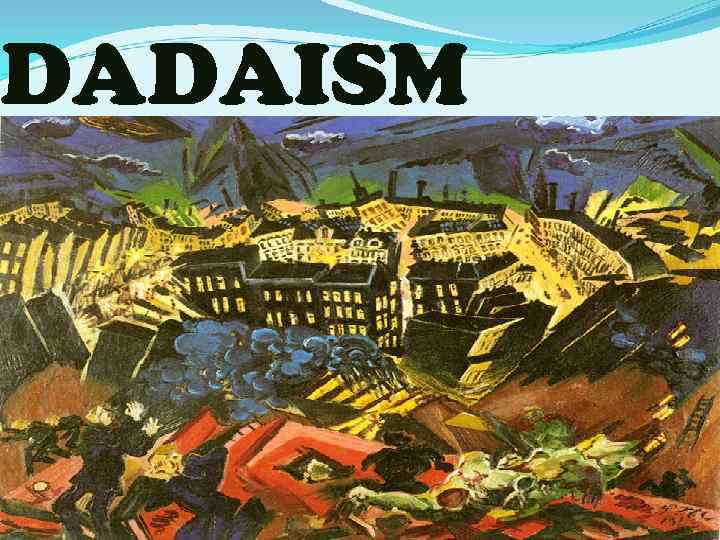
DADAISM which is a ØIt is a style of painting protest against the horrors of World War I, which artists believed had been a show of barbarism and oppressive intellectual rigidity in both art and everyday society.
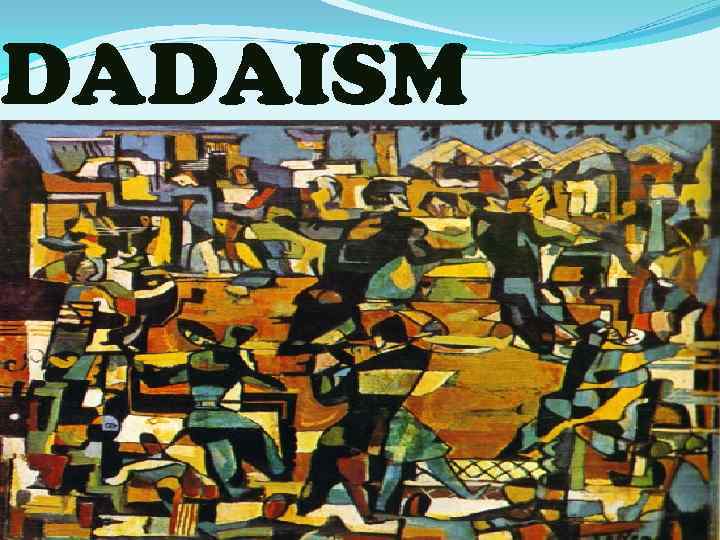
DADAISM ØThe art was characterized by a deliberate irrationality and the rejection of the prevailing standards of art.
DADAISM ØDADA artists referred their work as to have not been influenced by any movement, basic principles can be seen greatly from Cubism, and Expressionism.
DADAISM
DADAISM
DADAISM
DADAISM
DADAISM
DADAISM

Thank You!
Скачать презентацию STYLES OF ART IMPRESSIONISM ØCharacterized by short
stylesofart-150814013742-lva1-app6892 (1).ppt