Скачать презентацию Students executed 11 C class Igoshev Yevgeniy
Английский.pptx
- Количество слайдов: 23
 Students executed 11 " C" class Igoshev Yevgeniy, Denezhkina Yevgeniya Tebneva Natalya Aladina Olga, Popova Aleksandra Verevkina Mariya, Gladun Anna
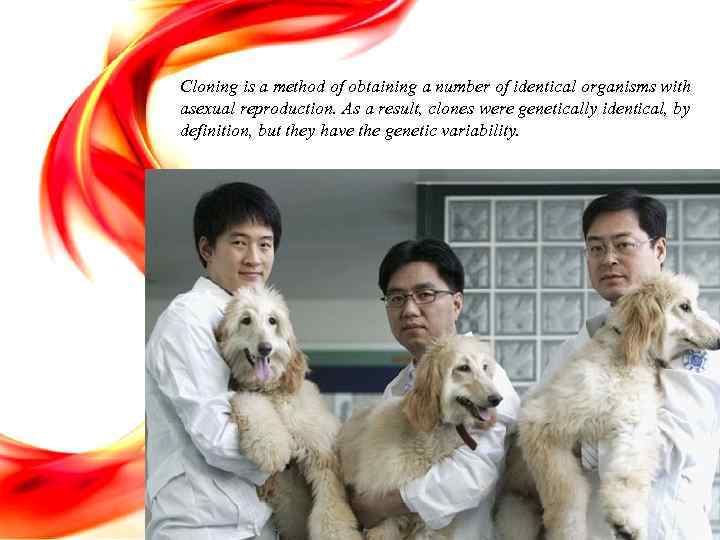 Cloning is a method of obtaining a number of identical organisms with asexual reproduction. As a result, clones were genetically identical, by definition, but they have the genetic variability.
 In 1952, the first scientist to clone ualos amphibians. later also managed to clone mice, rabbits, sheep, pigs, cows and monkeys.
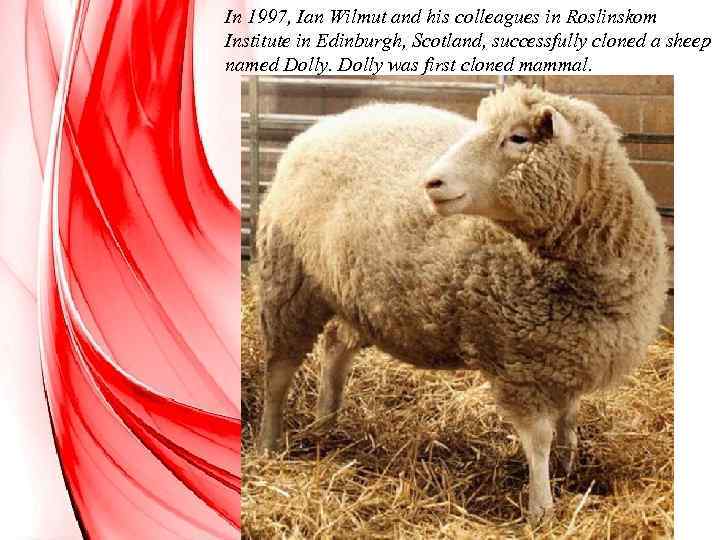 In 1997, Ian Wilmut and his colleagues in Roslinskom Institute in Edinburgh, Scotland, successfully cloned a sheep named Dolly was first cloned mammal.
 Sechas cloning used in breeding. Perspective to use cloning to combat hereditary diseases in humans
 There at least two reasons in support of cloning at least: • allow childless couples to have children. • provide an opportunity for families to conceive a child of the twin-known personalities
 Human cloning phenomenon is a quite ambiguous. It is known what percentage of twins - clones would make equal contributions to the importance of science. There are suggestions that they are strongly influenced by genetics. If you find that clones do not reach the success of its predecessors, the incentive for human cloning would be weakened. Then we will see that people will want to make cloning less.
 If cloning is successful in this case we can get a new number such as Einstein or Alain Delon. But this happens only if the DNA does not undergo mutation and changing
 A new and unexplored field of law, will definitely require some legislative regulation to prevent abuse. human cloning - a new and unexplored field of law, which will definitely require some legislative regulation to prevent abuse.
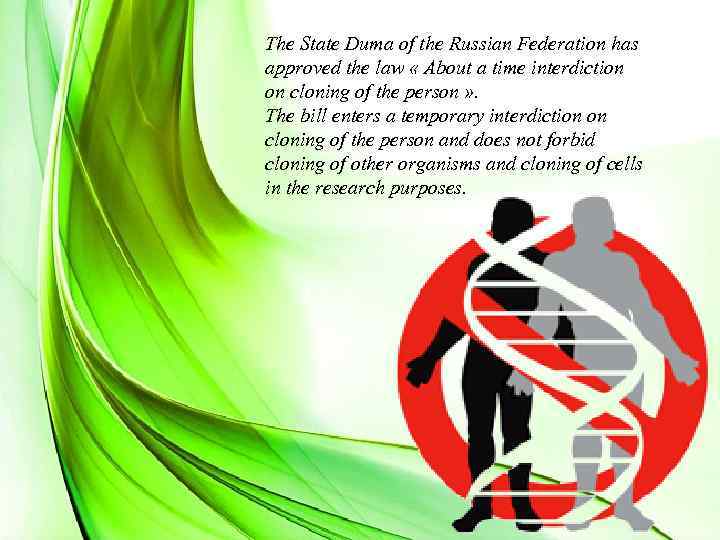 The State Duma of the Russian Federation has approved the law « About a time interdiction on cloning of the person » . The bill enters a temporary interdiction on cloning of the person and does not forbid cloning of other organisms and cloning of cells in the research purposes.
 The interdiction is entered for uncertain term before coming into force of the law establishing the order of use of technologies of cloning of organisms with the purpose of cloning of the person. The bill is supported by the Russian academy of sciences and the Russian academy of medical sciences.
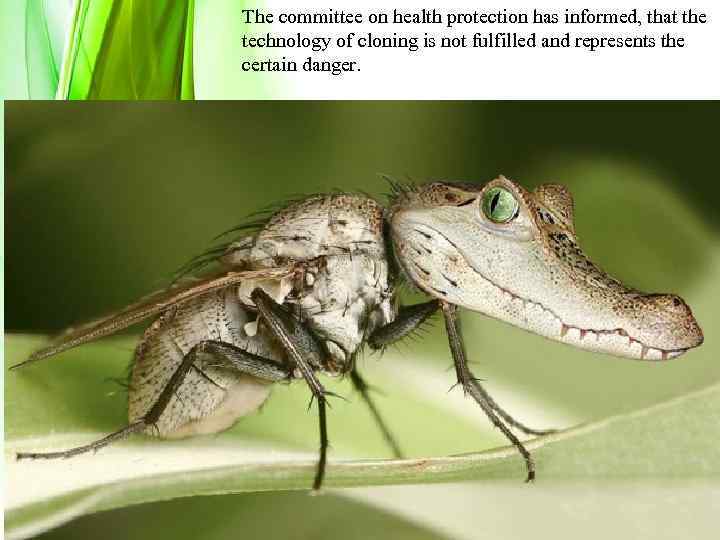 The committee on health protection has informed, that the technology of cloning is not fulfilled and represents the certain danger.
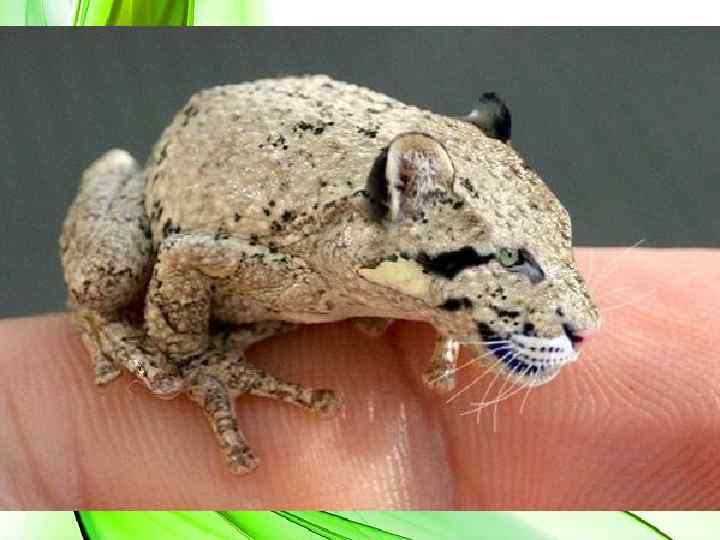
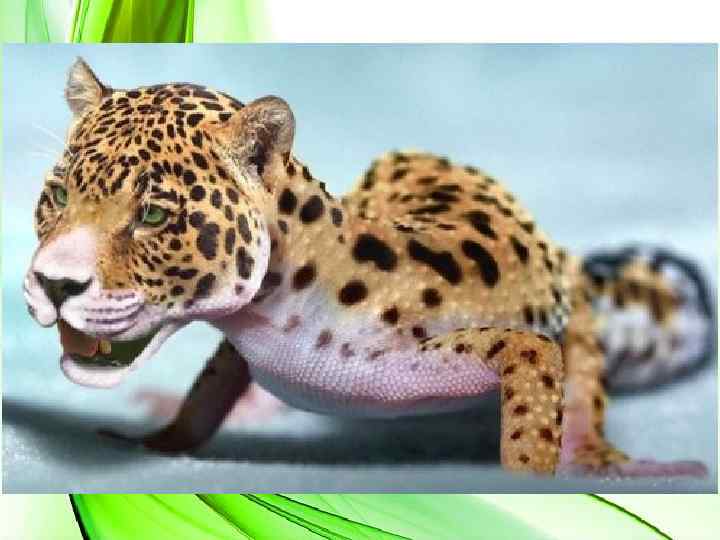
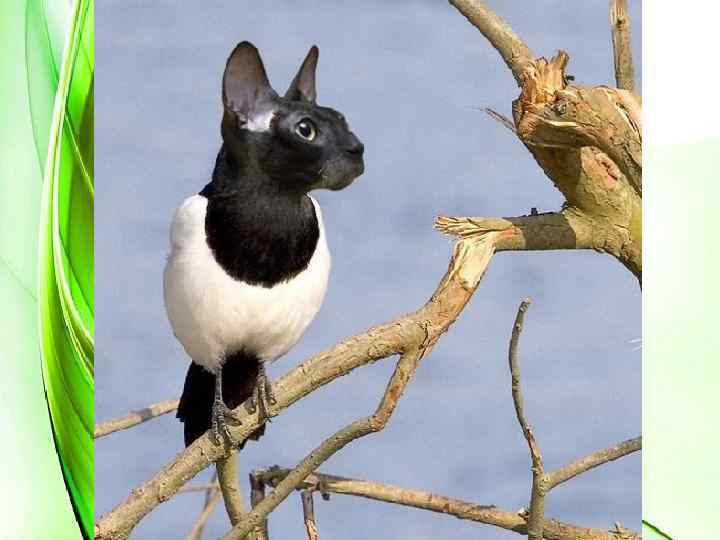
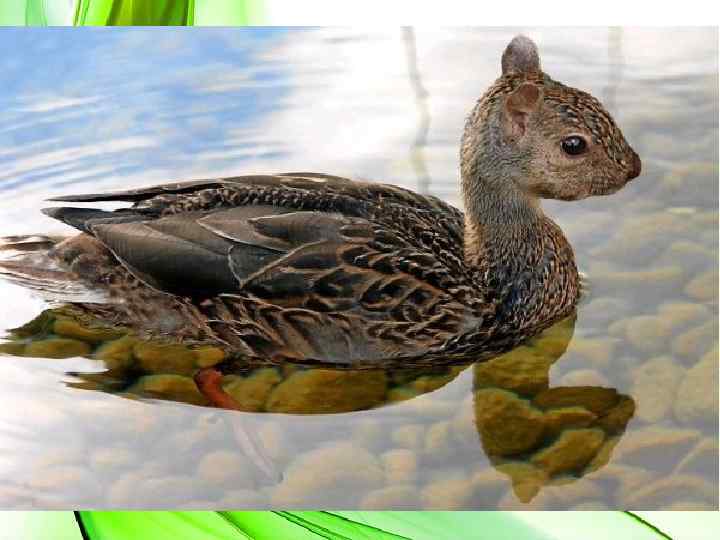
 Suppose we cloned a man. Are we really sure he will be a man? Who will be responsible for him? Who will bring him up? Will he be happy? Will he have the same rights as we have?
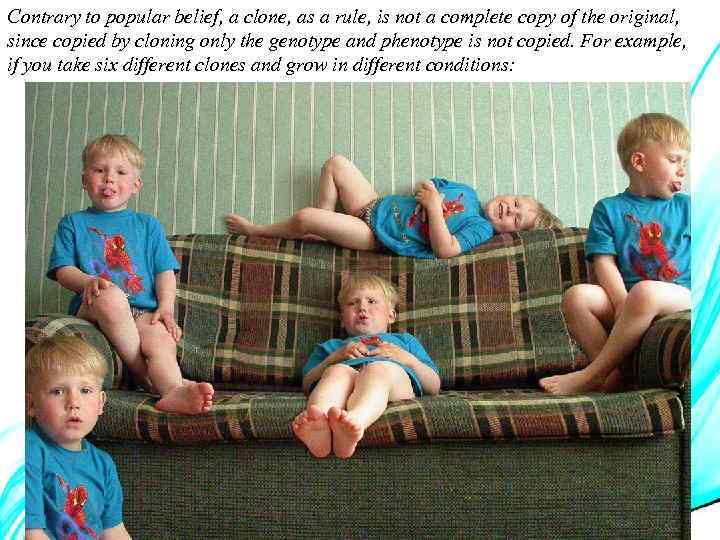 Contrary to popular belief, a clone, as a rule, is not a complete copy of the original, since copied by cloning only the genotype and phenotype is not copied. For example, if you take six different clones and grow in different conditions:
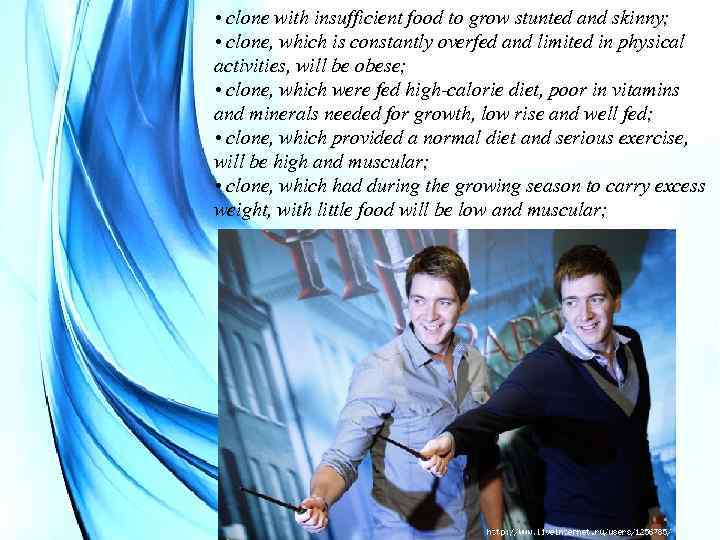 • clone with insufficient food to grow stunted and skinny; • clone, which is constantly overfed and limited in physical activities, will be obese; • clone, which were fed high-calorie diet, poor in vitamins and minerals needed for growth, low rise and well fed; • clone, which provided a normal diet and serious exercise, will be high and muscular; • clone, which had during the growing season to carry excess weight, with little food will be low and muscular;
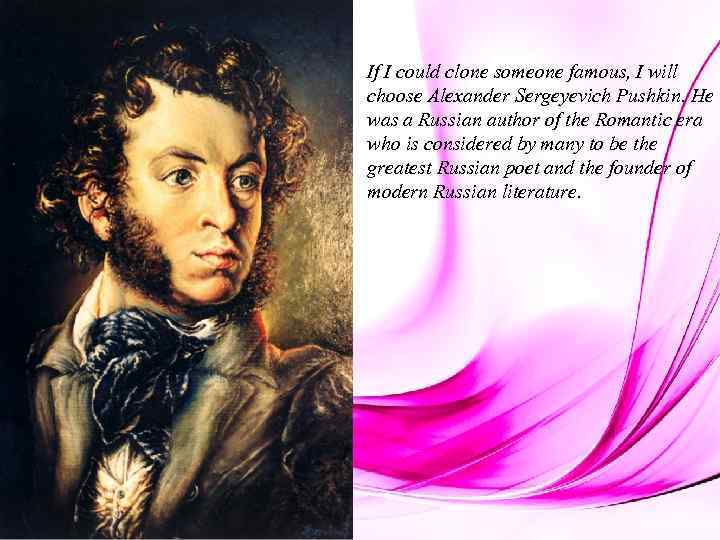 If I could clone someone famous, I will choose Alexander Sergeyevich Pushkin. He was a Russian author of the Romantic era who is considered by many to be the greatest Russian poet and the founder of modern Russian literature.
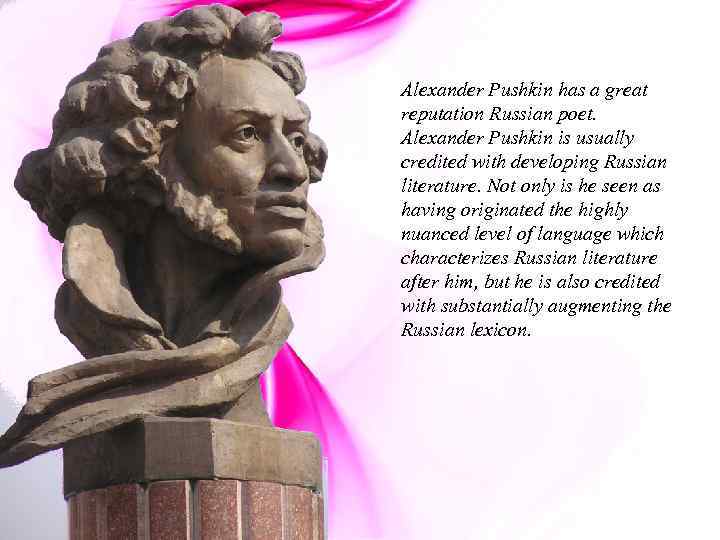 Alexander Pushkin has a great reputation Russian poet. Alexander Pushkin is usually credited with developing Russian literature. Not only is he seen as having originated the highly nuanced level of language which characterizes Russian literature after him, but he is also credited with substantially augmenting the Russian lexicon.
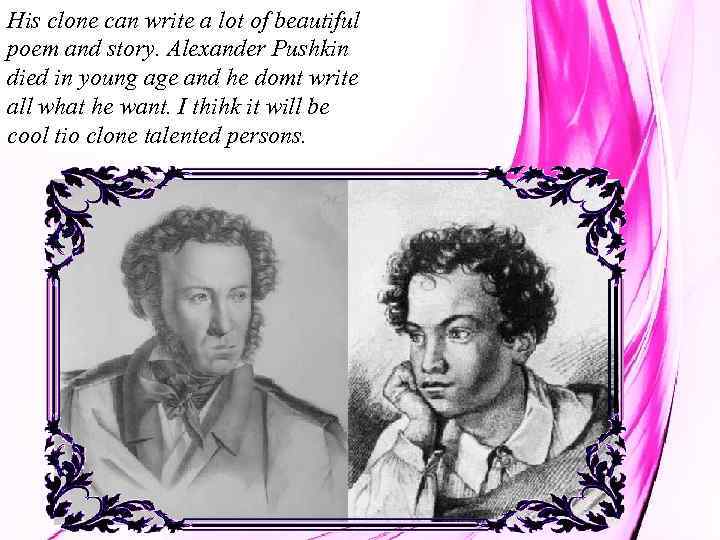 His clone can write a lot of beautiful poem and story. Alexander Pushkin died in young age and he domt write all what he want. I thihk it will be cool tio clone talented persons.