 Скачать презентацию Student learning through real-world real-time sustainability audits Dr
99acc2e5552faf9159cffa04d55c7354.ppt
- Количество слайдов: 21



Student learning through real-world, real-time sustainability audits Dr Ros Taylor Director Kingston University Sustainability Hub Interdisciplinary Sustainability Education: Insights, Momentum, Futures 14 TH December 2011 HEA York
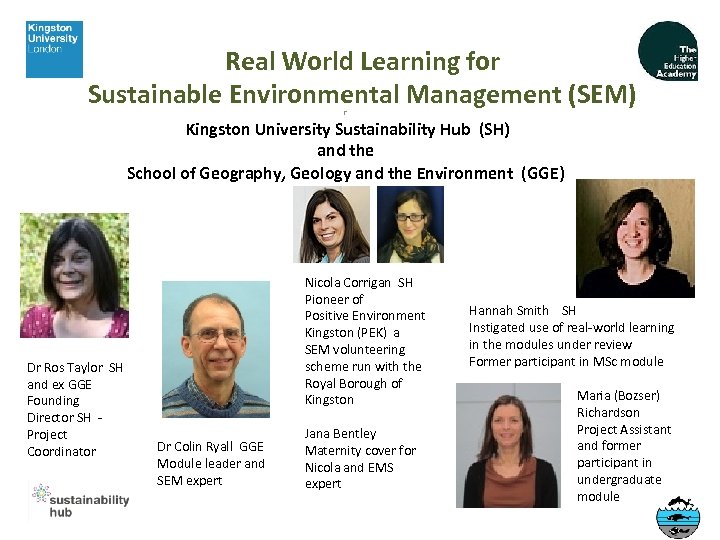
Real World Learning for Sustainable Environmental Management (SEM) r Kingston University Sustainability Hub (SH) and the School of Geography, Geology and the Environment (GGE) Dr Ros Taylor SH and ex GGE Founding Director SH Project Coordinator Nicola Corrigan SH Pioneer of Positive Environment Kingston (PEK) a SEM volunteering scheme run with the Royal Borough of Kingston Dr Colin Ryall GGE Module leader and SEM expert Jana Bentley Maternity cover for Nicola and EMS expert Hannah Smith SH Instigated use of real-world learning in the modules under review Former participant in MSc module Maria (Bozser) Richardson Project Assistant and former participant in undergraduate module
Context • At Kingston, real-world learning for Sustainable Environmental Management linking with local businesses (MA/MSc) and university campus and facilities staff (BA/BSc) has become a key strategy for learning teaching and assessing of BS 8555, ISO 14001 and related themes – MA/MSc Design for Development; Sustainability for Built Environment Practice; Environmental and Earth Resources Management; Sustainability, Environment and Change; Sustainable Environmental Development with Management Studies – BSc Environmental Science; Environmental Management; Sustainable Development; Joint Hons Environmental Studies to undertake a thorough reflective evaluation of the initiative • Surveyed all participants; students, employers, staff and evaluated historical data base of student performance • HEA funding bought us the ‘space‘
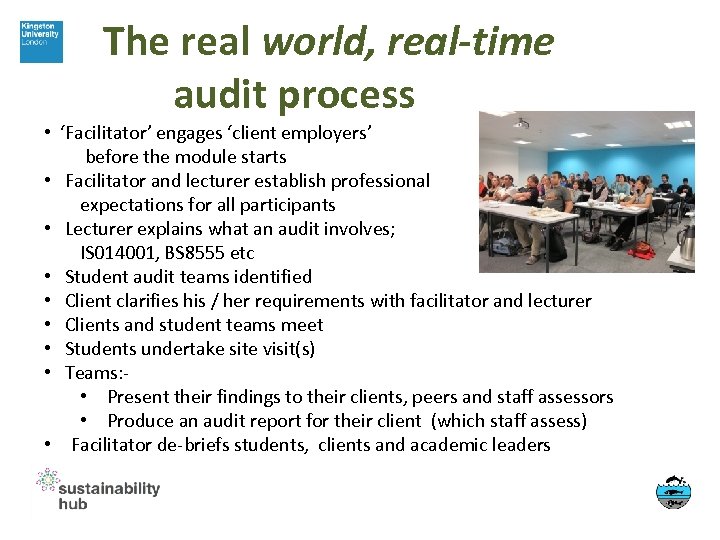
The real world, real-time audit process • ‘Facilitator’ engages ‘client employers’ before the module starts • Facilitator and lecturer establish professional expectations for all participants • Lecturer explains what an audit involves; IS 014001, BS 8555 etc • Student audit teams identified • Client clarifies his / her requirements with facilitator and lecturer • Clients and student teams meet • Students undertake site visit(s) • Teams: • Present their findings to their clients, peers and staff assessors • Produce an audit report for their client (which staff assess) • Facilitator de-briefs students, clients and academic leaders
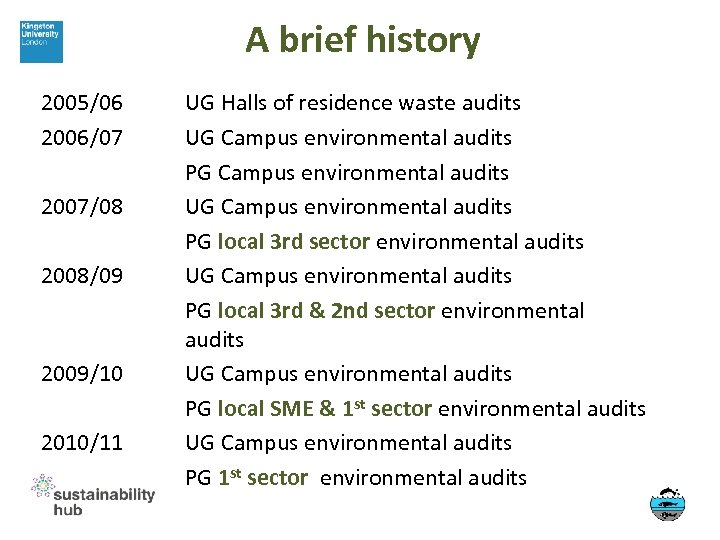
A brief history 2005/06 2006/07 2007/08 2008/09 2009/10 2010/11 UG Halls of residence waste audits UG Campus environmental audits PG Campus environmental audits UG Campus environmental audits PG local 3 rd sector environmental audits UG Campus environmental audits PG local 3 rd & 2 nd sector environmental audits UG Campus environmental audits PG local SME & 1 st sector environmental audits UG Campus environmental audits PG 1 st sector environmental audits
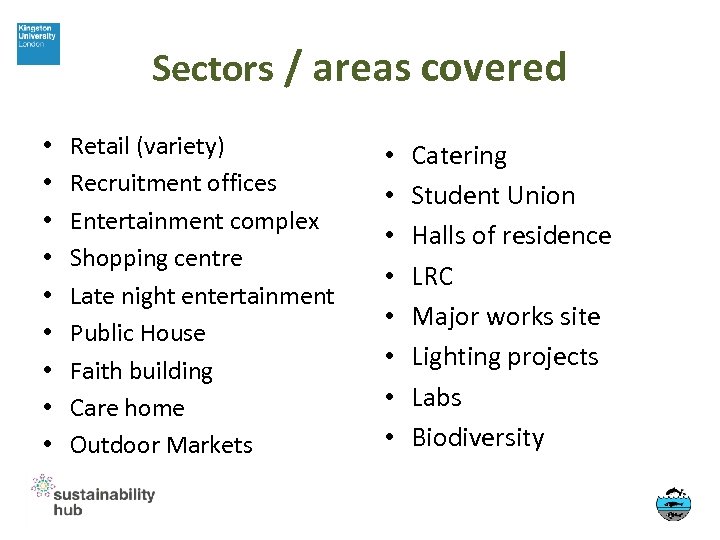
Sectors / areas covered • • • Retail (variety) Recruitment offices Entertainment complex Shopping centre Late night entertainment Public House Faith building Care home Outdoor Markets • • Catering Student Union Halls of residence LRC Major works site Lighting projects Labs Biodiversity
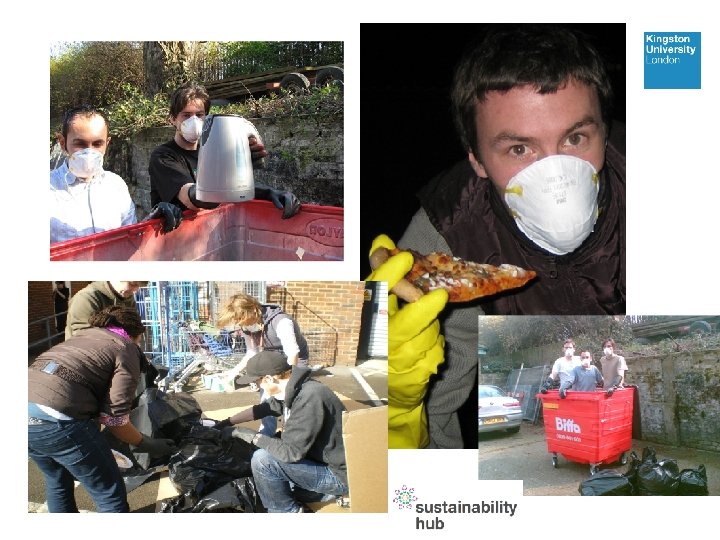
Perceived winners all round • Win for employers - free audits – exposure to sustainability ideas – opportunity to contribute to curriculum development • Win for students – professional cv enhancing experience – improved employability – soft skills as well as subject knowledge • Win for academic staff (and for practical sustainability at KU) – employer links inform curriculum development – employer links open research and consultancy opportunities – experiential learning enthuses students, improves engagement with curriculum
Other winners • Community both in-house and town-gown • Local Authority • The University - reputational gains – locally – nationally – spring-board to wider collaborations – in-house buy-in and top-level support
Diverse needs for scheme evaluation • Line managers do not always support non-standard pedagogies – too time demanding – disruptive to time table • Perceived hassle factor may deter new staff / employers from continuing the scheme • Claimed benefits to students, staff and client employers need verifying systematically • Opportunities for improvement and streamlining needs exploring - ‘tool-kit’ • Students cohorts increasingly diverse in terms of nationality; cultural experience; ethnicity • Growing opportunities for interdisciplinary and multidisciplinary team work
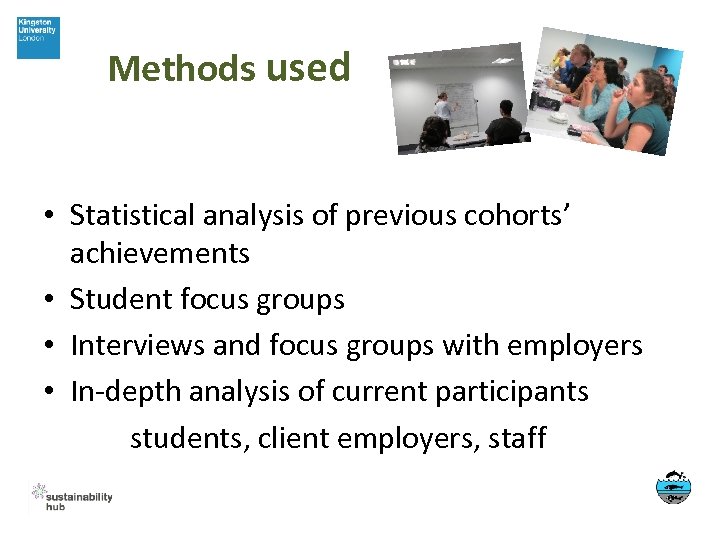
Methods used • Statistical analysis of previous cohorts’ achievements • Student focus groups • Interviews and focus groups with employers • In-depth analysis of current participants students, client employers, staff
Outcomes - the students • Group work did not disadvantage individual achievement • Undergraduates less worried by groups work than post graduates • No evidence that non-UK / English second language students were typically underperforming • Real need to professionalise students through start-up guidance • Students valued the soft skills learnt • The real world engagement increased their self esteem • Students perceived the potential employability benefits of the real-world, real-time learning activity • Students valued the chance to reflect together on the process and feed in their points of view
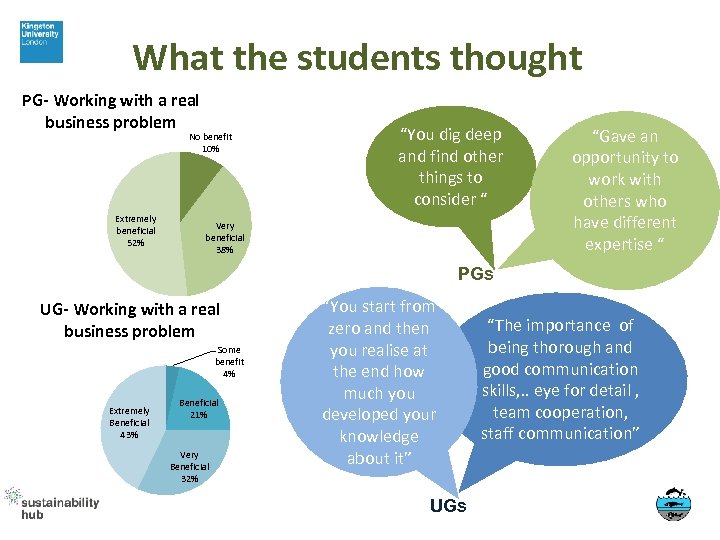
What the students thought PG- Working with a real business problem No benefit 10% Extremely beneficial 52% “You dig deep and find other things to consider “ Very beneficial 38% “Gave an opportunity to work with others who have different expertise “ PGs UG- Working with a real business problem Some benefit 4% Extremely Beneficial 43% Beneficial 21% Very Beneficial 32% “You start from zero and then you realise at the end how much you developed your knowledge about it” UGs “The importance of being thorough and good communication skills, . . eye for detail , team cooperation, staff communication”
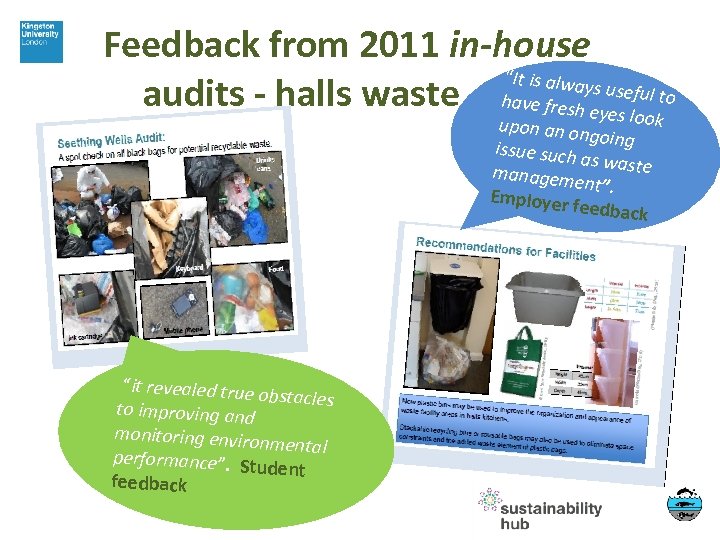
Feedback from 2011 in-house “It is alway audits - halls waste have fresh esyusselfouolkto e upon an on going issue such as waste managem ent”. Employer feedback “it revealed true o bstacles to improving and monitoring enviro nmental performance”. Stu dent feedback
Outcomes- the employers • Found that the students interest triggered them to act on sustainability • Liked the contact with the university and the chance to feed into the students’ learning • Loved being part of a national project • Were nervous about showing ignorance of sustainability requirements in front of students, fellow employers and university staff - so anxious about joint workshops • Confidentiality concerns • Some concern about unprofessional student behaviour • Did expect feedback reports -yet themselves often failed to attend student presentation sessions (part of the bargain) • Some felt students did not appreciate that ‘finance is everything’
![Feedback from 2011 audits with Kingston First “Some of the issues they [the students]](https://present5.com/presentation/99acc2e5552faf9159cffa04d55c7354/image-17.jpg "Feedback from 2011 audits with Kingston First “Some of the issues they [the students]")
Feedback from 2011 audits with Kingston First “Some of the issues they [the students] brought up were things we had overlooked “ Kingston First Ranger “It focused our minds. . . the first step was to show us what we SHOULD be auditing and cataloguing” Kingston First confirmed that they would take part in the project if the opportunity arose again. “When you’re asked a question, often you just muddle along but when the students were demanding reports etc we realised we do need to find them, focused us on where gaps were in our data, how we collated and whether we used it efficiently” Kingston First Operations Manager
Outcomes - academic staff • Real-world, real-time learning led to better engaged students seen in their – – Research projects Improved time–management More tolerant and cooperative approach to study More likely to volunteer with events • Real-world, real-time learning cannot be plagiarised and is much more fun to assess. • Generates short-term employment opportunities (or formal volunteering) and placements for students • Facilitator role. . or a peer mentor. . . smoothes and enriches the process • Activity opens the way for collaborative research and consultancy and more immediately to curriculum enhancement
Go-between – a facilitator is invaluable • This could be short-term start-up employment for a new graduate. . . or a (or two or three) peer mentor(s) Assists in development of projects Identifies ‘client employers’ Produces a ‘tool kit’ for students, academics and clients Guides the professional expectations and behaviour of students • Manages expectations of all parties • Trouble shoots and problem solves • Nags • •
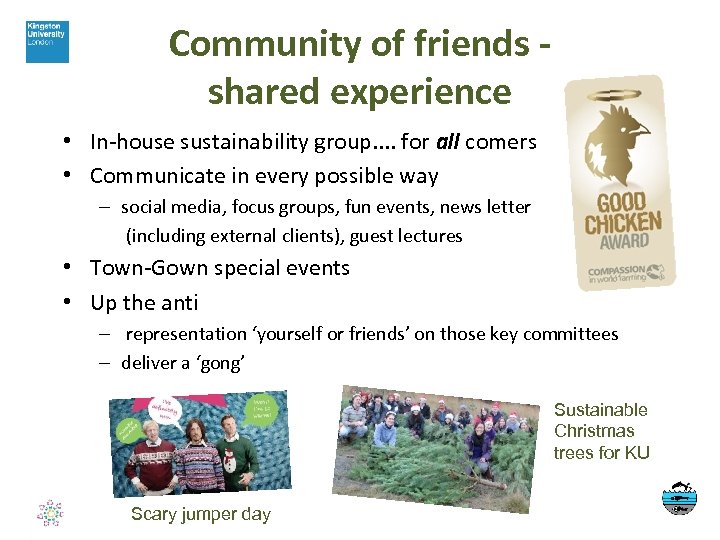
Community of friends shared experience • In-house sustainability group. . for all comers • Communicate in every possible way – social media, focus groups, fun events, news letter (including external clients), guest lectures • Town-Gown special events • Up the anti – representation ‘yourself or friends’ on those key committees – deliver a ‘gong’ Sustainable Christmas trees for KU Scary jumper day
Developing Frameworks - Big Issues • Tempting the employers into discussion rather than dialogue • happy to discuss one to one • nervous of focus groups , employer – university think tanks etc • time is money issue • Co-learning of in-house and external employers is not happening- yet all are on the same journey • A facilitator. . . or a peer mentor. . . is invaluable • Establish a ‘tool kit’ - a guide for now and a safeguard for the future
Скачать презентацию Student learning through real-world real-time sustainability audits Dr
99acc2e5552faf9159cffa04d55c7354.ppt