


 Скачать презентацию Strengthening the Capacity of Extension in St Lucia
4a2be9cdb9b9920185723839eec2a4b6.ppt
- Количество слайдов: 20
 Strengthening the Capacity of Extension in St. Lucia PRA in St. Lucia
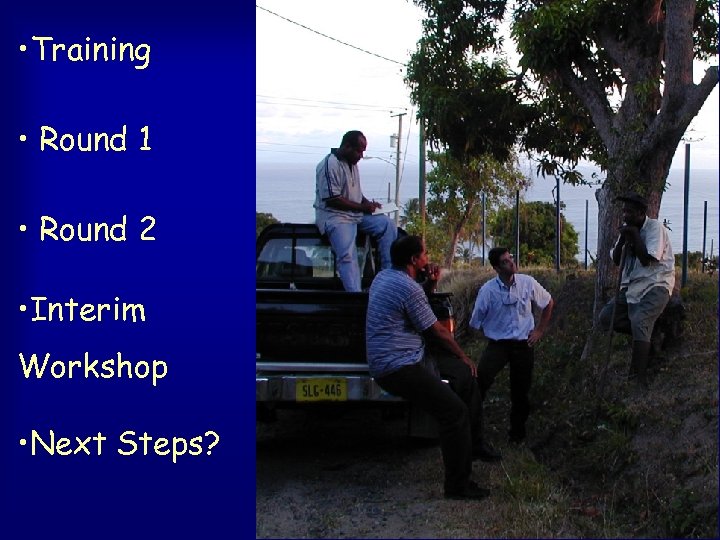 • Training • Round 1 • Round 2 • Interim Workshop • Next Steps?
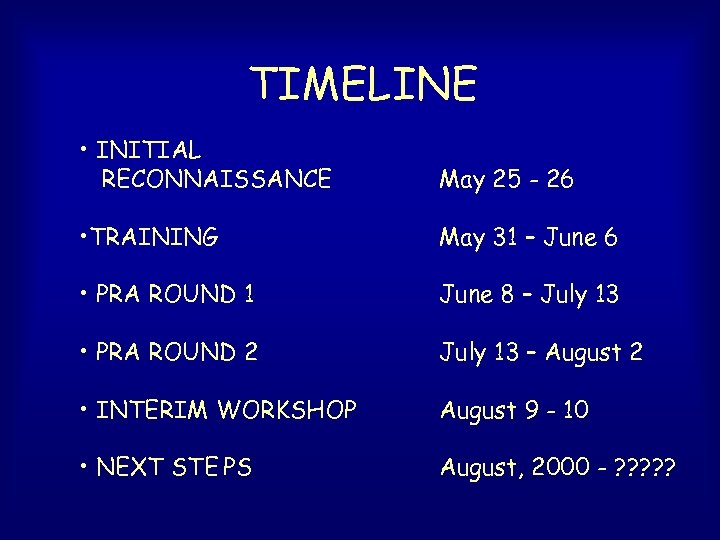 TIMELINE • INITIAL RECONNAISSANCE May 25 - 26 • TRAINING May 31 – June 6 • PRA ROUND 1 June 8 – July 13 • PRA ROUND 2 July 13 – August 2 • INTERIM WORKSHOP August 9 - 10 • NEXT STE PS August, 2000 - ? ? ?
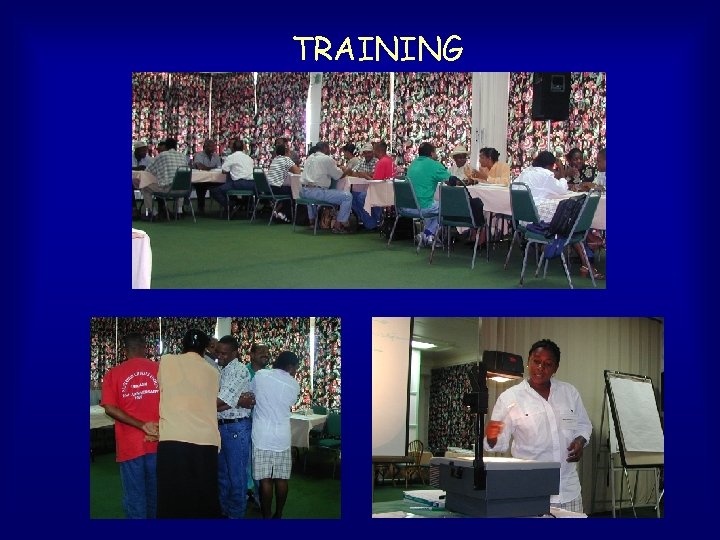 TRAINING
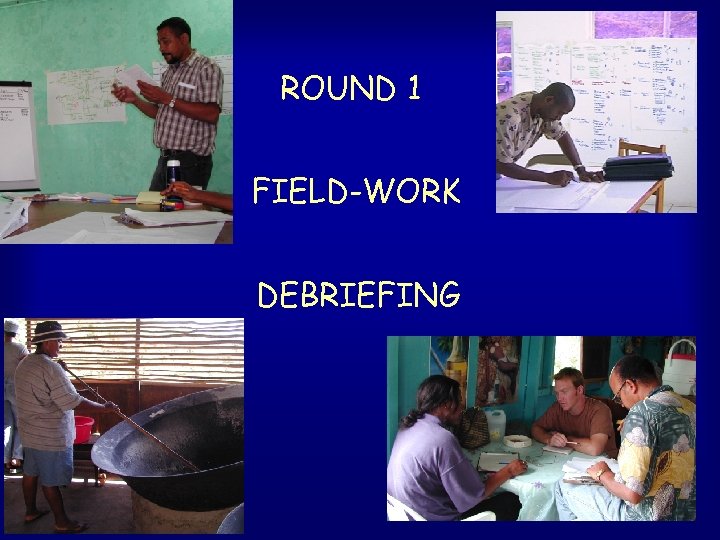 ROUND 1 FIELD-WORK DEBRIEFING
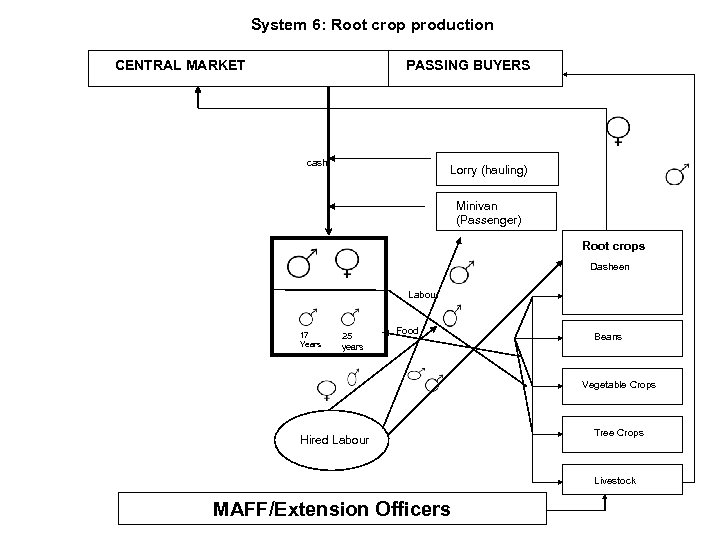 System 6: Root crop production CENTRAL MARKET PASSING BUYERS cash Lorry (hauling) Minivan (Passenger) Root crops Dasheen Labour 17 Years 25 years Food Beans Vegetable Crops Hired Labour Tree Crops Livestock MAFF/Extension Officers
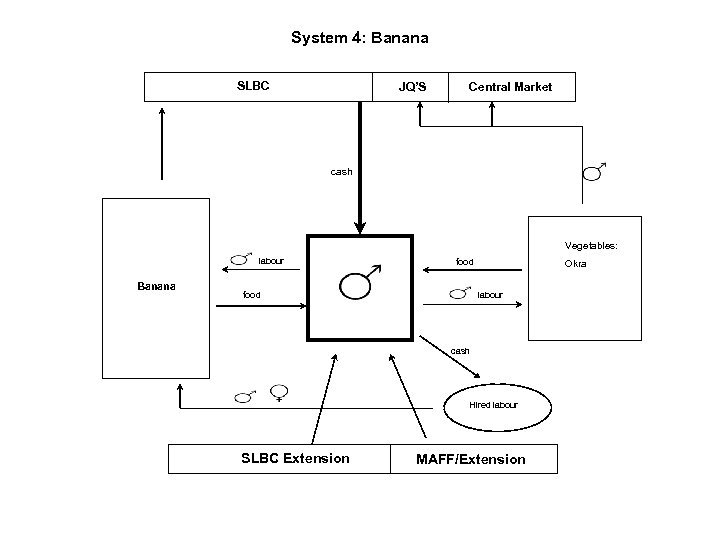 System 4: Banana SLBC JQ’S Central Market cash Vegetables: labour Banana food Okra labour cash Hired labour SLBC Extension MAFF/Extension
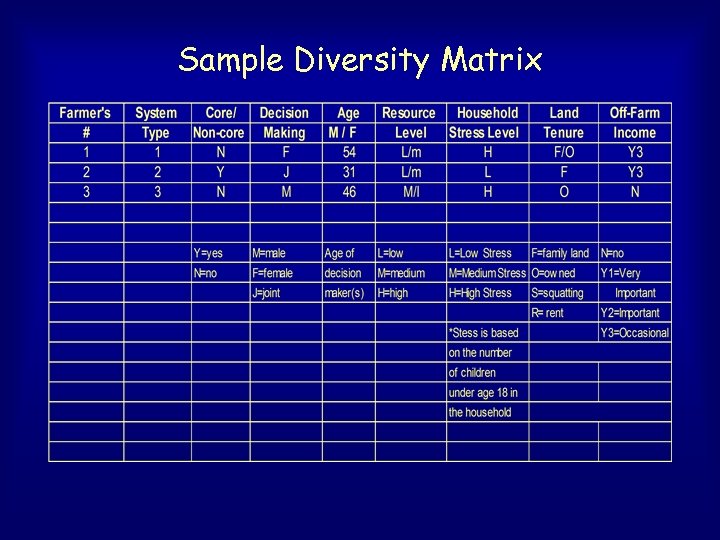 Sample Diversity Matrix
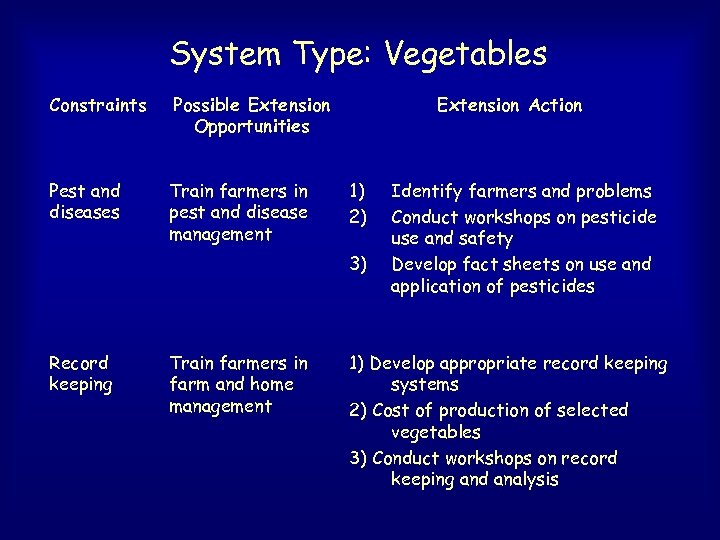 System Type: Vegetables Constraints Possible Extension Opportunities Pest and diseases Train farmers in pest and disease management Extension Action 1) 2) 3) Record keeping Train farmers in farm and home management Identify farmers and problems Conduct workshops on pesticide use and safety Develop fact sheets on use and application of pesticides 1) Develop appropriate record keeping systems 2) Cost of production of selected vegetables 3) Conduct workshops on record keeping and analysis
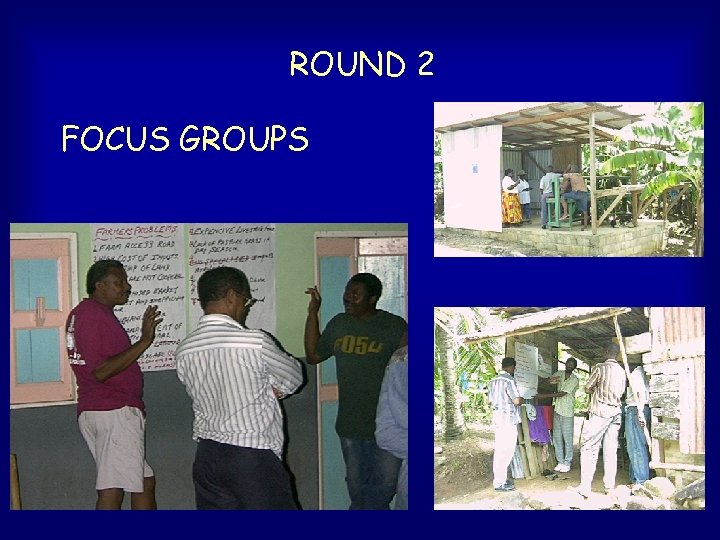 ROUND 2 FOCUS GROUPS
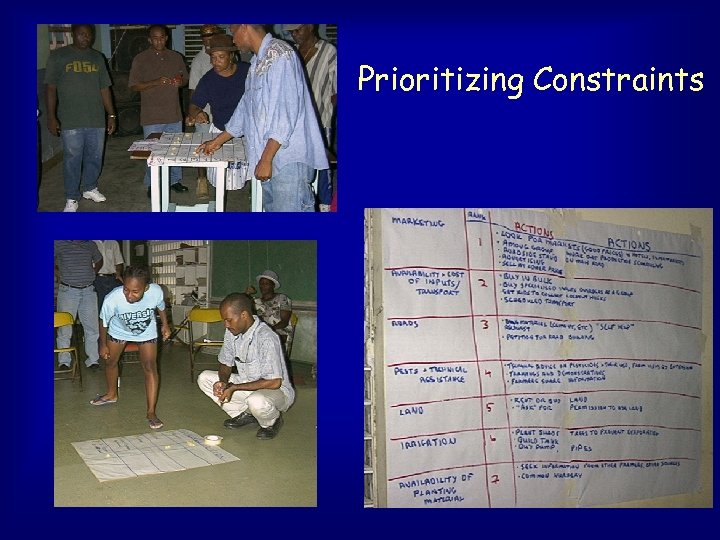 Prioritizing Constraints
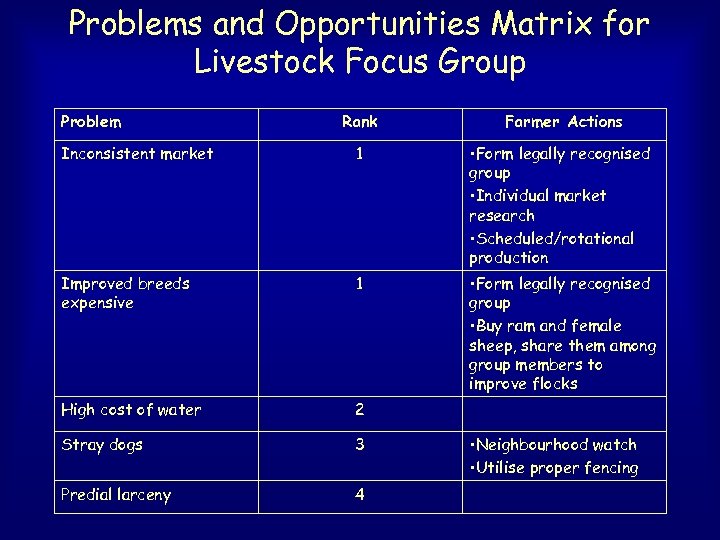 Problems and Opportunities Matrix for Livestock Focus Group Problem Rank Farmer Actions Inconsistent market 1 • Form legally recognised group • Individual market research • Scheduled/rotational production Improved breeds expensive 1 • Form legally recognised group • Buy ram and female sheep, share them among group members to improve flocks High cost of water 2 Stray dogs 3 Predial larceny 4 • Neighbourhood watch • Utilise proper fencing
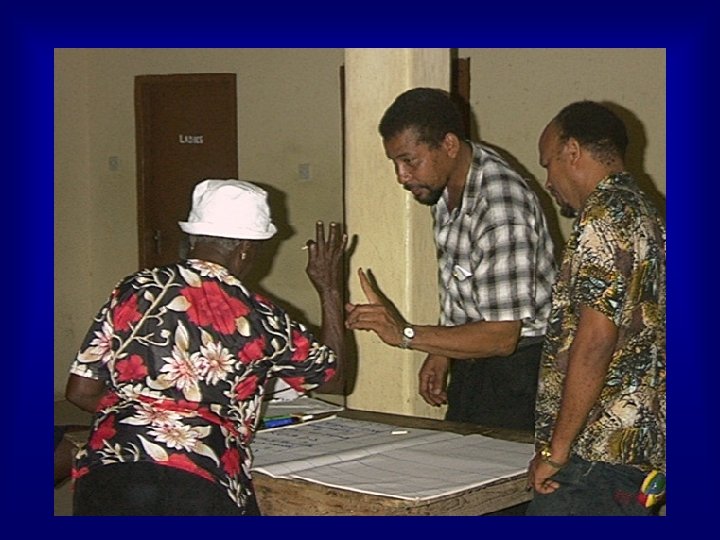
 INTERIM WORKSHOP
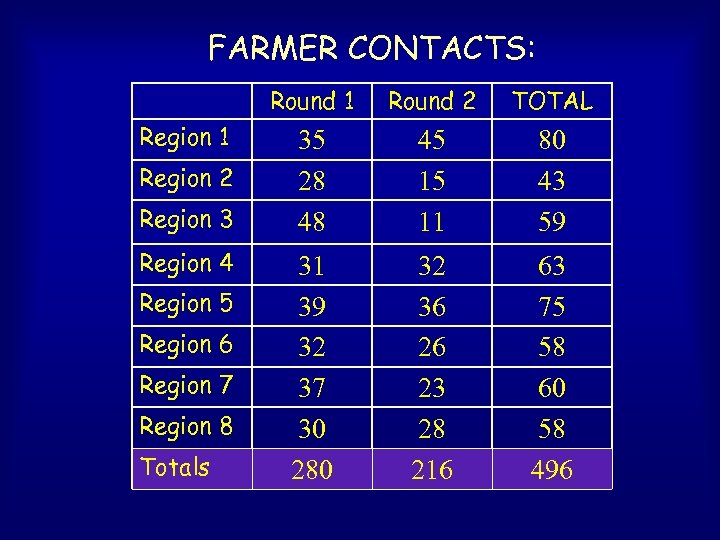 FARMER CONTACTS: Round 1 Region 2 Region 3 Region 4 Region 5 Region 6 Region 7 Region 8 Totals Round 2 TOTAL 35 28 48 45 15 11 80 43 59 31 39 32 37 30 280 32 36 26 23 28 216 63 75 58 60 58 496
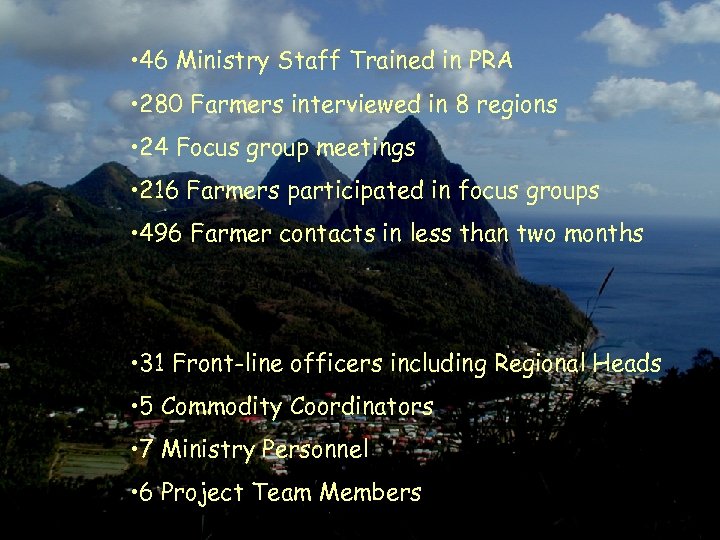 • 46 Ministry Staff Trained in PRA • 280 Farmers interviewed in 8 regions • 24 Focus group meetings • 216 Farmers participated in focus groups • 496 Farmer contacts in less than two months • 31 Front-line officers including Regional Heads • 5 Commodity Coordinators • 7 Ministry Personnel • 6 Project Team Members
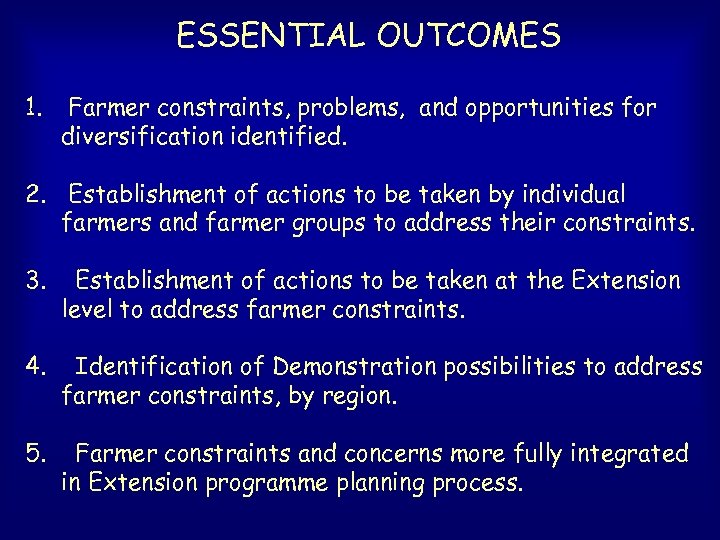 ESSENTIAL OUTCOMES 1. Farmer constraints, problems, and opportunities for diversification identified. 2. Establishment of actions to be taken by individual farmers and farmer groups to address their constraints. 3. Establishment of actions to be taken at the Extension level to address farmer constraints. 4. Identification of Demonstration possibilities to address farmer constraints, by region. 5. Farmer constraints and concerns more fully integrated in Extension programme planning process.
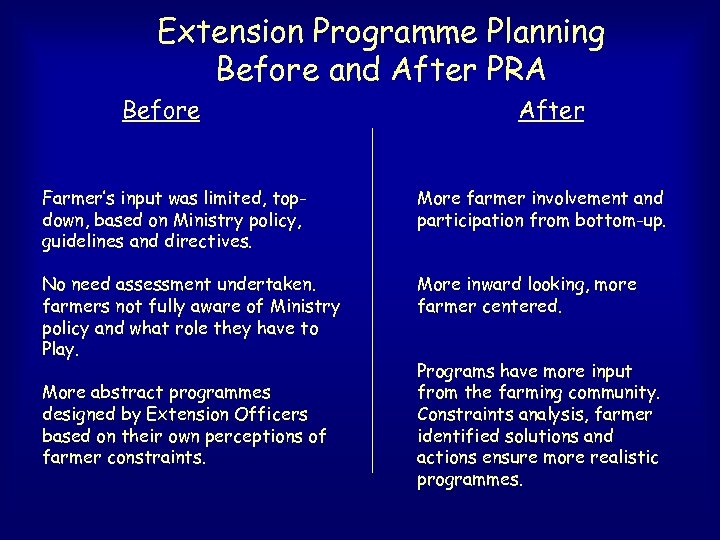 Extension Programme Planning Before and After PRA Before After Farmer’s input was limited, topdown, based on Ministry policy, guidelines and directives. More farmer involvement and participation from bottom-up. No need assessment undertaken. farmers not fully aware of Ministry policy and what role they have to Play. More inward looking, more farmer centered. More abstract programmes designed by Extension Officers based on their own perceptions of farmer constraints. Programs have more input from the farming community. Constraints analysis, farmer identified solutions and actions ensure more realistic programmes.
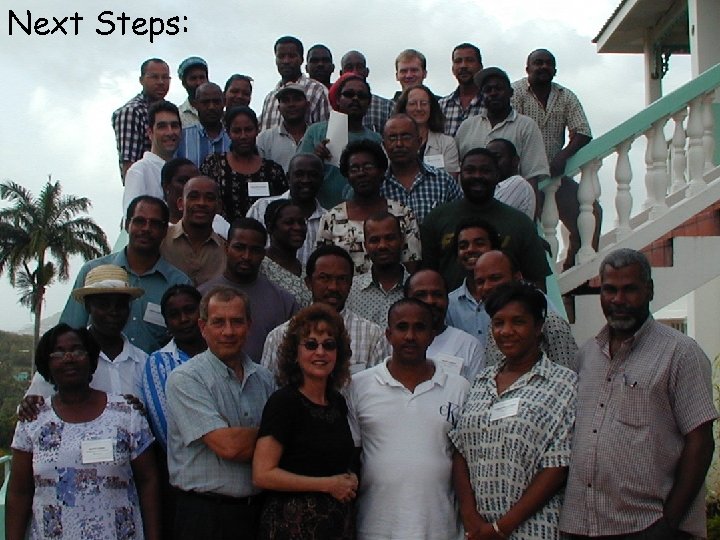 Next Steps: