


 Скачать презентацию Strengthening and providing PHC services in Pakistan through
e8a6dfb5a4cfd5fc8b9b01983b2a8353.ppt
- Количество слайдов: 32
 Strengthening and providing PHC services in Pakistan through public private partnership April 19, 2010 Regional Workshop Asian Development Bank Headquarters 19 -20 April Manila Philippines Dr Amanullah Senior Director Health & Nutrition
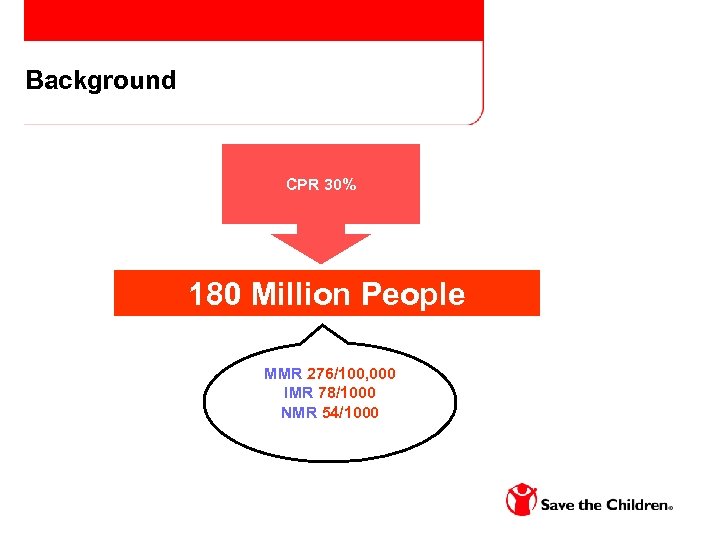 Background CPR 30% 180 Million People MMR 276/100, 000 IMR 78/1000 NMR 54/1000
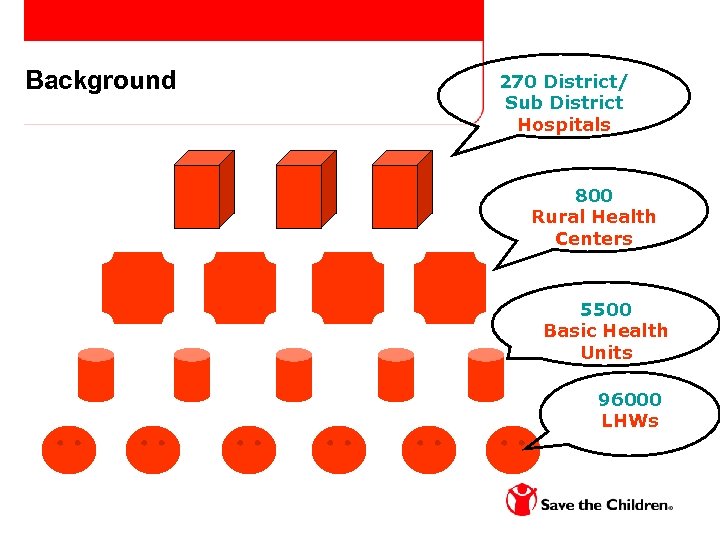 Background 270 District/ Sub District Hospitals 800 Rural Health Centers 5500 Basic Health Units 96000 LHWs
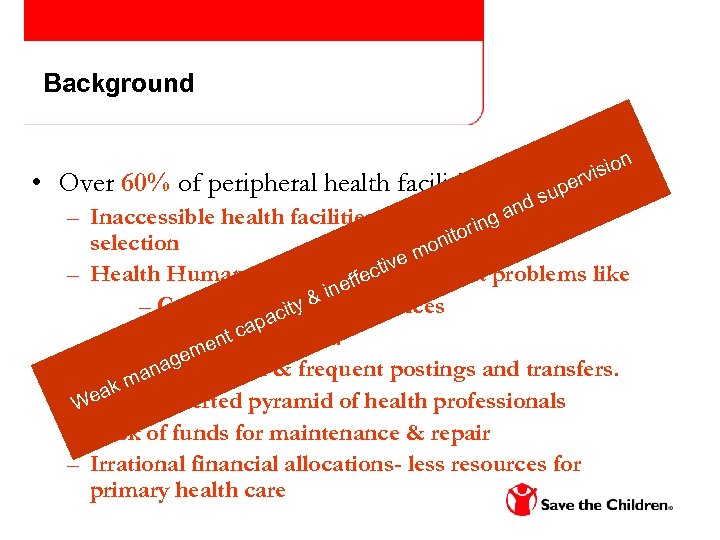 Background n o visi r • Over 60% of peripheral health facilities underupe utilised: s d n – Inaccessible health facilities- Inappropriate site ga in itor n selection mo e ctiv – Health Human Resourcee. Management problems like ffe n & iimbalances – Gender and city skill a p t ca – Staff en absenteeism. m age –n. Ill planned & frequent postings and transfers. ma eak – Inverted pyramid of health professionals W – Lack of funds for maintenance & repair – Irrational financial allocations- less resources for primary health care
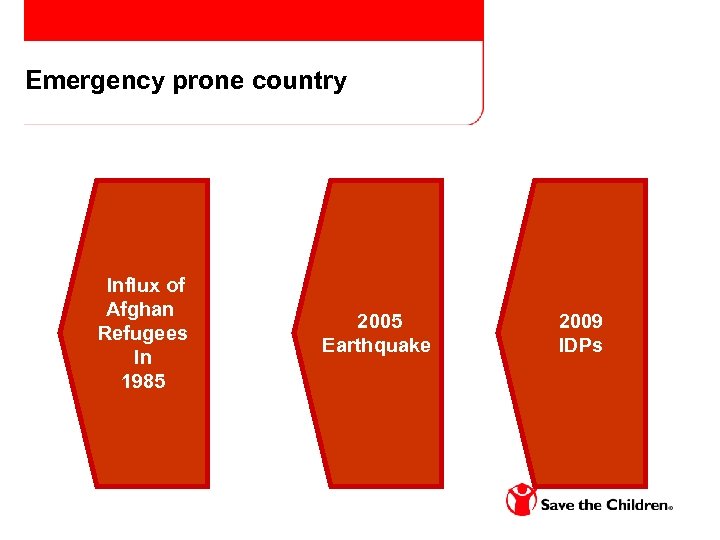 Emergency prone country Influx of Afghan Refugees In 1985 2005 Earthquake 2009 IDPs
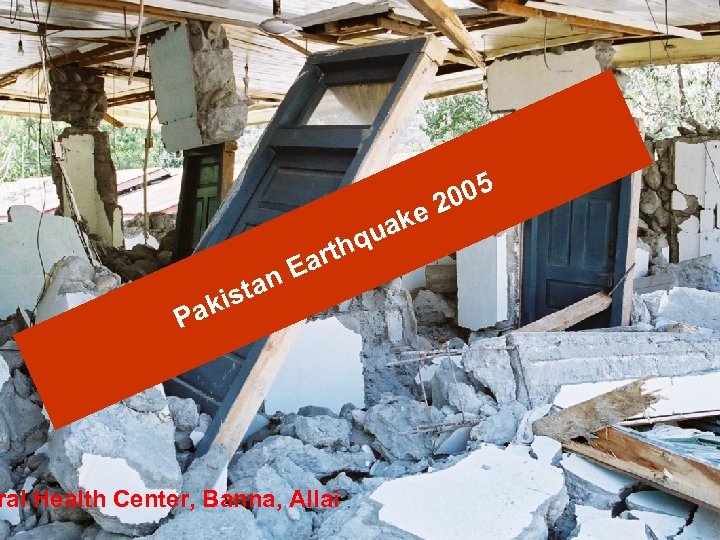 uak hq tan is art E ak P ral Health Center, Banna, Allai 005 e 2
 The Objective To revitalize, strengthen and provide primary health care services in district Batgram through a public private partnership initially for a period of two years
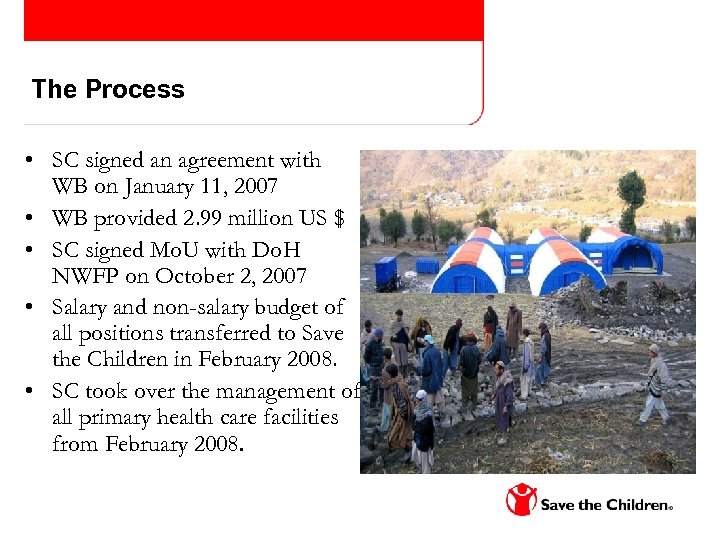 The Process • SC signed an agreement with WB on January 11, 2007 • WB provided 2. 99 million US $ • SC signed Mo. U with Do. H NWFP on October 2, 2007 • Salary and non-salary budget of all positions transferred to Save the Children in February 2008. • SC took over the management of all primary health care facilities from February 2008.
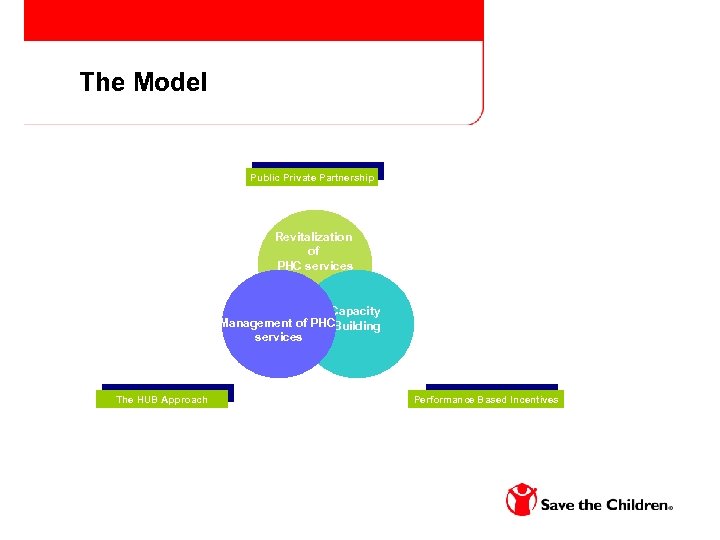 Regional Evidence The Model Management of PHC services Revitalization of PHC services Public Private Partnership Revitalization of PHC services Capacity Management of PHC Building services Local Evidence The HUB Approach Performance Based Incentives
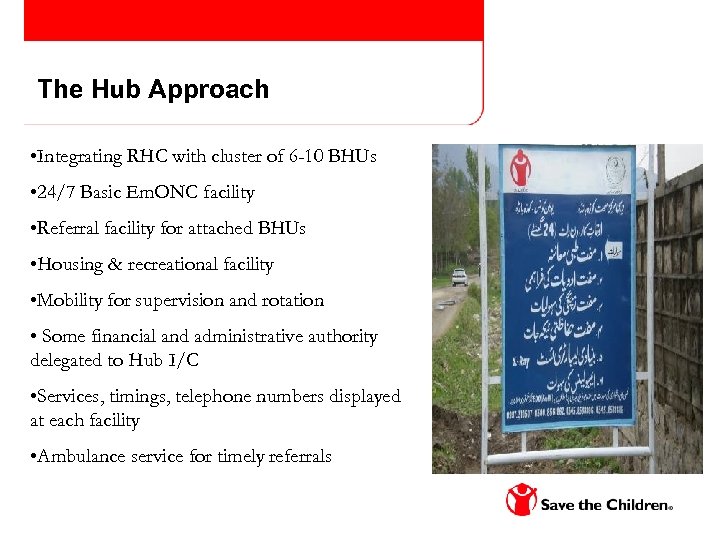 The Hub Approach • Integrating RHC with cluster of 6 -10 BHUs • 24/7 Basic Em. ONC facility • Referral facility for attached BHUs • Housing & recreational facility • Mobility for supervision and rotation • Some financial and administrative authority delegated to Hub I/C • Services, timings, telephone numbers displayed at each facility • Ambulance service for timely referrals
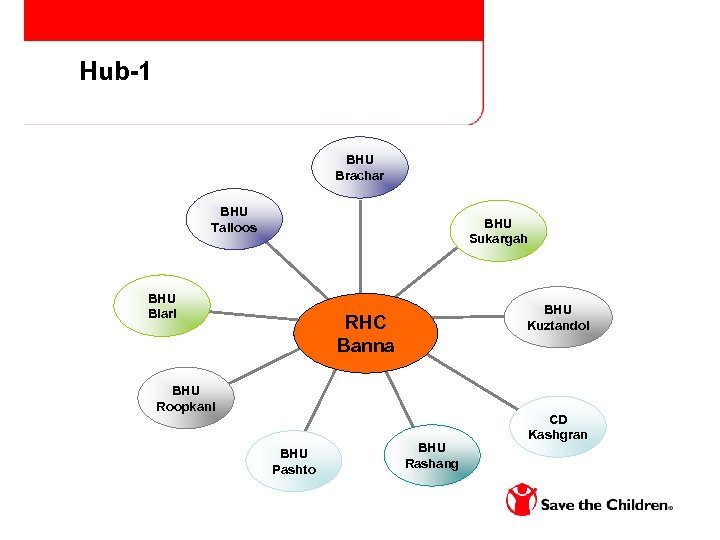 Hub-1 BHU Brachar BHU Tailoos BHU Sukargah BHU Biari BHU Kuztandol RHC Banna BHU Roopkani BHU Pashto BHU Rashang CD Kashgran
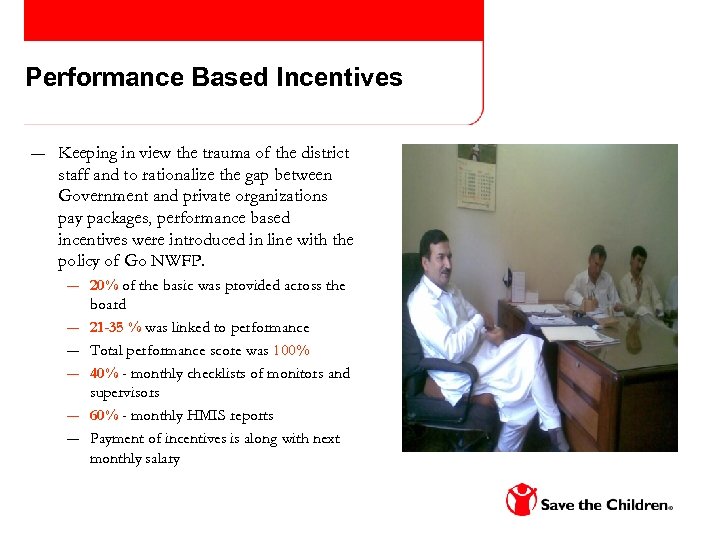 Performance Based Incentives ― Keeping in view the trauma of the district staff and to rationalize the gap between Government and private organizations pay packages, performance based incentives were introduced in line with the policy of Go NWFP. ― 20% of the basic was provided across the board ― 21 -35 % was linked to performance ― Total performance score was 100% ― 40% - monthly checklists of monitors and supervisors ― 60% - monthly HMIS reports ― Payment of incentives is along with next monthly salary
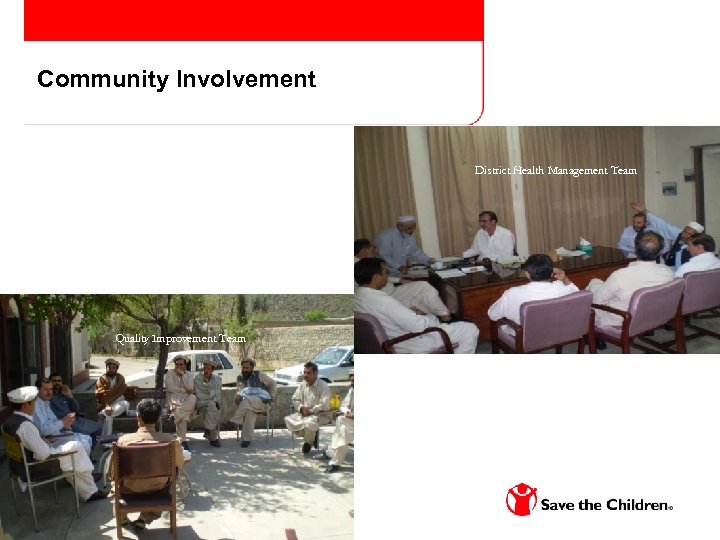 Community Involvement District Health Management Team Quality Improvement Team
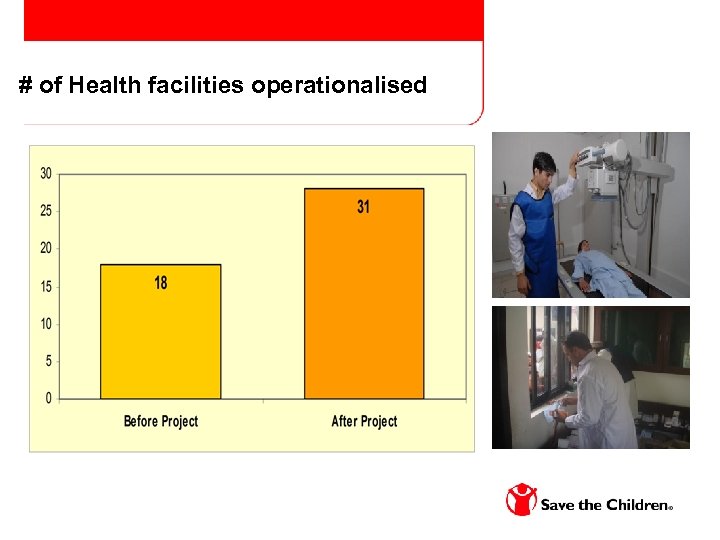 # of Health facilities operationalised
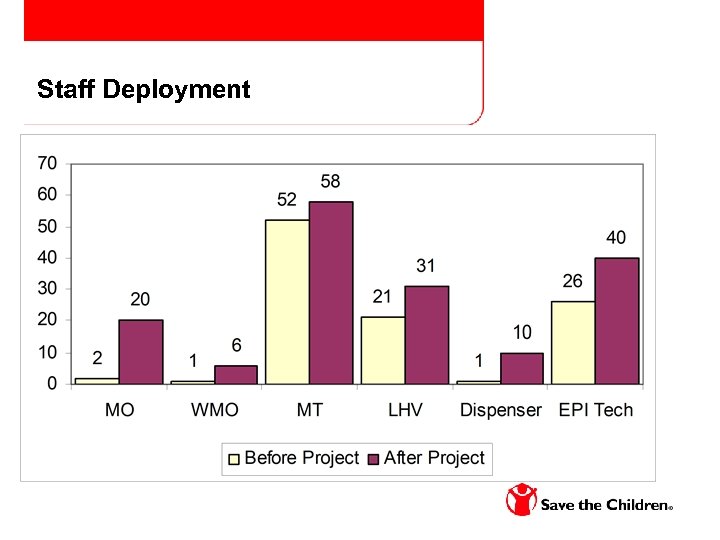 Staff Deployment
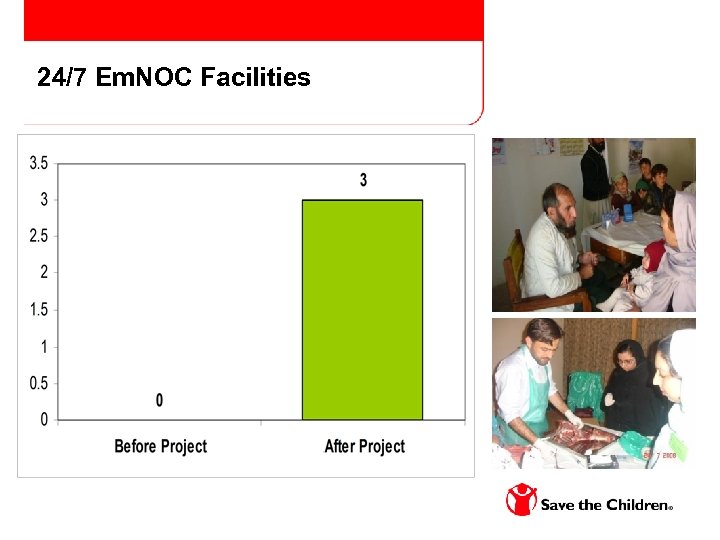 24/7 Em. NOC Facilities
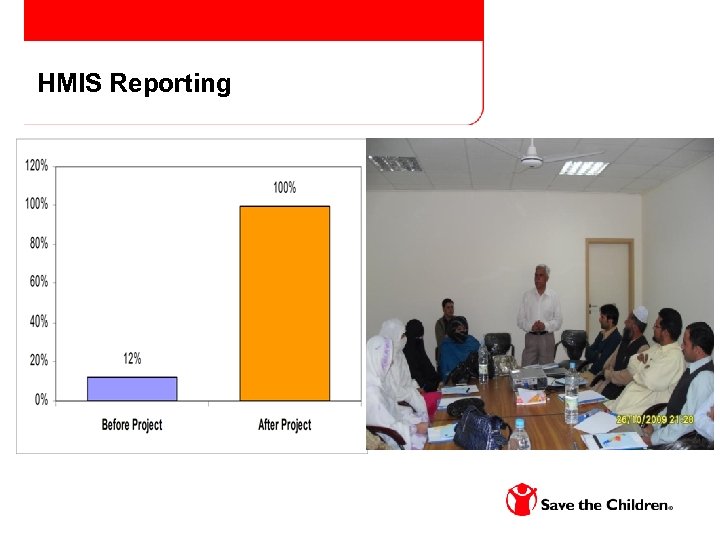 HMIS Reporting
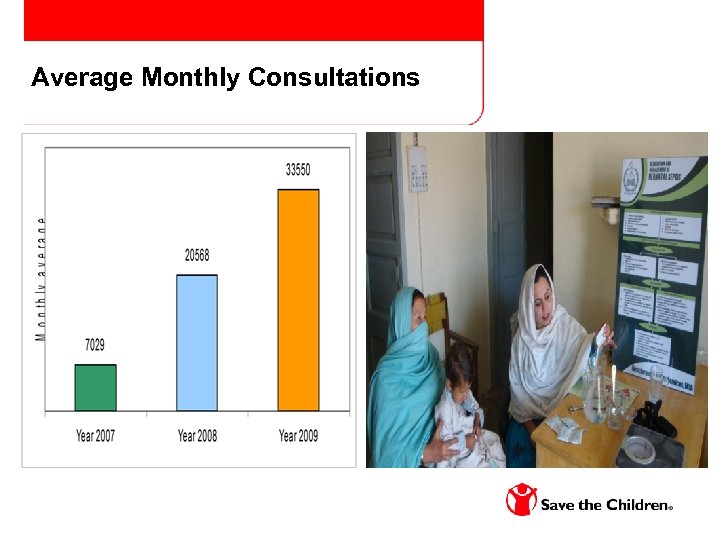 Average Monthly Consultations
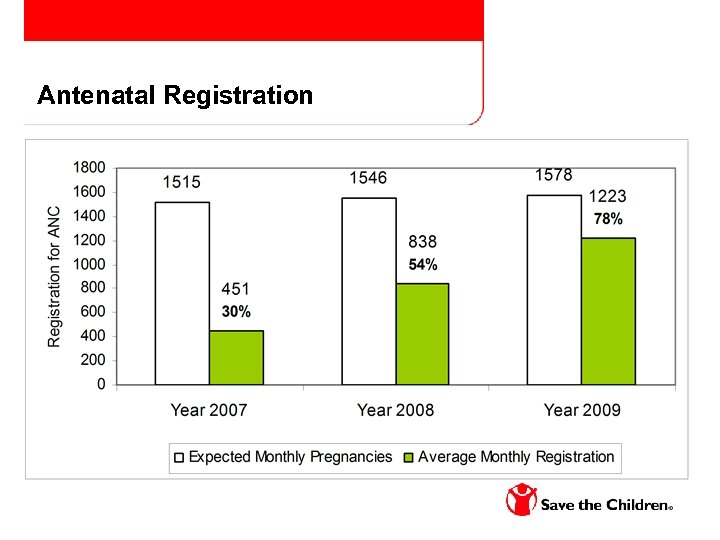 Antenatal Registration
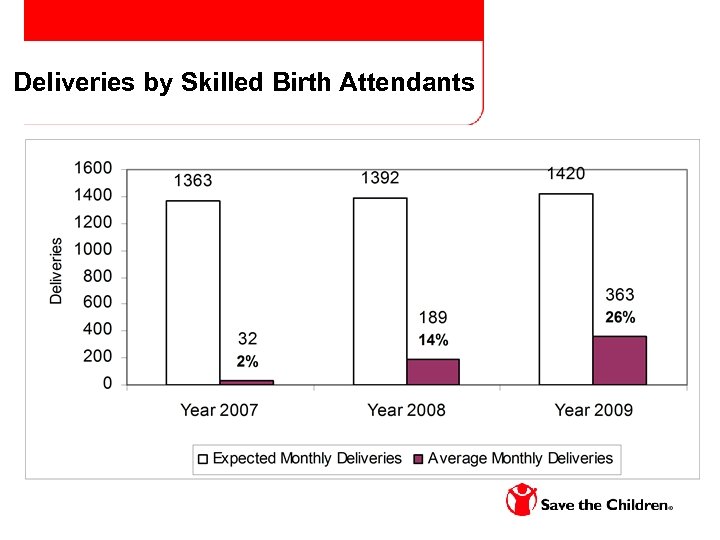 Deliveries by Skilled Birth Attendants
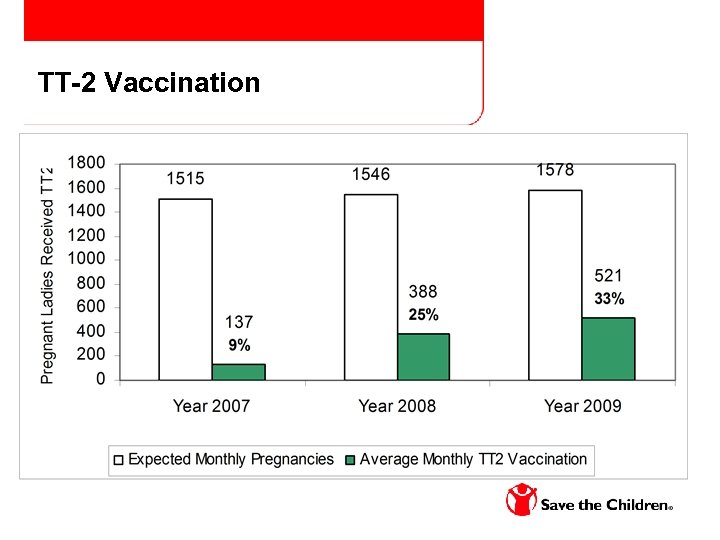 TT-2 Vaccination
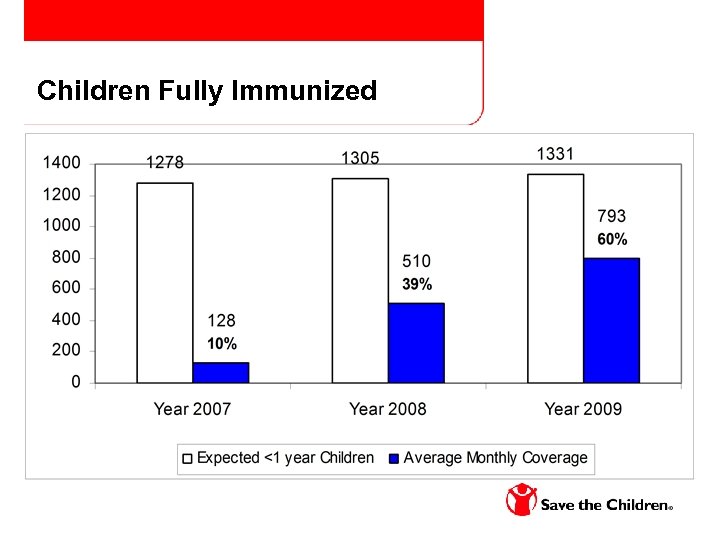 Children Fully Immunized
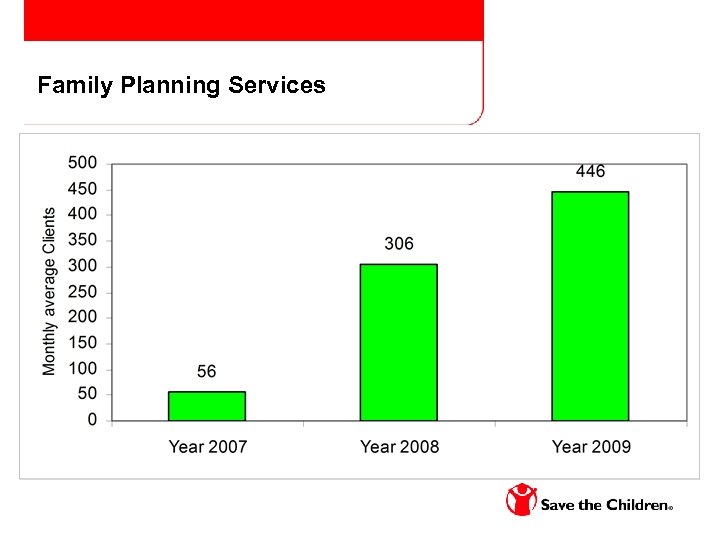 Family Planning Services
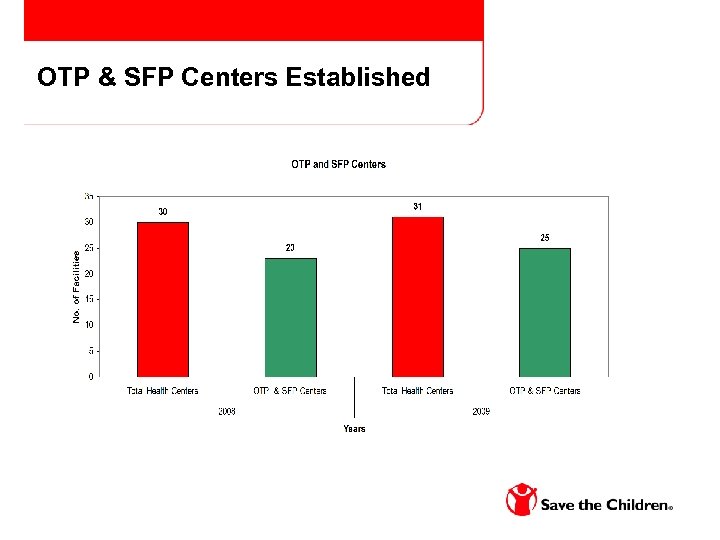 OTP & SFP Centers Established
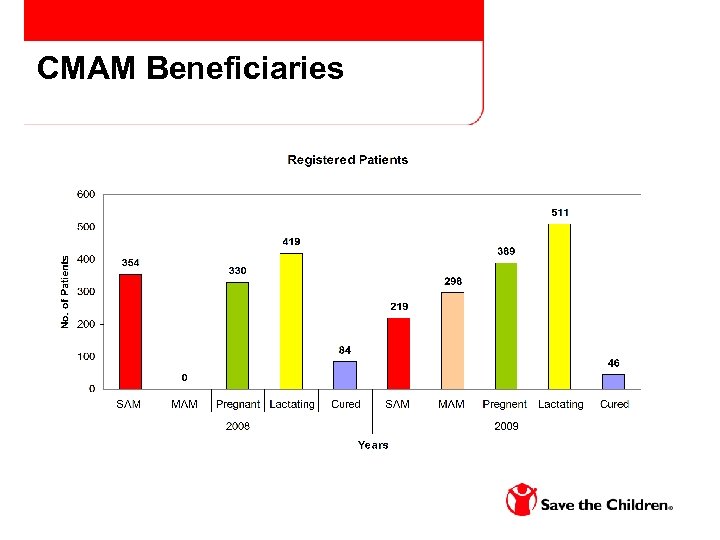 CMAM Beneficiaries
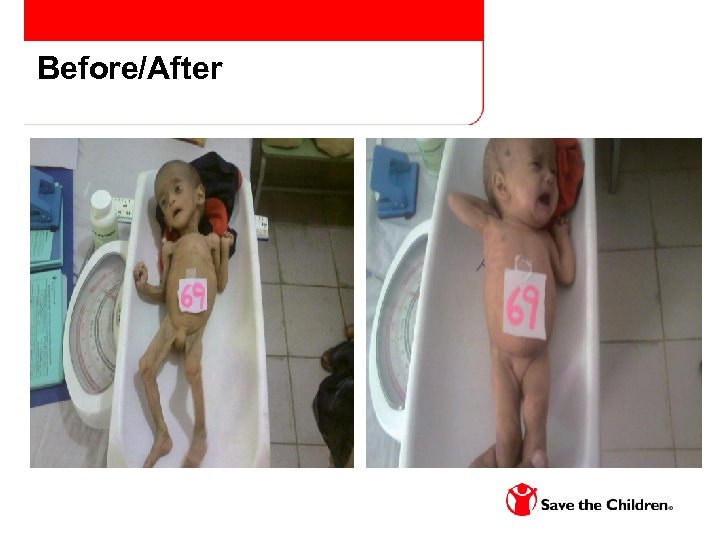 Before/After
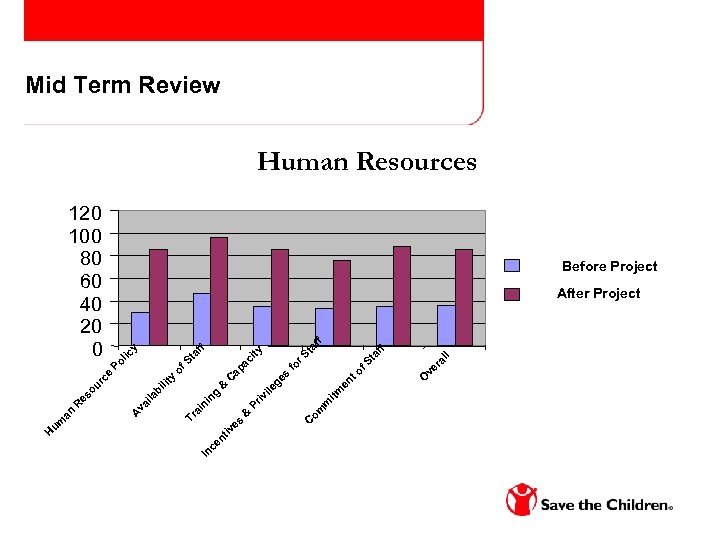 C tiv es ce n In C s l ta ff al ve r O f. S ff ta fo r. S ci ty af f St ap a of y lic Po en to itm m & ile ge Pr iv om & ng ni ai Tr y lit bi la ur ce es o va i R 120 100 80 60 40 20 0 A an um H Mid Term Review Human Resources Before Project After Project
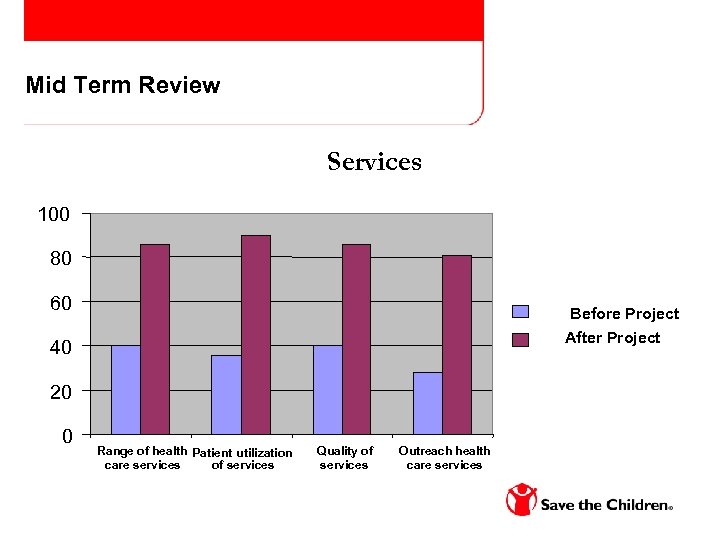 Mid Term Review Services 100 80 60 Before Project After Project 40 20 0 Range of health Patient utilization care services of services Quality of services Outreach health care services
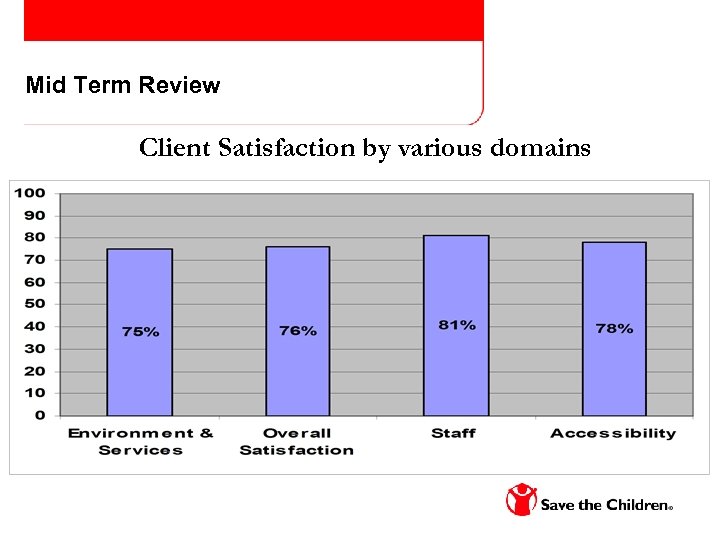 Mid Term Review Client Satisfaction by various domains
 Lessons Learnt • Keeping district stakeholders on board helped to overcome resistance from Government staff • Performance based incentives coupled with clarity around job descriptions, capacity building and improved supervision brought staff absenteeism to zero and HMIS reporting to 100% • Providing conducive working & living conditions ensured deployment of female staff
 Lessons Learnt • Improvement in availability and quality lead to enhanced utilization of PHC services • Delegating more powers to accountable managers at HUB level paved the way for improved supervision • More time required to implement the transition strategy of delegating more authority to HUB managers and institutionalisation of AHMTs and QITs into district health system
 Thanks