 Скачать презентацию Strategies for sustaining libraries and some new forms
618210b839d3088e0661f8b09c4f3aaf.ppt
- Количество слайдов: 64



Strategies for sustaining libraries and some new forms of scholarly communication Daniel Greenstein Vice Provost, Academic Planning and Programs University of California
Academic libraries …provide scholars with the information they need for teaching, research, and learning And they play vital roles in the dissemination of knowledge (that is, in scholarly communication)
In a print / analog world… Access to information required physical proximity to it So academic libraries built up a host of services around the care and feeding of books and manuscripts and the many other physical objects that carried information
In our pervasively networked world… where print materials are so ubiquitously available in digital form and where digital materials are the primary source for all publications (in all formats, even print), academic libraries will change fundamentally to preserve their mission
They will change everything In order to remain the same
And they will do this at a time • of global economic recession • a secular trend toward public divestment from higher education • when university budgets are under more pressure than ever before and so likely without much in the way of “new funding”
Our academic users will be the principal drivers of this change We ignore them at our peril
They want everything digitally, if possible, please
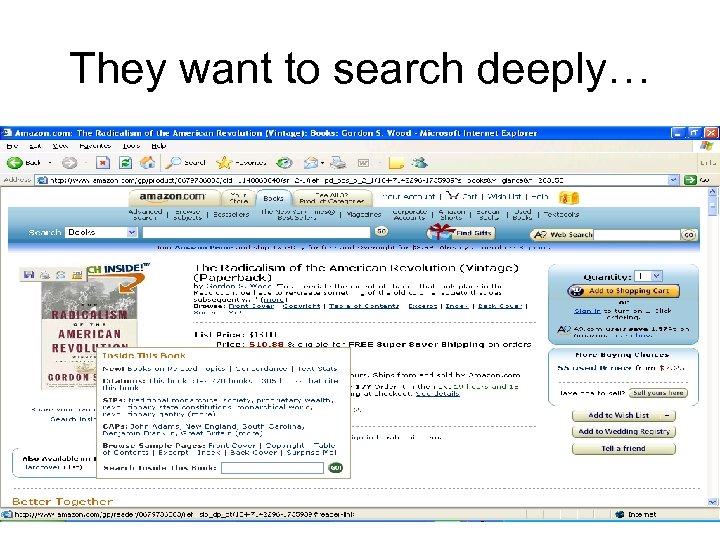
They want to search deeply…
across everything – books, journals, images, databases
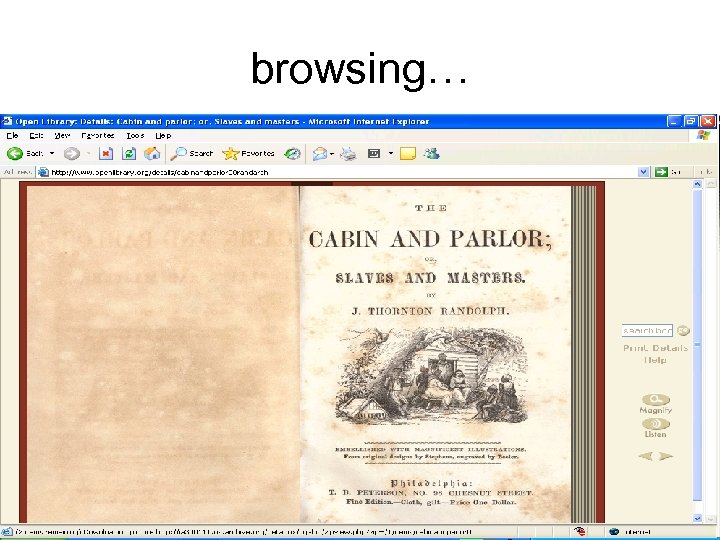
browsing…
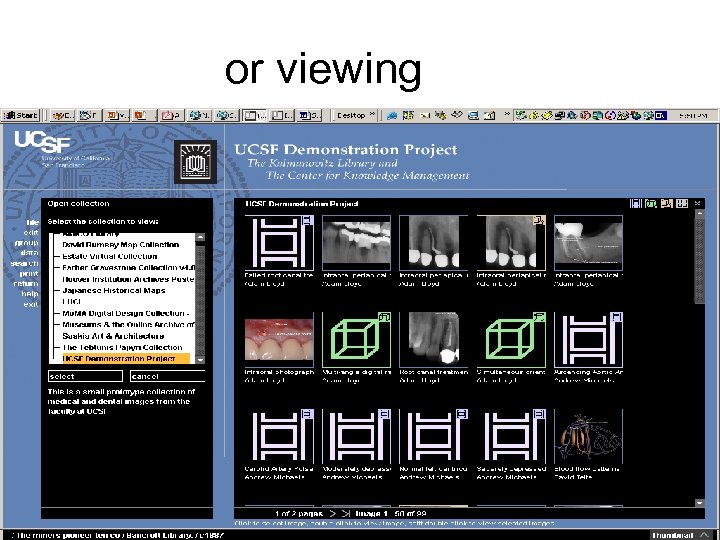
or viewing
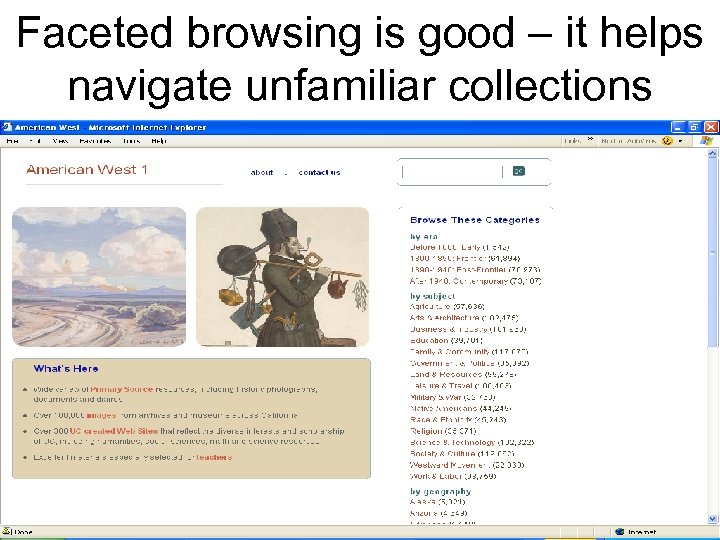
Faceted browsing is good – it helps navigate unfamiliar collections
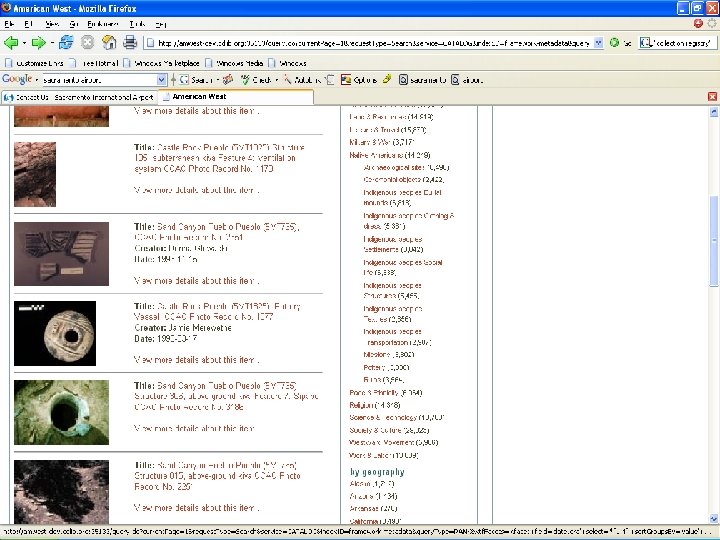
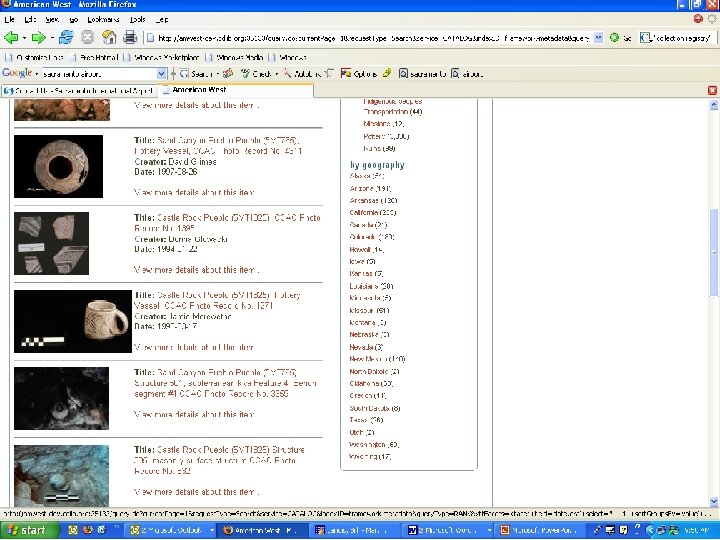
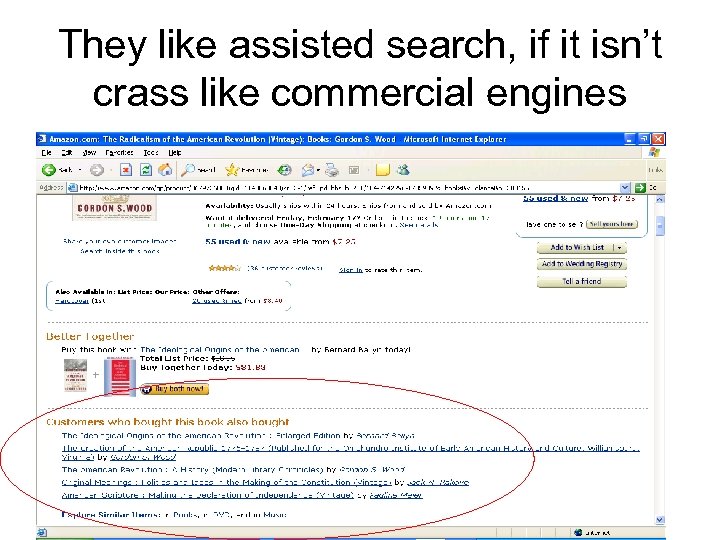
They like assisted search, if it isn’t crass like commercial engines
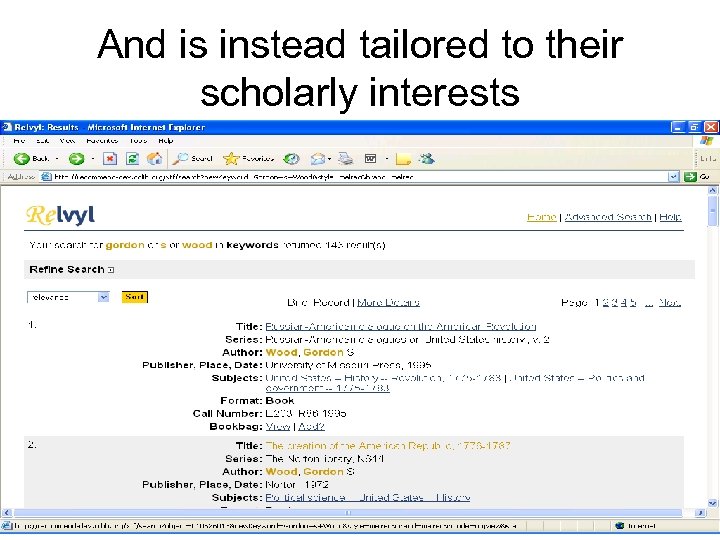
And is instead tailored to their scholarly interests
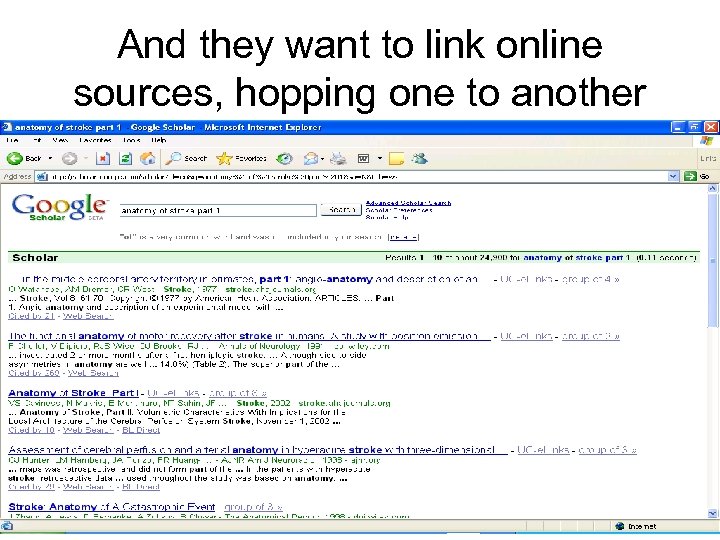
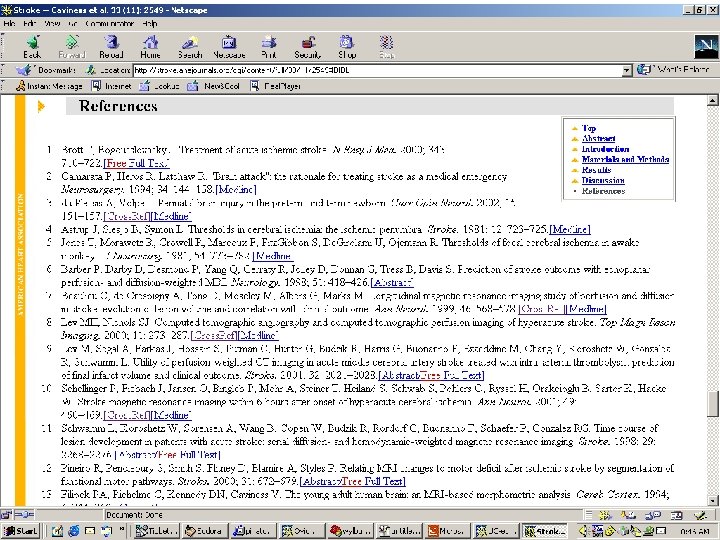
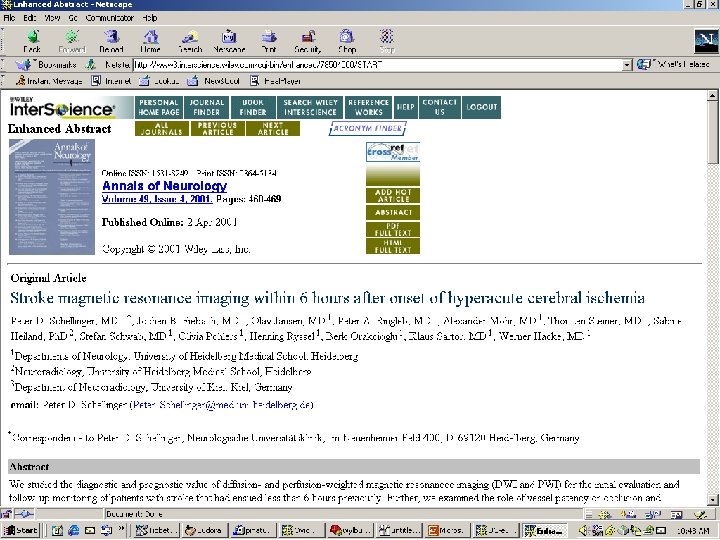
And they want to link online sources, hopping one to another
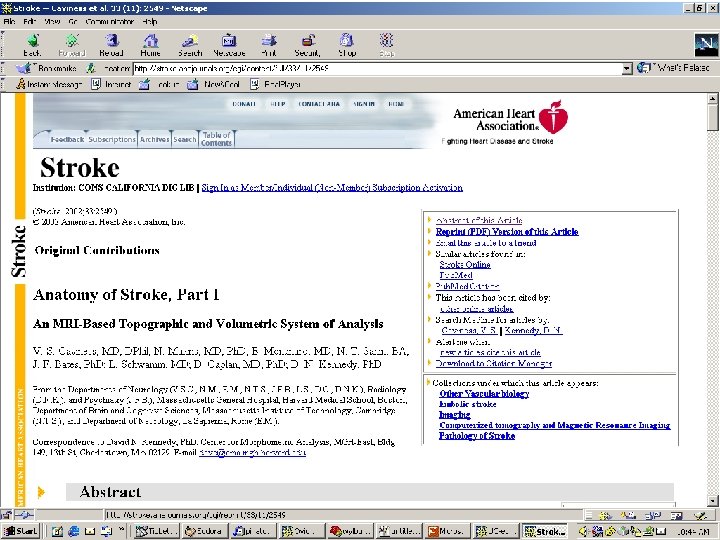
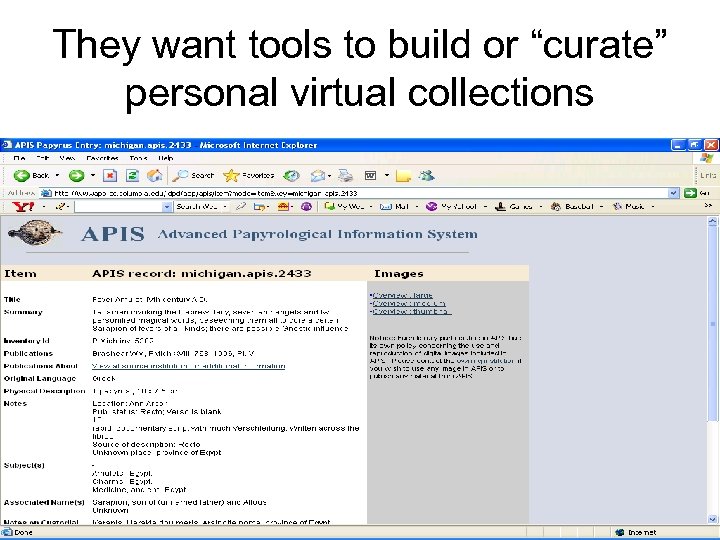
They want tools to build or “curate” personal virtual collections
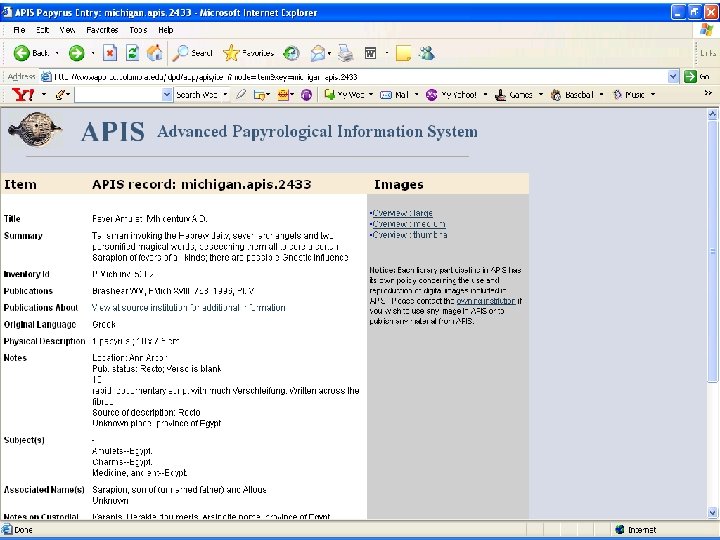

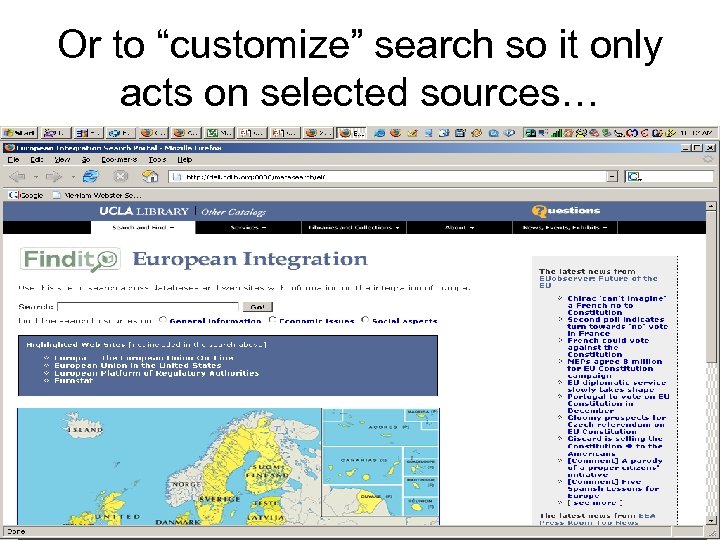
Or to “customize” search so it only acts on selected sources…
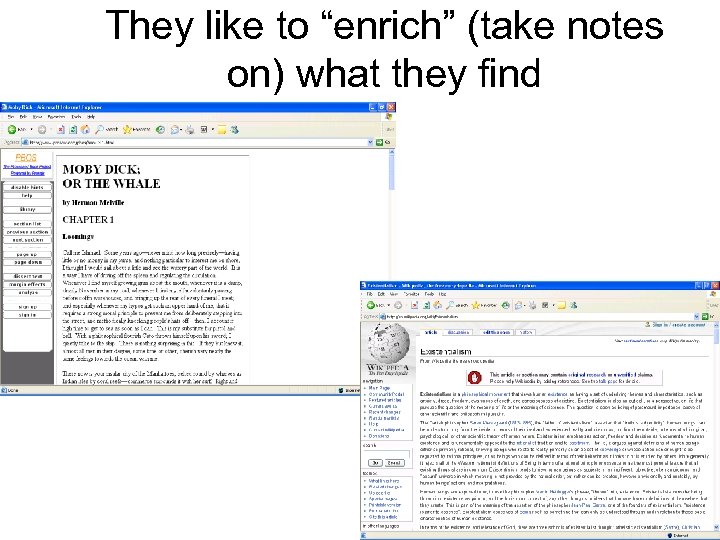
They like to “enrich” (take notes on) what they find
Oh… and can you still maintain the special collections, please? You know: • Manuscripts • Maps • Prints and photographs • Record books and censuses • Legislative and judicial materials
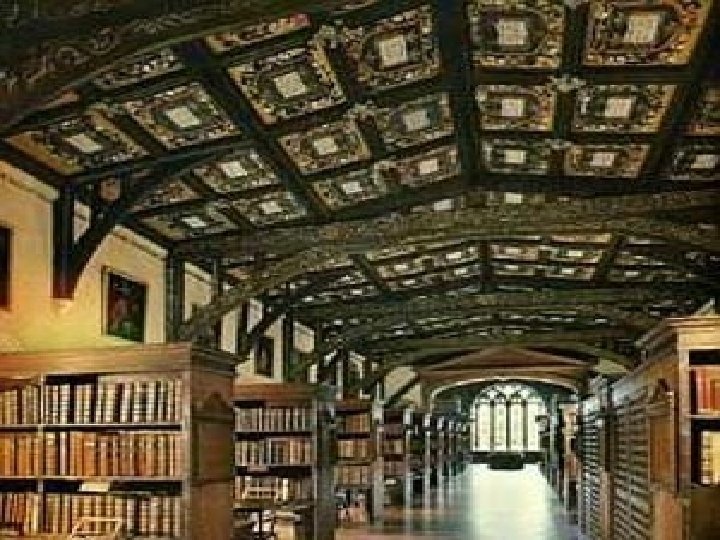
…and all this only ensures academic libraries keep pace with “traditional” services as they are translated into a digital domain
Scholars also have a host of wholly new needs… That libraries may be called upon to address
They want support for “alternative” forms of scholarly publishing, that promise quickly to disseminate…
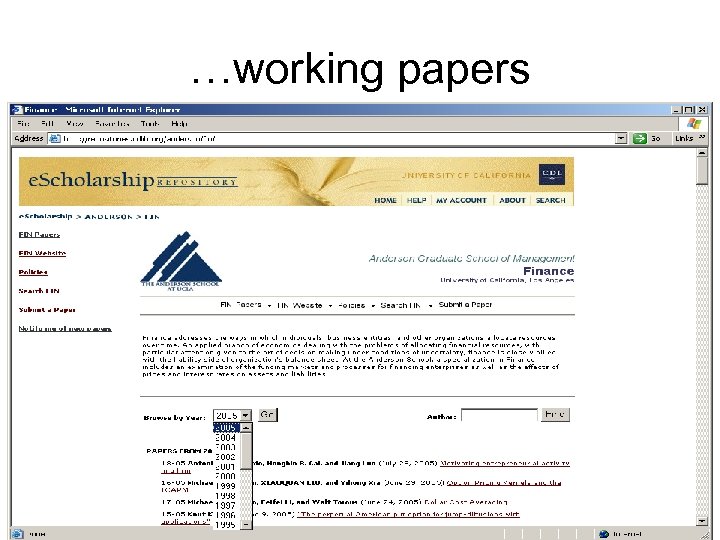
…working papers
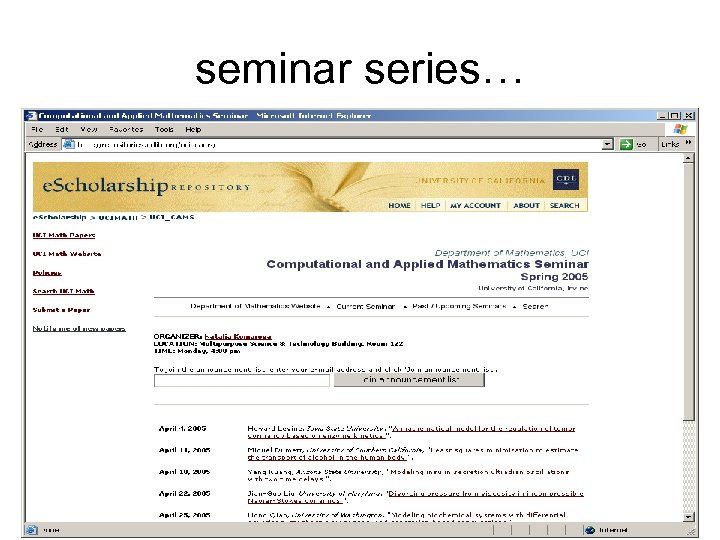
seminar series…
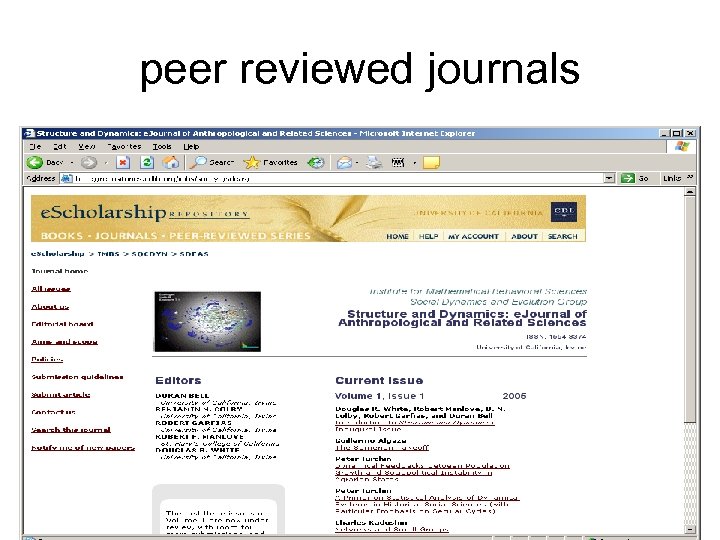
peer reviewed journals
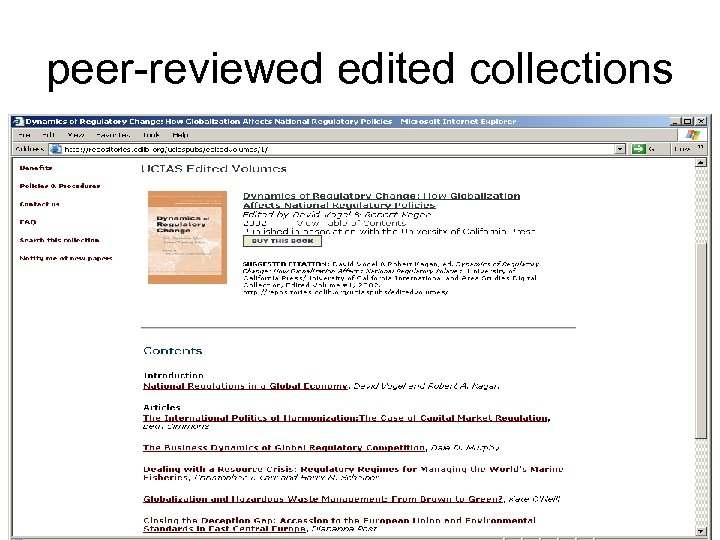
peer-reviewed edited collections
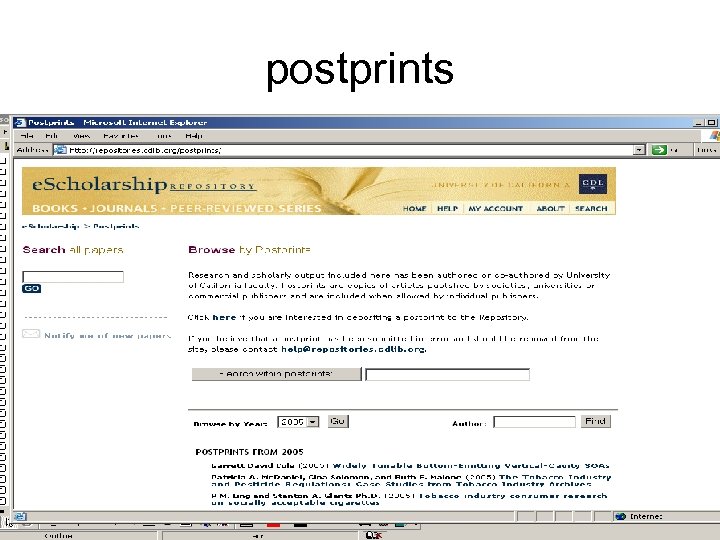
postprints
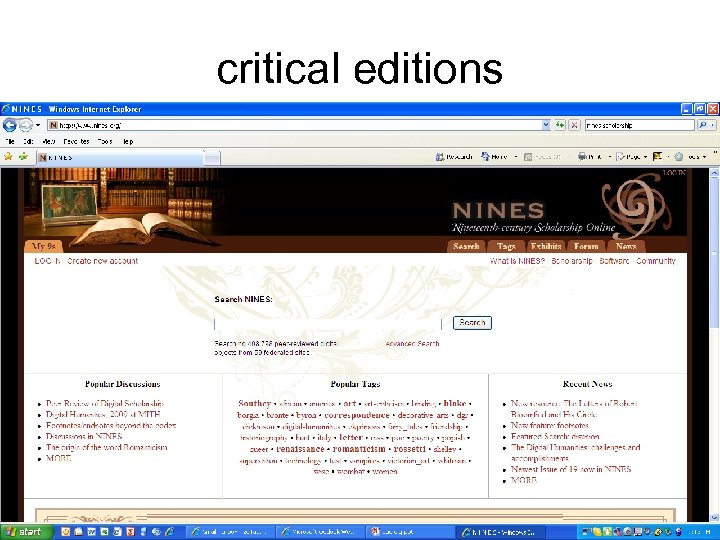
critical editions
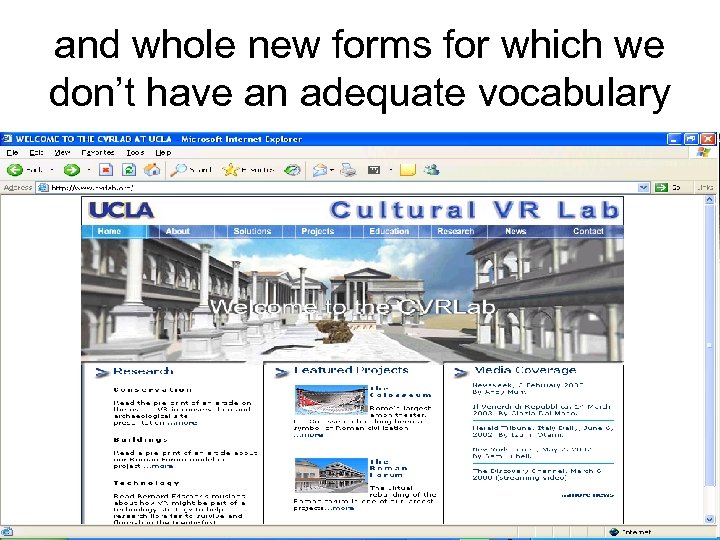
and whole new forms for which we don’t have an adequate vocabulary
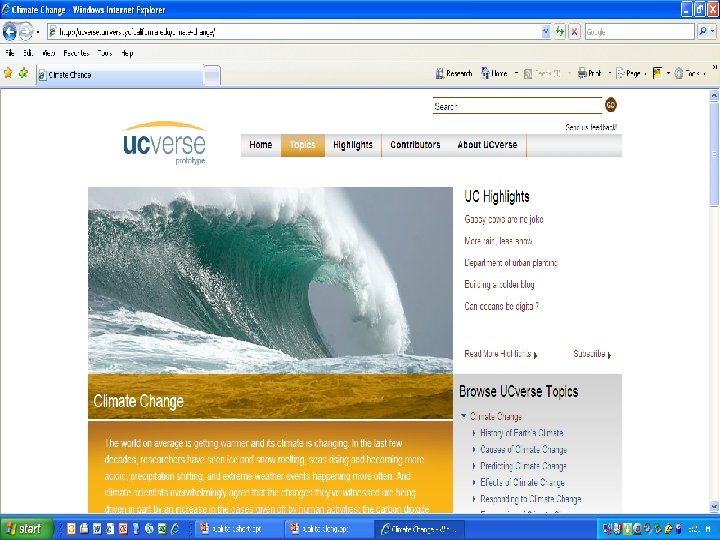
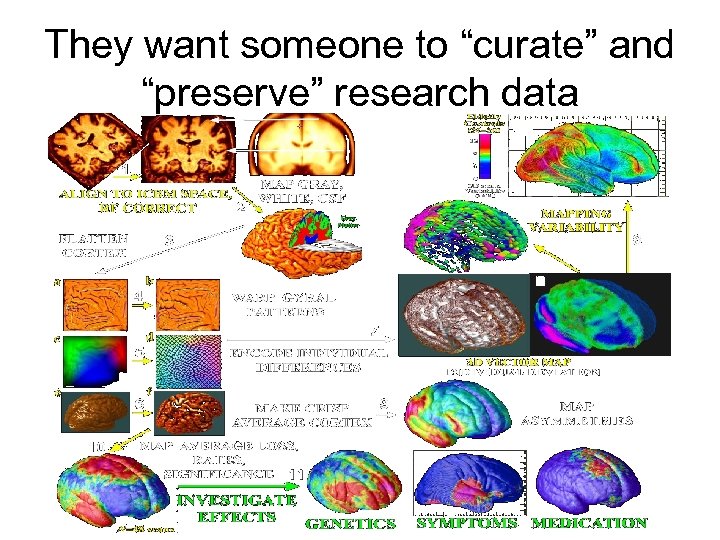
They want someone to “curate” and “preserve” research data
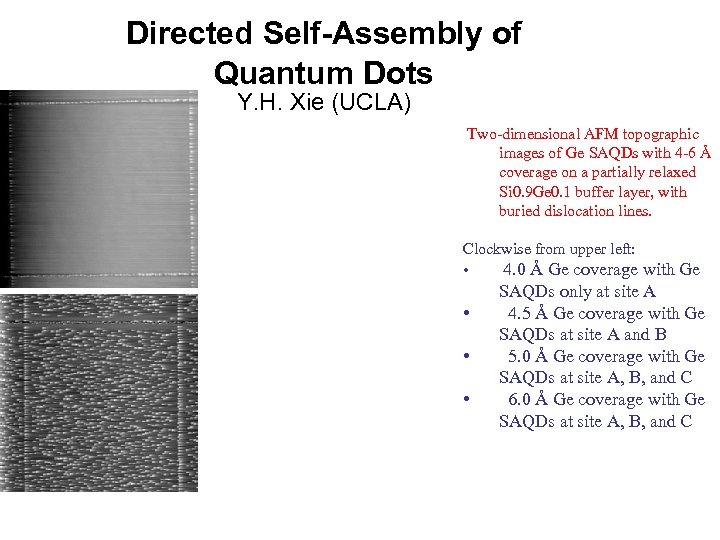
Directed Self-Assembly of Quantum Dots Y. H. Xie (UCLA) Two-dimensional AFM topographic images of Ge SAQDs with 4 -6 Å coverage on a partially relaxed Si 0. 9 Ge 0. 1 buffer layer, with buried dislocation lines. Clockwise from upper left: • 4. 0 Å Ge coverage with Ge • • • SAQDs only at site A 4. 5 Å Ge coverage with Ge SAQDs at site A and B 5. 0 Å Ge coverage with Ge SAQDs at site A, B, and C 6. 0 Å Ge coverage with Ge SAQDs at site A, B, and C
So it may be used again and again • As a next-generation scholarly resource (enter e-Science)
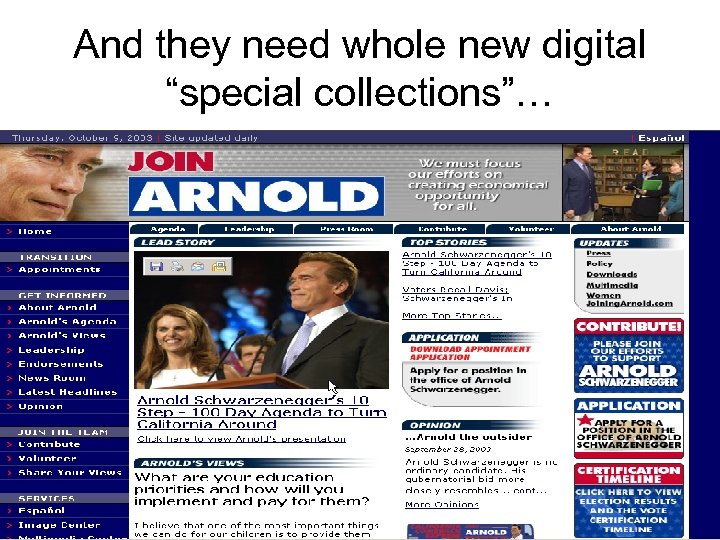
And they need whole new digital “special collections”…
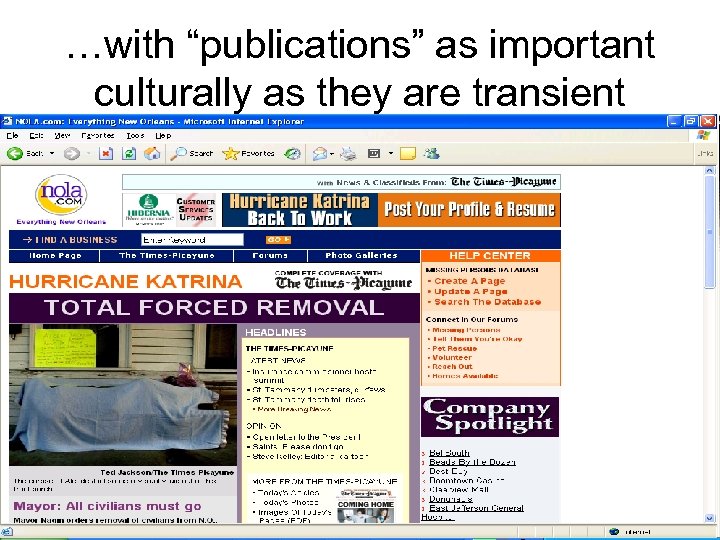
…with “publications” as important culturally as they are transient
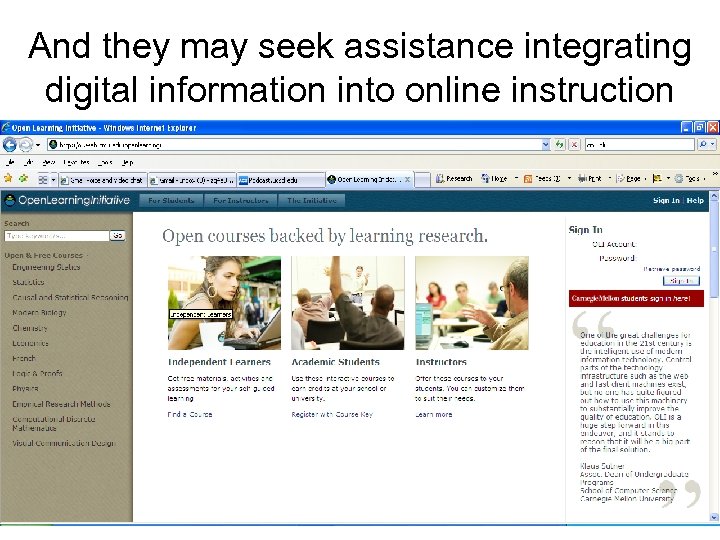
And they may seek assistance integrating digital information into online instruction
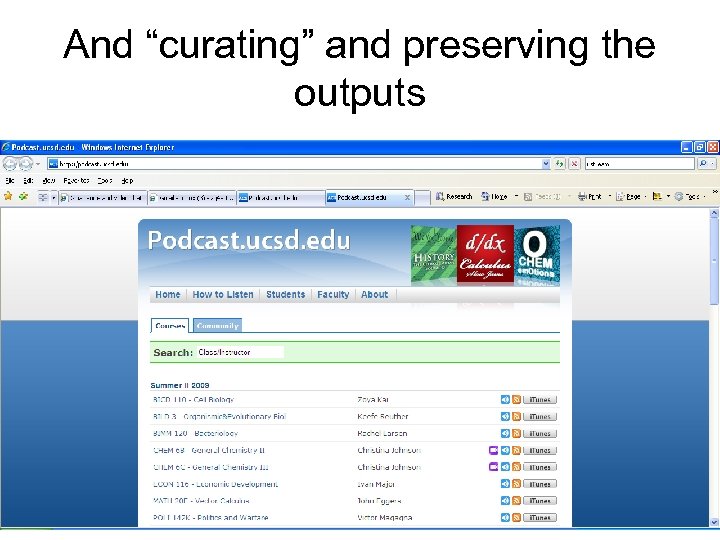
And “curating” and preserving the outputs
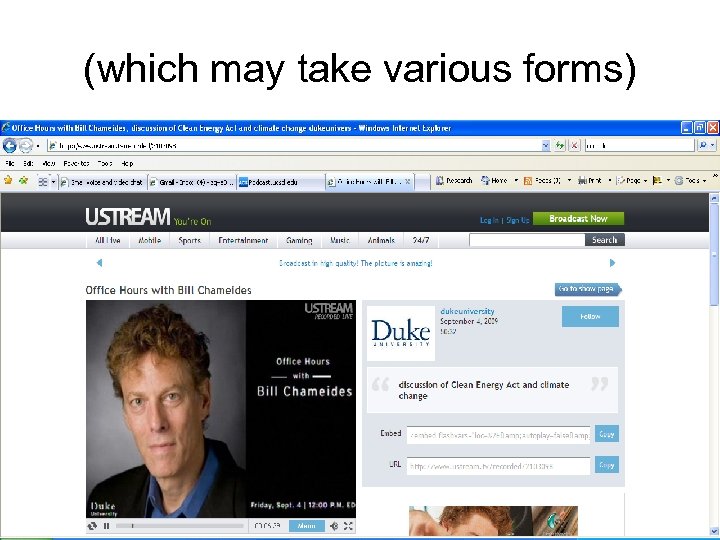
(which may take various forms)
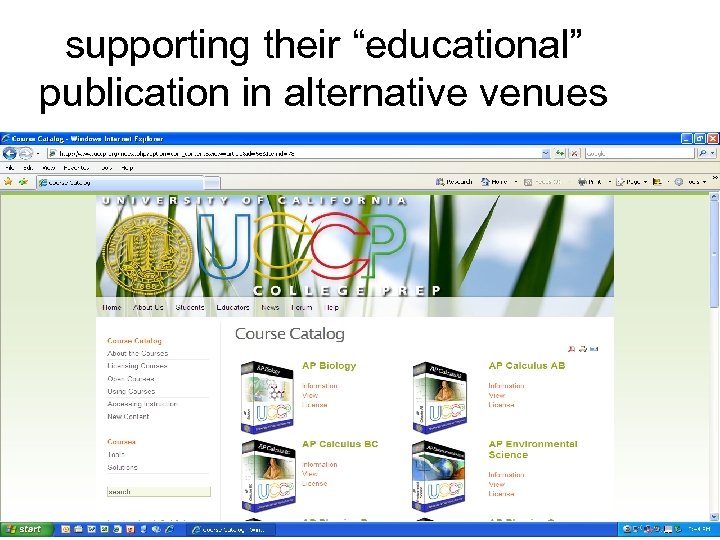
supporting their “educational” publication in alternative venues
So what is an academic library to do? Here a few ideas
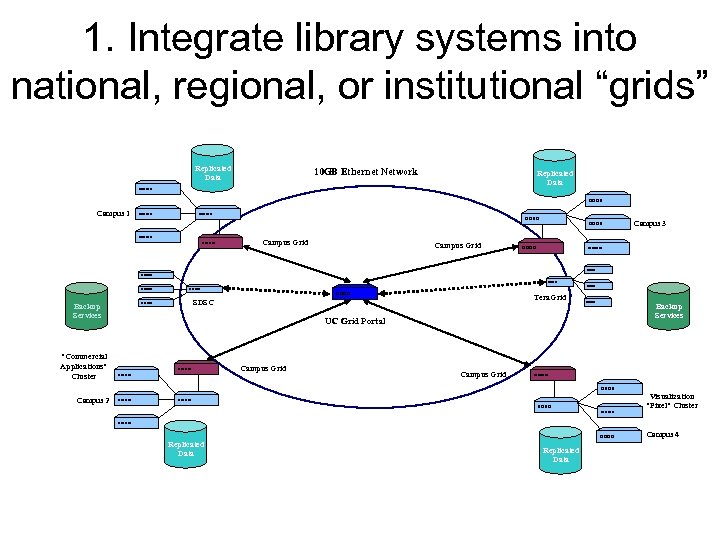
1. Integrate library systems into national, regional, or institutional “grids” Replicated Data 10 GB Ethernet Network Replicated Data Campus 1 Campus 3 Campus Grid Backup Services Campus Grid Tera. Grid SDSC UC Grid Portal “Commercial Applications” Cluster Campus Grid Backup Services Campus Grid Visualization “Pixel” Cluster Campus 2 Campus 4 Replicated Data

we can’t afford their upkeep independently
2. Share responsibility for collection development and management • Consortially license (or buy) the digital (insist on digital preservation clauses) • Build shared repositories for general print holdings that are available digitally • Build shared digital repositories to preserve digital facsimiles of print publications So you can…
3. Discard redundant collections of general print materials • They cost a bundle to maintain • and lend no distinctive value or competitive advantage
4. Share responsibility for collecting unique print materials… …using creative scan-on-demand other digital licensing arrangements to ensure access to scarcely held copies
5. Build regional or national strategies to manage unique borne digital materials that are culturally important … in partnership with rightsholders
6. Centralize and/or outsource technical (cataloging) services … they are important but not important enough to do redundantly
7. Rely heavily on third parties for the routine online services …in order to
8. Invest scarce funding in the highly innovative and specialized ones
The library of the future continues traditional function
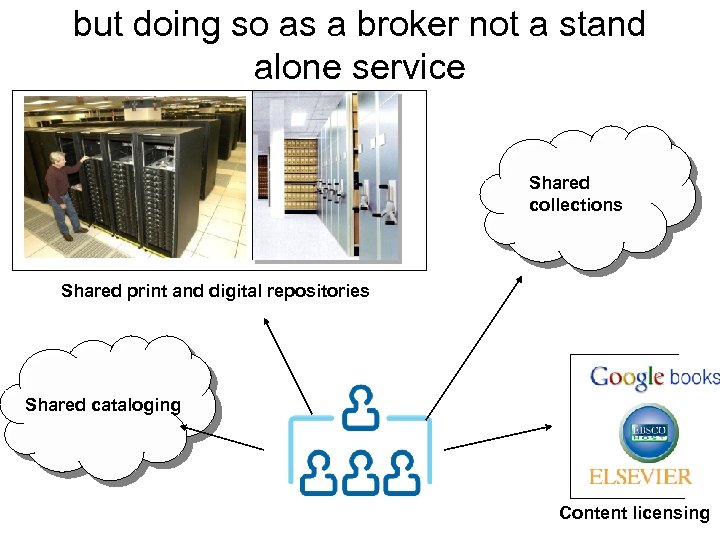
but doing so as a broker not a stand alone service Shared collections Shared print and digital repositories Shared cataloging Content licensing
Driving cost out of traditional function to allocate scarce funding to meet new user demands
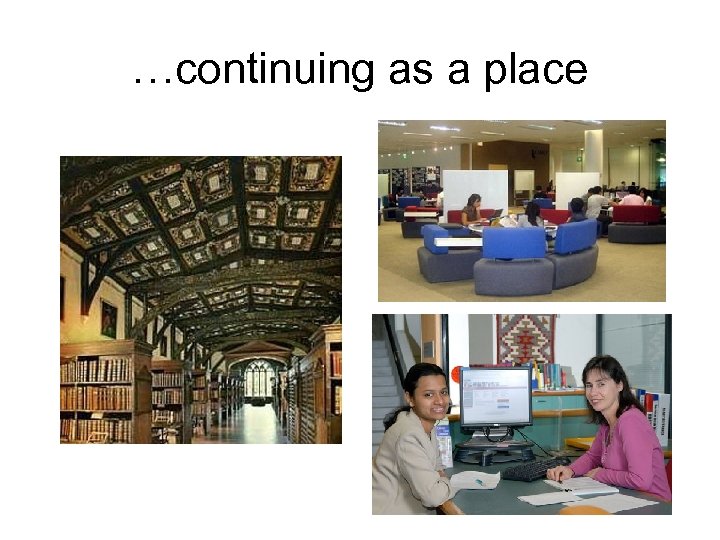
…continuing as a place
…with • some central campus location • a relatively small staff • a budget to source essential third-party services and a reinvigorated sense of purpose
Скачать презентацию Strategies for sustaining libraries and some new forms
618210b839d3088e0661f8b09c4f3aaf.ppt