 Скачать презентацию Stone and Bronzeage General Characteristics of the Stone
Stone and Bronze age.pptx
- Количество слайдов: 26



Stone and Bronzeage General Characteristics of the Stone Age, the camps on the territory of Kazakhstan. General characteristic of the Bronze Age
Periodisation Ø Stone age ØPaleolithic - 2, 5 mln-12 millennium B. C. ØMesolithic – 12 mill. - 7 mill. B. C. ØNeolithic- second half of 7 mill. -3 mill. B. C. ØChalcolithic - 3 mill. B. C. -2 mill. B. C. Ø Bronze Age- 2 mill. B. C. - 8 c. B. C.

age
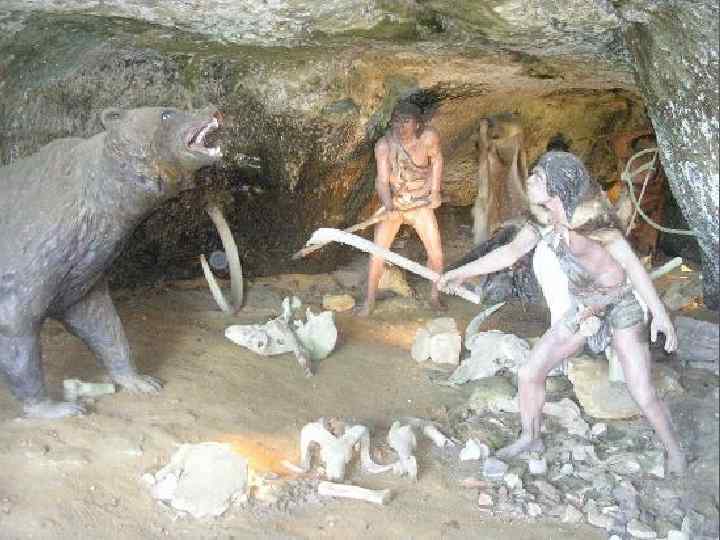
v v v Ancient Paleolithic (from the Greek, the ancient stone), Old Stone Age. Paleolithic - the era of human evolution, his thinking ability, productive activities and culture. It covered the time from about 2, 5 million to 12 millennium years ago. Middle Paleolithic v We do not know much about early people because they lived long before a word of their history was written, but we can learn something from their skeletons, weapons and the remains of their dwellings which have been found. They used stone weapon and tools. Bone tools were used during this period as well, but are more rarely preserved in the archaeological record. v A lot of the Middle Paleolithic settlements were found in southern Kazakhstan and Central Kazakhstan.
Late (Upper) Paleolithic (40 -12 thousand years BC) Time of formation of human physical type of modern Homo Sapiens. With the advent of a reasonable person purely animal instincts and principles replaced with new ones. "Prehistoric human herd" is becoming a human society - tribal communities. The most important feature of the clan of primitive human herd is exogamy, prohibition on marriage within the community. Thus, we see the emergence of new "non-biological" regulations of the relationship between human beings.
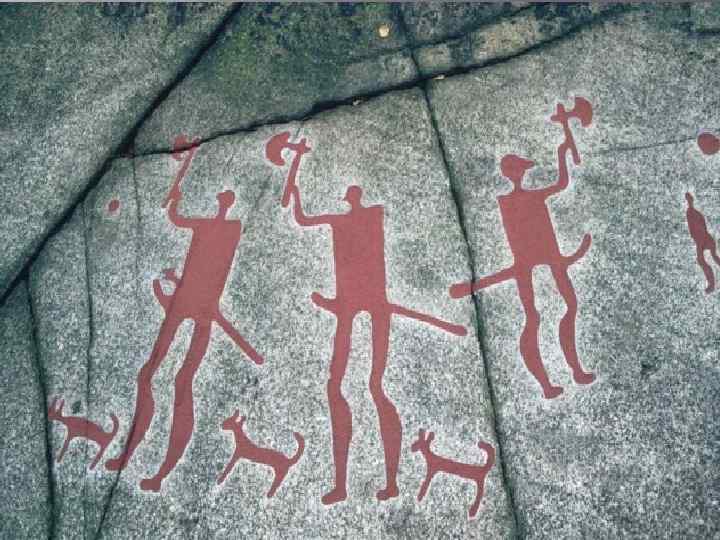
Mesolithic (12 mill. - 7 mill. B. C. ) v In the Mesolithic the natural environment took a modern appearance, there was a completion of the glacial period. v Primitive man has inhabited many parts of Kazakhstan. The ancient people of Kazakhstan were settled primarily in Central Kazakhstan and in the valleys of the rivers Irtysh, Ishim, Tobol, and Ural, Turgay. v long-range weapons - bows and arrows. v dog was probably domesticated
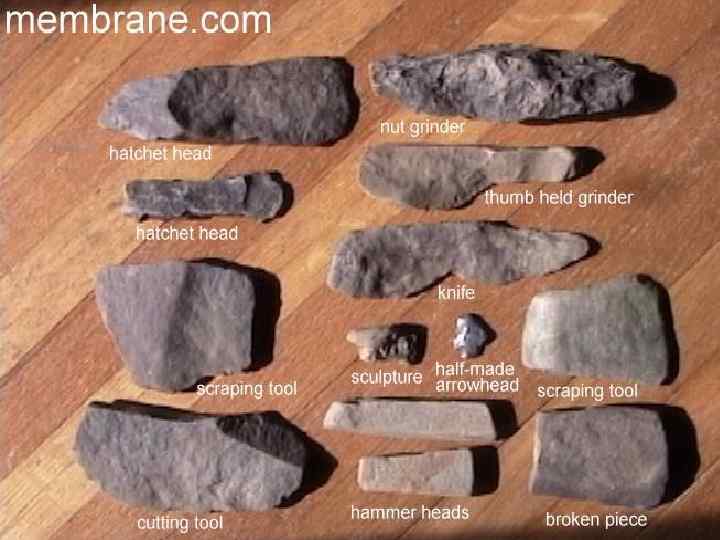
Neolithic (second half of 7 mill. -3 mill. B. C. ) transition from non-producing (gathering and hunting) for producing way of labor (agriculture and animal husbandry), The later Neolithic Stone Age characterized by the use of flint, bone and stone tools made by the technique of drilling, sawing and grinding, and the prevalence of pottery. There were the beginnings of mining and weaving.
"Neolithic revolution“ The revolutionary period of prehistory began when humans abandoned the nomadic hunting and gathering existence they had known for millennia to take up a completely new way of life -- the decisive move to farming and herding, to permanent settlements and the discovery of metals. The emergence of new types of economy was of great importance for the development of human society, has expanded the area of employment opportunities and at the same time qualitatively changed its character. The entire subsequent history of thousands years of human economic activity is largely the history of development and improvement of these two types of activity.
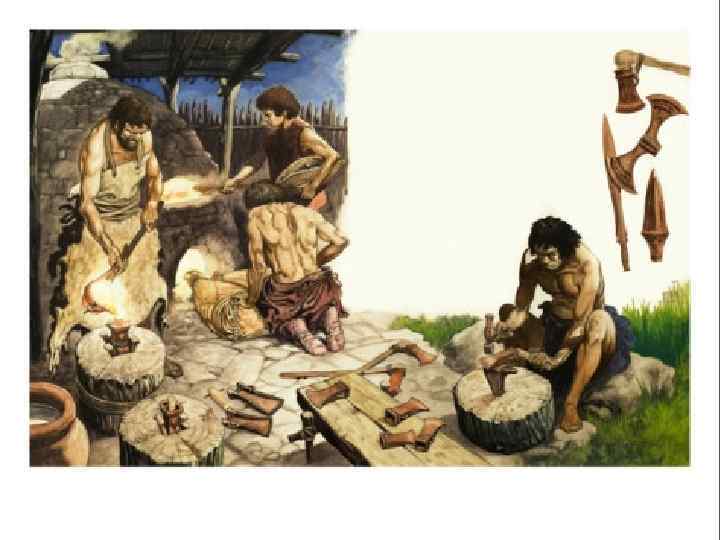
v Innovation of the technique of smelting ore ended the Stone Age and began the Age of Metals. v The first most significant metal manufactured was bronze, an alloy of copper and tin, each of which was smelted separately. v The transition from the Stone Age to the Bronze Age was a period during which modern people could smelt copper, but did not yet manufacture bronze, a time known as the Copper Age, or more technically the Chalcolithic, "copper-stone" age
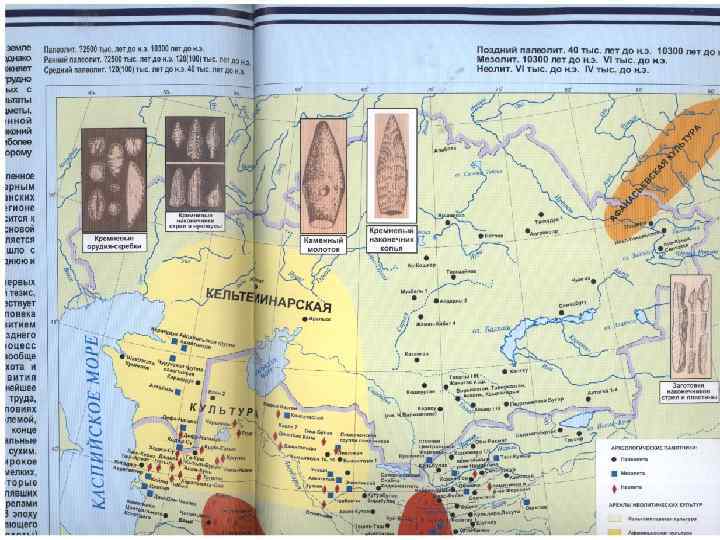
Chalcolithic Chalcolithic - 3 -2 millenium BC , the transition from the Stone to the Bronze Age. In the Chalcolithic period stone tools predominate, but significantly the appearance of copper and bronze. The Chalcolithic is the initial period of the Bronze Age and is unquestionably part of the Age of Metals. The Bronze Age was followed by the Iron Age. During this entire time stone remained in use in parallel with the metals for some objects, including those also used in the Neolithic, such as stone pottery. about 600 historical monuments of the that time have been identified. In western Kazakhstan Kelteminarskaya culture in Akmola Atbasar culture, Mahandzhar culture, most of the monuments is located in the Torgai
v v v v Paleolithic and Neolithic settlements Shabakty, Tenirkazgan, Borykazgan, Kanai, Akkol, Shakpak – lower Paleolithic Batpak, Karabas, Kanai – late Paleolithic Sarykamys, Kulsary, Atbasar, Karaungur - Neolithic Botay, Shebir, Mangystau -Chalcolithic Economic changes emerging in Neolithic period led to the end of the 2 millennium to the formation of pastoral-agricultural economy and high level of metallurgy. The transition to an economy of producing type radically changed the whole situation on the territory of Kazakhstan. Mobile, energetic pastoral tribes formed a large and powerful tribal unions.
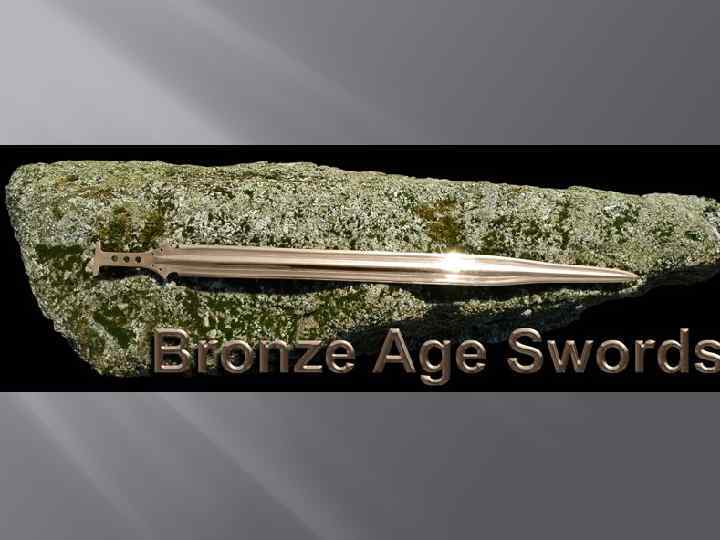
Bronze period peridization v v v Early XVIII- XV cc. B. C Middle XV- XII cc B. C. Late XII –VIII cc. B. C. Tribes living of the Kazakhstan in the Bronze Age left settlements, burial sites, mines, rock carvings. The excavations were carried out here in 1913 by B. V. Andrianov. In 1927, archaeologist M. P. Gryaznov found similar burials in western Kazakhstan, and determined that the Andronovo culture, monuments spread over a wide area. The “Andronovo Cultural Community” is the name used to describe a cultural phenomenon that became widespread across the Eurasian steppes during the second millennium BC The Bronze Age is the starting point of ethnogenetic process in Kazakhstan.

Bronze Age settlements Tamgaly, Tasty-Butak, Algabas, Atasu, Dandybai, Novonikolskoe, Begazy, Kanai
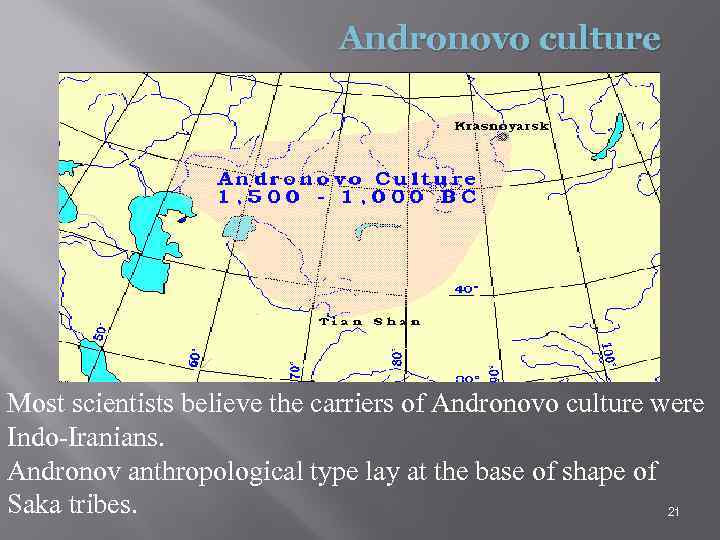
Andronovo culture Most scientists believe the carriers of Andronovo culture were Indo-Iranians. Andronov anthropological type lay at the base of shape of Saka tribes. 21
ANDRONOV CULTURE
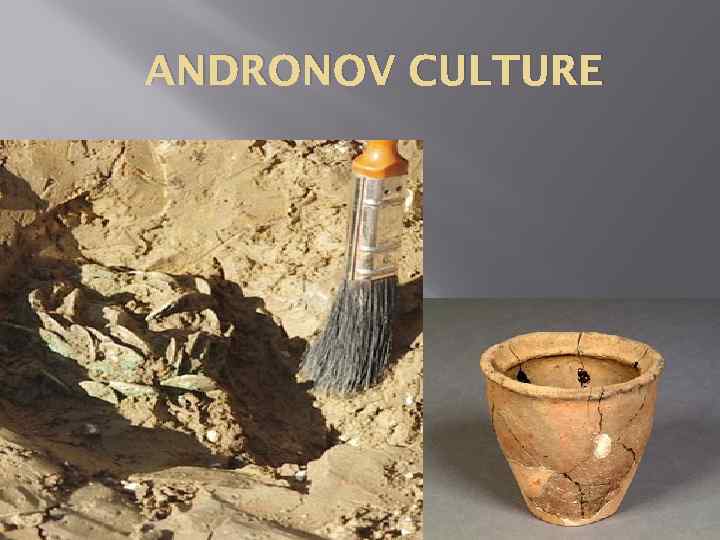
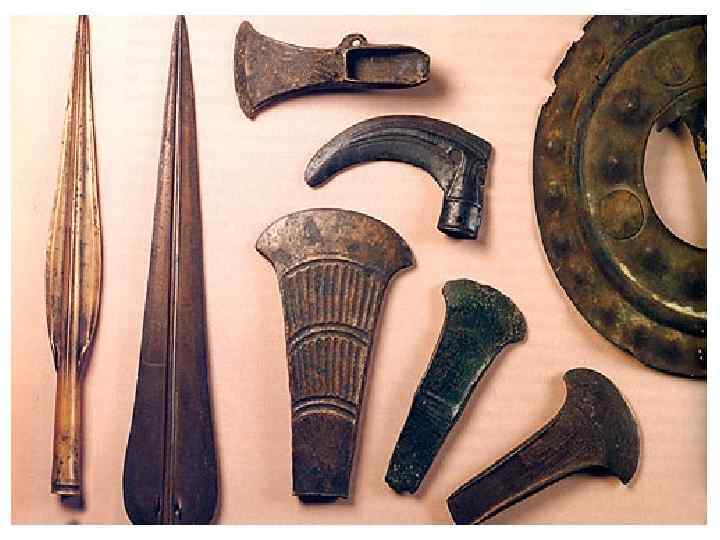
Andronovo Culture is a general term that describes a widely distributed set of archaeologically documented materials 1) open form ceramic jars with incised geometric decorations; 2) stone-lined burials located under round mounds of earth or within rectangular stone structures; 3) specific bronze objects such as axes, weapons, and jewelry. Major technological, linguistic, and cultural innovations during the Bronze Age the proliferation of horse riding technology and the development of wheeled transport in the form of horse drawn chariots the transmission and evolution of Indo-Iranian and Indo. European languages across the Eurasian Steppes the widespread transfer of metallurgical and other material culture across the Eurasian Steppe Zone

PREPARED by: students of SPECIAL GROUP OF MECHANICS

THE END (THAT’S ALL)
Скачать презентацию Stone and Bronzeage General Characteristics of the Stone
Stone and Bronze age.pptx