


 Скачать презентацию Statistics in Action New Zealand s Greenhouse Gas Inventory
b3e2481052c9916fbb3867c733fa72a1.ppt
- Количество слайдов: 22
 Statistics in Action New Zealand’s Greenhouse Gas Inventory Sonia Petrie – Ministry for the Environment, New Zealand 1
 Overview • • • Inventory requirements New Zealand’s national inventory system Emissions profile Current activity data Future data needs
 National greenhouse gas inventories • Reporting emissions and removals across six sectors • Annual inventory submission due 15 April – Strict deadline – Use common reporting format software and tables – Use IPCC guidelines and good practice guidance
 IPCC good practice principles Transparency Accuracy Completeness Consistency Comparability
 National System • National systems under Article 5 of Kyoto Protocol – Mandatory – Ensure capacity for timely performance – Quality management including continuous improvement
 New Zealand’s National System • Ministry for the Environment - national entity with overall responsibility – Climate Change Response Act (2002, revised 2008) – National greenhouse gas inventories since mid 1990 s – Procedures for changes in methods and emission factors – Distributed system
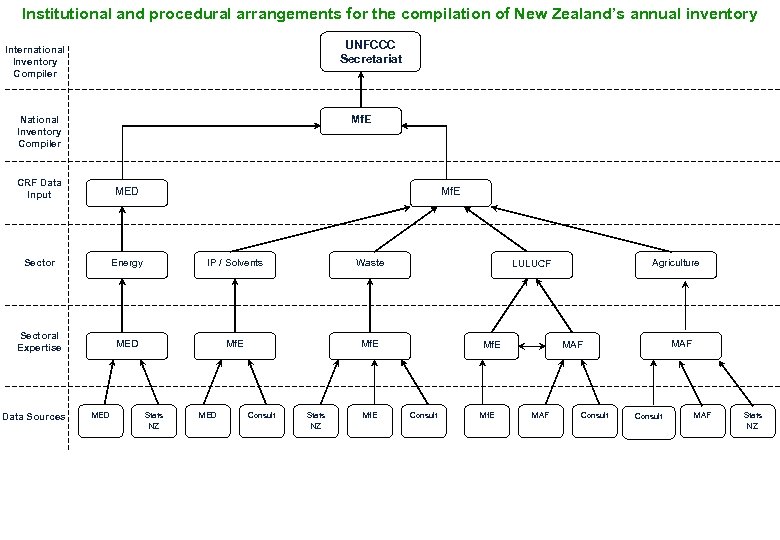 Institutional and procedural arrangements for the compilation of New Zealand’s annual inventory UNFCCC Secretariat International Inventory Compiler Mf. E National Inventory Compiler CRF Data Input MED Sector Energy IP / Solvents Waste Sectoral Expertise MED Mf. E Data Sources MED Mf. E Stats NZ MED Consult Stats NZ Mf. E Agriculture LULUCF Mf. E Consult Mf. E MAF MAF Consult MAF Stats NZ 7
 9
9
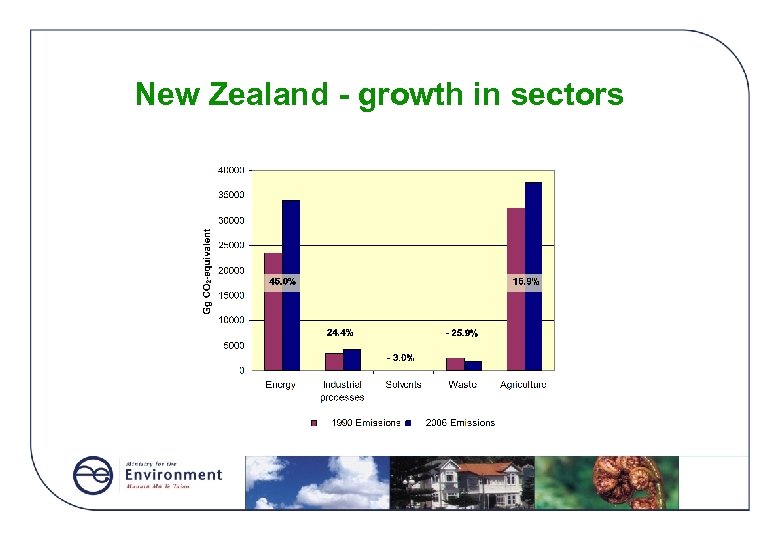 New Zealand - growth in sectors
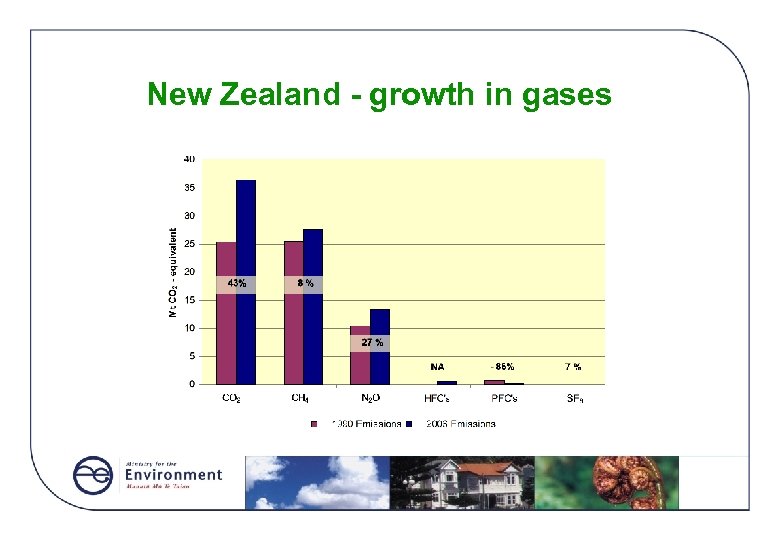 New Zealand - growth in gases
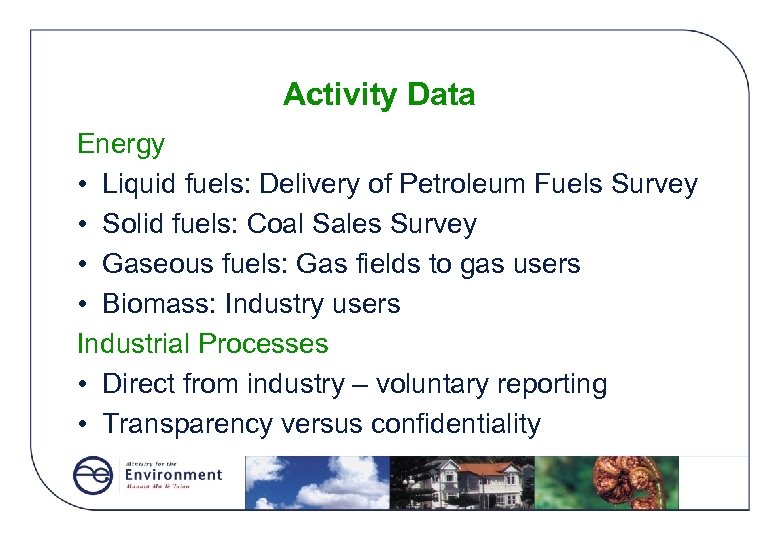 Activity Data Energy • Liquid fuels: Delivery of Petroleum Fuels Survey • Solid fuels: Coal Sales Survey • Gaseous fuels: Gas fields to gas users • Biomass: Industry users Industrial Processes • Direct from industry – voluntary reporting • Transparency versus confidentiality
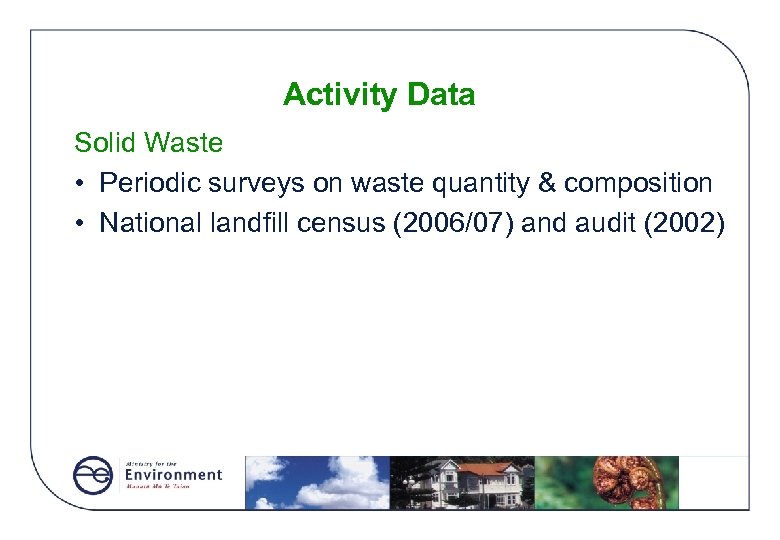 Activity Data Solid Waste • Periodic surveys on waste quantity & composition • National landfill census (2006/07) and audit (2002)
 Activity Data Land use, land use change and forestry • Present: – National Exotic Forest Description Survey – Land cover databases – Research science important for establishing emission factors • Future: – Land use and carbon analysis system (LUCAS)
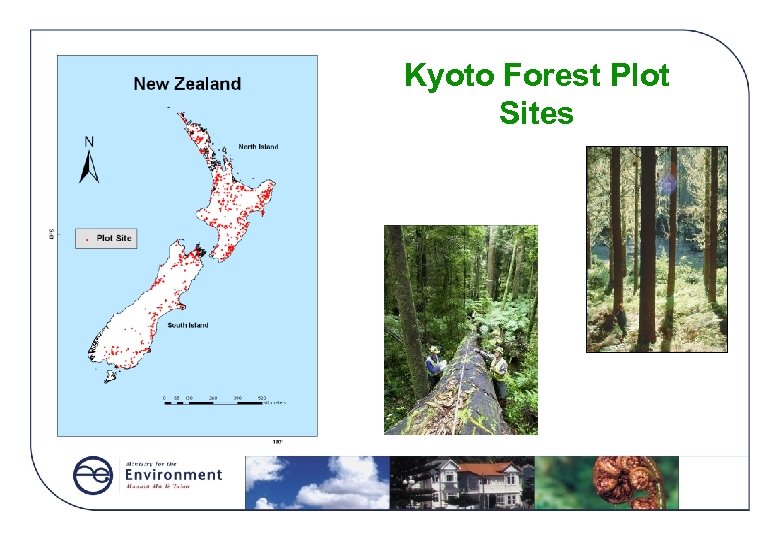 Kyoto Forest Plot Sites
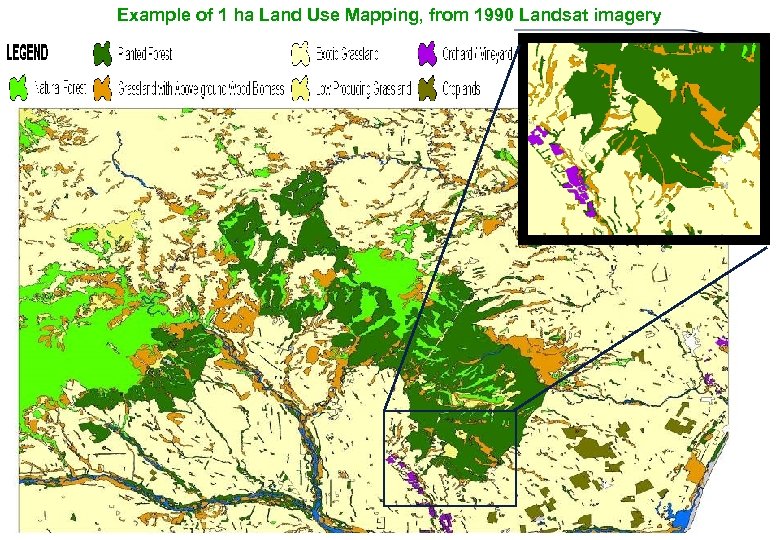 Example of 1 ha Land Use Mapping, from 1990 Landsat imagery 16
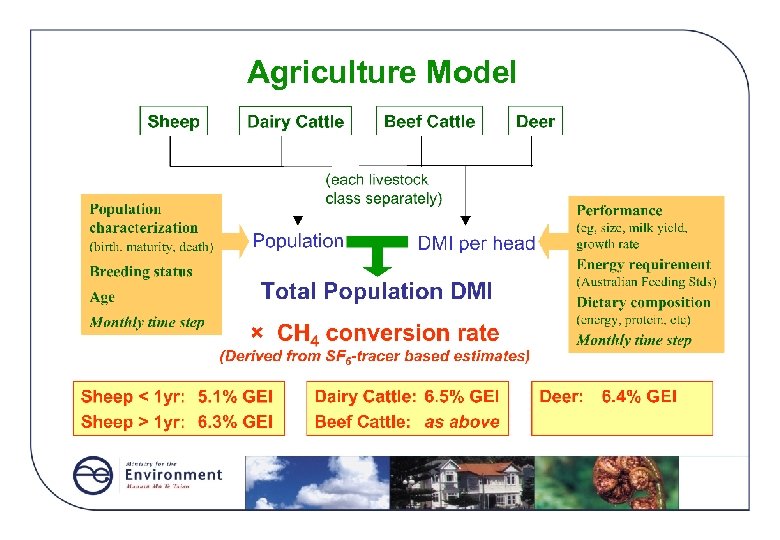
 Activity Data Agriculture • Statistics New Zealand agricultural production census/surveys • Productivity data from government and industry • Combining accurate official statistics and research science critical for agriculture sector 17
 Agriculture Model
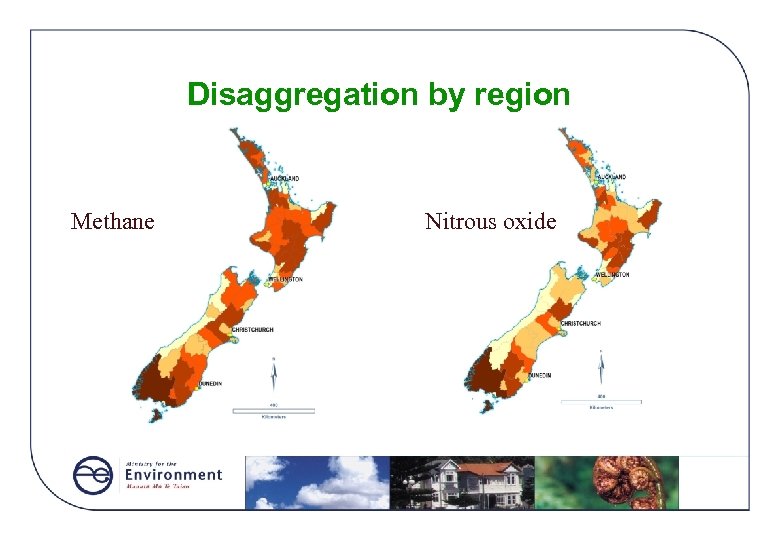
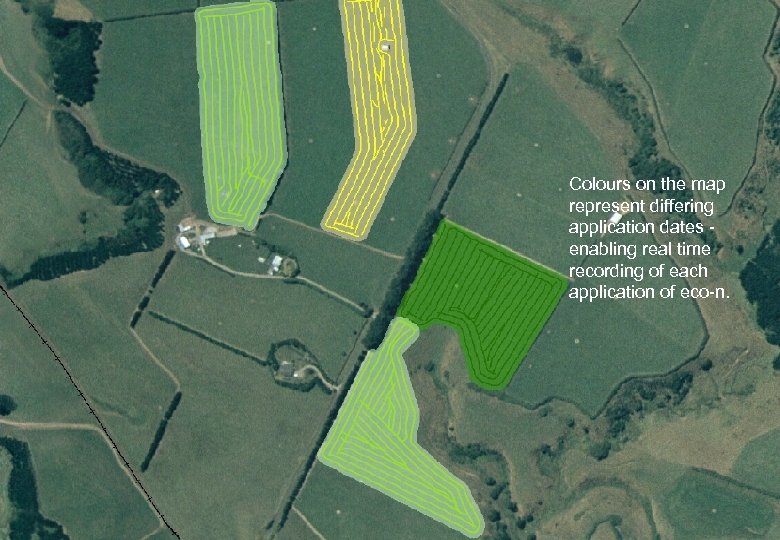
 Future data requirements • Disaggregated data – Regional level ? – Farm type ? – Paddock scale ? • Capturing mitigation technologies – Example: nitrification inhibitors
 Disaggregation by region Methane Nitrous oxide
 Colours on the map represent differing application dates enabling real time recording of each application of eco-n. 21
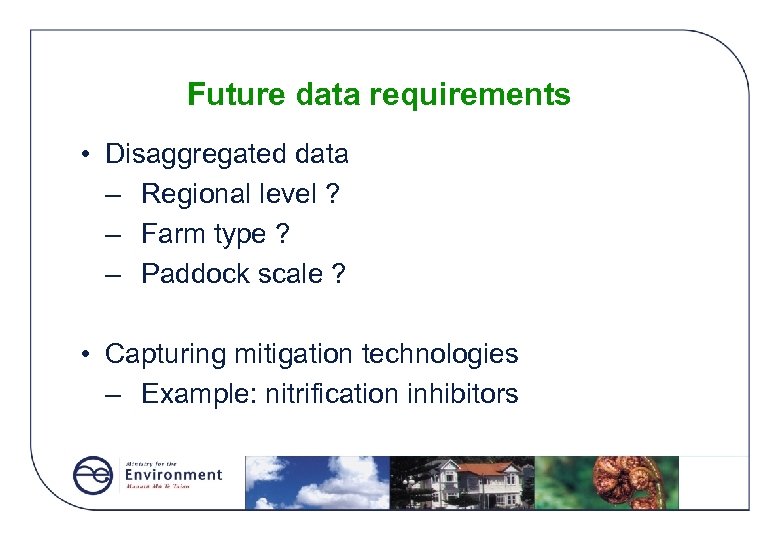
 Key Messages • Voluntary reporting and official statistics backed up by legislation • Good national picture of emissions • Creating a time series of data is critical for climate change reporting • Challenge in obtaining data at disaggregated level to capture mitigation