 Скачать презентацию St Petersburg State University Introduction in Molecular Neurophysiology
Lecture 7-2012.ppt
- Количество слайдов: 48



St. Petersburg State University Introduction in Molecular Neurophysiology Prof. Igor I. Krivoi Lecture 7: Endogenous Analogs of Pharmaceutical Drugs
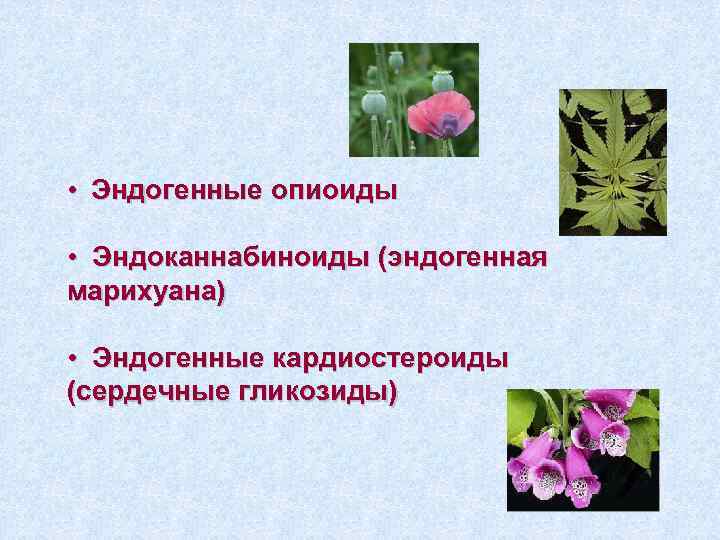
• Эндогенные опиоиды • Эндоканнабиноиды (эндогенная марихуана) • Эндогенные кардиостероиды (сердечные гликозиды)
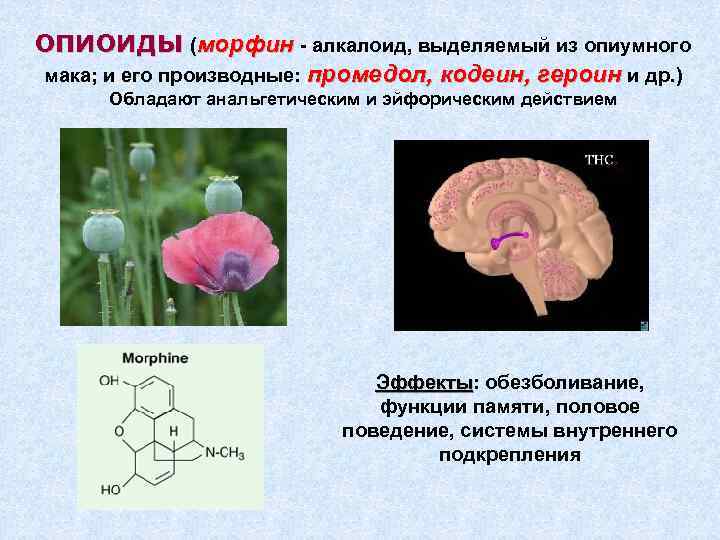
ОПИОИДЫ (морфин - алкалоид, выделяемый из опиумного мака; и его производные: промедол, кодеин, героин и др. ) Обладают анальгетическим и эйфорическим действием Эффекты: обезболивание, Эффекты функции памяти, половое поведение, системы внутреннего подкрепления
ИСТОРИЯ ОТКРЫТИЯ Изучение механизмов действия морфина и сходных с ним соединений привело к открытию в начале 70 -х г. нового класса рецепторов, названных опиоидными. На основании характеристик взаимодействия с агонистами и антагонистами выделено 4 основных типа опиоидных рецепторов: m, d, k, s
ИСТОРИЯ ОТКРЫТИЯ Эндорфины были открыты в 70 -х годах прошлого века, когда стали исследовать механизмы обезболивающего действия китайской системы иглоукалывания. Было обнаружено, что агенты, блокирующие обезболивающее действие наркотических анальгетиков, также устраняют эффект обезболивания при иглоукалывании. Было предположено, что при иглоукалывании в организме выделяются вещества, по химической природе близкие к морфину. Такие вещества получили условное название "эндорфины", или "внутренние эндорфины морфины". Схожи по действию с эндорфинами - энкефалины
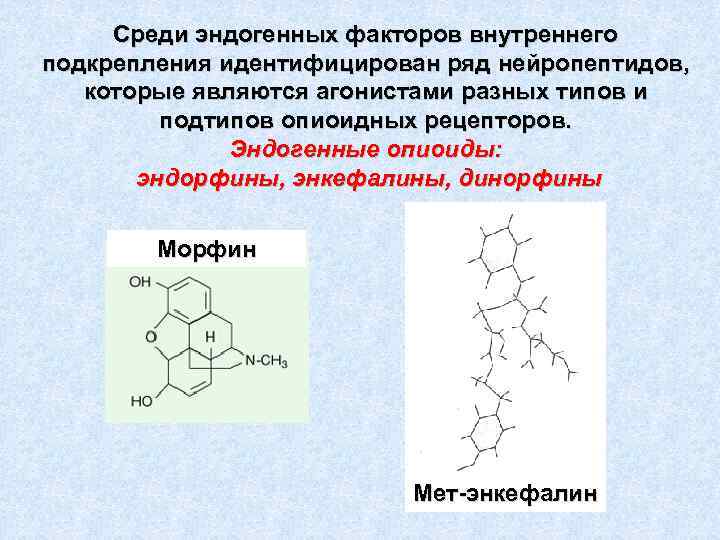
Среди эндогенных факторов внутреннего подкрепления идентифицирован ряд нейропептидов, которые являются агонистами разных типов и подтипов опиоидных рецепторов. Эндогенные опиоиды: эндорфины, энкефалины, динорфины Морфин Мет-энкефалин
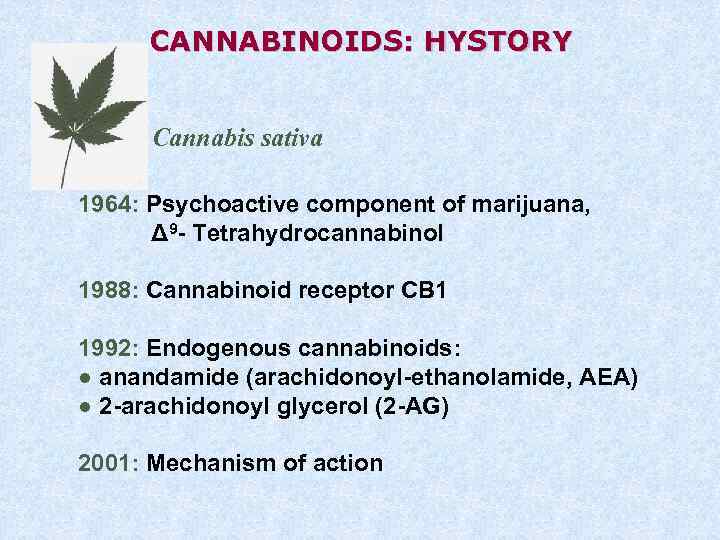
CANNABINOIDS: HYSTORY Cannabis sativa 1964: Psychoactive component of marijuana, Δ 9 - Tetrahydrocannabinol 1988: Cannabinoid receptor CB 1 1992: Endogenous cannabinoids: ● anandamide (arachidonoyl-ethanolamide, AEA) ● 2 -arachidonoyl glycerol (2 -АG) 2001: Mechanism of action
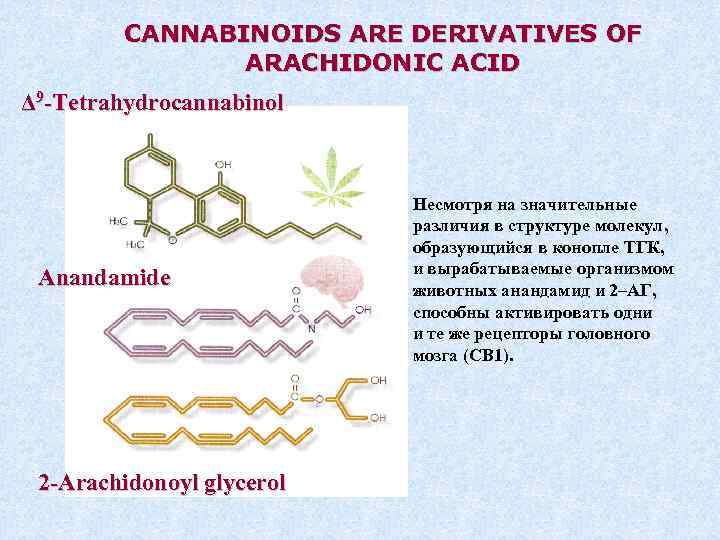
CANNABINOIDS ARE DERIVATIVES OF ARACHIDONIC ACID Δ 9 -Tetrahydrocannabinol Anandamide 2 -Arachidonoyl glycerol Несмотря на значительные различия в структуре молекул, образующийся в конопле ТГК, и вырабатываемые организмом животных анандамид и 2–АГ, способны активировать одни и те же рецепторы головного мозга (СВ 1).
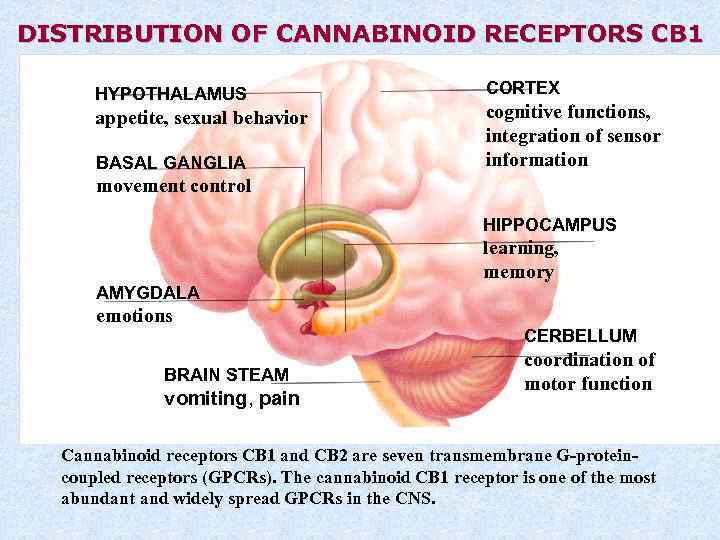
DISTRIBUTION OF CANNABINOID RECEPTORS CB 1 HYPOTHALAMUS appetite, sexual behavior BASAL GANGLIA CORTEX cognitive functions, integration of sensor information movement control HIPPOCAMPUS learning, memory AMYGDALA emotions BRAIN STEAM vomiting, pain CERBELLUM coordination of motor function Cannabinoid receptors CB 1 and CB 2 are seven transmembrane G-proteincoupled receptors (GPCRs). The cannabinoid CB 1 receptor is one of the most abundant and widely spread GPCRs in the CNS.
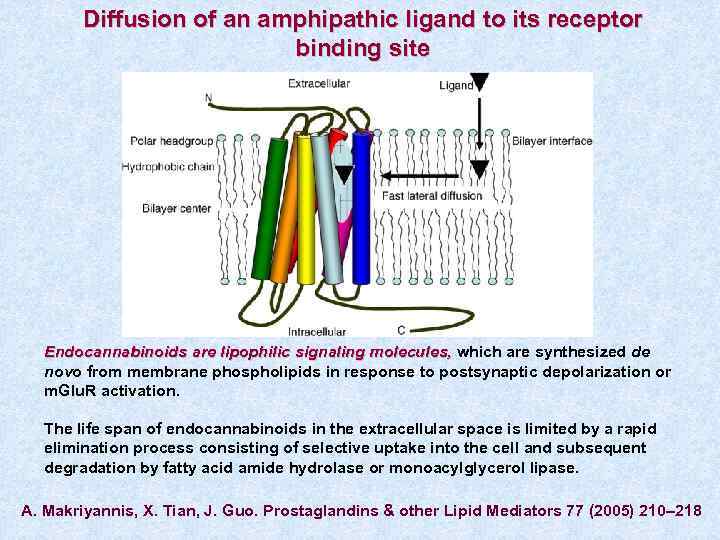
Diffusion of an amphipathic ligand to its receptor binding site Endocannabinoids are lipophilic signaling molecules, which are synthesized de novo from membrane phospholipids in response to postsynaptic depolarization or m. Glu. R activation. The life span of endocannabinoids in the extracellular space is limited by a rapid elimination process consisting of selective uptake into the cell and subsequent degradation by fatty acid amide hydrolase or monoacylglycerol lipase. A. Makriyannis, X. Tian, J. Guo. Prostaglandins & other Lipid Mediators 77 (2005) 210– 218
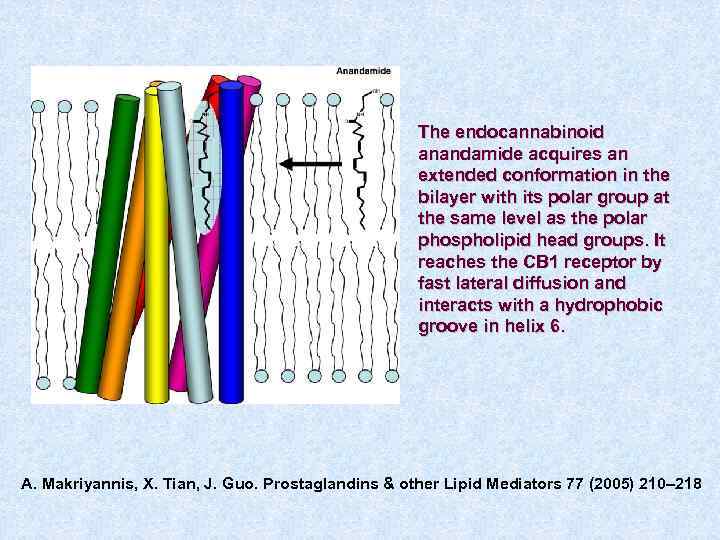
The endocannabinoid anandamide acquires an extended conformation in the bilayer with its polar group at the same level as the polar phospholipid head groups. It reaches the CB 1 receptor by fast lateral diffusion and interacts with a hydrophobic groove in helix 6. A. Makriyannis, X. Tian, J. Guo. Prostaglandins & other Lipid Mediators 77 (2005) 210– 218
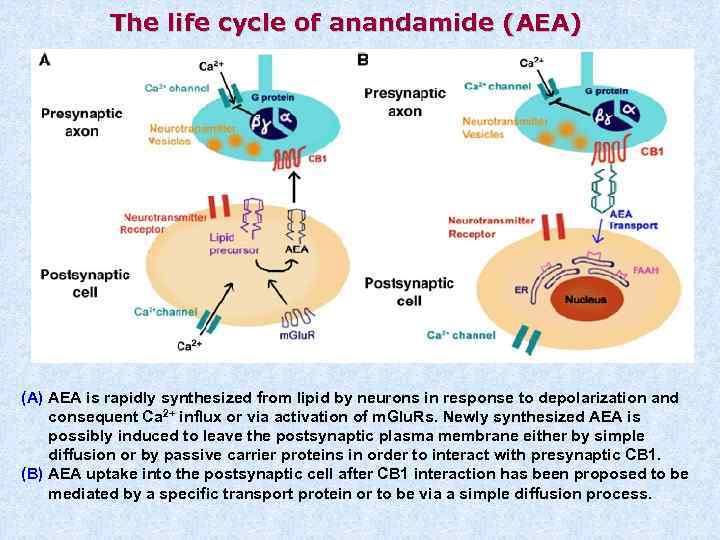
The life cycle of anandamide (AEA) (A) AEA is rapidly synthesized from lipid by neurons in response to depolarization and consequent Ca 2+ influx or via activation of m. Glu. Rs. Newly synthesized AEA is possibly induced to leave the postsynaptic plasma membrane either by simple diffusion or by passive carrier proteins in order to interact with presynaptic CB 1. (B) AEA uptake into the postsynaptic cell after CB 1 interaction has been proposed to be mediated by a specific transport protein or to be via a simple diffusion process.
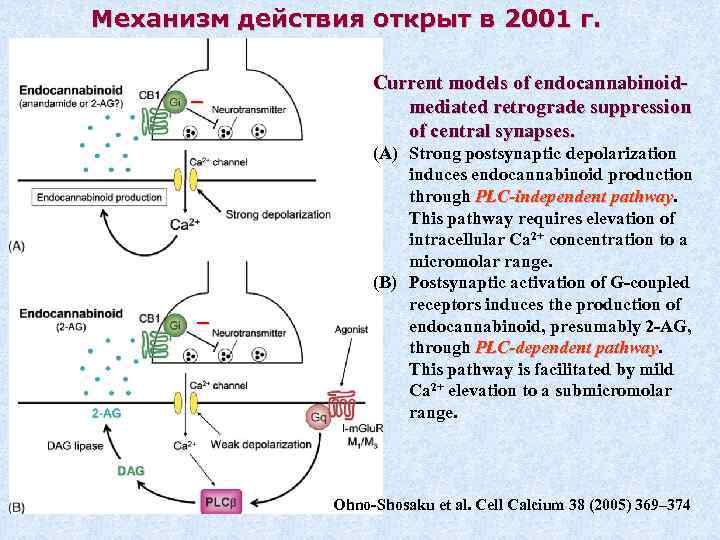
Механизм действия открыт в 2001 г. _ _ Current models of endocannabinoidmediated retrograde suppression of central synapses. (A) Strong postsynaptic depolarization induces endocannabinoid production through PLC-independent pathway This pathway requires elevation of intracellular Ca 2+ concentration to a micromolar range. (B) Postsynaptic activation of G-coupled receptors induces the production of endocannabinoid, presumably 2 -AG, through PLC-dependent pathway This pathway is facilitated by mild Ca 2+ elevation to a submicromolar range. Ohno-Shosaku et al. Cell Calcium 38 (2005) 369– 374
MECHANISMS OF ACTION: ● Inhibition of voltage-operated Ca 2+ channels ● Activation of voltage-operated K+ channels ● Inhibition of adenylate cyclase ● Modulation of signal-regulated kinases Due to presynaptic localization of CB 1 receptors the endocannabinoid system is involved in modulation of various neurotransmitters (glutamate, GABA, dopamine, serotonine, etc. ). Activation of presynaptic CB 1 receptors by the endocannabinoids results in inhibition of both excitatory and inhibitory neurotransmitter release.
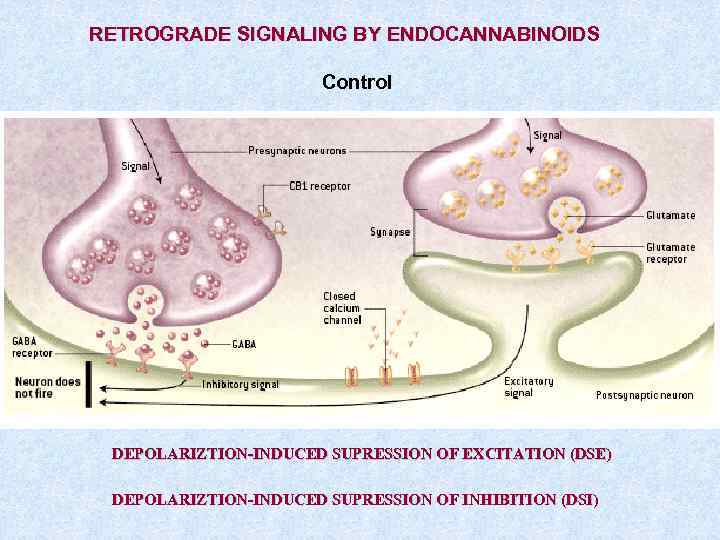
RETROGRADE SIGNALING BY ENDOCANNABINOIDS Control DEPOLARIZTION-INDUCED SUPRESSION OF EXCITATION (DSE) DEPOLARIZTION-INDUCED SUPRESSION OF INHIBITION (DSI)
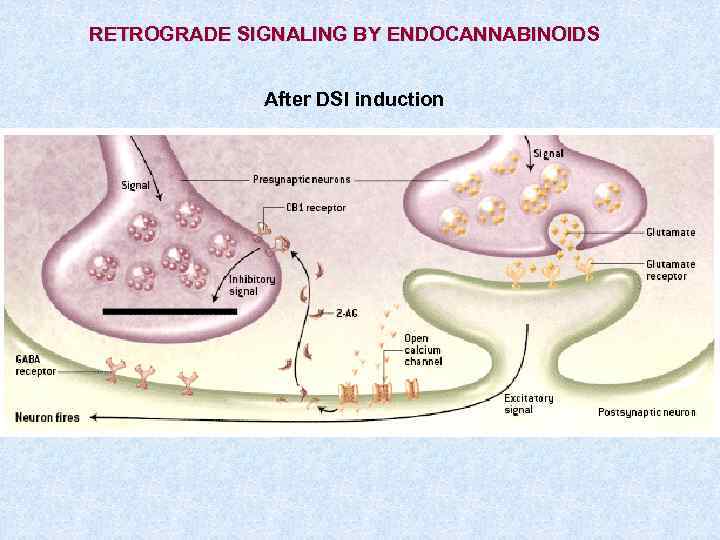
RETROGRADE SIGNALING BY ENDOCANNABINOIDS After DSI induction
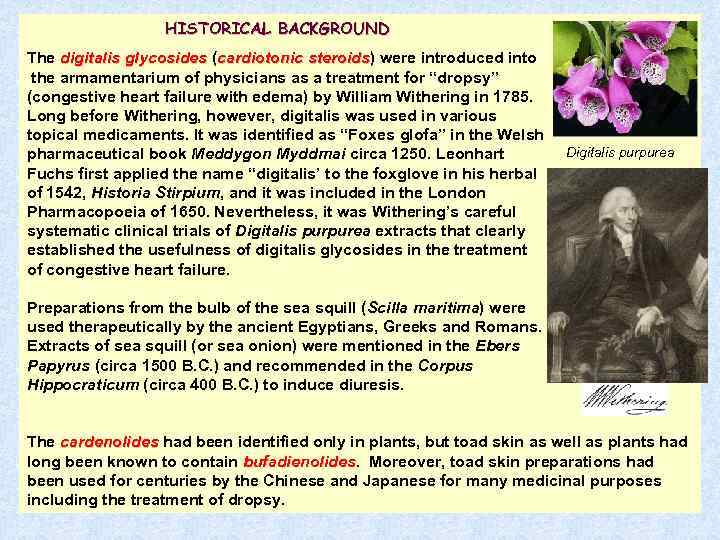
HISTORICAL BACKGROUND The digitalis glycosides (cardiotonic steroids) were introduced into steroids the armamentarium of physicians as a treatment for “dropsy” (congestive heart failure with edema) by William Withering in 1785. Long before Withering, however, digitalis was used in various topical medicaments. It was identified as “Foxes glofa” in the Welsh pharmaceutical book Meddygon Myddmai circa 1250. Leonhart Fuchs first applied the name “digitalis’ to the foxglove in his herbal of 1542, Historia Stirpium, and it was included in the London Pharmacopoeia of 1650. Nevertheless, it was Withering’s careful systematic clinical trials of Digitalis purpurea extracts that clearly established the usefulness of digitalis glycosides in the treatment of congestive heart failure. Digitalis purpurea Preparations from the bulb of the sea squill (Scilla maritima) were used therapeutically by the ancient Egyptians, Greeks and Romans. Extracts of sea squill (or sea onion) were mentioned in the Ebers Papyrus (circa 1500 B. C. ) and recommended in the Corpus Hippocraticum (circa 400 B. C. ) to induce diuresis. The cardenolides had been identified only in plants, but toad skin as well as plants had long been known to contain bufadienolides. Moreover, toad skin preparations had bufadienolides been used for centuries by the Chinese and Japanese for many medicinal purposes including the treatment of dropsy.
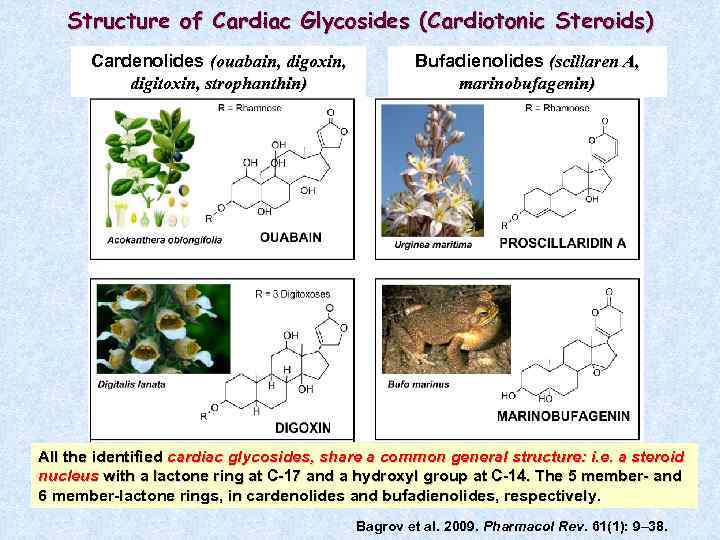
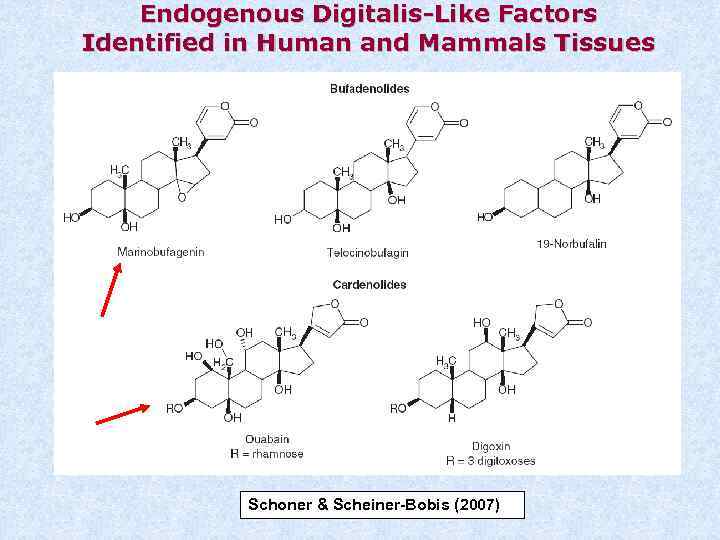
Structure of Cardiac Glycosides (Cardiotonic Steroids) Cardenolides (ouabain, digoxin, digitoxin, strophanthin) Bufadienolides (scillaren A, marinobufagenin) All the identified cardiac glycosides, share a common general structure: i. e. a steroid nucleus with a lactone ring at C-17 and a hydroxyl group at C-14. The 5 member- and 6 member-lactone rings, in cardenolides and bufadienolides, respectively. Bagrov et al. 2009. Pharmacol Rev. 61(1): 9– 38.
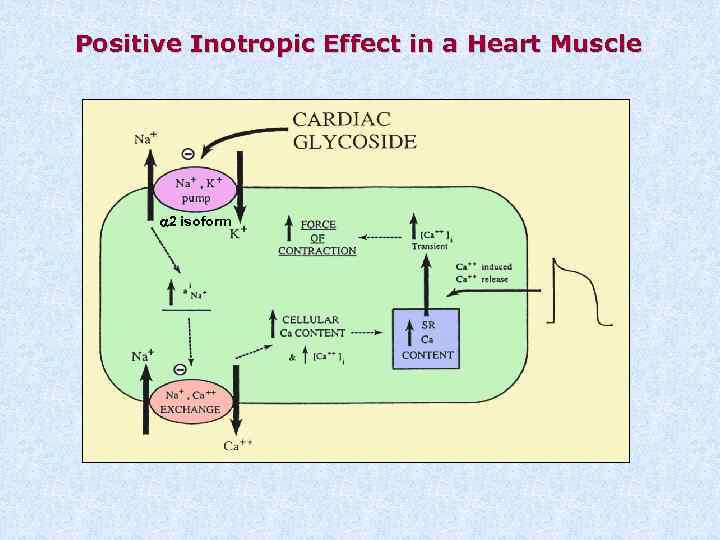
Positive Inotropic Effect in a Heart Muscle a 2 isoform
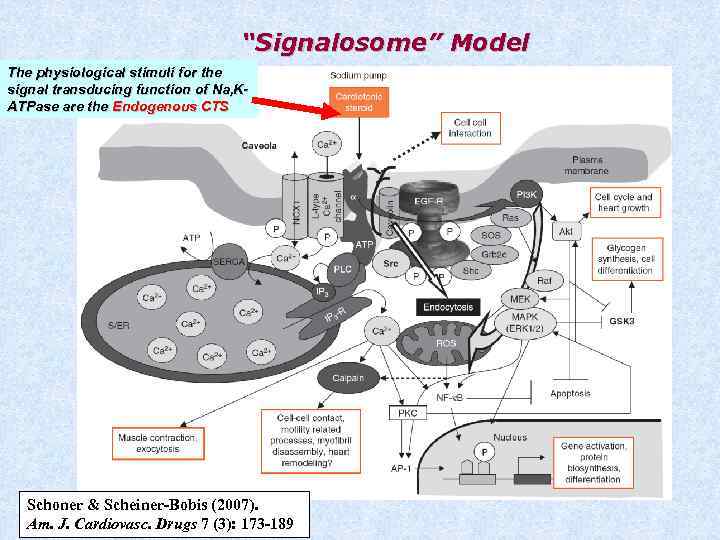
“Signalosome” Model The physiological stimuli for the signal transducing function of Na, KATPase are the Endogenous CTS Schoner & Scheiner-Bobis (2007). Am. J. Cardiovasc. Drugs 7 (3): 173 -189
Endogenous Digitalis-Like Factors (Endogenous Cardiotonic Steroids)
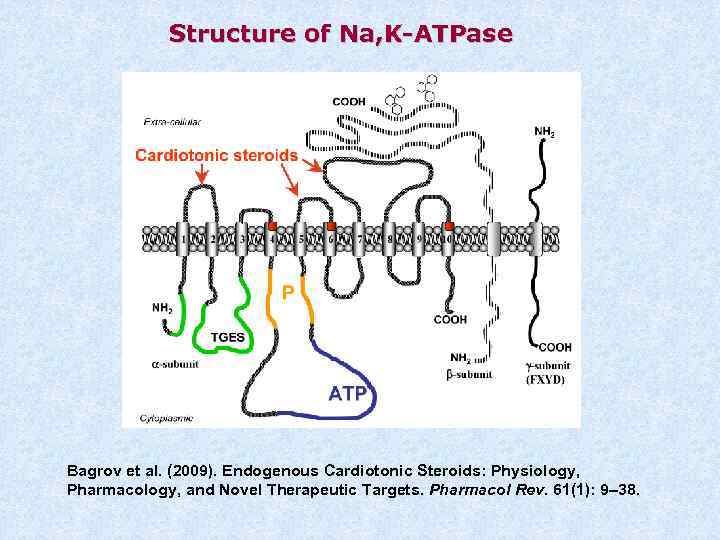
Structure of Na, K-ATPase Bagrov et al. (2009). Endogenous Cardiotonic Steroids: Physiology, Pharmacology, and Novel Therapeutic Targets. Pharmacol Rev. 61(1): 9– 38.
Endogenous Digitalis-Like Factors Identified in Human and Mammals Tissues Schoner & Scheiner-Bobis (2007)
Sources of Endogenous Digitalis-Like Factors
Concentration of EDLF in the blood plasma and cerebro-spinal fluid Dobretsov and Stimers. (2005). Frontiers in Bioscience 10: 2373 -2396
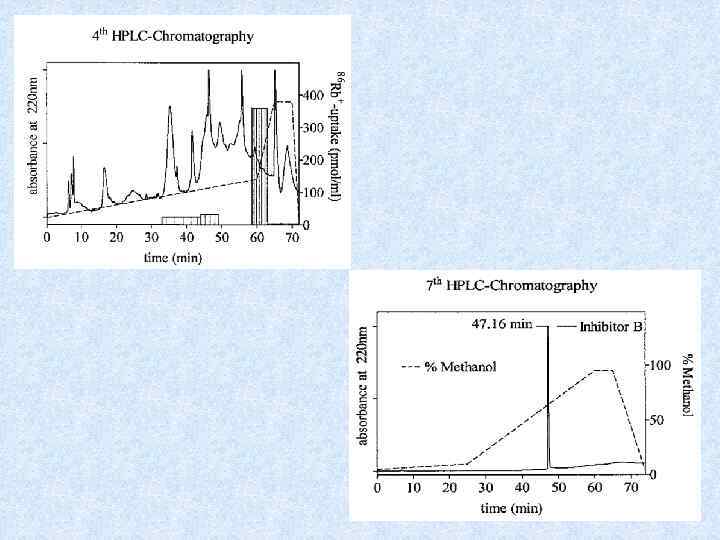
Isolation of Endogenous Digitalis-Like Factors Chromatographic purification of inhibitor of the sodium pump from bovine adrenals
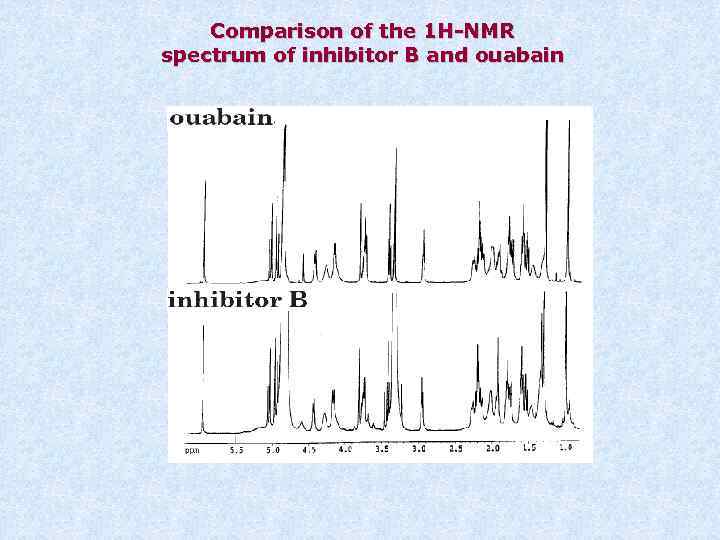
Comparison of the 1 H-NMR spectrum of inhibitor B and ouabain
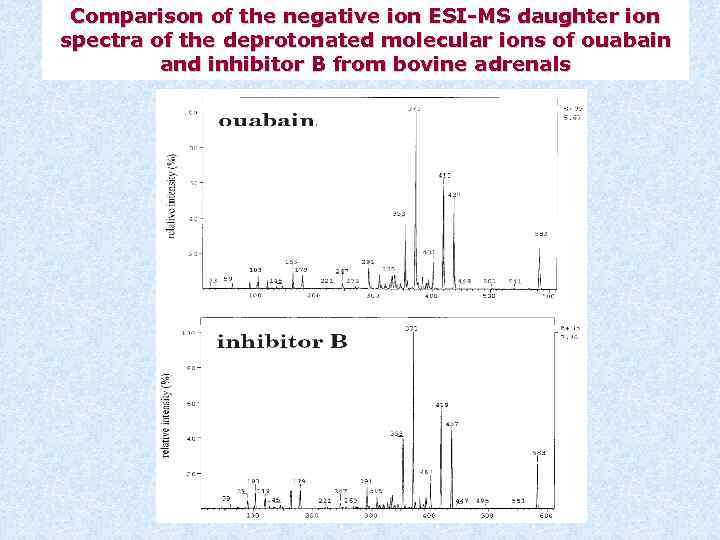
Comparison of the negative ion ESI-MS daughter ion spectra of the deprotonated molecular ions of ouabain and inhibitor B from bovine adrenals
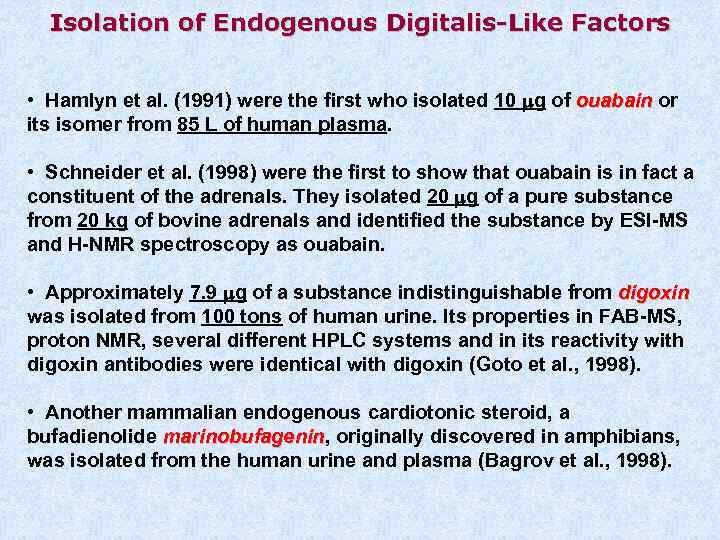
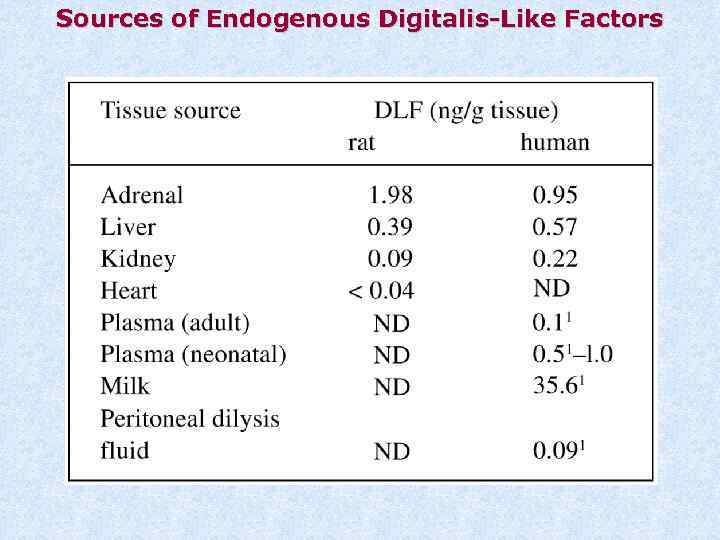
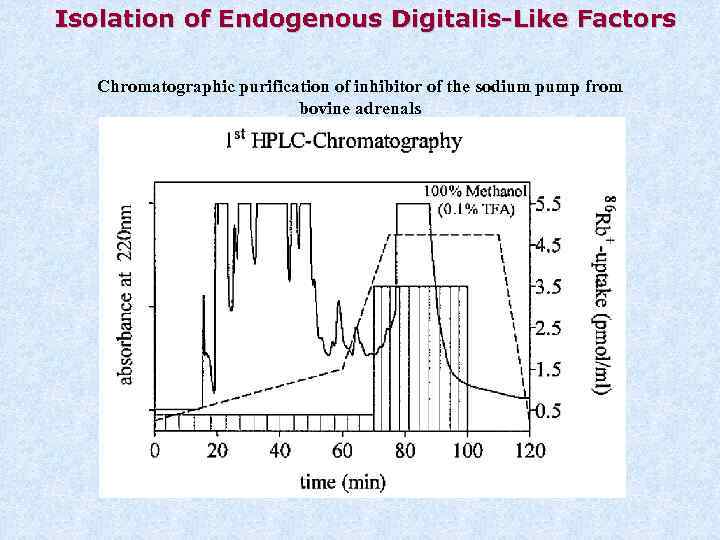
Isolation of Endogenous Digitalis-Like Factors • Hamlyn et al. (1991) were the first who isolated 10 mg of ouabain or its isomer from 85 L of human plasma. • Schneider et al. (1998) were the first to show that ouabain is in fact a constituent of the adrenals. They isolated 20 mg of a pure substance from 20 kg of bovine adrenals and identified the substance by ESI-MS and H-NMR spectroscopy as ouabain. • Approximately 7. 9 mg of a substance indistinguishable from digoxin was isolated from 100 tons of human urine. Its properties in FAB-MS, proton NMR, several different HPLC systems and in its reactivity with digoxin antibodies were identical with digoxin (Goto et al. , 1998). • Another mammalian endogenous cardiotonic steroid, a bufadienolide marinobufagenin, originally discovered in amphibians, marinobufagenin was isolated from the human urine and plasma (Bagrov et al. , 1998).
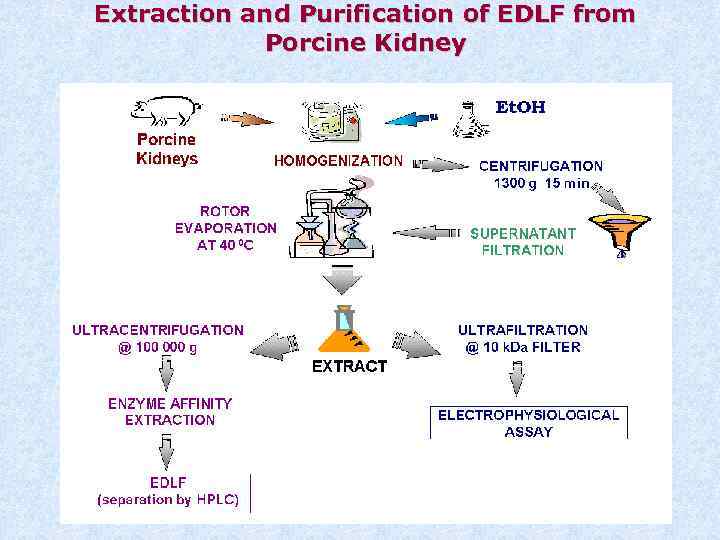
Extraction and Purification of EDLF from Porcine Kidney
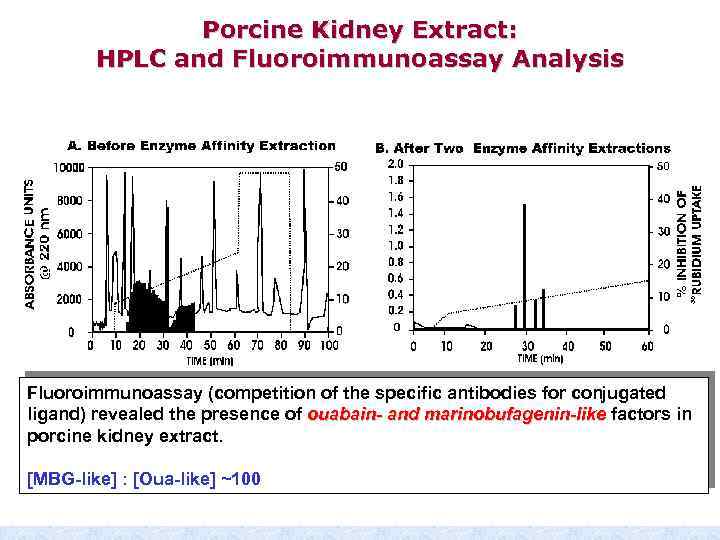
Porcine Kidney Extract: HPLC and Fluoroimmunoassay Analysis Fluoroimmunoassay (competition of the specific antibodies for conjugated ligand) revealed the presence of ouabain- and marinobufagenin-like factors in porcine kidney extract. [MBG-like] : [Oua-like] ~100
Биосинтез EDLF Решающими для доказательства истинно эндогенной природы уабаина и маринобуфагенина в организме млекопитающих были: • обнаружение синтеза уабаина и маринобуфагенина в культуре клеток in vitro • выявление путей синтеза уабаина и маринобуфагенина в коре надпочечников и в гипоталамусе Подтверждений синтеза дигоксина в организме млекопитающих пока нет. Не исключена возможность его поступления с пищей.
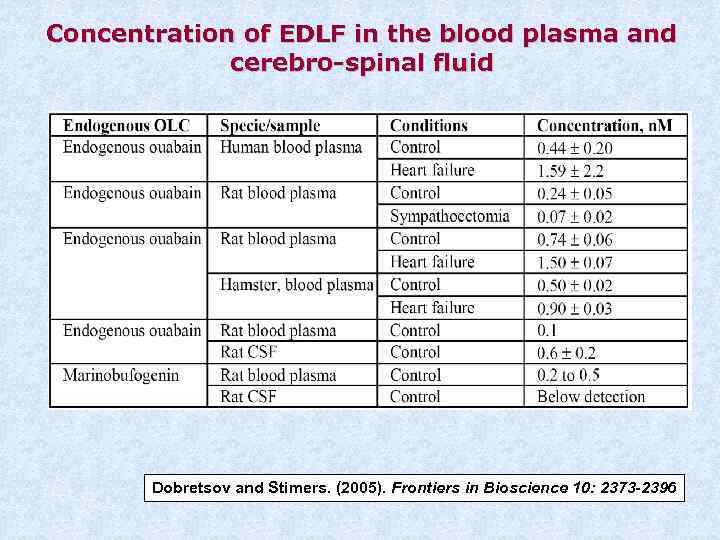
Роль EDLF в физиологических и патофизиологических процессах Повышенный уровень EDLF наблюдается: • различные формы гипертонии • сердечная недостаточность, инфаркт миокарда • хроническая почечная недостаточность, диабет • аффективные расстройства и депрессивные состояния • у новорожденных; у беременных женщин, страдающих гипертонией • интенсивная физическая нагрузка и в условиях гипоксии
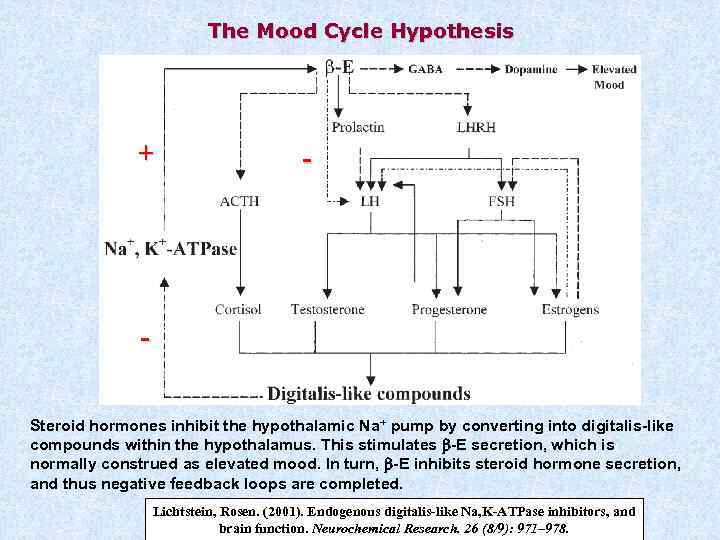
The Mood Cycle Hypothesis + - Steroid hormones inhibit the hypothalamic Na+ pump by converting into digitalis-like compounds within the hypothalamus. This stimulates b-E secretion, which is normally construed as elevated mood. In turn, b-E inhibits steroid hormone secretion, and thus negative feedback loops are completed. Lichtstein, Rosen. (2001). Endogenous digitalis-like Na, K-ATPase inhibitors, and brain function. Neurochemical Research. 26 (8/9): 971– 978.
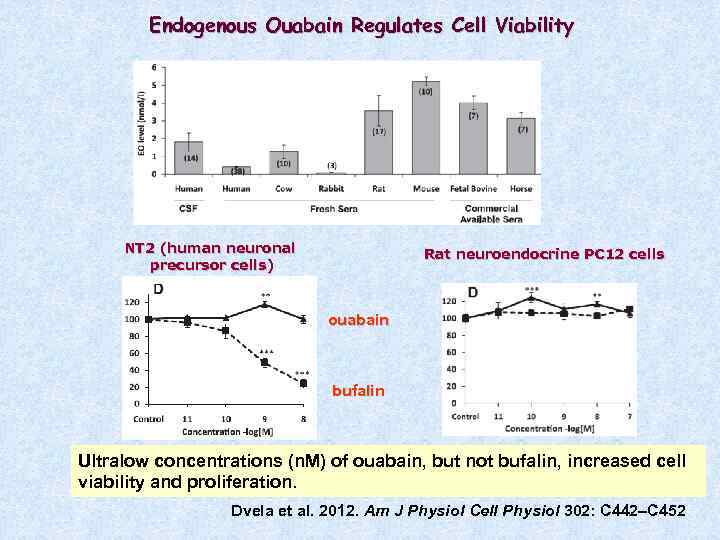
Endogenous Ouabain Regulates Cell Viability NT 2 (human neuronal precursor cells) Rat neuroendocrine PC 12 cells ouabain bufalin Ultralow concentrations (n. M) of ouabain, but not bufalin, increased cell viability and proliferation. Dvela et al. 2012. Am J Physiol Cell Physiol 302: C 442–C 452
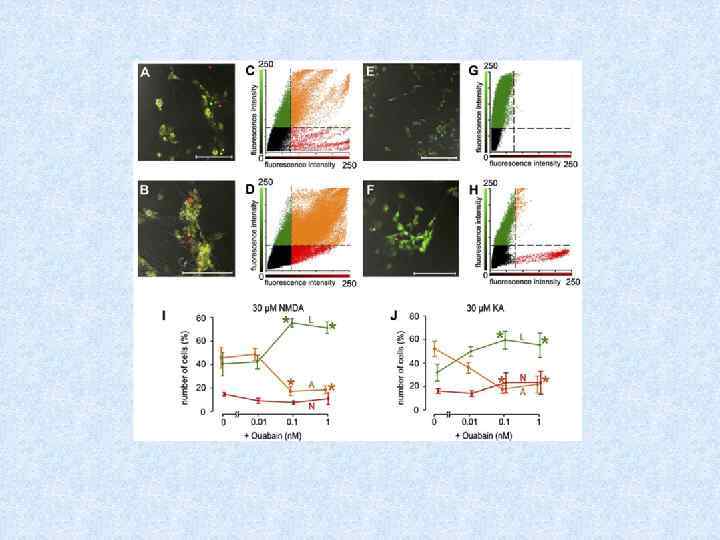
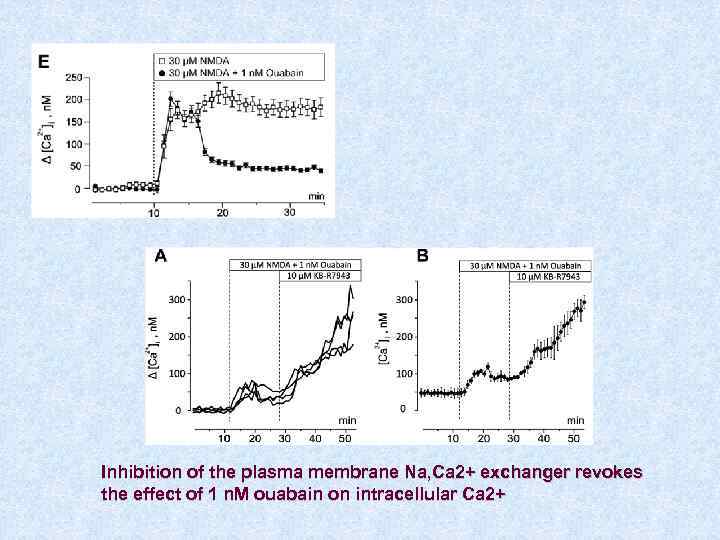
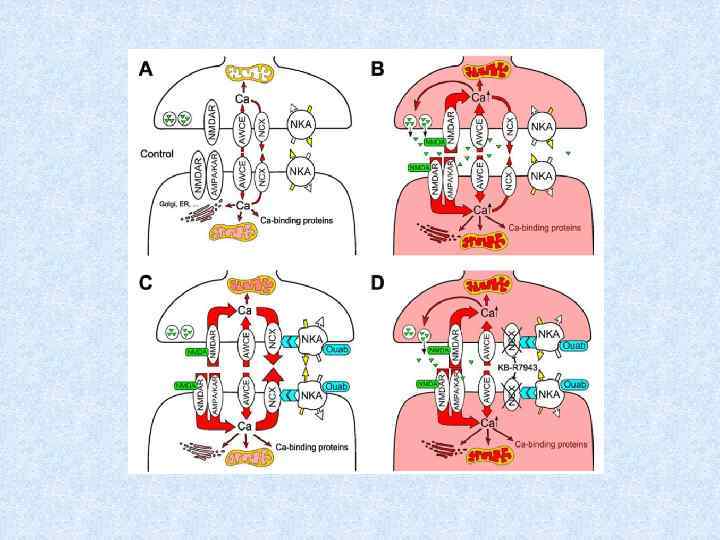
Inhibition of the plasma membrane Na, Ca 2+ exchanger revokes the effect of 1 n. M ouabain on intracellular Ca 2+
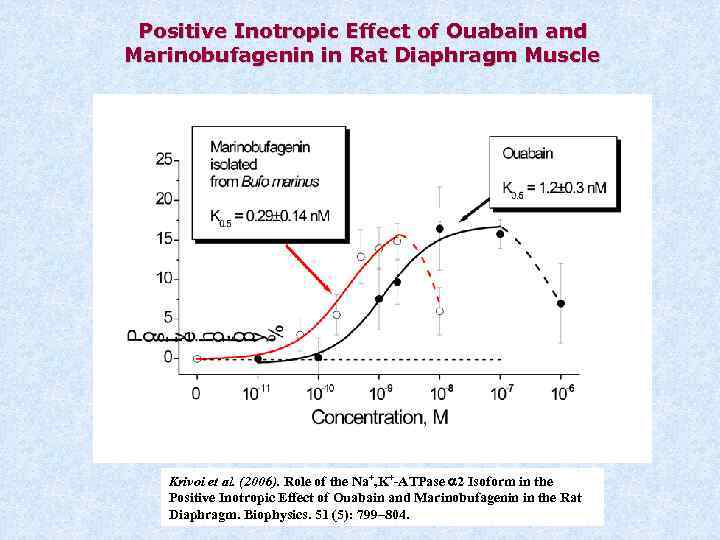
Positive Inotropic Effect of Ouabain and Marinobufagenin in Rat Diaphragm Muscle Krivoi et al. (2006). Role of the Na+, K+-ATPase a 2 Isoform in the Positive Inotropic Effect of Ouabain and Marinobufagenin in the Rat Diaphragm. Biophysics. 51 (5): 799– 804.
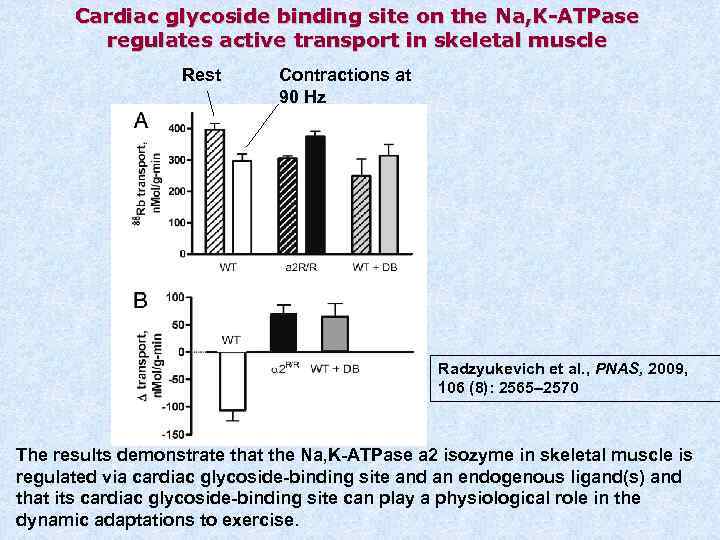
Cardiac glycoside binding site on the Na, K-ATPase regulates active transport in skeletal muscle Rest Contractions at 90 Hz Radzyukevich et al. , PNAS, 2009, 106 (8): 2565– 2570 The results demonstrate that the Na, K-ATPase a 2 isozyme in skeletal muscle is regulated via cardiac glycoside-binding site and an endogenous ligand(s) and that its cardiac glycoside-binding site can play a physiological role in the dynamic adaptations to exercise.
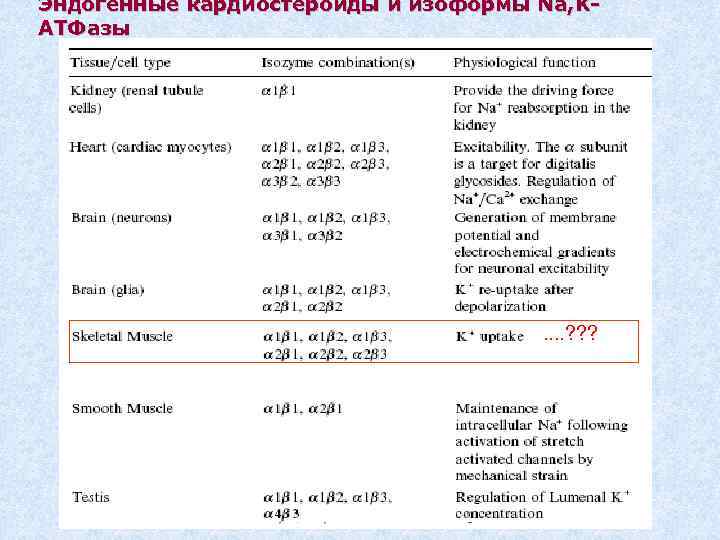
Эндогенные кардиостероиды и изоформы Na, KАТФазы . . ? ? ?
Современные проблемы в исследовании EDLF • Определение точной структуры EDLF. Это требует гораздо большего количества материала. • Определение, где и как в организме синтезируются EDLF. • Изучение факторов, регулирующих синтез EDLF. • Выяснение физиологической роли изоформ Na, KATФазы и причин существования разных EDLF.
ПЕРСПЕКТИВЫ Новые лекарства, основанные на структуре EDLF, лишенные токсического действия применяемых в клинике кардиотонических препаратов. • • Новые препараты, действие которых основано на регуляции синтеза EDLF. • Открытие эндогенных лигандов, специфичных к различным изоформам Na, K-ATФазы в различных тканях.

Эндогенные антибиотики ДЕФЕНСИНЫ
Скачать презентацию St Petersburg State University Introduction in Molecular Neurophysiology
Lecture 7-2012.ppt