


 Скачать презентацию SQL NET Wizards Course OSI Overview Matching the
bd3afa0ff01fcbff85f3d95006245c47.ppt
- Количество слайдов: 21
 SQL*NET Wizards Course OSI Overview : Matching the model to reality Frédéric Hemmer CERN Zürich 14 -18 June 1989
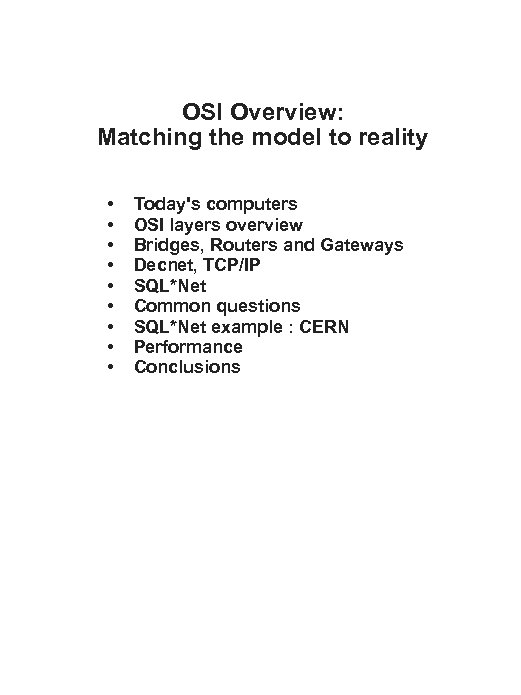 OSI Overview: Matching the model to reality • • • Today's computers OSI layers overview Bridges, Routers and Gateways Decnet, TCP/IP SQL*Net Common questions SQL*Net example : CERN Performance Conclusions
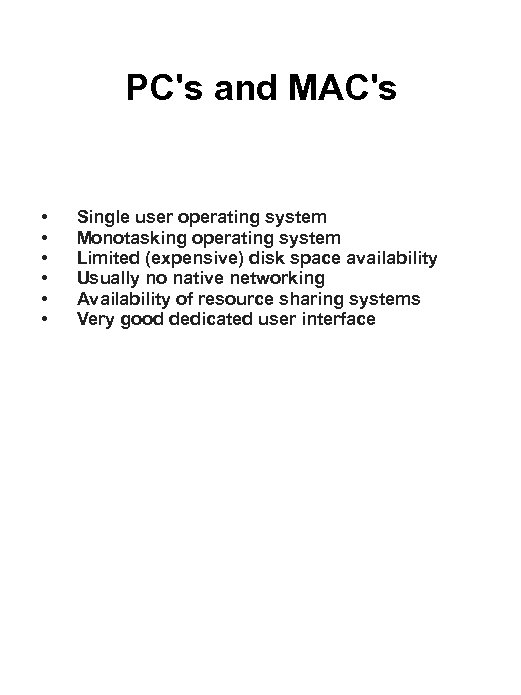 PC's and MAC's • • • Single user operating system Monotasking operating system Limited (expensive) disk space availability Usually no native networking Availability of resource sharing systems Very good dedicated user interface
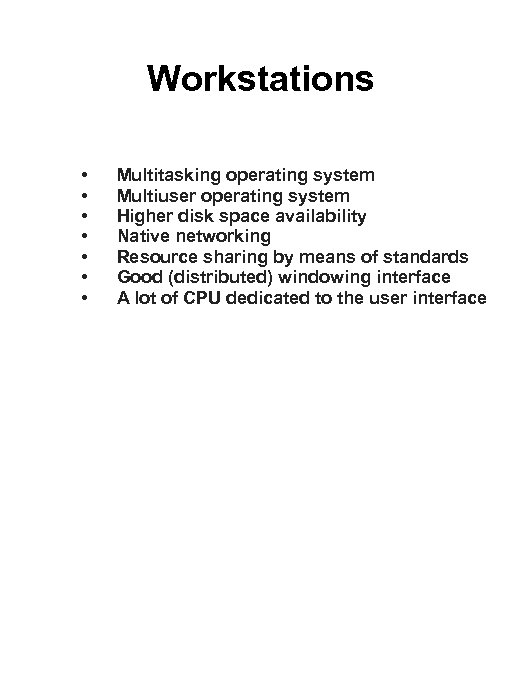 Workstations • • Multitasking operating system Multiuser operating system Higher disk space availability Native networking Resource sharing by means of standards Good (distributed) windowing interface A lot of CPU dedicated to the user interface
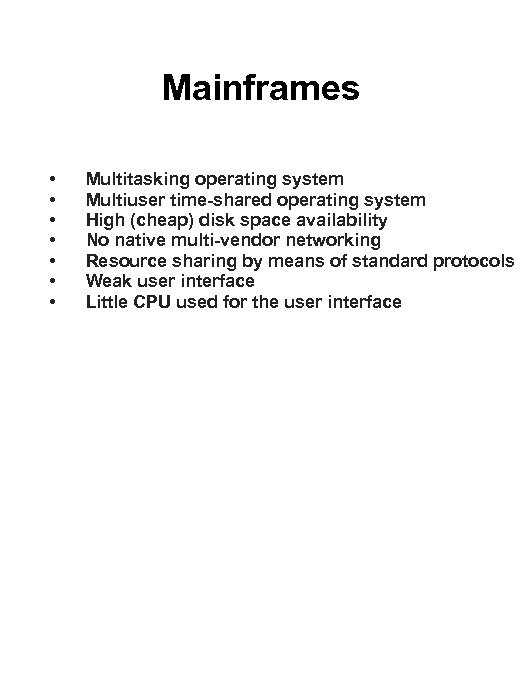 Mainframes • • Multitasking operating system Multiuser time-shared operating system High (cheap) disk space availability No native multi-vendor networking Resource sharing by means of standard protocols Weak user interface Little CPU used for the user interface
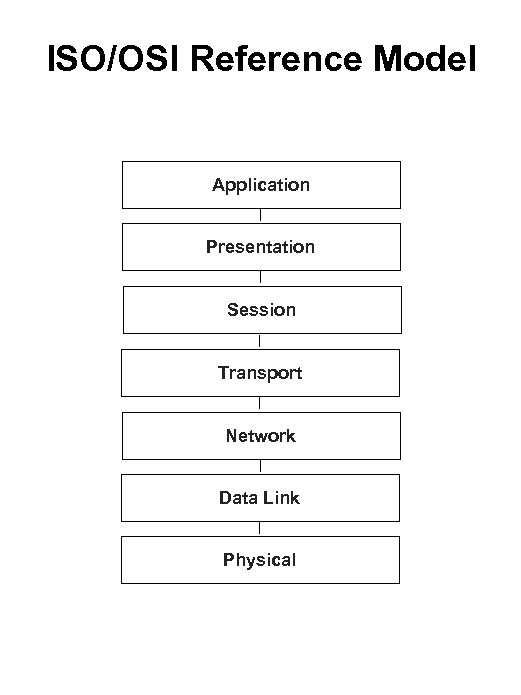 ISO/OSI Reference Model Application Presentation Session Transport Network Data Link Physical
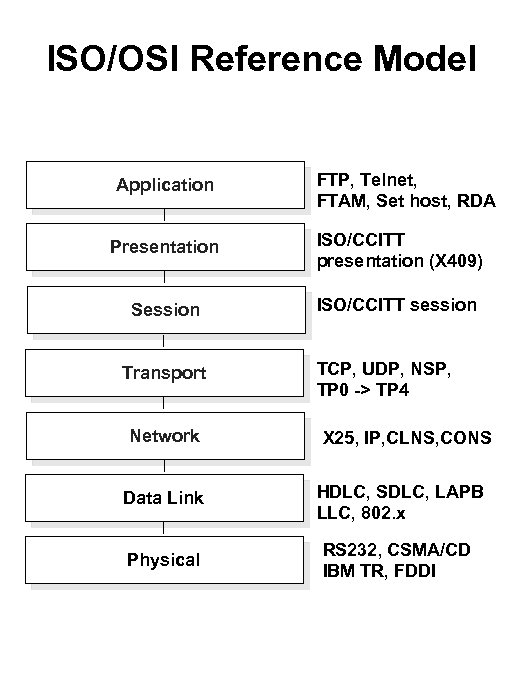 ISO/OSI Reference Model Application FTP, Telnet, FTAM, Set host, RDA Presentation ISO/CCITT presentation (X 409) Session ISO/CCITT session Transport Network TCP, UDP, NSP, TP 0 -> TP 4 X 25, IP, CLNS, CONS Data Link HDLC, SDLC, LAPB LLC, 802. x Physical RS 232, CSMA/CD IBM TR, FDDI
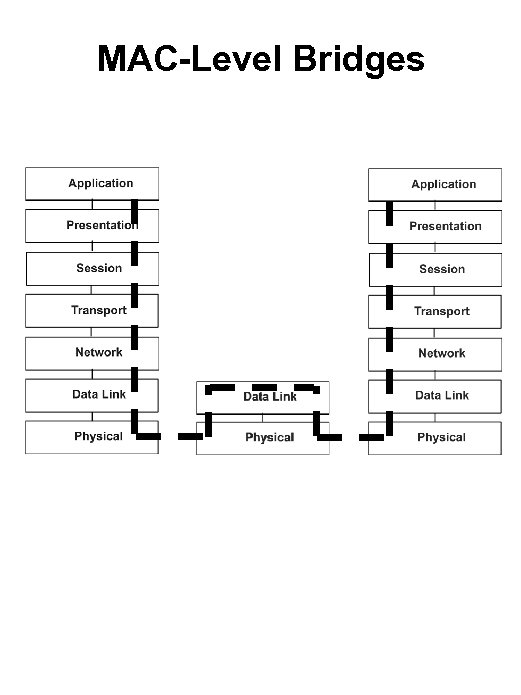 MAC-Level Bridges
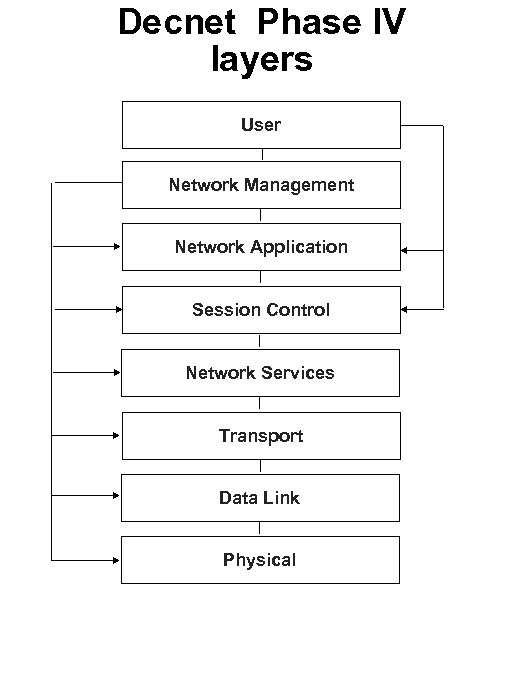 Decnet Phase IV layers User Network Management Network Application Session Control Network Services Transport Data Link Physical
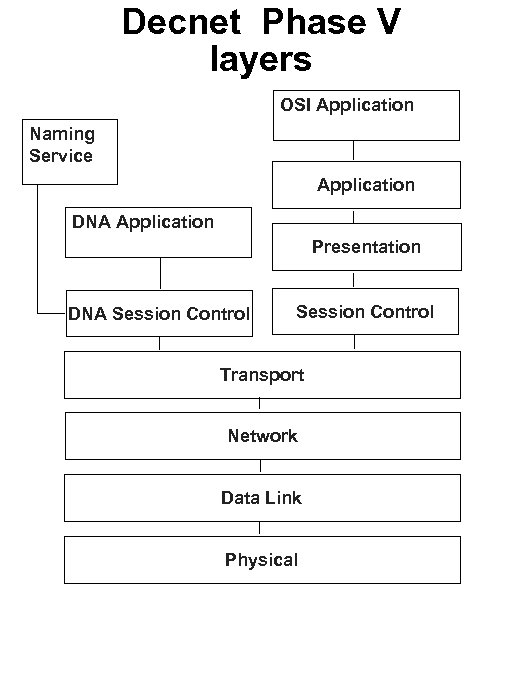 Decnet Phase V layers OSI Application Naming Service Application DNA Application Presentation DNA Session Control Transport Network Data Link Physical
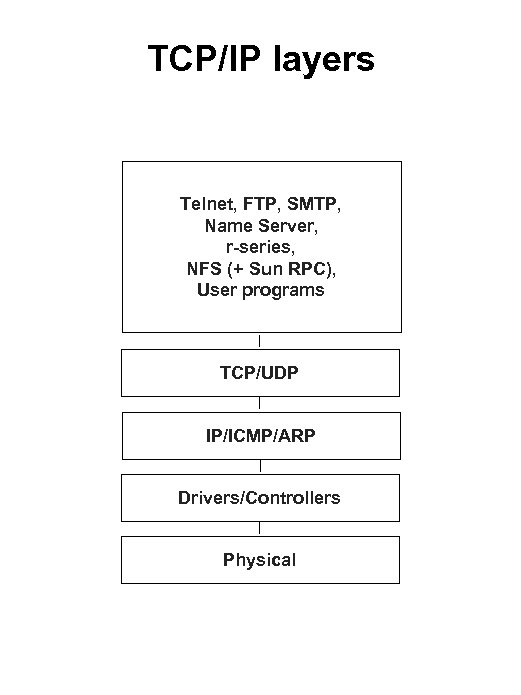 TCP/IP layers Telnet, FTP, SMTP, Name Server, r-series, NFS (+ Sun RPC), User programs TCP/UDP IP/ICMP/ARP Drivers/Controllers Physical
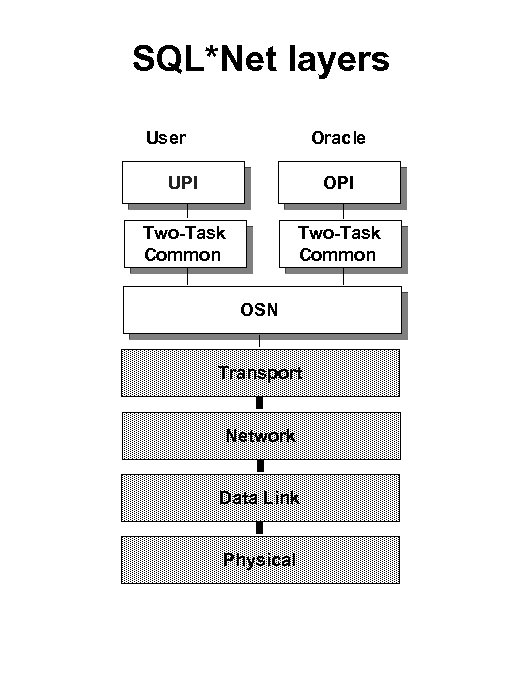 SQL*Net layers User Oracle UPI OPI Two-Task Common OSN Transport Network Data Link Physical
 Problem #1 • I understood protocols upper layers are independent of the data link layer. So, why should I buy an Excelan Ethernet board to run TCP/IP on my Microsoft / Intel PC?
 Problem #2 • I understood protocols like TCP/IP are standards. So, why does the Oracle installation procedure for SQL*NET TCP/IP on VMS ask me which TCP/IP (Wollongong or. Excelan) ? Similarly, why does SQL*NET TCP/IP not work for CMU TCP/IP which is almost free ?
 Problem #3 • Oracle provides a SQL*NET driver for TCP/IP on IBM's 6150 (RT/PC). What should I do to make it work over IBM's Token ring using TCP/IP ?
 Problem #4 • • I'm a newcomer in the networking world. What networking protocol should I use ? What SQL*NET networking protocol should I use if I have the choice ?
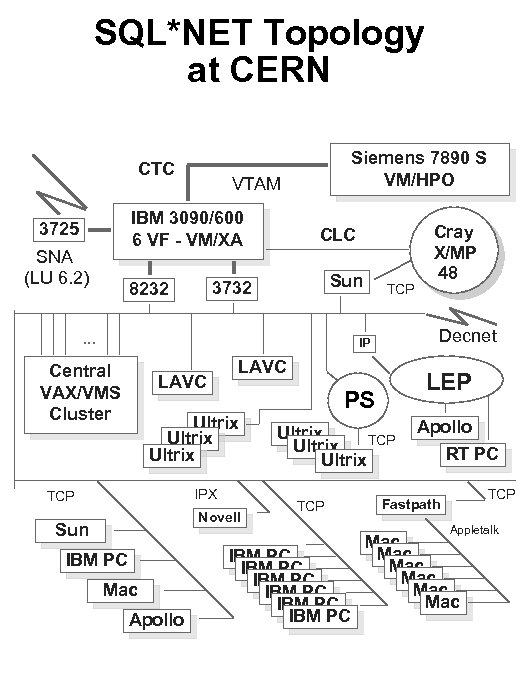 SQL*NET Topology at CERN CTC VTAM IBM 3090/600 6 VF - VM/XA 3725 SNA (LU 6. 2) Siemens 7890 S VM/HPO CLC Sun 3732 8232 . . . TCP Decnet IP Central VAX/VMS Cluster LAVC Ultrix IPX TCP Novell Sun IBM PC Mac Apollo LEP PS Ultrix TCP IBM PC IBM PC Cray X/MP 48 Apollo RT PC TCP Fastpath Appletalk Mac Mac Mac
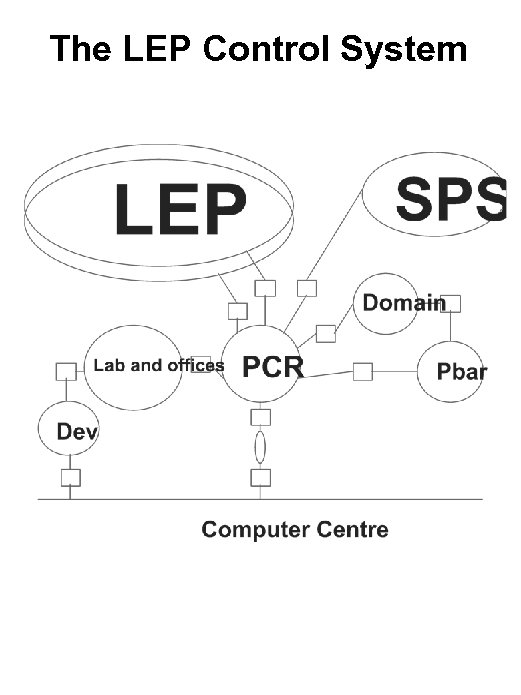 The LEP Control System
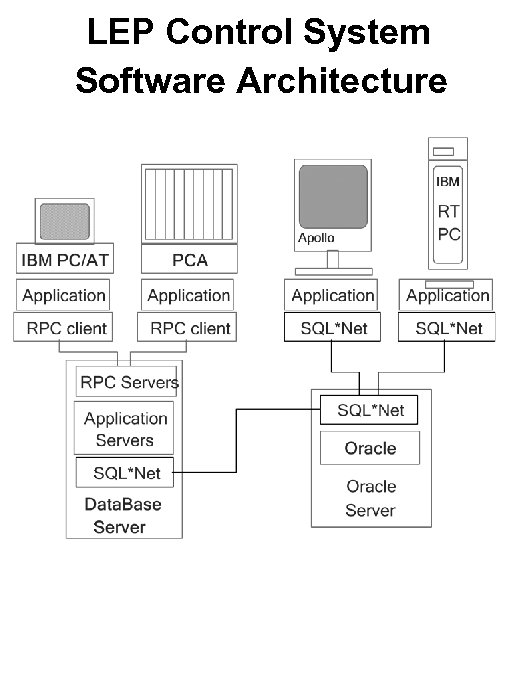 LEP Control System Software Architecture
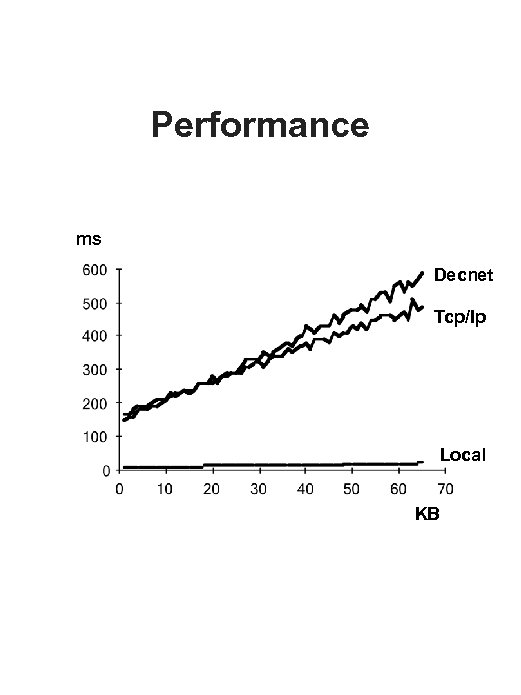 Performance ms Decnet Tcp/Ip Local KB
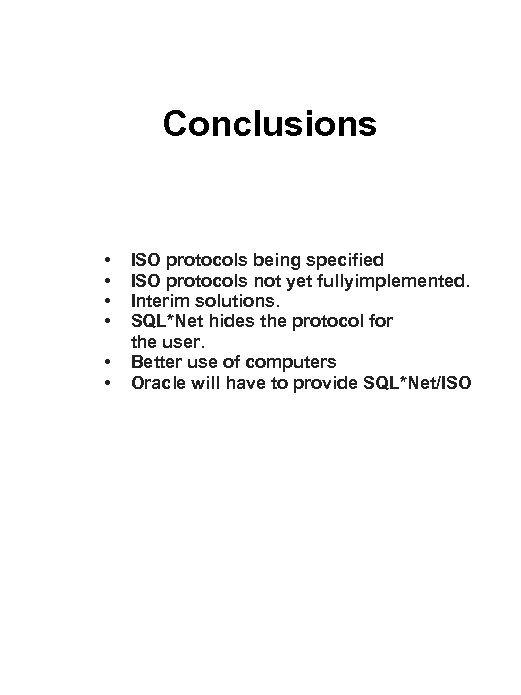 Conclusions • • • ISO protocols being specified ISO protocols not yet fullyimplemented. Interim solutions. SQL*Net hides the protocol for the user. Better use of computers Oracle will have to provide SQL*Net/ISO