 Скачать презентацию Soil C in agriculture the big uncertainty Franco
8d96afb31cedb3d1b70a258fd386d46a.ppt
- Количество слайдов: 27



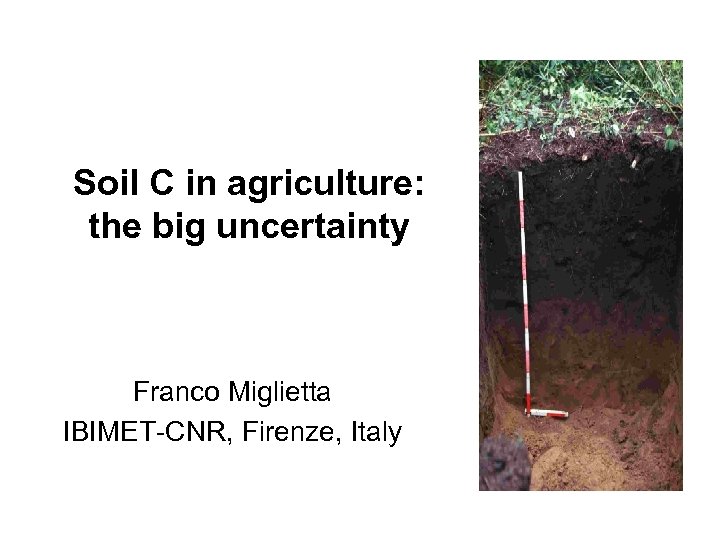
Soil C in agriculture: the big uncertainty Franco Miglietta IBIMET-CNR, Firenze, Italy
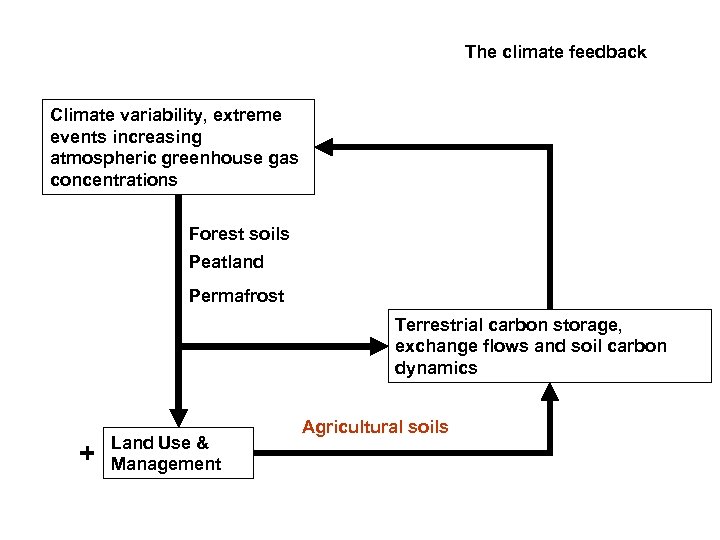
The climate feedback Climate variability, extreme events increasing atmospheric greenhouse gas concentrations Forest soils Peatland Permafrost Terrestrial carbon storage, exchange flows and soil carbon dynamics + Land Use & Management Agricultural soils
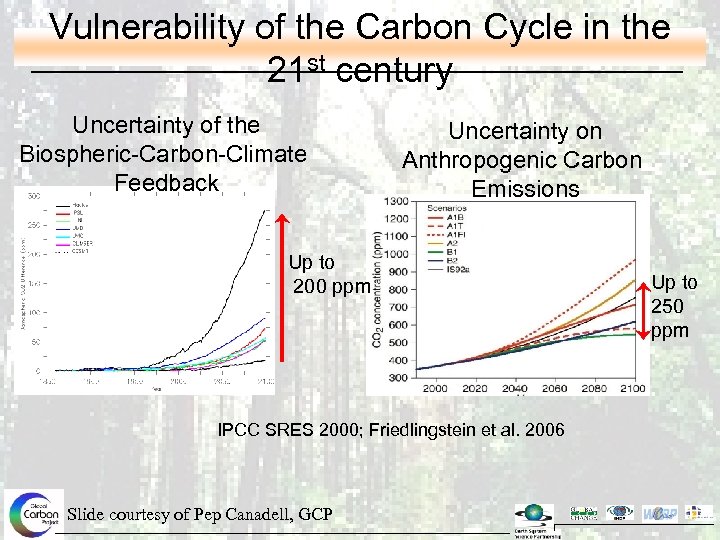
Vulnerability of the Carbon Cycle in the 21 st century Uncertainty of the Biospheric-Carbon-Climate Feedback Uncertainty on Anthropogenic Carbon Emissions Up to 200 ppm IPCC SRES 2000; Friedlingstein et al. 2006 Slide courtesy of Pep Canadell, GCP Up to 250 ppm
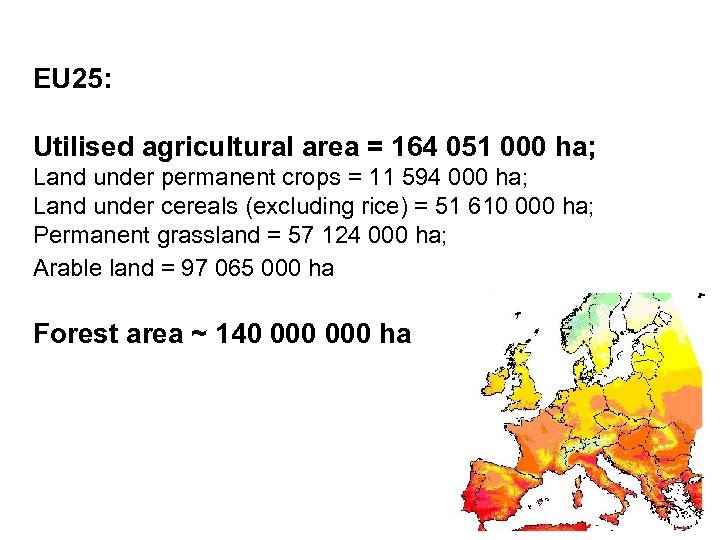
EU 25: Utilised agricultural area = 164 051 000 ha; Land under permanent crops = 11 594 000 ha; Land under cereals (excluding rice) = 51 610 000 ha; Permanent grassland = 57 124 000 ha; Arable land = 97 065 000 ha Forest area ~ 140 000 ha
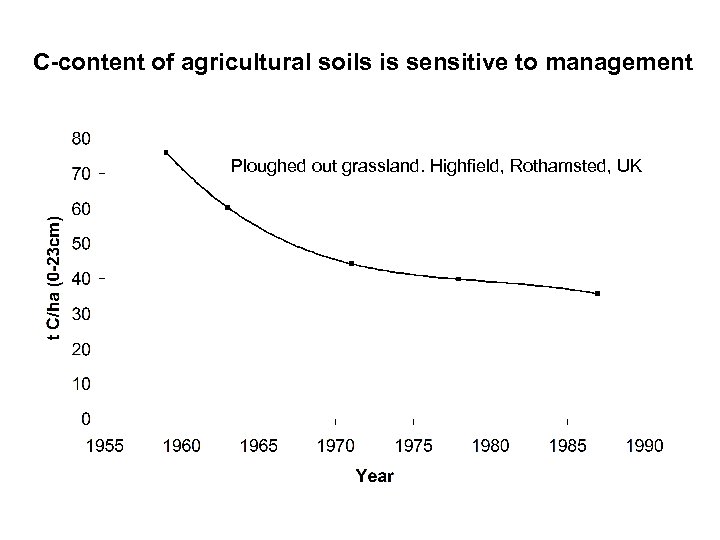
C-content of agricultural soils is sensitive to management Ploughed out grassland. Highfield, Rothamsted, UK
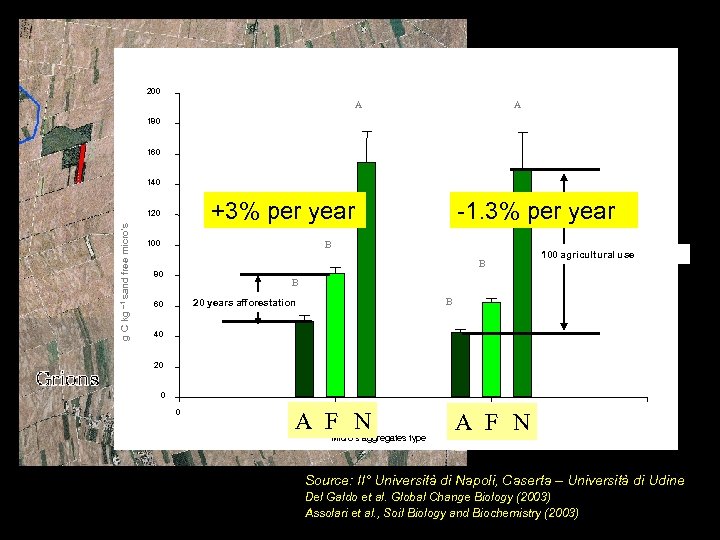
200 A A 180 160 140 +3% per year g C kg – 1 sand free micro’s 120 100 -1. 3% per year B 100 agricultural use B 80 B B 20 years afforestation 60 100 years 20 years 40 20 0 0 A F N m. M Micro's aggregates type M A F N Source: II° Università di Napoli, Caserta – Università di Udine Del Galdo et al. Global Change Biology (2003) Assolari et al. , Soil Biology and Biochemistry (2003)
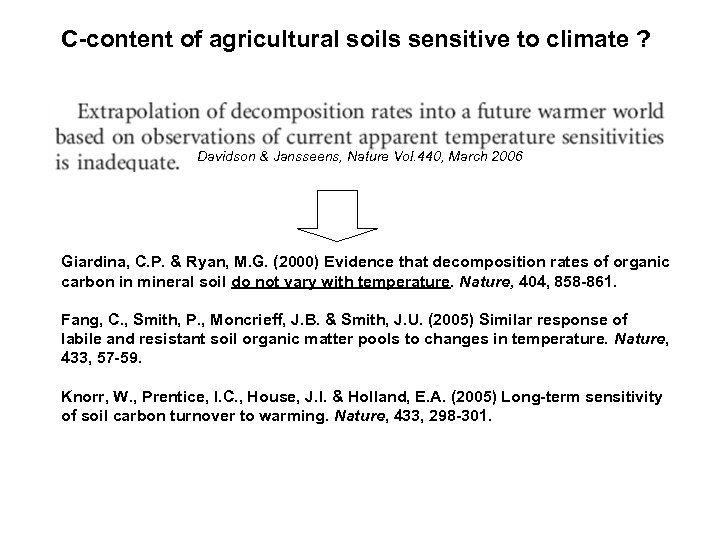
C-content of agricultural soils sensitive to climate ? Davidson & Jansseens, Nature Vol. 440, March 2006 Giardina, C. P. & Ryan, M. G. (2000) Evidence that decomposition rates of organic carbon in mineral soil do not vary with temperature. Nature, 404, 858 -861. Fang, C. , Smith, P. , Moncrieff, J. B. & Smith, J. U. (2005) Similar response of labile and resistant soil organic matter pools to changes in temperature. Nature, 433, 57 -59. Knorr, W. , Prentice, I. C. , House, J. I. & Holland, E. A. (2005) Long-term sensitivity of soil carbon turnover to warming. Nature, 433, 298 -301.
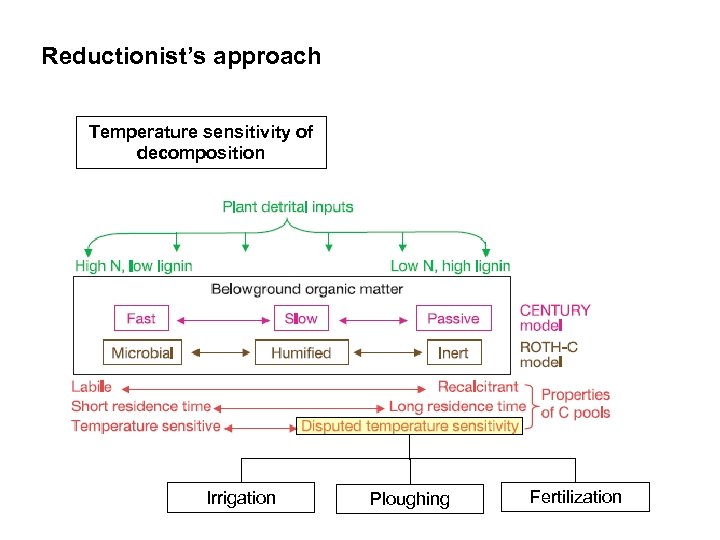
Reductionist’s approach Temperature sensitivity of decomposition Irrigation Ploughing Fertilization
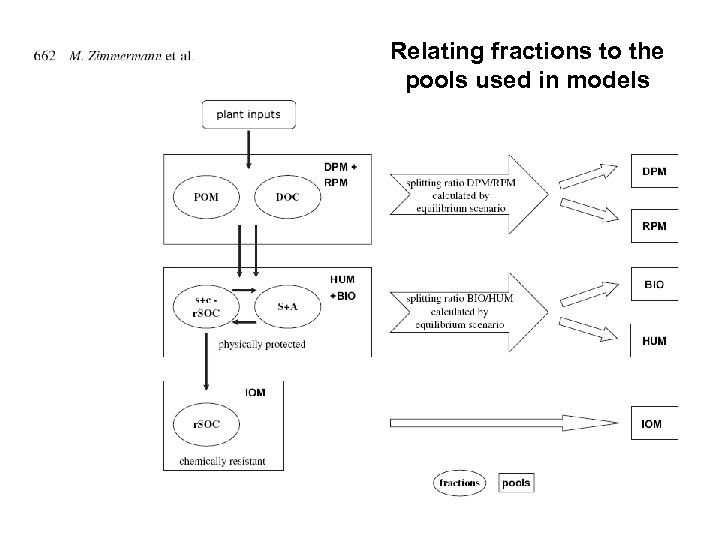
Relating fractions to the pools used in models
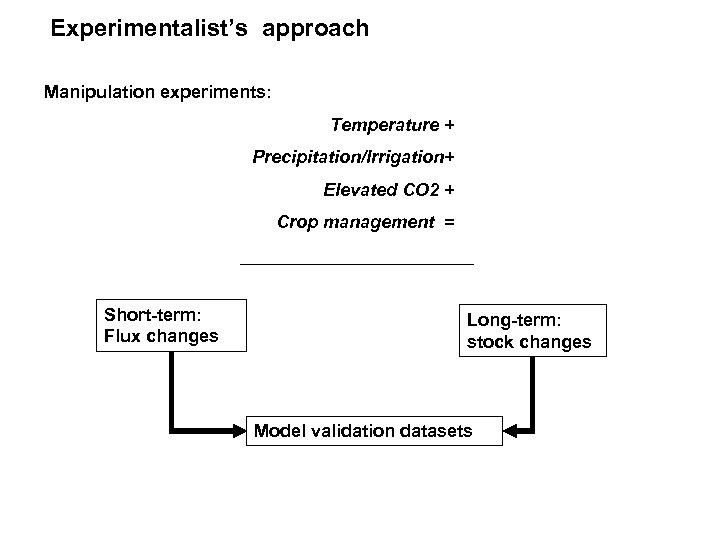
Experimentalist’s approach Manipulation experiments: Temperature + Precipitation/Irrigation+ Elevated CO 2 + Crop management = Short-term: Flux changes Long-term: stock changes Model validation datasets
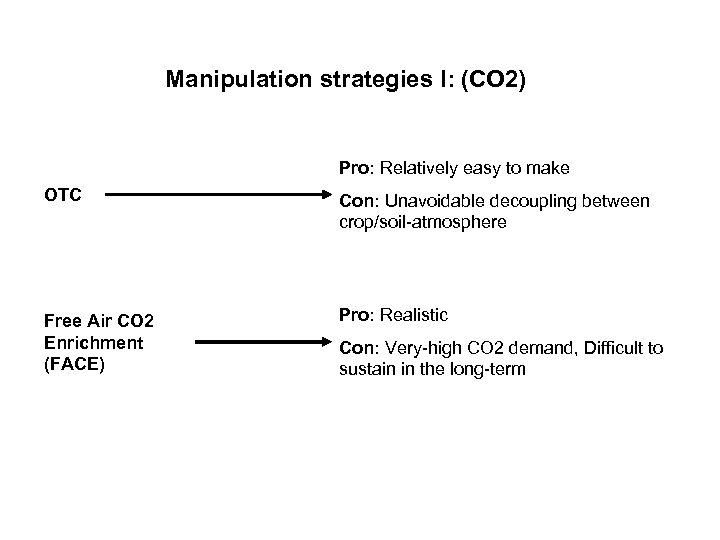
Manipulation strategies I: (CO 2) Pro: Relatively easy to make OTC Con: Unavoidable decoupling between crop/soil-atmosphere Free Air CO 2 Enrichment (FACE) Pro: Realistic Con: Very-high CO 2 demand, Difficult to sustain in the long-term
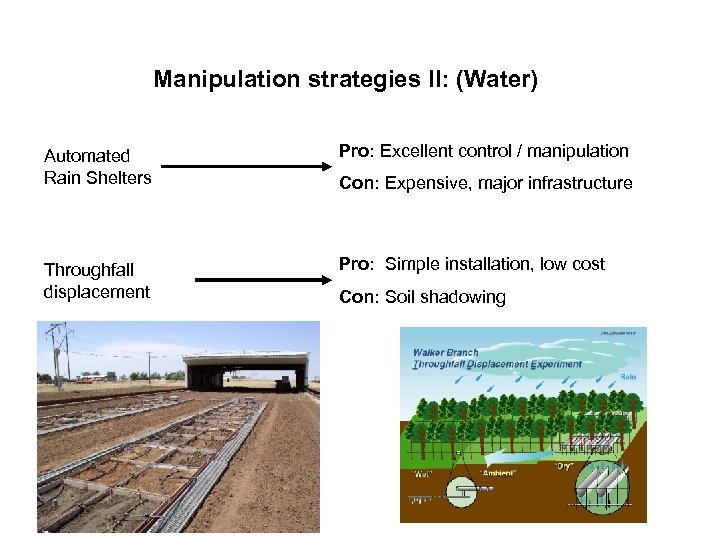
Manipulation strategies II: (Water) Automated Rain Shelters Pro: Excellent control / manipulation Throughfall displacement Pro: Simple installation, low cost Con: Expensive, major infrastructure Con: Soil shadowing
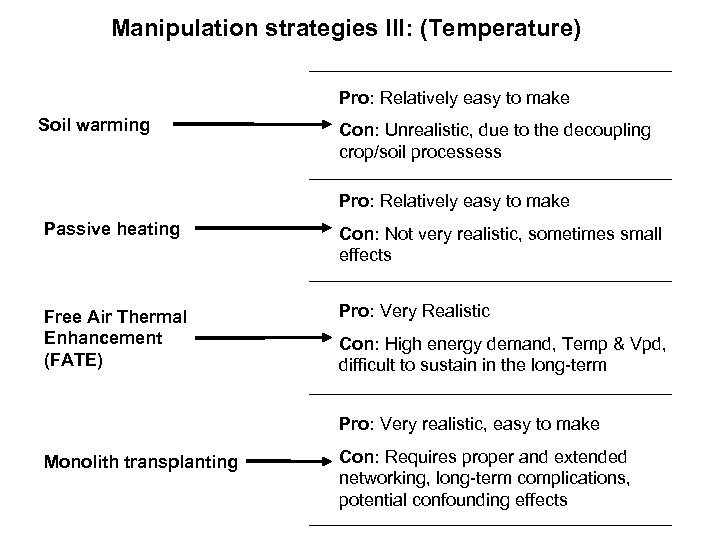
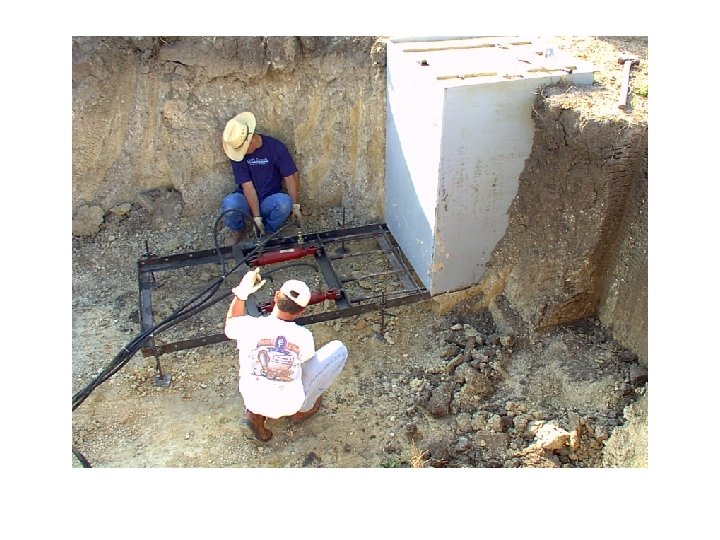
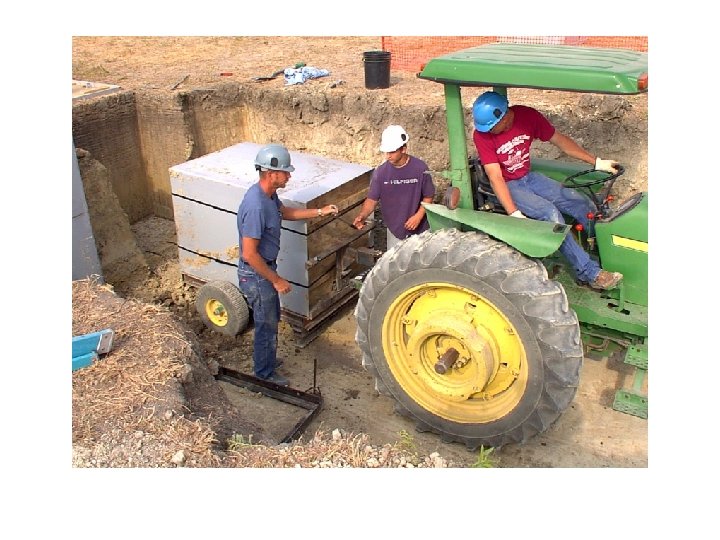
Manipulation strategies III: (Temperature) Pro: Relatively easy to make Soil warming Con: Unrealistic, due to the decoupling crop/soil processess Pro: Relatively easy to make Passive heating Con: Not very realistic, sometimes small effects Free Air Thermal Enhancement (FATE) Pro: Very Realistic Con: High energy demand, Temp & Vpd, difficult to sustain in the long-term Pro: Very realistic, easy to make Monolith transplanting Con: Requires proper and extended networking, long-term complications, potential confounding effects
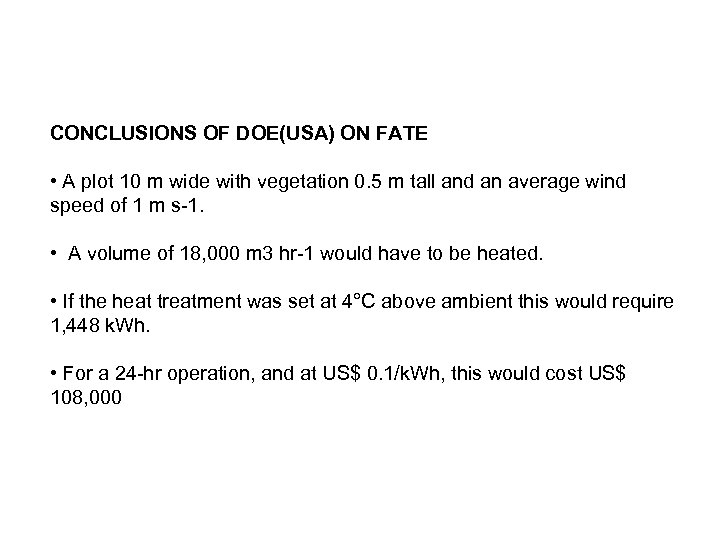
CONCLUSIONS OF DOE(USA) ON FATE • A plot 10 m wide with vegetation 0. 5 m tall and an average wind speed of 1 m s-1. • A volume of 18, 000 m 3 hr-1 would have to be heated. • If the heat treatment was set at 4°C above ambient this would require 1, 448 k. Wh. • For a 24 -hr operation, and at US$ 0. 1/k. Wh, this would cost US$ 108, 000
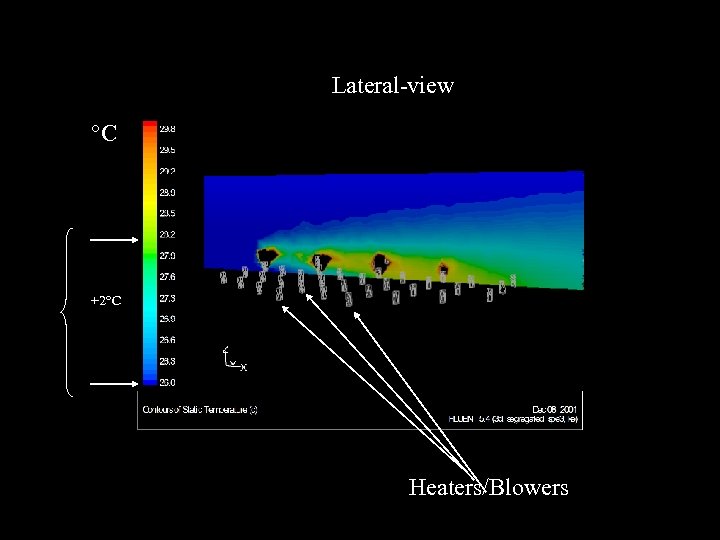
Lateral-view °C +2°C Heaters/Blowers
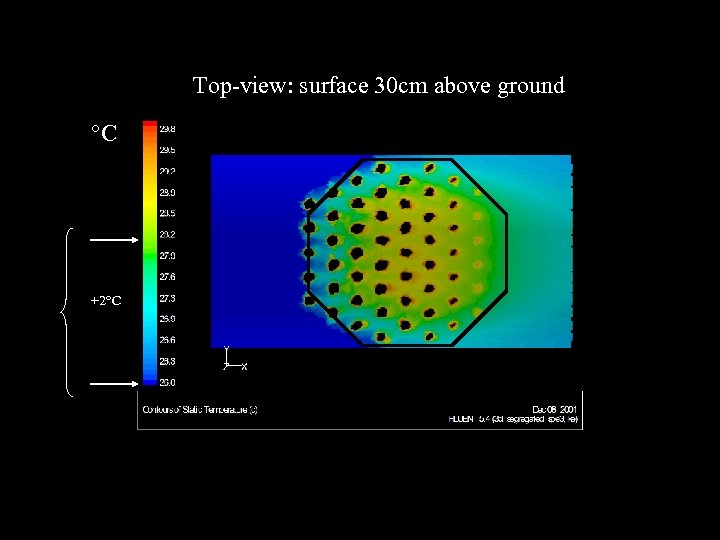
Top-view: surface 30 cm above ground °C +2°C
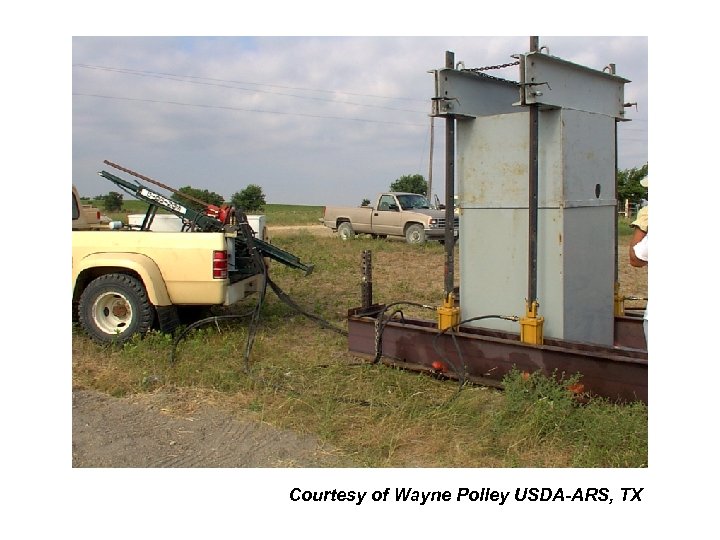
Courtesy of Wayne Polley USDA-ARS, TX
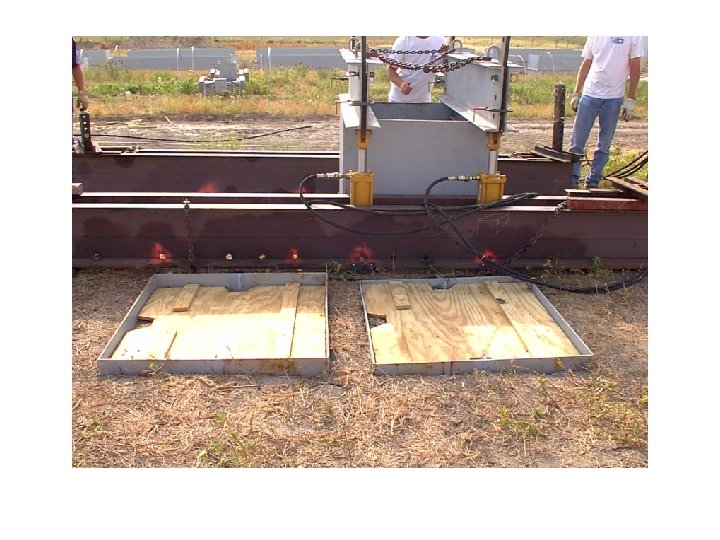
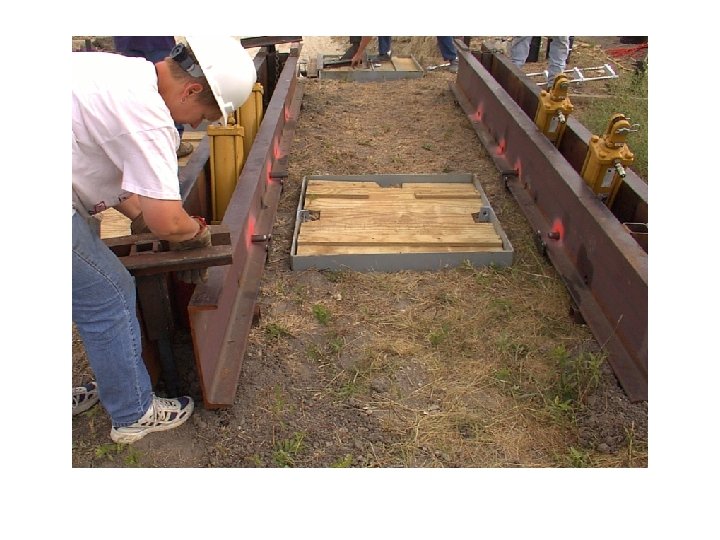
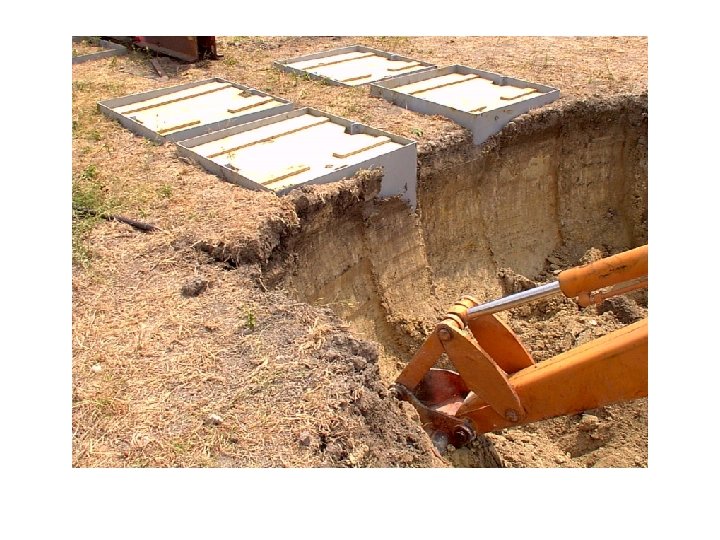
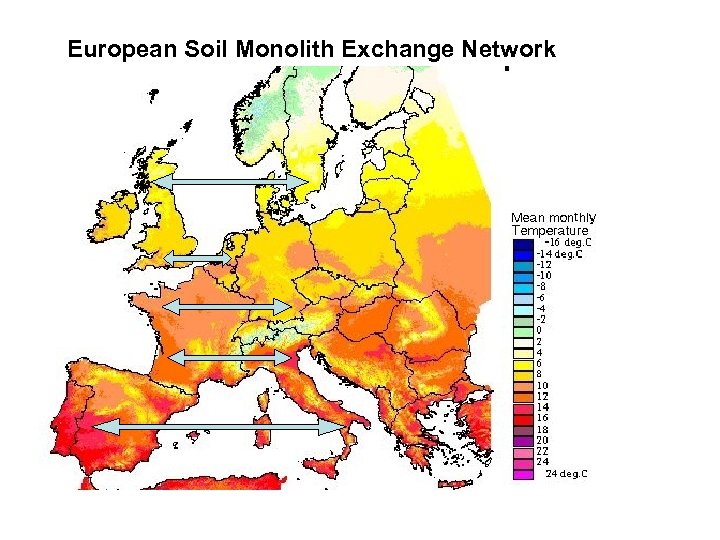
European Soil Monolith Exchange Network
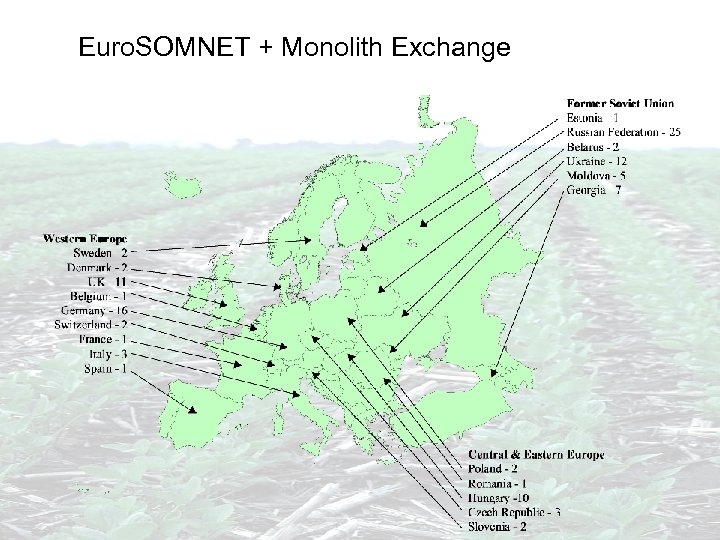
Euro. SOMNET + Monolith Exchange
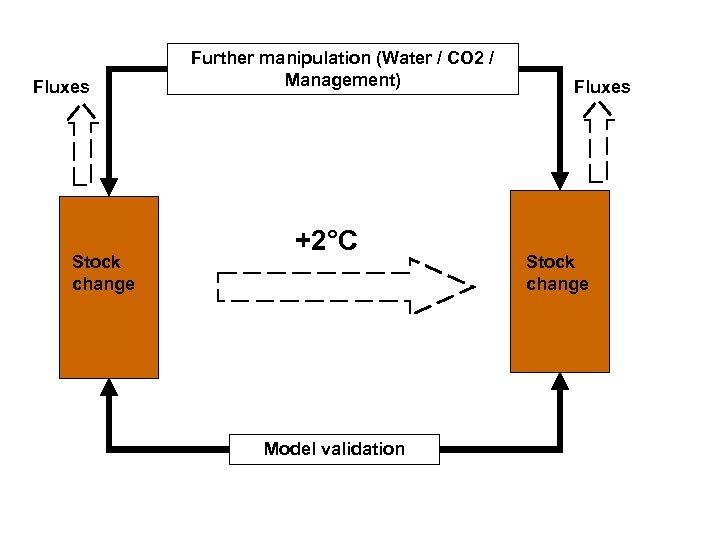
Fluxes Stock change Further manipulation (Water / CO 2 / Management) +2°C Model validation Fluxes Stock change
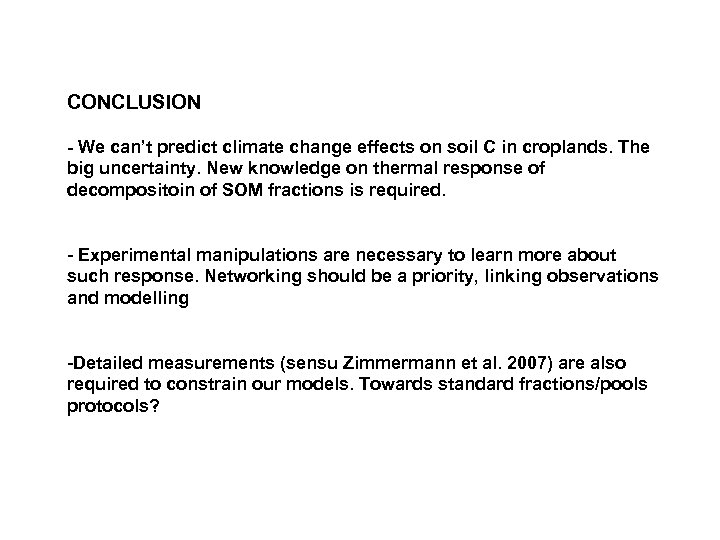
CONCLUSION - We can’t predict climate change effects on soil C in croplands. The big uncertainty. New knowledge on thermal response of decompositoin of SOM fractions is required. - Experimental manipulations are necessary to learn more about such response. Networking should be a priority, linking observations and modelling -Detailed measurements (sensu Zimmermann et al. 2007) are also required to constrain our models. Towards standard fractions/pools protocols?
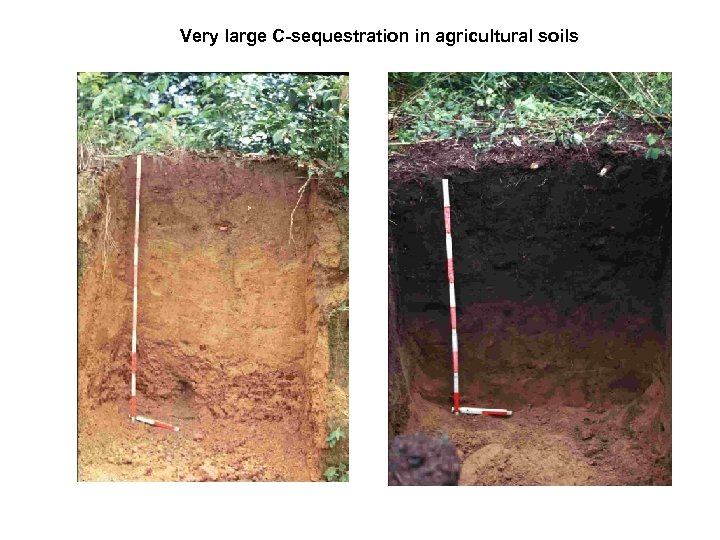
Very large C-sequestration in agricultural soils
Скачать презентацию Soil C in agriculture the big uncertainty Franco
8d96afb31cedb3d1b70a258fd386d46a.ppt