 Скачать презентацию Social Media as an Advocacy Tool Bike SM
e755886a95ae5f169e4a669a4fa24561.ppt
- Количество слайдов: 75



Social Media as an Advocacy Tool #Bike. SM
How to Engage Today • Follow the conversation: – Session. Hashtag is: #Bike. SM – Summit Hashtag is: #NBS 13 – League Twitter Handle is: @Bike. League – Social Media for Bike Organizations FB Group • Wifi Code: • 1 question, 1 minute
Twitter Friendly Bios • @mary_madden is a senior researcher @pewinternet where she studies trends in social media, privacy, + digital media use by teens + parents • @Barb. Chamberlain, executive director at the Bicycle Alliance of WA, created womenbikeblogs. com to build community connections. • @Mathilde. Piard is Cox Media Group's social media mgr (tv radio newspapers) & has trained orgs on the subject from Atlanta to Addis Ababa.
The State of Social Media Mary Madden, Senior Researcher Pew Research Center’s Internet and American Life Project National Bike Summit Washington, DC March 5, 2013
Part One: The Landscape of Social Media Who uses what?
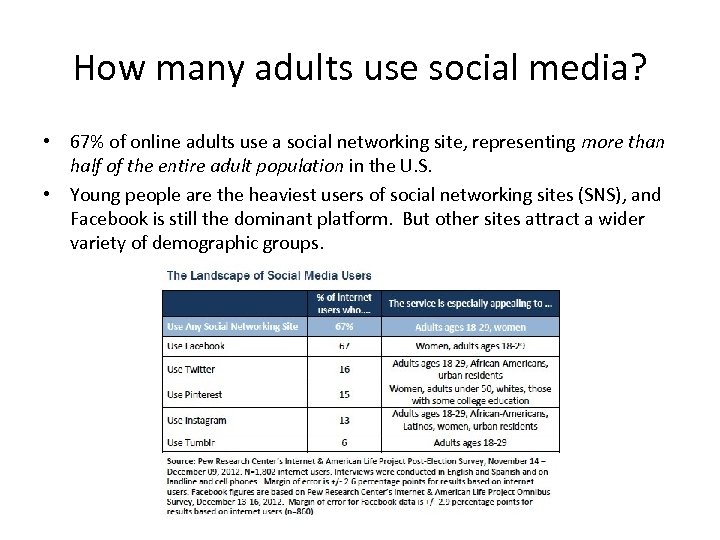
How many adults use social media? • 67% of online adults use a social networking site, representing more than half of the entire adult population in the U. S. • Young people are the heaviest users of social networking sites (SNS), and Facebook is still the dominant platform. But other sites attract a wider variety of demographic groups.
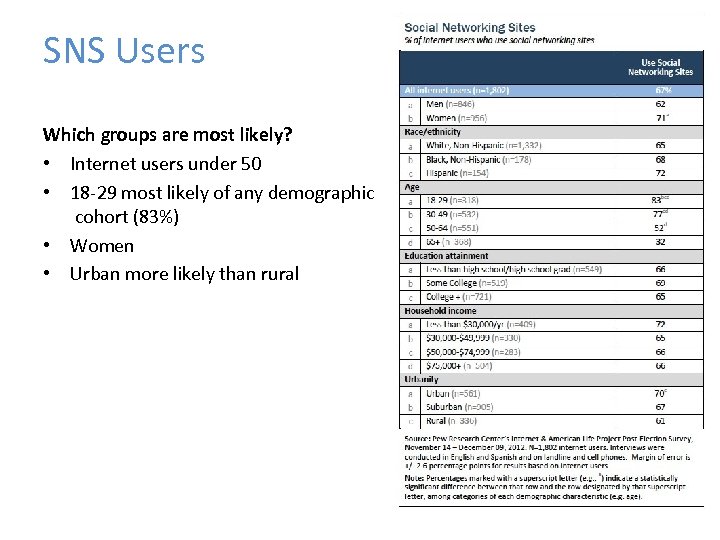
SNS Users Which groups are most likely? • Internet users under 50 • 18 -29 most likely of any demographic cohort (83%) • Women • Urban more likely than rural
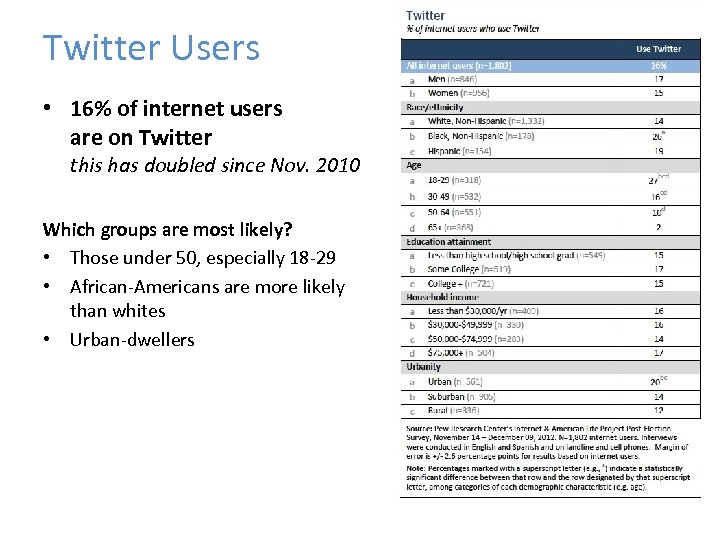
Twitter Users • 16% of internet users are on Twitter this has doubled since Nov. 2010 Which groups are most likely? • Those under 50, especially 18 -29 • African-Americans are more likely than whites • Urban-dwellers
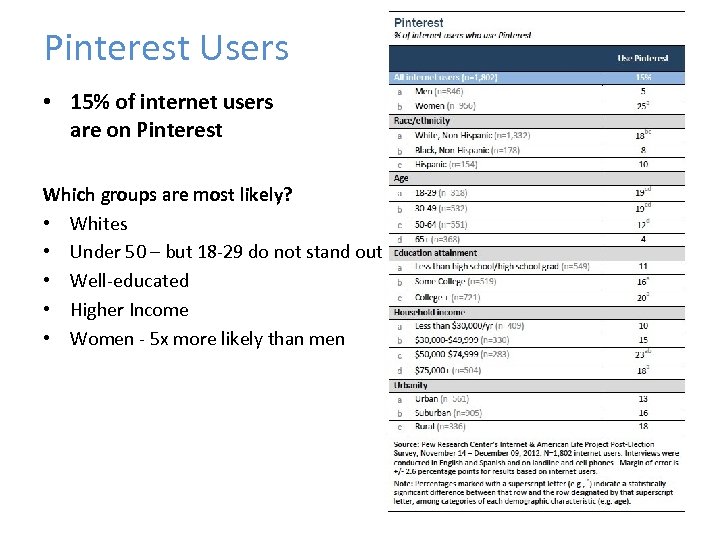
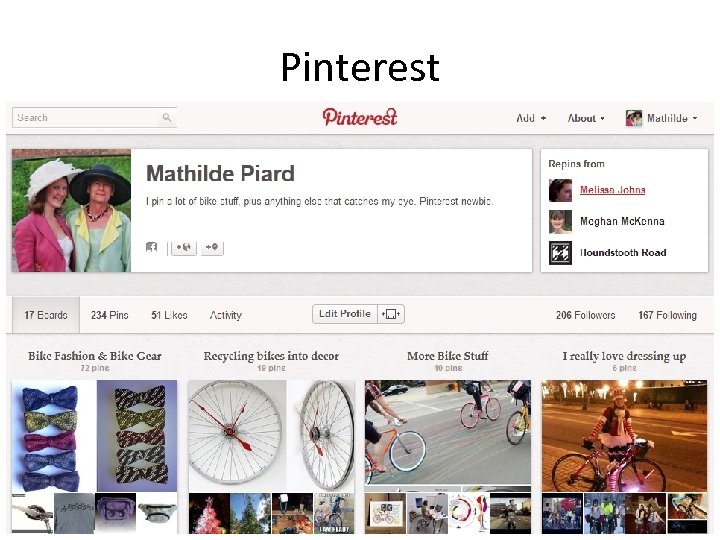
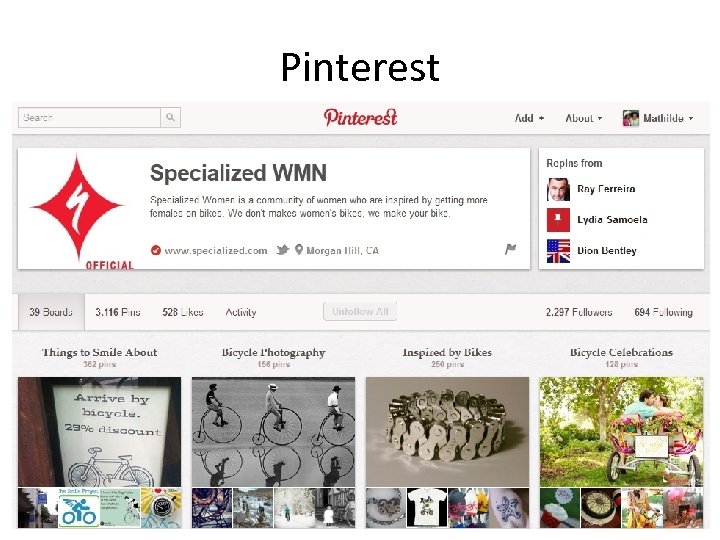
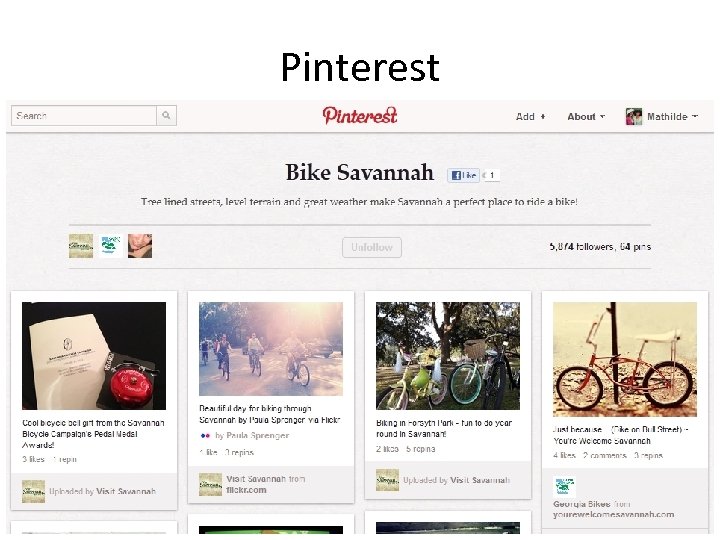
Pinterest Users • 15% of internet users are on Pinterest Which groups are most likely? • Whites • Under 50 – but 18 -29 do not stand out • Well-educated • Higher Income • Women - 5 x more likely than men
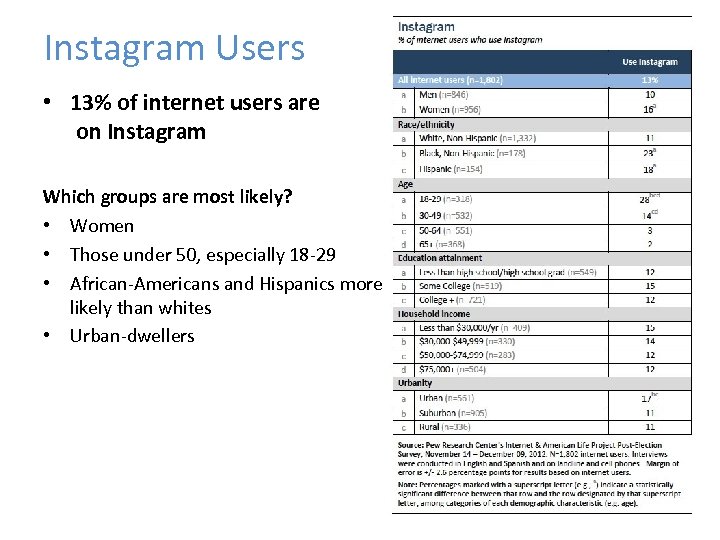
Instagram Users • 13% of internet users are on Instagram Which groups are most likely? • Women • Those under 50, especially 18 -29 • African-Americans and Hispanics more likely than whites • Urban-dwellers
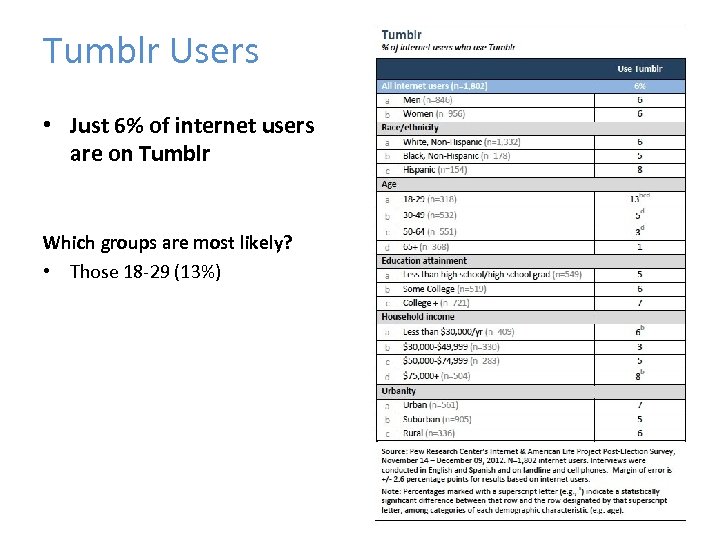
Tumblr Users • Just 6% of internet users are on Tumblr Which groups are most likely? • Those 18 -29 (13%)
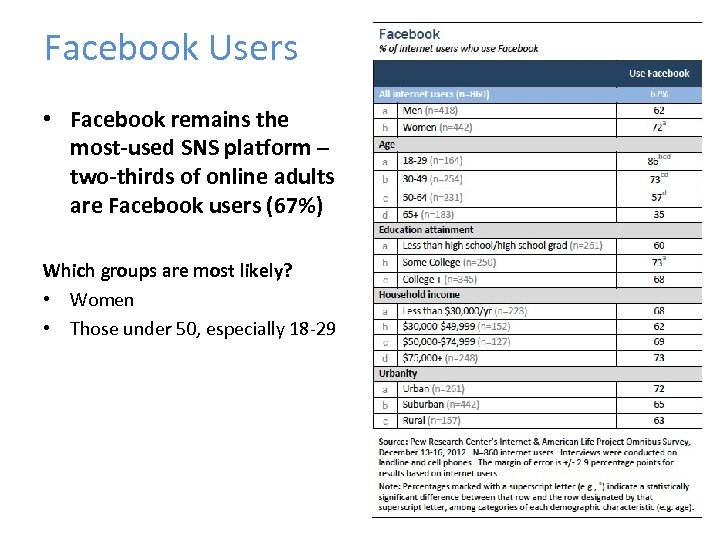
Facebook Users • Facebook remains the most-used SNS platform – two-thirds of online adults are Facebook users (67%) Which groups are most likely? • Women • Those under 50, especially 18 -29
Part Two: Facebook Fatigue Taking a break or breaking the habit
Coming and Going on Facebook • Facebook fasting: 61% of current Facebook users say that at one time or another in the past they have voluntarily taken a break from using Facebook for a period of several weeks or more. • Facebook dropouts: 20% of the online adults who do not currently use Facebook say they once used the site but no longer do so. • Future Facebook users: 8% of online adults who do not currently use Facebook are interested in becoming Facebook users in the future.
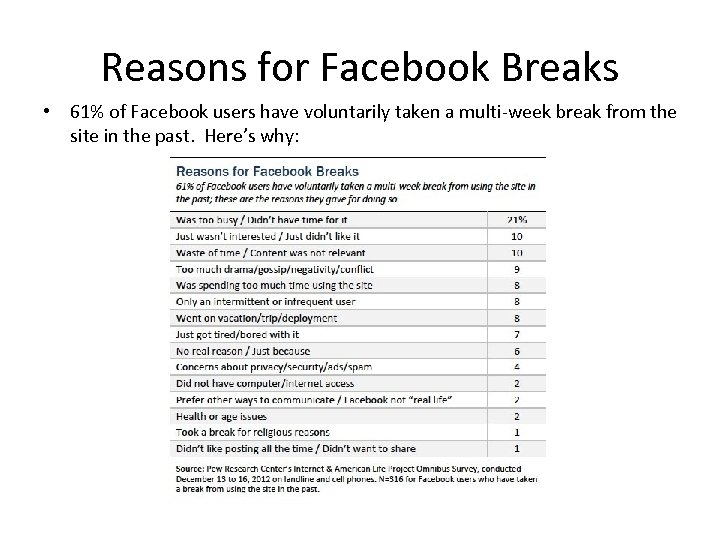
Reasons for Facebook Breaks • 61% of Facebook users have voluntarily taken a multi-week break from the site in the past. Here’s why:
How important is Facebook to you? • 59% of Facebook users say the social networking site is about as important to them as it was a year ago. 53% say the amount of time they spend on Facebook is about the same as last year. • 28% of Facebook users say the site has been less important to them than it was a year ago. 34% of users say the amount of time they spend on Facebook has decreased over the past year. • 12% of Facebook users say the site has become more important to them than it was a year ago. 13% of users say the amount of time they spend on Facebook has increased over the past year.
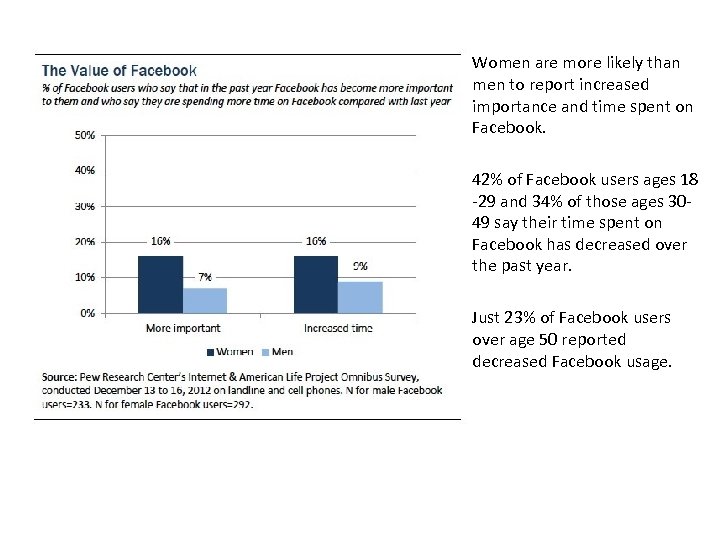
• Women are more likely than men to report increased importance and time spent on Facebook. • 42% of Facebook users ages 18 -29 and 34% of those ages 3049 say their time spent on Facebook has decreased over the past year. • Just 23% of Facebook users over age 50 reported decreased Facebook usage.
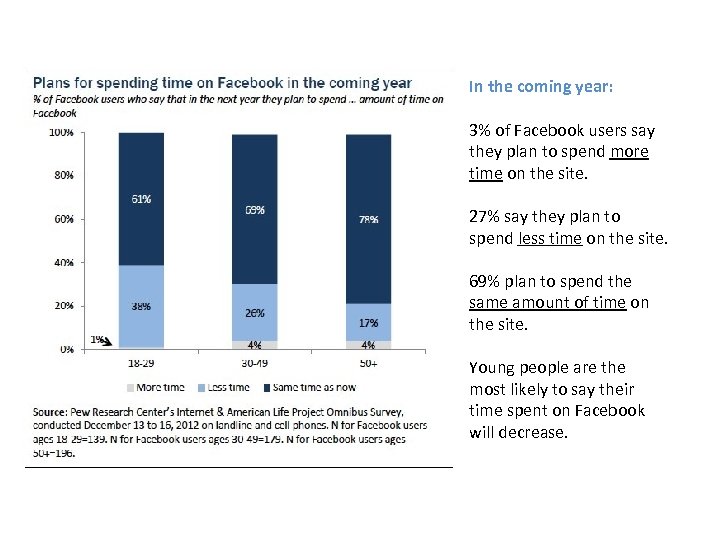
In the coming year: 3% of Facebook users say they plan to spend more time on the site. 27% say they plan to spend less time on the site. 69% plan to spend the same amount of time on the site. Young people are the most likely to say their time spent on Facebook will decrease.
Part Three: Orgs + Social Media We’re all in this together…
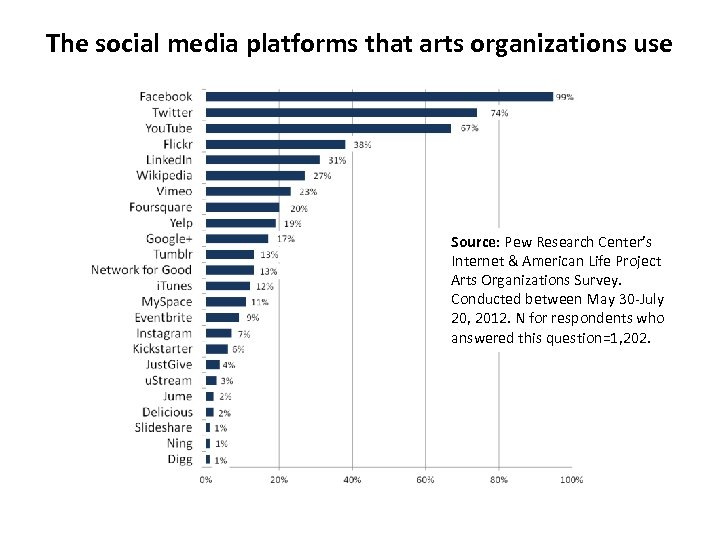
The social media platforms that arts organizations use Source: Pew Research Center’s Internet & American Life Project Arts Organizations Survey. Conducted between May 30 -July 20, 2012. N for respondents who answered this question=1, 202.
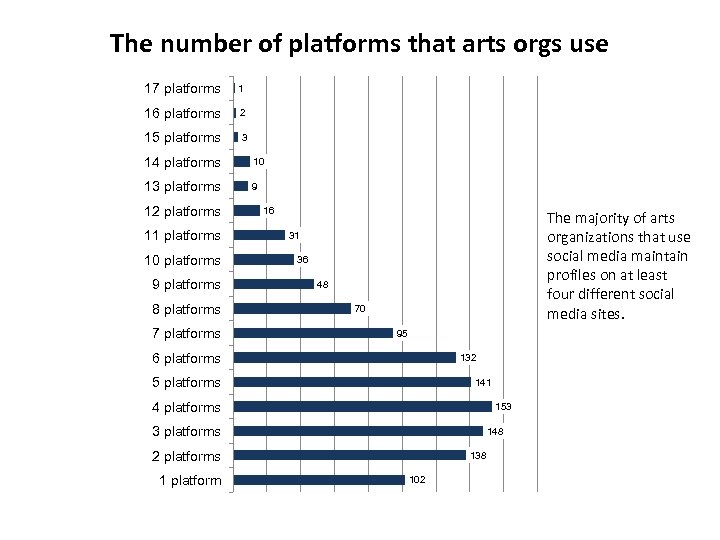
The number of platforms that arts orgs use 17 platforms 1 16 platforms 2 15 platforms 3 14 platforms 10 13 platforms 9 12 platforms 11 platforms 10 platforms 9 platforms 8 platforms 7 platforms 16 The majority of arts organizations that use social media maintain profiles on at least four different social media sites. 31 36 48 70 95 6 platforms 132 5 platforms 141 4 platforms 153 3 platforms 148 2 platforms 1 platform 138 102
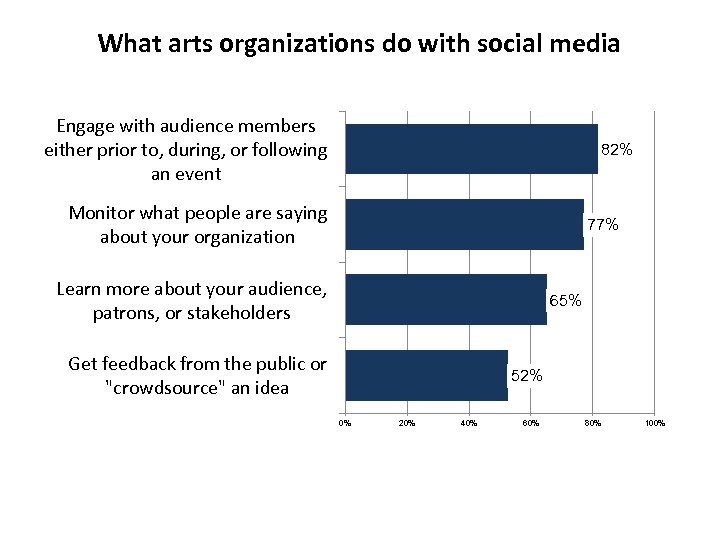
What arts organizations do with social media Engage with audience members either prior to, during, or following an event 82% Monitor what people are saying about your organization 77% Learn more about your audience, patrons, or stakeholders 65% Get feedback from the public or "crowdsource" an idea 52% 0% 20% 40% 60% 80% 100%
Where we live: Pew Internet • Twitter: https: //twitter. com/pewinternet; @pewinternet • Facebook: https: //www. facebook. com/pewinternet • Tumblr: http: //pewinternet. tumblr. com/ • Slideshare: http: //www. slideshare. net/Pew. Internet • Google+: https: //plus. google. com/115622082336717197010/ posts • You. Tube: https: //www. youtube. com/user/Pew. Research. Center
Thank you! Email: mmadden@pewinternet. org Twitter: mary_madden Web: www. pewinternet. org
Sources • Pew Research Center’s Internet & American Life Project Post-Election Survey, November 14 December 09, 2012. N=1, 802 internet users. Interviews were conducted in English and Spanish and on landlines and cell phones. Margin of error is +/- 2. 6 percentage points for results based on internet users. – • Pew Research Center’s Internet & American Life Project Omnibus Survey, December 13 -16, 2012. N=1, 006 adults. Interviews conducted by landline and cell phone in English. The margin of error is +/- 3. 6 percentage points for the complete set of weighted data. – • Corresponding report: “The Demographics of Social Media Users – 2012” http: //pewinternet. org/Reports/2013/Social-media-users. aspx Corresponding report: “Coming and Going on Facebook” http: //pewinternet. org/Reports/2013/Coming-and-going-on-facebook. aspx Pew Research Center’s Internet & American Life Project Omnibus Survey, December 13 -16, 2012. N=1, 006 adults. Interviews conducted by landline and cell phone in English. The margin of error is +/- 3. 6 percentage points for the complete set of weighted data. – Corresponding report: “Arts Organizations and Digital Technologies” http: //www. pewinternet. org/Reports/2013/Arts-and-technology. asp x
QUESTIONS FOR MARY?
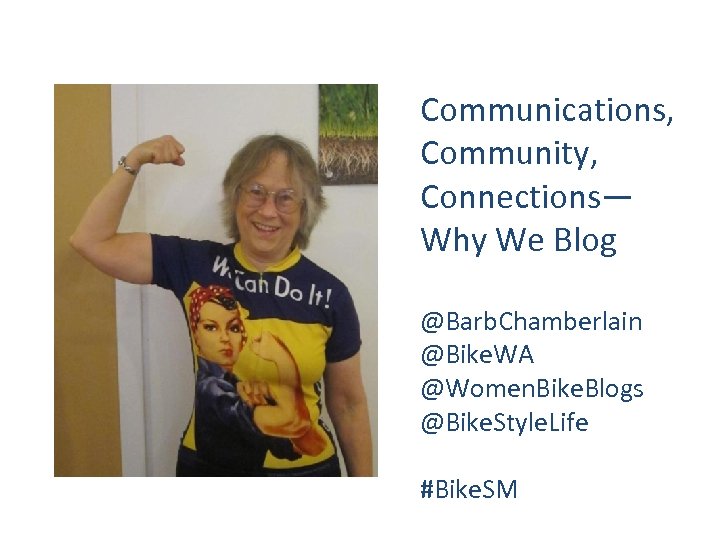
Communications, Community, Connections— Why We Blog @Barb. Chamberlain @Bike. WA @Women. Bike. Blogs @Bike. Style. Life #Bike. SM
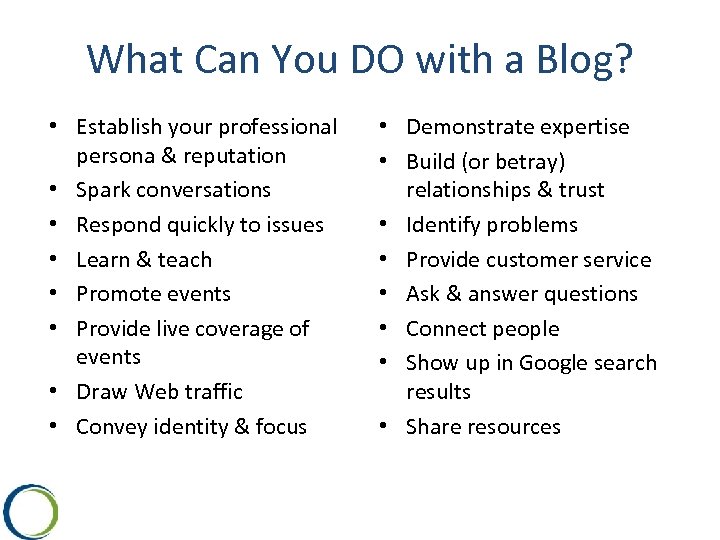
What Can You DO with a Blog? • Establish your professional persona & reputation • Spark conversations • Respond quickly to issues • Learn & teach • Promote events • Provide live coverage of events • Draw Web traffic • Convey identity & focus • Demonstrate expertise • Build (or betray) relationships & trust • Identify problems • Provide customer service • Ask & answer questions • Connect people • Show up in Google search results • Share resources
Blogging for Communications • We ARE the media • Your voice, your message • Shareable shareable—if it’s not worth sharing, why are you posting it? – Email, Twitter, Facebook, Linked. In, Pinterest, Flickr— whatever you create, share in multiple platforms • Dynamic content—more interesting than static web pages but also helps drive views of those underlying resource pages • Response space as needed
Blogging for Community • Comments can foster a sense of community – Public /organizational sites: Publish a clear comment policy that provides legal protection and promotes civility and moderate comments – If your typical comment is more than two paragraphs long, you need a blog of your own • Links to other blogs/sites establish context for who/what you are • Link generously. It’s free.
Women. Bike. Blogs. com @Women. Bike. Blogs • Grew out of a personal quest • Methodology=serendipity, data imperfect & incomplete • 818 found so far (176 appear defunct) • Local to international, amateur to professional • Every kind of riding: MTB, Tri, Road, Cross, Commuter, Touring, Crazy, Happy, Cheap, Expensive, Pretty, Muddy, Daily, Monthly, Yearly, Random….
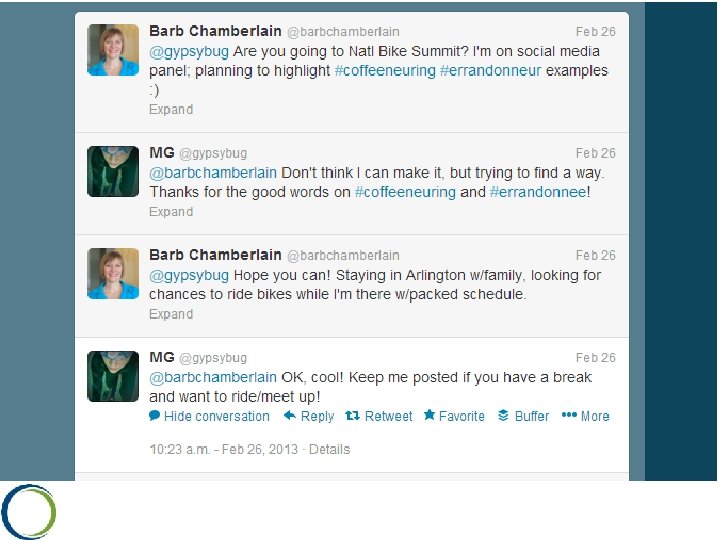
Cyclofemme, @30 Daysof. Biking, #Coffeeneuring & Other Fun • Themed blog posts or sites create common experiences and inspiration for your posts • Cyclofemme: Event promoted online • 30 Days of Biking: Site, hashtag, goal • #Coffeeneuring, #Errandonnee, & similar ideas: Connecting across cities and countries • What can you start in your area and spread via blog?
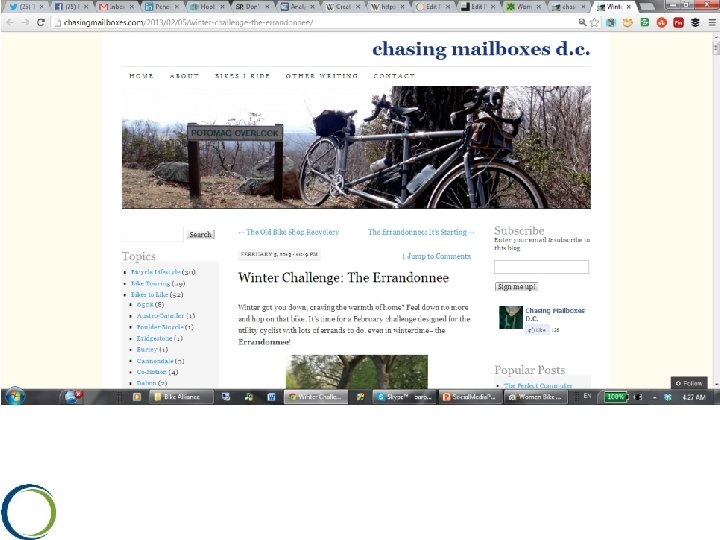
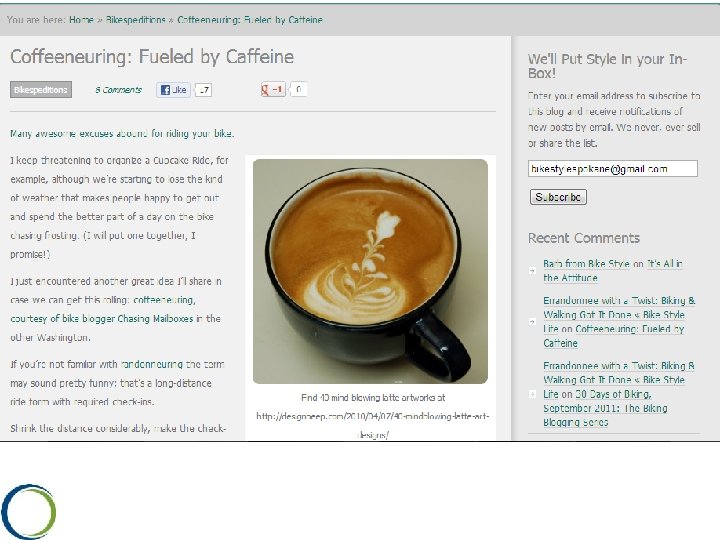
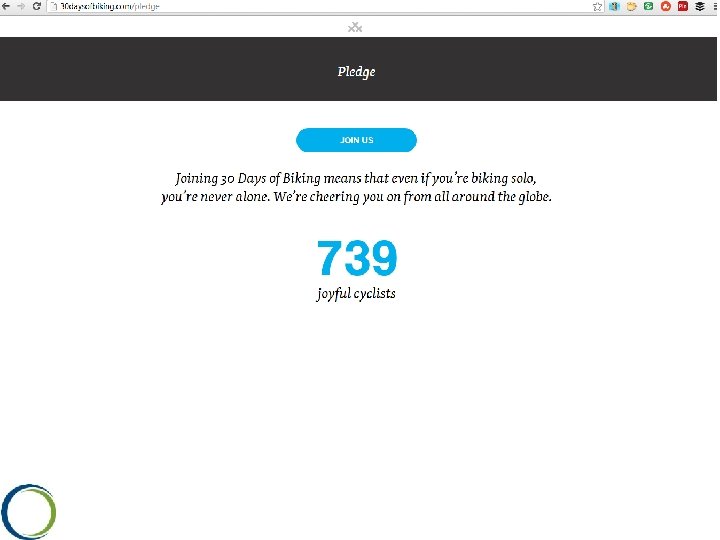
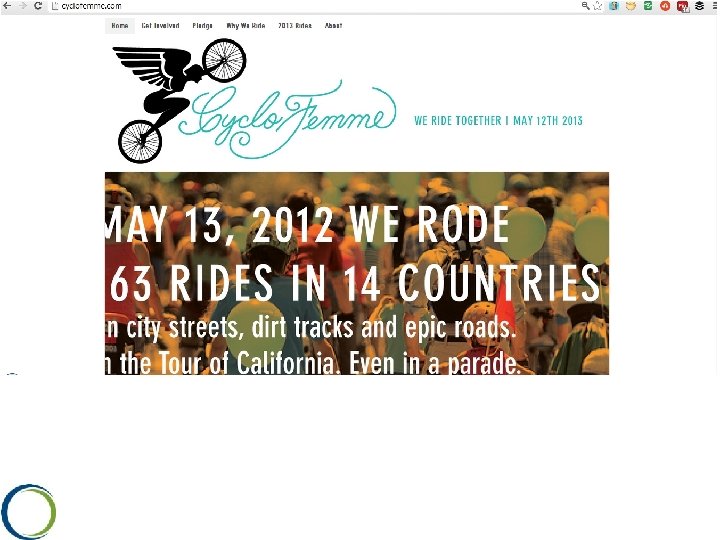
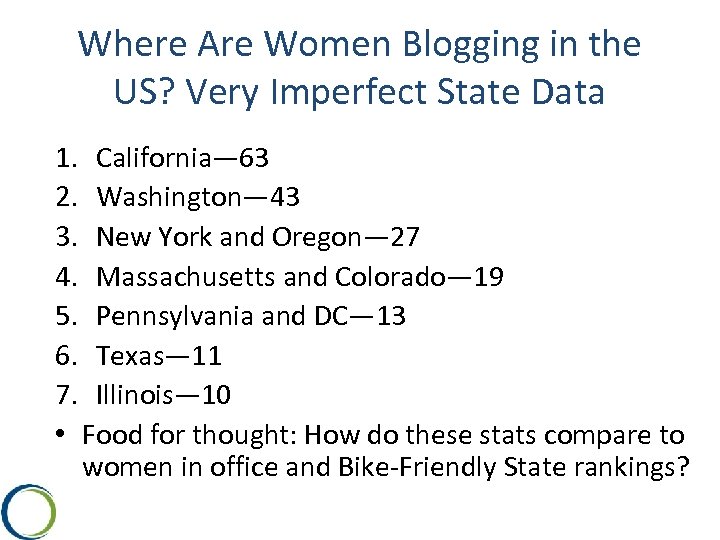
Where Are Women Blogging in the US? Very Imperfect State Data 1. California— 63 2. Washington— 43 3. New York and Oregon— 27 4. Massachusetts and Colorado— 19 5. Pennsylvania and DC— 13 6. Texas— 11 7. Illinois— 10 • Food for thought: How do these stats compare to women in office and Bike-Friendly State rankings?
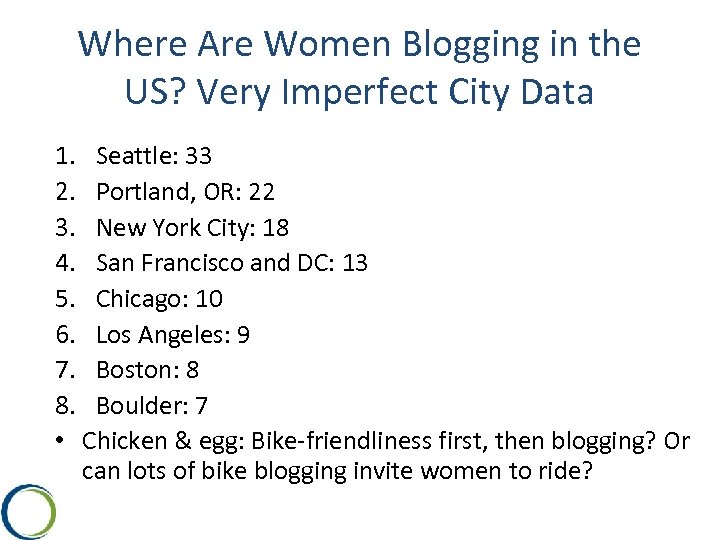
Where Are Women Blogging in the US? Very Imperfect City Data 1. Seattle: 33 2. Portland, OR: 22 3. New York City: 18 4. San Francisco and DC: 13 5. Chicago: 10 6. Los Angeles: 9 7. Boston: 8 8. Boulder: 7 • Chicken & egg: Bike-friendliness first, then blogging? Or can lots of bike blogging invite women to ride?
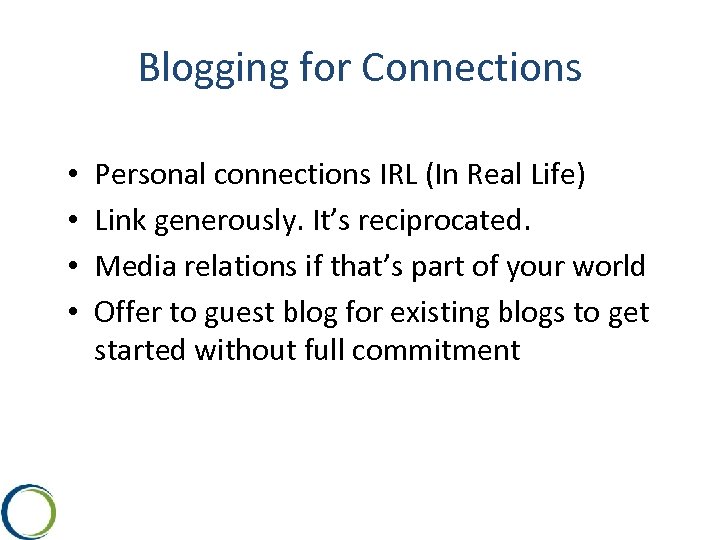
Blogging for Connections • • Personal connections IRL (In Real Life) Link generously. It’s reciprocated. Media relations if that’s part of your world Offer to guest blog for existing blogs to get started without full commitment
Communications, Community, Connections—Why We Blog Barb Chamberlain Bicycle Alliance of Washington Work: Bicyclealliance. org, @bike. WA, Facebook. com/bicyclealliance barb@bicyclealliance. org @barbchamberlain Bike blog: Bikestylespokane. com, @Bike. Style. Life Personal blog: biketoworkbarb. blogspot. com
QUESTIONS FOR BARB?
Social Media as an Advocacy Tool Mathilde Piard Social Media Manager, Cox Media Group Volunteer & Advisory Council, Atlanta Bicycle Coalition @mathildepiard | #NBS 13 & #Bike. SM http: //j. mp/bikesmfacebook & http: //j. mp/bikesmlinkedin
Uses of social media • “Practical” stuff – – – Advocacy Promoting events Enlisting volunteers Driving membership Promoting your partners Customer service, answering questions • Communication & Community – – – Communicating with your audience Educating your audience about bike issues Increasing loyalty Building a sense of community Crowdsourcing (research, polls, surveys, photos, tips)
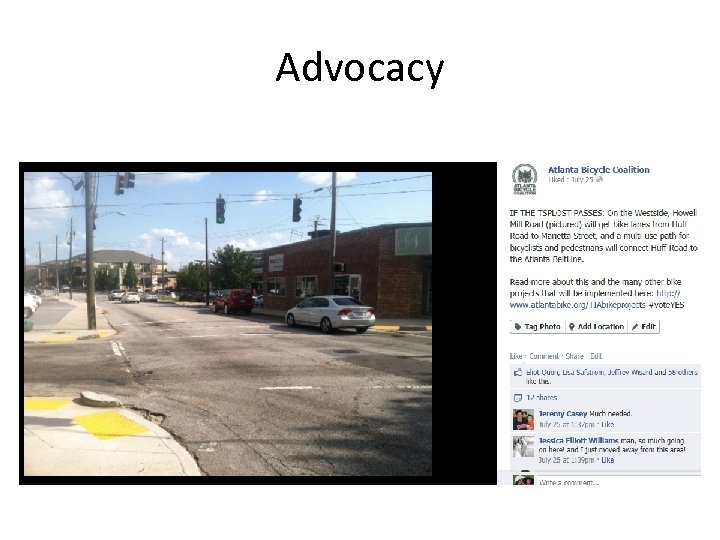
Advocacy
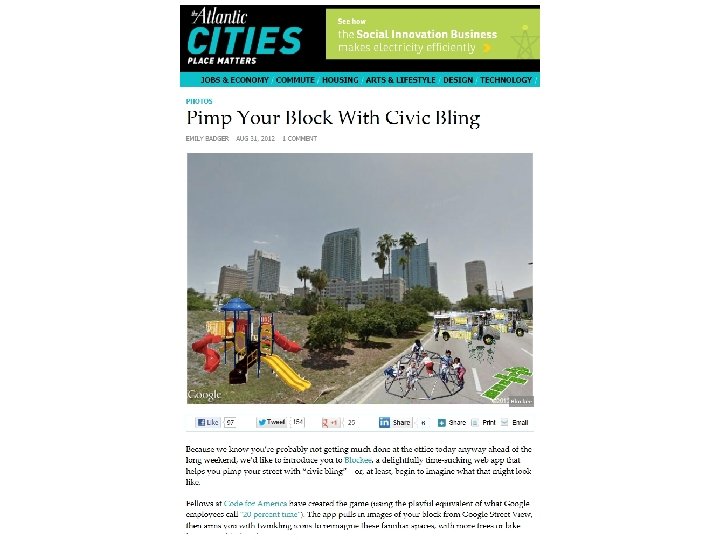
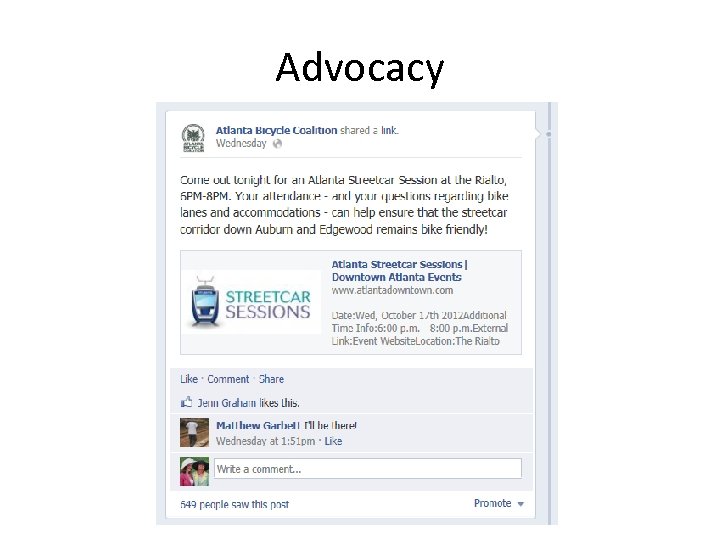
Advocacy
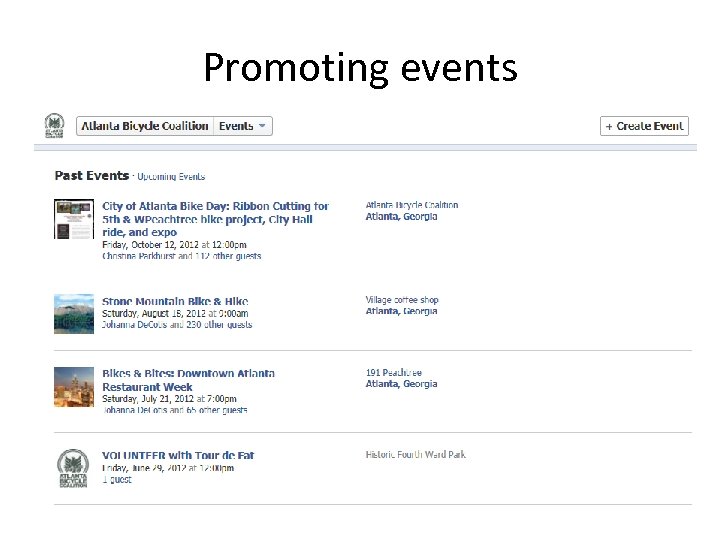
Promoting events
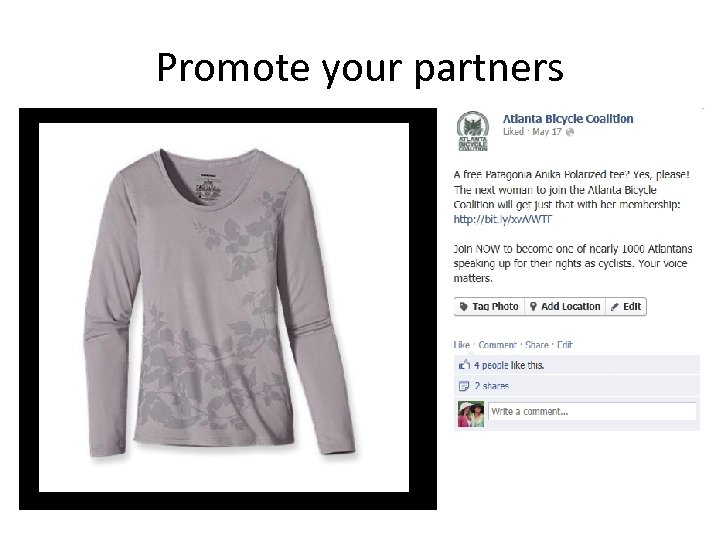
Promote your partners
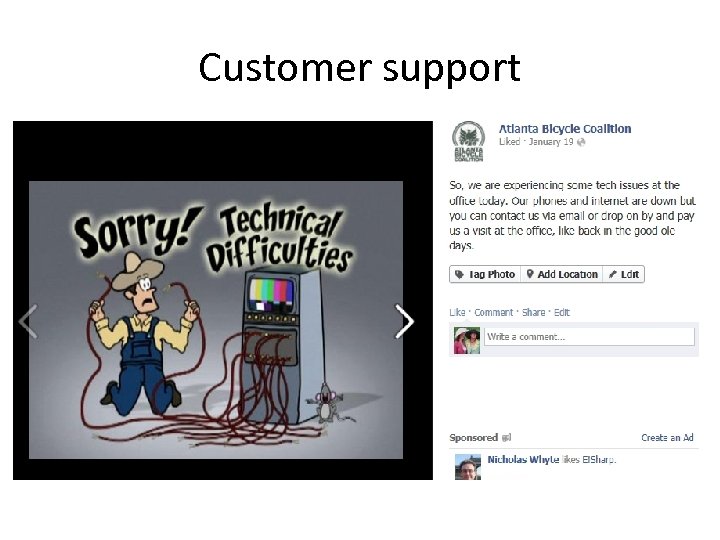
Customer support
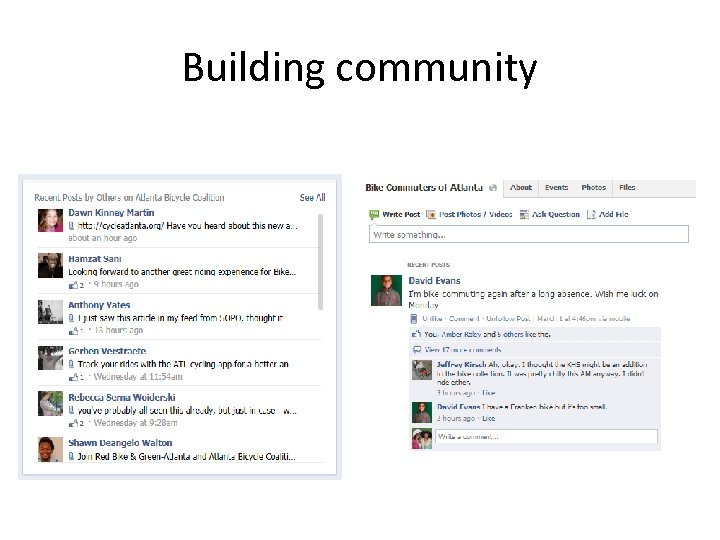
Building community
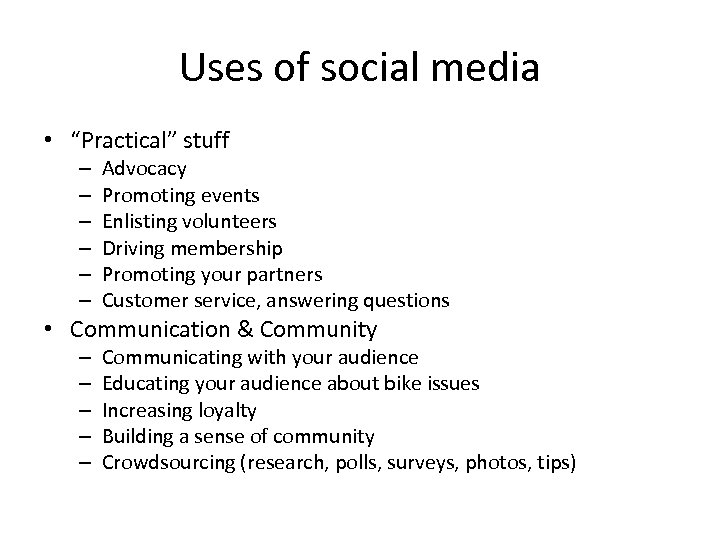
Uses of social media (recap) • “Practical” stuff – – – Advocacy Promoting events Enlisting volunteers Driving membership Promoting your partners Customer service, answering questions • Communication & Community – – – Communicating with your audience Educating your audience about bike issues Increasing loyalty Building a sense of community Crowdsourcing (research, polls, surveys, photos, tips)
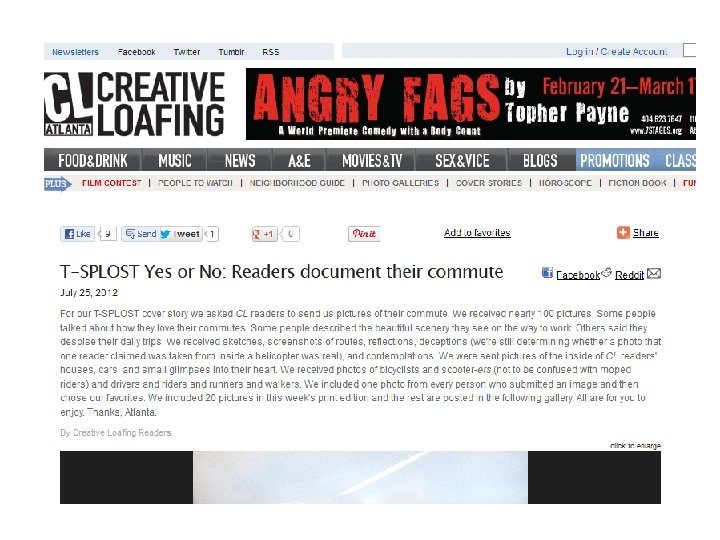
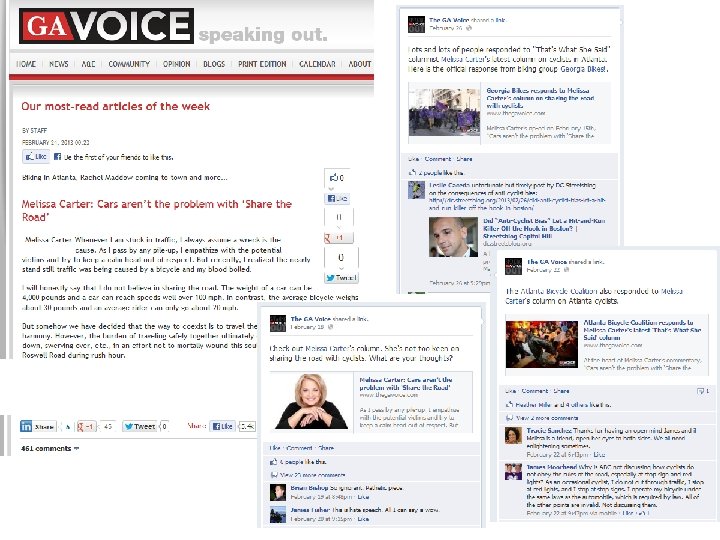
Media/News Orgs & Social Media • Journalists and reporters are on social media and use it as part of their reporting process. Reach out to them there! • Journalists and media orgs love to use social media for crowdsourcing. Hop on the bandwagon & participate where appropriate. • Get the media to notice the scale of your movement & initiatives. • Empower your members & volunteers to use social media for grassroots advocacy for your causes.
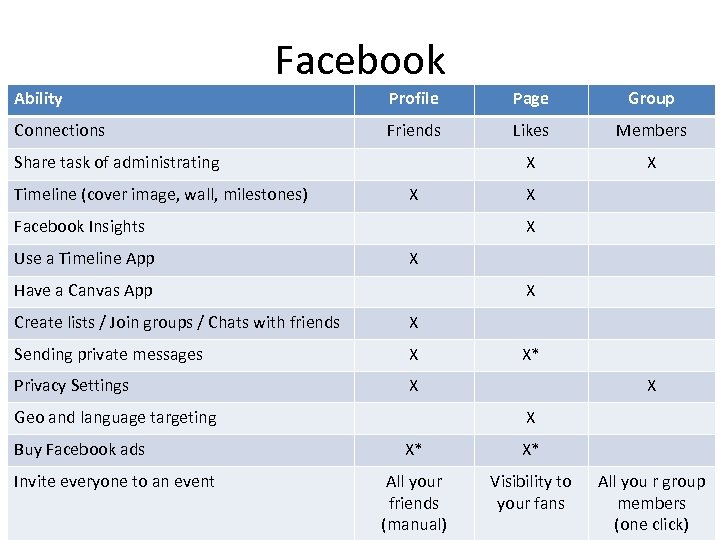
Facebook Ability Profile Page Group Connections Friends Likes Members X X Share task of administrating Timeline (cover image, wall, milestones) X Facebook Insights Use a Timeline App X X X Have a Canvas App X Create lists / Join groups / Chats with friends X Sending private messages X Privacy Settings X Geo and language targeting Buy Facebook ads Invite everyone to an event X* X X X* X* All your friends (manual) Visibility to your fans All you r group members (one click)
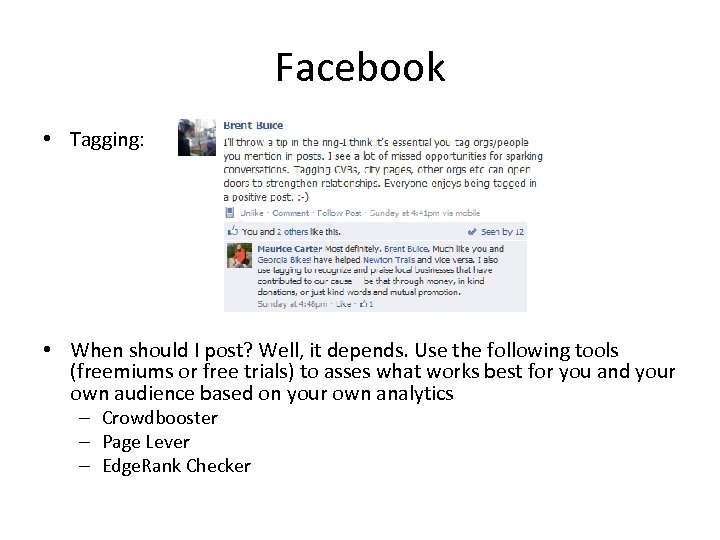
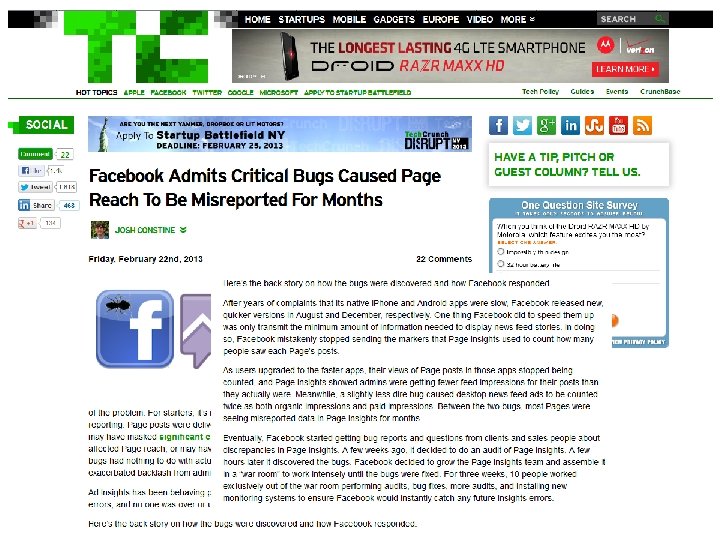
Facebook • Tagging: • When should I post? Well, it depends. Use the following tools (freemiums or free trials) to asses what works best for you and your own audience based on your own analytics – Crowdbooster – Page Lever – Edge. Rank Checker
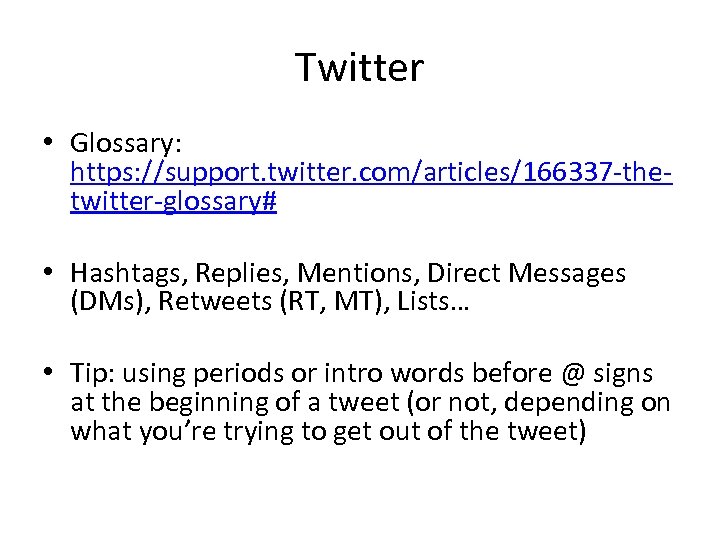
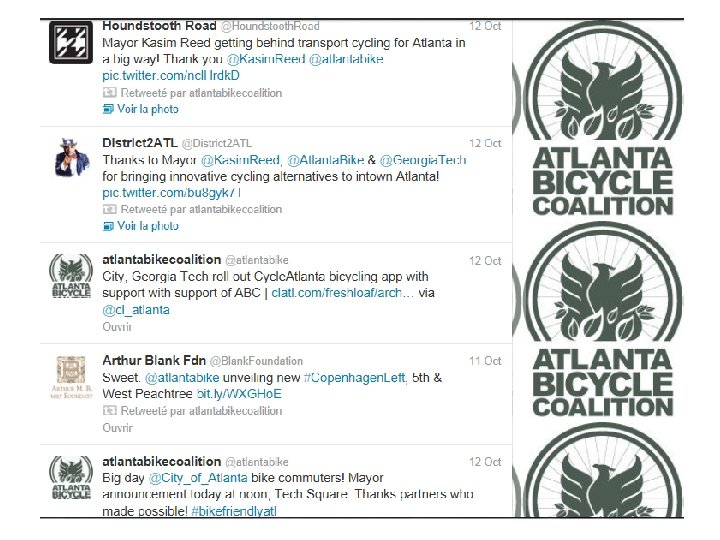
Twitter • Glossary: https: //support. twitter. com/articles/166337 -thetwitter-glossary# • Hashtags, Replies, Mentions, Direct Messages (DMs), Retweets (RT, MT), Lists… • Tip: using periods or intro words before @ signs at the beginning of a tweet (or not, depending on what you’re trying to get out of the tweet)
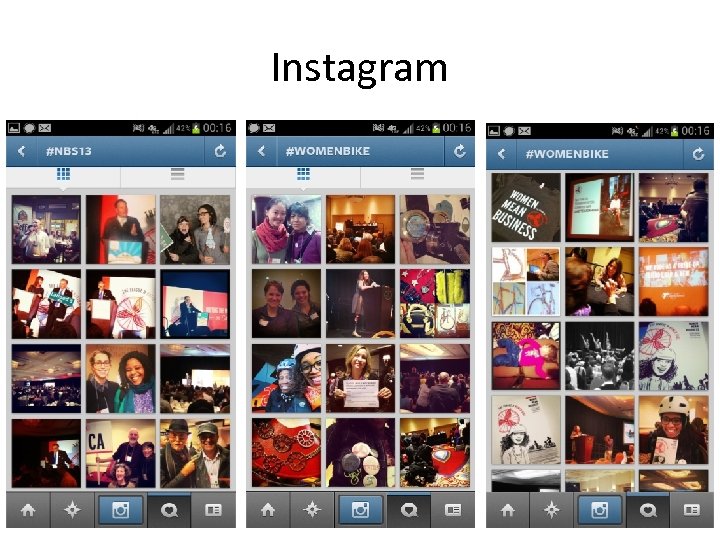
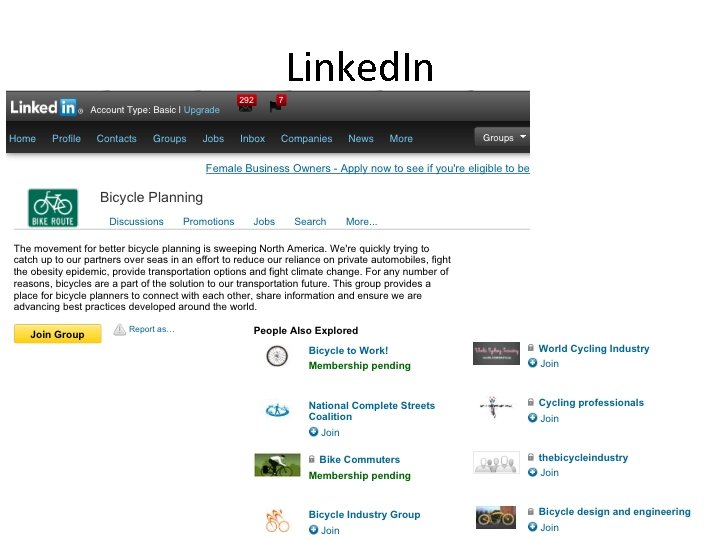
Linked. In
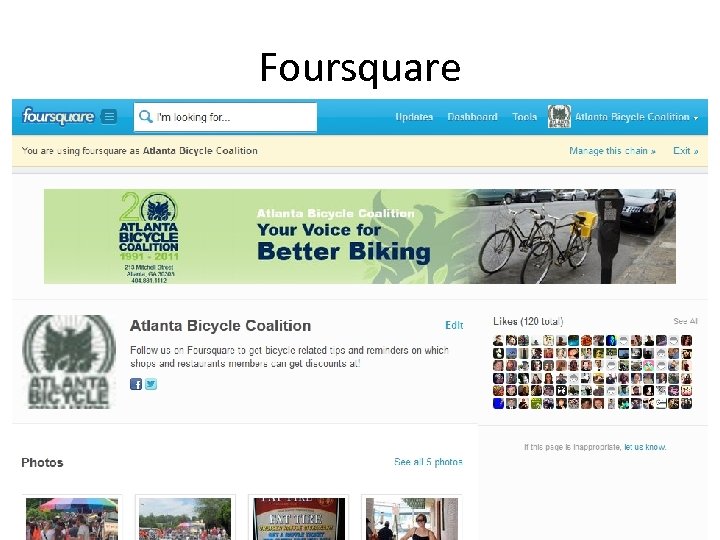
Foursquare
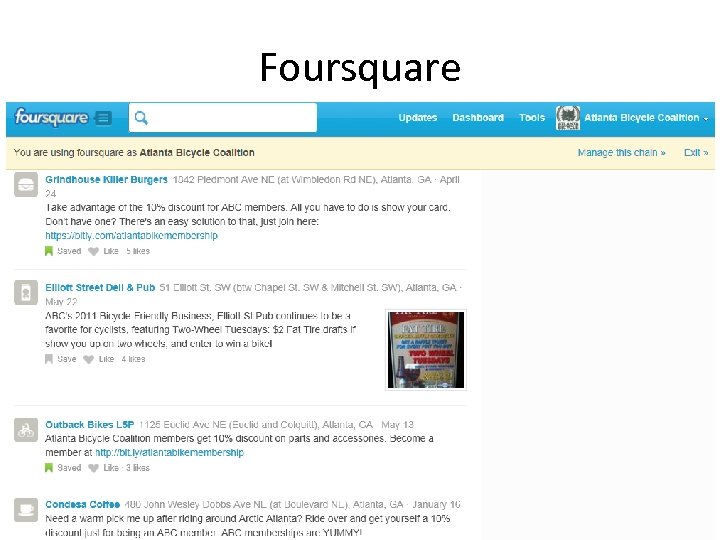
Foursquare
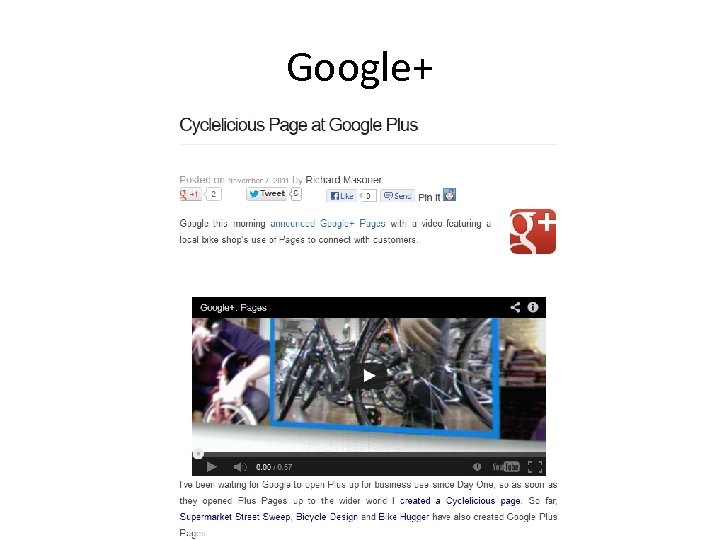
Google+
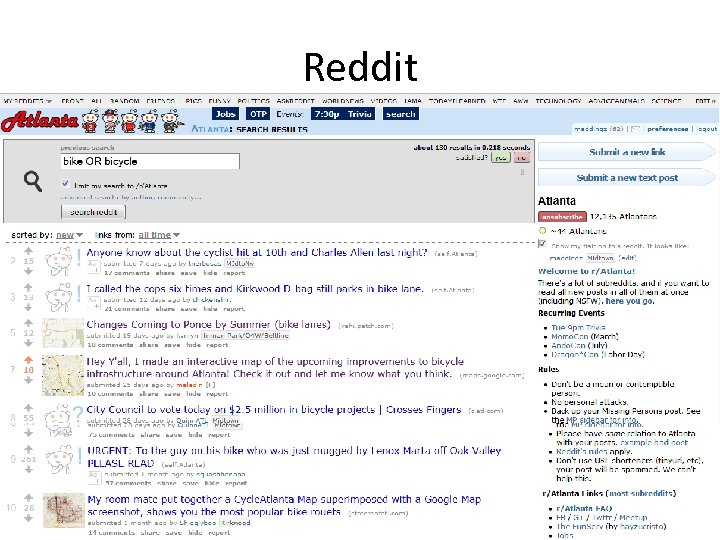
And more… • • • Tumblr You. Tube Flickr Vine Etc… • How do I manage all that? ? ? – Prioritize based on goals & objectives – Use apps like Hootsuite
One last tip for the road… Don’t TYPE anything (to social media, but also on any keyboard) you would want – Grandma – God – Google … to know…
QUESTIONS FOR MATHILDE?
GENERAL QUESTIONS?
Continue the Conversation • League Twitter: @bikeleague • League Facebook: League of American Bicyclists – //leagueamericanbicyclists • League Blog: http: //blog. bikeleague. org/blog
Скачать презентацию Social Media as an Advocacy Tool Bike SM
e755886a95ae5f169e4a669a4fa24561.ppt