 Скачать презентацию Social Accountability and Social Responsibility By Shikhar Jain
8a7aad385416ce4bad0d3b623111c146.ppt
- Количество слайдов: 36



Social Accountability and Social Responsibility By Shikhar Jain Senior Counsellor CII
Standards for Social Accountability and Responsibility • Standards have been developed to assist organizations in being socially accountable and responsible, arising from the expectations of its stakeholders and society. • The following standards will be introduced in this presentation: § Guidance on Social Responsibility (ISO 26000: 2010) § International Standard for Social Accountability (SA 8000: 2008) § Indian Standard for Organizational Accountability at the Workplace (IS 16001: 2010) 2

Globalization
ISO 26000 – A new standard for a new world 4

ISO 26000 connects the Great Global Agreements to the daily activities of organizations 5
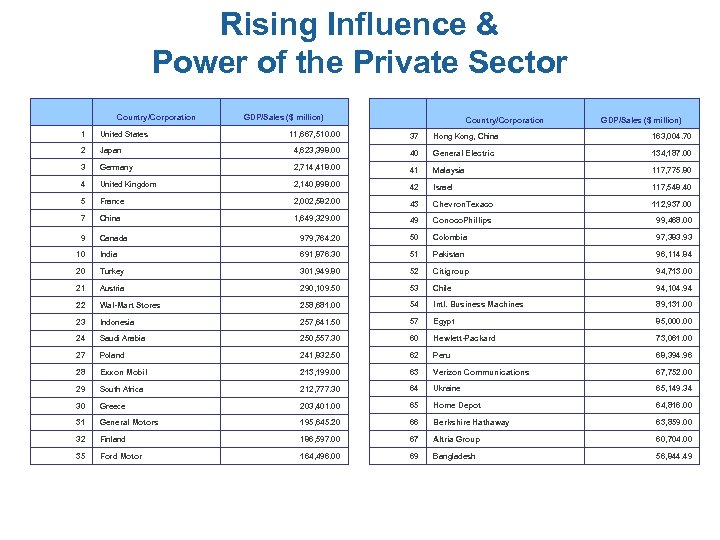
Rising Influence & Power of the Private Sector Country/Corporation 1 United States 2 GDP/Sales ($ million) Country/Corporation GDP/Sales ($ million) 11, 667, 510. 00 37 Hong Kong, China 163, 004. 70 Japan 4, 623, 398. 00 40 General Electric 134, 187. 00 3 Germany 2, 714, 418. 00 41 Malaysia 117, 775. 80 4 United Kingdom 2, 140, 898. 00 42 Israel 117, 548. 40 5 France 2, 002, 582. 00 43 Chevron. Texaco 112, 937. 00 7 China 1, 649, 329. 00 49 Conoco. Phillips 99, 468. 00 9 Canada 979, 764. 20 50 Colombia 97, 383. 93 10 India 691, 876. 30 51 Pakistan 96, 114. 84 20 Turkey 301, 949. 80 52 Citigroup 94, 713. 00 21 Austria 290, 109. 50 53 Chile 94, 104. 94 22 Wal-Mart Stores 258, 681. 00 54 Intl. Business Machines 89, 131. 00 23 Indonesia 257, 641. 50 57 Egypt 85, 000. 00 24 Saudi Arabia 250, 557. 30 60 Hewlett-Packard 73, 061. 00 27 Poland 241, 832. 50 62 Peru 68, 394. 96 28 Exxon Mobil 213, 199. 00 63 Verizon Communications 67, 752. 00 29 South Africa 212, 777. 30 64 Ukraine 65, 149. 34 30 Greece 203, 401. 00 65 Home Depot 64, 816. 00 31 General Motors 195, 645. 20 66 Berkshire Hathaway 63, 859. 00 32 Finland 186, 597. 00 67 Altria Group 60, 704. 00 35 Ford Motor 164, 496. 00 69 Bangladesh 56, 844. 49
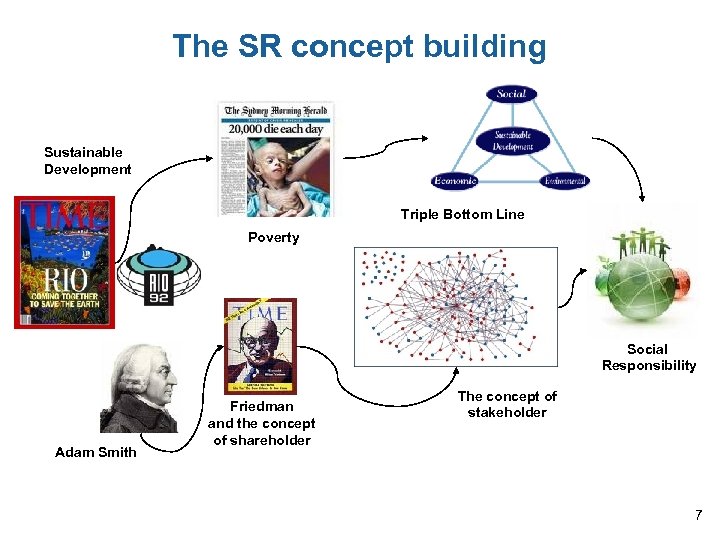
The SR concept building Sustainable Development Triple Bottom Line Poverty Social Responsibility Adam Smith Friedman and the concept of shareholder The concept of stakeholder 7
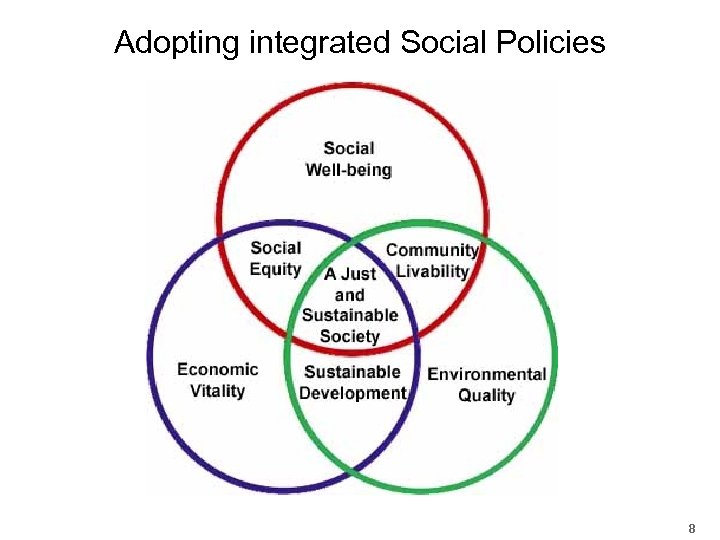
MEO-CCP 021 -20080221 -RGSS Adopting integrated Social Policies 8
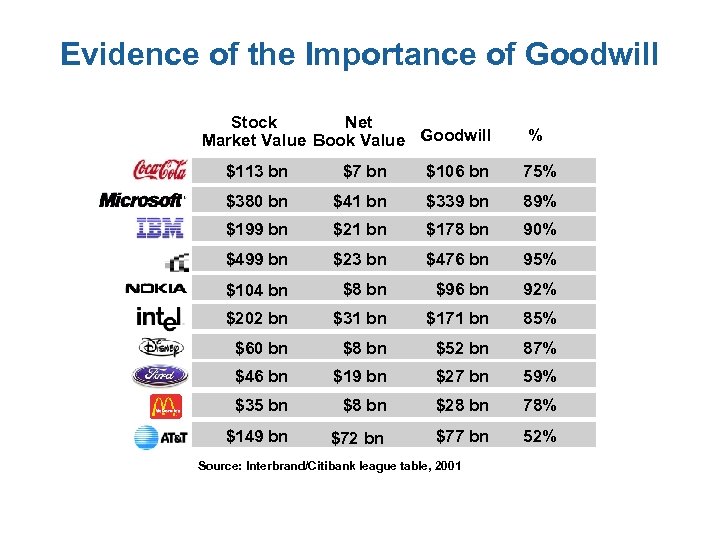
Evidence of the Importance of Goodwill Stock Net Market Value Book Value Goodwill % $113 bn $7 bn $106 bn 75% $380 bn $41 bn $339 bn 89% $199 bn $21 bn $178 bn 90% $499 bn $23 bn $476 bn 95% $104 bn $8 bn $96 bn 92% $202 bn $31 bn $171 bn 85% $60 bn $8 bn $52 bn 87% $46 bn $19 bn $27 bn 59% $35 bn $8 bn $28 bn 78% $149 bn $72 bn $77 bn 52% Source: Interbrand/Citibank league table, 2001
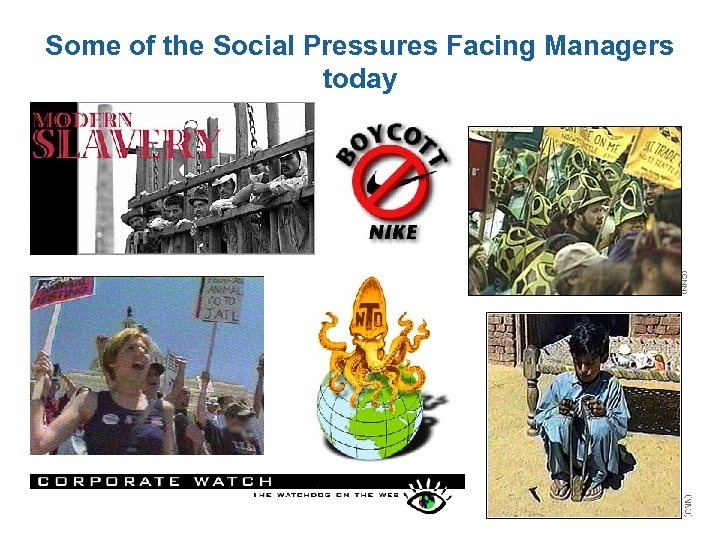
Some of the Social Pressures Facing Managers today
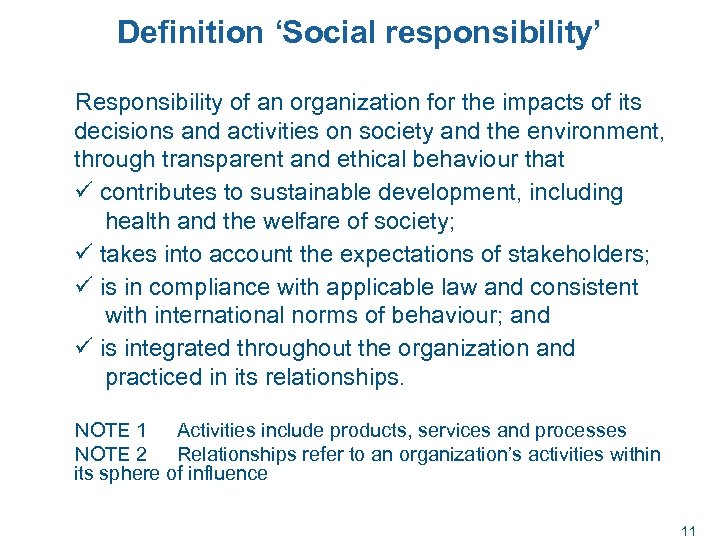
Definition ‘Social responsibility’ Responsibility of an organization for the impacts of its decisions and activities on society and the environment, through transparent and ethical behaviour that ü contributes to sustainable development, including health and the welfare of society; ü takes into account the expectations of stakeholders; ü is in compliance with applicable law and consistent with international norms of behaviour; and ü is integrated throughout the organization and practiced in its relationships. NOTE 1 Activities include products, services and processes NOTE 2 Relationships refer to an organization’s activities within its sphere of influence 11
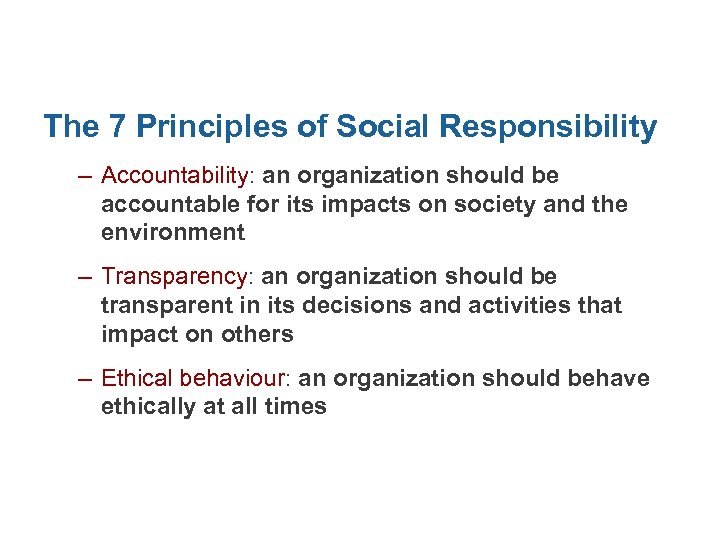
The 7 Principles of Social Responsibility – Accountability: an organization should be accountable for its impacts on society and the environment – Transparency: an organization should be transparent in its decisions and activities that impact on others – Ethical behaviour: an organization should behave ethically at all times
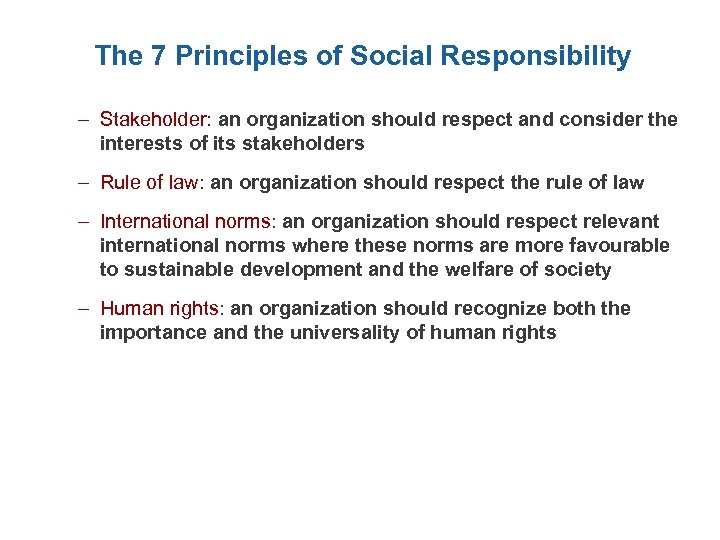
The 7 Principles of Social Responsibility – Stakeholder: an organization should respect and consider the interests of its stakeholders – Rule of law: an organization should respect the rule of law – International norms: an organization should respect relevant international norms where these norms are more favourable to sustainable development and the welfare of society – Human rights: an organization should recognize both the importance and the universality of human rights
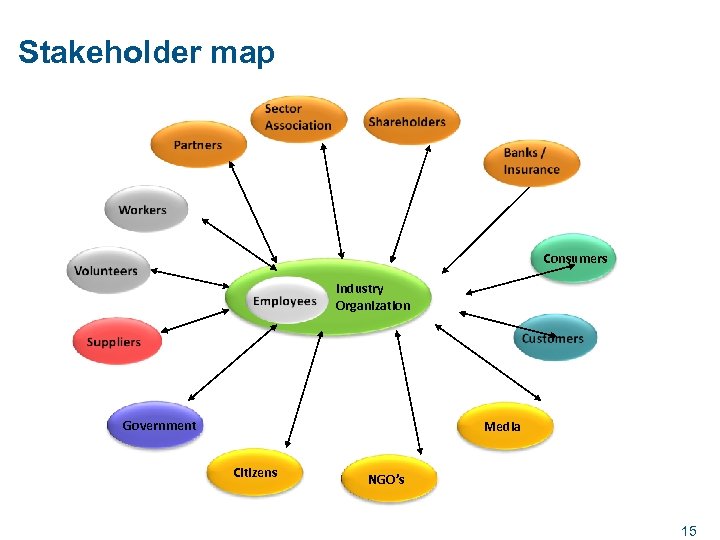
Stakeholder map Consumers Industry Organization Government Media Citizens NGO’s 15
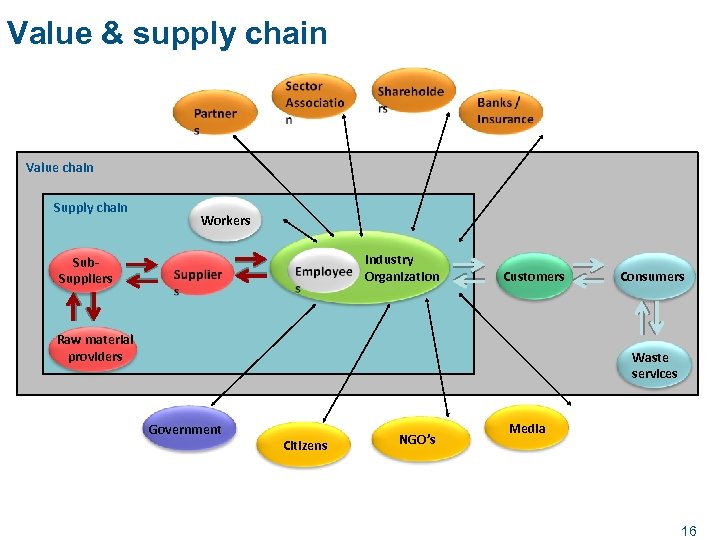
Value & supply chain Value chain Supply chain Workers Industry Organization Sub. Suppliers Customers Raw material providers Consumers Waste services Government Citizens NGO’s Media 16
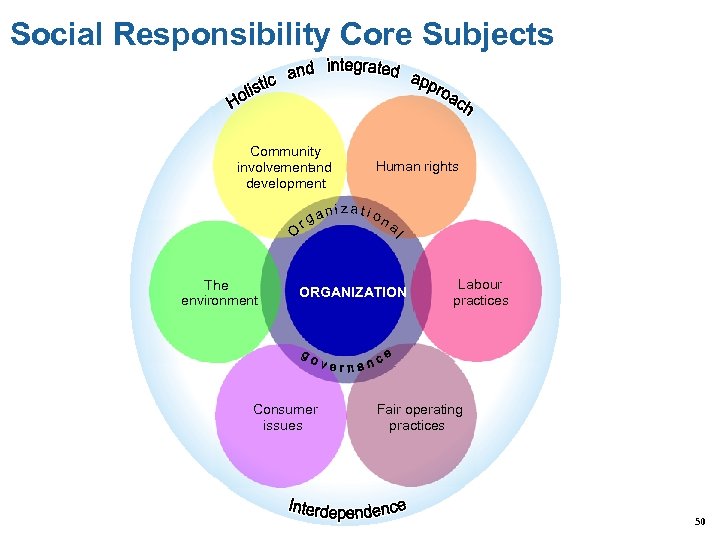
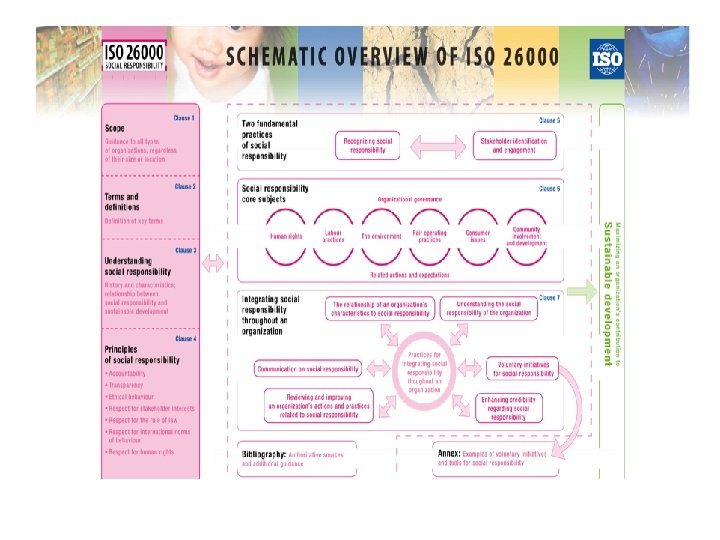
Social Responsibility Core Subjects Community involvement and development The environment ni zat i o na l O a rg Human rights ORGANIZATION Consumer issues Labour practices Fair operating practices 50
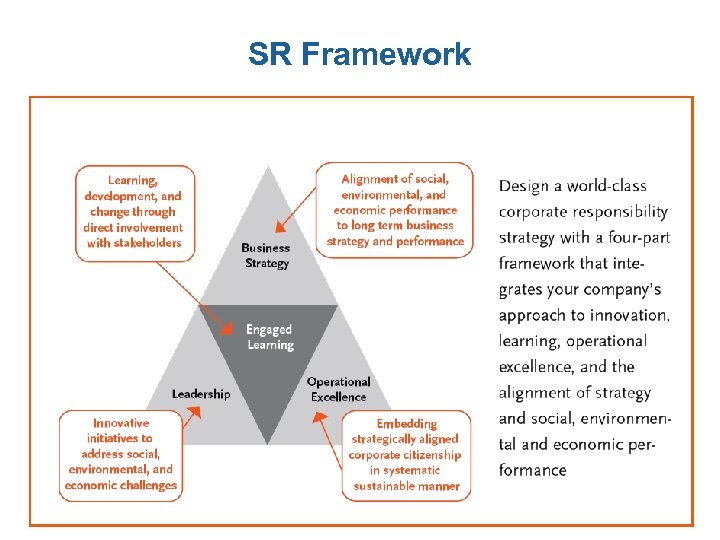
SR Framework
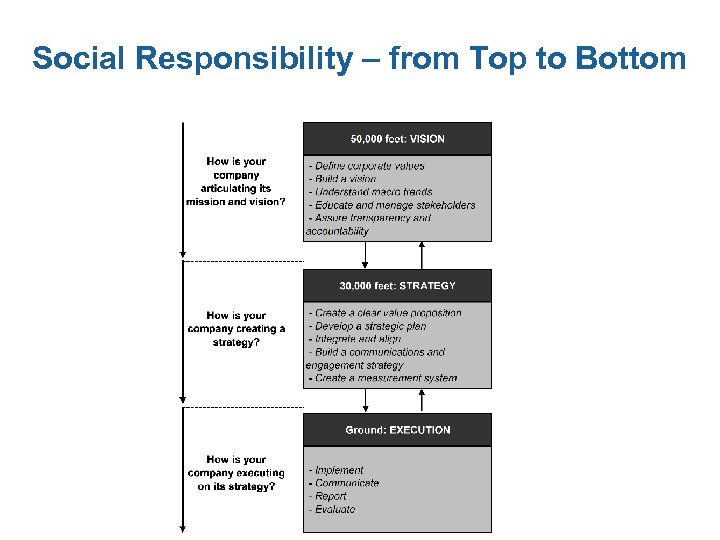
Social Responsibility – from Top to Bottom
SOCIAL ACCOUNTABILITY
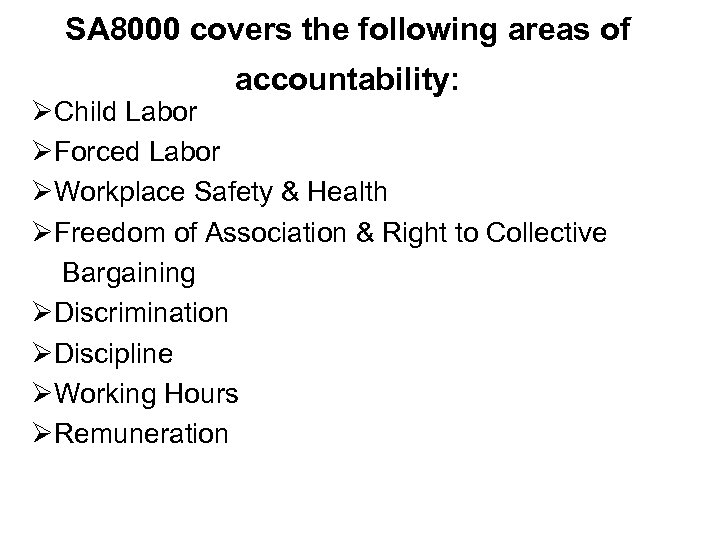
SA 8000 covers the following areas of accountability: ØChild Labor ØForced Labor ØWorkplace Safety & Health ØFreedom of Association & Right to Collective Bargaining ØDiscrimination ØDiscipline ØWorking Hours ØRemuneration
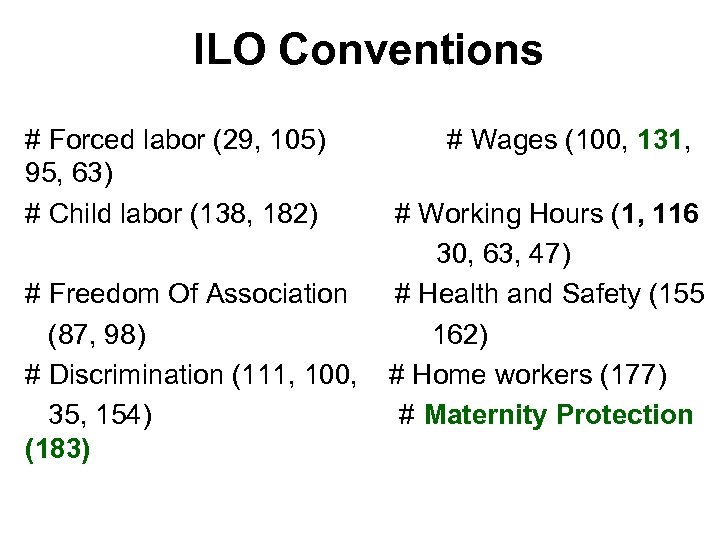
ILO Conventions # Forced labor (29, 105) # Wages (100, 131, 95, 63) # Child labor (138, 182) # Working Hours (1, 116 30, 63, 47) # Freedom Of Association # Health and Safety (155 (87, 98) 162) # Discrimination (111, 100, # Home workers (177) 35, 154) # Maternity Protection (183)
Introduction • SA 8000 is a global social accountability standard for decent working conditions, developed and overseen by Social Accountability International (SAI). • SA 8000 is based on the UN Universal Declaration of the Human Rights, Convention on the Rights of the Child and various International Labour Organisations (ILO) conventions. 23
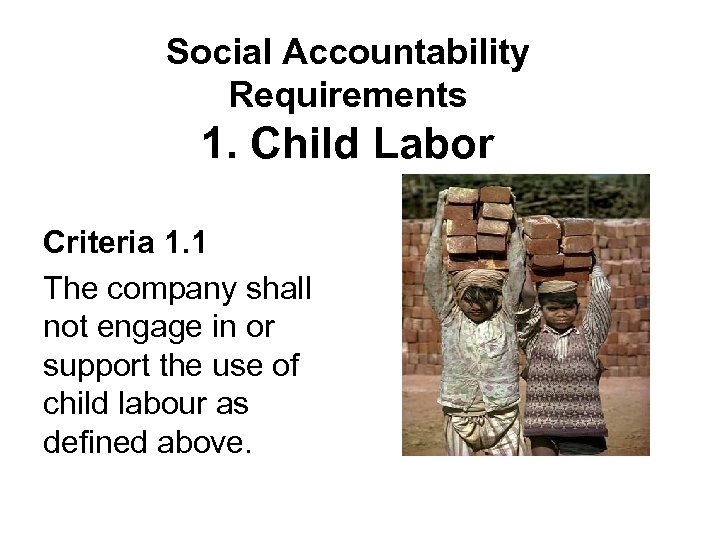
Social Accountability Requirements 1. Child Labor Criteria 1. 1 The company shall not engage in or support the use of child labour as defined above.
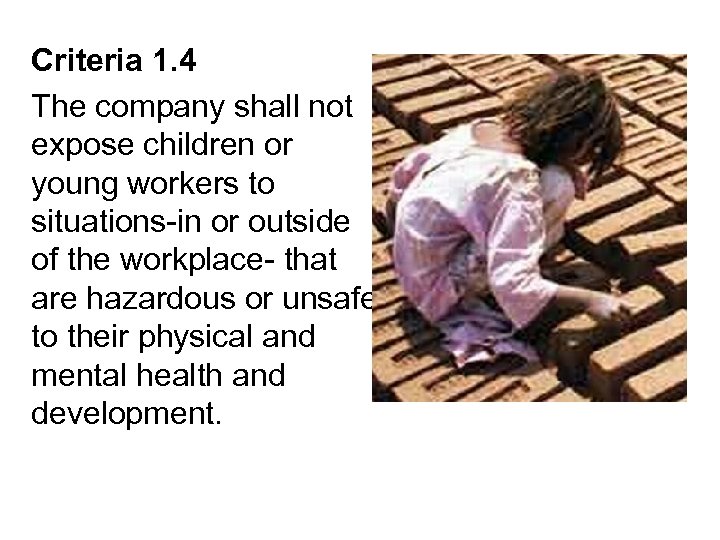
Criteria 1. 4 The company shall not expose children or young workers to situations-in or outside of the workplace- that are hazardous or unsafe to their physical and mental health and development.
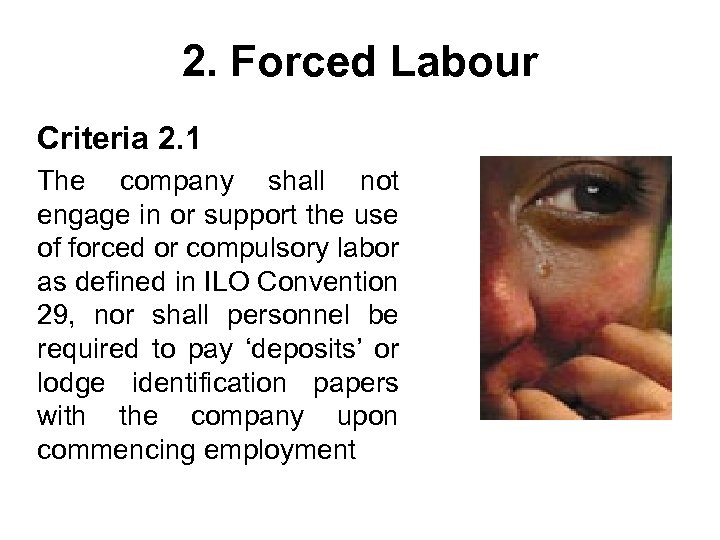
2. Forced Labour Criteria 2. 1 The company shall not engage in or support the use of forced or compulsory labor as defined in ILO Convention 29, nor shall personnel be required to pay ‘deposits’ or lodge identification papers with the company upon commencing employment
3. Health & Safety Criteria 3. 1 The company, shall provide a safe and healthy working environment and shall take effective steps to prevent potential accidents and injury to workers’ health arising out of, associated with, or occurring in the course of work, by minimizing, so far as is reasonably practicable, the causes of hazards inherent in the working environment and bearing in mind the prevailing knowledge of the industry and of any specific hazards,
4. Freedom of Association & Right to Collective Bargaining Criteria 4. 1 All personnel shall have the right to form, join, and organize trade unions of their choice and to bargain collectively on their behalf with the company. The company shall respect this right, and shall effectively inform personnel that they are free to join an organization of their choosing and that their doing so will not result in any negative consequences to them, or retaliation, from the company. The company shall not in any way interfere with the establishment, functioning or administration of such workers’ organizations or collective bargaining.
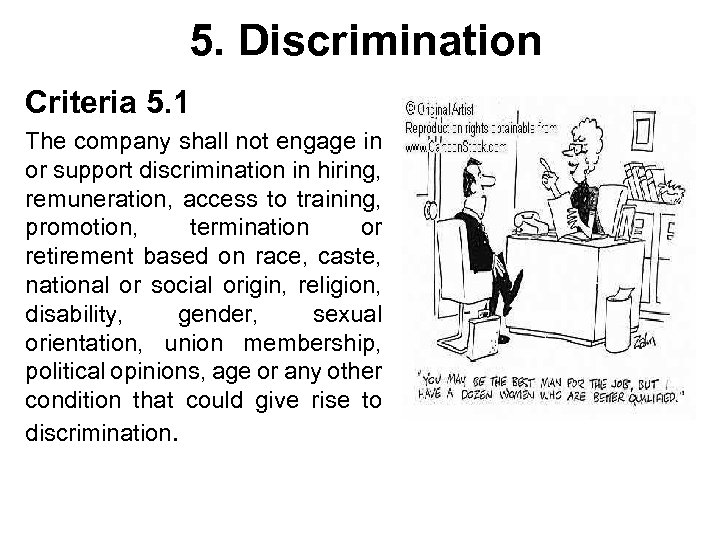
5. Discrimination Criteria 5. 1 The company shall not engage in or support discrimination in hiring, remuneration, access to training, promotion, termination or retirement based on race, caste, national or social origin, religion, disability, gender, sexual orientation, union membership, political opinions, age or any other condition that could give rise to discrimination.
6. Disciplinary Practices Criteria 6. 1 The company shall treat all personnel with dignity and respect. The company shall not engage in or support the use of corporal punishment, mental or physical coercion, and verbal abuse of personnel. No harsh or inhumane treatment is allowed.
7. Working Hours Criteria 7. 1 The company shall comply with applicable laws and industry standards on working hours and public holidays. The normal workweek, not including overtime, shall be defined by law but shall not exceed 48 hours.
8. Remuneration Criteria 8. 1 The company shall respect the right of personnel to a living wage and ensure that wages paid for a standard working week shall always meet at least legal or industry minimum standards and shall be sufficient to meet basic needs of personnel and to provide some discretionary income.
Social Responsibility and Social Accountability in India • India has the largest number of workers employed by facilities certified to SA 8000 in the world: 364, 231 workers in 576 SA 8000 certified facilities • The Ministry of Textiles, Go. I, encourages textile manufacturers to be more accountable and responsible to society by encouraging them to adopt the following standards: ISO 14001, OHSAS 18001 and SA 8000. • The Textile Committee of the Ministry of Textiles provides technical assistance to manufacturers for certification to these standards. 33
Indian Standard for Organizational Accountability at the Workplace (IS 16001) • The standard details out principles and requirements of each core element that have to be adhered to by the organization to be in compliance with the standard • The core elements of the standard are: § § § Child Labour Community Engagement Discrimination Employment Freely Chosen Employment Relationship Employees’ Welfare Measures § Freedom of Association § Health & Safety at the Workplace § Harassment, Abuse and Inhumane Treatment § Wages and Benefits 34
Social Responsibility and Social Accountability in India • The Indian Standard for Organizational Accountability at the Workplace (IS 16001), described earlier is an initiative taken by the Bureau of Indian Standards to promote Social Accountability of Indian Business. • It provides for a mechanism to be in place taken into account the local context to ensure the promotion of such practices are taken up by Indian companies. • Need to popularize IS 16001 vis-à-vis SA 8000 35

Questions and Discussions THANKS 36 36
Скачать презентацию Social Accountability and Social Responsibility By Shikhar Jain
8a7aad385416ce4bad0d3b623111c146.ppt