


 Скачать презентацию So much for safety Rolf Skjong and Knut
016fbb4bd3db878c097a79a0b0e535b7.ppt
- Количество слайдов: 25
 So much for safety Rolf Skjong and Knut Ronold Det Norske Veritas Rolf. Skjong @dnv. com & Knut. Ronold@dnv. com OMAE, Oslo, June 24 -28, 2002 1
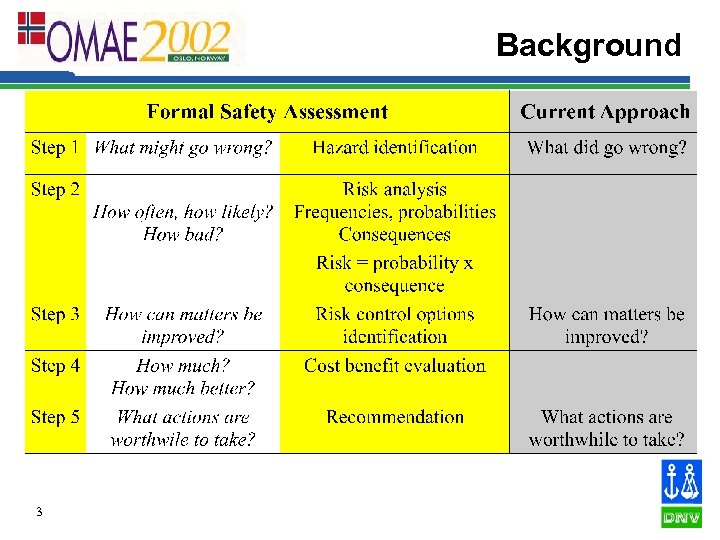
 Background Ø Work with introducing risk assessment as basis for the decision making process Ø Formal Safety Assessment at International Maritime Organisation Ø Risk based rules & regulations Ø Not initially intended to be used for individual design Ø IMO is a UN organisation: Globally accepted criteria for shipping 2
 Background 3
 Status of criteria Ø Industrial Self Regulation Regime – Criteria Defined by Operator Ø Safety Case Regime – Criteria Defined by Regulator Ø FSA: For use by the regulator in own decisions – With acceptance criteria given, IMO may still decide not to adhere strictly to criteria (will lead to “inconsistency”) 4
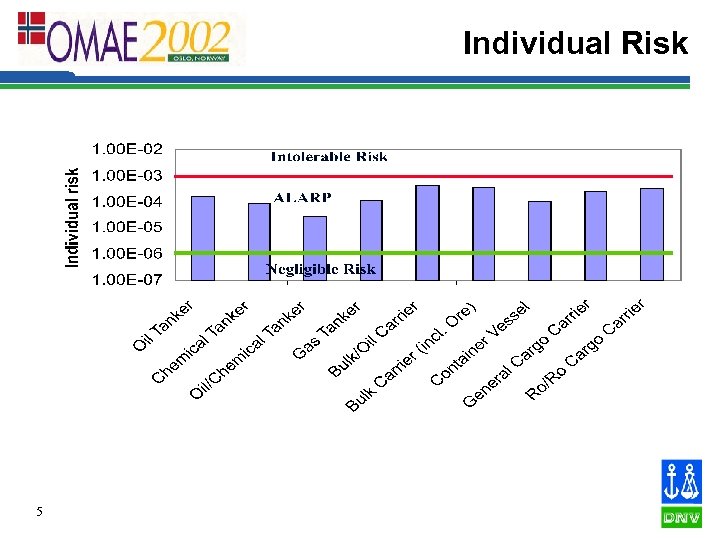 Individual Risk 5
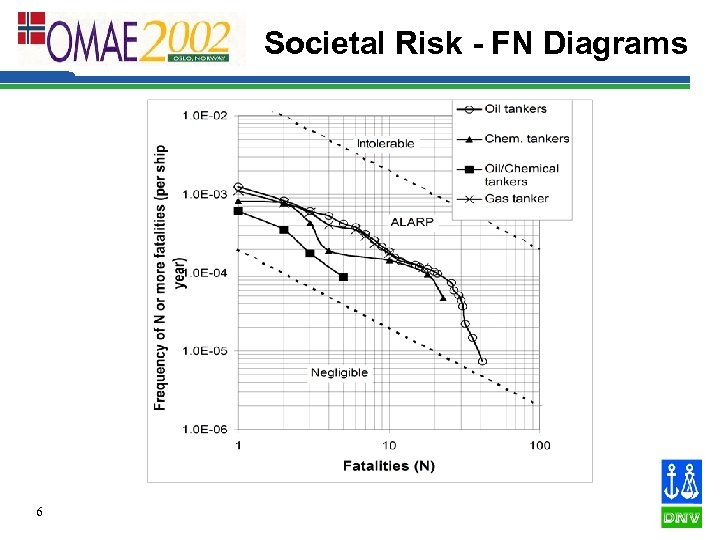 Societal Risk - FN Diagrams 6
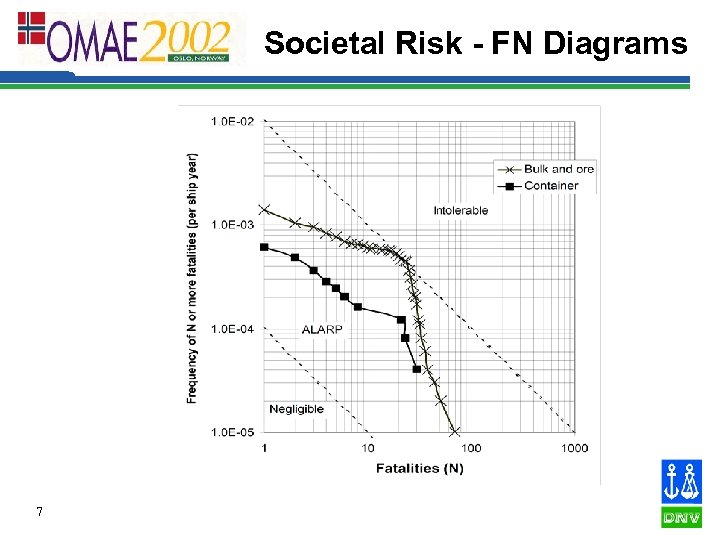 Societal Risk - FN Diagrams 7
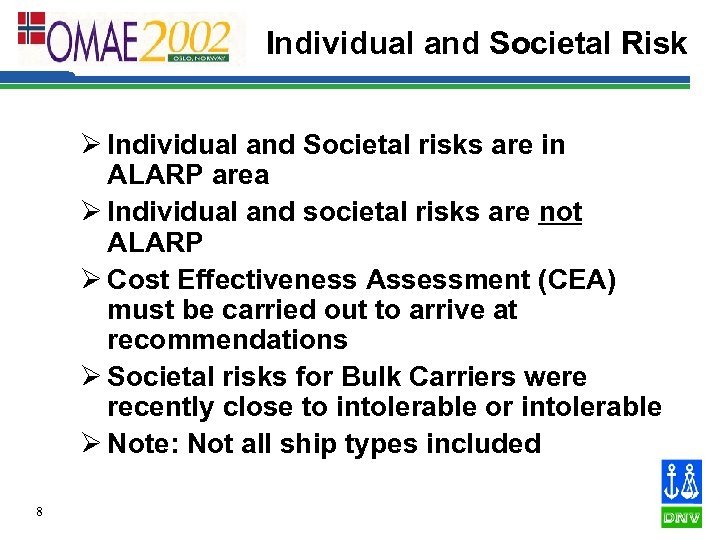 Individual and Societal Risk Ø Individual and Societal risks are in ALARP area Ø Individual and societal risks are not ALARP Ø Cost Effectiveness Assessment (CEA) must be carried out to arrive at recommendations Ø Societal risks for Bulk Carriers were recently close to intolerable or intolerable Ø Note: Not all ship types included 8
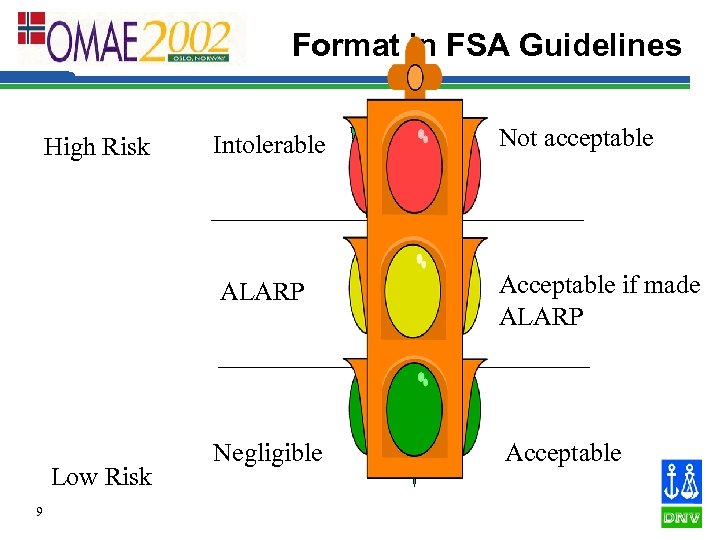 Format in FSA Guidelines Low Risk 9 Intolerable Not acceptable ALARP High Risk Acceptable if made ALARP Negligible Acceptable
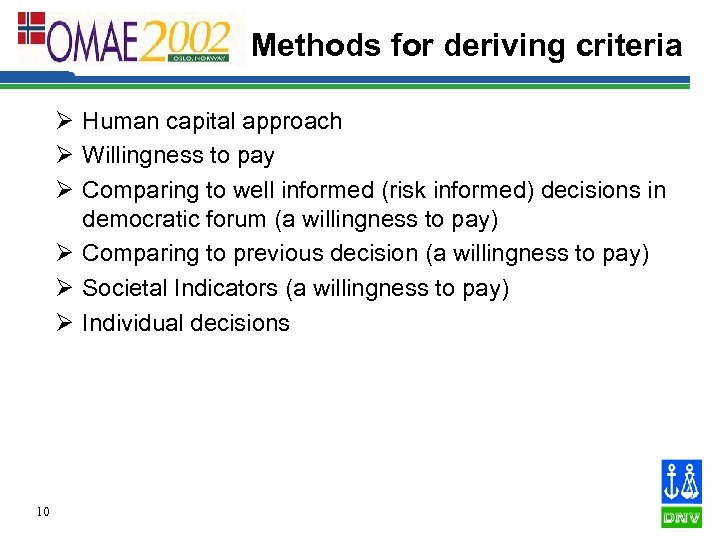 Methods for deriving criteria Ø Human capital approach Ø Willingness to pay Ø Comparing to well informed (risk informed) decisions in democratic forum (a willingness to pay) Ø Comparing to previous decision (a willingness to pay) Ø Societal Indicators (a willingness to pay) Ø Individual decisions 10
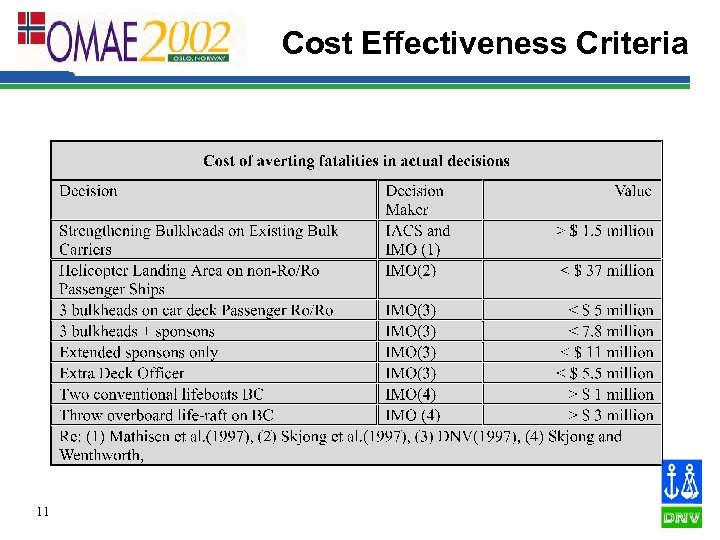 Cost Effectiveness Criteria 11
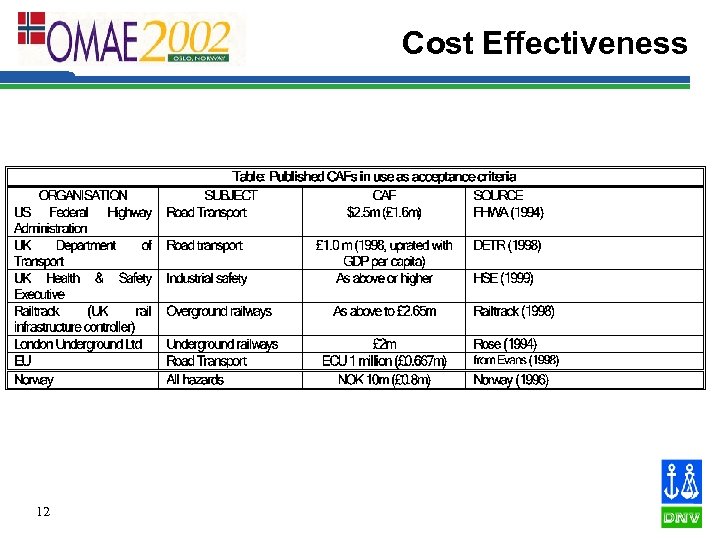 Cost Effectiveness 12
 Human capital approach Ø Value of man as a resource in economic production Ø Has discredited cost effectiveness & cost benefit assessment Ø Contradicts ethical principle (Protagoras: “Homo mensura” and later formulations, e. g. Kant) Ø Same principle has resulted in a ban on research on human stem-cells by many governments 13
 Willingness to pay Ø Many forms of willingness to pay studies – Questionnaires – Observed behaviour (e. g. insurance) – Implicit in previous decisions – Implicit in existing regulations – Etc. 14
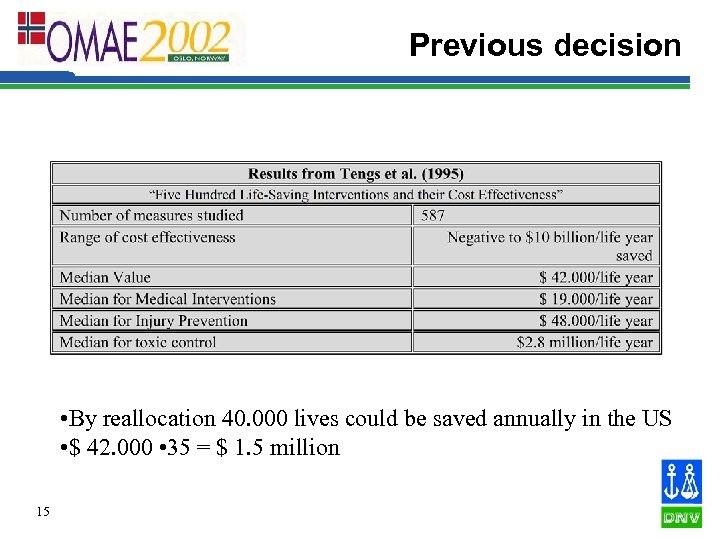 Previous decision • By reallocation 40. 000 lives could be saved annually in the US • $ 42. 000 • 35 = $ 1. 5 million 15
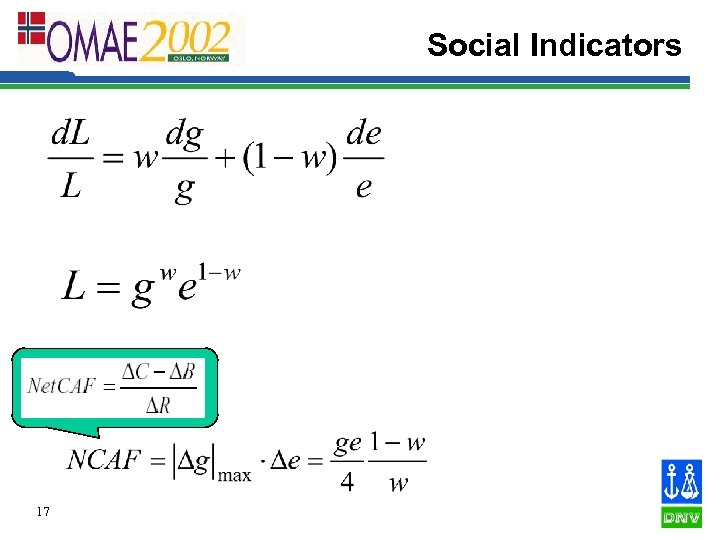
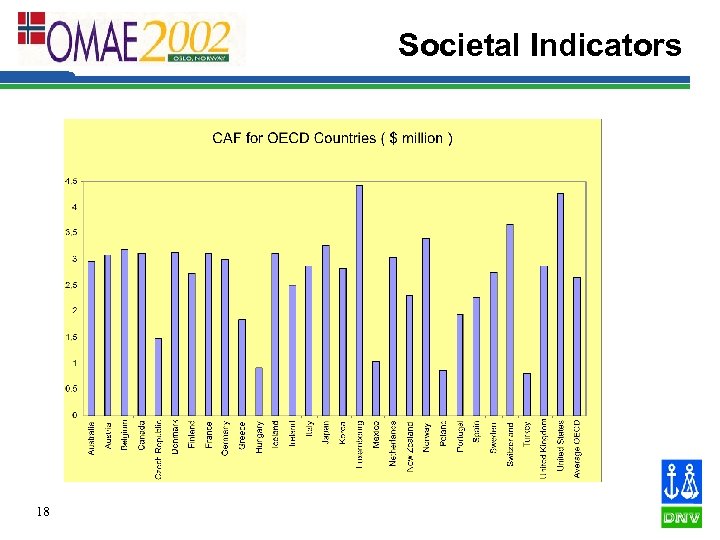
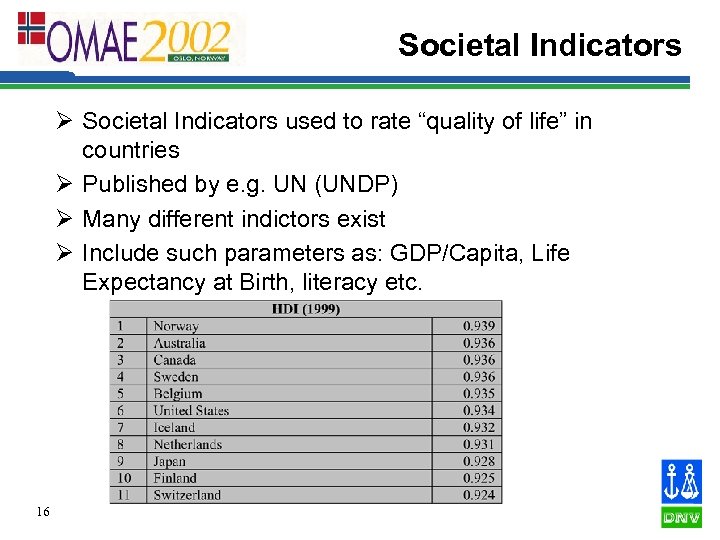 Societal Indicators Ø Societal Indicators used to rate “quality of life” in countries Ø Published by e. g. UN (UNDP) Ø Many different indictors exist Ø Include such parameters as: GDP/Capita, Life Expectancy at Birth, literacy etc. 16
 Social Indicators 17
 Societal Indicators 18
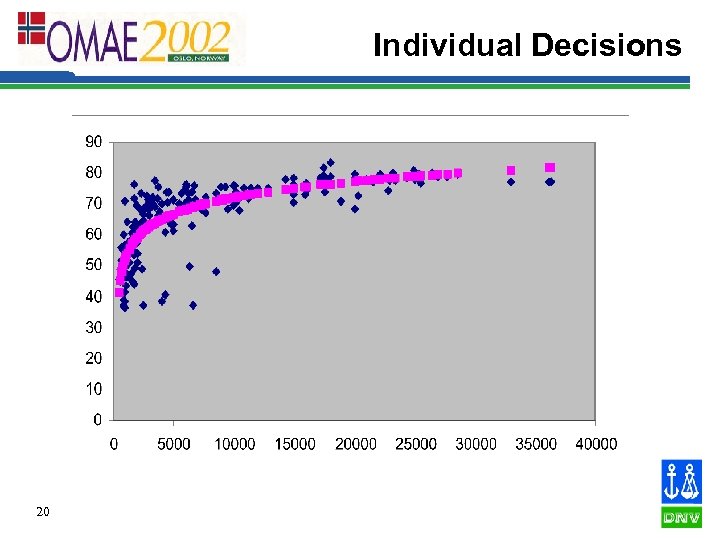
 Individual Decisions Ø Also individuals take decision that increase life expectancy and reduces accident frequencies Ø For example: – Buy safer cars – Buy more healthy food – Go to the doctor more frequently – Etc. Ø How much increase in purchasing power is necessary to increase the life expectancy in a population by “e” Ø Effect demonstrated in the US (Keeney, Lutter, see references) 19
 Individual Decisions 20
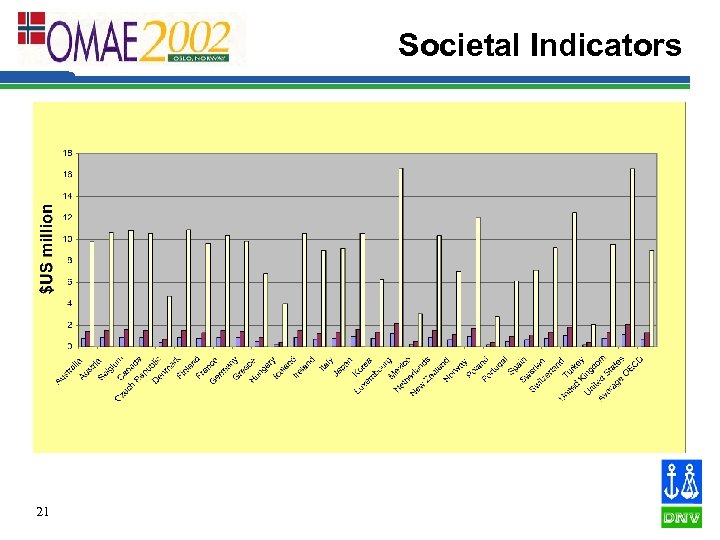 Societal Indicators 21
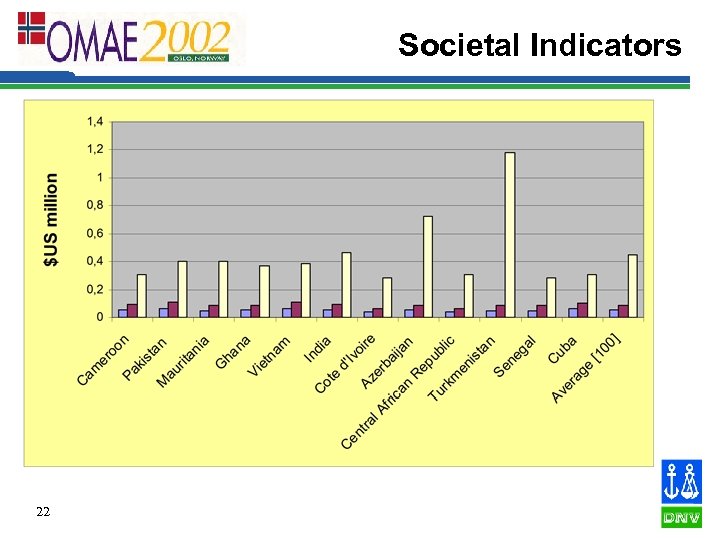 Societal Indicators 22
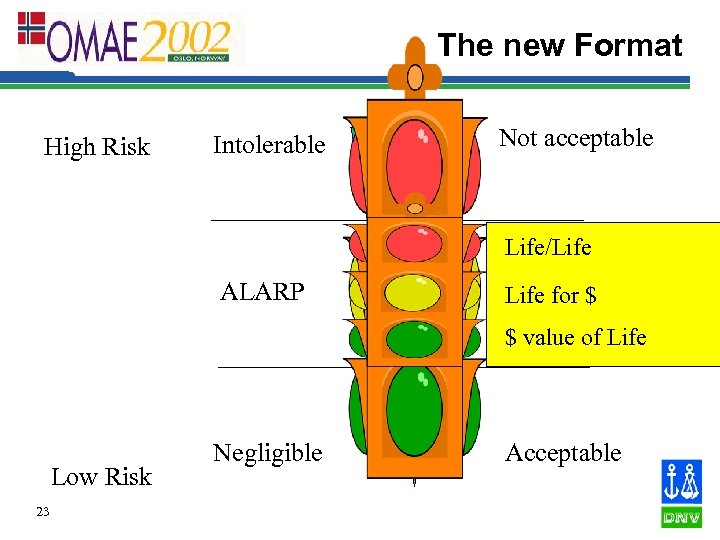 The new Format High Risk Intolerable Not acceptable Life/Life ALARP Acceptable if made Life for $ ALARP $ value of Life Low Risk 23 Negligible Acceptable
 Conclusion Ø An upper limit on investing in safety exists, where self protective measures are more effective Ø No regulator should implement less effective measures – New meaning to “Born free, taxed to death” Ø Different methods for defining criteria give similar results Ø For an OECD member country (excluding the newest members) the criteria is somewhere in the range $ 1. 5 3. 0 million – Some uncertainties relates to: • Fatalities as indicator or actual fatalities • NCAF or GCAF 24 • Assumptions used in derivation
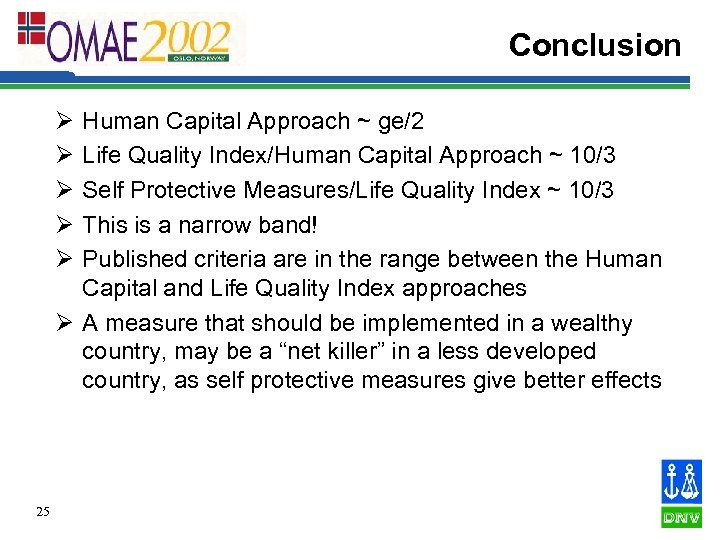 Conclusion Ø Ø Ø Human Capital Approach ~ ge/2 Life Quality Index/Human Capital Approach ~ 10/3 Self Protective Measures/Life Quality Index ~ 10/3 This is a narrow band! Published criteria are in the range between the Human Capital and Life Quality Index approaches Ø A measure that should be implemented in a wealthy country, may be a “net killer” in a less developed country, as self protective measures give better effects 25