


 Скачать презентацию SLEEP AND THINKING MOVING AND FEELING Andrew A
708fce2941b9b3239a72132949ac8177.ppt
- Количество слайдов: 43
 SLEEP AND THINKING, MOVING, AND FEELING Andrew A. Monjan, Ph. D. , M. P. H. Chief, Neurobiology of Aging Branch Neuroscience and Neuropsychology of Aging Program National Institute on Aging
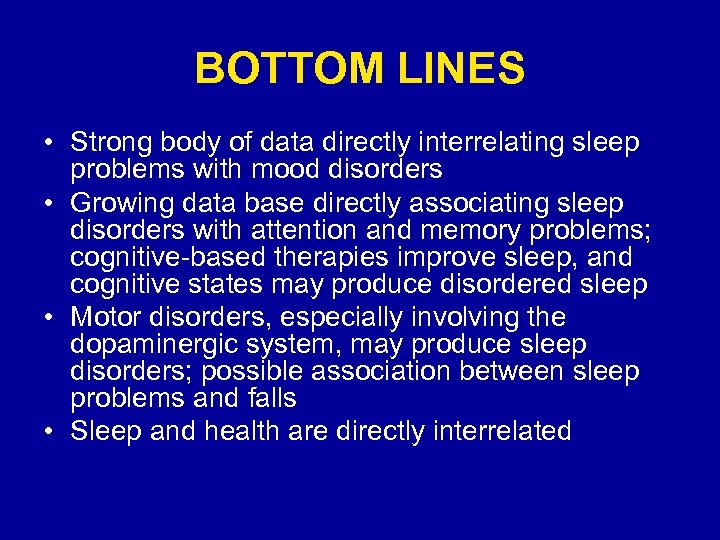 BOTTOM LINES • Strong body of data directly interrelating sleep problems with mood disorders • Growing data base directly associating sleep disorders with attention and memory problems; cognitive-based therapies improve sleep, and cognitive states may produce disordered sleep • Motor disorders, especially involving the dopaminergic system, may produce sleep disorders; possible association between sleep problems and falls • Sleep and health are directly interrelated
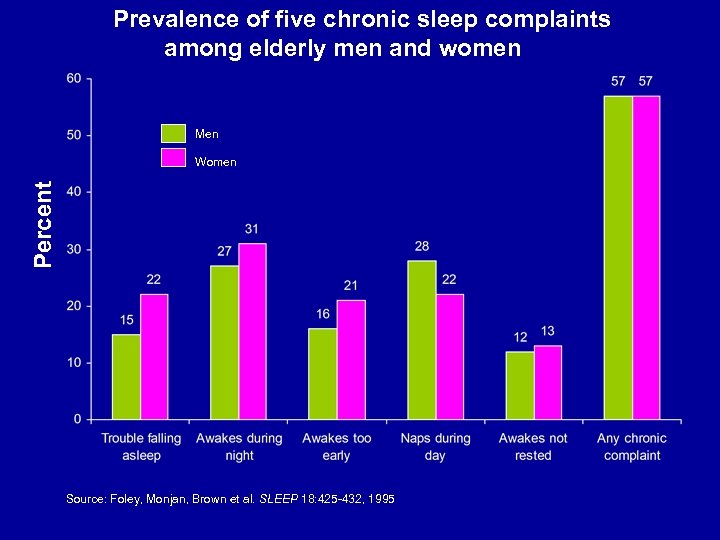 Prevalence of five chronic sleep complaints among elderly men and women Men Percent Women Source: Foley, Monjan, Brown et al. SLEEP 18: 425 -432, 1995
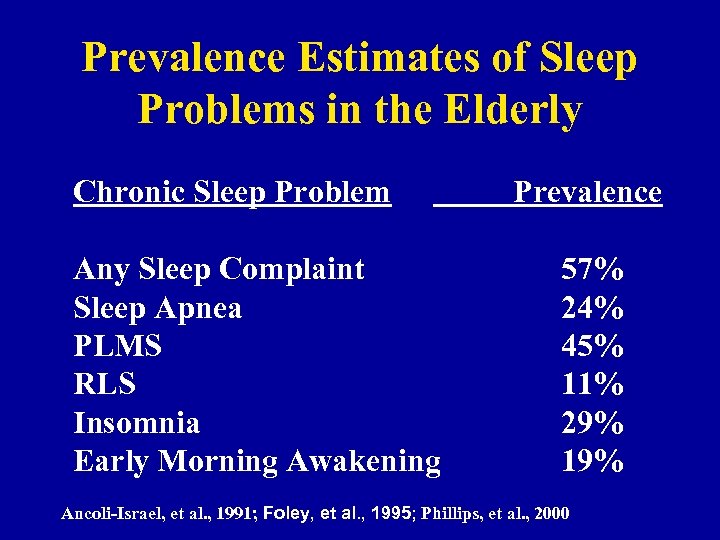 Prevalence Estimates of Sleep Problems in the Elderly Chronic Sleep Problem Any Sleep Complaint Sleep Apnea PLMS RLS Insomnia Early Morning Awakening Prevalence 57% 24% 45% 11% 29% 19% Ancoli-Israel, et al. , 1991; Foley, et al. , 1995; Phillips, et al. , 2000
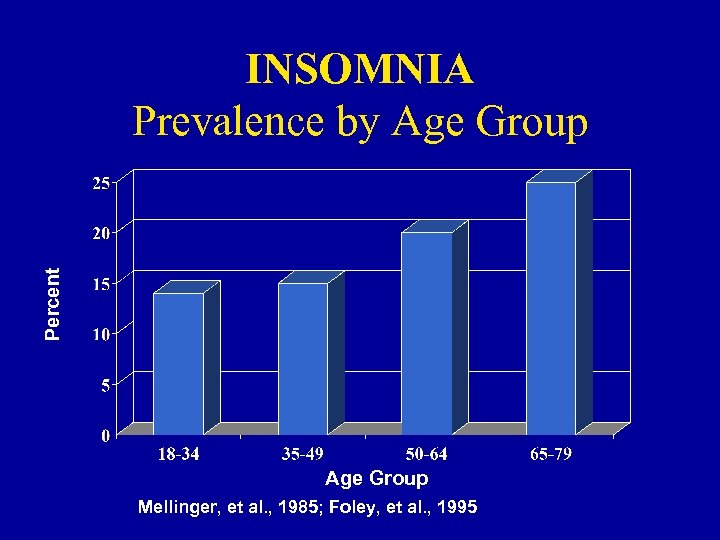 Percent INSOMNIA Prevalence by Age Group Mellinger, et al. , 1985; Foley, et al. , 1995
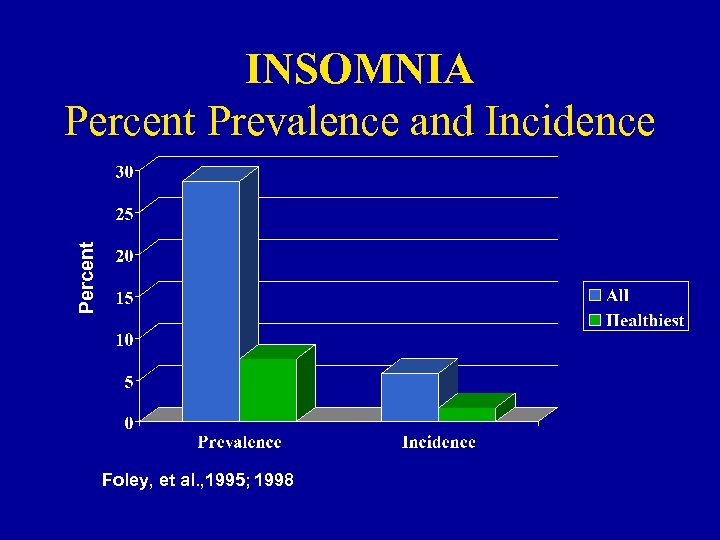 Percent INSOMNIA Percent Prevalence and Incidence Foley, et al. , 1995; 1998
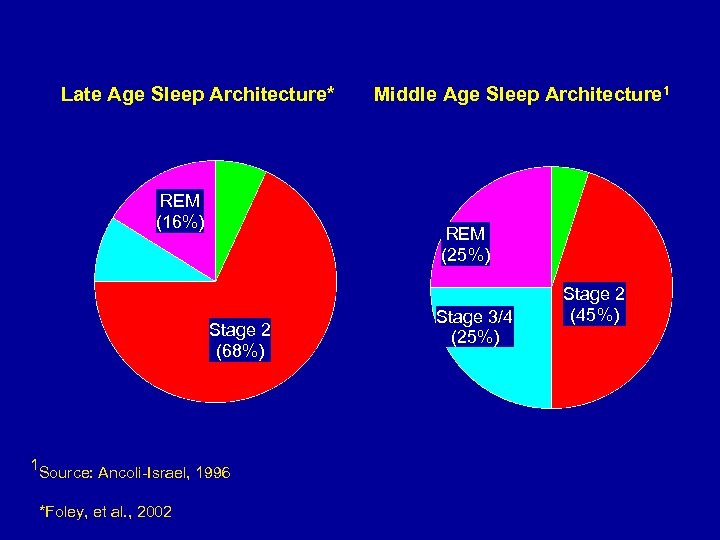 Late Age Sleep Architecture* Middle Age Sleep Architecture 1 Stage 1 (5%) Stage 1 7%) Stage 3/4 (9%) REM (16%) REM (25%) Stage 2 (68%) n=718 1 Source: Ancoli-Israel, 1996 *Foley, et al. , 2002 Stage 3/4 (25%) Stage 2 (45%)
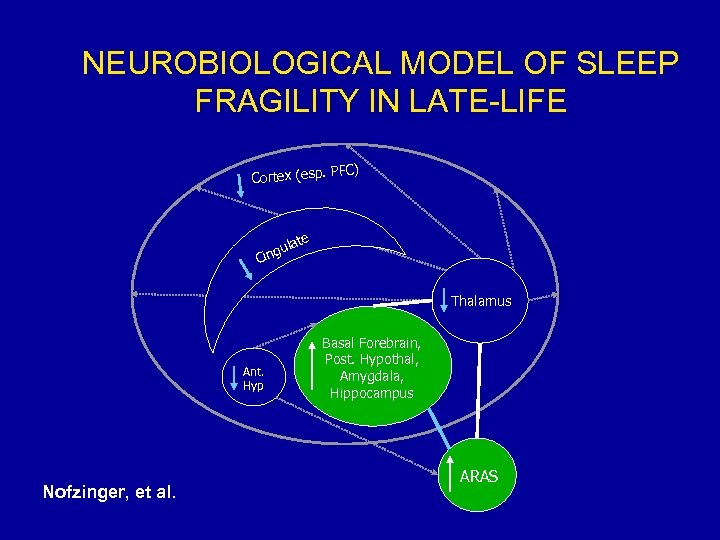 NEUROBIOLOGICAL MODEL OF SLEEP FRAGILITY IN LATE-LIFE FC) Cortex (esp. P te ula g Cin Thalamus Ant. Hyp Nofzinger, et al. Basal Forebrain, Post. Hypothal, Amygdala, Hippocampus ARAS
 PROJECTIONS OF THE VENTROLATERAL PREOPTIC NUCLEUS (VLPO) INHIBITING AROUSAL SYSTEMS Sapir, et al. , 2001
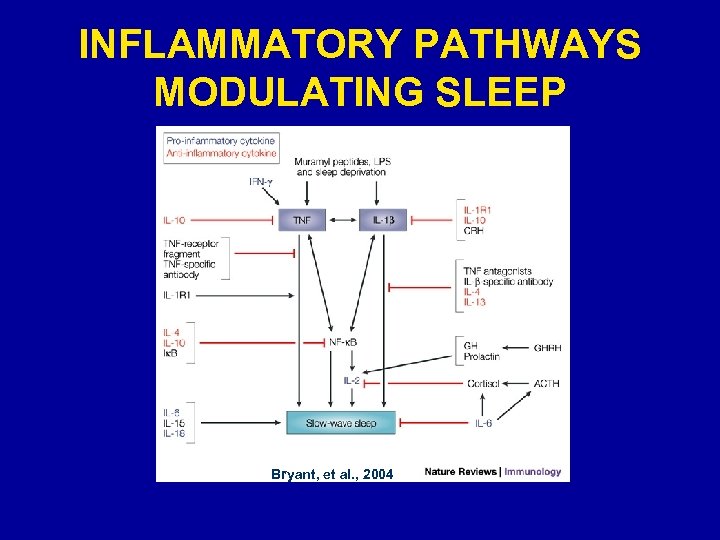 INFLAMMATORY PATHWAYS MODULATING SLEEP Bryant, et al. , 2004
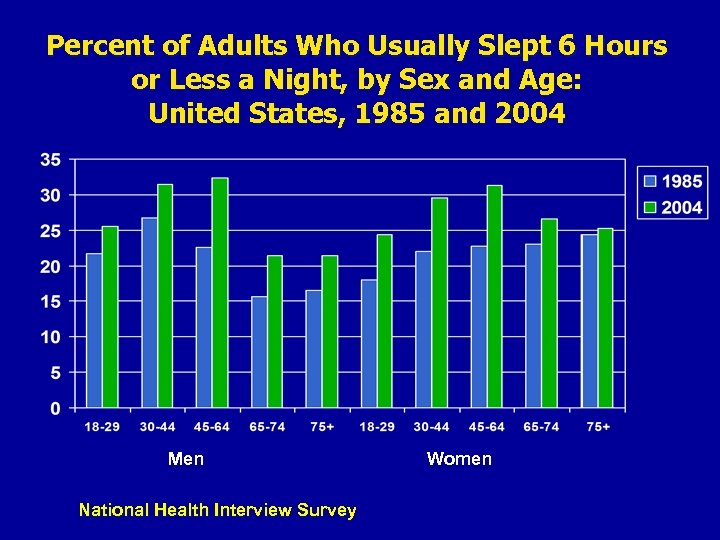 Percent of Adults Who Usually Slept 6 Hours or Less a Night, by Sex and Age: United States, 1985 and 2004 Men National Health Interview Survey Women
 NSF, 2003
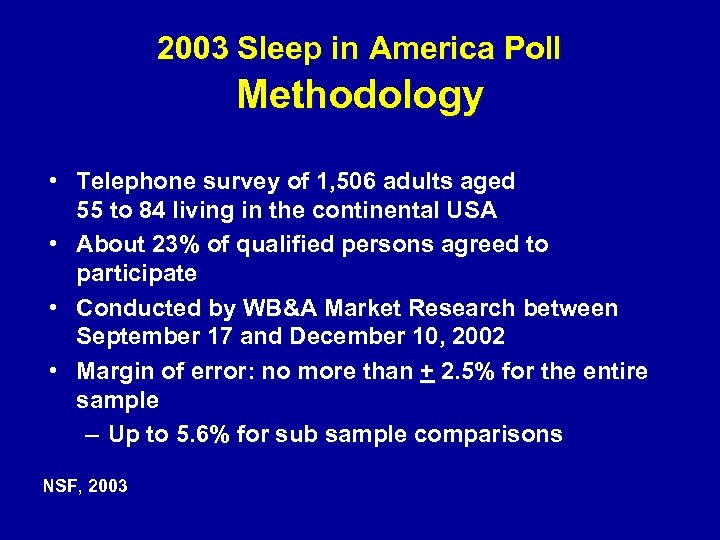 2003 Sleep in America Poll Methodology • Telephone survey of 1, 506 adults aged 55 to 84 living in the continental USA • About 23% of qualified persons agreed to participate • Conducted by WB&A Market Research between September 17 and December 10, 2002 • Margin of error: no more than + 2. 5% for the entire sample – Up to 5. 6% for sub sample comparisons NSF, 2003
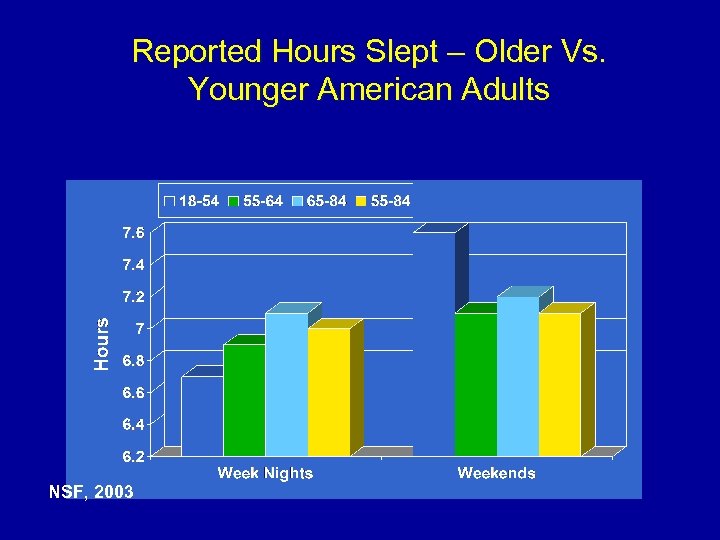 Reported Hours Slept – Older Vs. Younger American Adults NSF, 2003
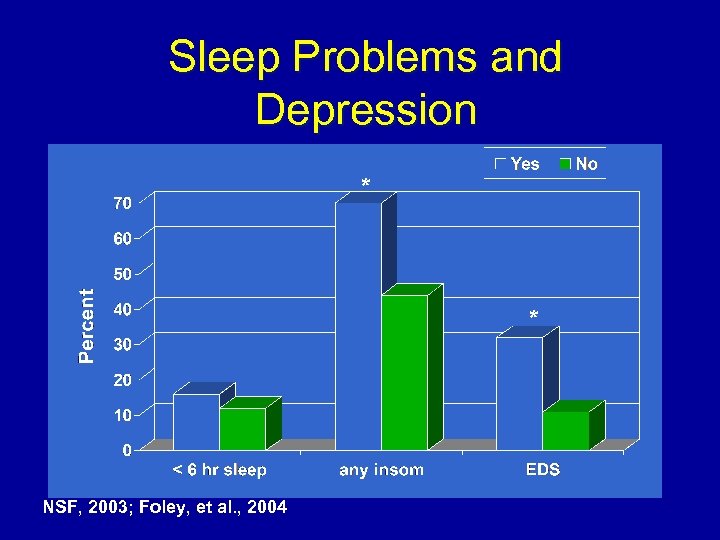 Sleep Problems and Depression * * NSF, 2003; Foley, et al. , 2004
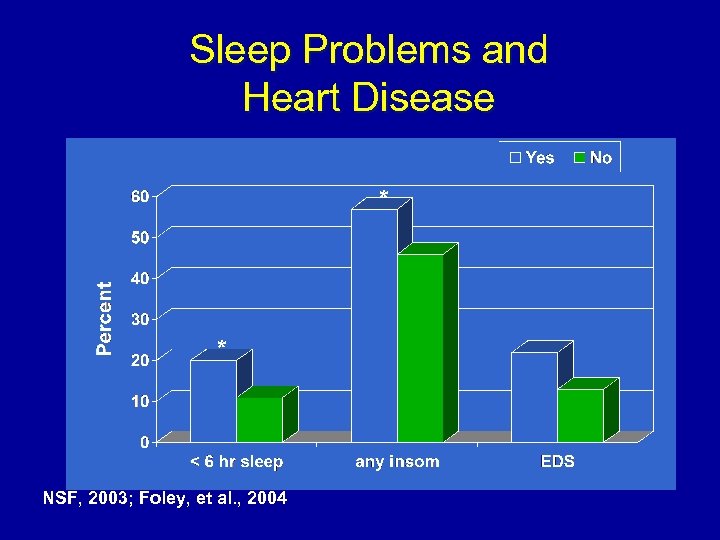 Sleep Problems and Heart Disease * * NSF, 2003; Foley, et al. , 2004
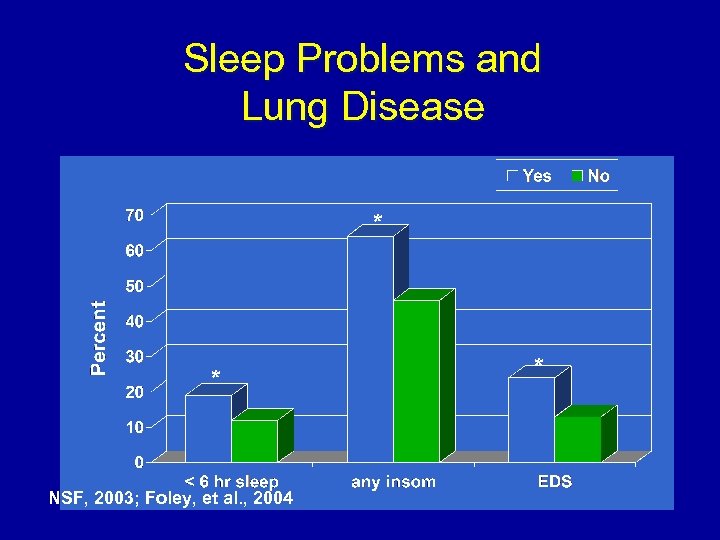 Sleep Problems and Lung Disease * * NSF, 2003; Foley, et al. , 2004 *
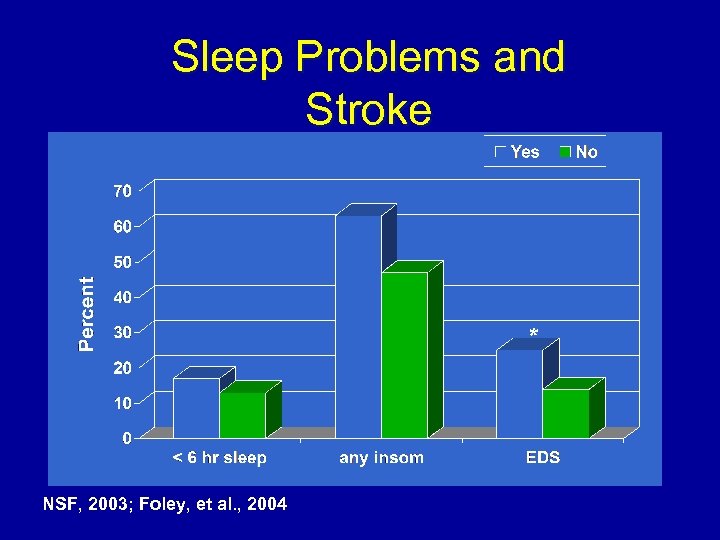 Sleep Problems and Stroke * NSF, 2003; Foley, et al. , 2004
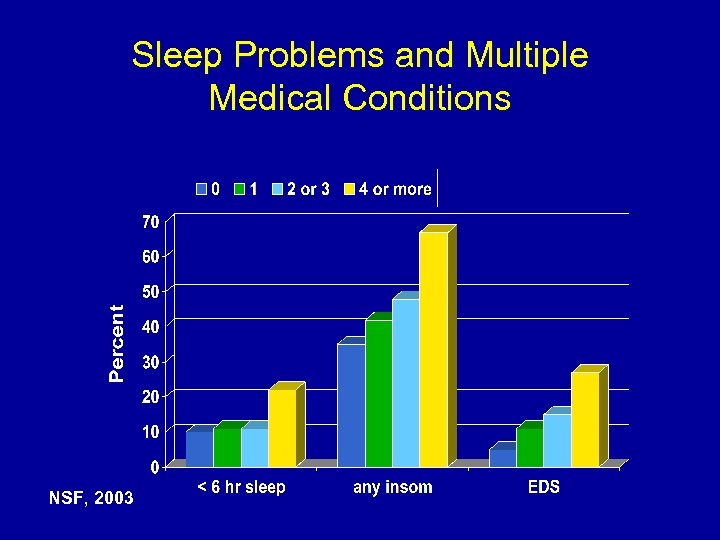 Sleep Problems and Multiple Medical Conditions NSF, 2003
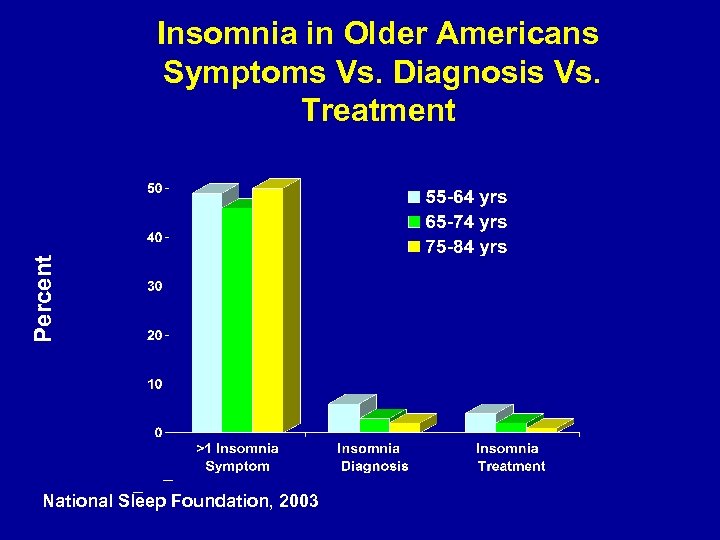 Percent Insomnia in Older Americans Symptoms Vs. Diagnosis Vs. Treatment _ _ _ National Sleep Foundation, 2003
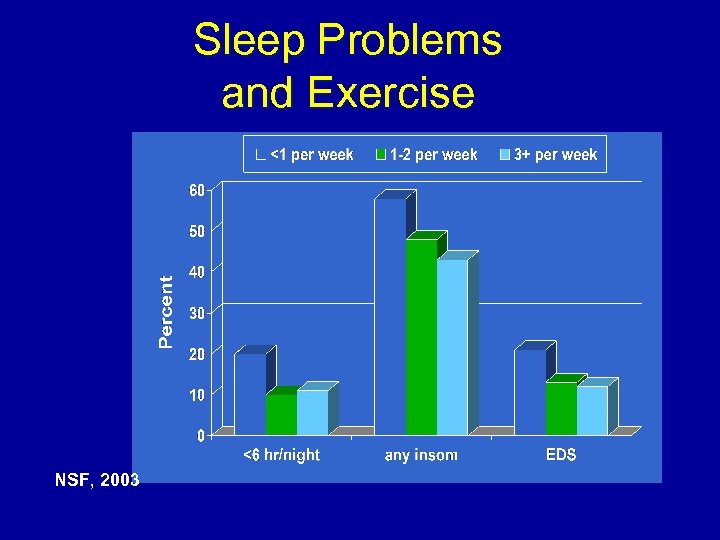 Sleep Problems and Exercise NSF, 2003
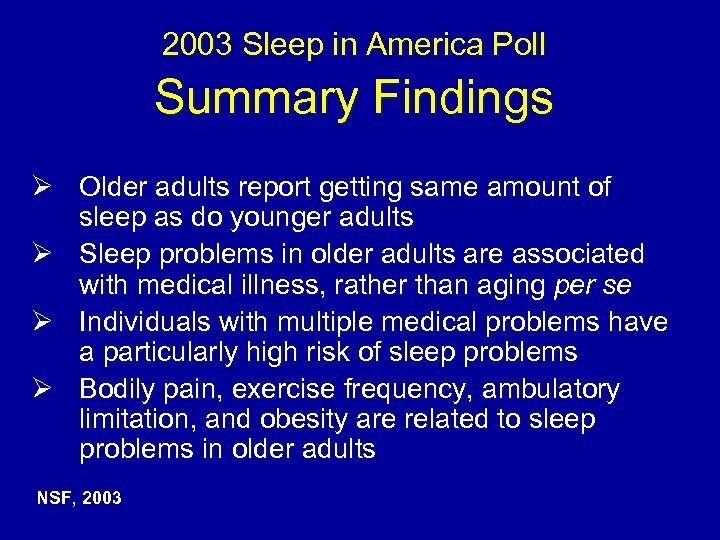 2003 Sleep in America Poll Summary Findings Ø Older adults report getting same amount of sleep as do younger adults Ø Sleep problems in older adults are associated with medical illness, rather than aging per se Ø Individuals with multiple medical problems have a particularly high risk of sleep problems Ø Bodily pain, exercise frequency, ambulatory limitation, and obesity are related to sleep problems in older adults NSF, 2003
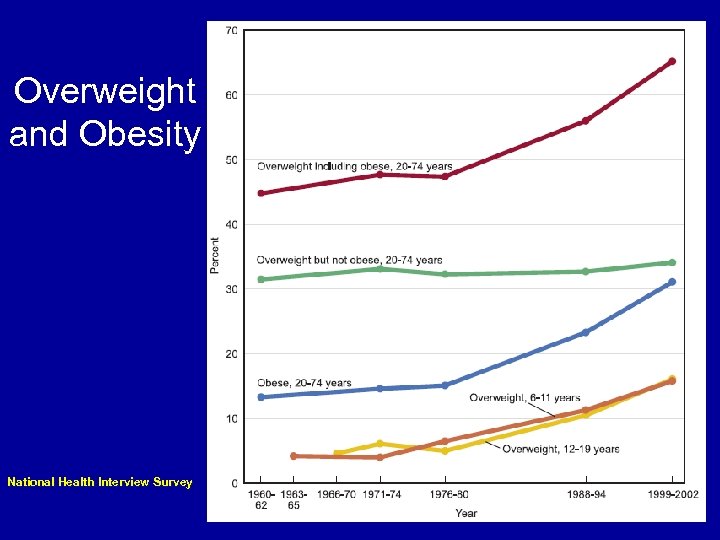 Overweight and Obesity National Health Interview Survey
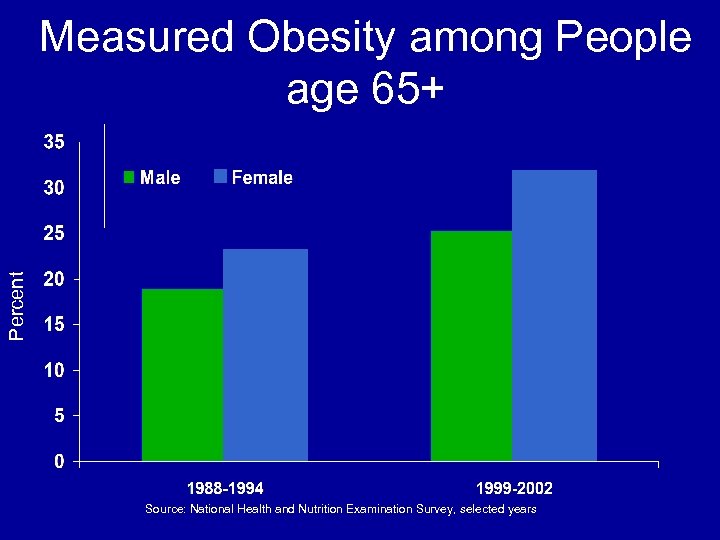 Percent Measured Obesity among People age 65+ Source: National Health and Nutrition Examination Survey, selected years
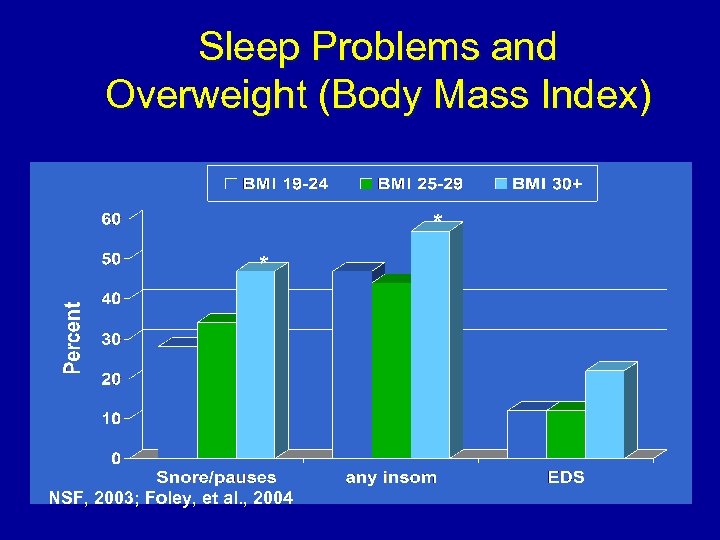 Sleep Problems and Overweight (Body Mass Index) * * NSF, 2003; Foley, et al. , 2004
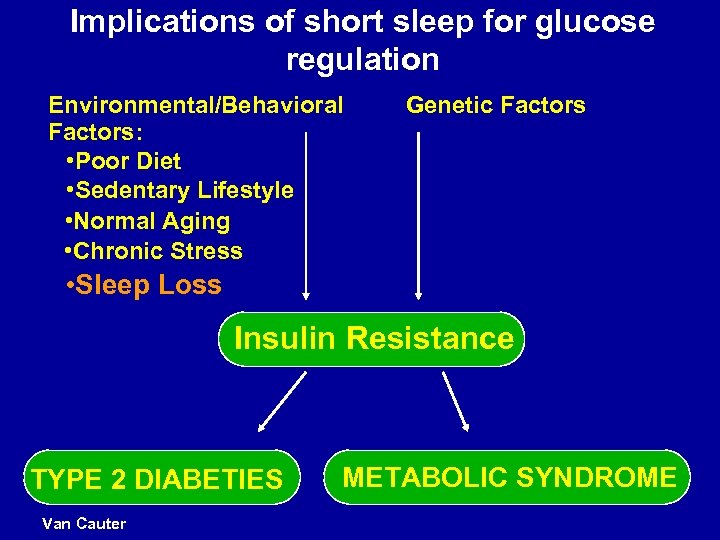 Implications of short sleep for glucose regulation Environmental/Behavioral Factors: • Poor Diet • Sedentary Lifestyle • Normal Aging • Chronic Stress Genetic Factors • Sleep Loss Insulin Resistance TYPE 2 DIABETIES Van Cauter METABOLIC SYNDROME
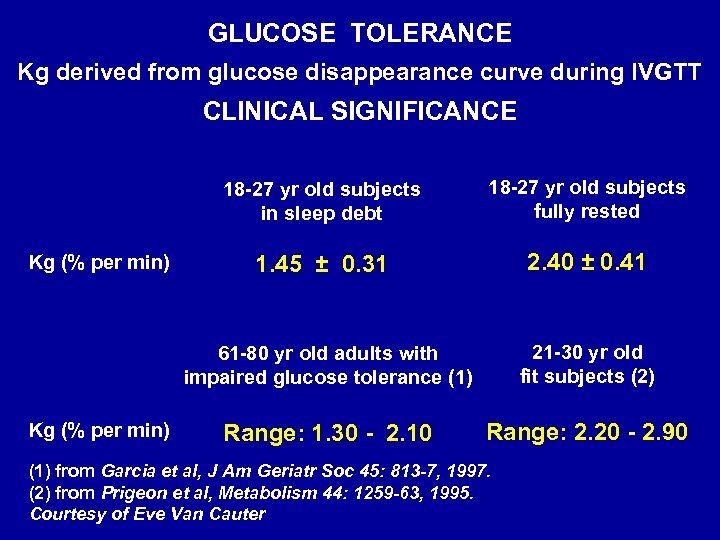 GLUCOSE TOLERANCE Kg derived from glucose disappearance curve during IVGTT CLINICAL SIGNIFICANCE 18 -27 yr old subjects in sleep debt Kg (% per min) 18 -27 yr old subjects fully rested 1. 45 ± 0. 31 2. 40 ± 0. 41 61 -80 yr old adults with impaired glucose tolerance (1) Kg (% per min) 21 -30 yr old fit subjects (2) Range: 1. 30 - 2. 10 Range: 2. 20 - 2. 90 (1) from Garcia et al, J Am Geriatr Soc 45: 813 -7, 1997. (2) from Prigeon et al, Metabolism 44: 1259 -63, 1995. Courtesy of Eve Van Cauter
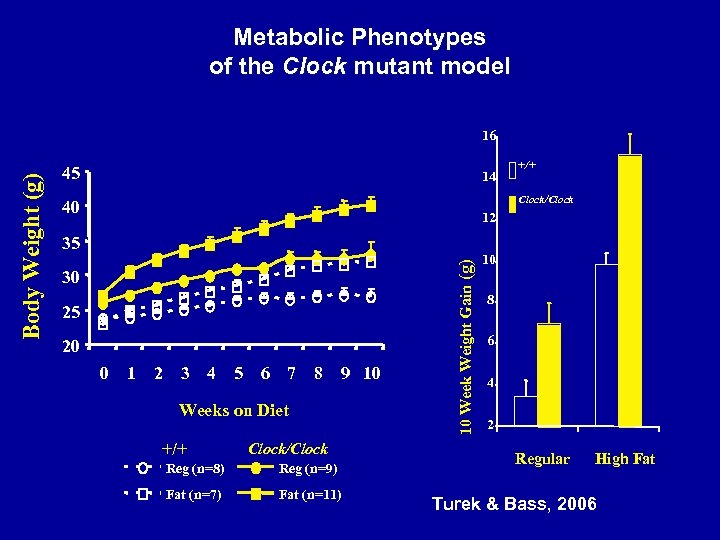 Metabolic Phenotypes of the Clock mutant model 45 14 +/+ Clock/Clock 40 12 35 30 25 20 0 1 2 3 4 5 6 7 8 9 10 Weeks on Diet +/+ Clock/Clock Reg (n=8) Reg (n=9) Fat (n=7) Fat (n=11) 10 Week Weight Gain (g) Body Weight (g) 16 10 8 6 4 2 Regular High Fat Turek & Bass, 2006
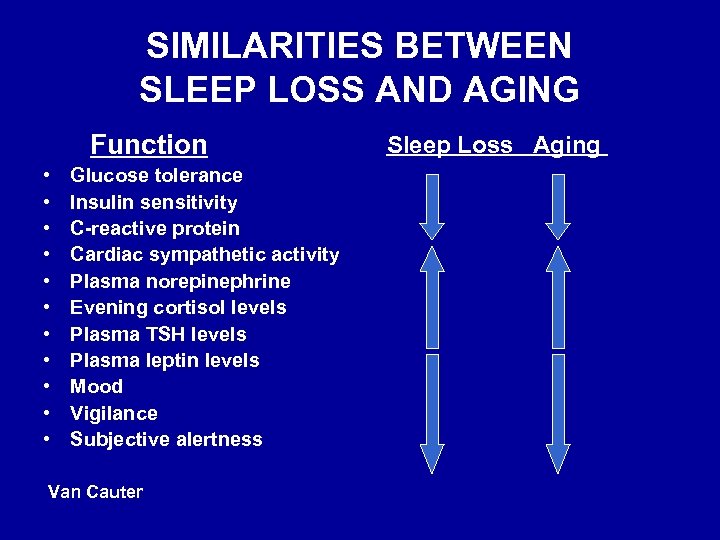 SIMILARITIES BETWEEN SLEEP LOSS AND AGING Function • • • Glucose tolerance Insulin sensitivity C-reactive protein Cardiac sympathetic activity Plasma norepinephrine Evening cortisol levels Plasma TSH levels Plasma leptin levels Mood Vigilance Subjective alertness Van Cauter Sleep Loss Aging
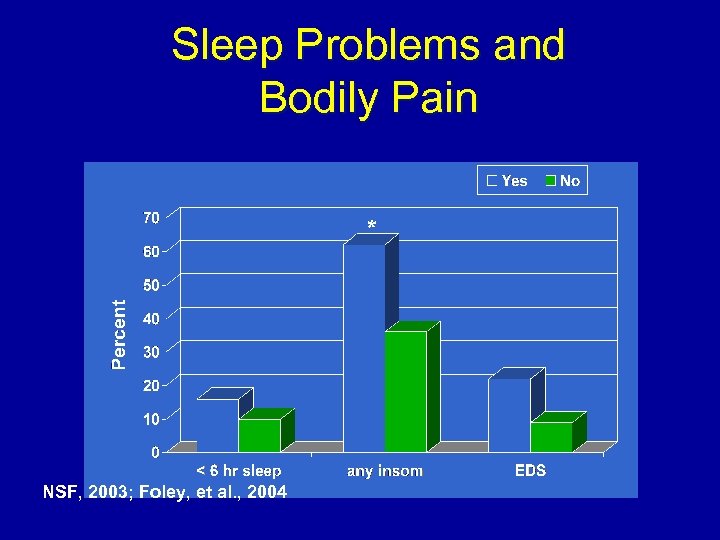 Sleep Problems and Bodily Pain * NSF, 2003; Foley, et al. , 2004
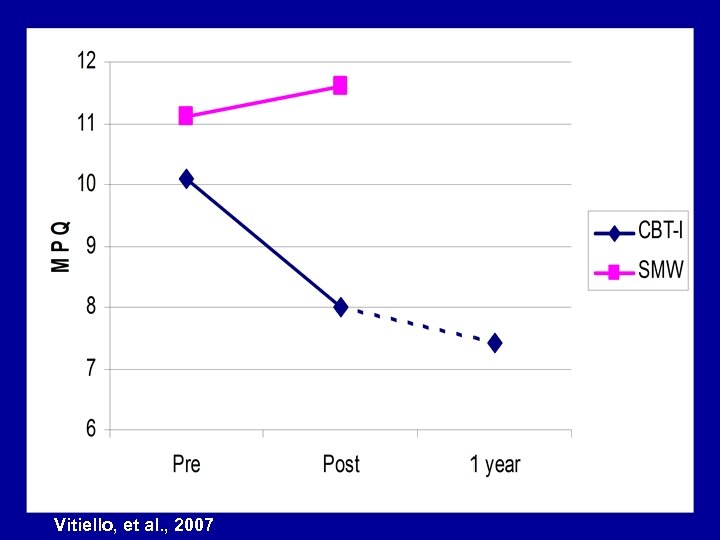
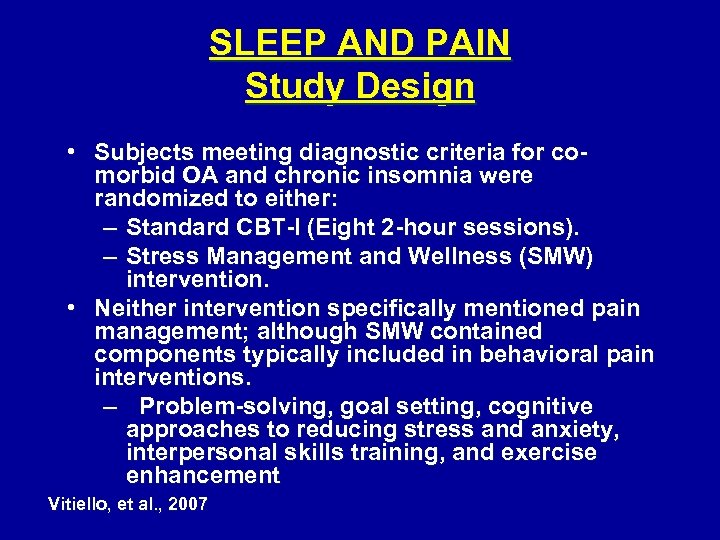 SLEEP AND PAIN Study Design • Subjects meeting diagnostic criteria for comorbid OA and chronic insomnia were randomized to either: – Standard CBT-I (Eight 2 -hour sessions). – Stress Management and Wellness (SMW) intervention. • Neither intervention specifically mentioned pain management; although SMW contained components typically included in behavioral pain interventions. – Problem-solving, goal setting, cognitive approaches to reducing stress and anxiety, interpersonal skills training, and exercise enhancement Vitiello, et al. , 2007
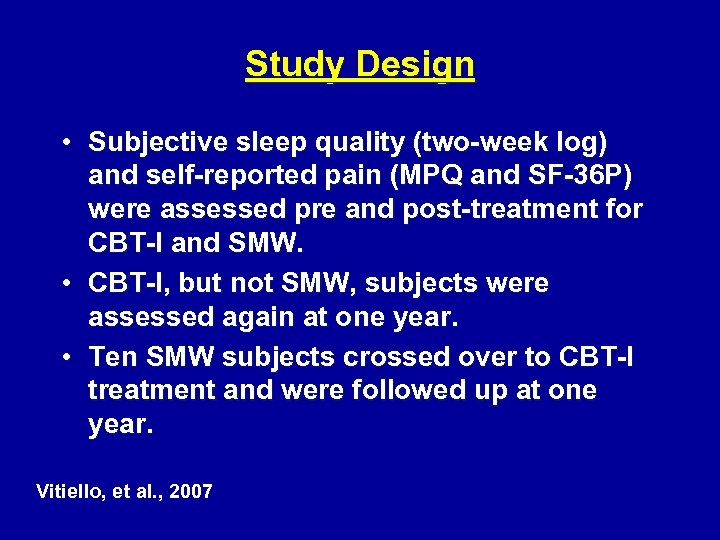 Study Design • Subjective sleep quality (two-week log) and self-reported pain (MPQ and SF-36 P) were assessed pre and post-treatment for CBT-I and SMW. • CBT-I, but not SMW, subjects were assessed again at one year. • Ten SMW subjects crossed over to CBT-I treatment and were followed up at one year. Vitiello, et al. , 2007
 Vitiello, et al. , 2007
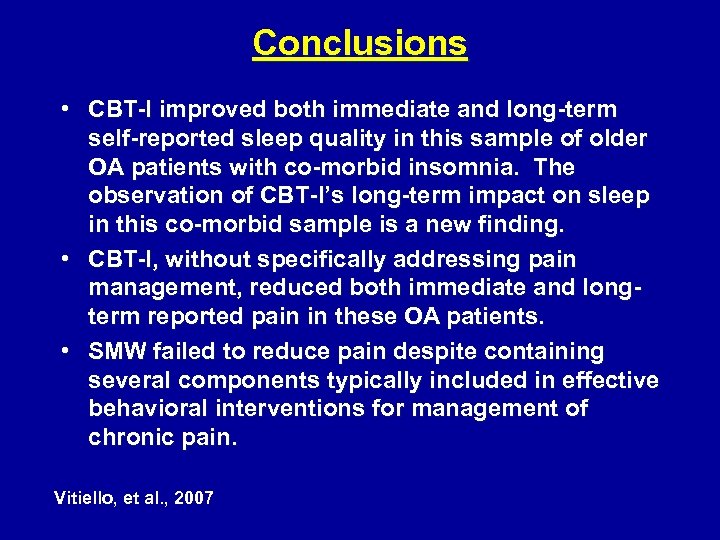 Conclusions • CBT-I improved both immediate and long-term self-reported sleep quality in this sample of older OA patients with co-morbid insomnia. The observation of CBT-I’s long-term impact on sleep in this co-morbid sample is a new finding. • CBT-I, without specifically addressing pain management, reduced both immediate and longterm reported pain in these OA patients. • SMW failed to reduce pain despite containing several components typically included in effective behavioral interventions for management of chronic pain. Vitiello, et al. , 2007
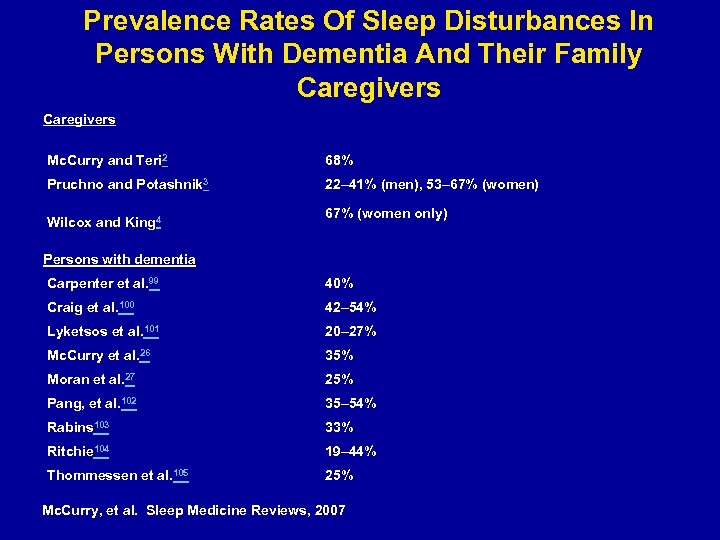 Prevalence Rates Of Sleep Disturbances In Persons With Dementia And Their Family Caregivers Mc. Curry and Teri 2 68% Pruchno and Potashnik 3 22– 41% (men), 53– 67% (women) Wilcox and King 4 67% (women only) Persons with dementia Carpenter et al. 99 40% Craig et al. 100 42– 54% Lyketsos et al. 101 20– 27% Mc. Curry et al. 26 35% Moran et al. 27 25% Pang, et al. 102 35– 54% Rabins 103 33% Ritchie 104 19– 44% Thommessen et al. 105 25% Mc. Curry, et al. Sleep Medicine Reviews, 2007
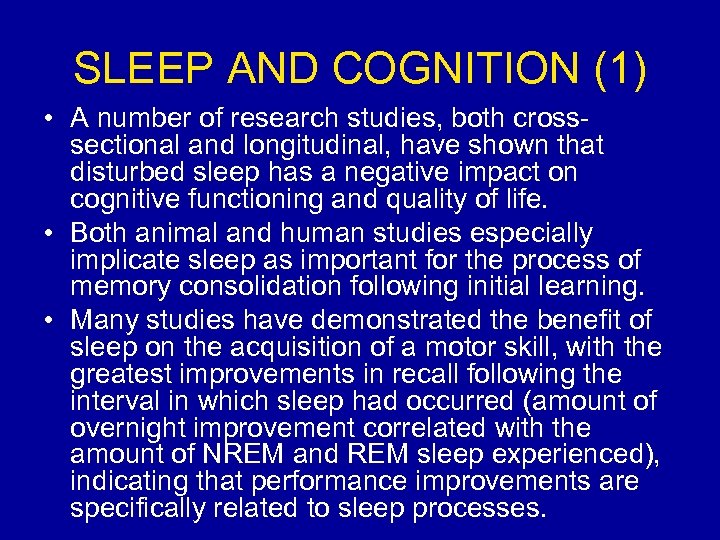 SLEEP AND COGNITION (1) • A number of research studies, both crosssectional and longitudinal, have shown that disturbed sleep has a negative impact on cognitive functioning and quality of life. • Both animal and human studies especially implicate sleep as important for the process of memory consolidation following initial learning. • Many studies have demonstrated the benefit of sleep on the acquisition of a motor skill, with the greatest improvements in recall following the interval in which sleep had occurred (amount of overnight improvement correlated with the amount of NREM and REM sleep experienced), indicating that performance improvements are specifically related to sleep processes.
 SLEEP AND COGNITION (2) • It has been proposed that age-related changes in sleep patterns may be linked to changes in the glucocorticoid system, including the hippocampus, which occur with age. • In animal studies, sleep deprivation interferes with the encoding of hippocampal-mediated tasks (even 5 -hours of pre-training deprivation disrupts the encoding of avoidance learning). • At the cellular level, sleep deprivation reduces the basic excitability of hippocampal neurons as well as significantly impairing long-term potentiation.
 SLEEP AND COGNITION (3) • Thus, there has accumulated a sufficient base of data and converging lines of evidence to suggest that sleep loss associated with aging may be a contributing factor to some of the cognitive decline commonly seen in later life, as well as being a comorbid condition contributing to other metabolic, medical, and behavioral conditions in aging populations.
 SOME CONSEQUENCES OF DISORDERED SLEEP IN THE AGING POPULATION • • • Excessive daytime sleepiness Attention and memory problems Depressed mood Nighttime falls Overuse of hypnotic drugs and OTC medications Possible adverse interactions with co-morbid conditions, e. g. sleep apnea and CVD • Lowered quality of life • Metabolic dysfunction
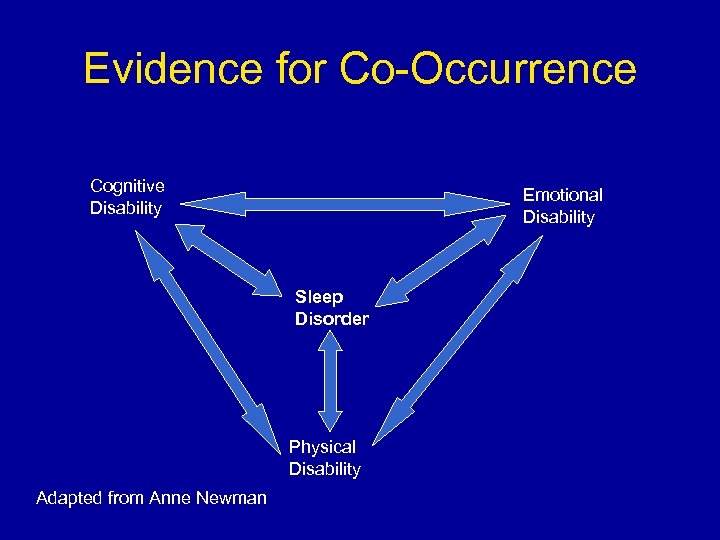 Evidence for Co-Occurrence Cognitive Disability Emotional Disability Sleep Disorder Physical Disability Adapted from Anne Newman
 Questions for the Future • What constitutes normal and optimal sleep in the elderly? • Are there different causal mechanisms or co-factors with onset of sleep disorders late in life than earlier in life? • Can sleep loss can increase the stress load, possibly facilitating the development of chronic conditions, such as obesity, diabetes, and hypertension, which have an increased prevalence in low SES groups? • What interventions and therapies are most effective and appropriate for the older population?
 Further Questions for the Future • What are the brain mechanisms underlying age-dependent changes in sleep? • What are the relationships between sleep and cognitive functioning in later life? • Are there relationships between sleep, nocturia, and falls? • How does sleep affect aging and disease, and, conversely, how do aging and disease affect sleep?