 Скачать презентацию Skeleton Группа 11 -051 -01 подготовил Камбаров Фарух
скелет.pptx
- Количество слайдов: 13



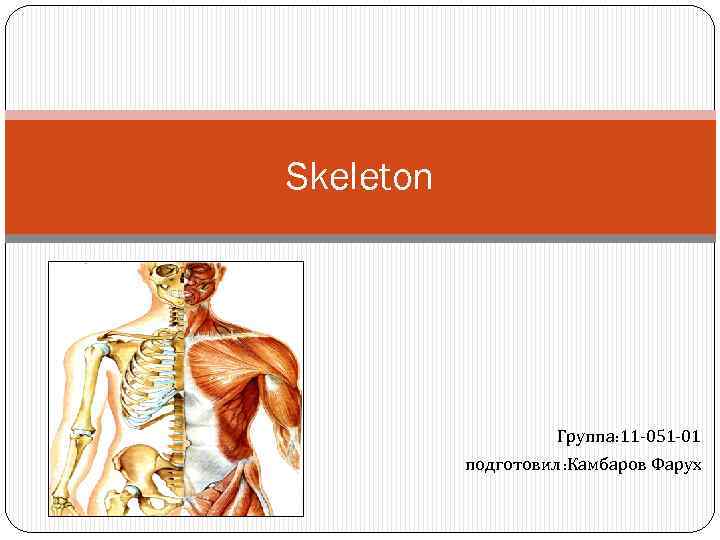
Skeleton Группа: 11 -051 -01 подготовил: Камбаров Фарух
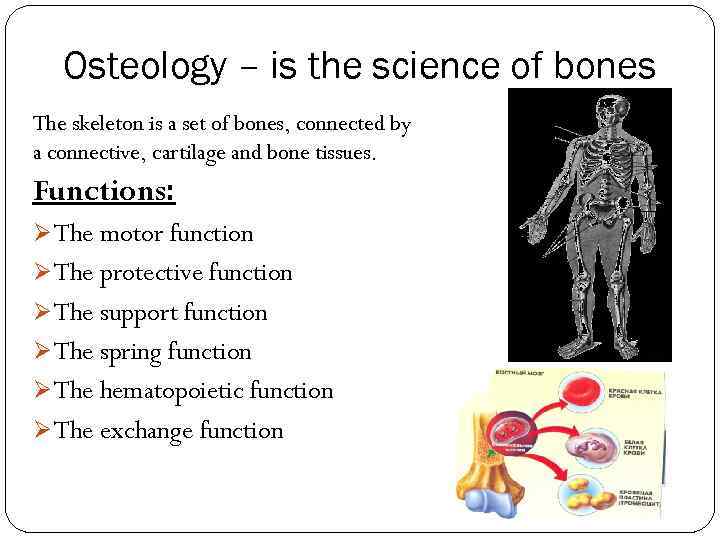
Osteology – is the science of bones The skeleton is a set of bones, connected by a connective, cartilage and bone tissues. Functions: Ø The motor function Ø The protective function Ø The support function Ø The spring function Ø The hematopoietic function Ø The exchange function
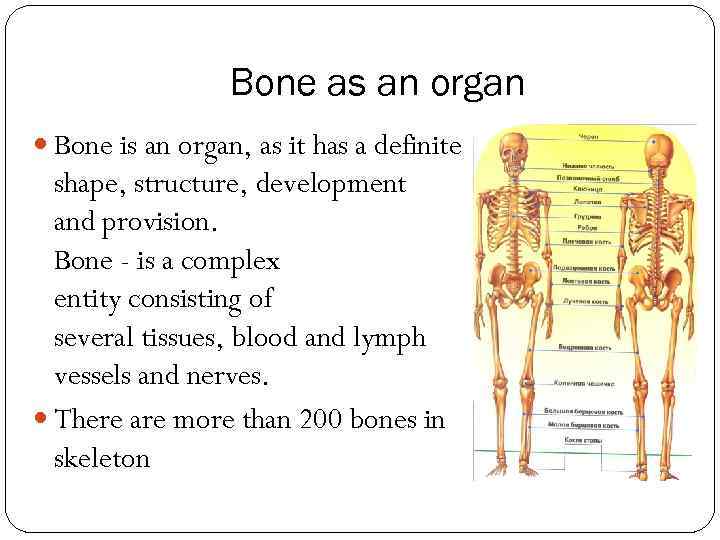
Bone as an organ Bone is an organ, as it has a definite shape, structure, development and provision. Bone - is a complex entity consisting of several tissues, blood and lymph vessels and nerves. There are more than 200 bones in skeleton
The chemical composition of bone Water 50%, fat 16%, organic matter, 12%, inorganic matter, 22%. The organic part consists of ossein, which provides elasticity. Inorganic part - salts of Ca, P, Mg trace elements, providing a hardness of bone.
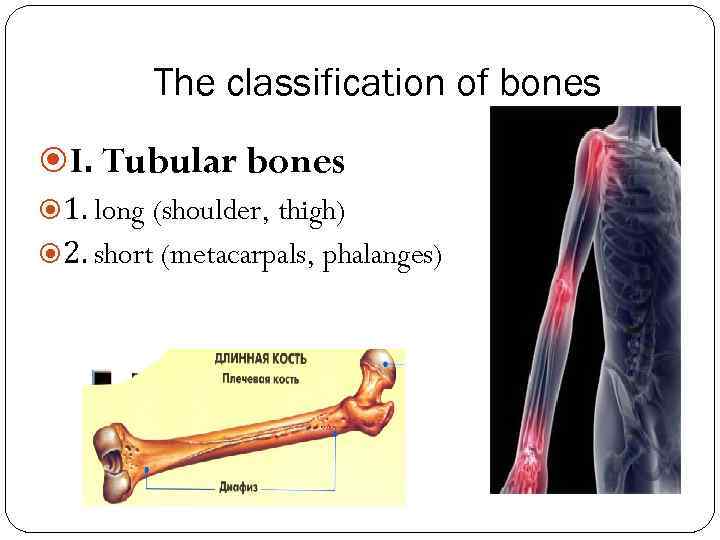
The classification of bones I. Tubular bones 1. long (shoulder, thigh) 2. short (metacarpals, phalanges)
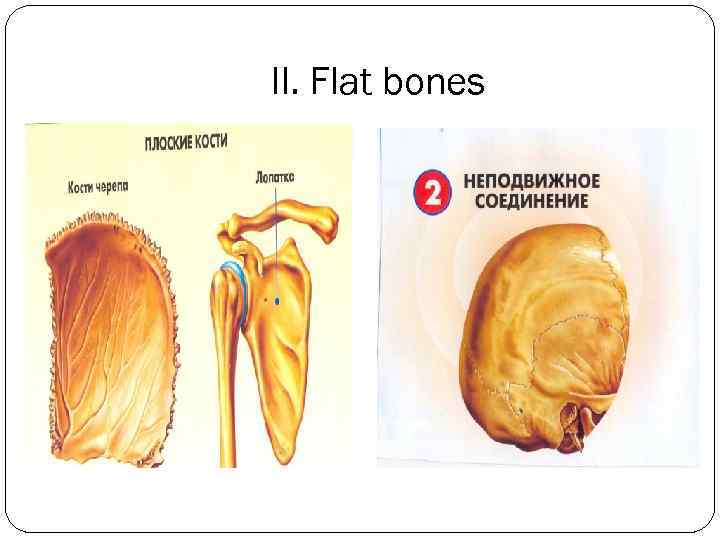
II. Flat bones
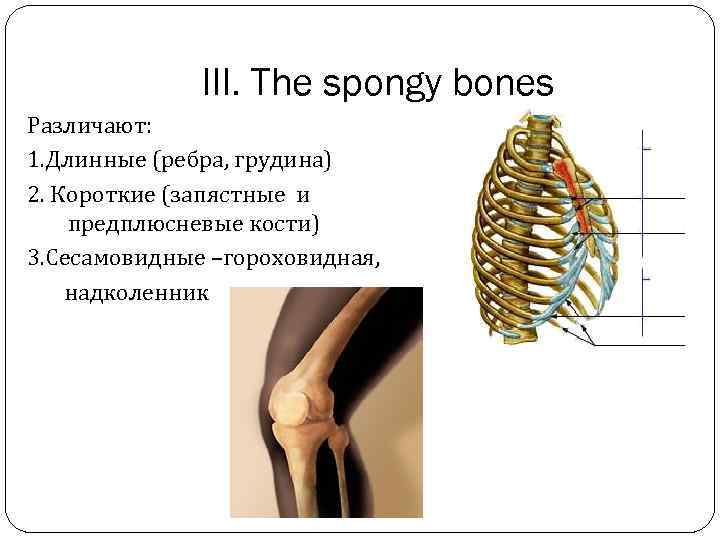
III. The spongy bones Различают: 1. Длинные (ребра, грудина) 2. Короткие (запястные и предплюсневые кости) 3. Сесамовидные –гороховидная, надколенник
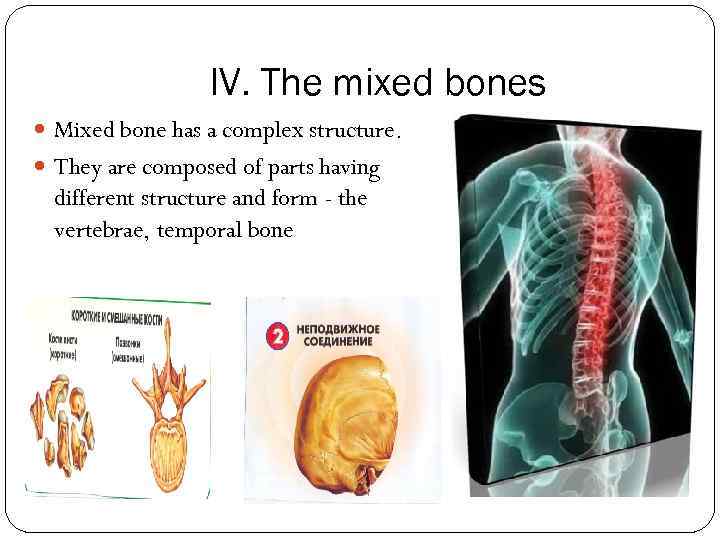
IV. The mixed bones Mixed bone has a complex structure. They are composed of parts having different structure and form - the vertebrae, temporal bone
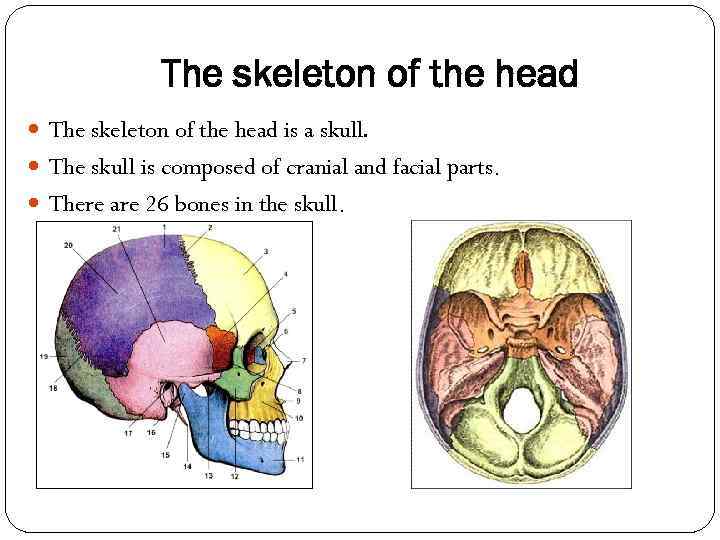
The skeleton of the head is a skull. The skull is composed of cranial and facial parts. There are 26 bones in the skull.
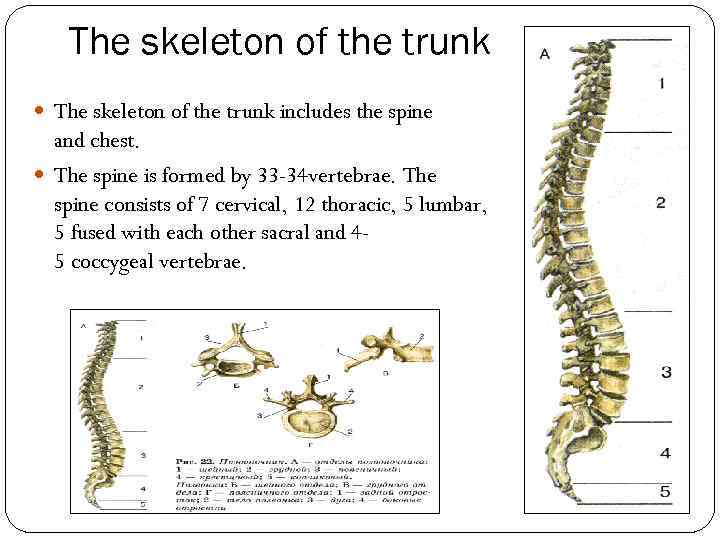
The skeleton of the trunk includes the spine and chest. The spine is formed by 33 -34 vertebrae. The spine consists of 7 cervical, 12 thoracic, 5 lumbar, 5 fused with each other sacral and 45 coccygeal vertebrae.
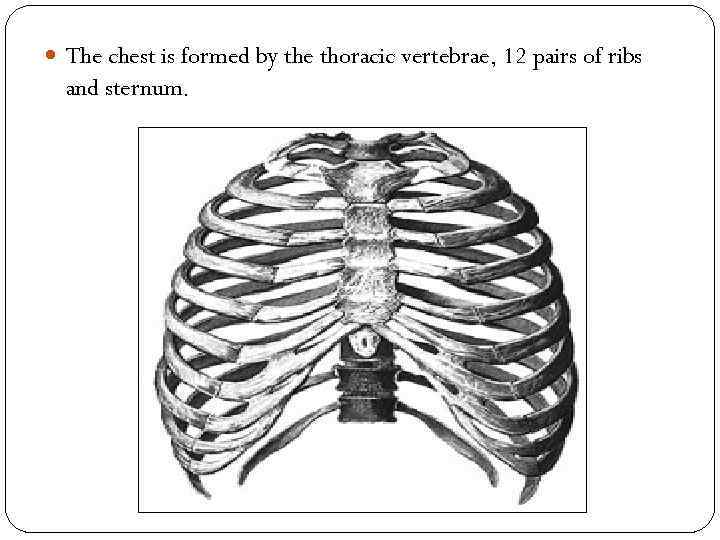
The chest is formed by the thoracic vertebrae, 12 pairs of ribs and sternum.
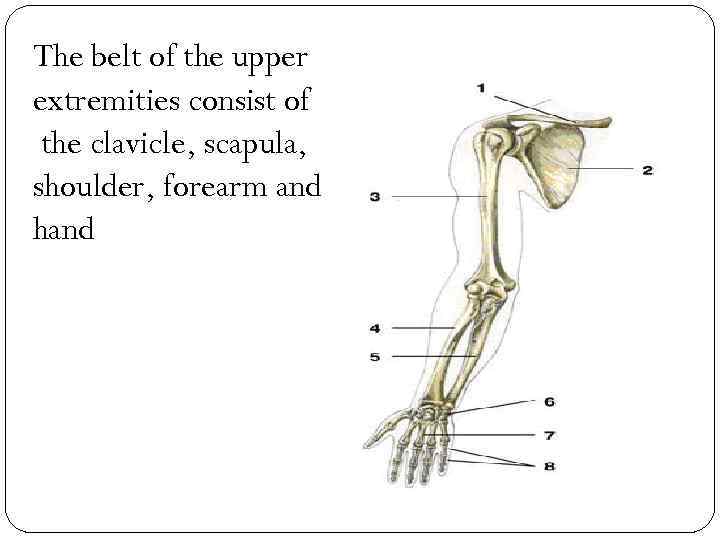
The belt of the upper extremities consist of the clavicle, scapula, shoulder, forearm and hand
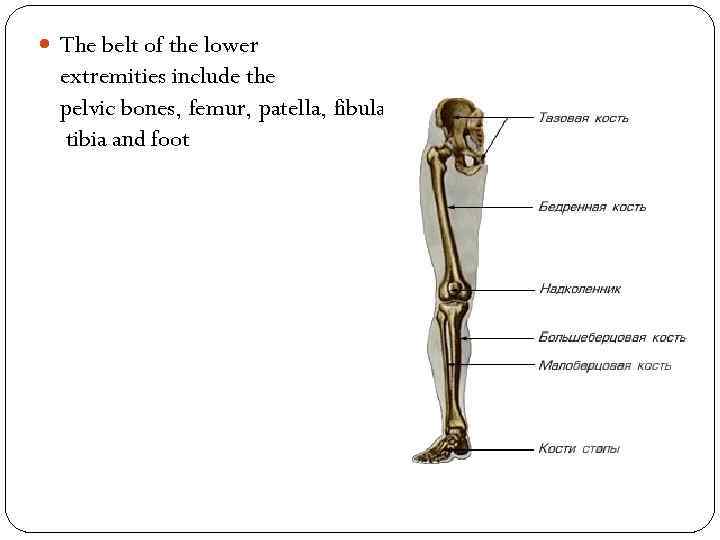
The belt of the lower extremities include the pelvic bones, femur, patella, fibula, tibia and foot
Скачать презентацию Skeleton Группа 11 -051 -01 подготовил Камбаров Фарух
скелет.pptx