 Скачать презентацию Since 1884 IEEE has been fostering technical innovation
2687a254b82e5c1ccd6585caba82f994.ppt
- Количество слайдов: 30



Since 1884, IEEE has been fostering technical innovation for the benefit of Humanity.
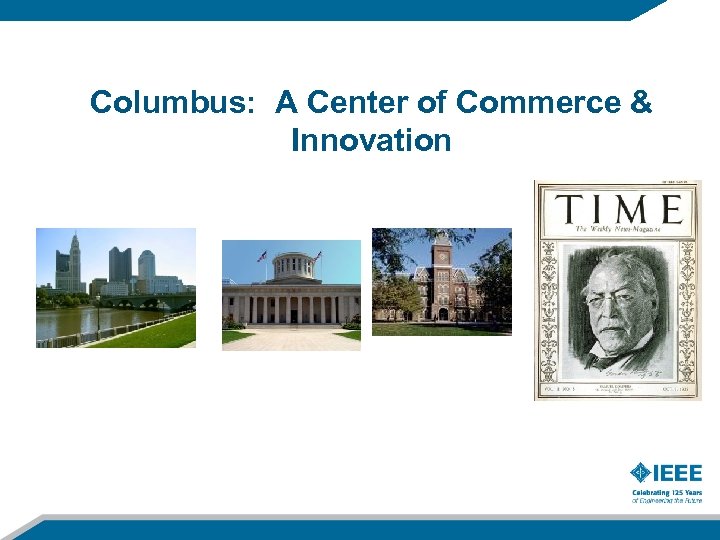
Columbus: A Center of Commerce & Innovation
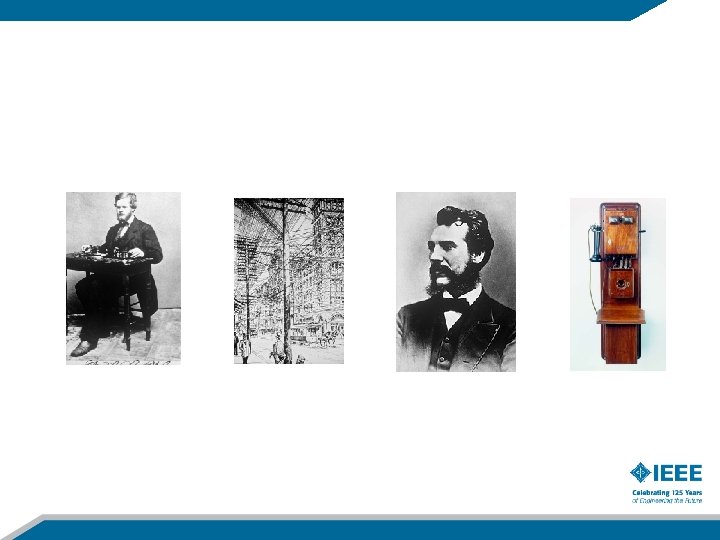
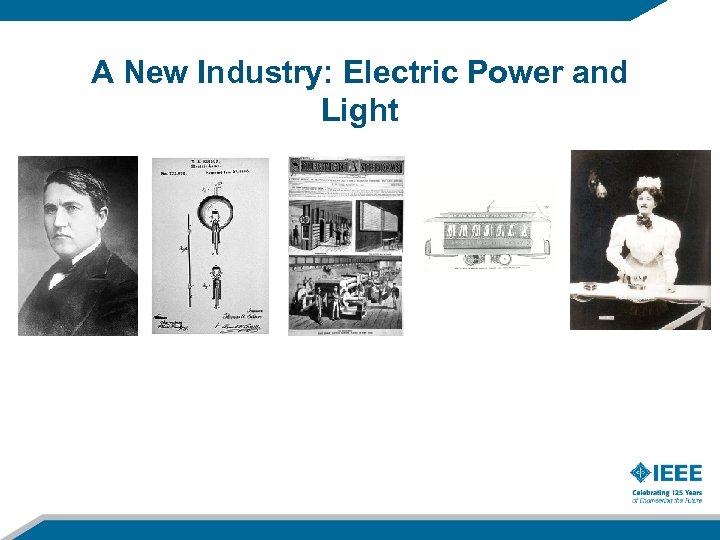
A New Industry: Electric Power and Light
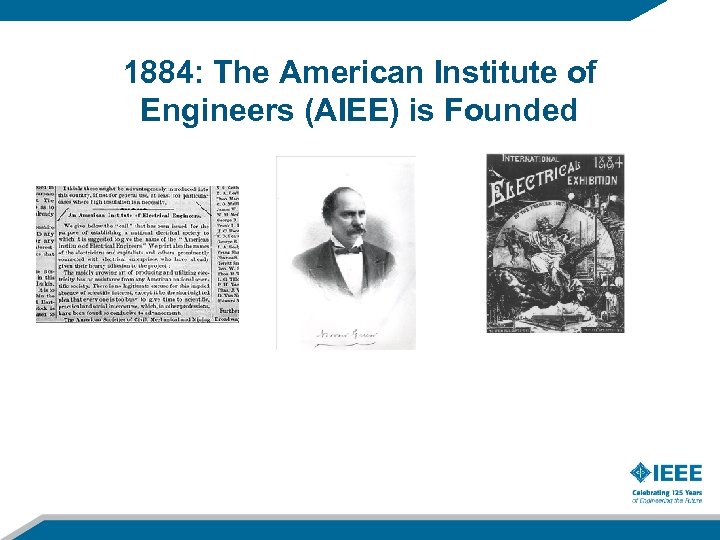
1884: The American Institute of Engineers (AIEE) is Founded
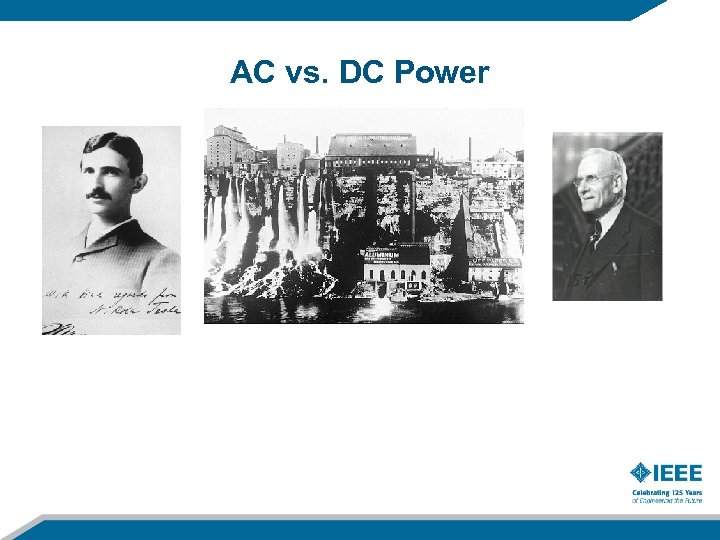
AC vs. DC Power
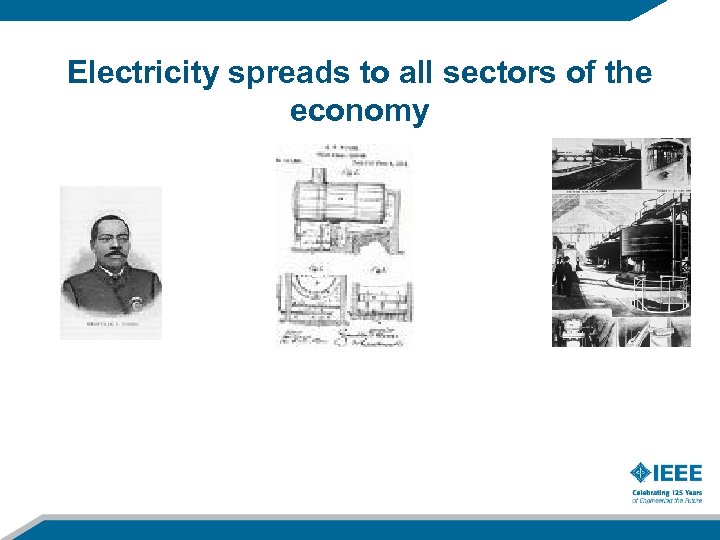
Electricity spreads to all sectors of the economy
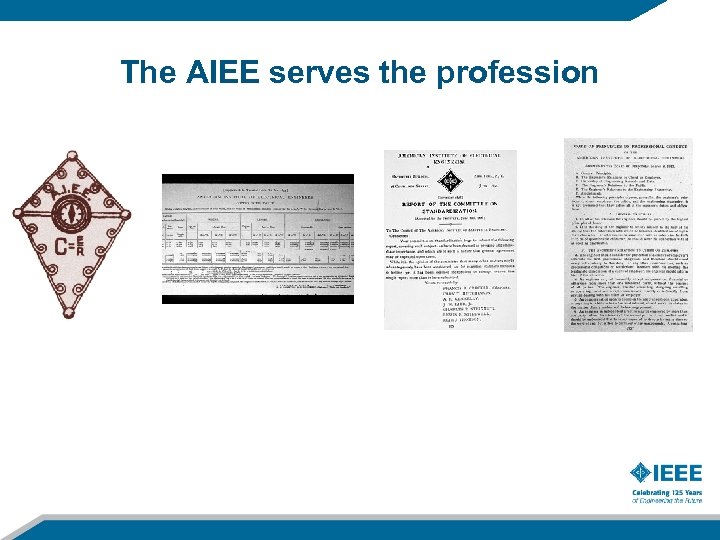
The AIEE serves the profession
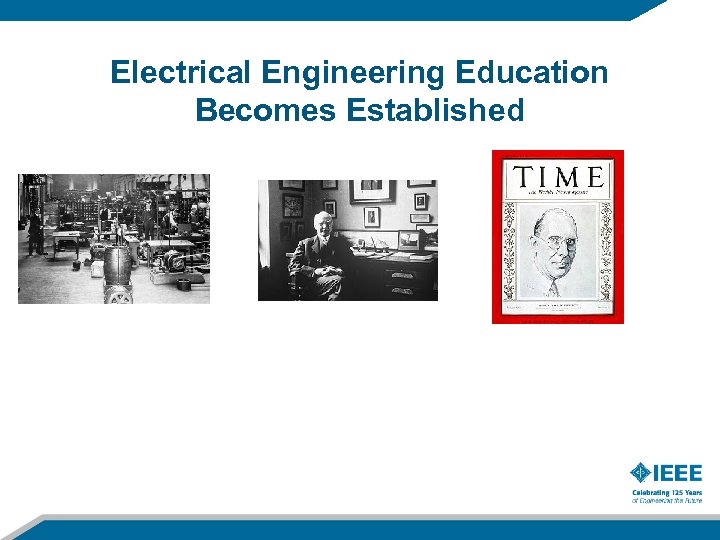
Electrical Engineering Education Becomes Established
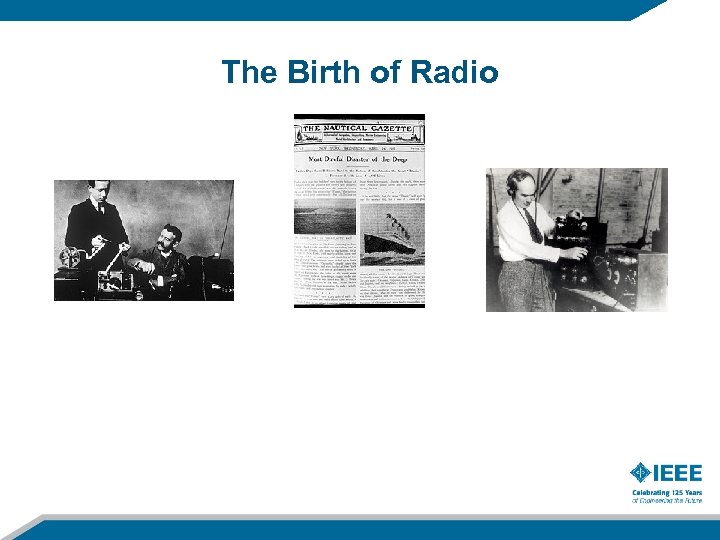
The Birth of Radio
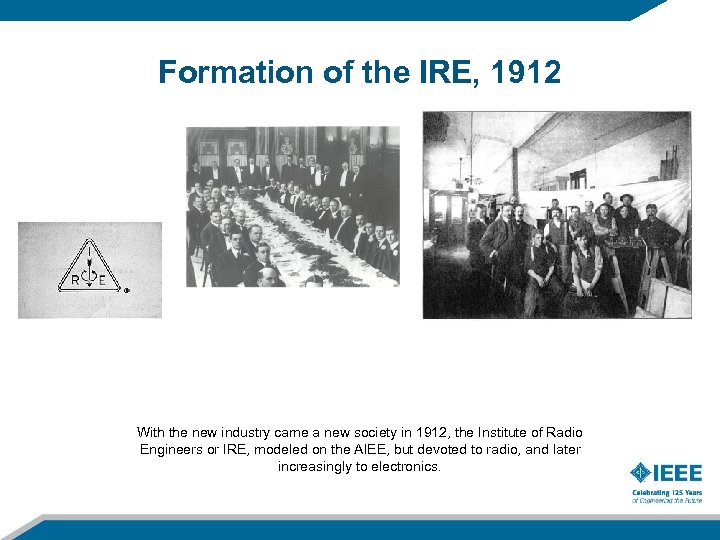
Formation of the IRE, 1912 With the new industry came a new society in 1912, the Institute of Radio Engineers or IRE, modeled on the AIEE, but devoted to radio, and later increasingly to electronics.
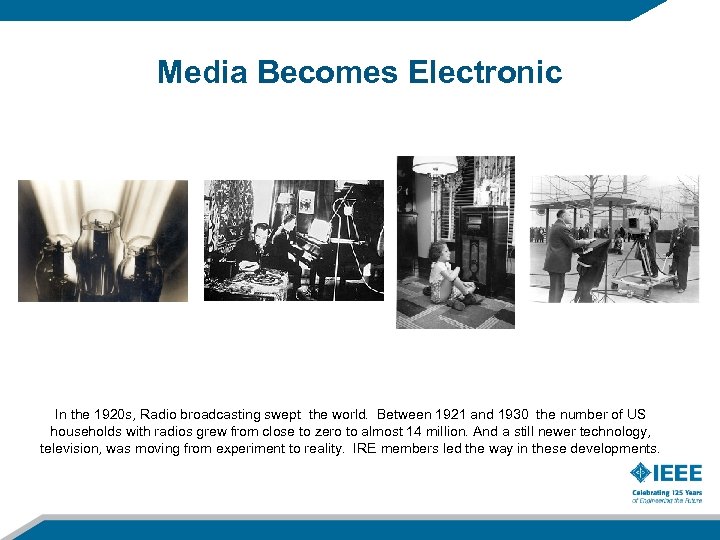
Media Becomes Electronic In the 1920 s, Radio broadcasting swept the world. Between 1921 and 1930 the number of US households with radios grew from close to zero to almost 14 million. And a still newer technology, television, was moving from experiment to reality. IRE members led the way in these developments.
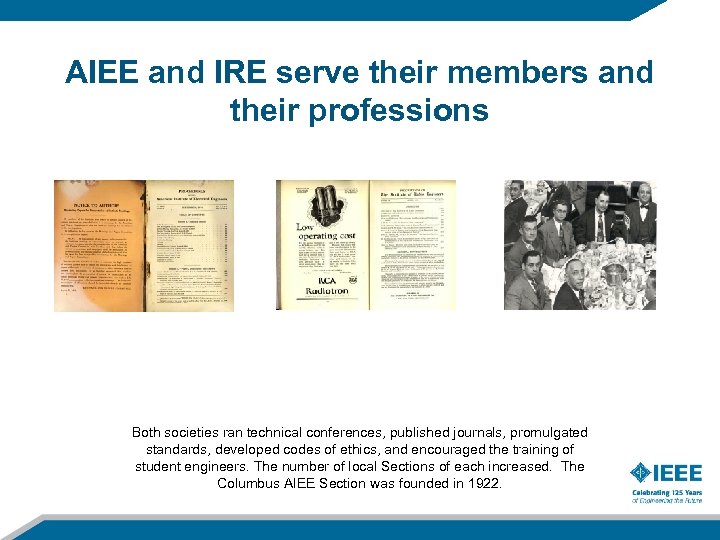
AIEE and IRE serve their members and their professions Both societies ran technical conferences, published journals, promulgated standards, developed codes of ethics, and encouraged the training of student engineers. The number of local Sections of each increased. The Columbus AIEE Section was founded in 1922.
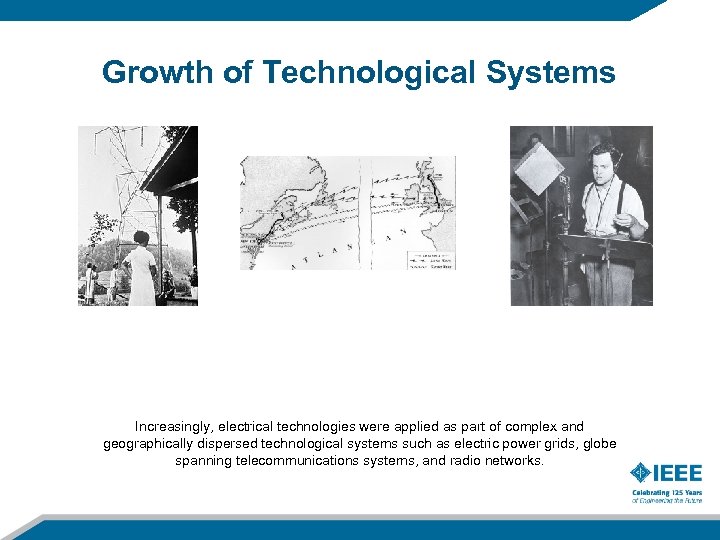
Growth of Technological Systems Increasingly, electrical technologies were applied as part of complex and geographically dispersed technological systems such as electric power grids, globe spanning telecommunications systems, and radio networks.
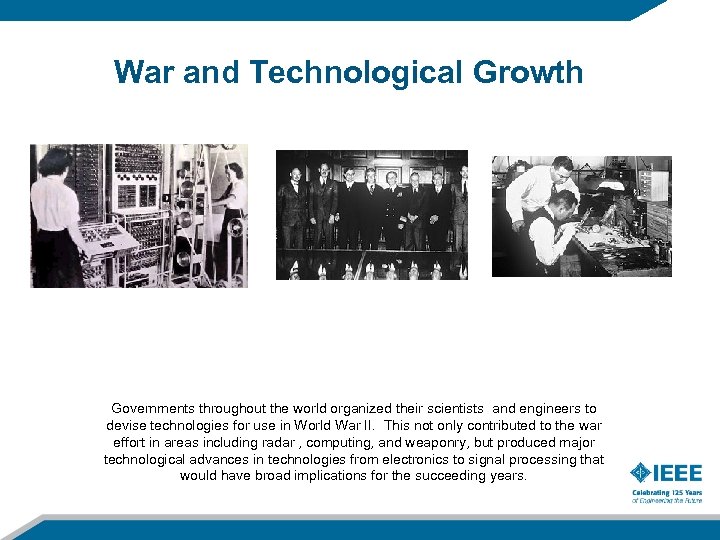
War and Technological Growth Governments throughout the world organized their scientists and engineers to devise technologies for use in World War II. This not only contributed to the war effort in areas including radar , computing, and weaponry, but produced major technological advances in technologies from electronics to signal processing that would have broad implications for the succeeding years.
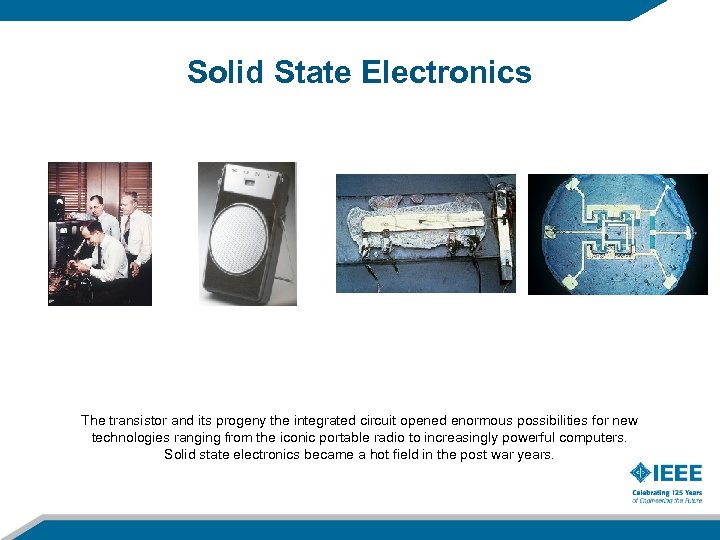
Solid State Electronics The transistor and its progeny the integrated circuit opened enormous possibilities for new technologies ranging from the iconic portable radio to increasingly powerful computers. Solid state electronics became a hot field in the post war years.
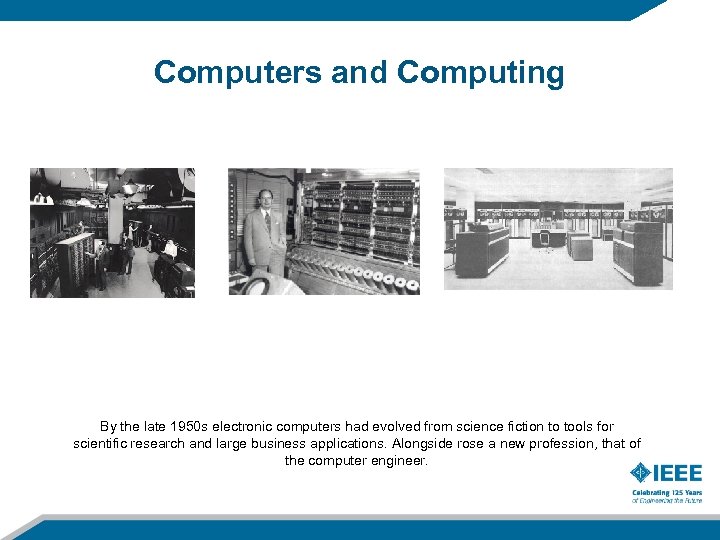
Computers and Computing By the late 1950 s electronic computers had evolved from science fiction to tools for scientific research and large business applications. Alongside rose a new profession, that of the computer engineer.
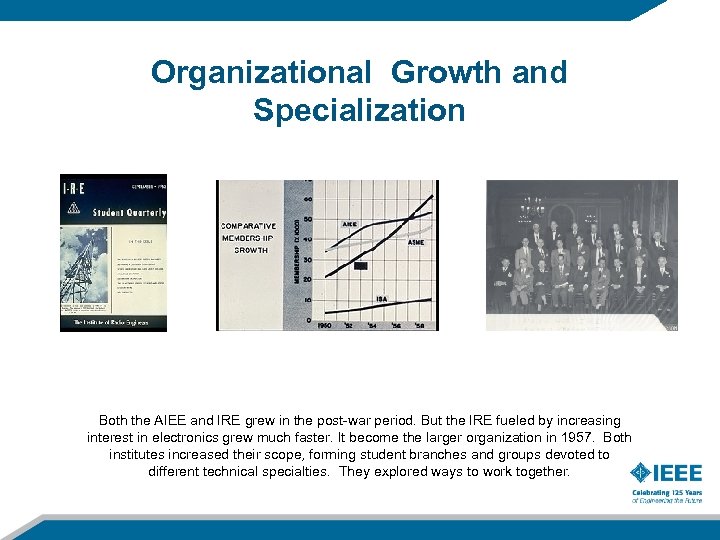
Organizational Growth and Specialization Both the AIEE and IRE grew in the post-war period. But the IRE fueled by increasing interest in electronics grew much faster. It become the larger organization in 1957. Both institutes increased their scope, forming student branches and groups devoted to different technical specialties. They explored ways to work together.
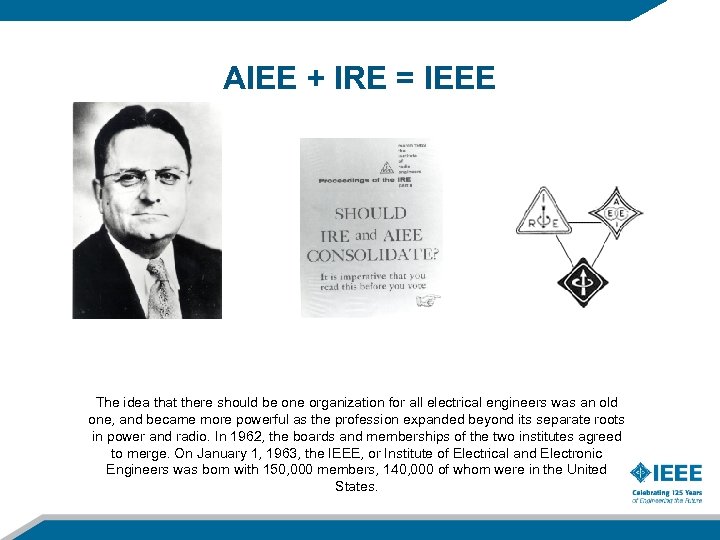
AIEE + IRE = IEEE The idea that there should be one organization for all electrical engineers was an old one, and became more powerful as the profession expanded beyond its separate roots in power and radio. In 1962, the boards and memberships of the two institutes agreed to merge. On January 1, 1963, the IEEE, or Institute of Electrical and Electronic Engineers was born with 150, 000 members, 140, 000 of whom were in the United States.
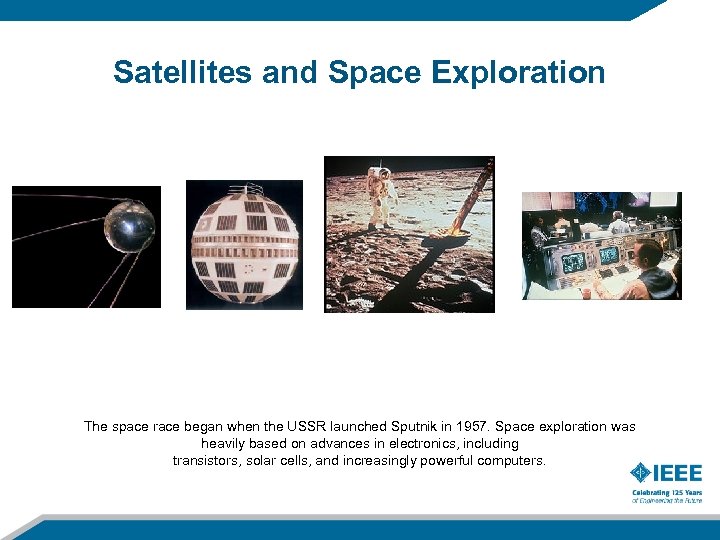
Satellites and Space Exploration The space race began when the USSR launched Sputnik in 1957. Space exploration was heavily based on advances in electronics, including transistors, solar cells, and increasingly powerful computers.
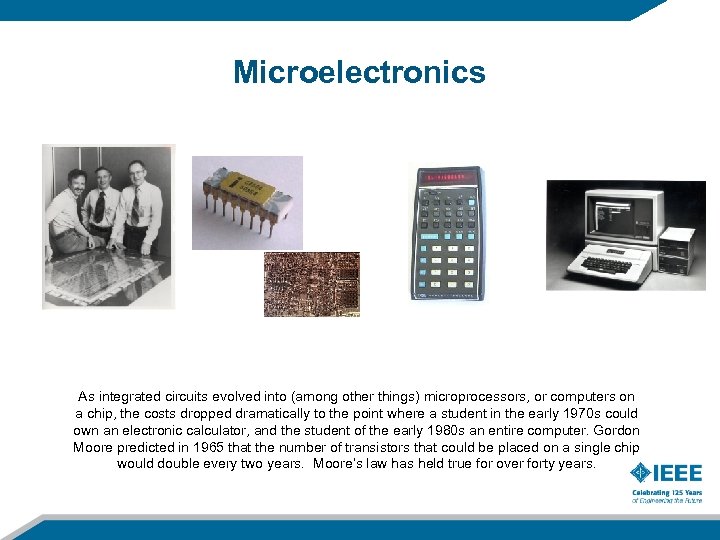
Microelectronics As integrated circuits evolved into (among other things) microprocessors, or computers on a chip, the costs dropped dramatically to the point where a student in the early 1970 s could own an electronic calculator, and the student of the early 1980 s an entire computer. Gordon Moore predicted in 1965 that the number of transistors that could be placed on a single chip would double every two years. Moore’s law has held true for over forty years.
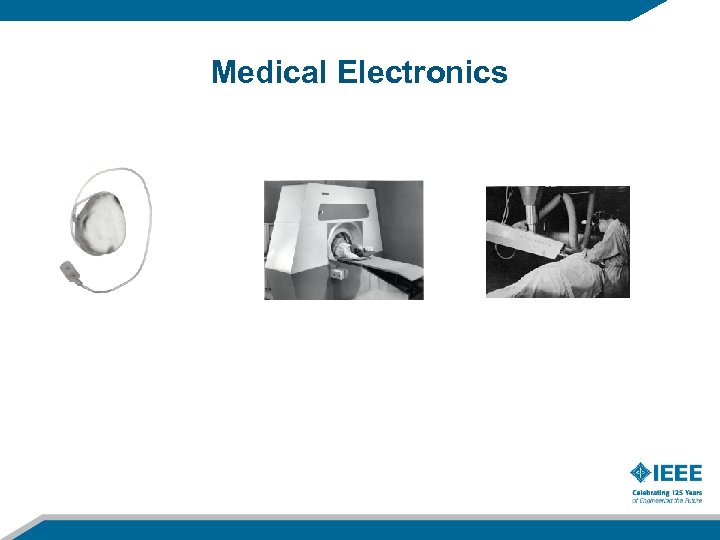
Medical Electronics
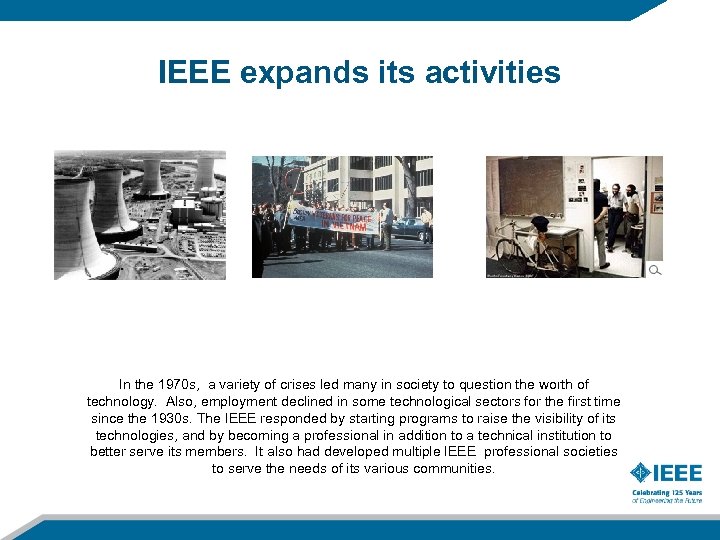
IEEE expands its activities In the 1970 s, a variety of crises led many in society to question the worth of technology. Also, employment declined in some technological sectors for the first time since the 1930 s. The IEEE responded by starting programs to raise the visibility of its technologies, and by becoming a professional in addition to a technical institution to better serve its members. It also had developed multiple IEEE professional societies to serve the needs of its various communities.
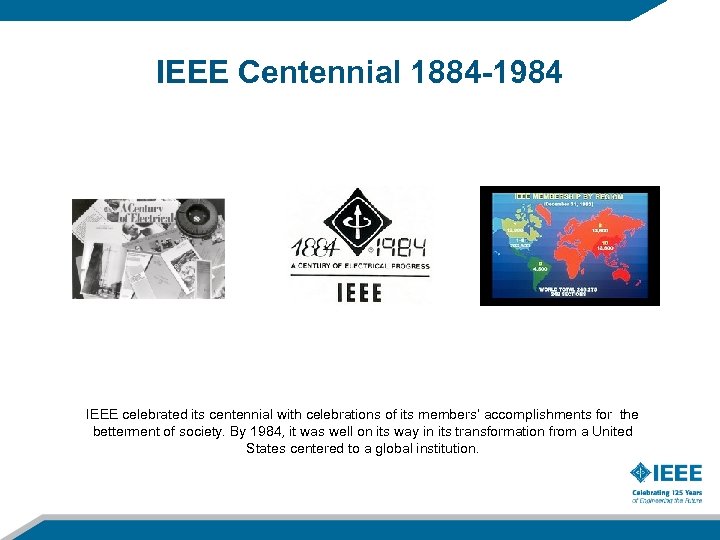
IEEE Centennial 1884 -1984 IEEE celebrated its centennial with celebrations of its members’ accomplishments for the betterment of society. By 1984, it was well on its way in its transformation from a United States centered to a global institution.
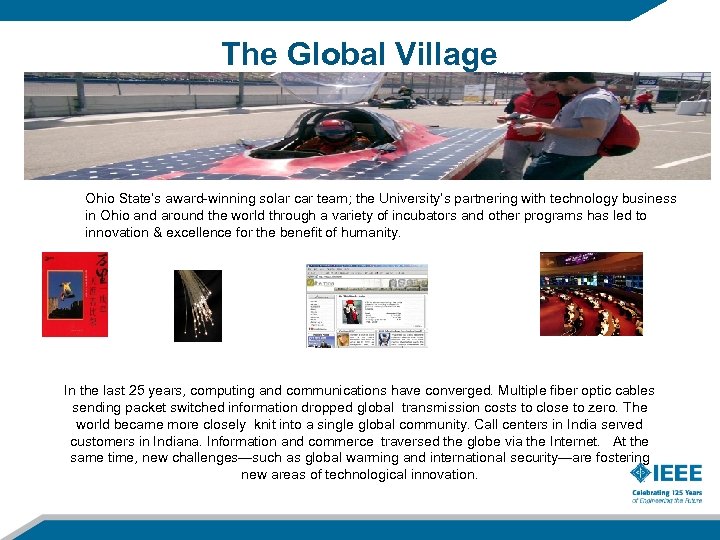
The Global Village Ohio State’s award-winning solar car team; the University’s partnering with technology business in Ohio and around the world through a variety of incubators and other programs has led to innovation & excellence for the benefit of humanity. In the last 25 years, computing and communications have converged. Multiple fiber optic cables sending packet switched information dropped global transmission costs to close to zero. The world became more closely knit into a single global community. Call centers in India served customers in Indiana. Information and commerce traversed the globe via the Internet. At the same time, new challenges—such as global warming and international security—are fostering new areas of technological innovation.
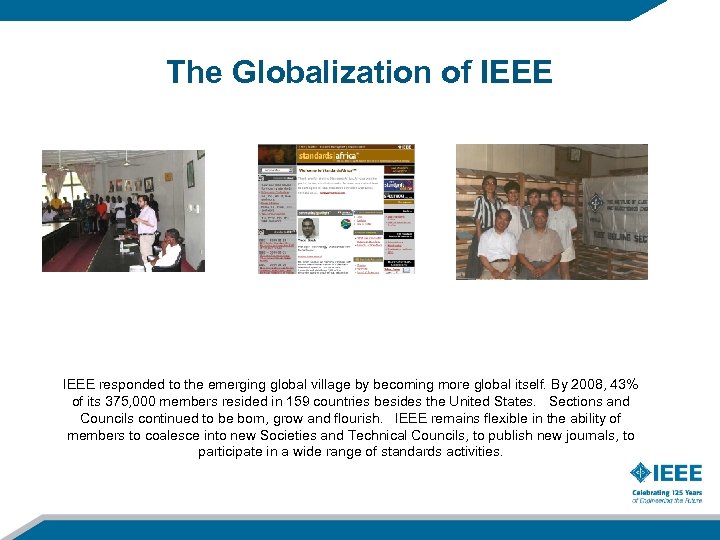
The Globalization of IEEE responded to the emerging global village by becoming more global itself. By 2008, 43% of its 375, 000 members resided in 159 countries besides the United States. Sections and Councils continued to be born, grow and flourish. IEEE remains flexible in the ability of members to coalesce into new Societies and Technical Councils, to publish new journals, to participate in a wide range of standards activities.
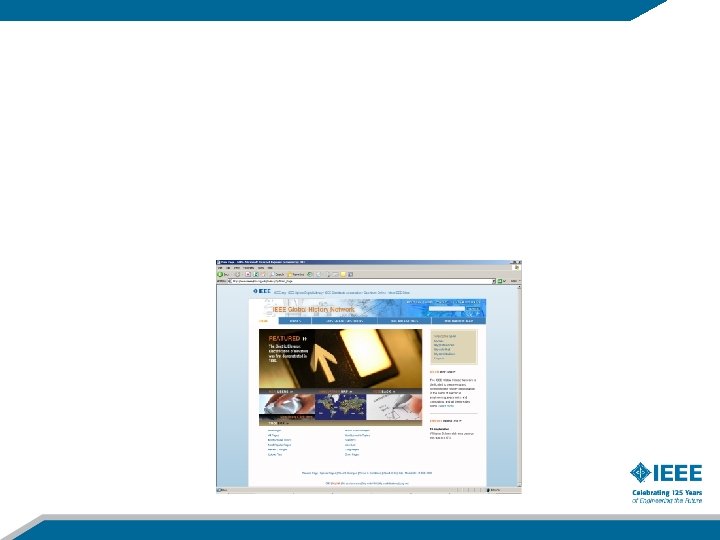
IEEE Today
AND NOW TO THE FUTURE….
Скачать презентацию Since 1884 IEEE has been fostering technical innovation
2687a254b82e5c1ccd6585caba82f994.ppt