 Скачать презентацию Siberia welcome to the coldest winter Siberia
Siberia.pptx
- Количество слайдов: 19



Siberia welcome to «the coldest winter»
Siberia • is an extensive region constituting almost all of Northern Asia. • was part of the Soviet Union (USSR)
Location • Encompassing much of the Eurasian Steppe, the territory of Siberia extends eastward from the Ural Mountains to the watershed between the Pacific and Arctic drainage basins, and southward from the Arctic Ocean to the hills of north-central Kazakhstan and the national borders of Mongolia and China.
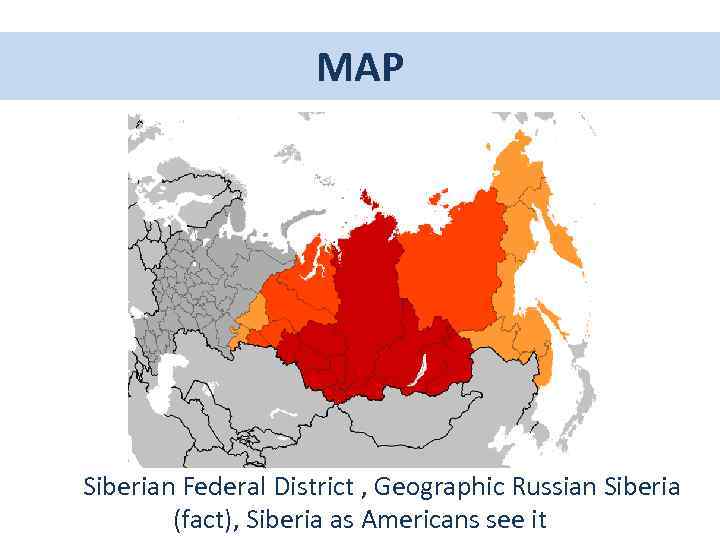
MAP Siberian Federal District , Geographic Russian Siberia (fact), Siberia as Americans see it
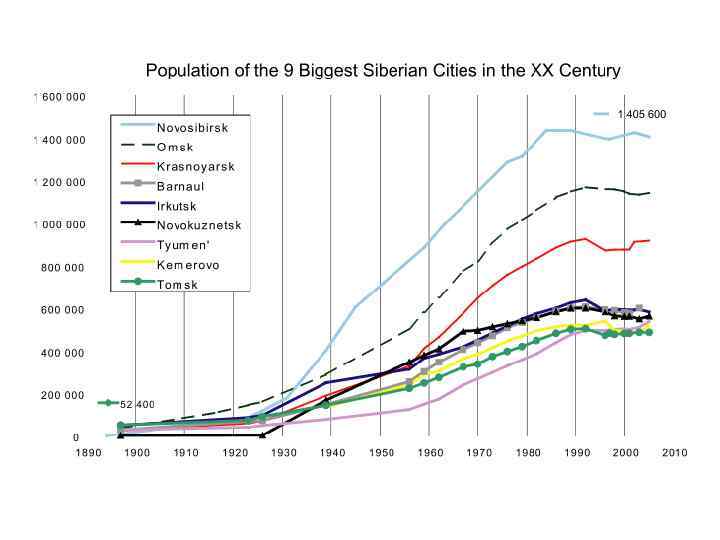
Population • Siberia makes up about 77% of Russia's territory (13. 1 million square kilometres), but has only 28% (40 million people) of Russia's population.
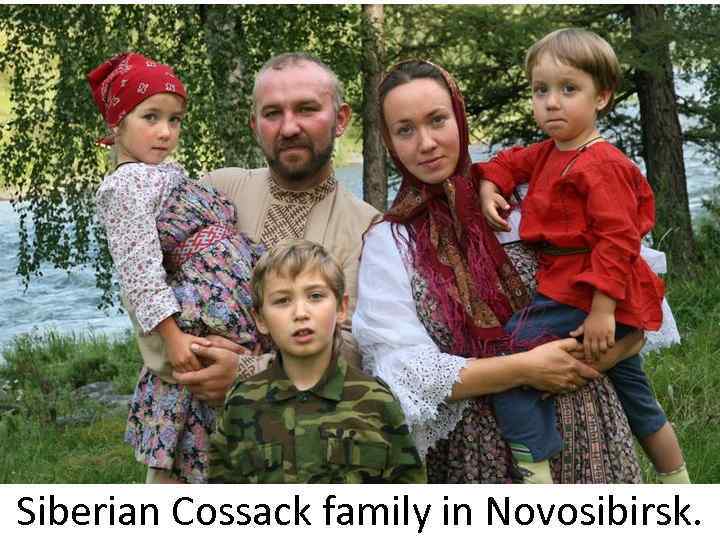
Siberian Cossack family in Novosibirsk.
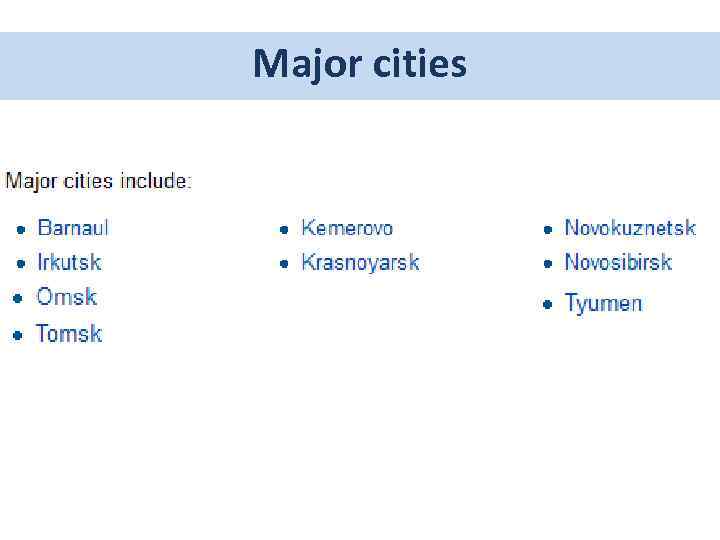
Major cities
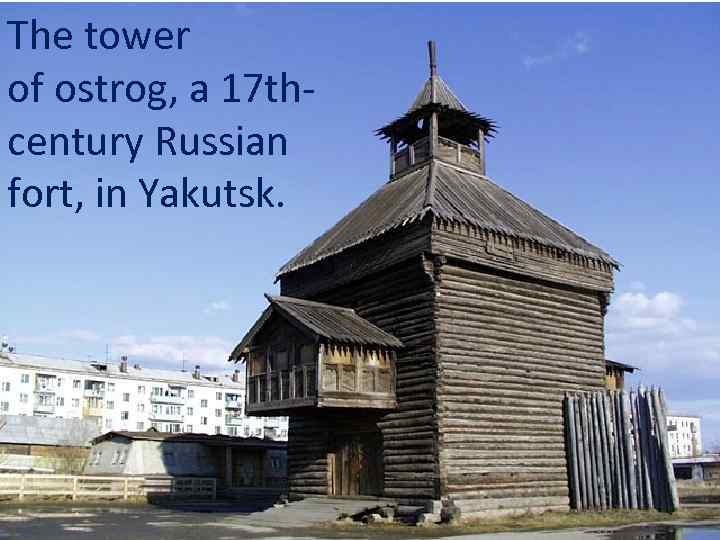
The tower of ostrog, a 17 thcentury Russian fort, in Yakutsk.
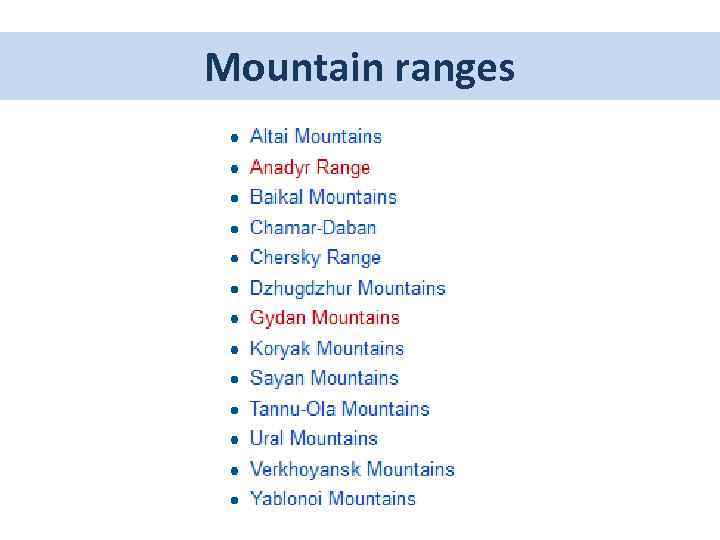
Mountain ranges
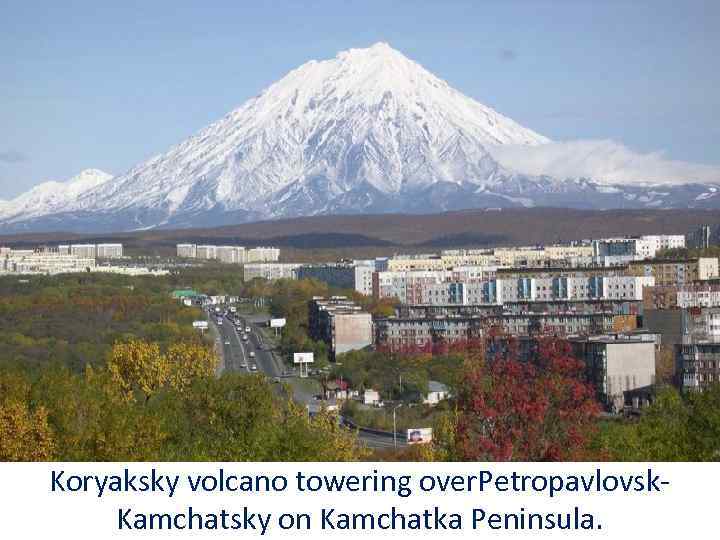
Koryaksky volcano towering over. Petropavlovsk. Kamchatsky on Kamchatka Peninsula.
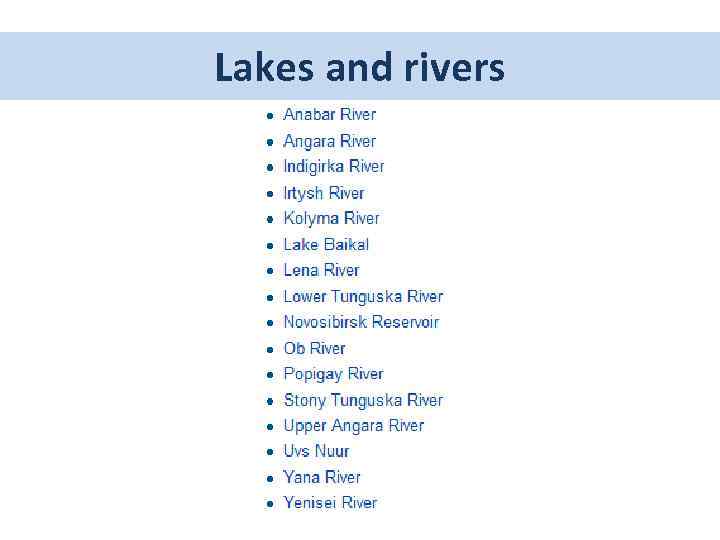
Lakes and rivers
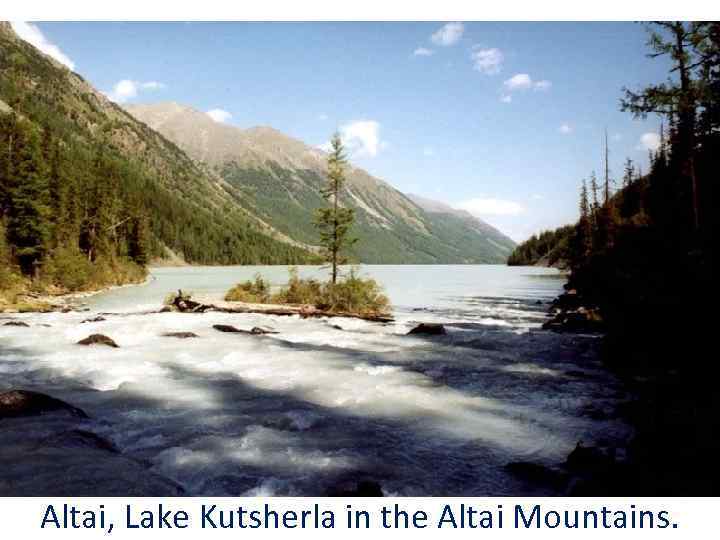
Altai, Lake Kutsherla in the Altai Mountains.
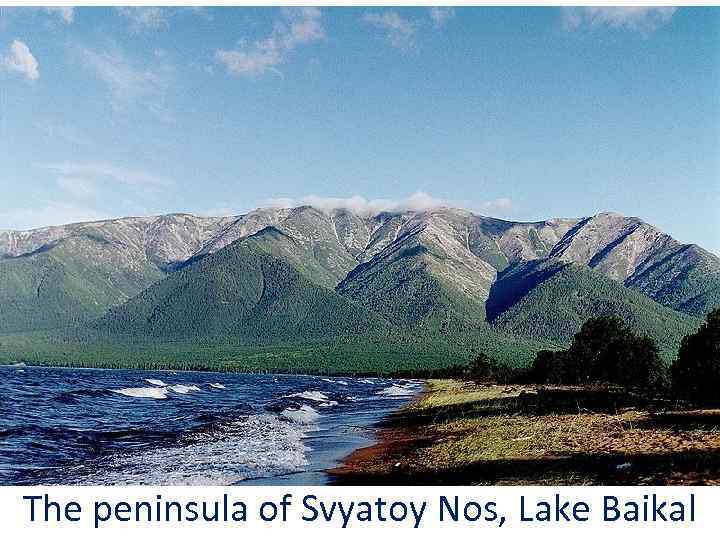
The peninsula of Svyatoy Nos, Lake Baikal
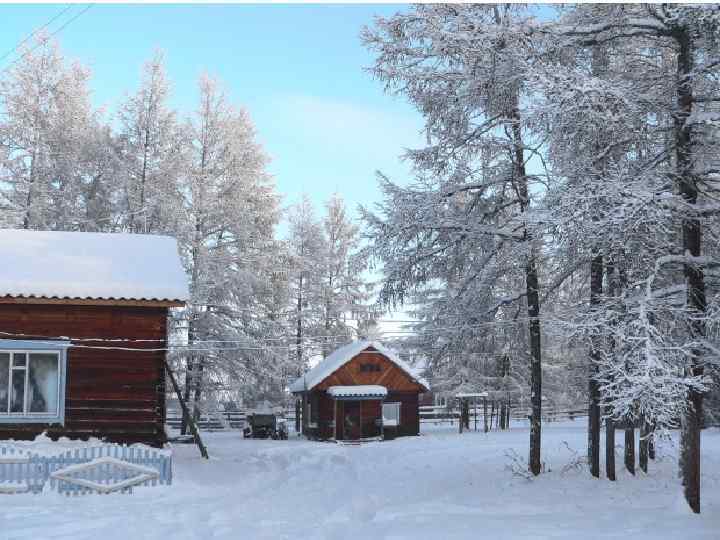
Climat • The climate in West Siberia (Omsk, Novosibirsk) is several degrees warmer than in the East (Irkutsk, Chita), where in the north an extreme winter subarctic climate prevails. With a lowest record temperature of − 71. 2 °C, Oymyakon (Sakha Republic) has the distinction of being the coldest town on Earth. But summer temperatures in other regions reach 38 °C
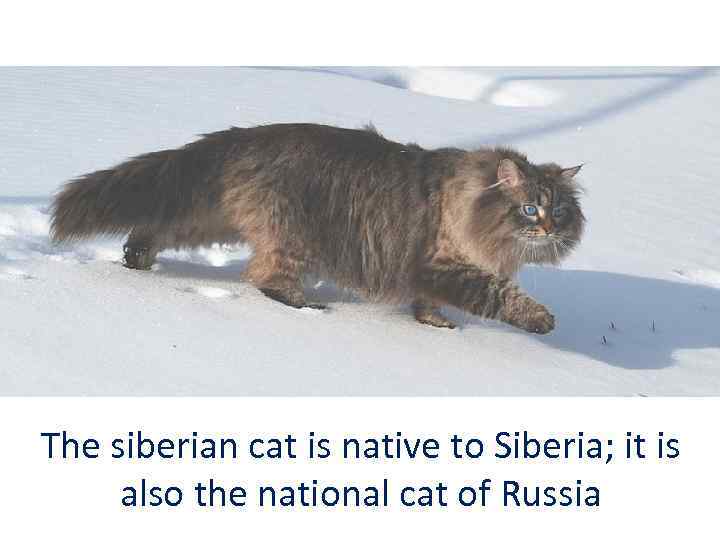
The siberian cat is native to Siberia; it is also the national cat of Russia
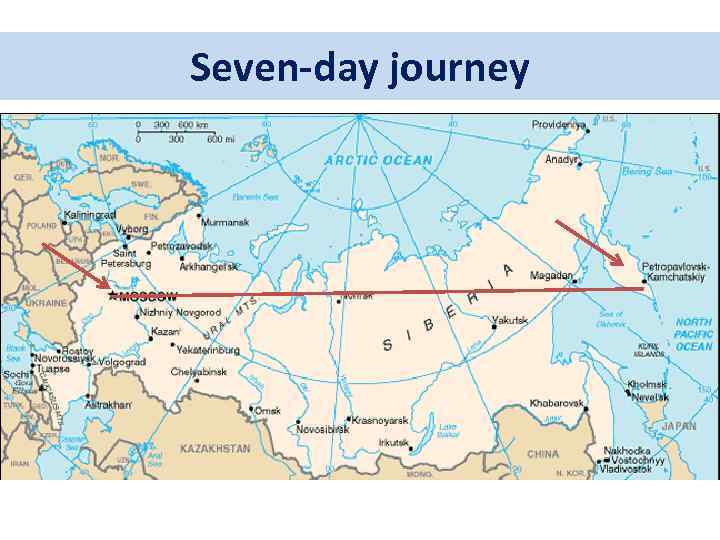
Seven-day journey • Many cities in Siberia, such as Petropavlovsk. Kamchatsky, cannot be reached by road, as there is virtually none connecting from other major cities in Russia or Asia. The best way to tour Siberia is through the Trans-Siberian Railway. The Trans-Siberian Railway operates from Moscow in the West to Vladivostok in the East. Cities not nearby the Railway are best reached by air or the separate Baikal. Amur-Railway (BAM).
Seven-day journey
Скачать презентацию Siberia welcome to the coldest winter Siberia
Siberia.pptx