 Скачать презентацию SHELTERING BETTER Rhode Island s OPERATION FIRST STEP PROGRAM
ddac746b43bc2d4ef444706e18bdd26a.ppt
- Количество слайдов: 12



SHELTERING BETTER Rhode Island’s OPERATION FIRST STEP PROGRAM Dawn P. Kentish Shelter & Supportive Housing Network Coordinator
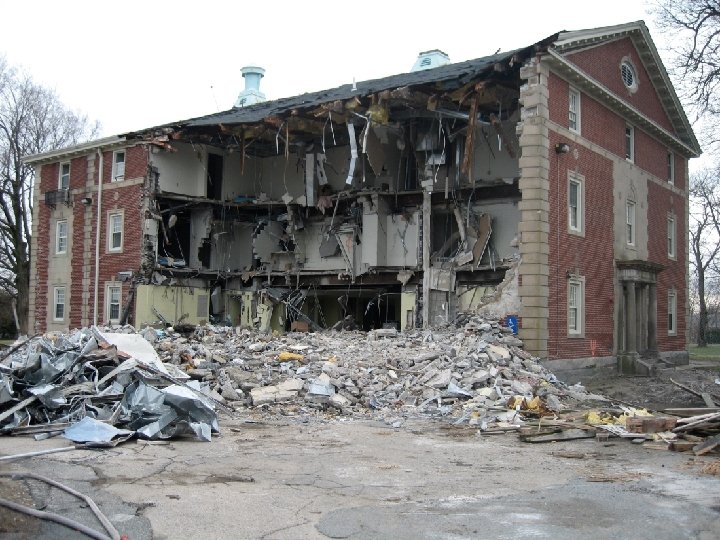
HISTORY WELCOME Over ARNOLD 25 years RI’s Largest Congregate Shelter 114 Bed Capacity (for unaccompanied Men & Women) Night-to-Night Limited to No Effective Case Management In May 2006, the Shelter was Designated to Close and be Razed to Build the State’s new State Police Barracks on the Same Site
HISTORY (CONT. ) Advocates objected to the replacement of Welcome Arnold with another large congregate shelter Advocates promoted community-based, scattered site apartment and house programs instead with intensive case management This resulted in delaying the closing of Welcome Arnold until March, 2007
IMPLEMENTATION COMMITTEE Formed to oversee & coordinate the transition Made up of executive directors of 5 agencies chosen to replace W. A. with the new Operation First Step Program Operation First Step designed to serve 100 clients at any one time (70 Women & 30 Men)
PROGRAM AGENCIES • CROSSROADS RI • • URBAN LEAGUE RI • • Substance free/recovery MENTAL HEALTH ADVOCATES/OASIS • • Women (younger) AMOS HOUSE • • Intake/Assessment Mental Health HOUSE OF HOPE • Women (older)
GOALS OF FIRST STEP • Assess and Identify Basic Needs • Provide Effective Case Management & Treatment Planning • Achieve Better Stability and Sustainability • Transition to Permanent Housing
PROGRAM MODIFICATIONS Implementation Committee was Re-organized into an ongoing Monitoring & Evaluation Committee E. D. s were replaced by Program Directors and those responsible for direct care/case management Regular bi-weekly, now monthly meetings
COORDINATION OF SERVICES DEVISE COMMON POLICIES RESOLVING DIFFICULT ISSUES INCREASE COMMUNICATION AND CALLABORATION EMPOWERMENT OF CASE MANAGERS & CLIENTS TREAMENT PLANNING & MONITORING
INTENSE SUPPORTIVE SERVICES • • • Housing Employment Supplemental Benefits Referrals Mental Health Assessment Reintegration – – Family Community
CHALLENGES 100 beds in Community-based program ≠ 100 beds in a night-to-night shelter Collaborating Communication Case mangers follow-up Maintaining confidentiality
OUT COMES PERSONS TRANSFERRED TO PERMANENT HOUSING. More than 60% were housed On going supportive services for 6 months Follow- up Collaboration
Скачать презентацию SHELTERING BETTER Rhode Island s OPERATION FIRST STEP PROGRAM
ddac746b43bc2d4ef444706e18bdd26a.ppt