


 Скачать презентацию SEMINAR ON FINGER PRINTING INTRODUCTION èOn the
0ad68fa85c322fdd8aa07193c8766e3d.ppt
- Количество слайдов: 17
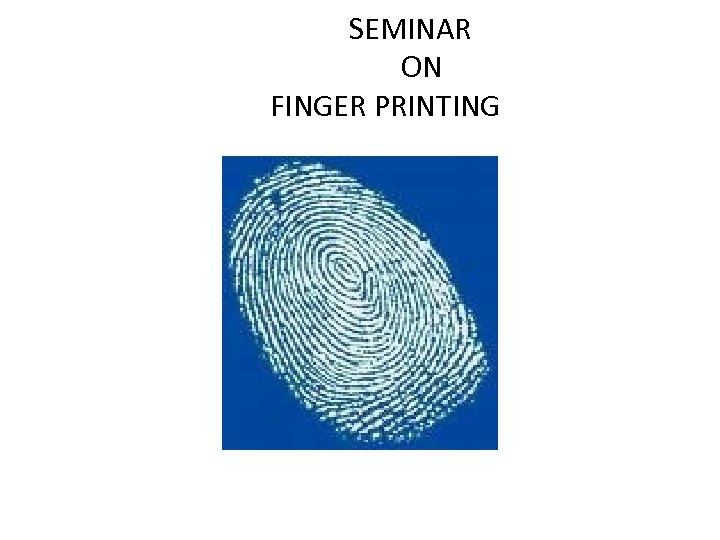 SEMINAR ON FINGER PRINTING
 INTRODUCTION: èOn the palmar surface of the hands and feet are raised surfaces called friction ridges. èFiction ridge are formed during fetal developed. èFingerprint are unique due to genetic and epigenetic factor(maternal diet, p. H, temp, movement of fetus).
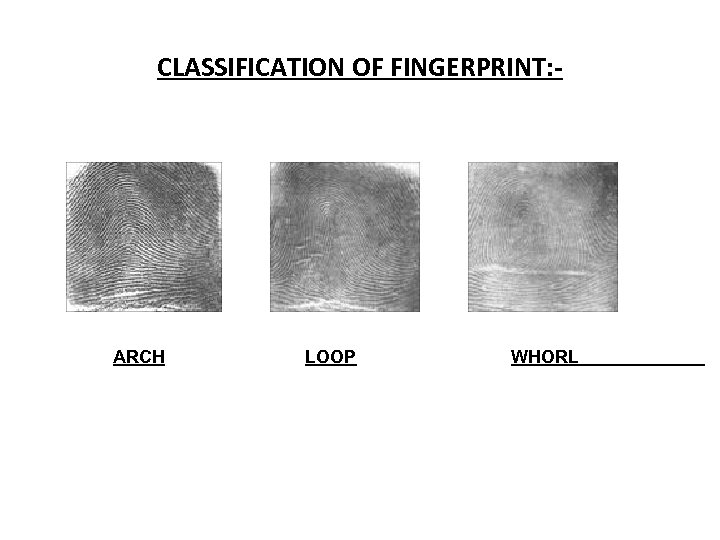 CLASSIFICATION OF FINGERPRINT: - ARCH LOOP WHORL
 HISTORY: è In 14 th century Persia, various official government papers had fingerprints (impressions). è 1823: A professor of anatomy at the University of Breslau, published his thesis discussing 9 fingerprint patterns. è 1897: World's first Fingerprint Bureau opens in Calcutta (Kolkata) India. è 1902: Dr. Henry P. De. Forrest used fingerprinting in the New York Civil Service. è 1906: New York City Police Department Deputy Commissioner Joseph A. Faurot introduced fingerprinting of criminals to the United States
 FINGERPRINT IDENTIFICATION: è Fingerprint identification is known as dactyloscopy. è Three printer used for identification are: 1. black printer. 2. live scan. 3. larent print. è Factors affect friction ridge are pliability of skin, slippage, the matrix, the surface.
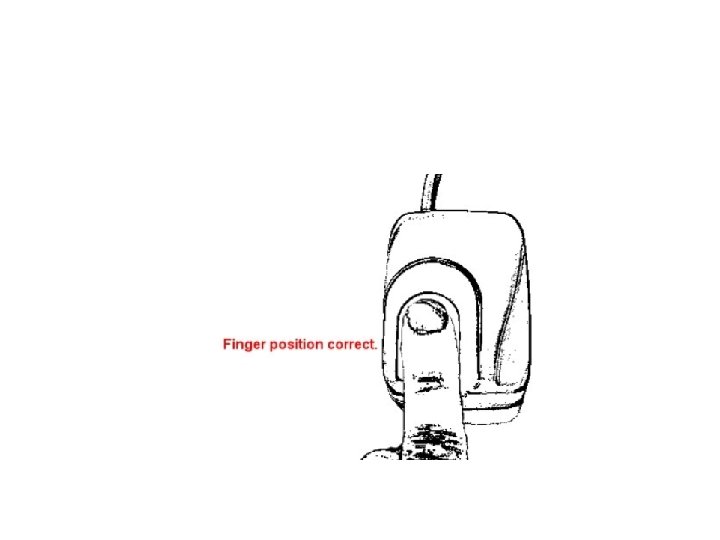
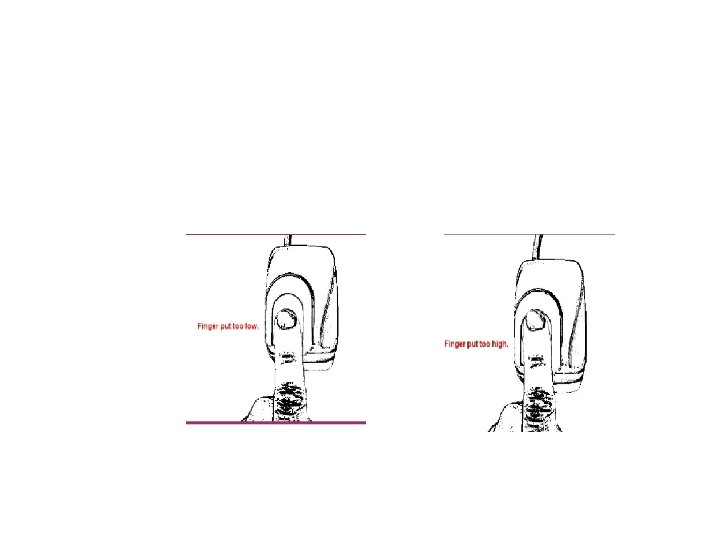
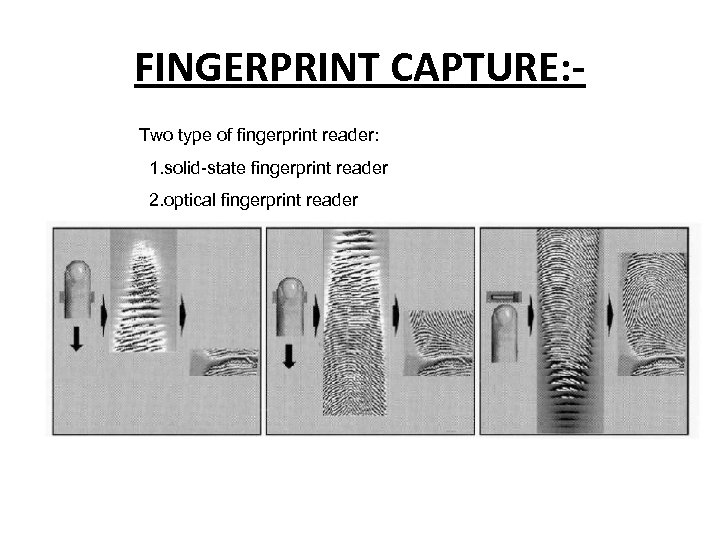 FINGERPRINT CAPTURE: Two type of fingerprint reader: 1. solid-state fingerprint reader 2. optical fingerprint reader
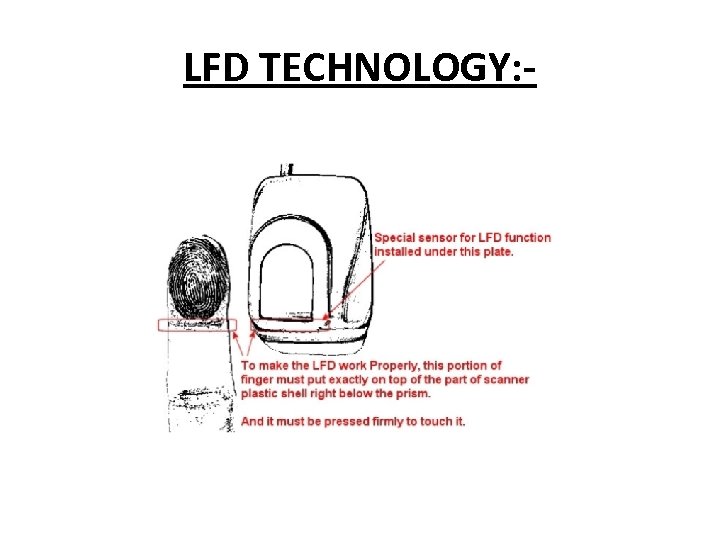 LFD TECHNOLOGY: -
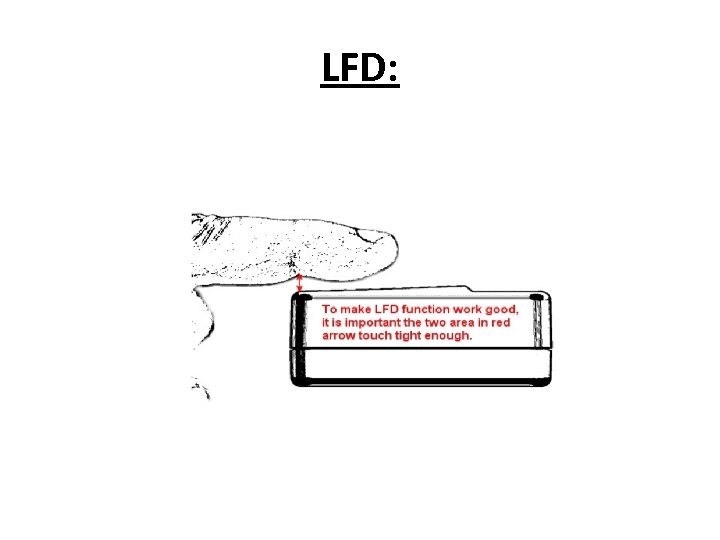 LFD:
LFD:
 FINGERPRINT ANALYSIS BASED ON SKIN DISTORTION: èWhen finger is pressed against the scanner it produces distortion. èFake finger produces low density distortion.
 METHODS OF CREATING FAKE FINGER: - èDUPLICATION WITH CO-ORPORATION. èDUPLICATION WITHOUT CO-ORPORATION.
 FAKE FINGER DETECTION TECHNIQUES: - èAnalysis of static properties of the finger. èAnalysis of dynamic properties of the finger
 CONCLUSION: èThe biometric use of fingerprint continues to grow as a sensor technology. èFingerprint sensor also ply an important role.
 REFRENCES: èWWW. IEEEEXPORE. COM èhttp: //en. wikipedia. org/wiki/fingerprint

 Thank you and Have a good day