


 Скачать презентацию Securing Wireless Sensor Networks Wenliang Kevin Du Department
9b5fda4e526a4207d5f67c87f3d9790b.ppt
- Количество слайдов: 63
 Securing Wireless Sensor Networks Wenliang (Kevin) Du Department of Electrical Engineering and Computer Science Syracuse University
 Overview l l Overview of Wireless Sensor Networks (WSN). Security in wireless sensor networks. l l Our recent work on securing WSN using deployment knowledge l l l Why is it different? Authenticating public keys (Mobihoc’ 05) Robust Location discovery (Infocom’ 05) Summary
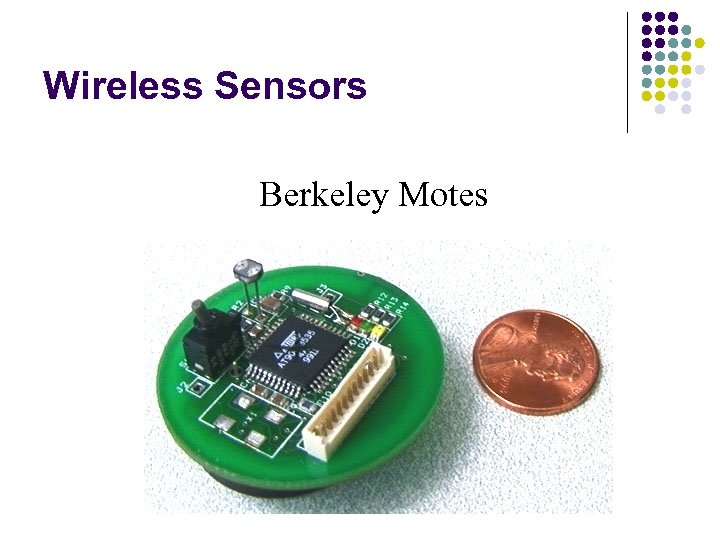 Wireless Sensors Berkeley Motes
 Mica Motes l Mica Mote: l l l Processor: 4 Mhz Memory: 128 KB Flash and 4 KB RAM Radio: 916 Mhz and 40 Kbits/second. Transmission range: 100 Feet Tiny. OS operating System: small, open source and energy efficient.
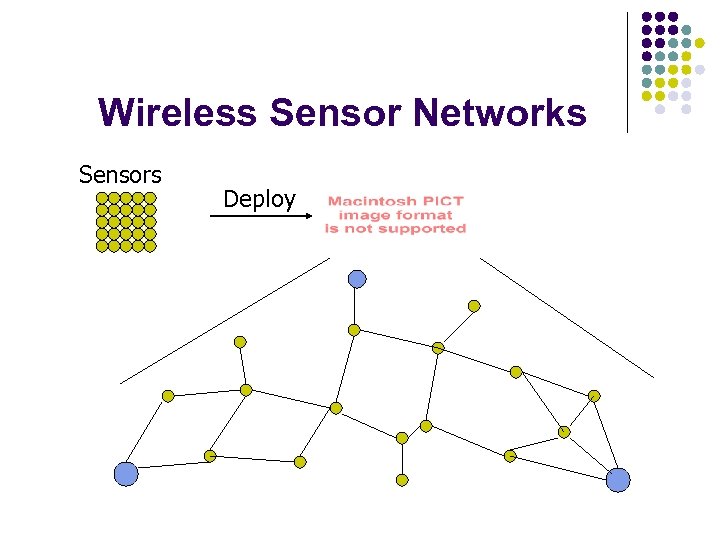
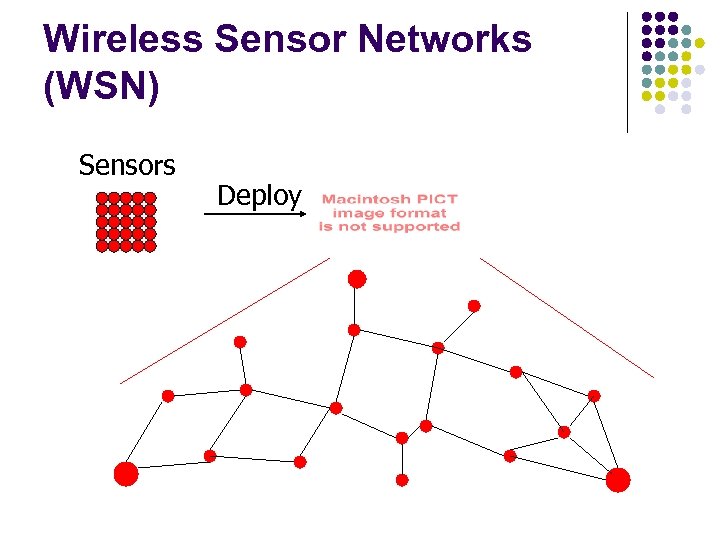 Wireless Sensor Networks (WSN) Sensors Deploy
 Applications of WSN l Battle ground surveillance l l Environmental monitoring l l l Enemy movement (tanks, soldiers, etc) Habitat monitoring Forrest fire monitoring Hospital tracking systems l Tracking patients, doctors, drug administrators.
 Securing WSN • Motivation: why security? • Why not use existing security mechanisms? – WSN features that affect security.
 Why Security? • Protecting confidentiality, integrity, and availability of the communications and computations • Sensor networks are vulnerable to security attacks due to the broadcast nature of transmission • Sensor nodes can be physically captured or destroyed
 Why Security is Different? • Sensor Node Constraints – Battery, – CPU power, – Memory. • Networking Constraints and Features – Wireless, – Ad hoc, – Unattended.
 Sensor Node Constraints • Battery Power Constraints – Computational Energy Consumption • Crypto algorithms • Public key vs. Symmetric key – Communications Energy Consumption • Exchange of keys, certificates, etc. • Per-message additions (padding, signatures, authentication tags)
 Memory Constraints • Program Storage and Working Memory – Embedded OS, security functions (Flash) – Working memory (RAM) • Mica Motes: • 128 KB Flash and 4 KB RAM
 An Efficient Scheme for Authenticating Public Keys in Sensor Networks
 Wireless Sensor Networks Sensors Deploy
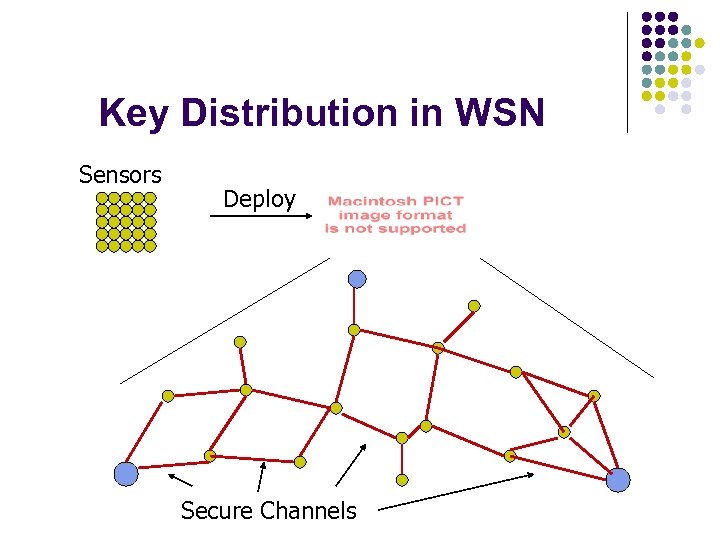 Key Distribution in WSN Sensors Deploy Secure Channels
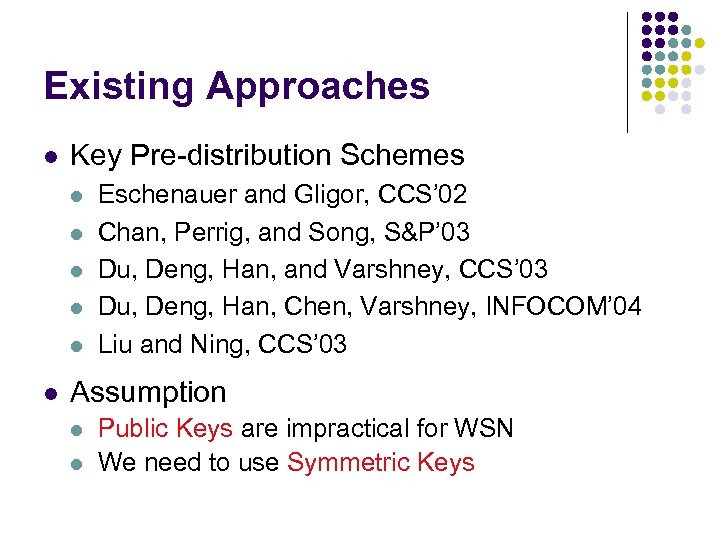 Existing Approaches l Key Pre-distribution Schemes l l l Eschenauer and Gligor, CCS’ 02 Chan, Perrig, and Song, S&P’ 03 Du, Deng, Han, and Varshney, CCS’ 03 Du, Deng, Han, Chen, Varshney, INFOCOM’ 04 Liu and Ning, CCS’ 03 Assumption l l Public Keys are impractical for WSN We need to use Symmetric Keys
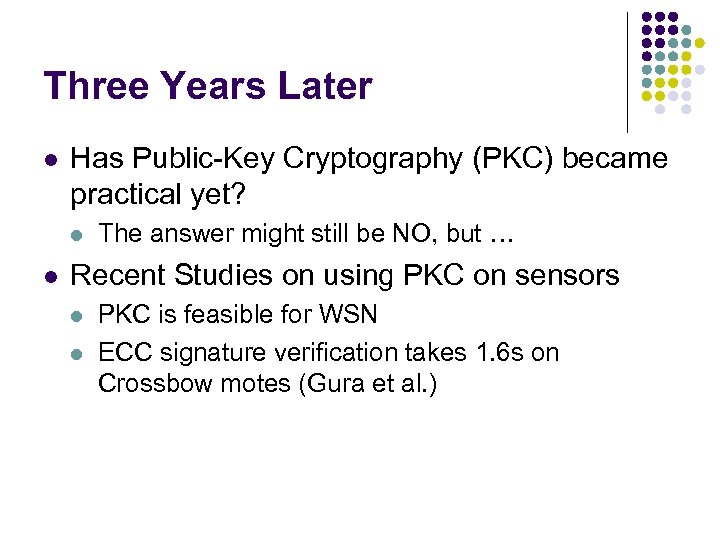 Three Years Later l Has Public-Key Cryptography (PKC) became practical yet? l l The answer might still be NO, but … Recent Studies on using PKC on sensors l l PKC is feasible for WSN ECC signature verification takes 1. 6 s on Crossbow motes (Gura et al. )
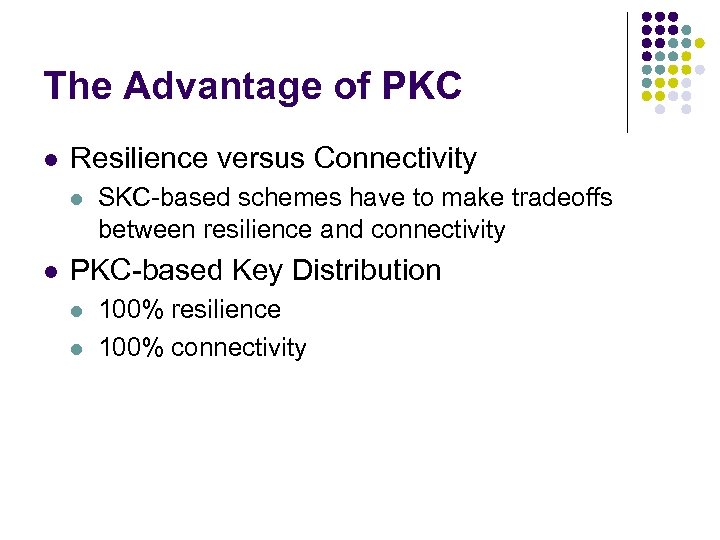 The Advantage of PKC l Resilience versus Connectivity l l SKC-based schemes have to make tradeoffs between resilience and connectivity PKC-based Key Distribution l l 100% resilience 100% connectivity
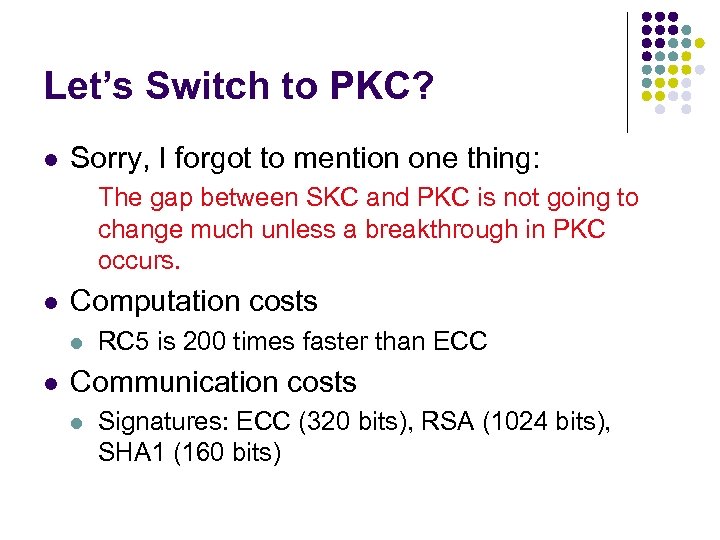 Let’s Switch to PKC? l Sorry, I forgot to mention one thing: The gap between SKC and PKC is not going to change much unless a breakthrough in PKC occurs. l Computation costs l l RC 5 is 200 times faster than ECC Communication costs l Signatures: ECC (320 bits), RSA (1024 bits), SHA 1 (160 bits)
 New Focuses l My observation: We will be able to use PKC, but we will use SKC if that can save energy. l We are doing this in traditional networks l l Example: session keys Research Problem Can we reduce the amount of PKC computations with the help of SKC?
 Public Key Authentication l Before a public key is used, it must be authenticated l l In traditional networks: we use certificates. Verifying certificates is a public key operation
 Authenticating Public Keys in Traditional Networks A B 1. What is your public key? 2. Here is my public key PK and certificate 3. Verify the certificate: a public key operation
 Authenticating Public Keys in Sensor Networks l Naïve Solution 1: preload all the public keys l l Memory cost: (N-1)*320 bits for 160 -bit ECC Naïve Solution 2: preload the hash of all the public keys l l Hash is the commitment. Memory cost: (N-1)*160 bits for SHA 1
 Can We Improve Memory Usage? l Much less than N-1 commitments l l l Hash everything together: need 1 commitment Communication cost: O(N) A standard technique: Merkle Tree l l Memory cost: O(log N) Communication cost: O(log N)
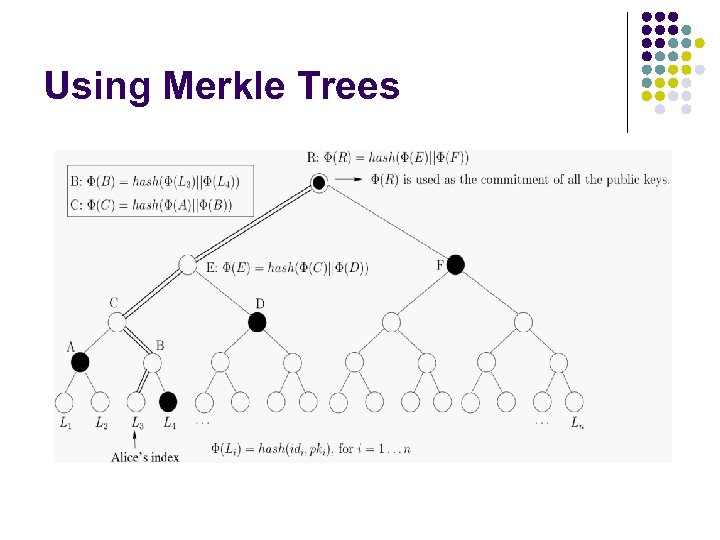 Using Merkle Trees
 Performance l Memory Usage l l Computation Cost l l 1 + log(N) hash values (compared to N-1) Log(N) hash operations Communication Overhead l l If we use 160 -bit SHA 1 160 * log(N) bits When N=10, 000, cost=2080 bits, worse than PKC We need to reduce the height
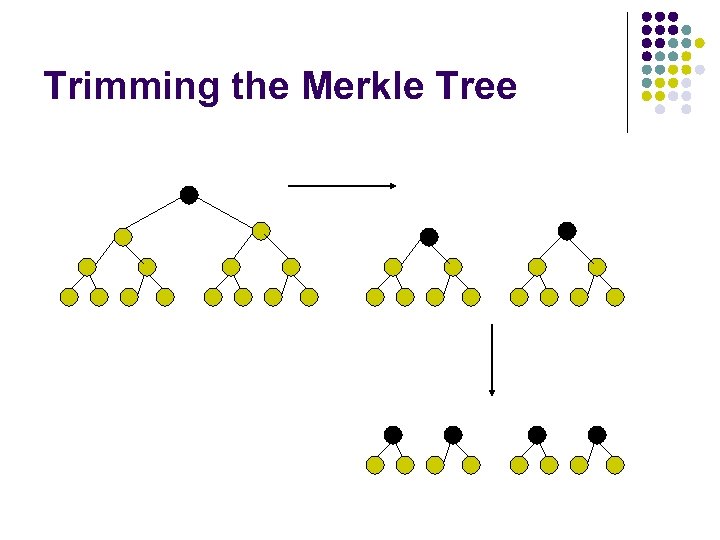 Trimming the Merkle Tree
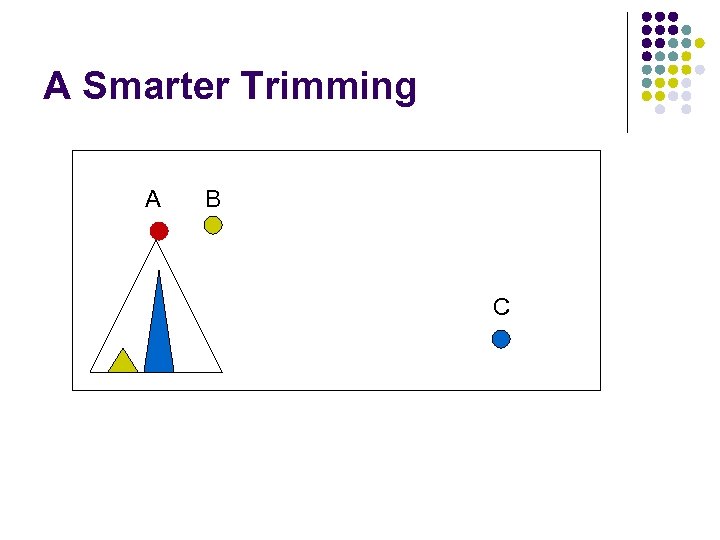 A Smarter Trimming A B C
 Deployment Knowledge l l How do we know that some nodes might more likely be neighbors than others? Deployment knowledge model.
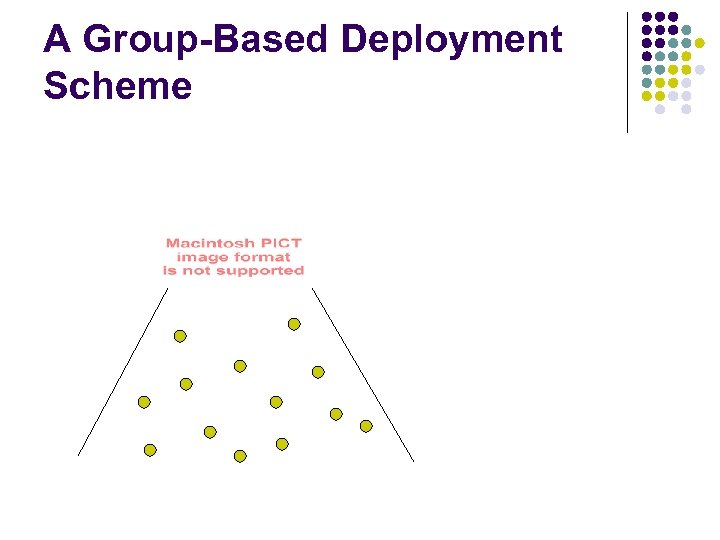 A Group-Based Deployment Scheme
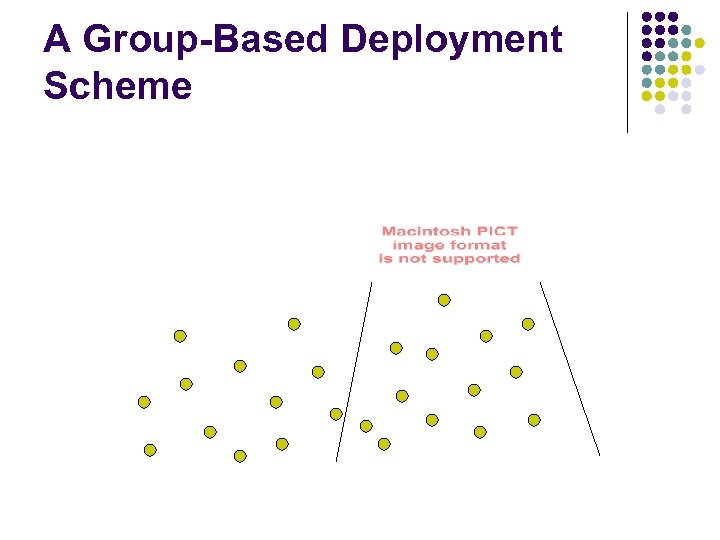 A Group-Based Deployment Scheme
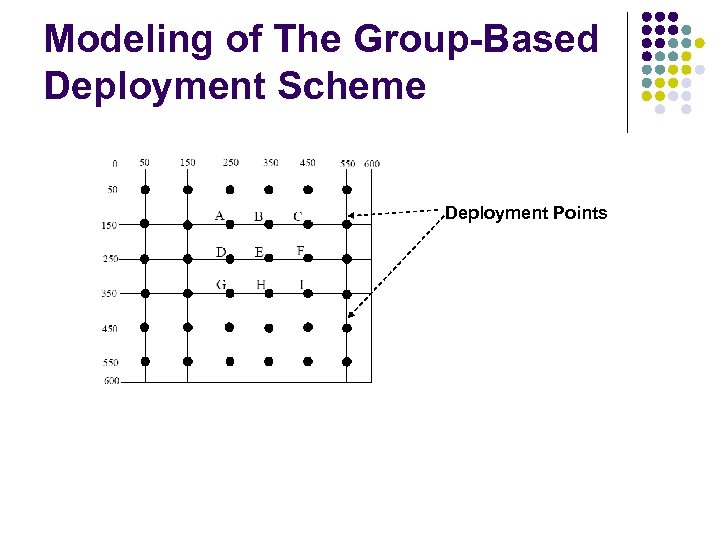 Modeling of The Group-Based Deployment Scheme Deployment Points
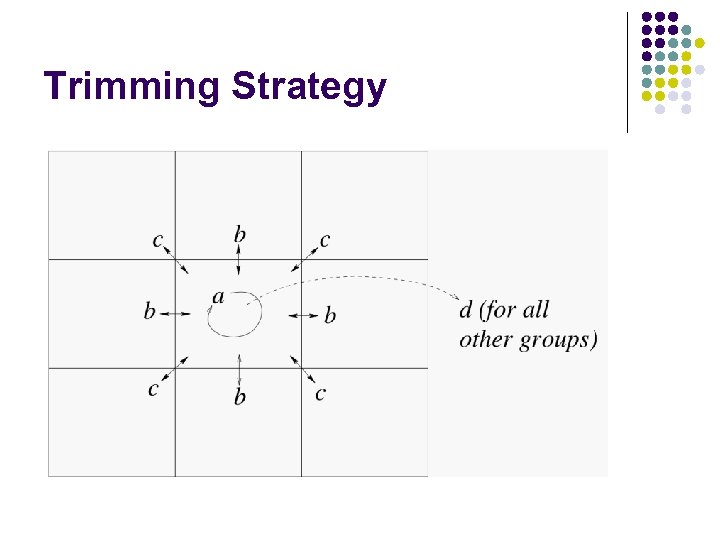 Trimming Strategy
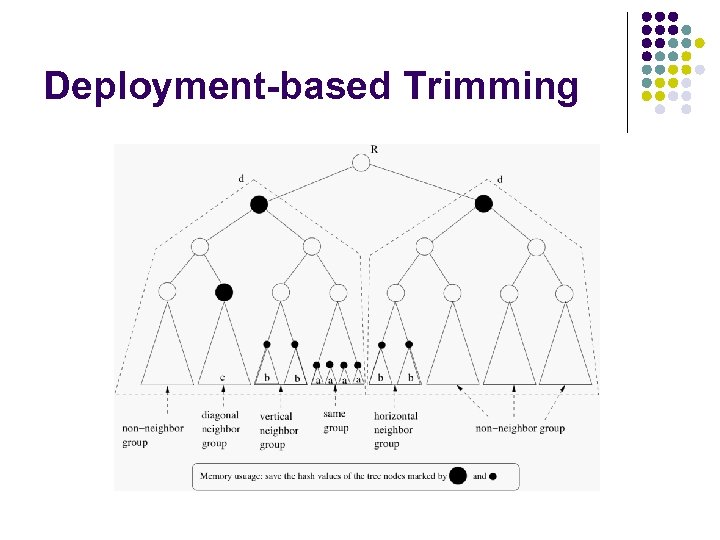 Deployment-based Trimming
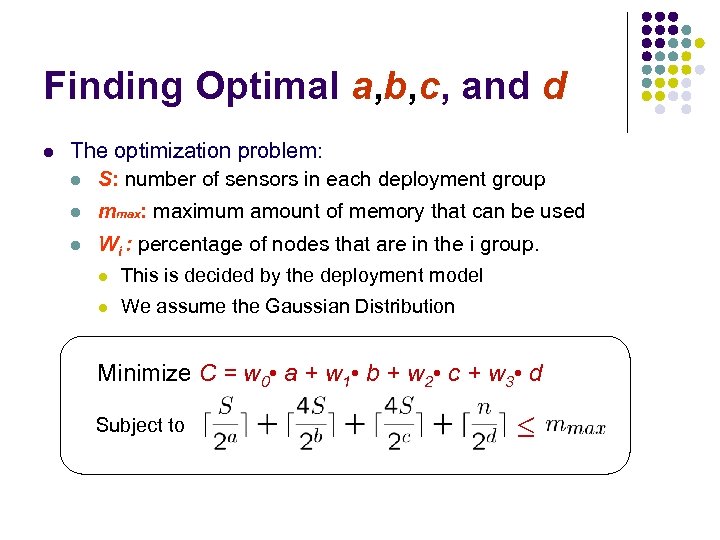 Finding Optimal a, b, c, and d l The optimization problem: l S: number of sensors in each deployment group l mmax: maximum amount of memory that can be used l Wi : percentage of nodes that are in the i group. l This is decided by the deployment model l We assume the Gaussian Distribution Minimize C = w 0 • a + w 1 • b + w 2 • c + w 3 • d Subject to
 Evaluation
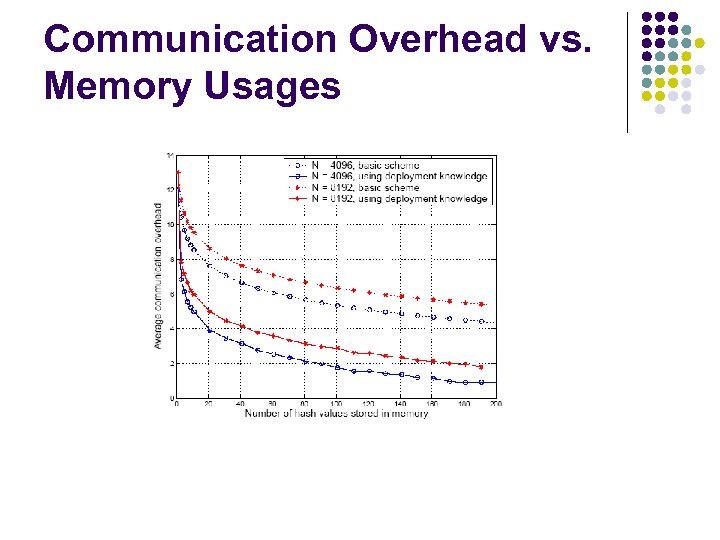 Communication Overhead vs. Memory Usages
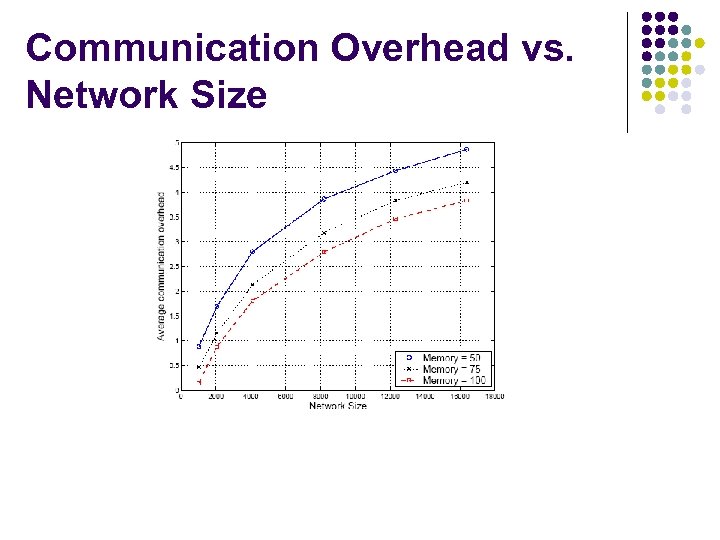 Communication Overhead vs. Network Size
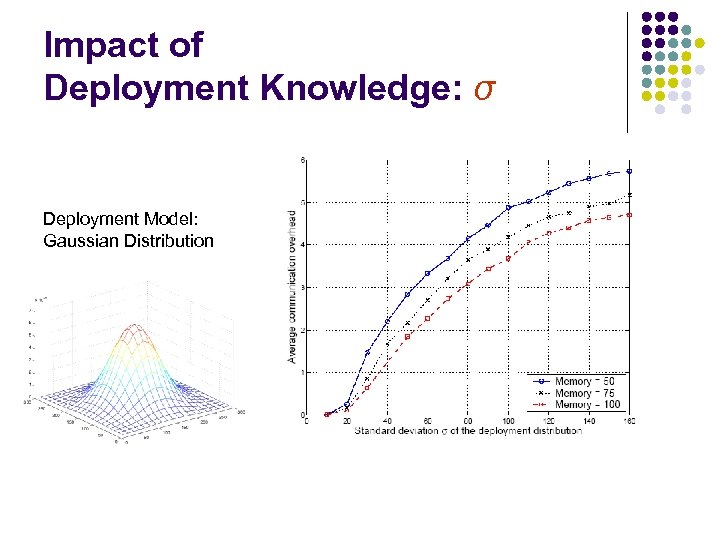 Impact of Deployment Knowledge: σ Deployment Model: Gaussian Distribution
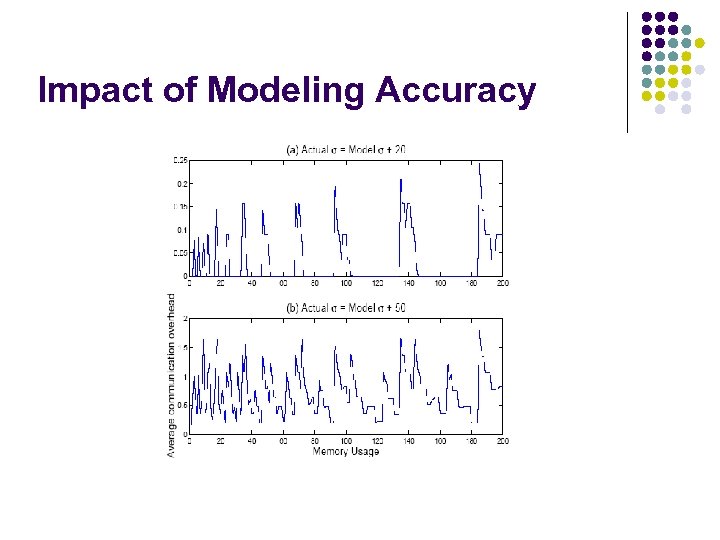 Impact of Modeling Accuracy
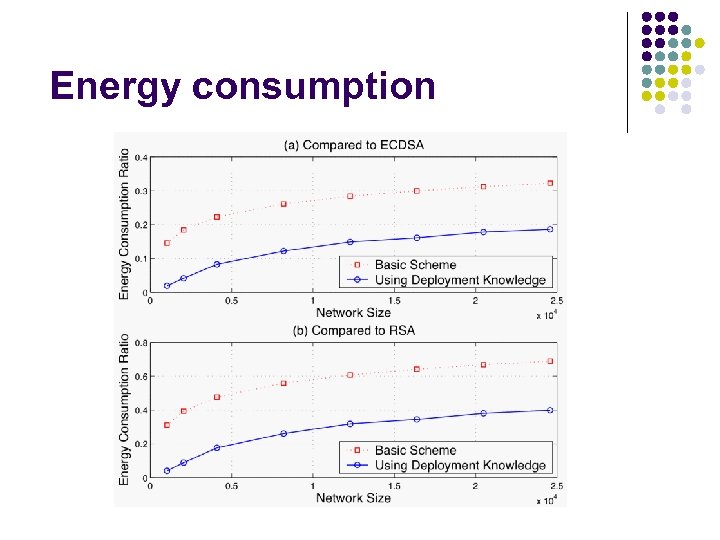 Energy consumption
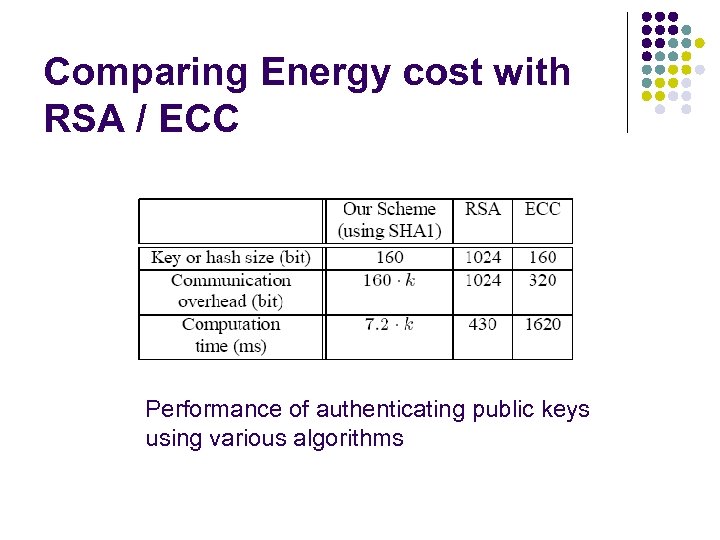 Comparing Energy cost with RSA / ECC Performance of authenticating public keys using various algorithms
 Summary l Public Key Cryptography (PKC) l Will soon be available for sensor networks l l l Intel Motes: very powerful. Usage of PKC should still be minimized We propose an efficient scheme to achieve public key authentication.
 A Beacon-Less Location Discovery Scheme for Wireless Sensor Networks
 Location Discovery in WSN l Sensor nodes need to find their locations l l Rescue missions Geographic routing protocols Many other applications Constraints l l No GPS on sensors Cost must be low
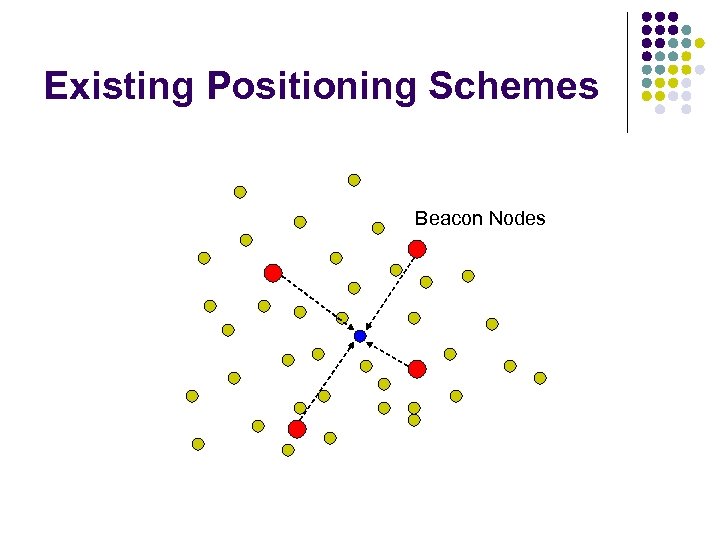 Existing Positioning Schemes Beacon Nodes
 Two Important Elements l Reference points l l l They must know their locations. e. g. beacon nodes, satellites. Relationship between nodes and reference points l l Distance Angle of arrival Time difference of arrival
 The Beacon-Less Scheme l Without using beacon nodes l l l Beacon nodes are more expensive They can be the main target of attacks Nonetheless, we still have to find reference points and the corresponding relationships. l Remember: the locations of the reference points must be known.
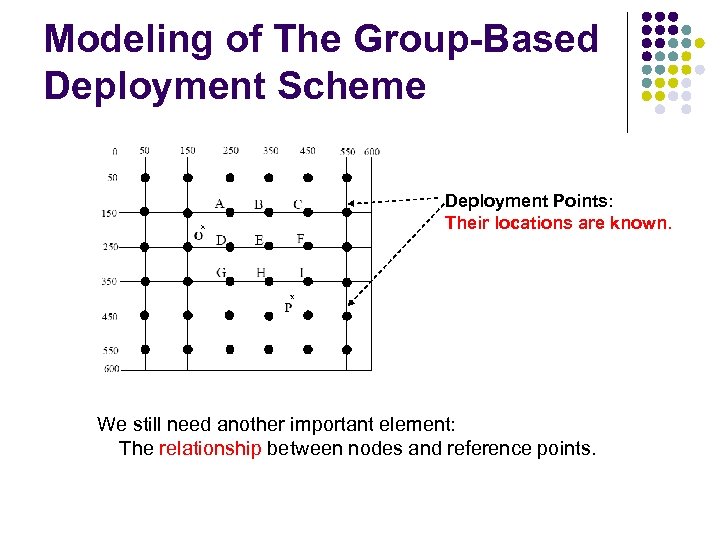 Modeling of The Group-Based Deployment Scheme Deployment Points: Their locations are known. We still need another important element: The relationship between nodes and reference points.
 The Relationships A
 The Relationships A B
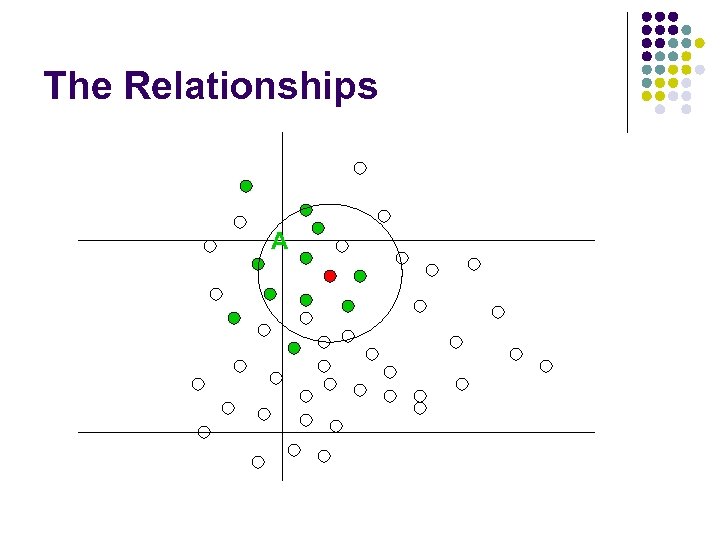
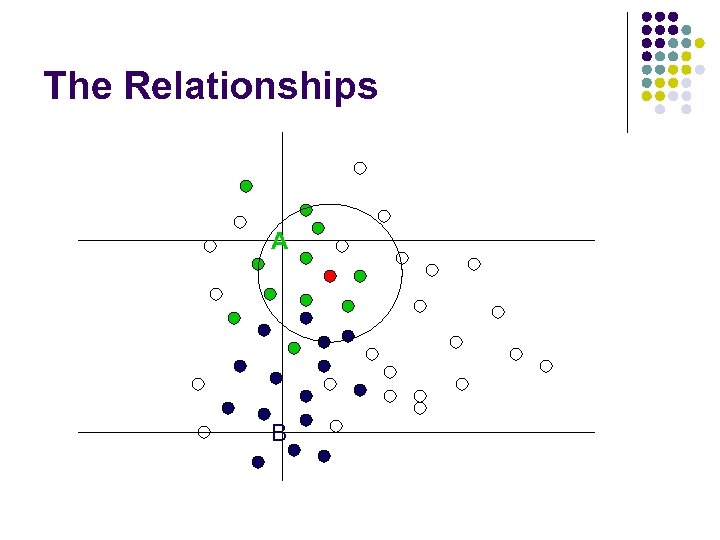
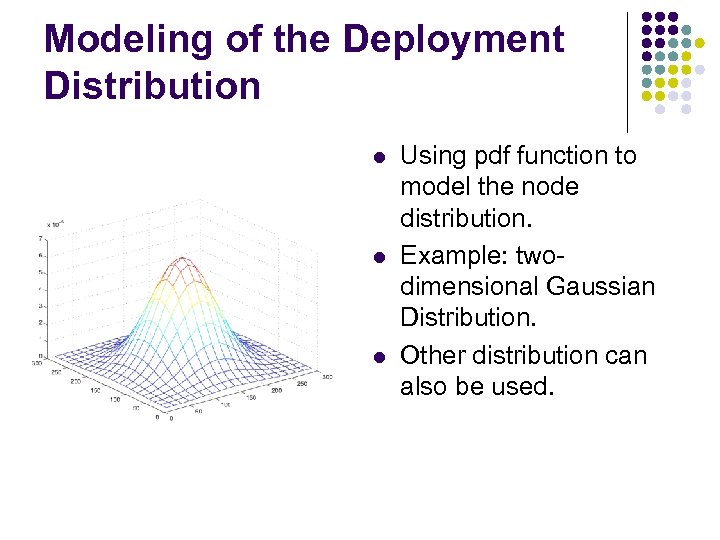 Modeling of the Deployment Distribution l l l Using pdf function to model the node distribution. Example: twodimensional Gaussian Distribution. Other distribution can also be used.
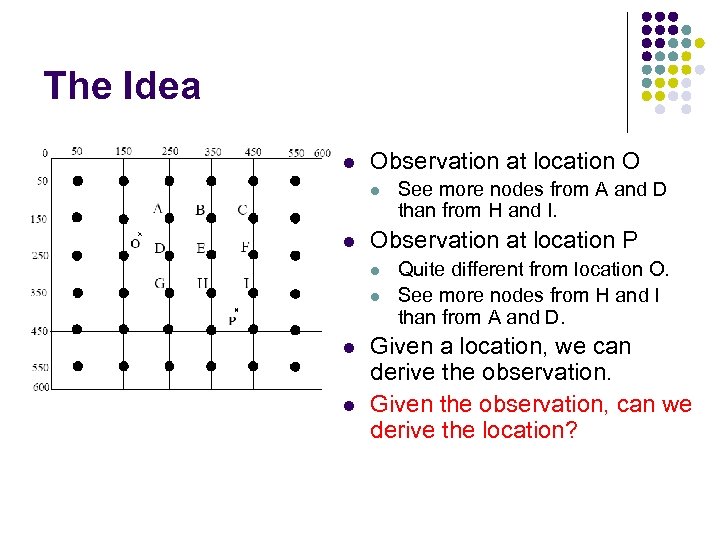 The Idea l Observation at location O l l Observation at location P l l See more nodes from A and D than from H and I. Quite different from location O. See more nodes from H and I than from A and D. Given a location, we can derive the observation. Given the observation, can we derive the location?
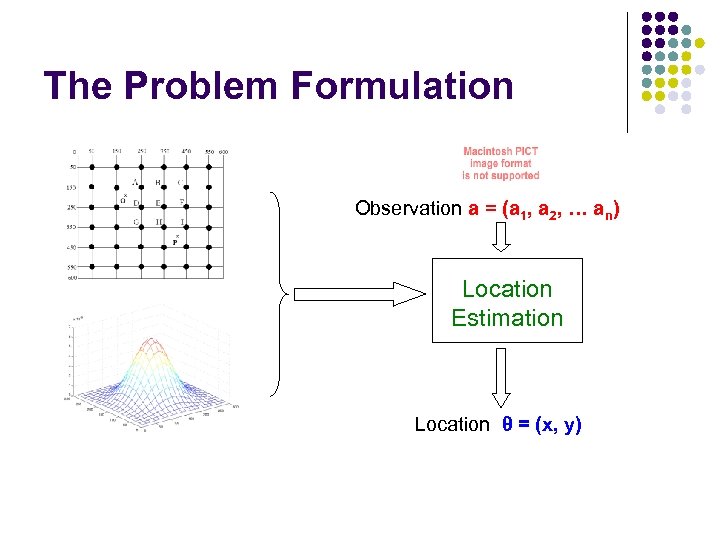 The Problem Formulation Observation a = (a 1, a 2, … an) Location Estimation Location θ = (x, y)
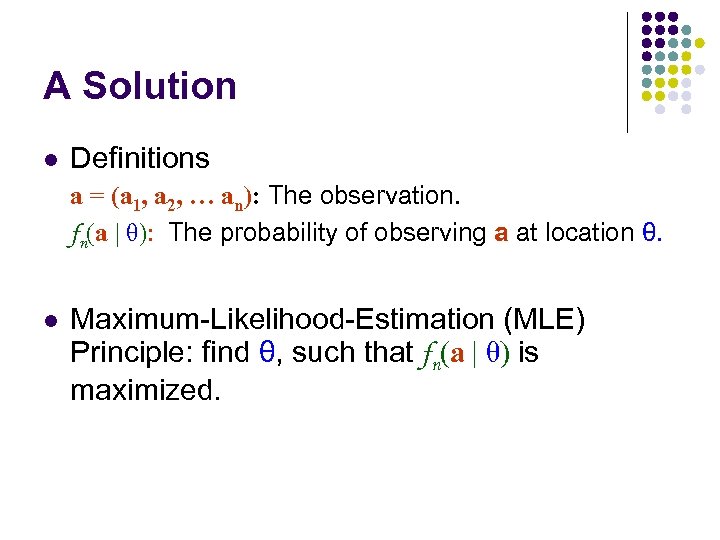 A Solution l Definitions a = (a 1, a 2, … an): The observation. fn(a | θ): The probability of observing a at location θ. l Maximum-Likelihood-Estimation (MLE) Principle: find θ, such that fn(a | θ) is maximized.
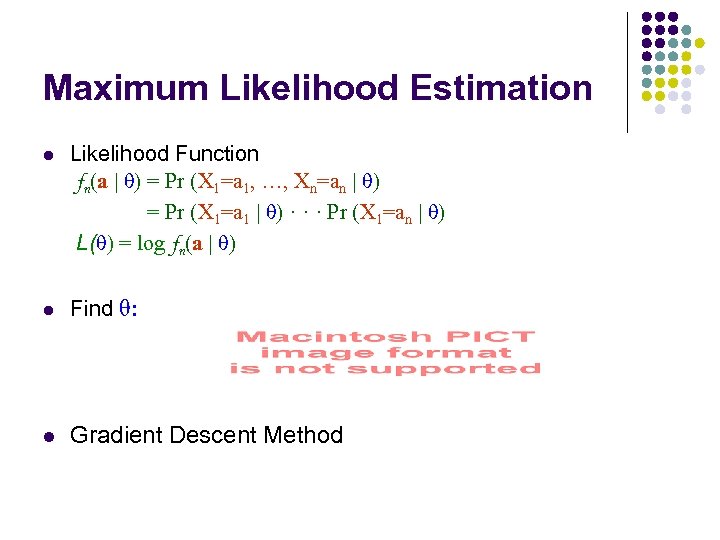 Maximum Likelihood Estimation l Likelihood Function fn(a | θ) = Pr (X 1=a 1, …, Xn=an | θ) = Pr (X 1=a 1 | θ) · · · Pr (X 1=an | θ) L(θ) = log fn(a | θ) l Find θ: l Gradient Descent Method
 Evaluation l Setup l l A square plane: 1000 meters by 1000 meters 10 by 10 grids (each is 100 m X 100 m) σ = 50 (Gaussian Distribution) What to evaluate? l l Accuracy vs. Density Accuracy vs. Transmission Range Boundary Effects Computation Costs.
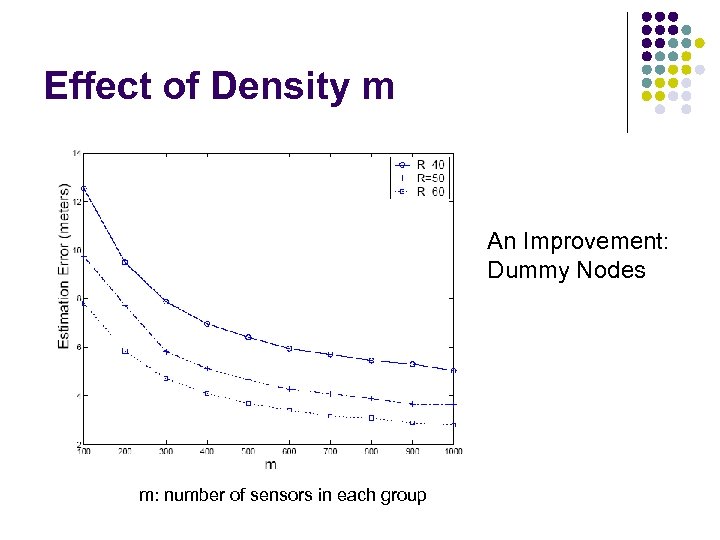 Effect of Density m An Improvement: Dummy Nodes m: number of sensors in each group
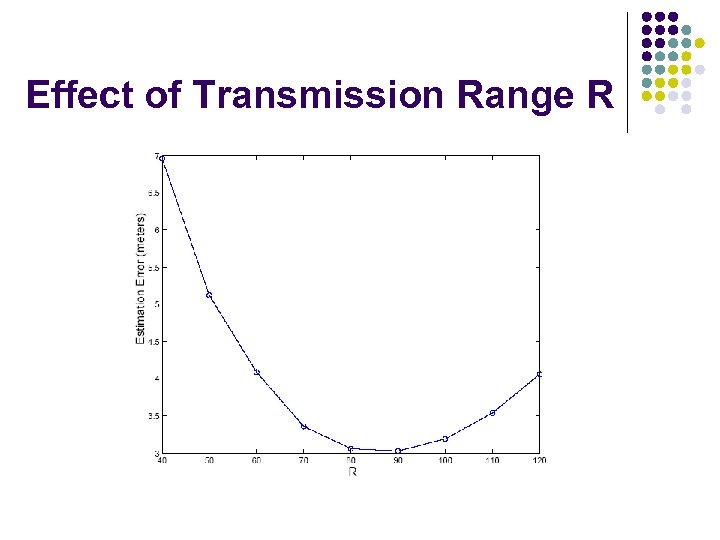 Effect of Transmission Range R
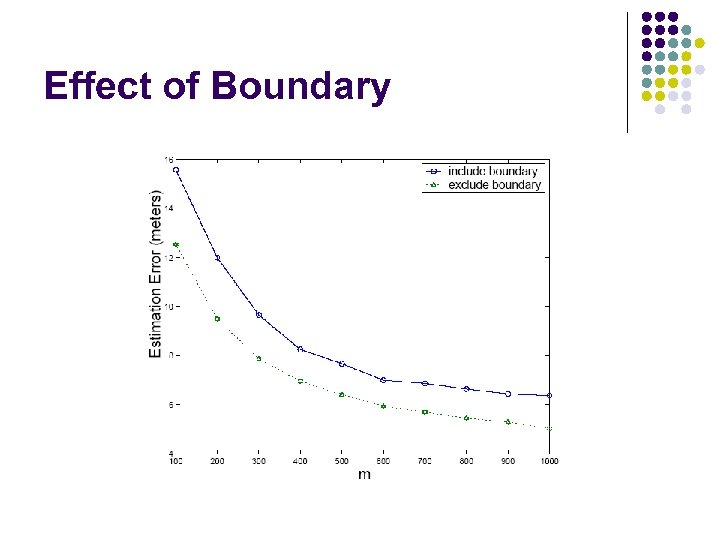 Effect of Boundary
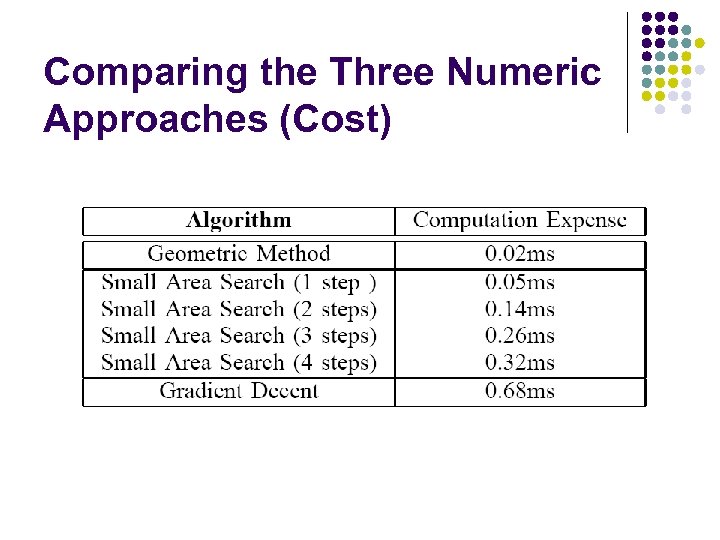 Comparing the Three Numeric Approaches (Cost)
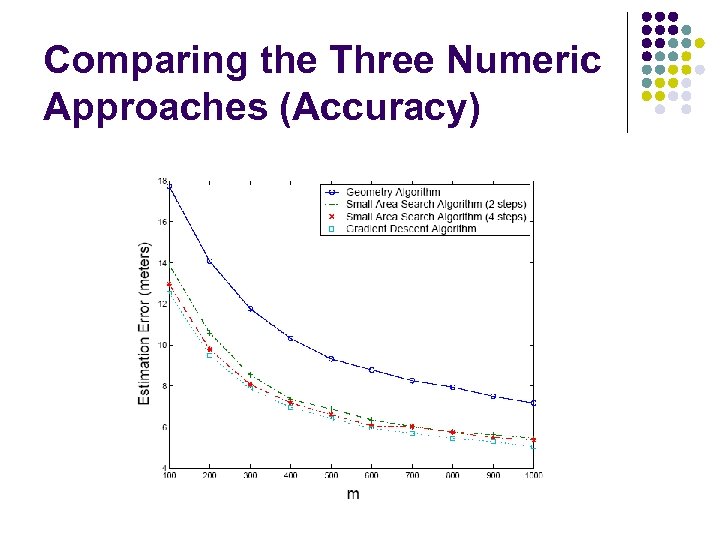 Comparing the Three Numeric Approaches (Accuracy)
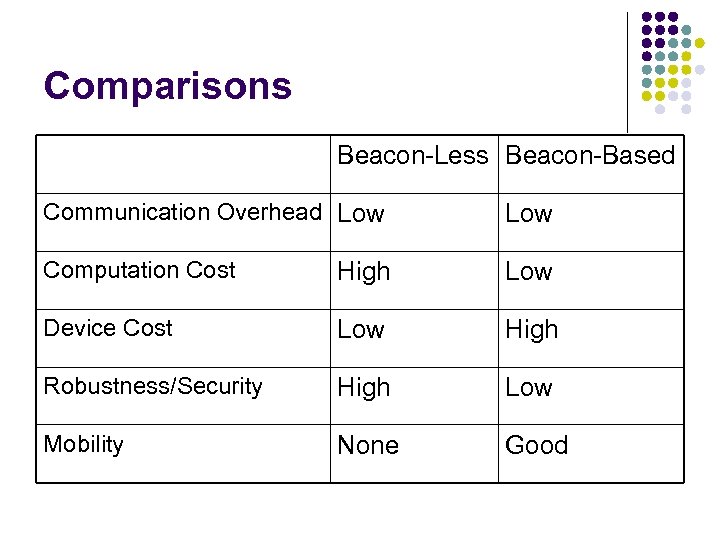 Comparisons Beacon-Less Beacon-Based Communication Overhead Low Computation Cost High Low Device Cost Low High Robustness/Security High Low Mobility None Good
 Conclusion and Future Work l Two Applications of Deployment Knowledge l l Authenticating Public Keys Beacon-Less Location Discovery IPDPS’ 05 paper: Location Anomaly Detection Future Work l Optimizing public-key protocols for sensor networks