


 Скачать презентацию Sea Power and Maritime Affairs Lesson 22 The
c2bd369a8a318a0b5261c397d8bd8952.ppt
- Количество слайдов: 45
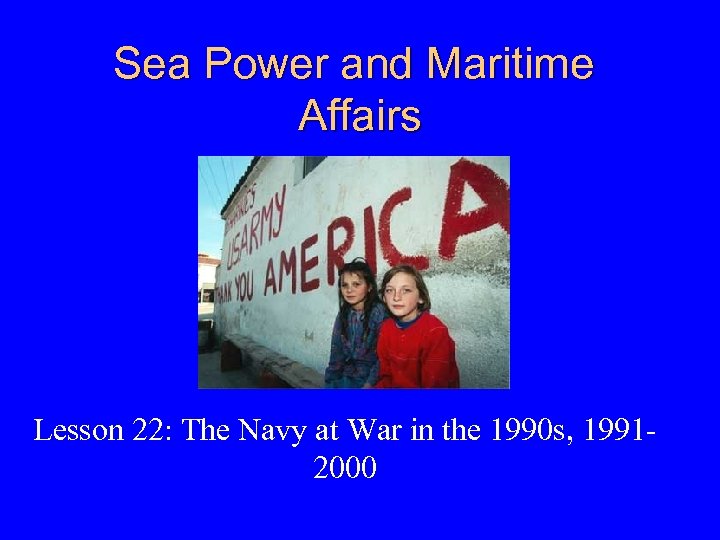 Sea Power and Maritime Affairs Lesson 22: The Navy at War in the 1990 s, 19912000
 Learning Objectives The student will understand the history and buildup to NATO involvement in Bosnia and Kosovo. l The student will understand the Navy’s role in those wars, especially in terms of increasingly integrated joint concepts of operations. l The student will understand how the wars in Bosnia and Kosovo have tested and developed the practice of network-centric warfare. l The student will understand relevant historical milestones in U. S. Naval history in the 1990 s and their implication for the post-September 11 reality. l
 Strategic Implications Post-Cold War l July 31, 1991, START I. l September 27, 1991, President Bush announced Soviets no longer pose creditable threat to the U. S. – SAC bombers off 24 -hour alert. – Removed all tactical nukes from Navy surface, sub and aircraft.
 Soviet Collapse December 8, 1991 Boris Yelstin elected President after Soviet collapse. He was re-elected in 1996 and resigned in December of 1999, due to health. l Successor of states: Russia, Kazakhstan, Ukraine, and Belarus. Ukraine and Kazakhstan became third and fourth largest nuclear states. – Russia joined U. S. in NPT – U. S. and Russia found themselves “comrades in arms” to prevent uncontrolled nuclear weapons in former Soviet Union, North Korea, Pakistan, and India. l
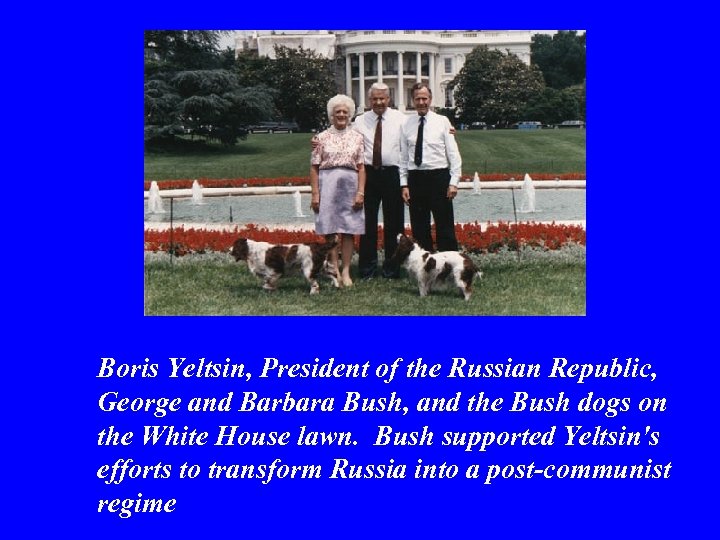 Boris Yeltsin, President of the Russian Republic, George and Barbara Bush, and the Bush dogs on the White House lawn. Bush supported Yeltsin's efforts to transform Russia into a post-communist regime
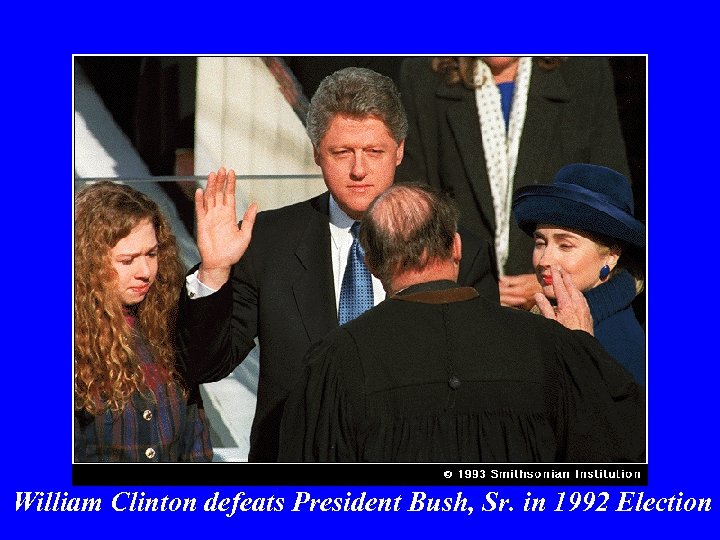 William Clinton defeats President Bush, Sr. in 1992 Election
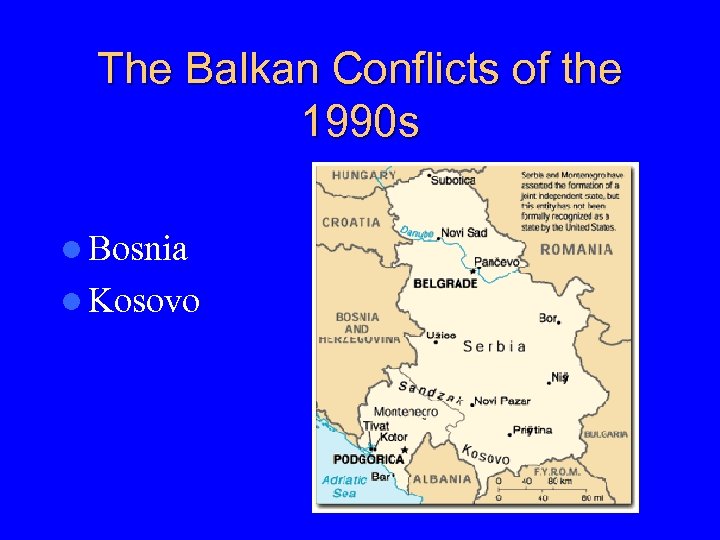 The Balkan Conflicts of the 1990 s l Bosnia l Kosovo
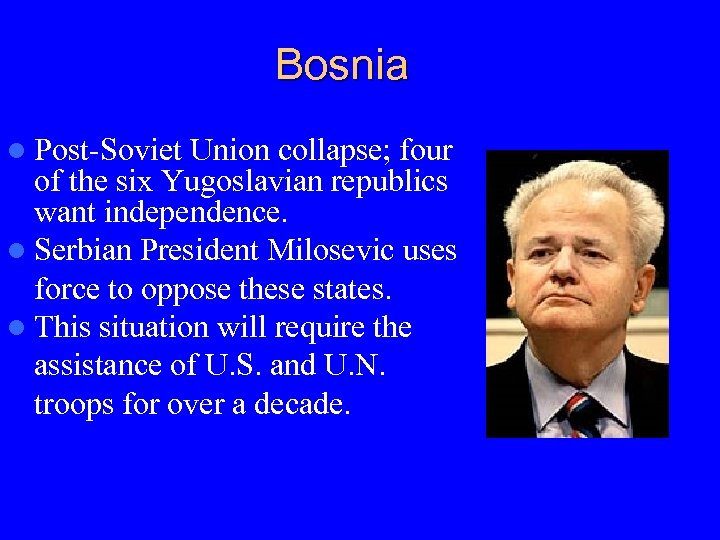 Bosnia l Post-Soviet Union collapse; four of the six Yugoslavian republics want independence. l Serbian President Milosevic uses force to oppose these states. l This situation will require the assistance of U. S. and U. N. troops for over a decade.
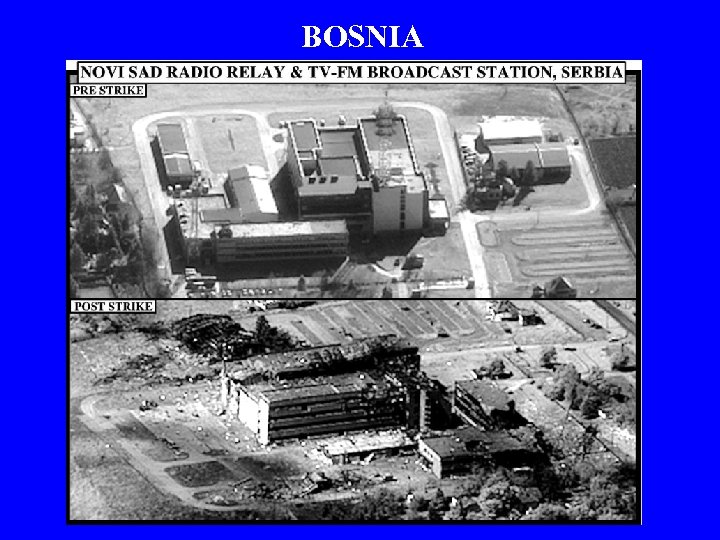 BOSNIA
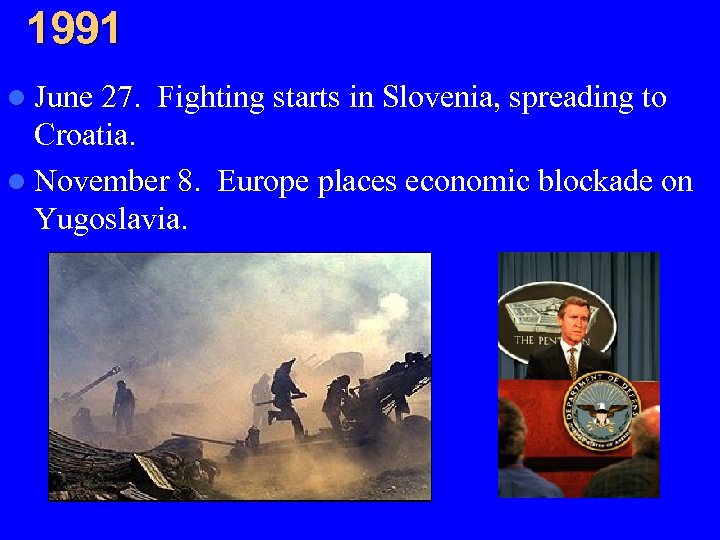 1991 l June 27. 27 Fighting starts in Slovenia, spreading to Croatia. l November 8. Europe places economic blockade on 8 Yugoslavia.
 1992 l U. N. Security Council directive to use “all measures necessary” to end hunger and atrocities in Bosnia-Herzegovina. l January. U. N. protection force sent. January l May 22. U. N. recognizes Croatia, 22 Slovenia, and Bosnia as independent states. l March 30. U. N. called for humanitarian 30 aid, economic embargos, and ban on air traffic.
 l July 1. 1 Washington called for relief flights that would be multinational and be supported until OPERATION DENY FLIGHT in April 1993. l September 22. Yugoslavia expelled from U. N. in response to Milosevic’s atrocities. l NATO leaders reluctant to act, for fear that they would be dragged into a costly and unwinnable war.
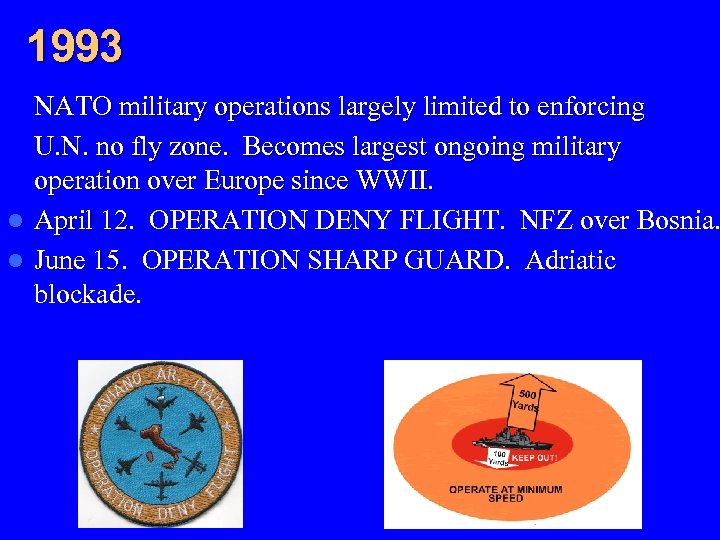 1993 NATO military operations largely limited to enforcing U. N. no fly zone. Becomes largest ongoing military operation over Europe since WWII. l April 12. OPERATION DENY FLIGHT. NFZ over Bosnia. 12 l June 15. OPERATION SHARP GUARD. Adriatic 15 blockade.
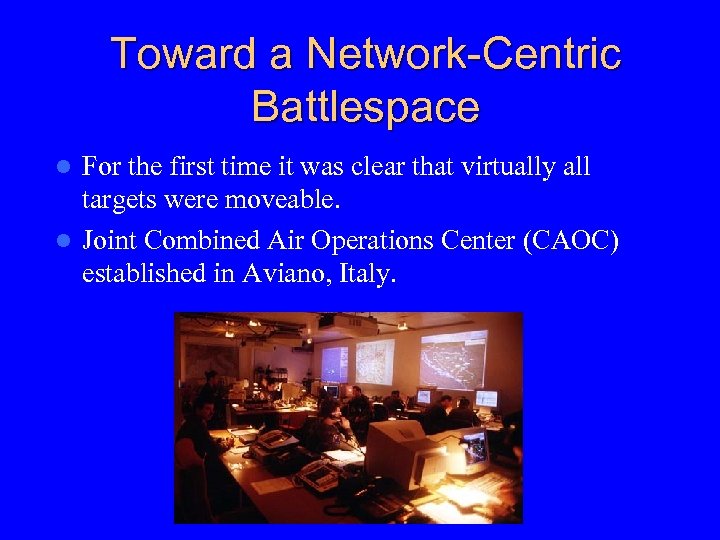 Toward a Network-Centric Battlespace For the first time it was clear that virtually all targets were moveable. l Joint Combined Air Operations Center (CAOC) established in Aviano, Italy. l
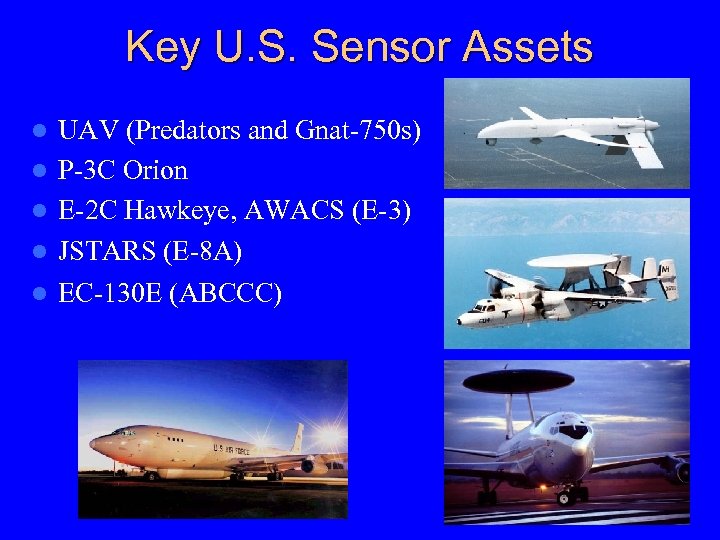 Key U. S. Sensor Assets UAV (Predators and Gnat-750 s) l P-3 C Orion l E-2 C Hawkeye, AWACS (E-3) l JSTARS (E-8 A) l l EC-130 E (ABCCC)
 Air Doctrine l Bosnian mission seemed to be classic Close Air Support (CAS) HOWEVER, The point of NATO air power was to coerce Serbs without engaging a ground force. How could targets be effectively identified in future wars with similar missions without ground element support? Anticipates RTIC.
 RTIC- “Real Time in the Cockpit” CAOC receives targeting intelligence (e. g. , via UAV) l Target is fused with stored area imagery and sent to strike aircraft via data link. l Cockpit display shows imagery as well as CAS nine-line targeting brief. l An important step toward network-centric reality, RTIC was a reality by 1996. F-16 s were outfitted with data modems for RTIC imagery. l
 1994 l Standoff between NATO aircraft and Bosnian Serb air defenses continued through the year. l U. N. mounted a ground force “protection force, ” UNPROFOR, intended to deter “ethnic cleansing” by Serbian Army. l Generally Serbs called UNPROFOR’s bluff only to receive retaliation via air attack.
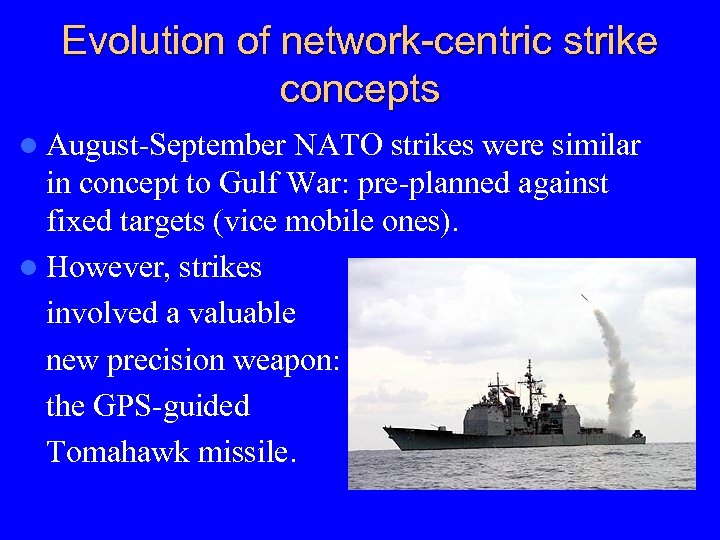 Evolution of network-centric strike concepts l August-September NATO strikes were similar in concept to Gulf War: pre-planned against fixed targets (vice mobile ones). l However, strikes involved a valuable new precision weapon: the GPS-guided Tomahawk missile.
 1995 l August 30 - September 21. 21 OPERATION DELIBERATE FORCE. NATO bombing offensive. l December 14. Dayton Accords. Ended war 14 in Bosnia. Milosevic still in power. l Politically, contributed to Muslim fundamentalism. - Reported in Muslim world as a “holocaust”
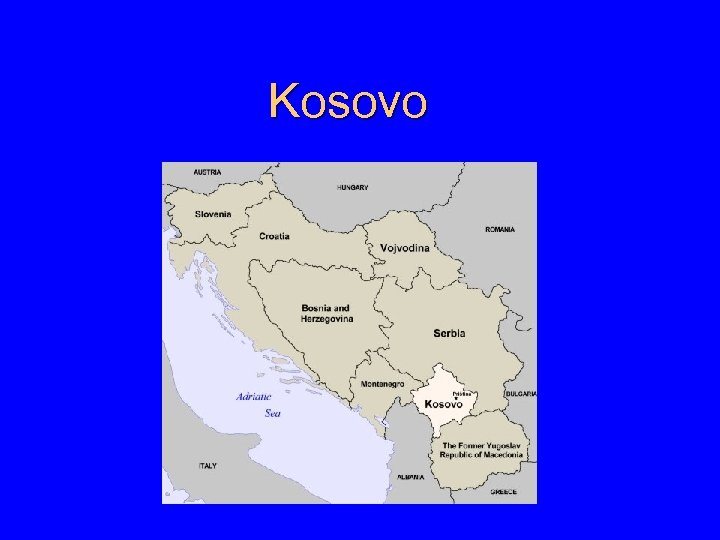 Kosovo
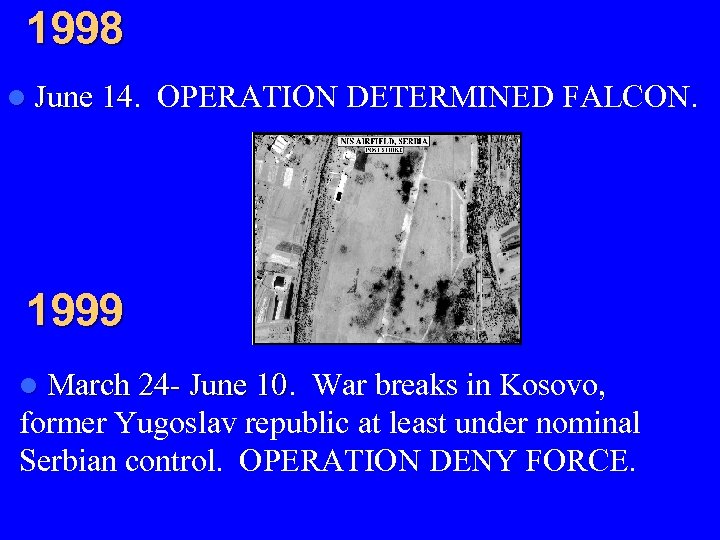 1998 l June 14. 14 OPERATION DETERMINED FALCON. 1999 l March 24 - June 10. 10 War breaks in Kosovo, former Yugoslav republic at least under nominal Serbian control. OPERATION DENY FORCE.
 OPERATION DENY FORCE l Response to “ethic cleansing” started shortly after Dayton Accords l Planned as a 48 hour campaign, it would last 78 days. l This time no UNPROFOR (organic ground element)
 OPERATION DENY FORCE (cont. ) l As in Bosnia, Serbs used mobility to protect air defense system - No ground observers to direct targeting - U. S. /NATO policy barring all troops might be blamed for tactical failure of air attacks (a mistake NOT repeated in Afghanistan) l The political-strategic strikes seemed not to have been terribly effective. - Center of gravity attacks? - Was there a way to force the enemy to move in a way to produce lucrative targets?
 After 78 days of bombing, Serbian Army collapsed and evacuated; refugees returned to their province. Why?
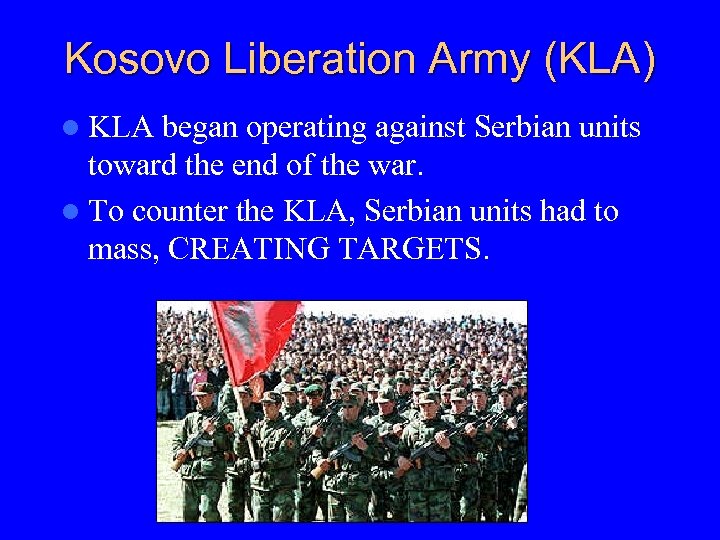 Kosovo Liberation Army (KLA) l KLA began operating against Serbian units toward the end of the war. l To counter the KLA, Serbian units had to mass, CREATING TARGETS.
 Interpretation: l Precision bombing became effective only when linked to a force on the ground—and that force did not have to be a NATO army. -Here the KLA functions as a coalition force. -Neither NATO nor KLA had much chance of winning without the other.
 This suggested a model for future wars (i. e. , Afghanistan) l Always seek a local coalition partner sufficiently interested in the outcome to fight as needed, in order to get “boots on the ground. ” l Caveat: coalition partners are not proxies; they are animated by their own interests.
 “Other” 1990 s Naval Events 1. September 1991. Tailhook 1991 2. April 1993. SECDEF announces that women 1993 will fly combat aircraft missions and serve on combat vessels. 3. July 1993. “Don’t Ask, Don’t Tell” – Clinton 1993 policy for homosexuals in the military. 4. February 1994. LT Shannon Workman 1994 becomes first female carrier qualified fighter pilot.
 5. February 1998. A Marine Corps EA-6 B, 1998 based in Aviano, Italy, flies below level training route altitude and severs gondola cables killing civilians. 6. October 1994. LT Kara Hultgreen, first 1994 woman carrier qualified in the F-14 Tomcat, is killed during landing operations. 7. March 1995. LCDR Wendy Lawrence, 1995 daughter of Admiral Lawrence (Vietnam POW), becomes first female naval aviator in space on board STS 60, The Endeavor.
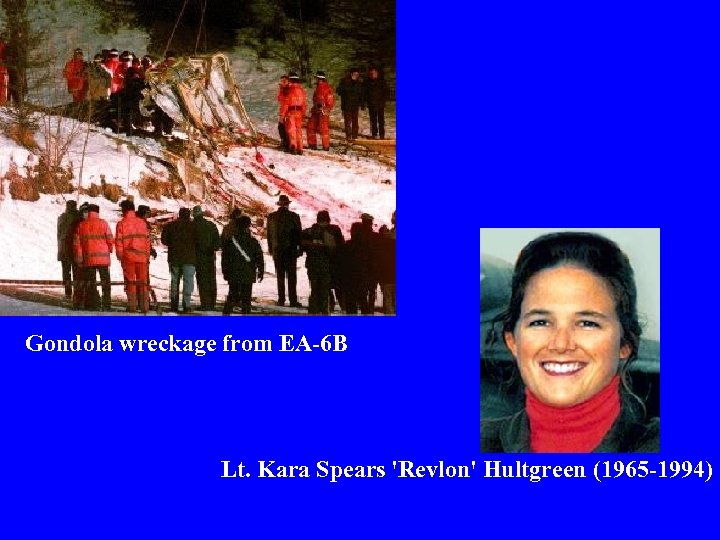 Gondola wreckage from EA-6 B Lt. Kara Spears 'Revlon' Hultgreen (1965 -1994)
 8. May 1996. Death of Admiral Michael 1996 Boorda. Chief of Naval Operations shoots himself in response to journalistic investigations of his entitlement to wear combat “V” for service in waters off Vietnam. 9. October 2000. Attack on the USS Cole. 2000 10. February 2001. Greenville incident. 2001 11. April 2001. EP-3 incident. 2001
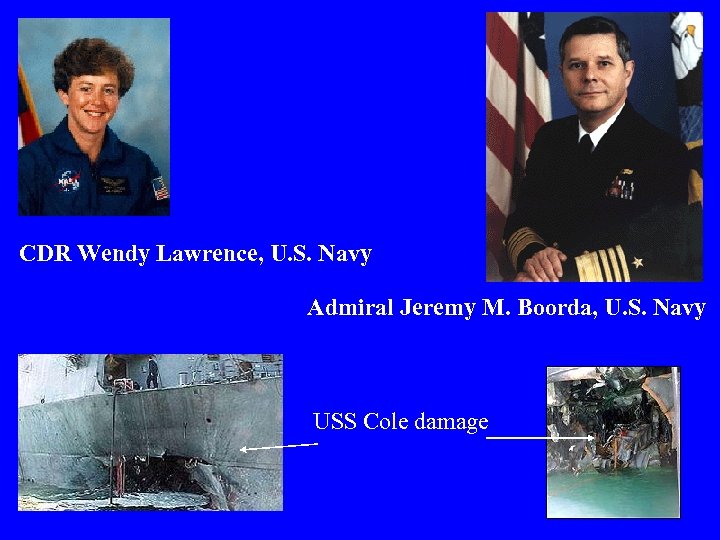 CDR Wendy Lawrence, U. S. Navy Admiral Jeremy M. Boorda, U. S. Navy USS Cole damage
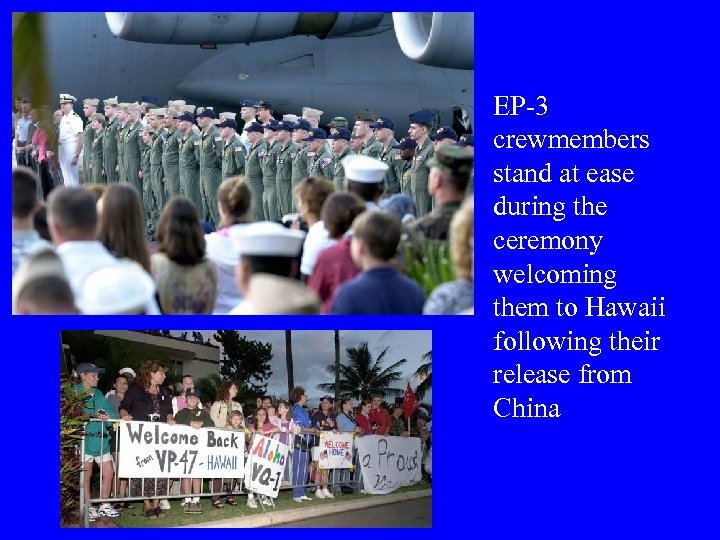 EP-3 crewmembers stand at ease during the ceremony welcoming them to Hawaii following their release from China
 Policy New Technology September 1992. “…From the Sea. ” The Navy adopts new 1992 mission as consequence to the end of the Cold War. l September 1993. “Bottom Up Review” 346 -ship navy with 1993 11 carrier battle groups. Goal: Ability to fight 2 major regional conflicts and one low intensity conflict at the same time. l May 1997. As result of first “Quadrennial Defense 1997 Reviews, ” force levels to be able to deal with two simultaneous regional conflicts call for 12 carriers groups and 12 amphibious ready groups. l
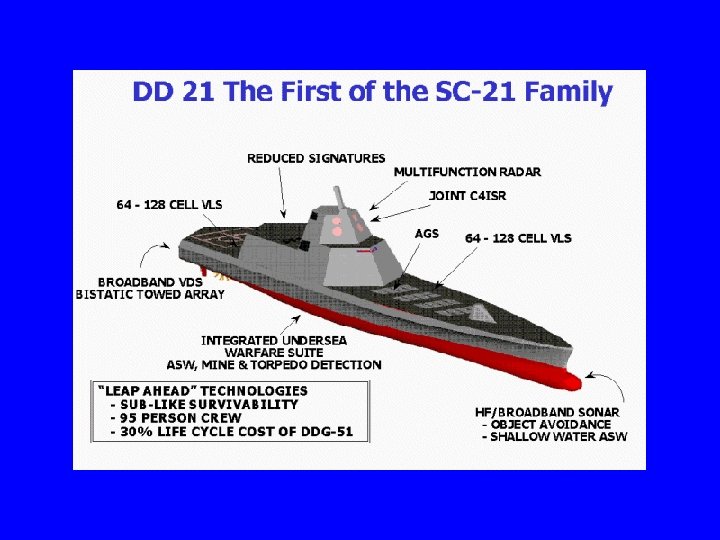
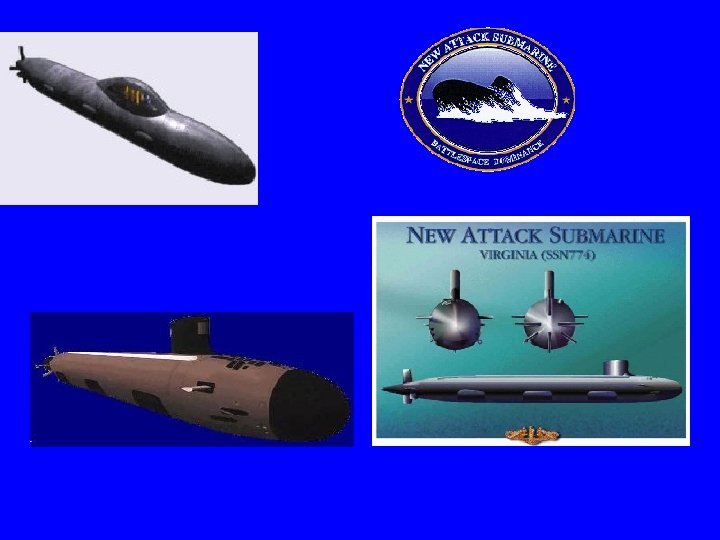
 l June 1997 Navy signs preliminary agreement for construction of the DD-21 Zumwalt class. l May 1999. Osprey, MV-22, first of four 1999 production models approved. l September 1999. New attack sub (NSSN) 1999 “Virginia” class to be built. l April 2000. MV-22 crashes in Arizona; 19 lost. 2000
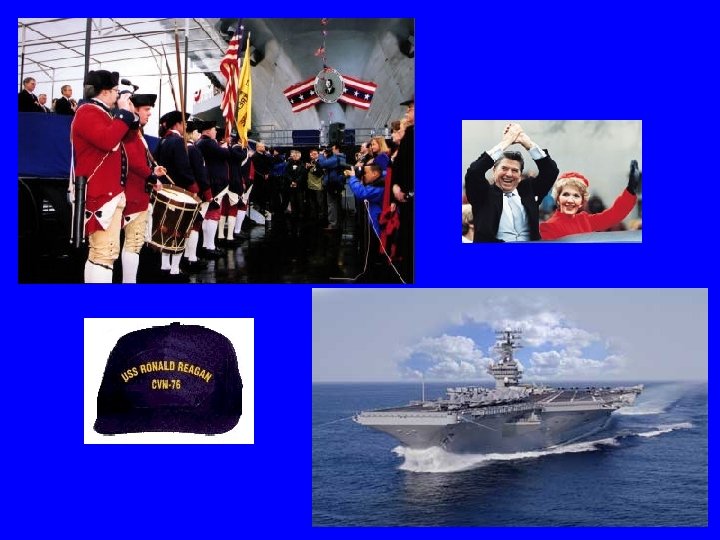
 l December 2000 MV-22 crashes in Jacksonville, killing all four crewmen. l December 2000. JSF X-35 C, carrier 2000 version, makes first flight. l March 2000. Mrs. Reagan christens USS 2000 Ronald Reagan, CVN 76. l June 2001. Secretary of Defense Donald Rumsfeld reports that DD 21 land-attack destroyer would not be a substantial improvement over existing platforms.
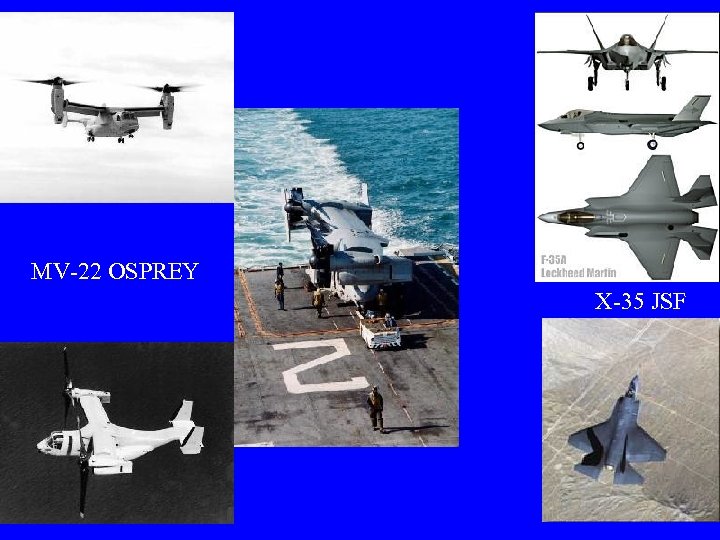 MV-22 OSPREY X-35 JSF
 Significance of the 1990 s for the Navy of the Future Comprehend the transitional nature of the naval strategy and policy in the 1990 s when judged against the post “ 9 -11” events and the War on Terrorism. l Understand that many of the guiding assumptions of the 1990 s were made obsolete by 9 -11 and the War on Terrorism. l Assess what aspects of the naval policy and strategy of the 1990 s remain valid for the early 2000 s. l
 l Given the events of the last decade (ESGs, sea-basing, etc. ), was the planning of the 1990 s short-sighted? Is “From the Sea” relevant in 2001 when we are fighting a war hundreds of miles inland in Afghanistan? Is the CVBG a relic of the cold war in the age of network-centric dispersion?
 Learning Objectives Comprehend the national strategic implications of the Post Cold War and its effects on policy and the Navy. l Comprehend the role of the Navy in regional conflicts, including Post-Gulf War Iraq, Yugoslavia, Somalia, and Afghanistan. l Comprehend the changes in Naval policy and technology, as well as historical 1990 s milestones. l
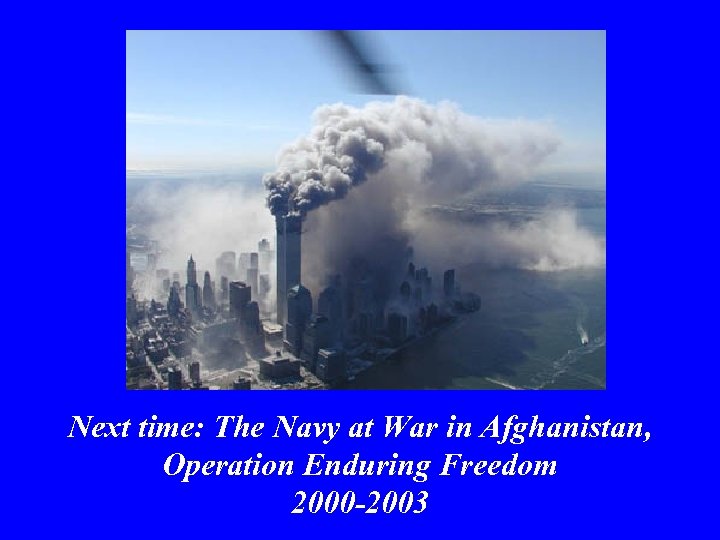 Next time: The Navy at War in Afghanistan, Operation Enduring Freedom 2000 -2003