 Скачать презентацию Schizophrenia Brain disorder of aberrant synaptic plasticity
Schizophrenia_presentation.ppt
- Количество слайдов: 73



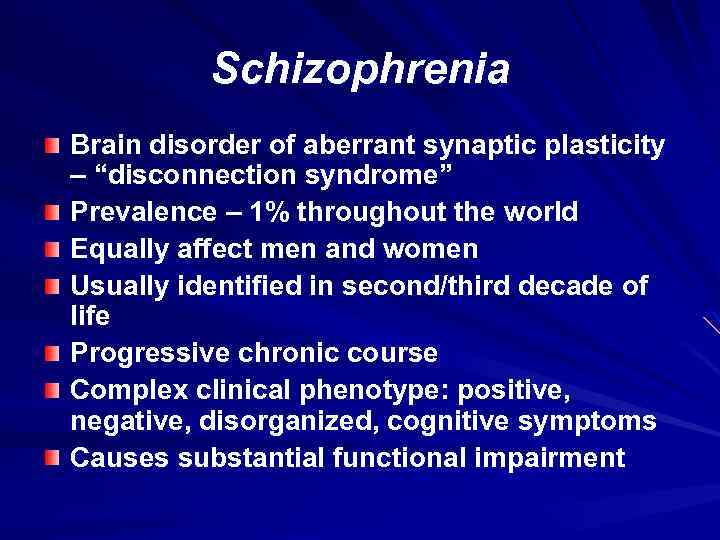
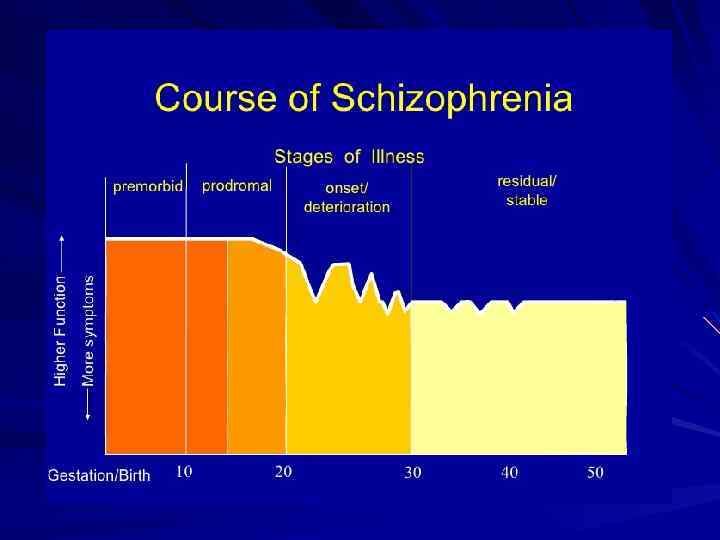
Schizophrenia Brain disorder of aberrant synaptic plasticity – “disconnection syndrome” Prevalence – 1% throughout the world Equally affect men and women Usually identified in second/third decade of life Progressive chronic course Complex clinical phenotype: positive, negative, disorganized, cognitive symptoms Causes substantial functional impairment
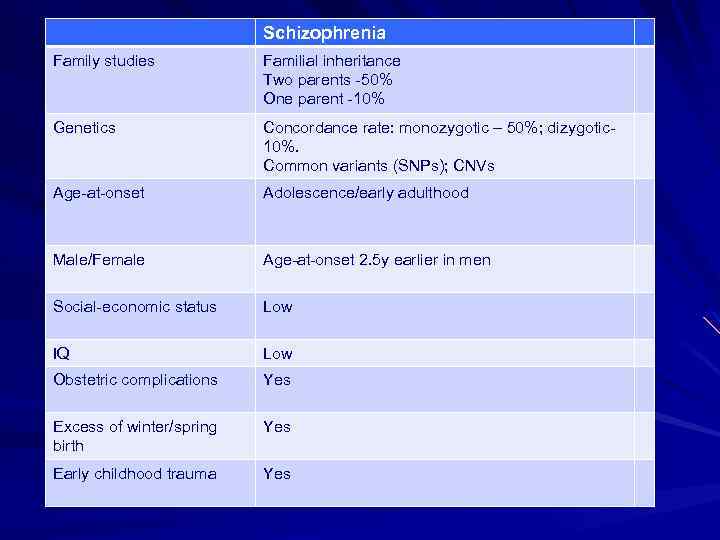
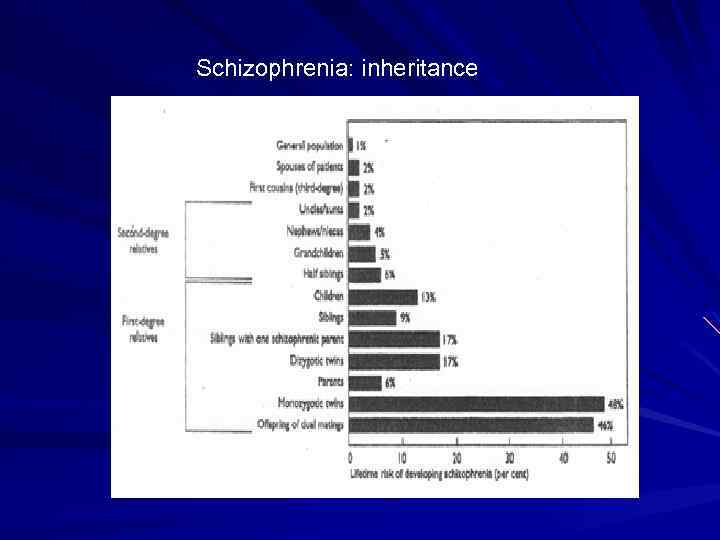
Schizophrenia Family studies Familial inheritance Two parents -50% One parent -10% Genetics Concordance rate: monozygotic – 50%; dizygotic 10%. Common variants (SNPs); CNVs Age-at-onset Adolescence/early adulthood Male/Female Age-at-onset 2. 5 y earlier in men Social-economic status Low IQ Low Obstetric complications Yes Excess of winter/spring birth Yes Early childhood trauma Yes
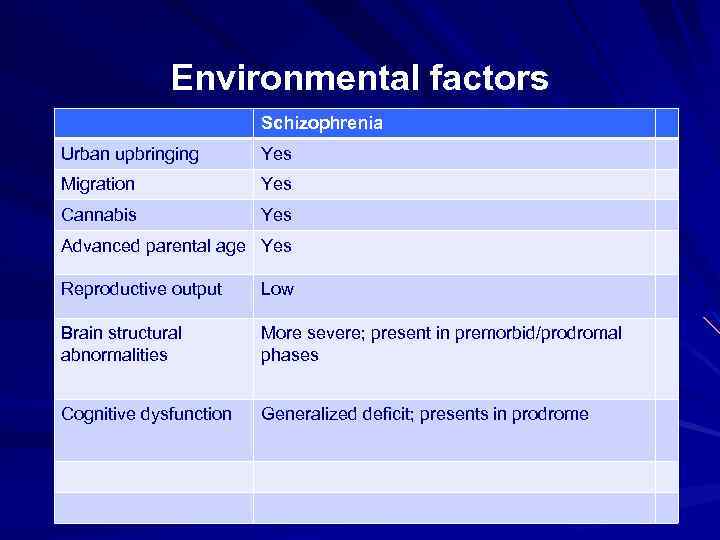
Environmental factors Schizophrenia Urban upbringing Yes Migration Yes Cannabis Yes Advanced parental age Yes Reproductive output Low Brain structural abnormalities More severe; present in premorbid/prodromal phases Cognitive dysfunction Generalized deficit; presents in prodrome
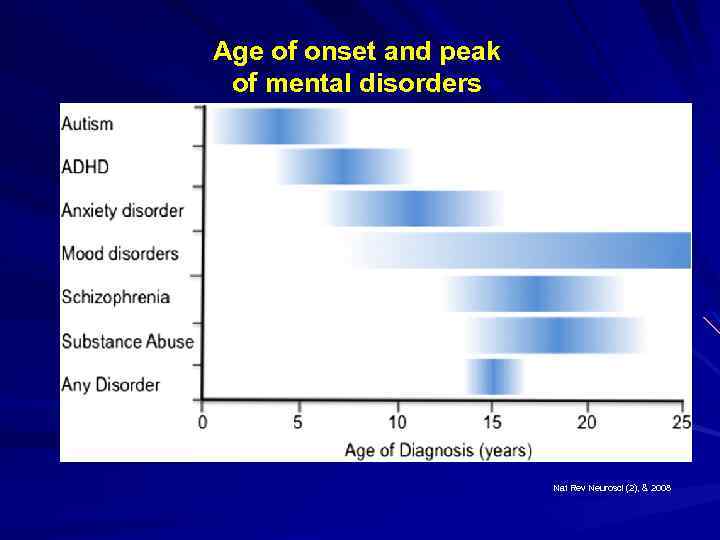
Age of onset and peak of mental disorders Nat Rev Neurosci (2), & 2008
Schizophrenia: inheritance
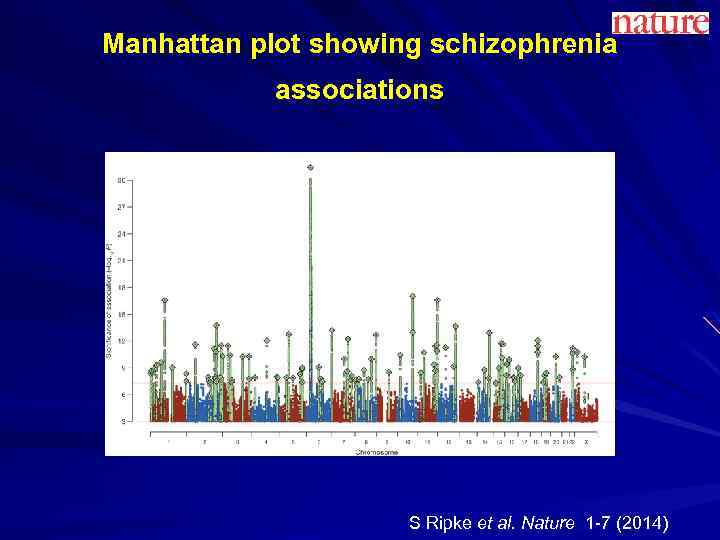
Manhattan plot showing schizophrenia associations S Ripke et al. Nature 1 -7 (2014)
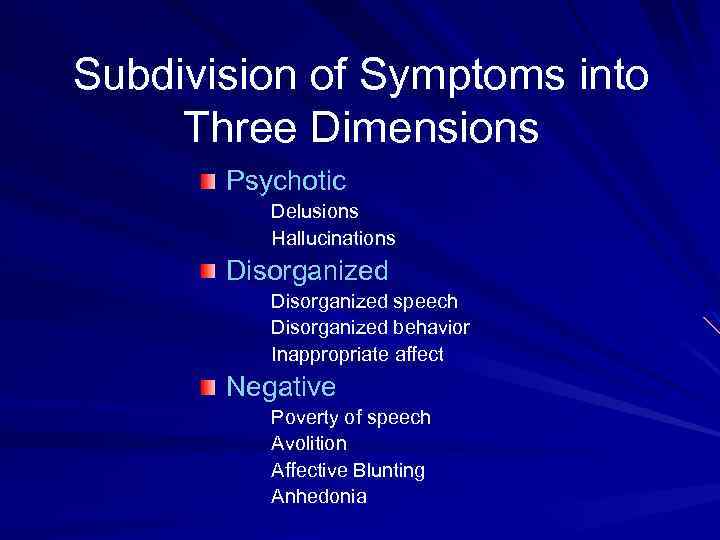
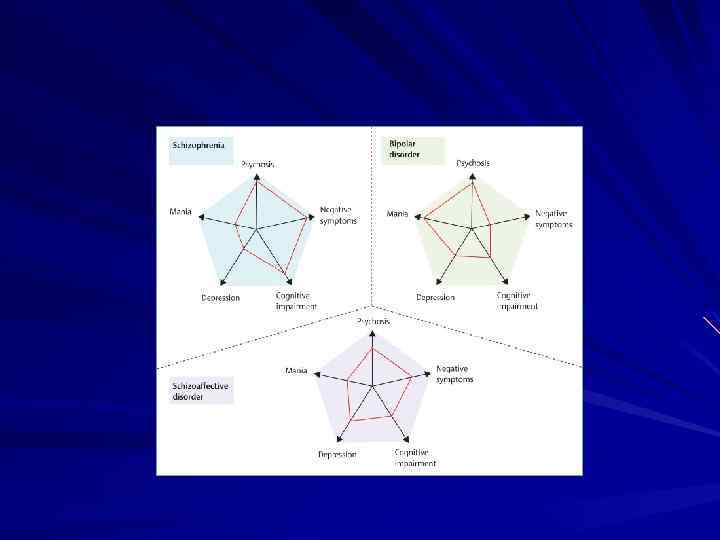
Subdivision of Symptoms into Three Dimensions Psychotic Delusions Hallucinations Disorganized speech Disorganized behavior Inappropriate affect Negative Poverty of speech Avolition Affective Blunting Anhedonia
Types of Hallucinations Auditory Visual Tactile Olfactory
Types of Delusions Persecutory Grandiose Religious Jealous Somatic
DSM-5 Criteria for Schizophrenia: The Basics Characteristic symptoms for one month Social/Occupational Dysfunction Overall Duration > 6 months Not attributable to mood disorder Not attributable to substance use or general medical condition

Differential Diagnosis Mood Disorders Nonpsychotic personality disorders Substance-induced psychotic disorders Psychotic disorders due to a general medical condition (i. e. , “organic” disorders)
Drugs That May Induce Psychosis Amphetamines Marijuana Hallucinogens Cocaine Cannabis
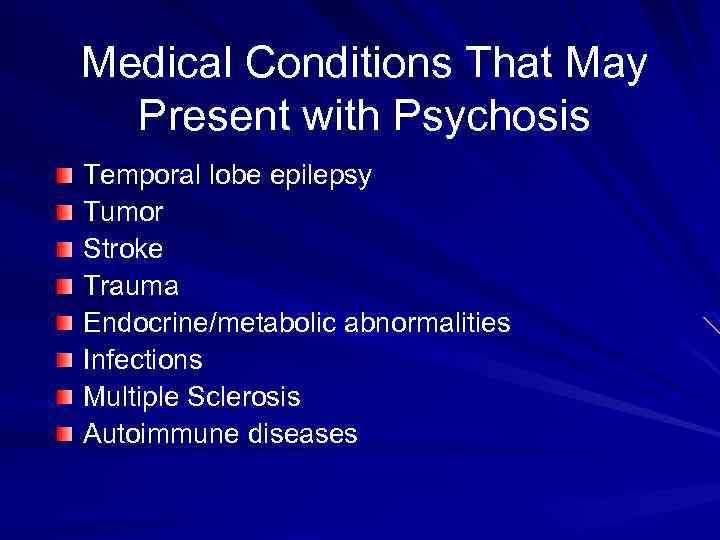
Medical Conditions That May Present with Psychosis Temporal lobe epilepsy Tumor Stroke Trauma Endocrine/metabolic abnormalities Infections Multiple Sclerosis Autoimmune diseases
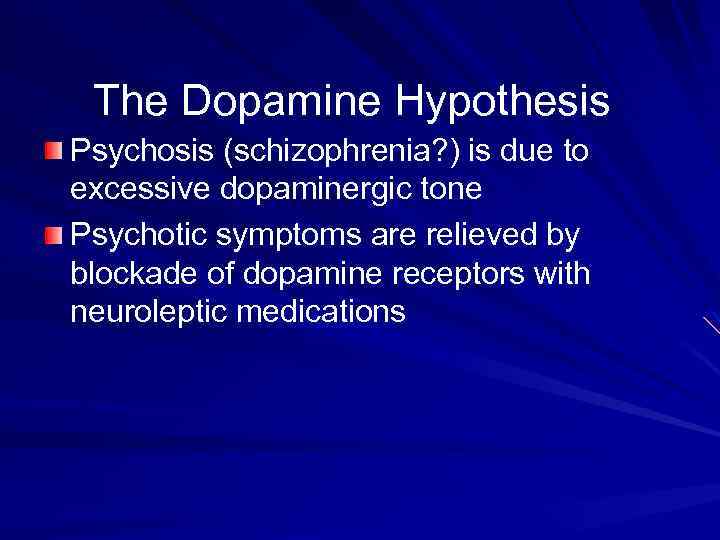
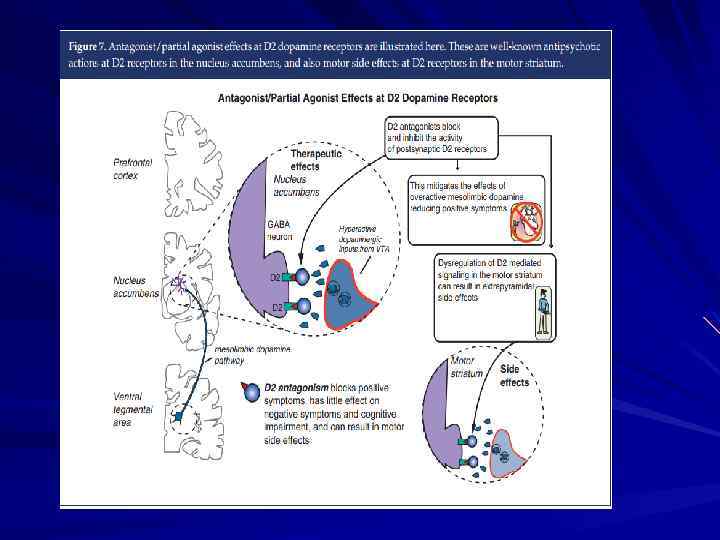
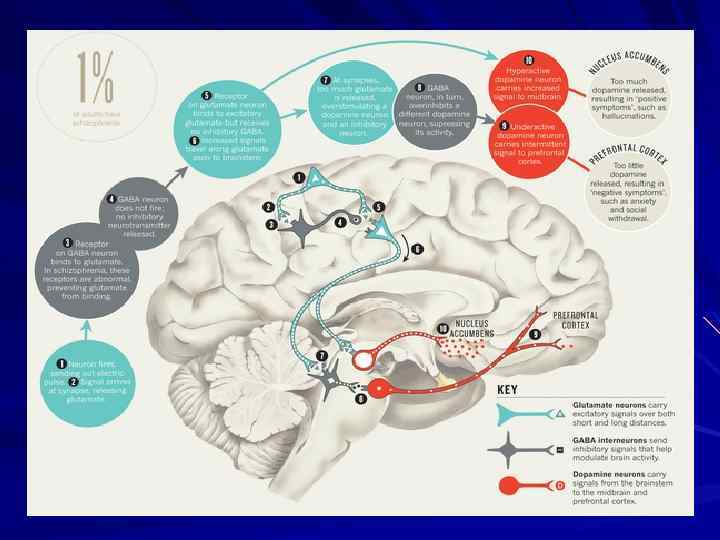
The Dopamine Hypothesis Psychosis (schizophrenia? ) is due to excessive dopaminergic tone Psychotic symptoms are relieved by blockade of dopamine receptors with neuroleptic medications
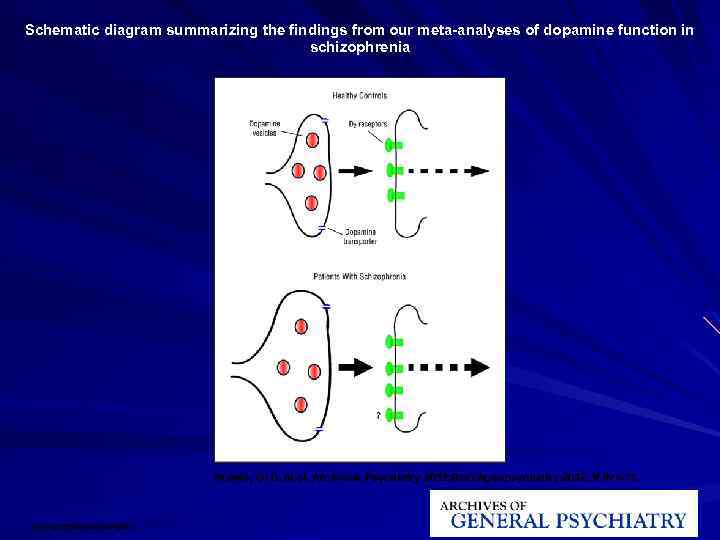
Schematic diagram summarizing the findings from our meta-analyses of dopamine function in schizophrenia Howes, O. D. et al. Arch Gen Psychiatry 2012; 0: archgenpsychiatry. 2012. 169 v 1 -11. Copyright restrictions may apply.
Brain Regions Showing Replicable Neuropathological Abnormalities Temporolimbic regions Thalamus Prefrontal cortex
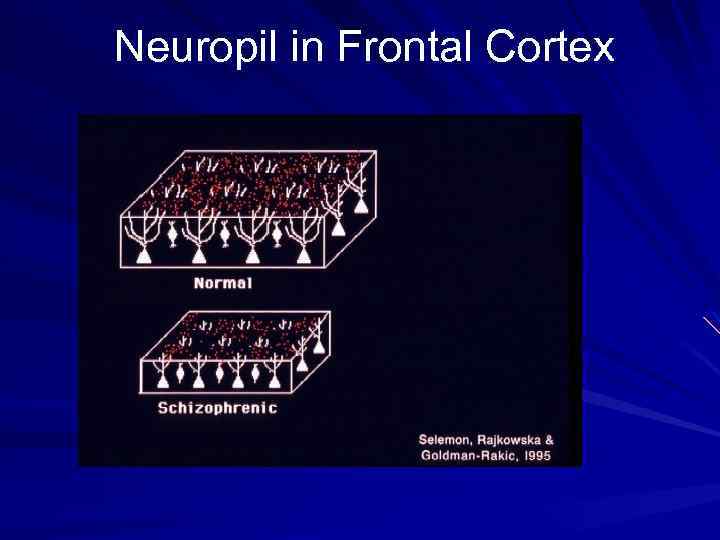
Neuropil in Frontal Cortex
Criterion A: Characteristic Symptoms At least two of the following, each present for a significant portion of time during a one month period (or less if successfully treated): (1) delusions (2) hallucinations (3) disorganized speech (e. g. , frequent derailment or incoherence) (4) grossly disorganized or catatonic behavior (5) negative symptoms, I. e. , affective flattening, alogia, or avolition
Gender Differences Males have an earlier age at onset, a poorer premorbid history, more negative symptoms, a poorer outcome, and more prominent brain abnormalities as measured in neuroimaging studies Women have more prominent affective symptoms and a better outcome
Important Epidemiolgical Observations Prevalence is not highly variable over time or over geographical areas Found in all cultures More common and/or severe in males than females Persists in the population despite decreased fertility
Bleuler’s Fundamental Symptoms Associations Affective Blunting Avolition Autism Ambivalence Attention
Schneider: The Psychotic Experience Interested in pathognomonic symptoms “First Rank Symptoms” (FRS) E. g. , voices commenting Voices arguing Thought insertion Involve a loss of the sense of autonomy of self, or “ego boundaries”
Characteristic Symptoms Schneider: specific types of delusions and hallucinations Bleuler: fragmented thinking, inability to relate to external world Kraepelin: emotional dullness, avolition, loss of inner unity
Criterion B: Social/Occupational Dysfunction For a significant portion of the time since the onset of the disturbance, one or more major areas of functioning such as work, interpersonal relations or self-care is markedly below the level achieved prior to the onset OR when the onset is in childhood or adolescence, failure to achieve expected level of interpersonal, academic, or occupational achievement
Criterion C: Overall Duration Continuous signs of the disturbance persist for at least six months This six-month period must include at least one month of symptoms that meet criterion A (i. e. , active phase symptoms), and may include periods of prodromal or residual symptoms During these prodromal or residual period, the signs of the disturbance may be manifested by only negative symptoms or two or more symptoms listed in criterion A present in an attenuated form (e. g. odd beliefs, unusual perceptual experiences)
Criterion D: Schizoaffective and Mood Disorder Exclusion Schizoaffective Disorder and Mood Disorder with Psychotic Features have been ruled out because of either: (1) No major depressive or manic episodes have occurred concurrently with the active phase symptoms; or (2) If mood episodes have occurred during active phase symptoms, their total duration has been brief relative to the duration of the active and residual periods
Criterion E: Substance / General Medical Condition Exclusion The disturbance is not due to the direct effects of a substance (e. g. , drugs of abuse, medication) or a general medical condition
DSM 5: Categories of Psychosis Schizophreniform Disorder Schizophrenia Brief Psychotic Disorder Schizoaffective Disorder Delusional Disorder Shared Psychotic Disorder due to a General Medical Condition Substance-Induced Psychotic Disorder Not Otherwise Specified
Poor Outcome: Predictors Prominent negative symptoms Early age of onset Insidious onset Poor premorbid adjustment Low educational achievement Low parental social class Male gender
Lower Social Class in Schizophrenia Consistently observed in patients Lower social class is a result—not a cause— of the illness Social class of parents does not differ from the general population Lower social class is due to “downward drift, ” not to social deprivation, poor nutrition, or inadequate access to health care
Genetic Questions Is the disorder familial? Relative contributions of genes and environment Mode of transmission Location of gene Function and products of gene Role of the products in illness mechanisms
Genetic Methods Family history studies Family studies Twin studies Adoption studies Linkage and association studies, candidate genes Molecular genetics—functional genomics, proteomics
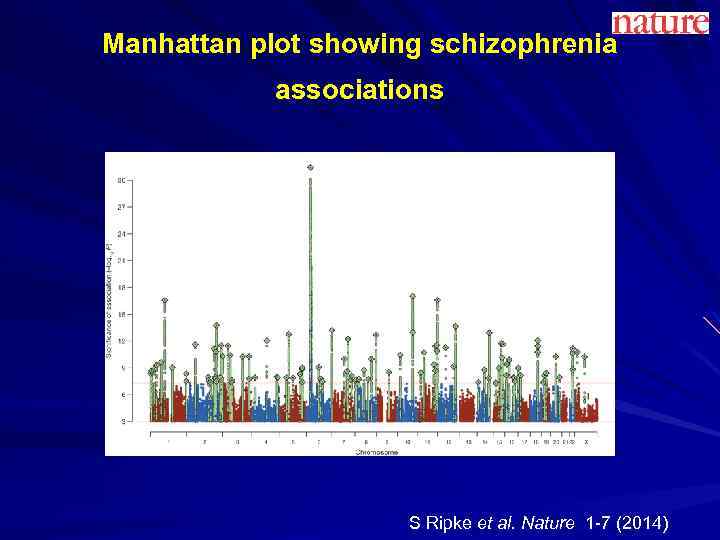
Manhattan plot showing schizophrenia associations S Ripke et al. Nature 1 -7 (2014)
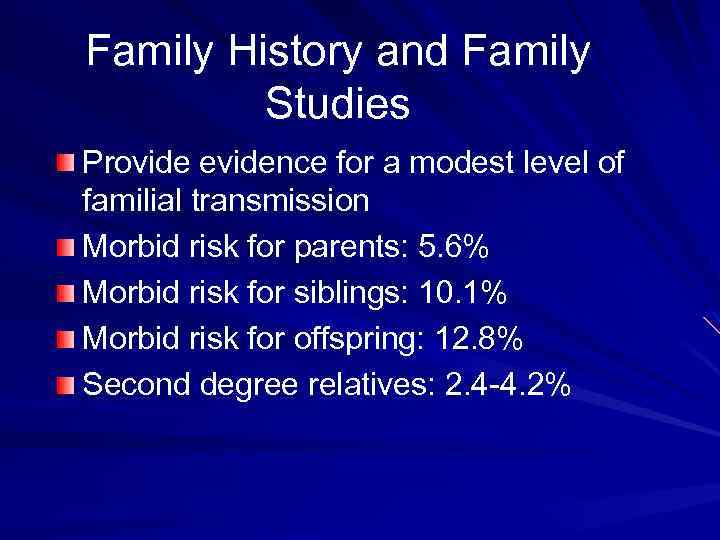
Family History and Family Studies Provide evidence for a modest level of familial transmission Morbid risk for parents: 5. 6% Morbid risk for siblings: 10. 1% Morbid risk for offspring: 12. 8% Second degree relatives: 2. 4 -4. 2%
Possible Reasons for Lack of Measurable Abnormalities Problems in defining the phenotype No single pathophysiology Due to reversible neurochemical processes Not accessible using traditional neuropathology tools In areas where neuropathologists have not yet looked Due to abnormalities in connectivity
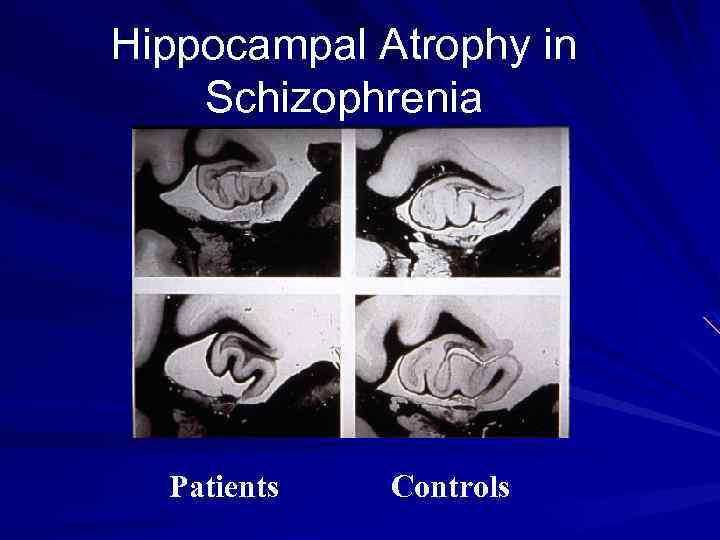
Hippocampal Atrophy in Schizophrenia Patients Controls
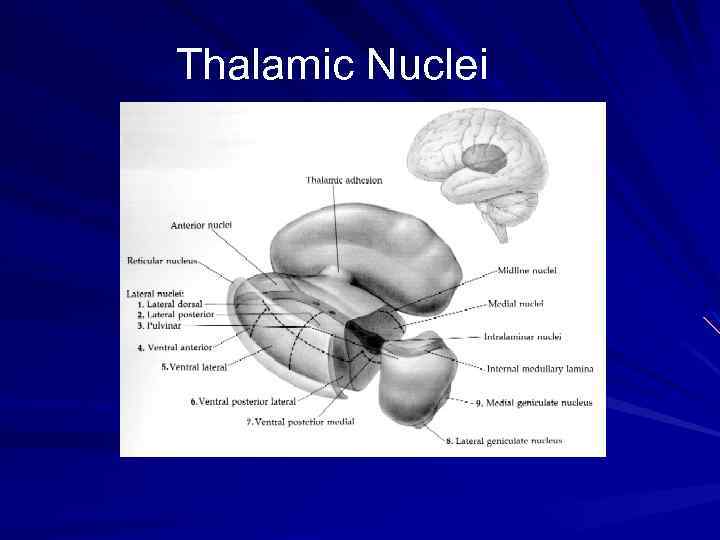
Thalamic Nuclei
A Neurodevelopmental Disorder: Supporting Evidence from Neuropathology Absence of gliosis Abnormal cytoarchitecture Visible markers of neurodevelopmental abnormalities such as cavum septi pellucidi
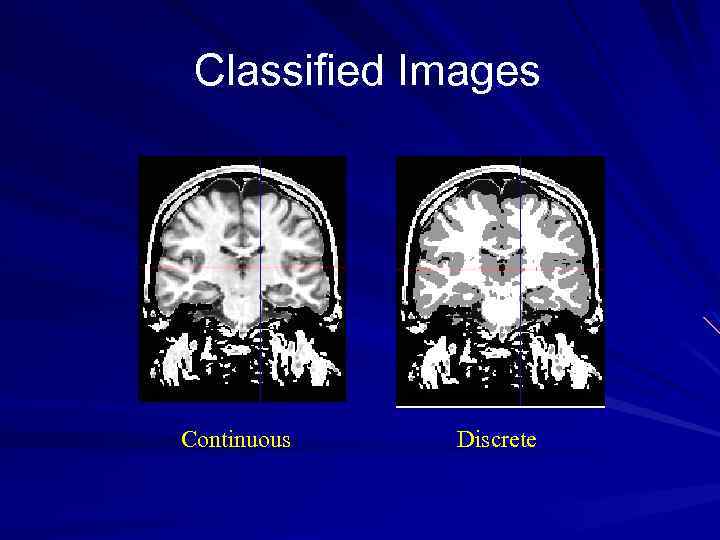
Classified Images Continuous Discrete
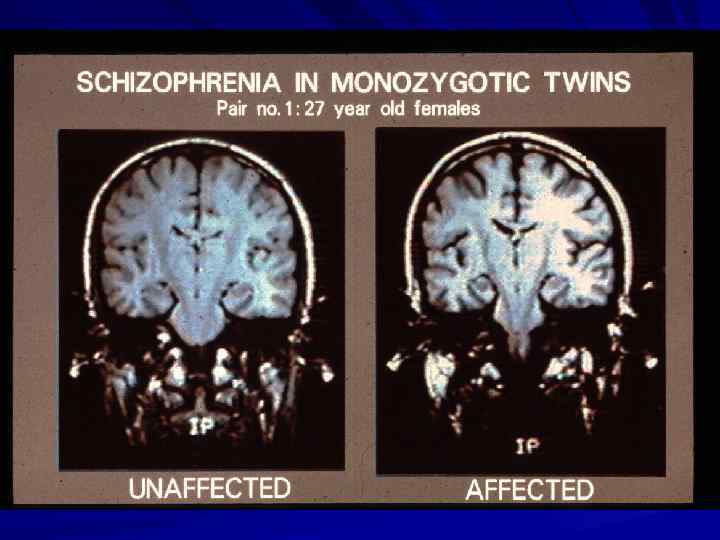
MR Studies: Brain Abnormalities Decreased temporal lobe size Decreased frontal lobe size Decreased hippocampal size Decreased thalamic size Gyral decreases (superior temporal gyrus, ventral frontal gyri) General and regional decreases in gray matter volume
A Neurodevelopmental Brain Disease Most brain abnormalities are present at onset: e. g. , decrease in total brain tissue Occasional evidence of defects in neuronal migration: gray matter heterotopias Midline abnormalities: cavum septi pellucidi, dysgenesis of the corpus callosum, ventricular enlargement
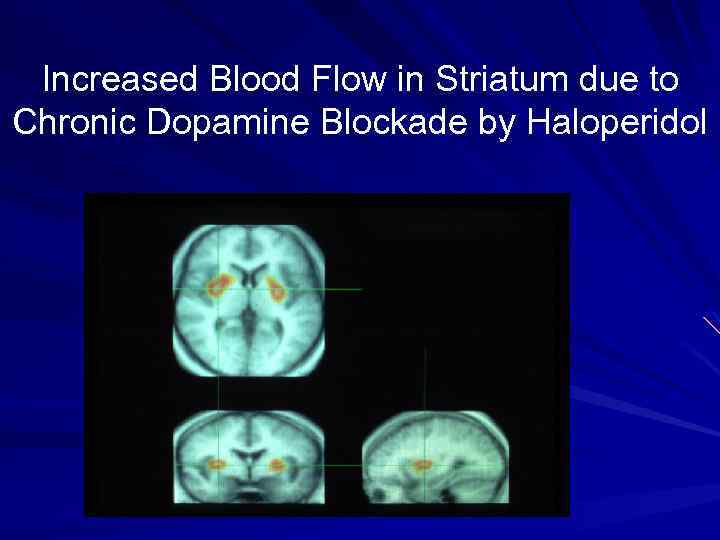
Increased Blood Flow in Striatum due to Chronic Dopamine Blockade by Haloperidol
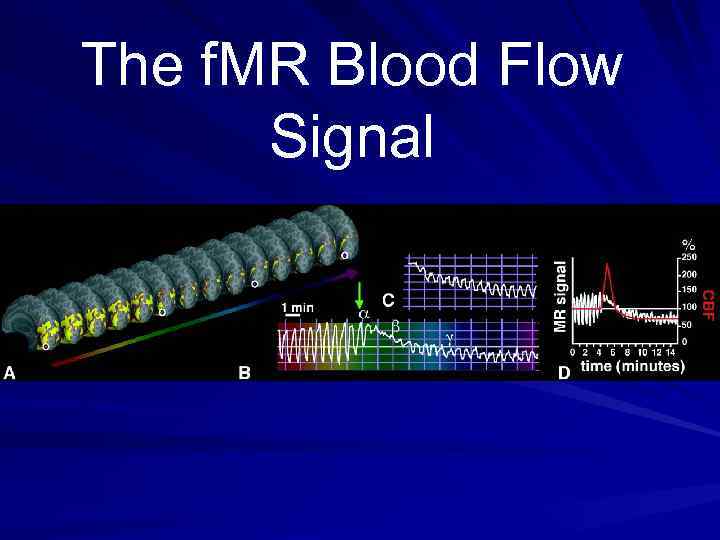
Functional Imaging Tools Single Photon Emission Computed Tomography (SPECT) Positron Emission Tomography (PET) Functional Magnetic Resonance (f. MR)
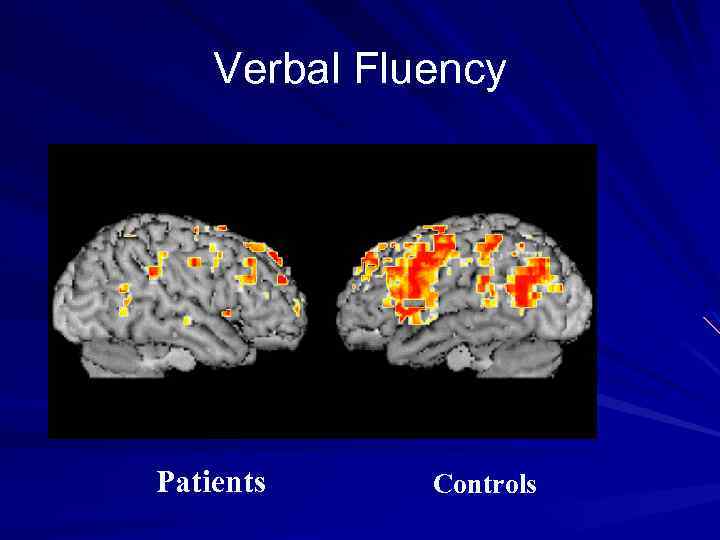
Conclusions from PET Studies Schizophrenia is not a disease of a single brain region Areas of abnormality vary depending on the task and the nature of current symptoms Schizophrenia affects distributed circuitry throughout the brain
The f. MR Blood Flow Signal
Verbal Fluency Patients Controls
The N-Back Task for f. MR Experimental Task (2 -Back): Remember the Probe and Monitor for It Comparison Task: Look for the S A 2 -Back Task L B C S Target D E x Probe G x Target K A
2 -Back Task in Normals Bilateral dorsolateral frontal Bilateral parietal Anterior cingulate
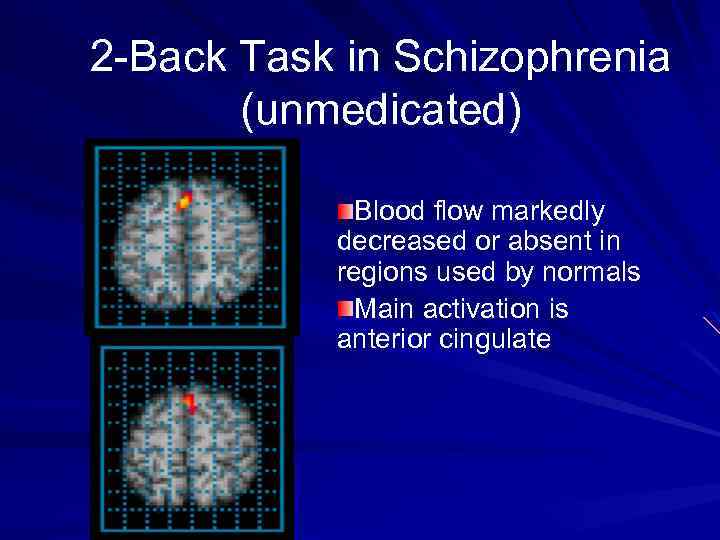
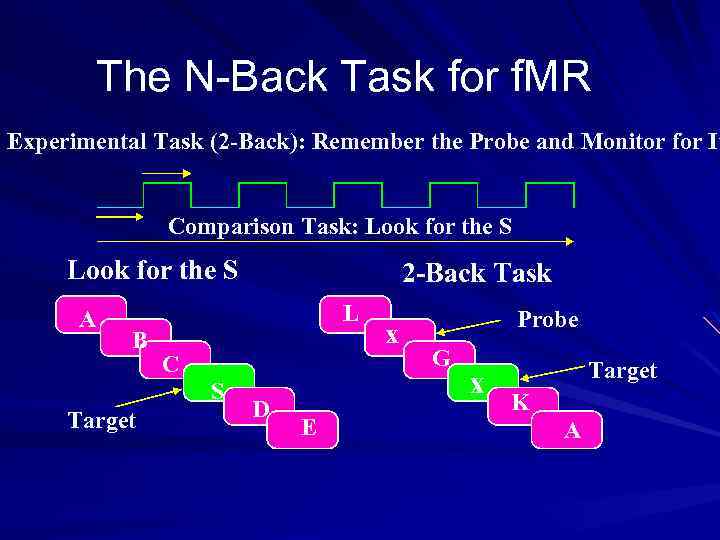
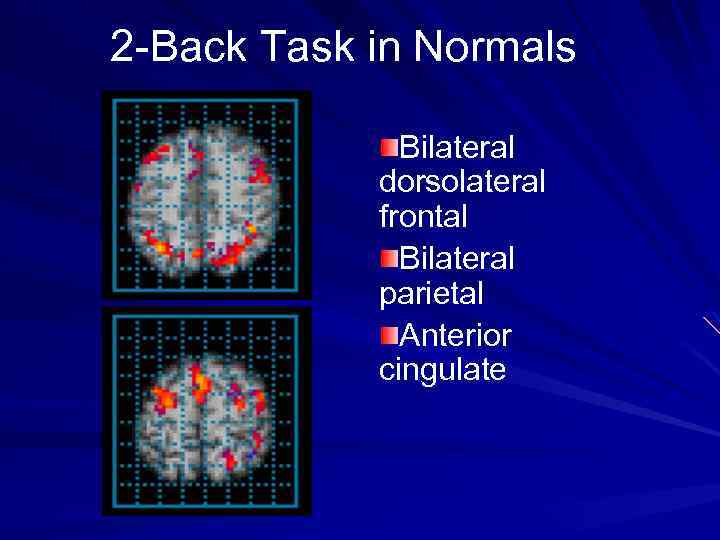
2 -Back Task in Schizophrenia (unmedicated) Blood flow markedly decreased or absent in regions used by normals Main activation is anterior cingulate
Sensory Gating A problem in filtering or gating information Leads to the subject experience of being bombarded by stimuli Explains most symptoms—e. g. , confusion of internal and external stimuli would cause delusions and hallucinations Supported by neurophysiological studies of prepulse inhibition
Cognitive Dysmetria A defect in coordinating mental activity Due to disturbed functional connectivity between the cortex and subcortical regions (thalamus and cerebellum) Leads to functional and cognitive misconnections Explains diversity of symptoms (e. g. , misconnecting a perception and its meaning might lead to delusions and hallucinations) Supported by functional imaging studies
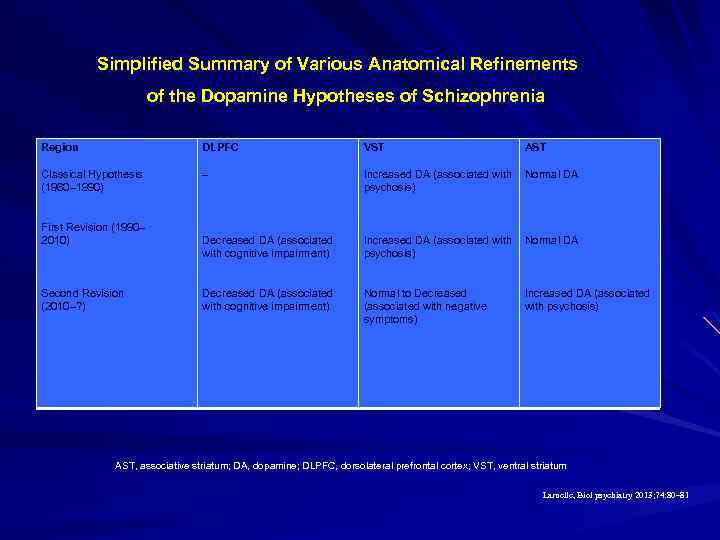
Simplified Summary of Various Anatomical Refinements of the Dopamine Hypotheses of Schizophrenia Region DLPFC VST AST Classical Hypothesis (1960– 1990) – Increased DA (associated with psychosis) Normal DA Decreased DA (associated with cognitive impairment) Normal to Decreased (associated with negative symptoms) Increased DA (associated with psychosis) First Revision (1990– 2010) Second Revision (2010–? ) AST, associative striatum; DA, dopamine; DLPFC, dorsolateral prefrontal cortex; VST, ventral striatum Laruelle, Biol psychiatry 2013; 74: 80– 81
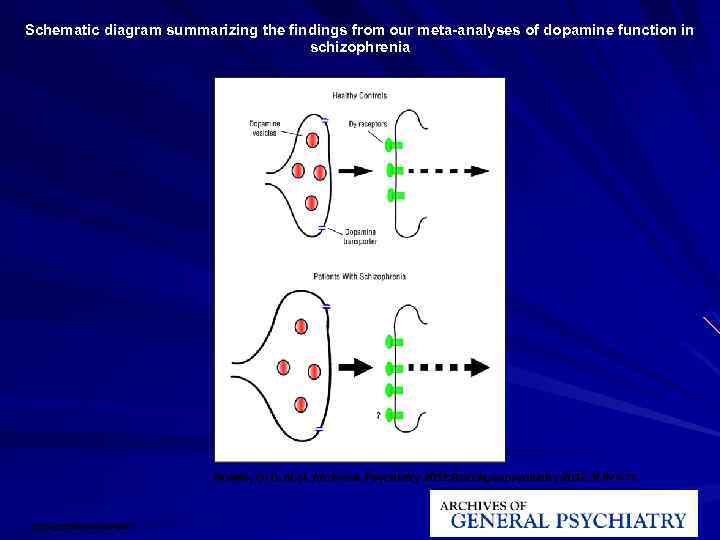
Schematic diagram summarizing the findings from our meta-analyses of dopamine function in schizophrenia Howes, O. D. et al. Arch Gen Psychiatry 2012; 0: archgenpsychiatry. 2012. 169 v 1 -11. Copyright restrictions may apply.
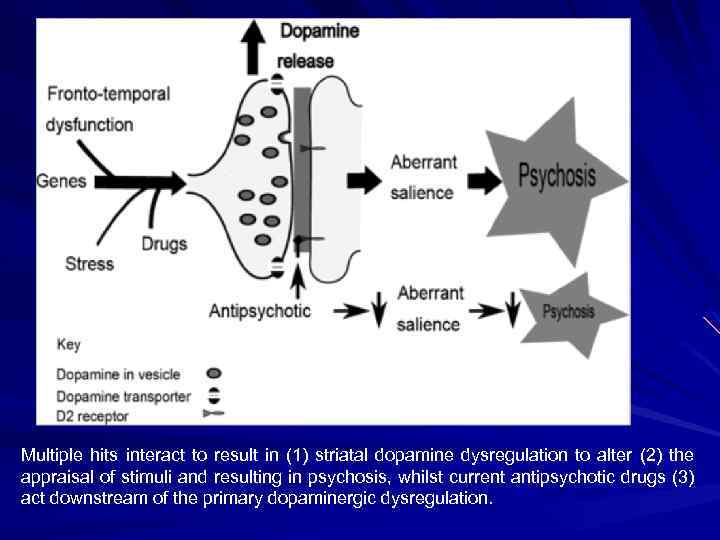
Multiple hits interact to result in (1) striatal dopamine dysregulation to alter (2) the appraisal of stimuli and resulting in psychosis, whilst current antipsychotic drugs (3) act downstream of the primary dopaminergic dysregulation.
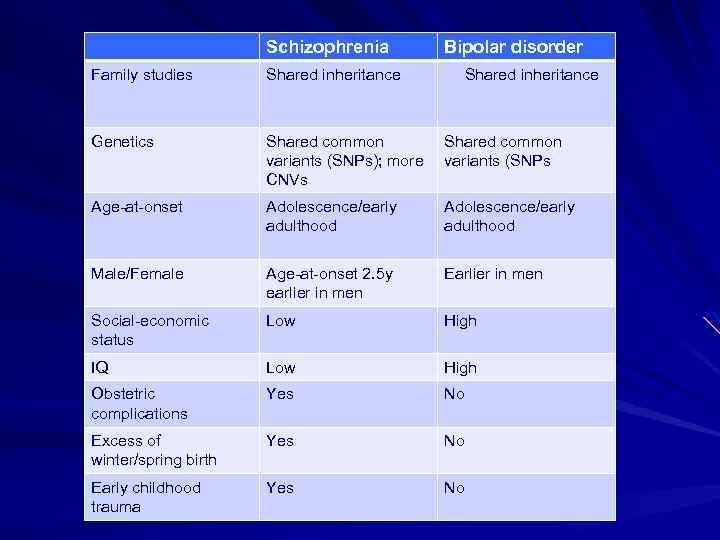
Schizophrenia Bipolar disorder Family studies Shared inheritance Genetics Shared common variants (SNPs); more CNVs Shared common variants (SNPs Age-at-onset Adolescence/early adulthood Male/Female Age-at-onset 2. 5 y earlier in men Earlier in men Social-economic status Low High IQ Low High Obstetric complications Yes No Excess of winter/spring birth Yes No Early childhood trauma Yes No
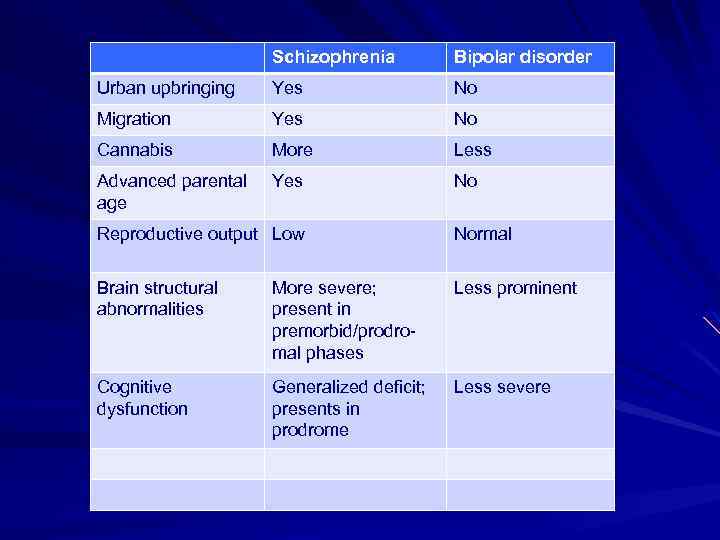
Schizophrenia Bipolar disorder Urban upbringing Yes No Migration Yes No Cannabis More Less Advanced parental age Yes No Reproductive output Low Normal Brain structural abnormalities More severe; present in premorbid/prodromal phases Less prominent Cognitive dysfunction Generalized deficit; presents in prodrome Less severe
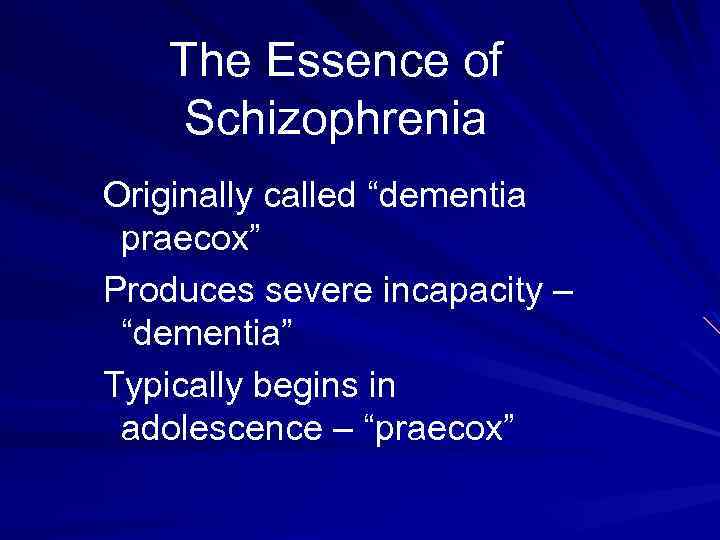
The Essence of Schizophrenia Originally called “dementia praecox” Produces severe incapacity – “dementia” Typically begins in adolescence – “praecox”
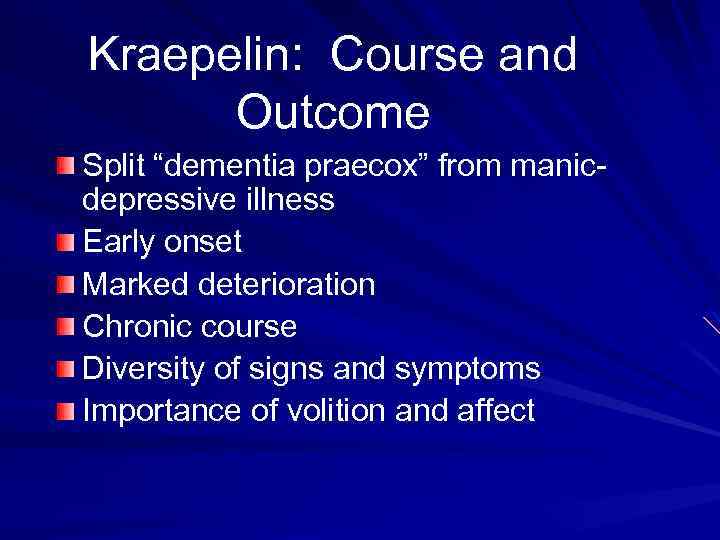
Kraepelin: Course and Outcome Split “dementia praecox” from manicdepressive illness Early onset Marked deterioration Chronic course Diversity of signs and symptoms Importance of volition and affect
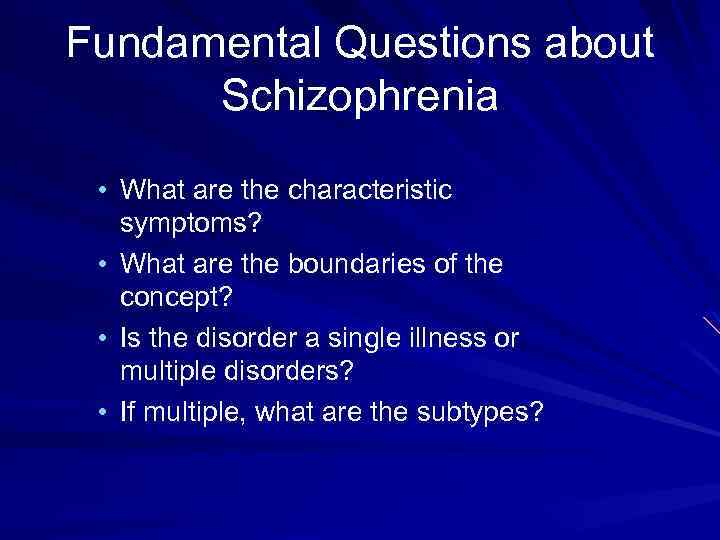
Fundamental Questions about Schizophrenia • What are the characteristic symptoms? • What are the boundaries of the concept? • Is the disorder a single illness or multiple disorders? • If multiple, what are the subtypes?
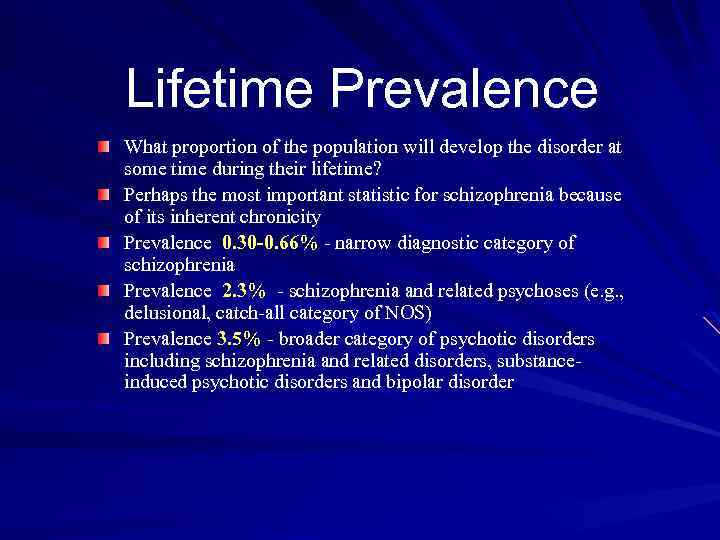
Lifetime Prevalence What proportion of the population will develop the disorder at some time during their lifetime? Perhaps the most important statistic for schizophrenia because of its inherent chronicity Prevalence 0. 30 -0. 66% - narrow diagnostic category of schizophrenia Prevalence 2. 3% - schizophrenia and related psychoses (e. g. , delusional, catch-all category of NOS) Prevalence 3. 5% - broader category of psychotic disorders including schizophrenia and related disorders, substanceinduced psychotic disorders and bipolar disorder
 Скачать презентацию Schizophrenia Brain disorder of aberrant synaptic plasticity
Schizophrenia_presentation.ppt