



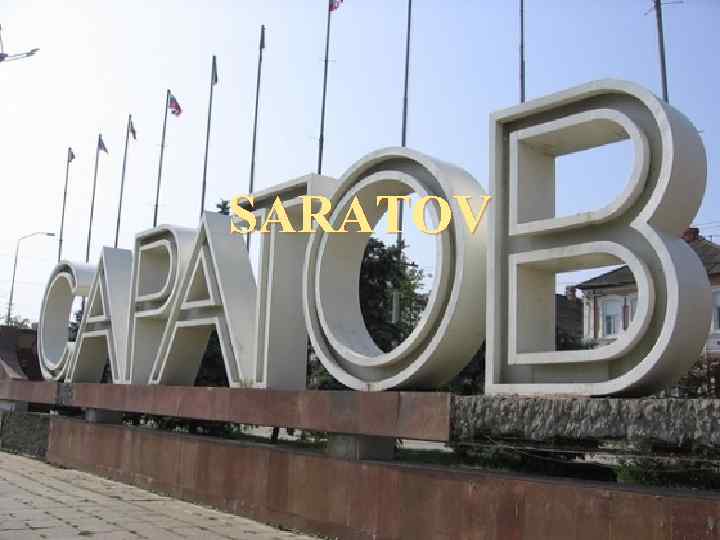
 SARATOV
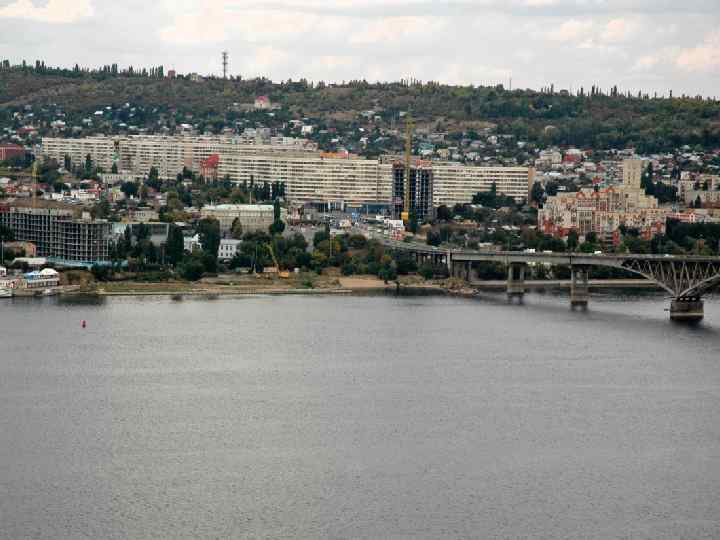
 Saratov n n n n Saratov is an ancient city on the Volga. It was founded in 1590 as small fortress in the outskirts of the Russian state. Its name is believed to be derived from two Turkic roots – “sary”, meaning “yellow” and “tau” – a mountain. The name is most likely to refer to the Sokolovaya (Falcon) mountain in the northeastern part of the city. In former times, it used to blaze with outpost fires. Saratov is associated with the names of peasants’ war leaders – Stephan Razing and Hegelian Pugachyov. Initially, the bastille town was erected on the right bank of the Volga, slightly upstream of its present position. Later on, it was transferred to the left bank. Saratov as a town on the left bank was first mentioned in 1617. Soon after its seizure by Razin’s troops, Saratov “ gets back” to the right bank. In 1780, the city becomes a vice regency center, in 1797 – the center of the Saratov Province. Rapid growth of industry begins is the second half of the 19 century. The city becomes a major center of grain trade and flour milling ( about 48 thousand tons of flour were produced in early x 1 x century annually). The “Russian Archive” magazine wrote in 1892 : “Saratov lies on the bank of the magnificent Volga – the queenly river…Saratov boasts of arable farming, trade, shipping, fishing, salt works…” A year earlier, S. Krasnodubrovskij declared in his book “ A Tale of Saratov’s Old Years”: “There are only three cities in Russia that are faster than Saratov in their industrial development – Petersburg, Odessa and Kharkov, the fourth position is due to Saratov”.
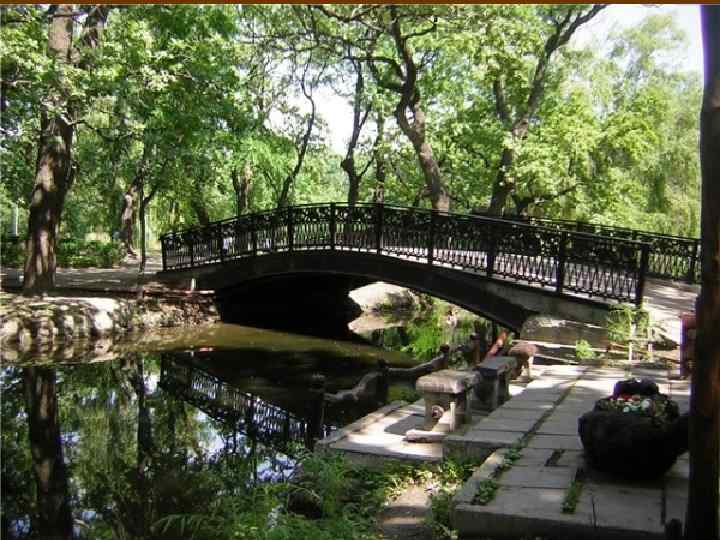
 The City Park n n n It is one of the favorite places of the townspeople in Saratov. Previously on this site were Vakurovskaya and Parusinovskaya groves, named for their owners. There was also a summerhouse of the Saratov governor A. D. Panchulidzev, where lavish celebrations with fireworks were arranged on holidays. The park has survived some oak trees, planted in the x 1 x century by the French prisoners. Due to the unique oak grove, the park recognized as a natural monument of regional importance. The unrepeatable shape gives the park the unique wooden sculpture of the Saratov artists G. M. Perepechay.
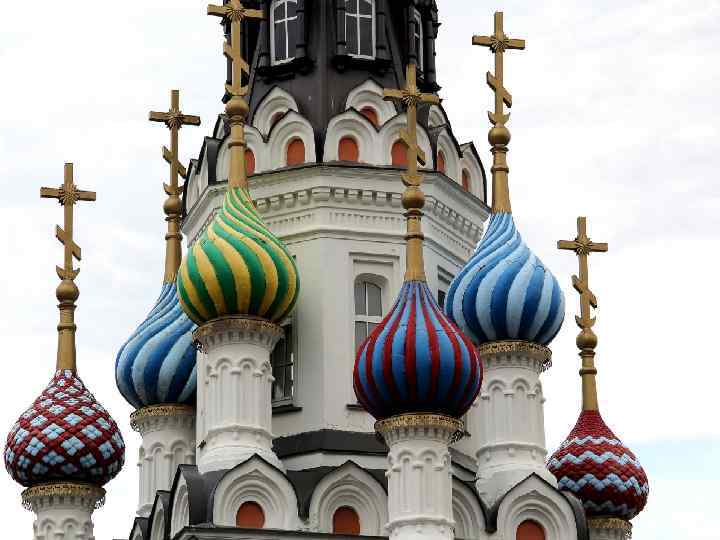
 «Soothe My Sorrows» n The temple in honor of the Mother of God «Soothe My Sorrows» - monastery of Bishops. Architect P. M. Zybin. 1906 The temple was founded as a church-chapel at the bishop’s house. The stone church tent is arbitrary, miniature Intercession Cathedral (St. Basil’s Cathedral) in Moscow. In 1991, after the return of the Saratov diocese of the church the new limit in the name of St. Sergius of Radonezh has been consecrated. According to archive documents colored stained glass has been restored, the façade has been decorated with mosaic icon. Saratov State Art Museum in honor of A. N. Radishcev. Architect I. Shtrom. 1885 Russia’s first public provincial art museum was opened in Saratov in June 1885. In its’ collection were put works of art donated to the museum by Emperor Alexander III and Ap. Bogolubov. Now Saratov State Art Museum in honor of A. N. Radishcev is the largest collection of paintings, sculpture, graphics, icons, decorative art of the Russian level.
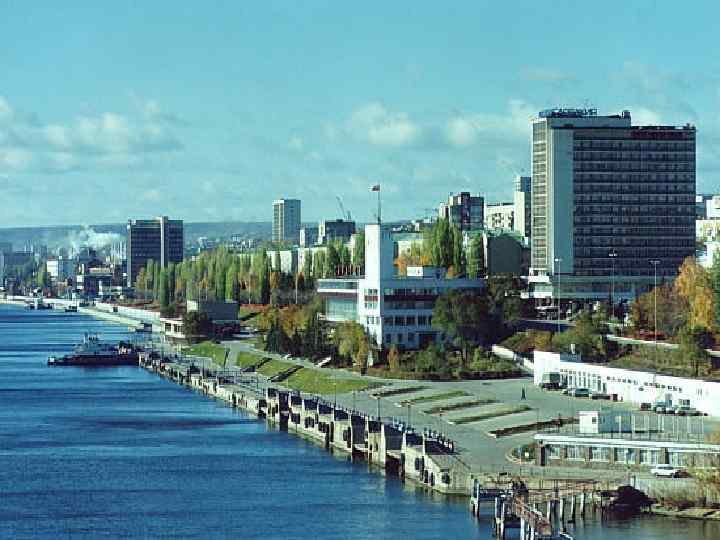
 The Cosmonauts Embankment n The Cosmonauts Embankment. Architectures E. M. Petrushko, V. S. Delinikaytis. 1960’s The Saratov embankment is one of the most beautiful embankments of the Volga cities. In the late 1950’s – early 1960’s were equipped with five terraces, four lanes. The length of the embankments is 1, 5 km. here were planted over 20 species of trees and shrubs. Later the building of the River station was constructed and berths for tourist, recreational and passenger vessels were equipped.
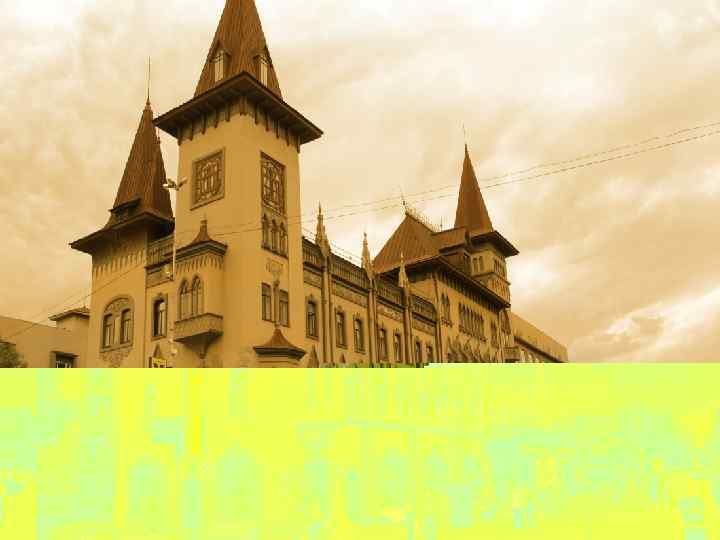
 Saratov State Conservatory n n Saratov State Conservatory named after L. V. Sobinov Architects A. J. Callistratov. 1912 In 1912 the Music School was transformed into Alekseevsky Saratov Consenservatory. It was first in the province and the third in Russia higher musical educational establishment. The first director was S. K. Exner. Currently in the Saratov State Conservatory works departments of history and music theory, composition, special and general piano, strings, folk, brass and percussion instruments, a solo academic singing operatic training, conducting choir, folk song and folklore, accompanist and chamber music training, humanities, foreign languages. In 1983 theater department for the preparation of theater and movies actors was created/ In the Great Hall of the Conservatory, which is the largest concert hall of the city, was built the only body in Saratov.
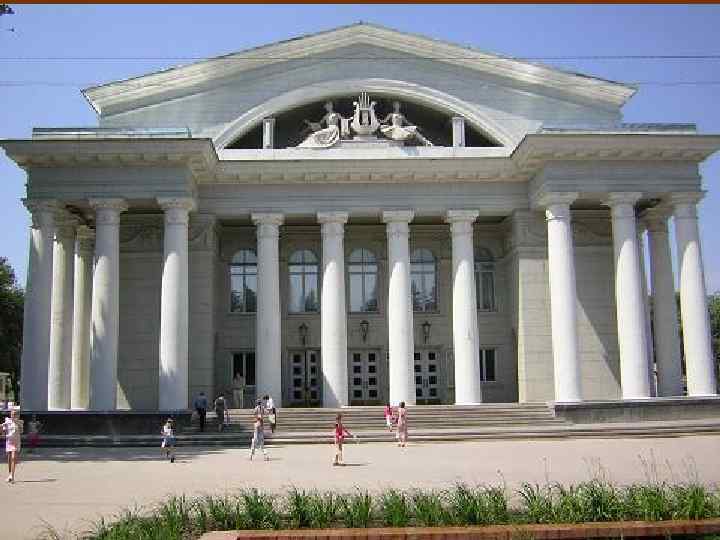
 Saratov Academic Opera and Ballet House n n n Saratov Academic Opera and Ballet House Architect T. G. Botjanovski. 1962 The first theater in Saratov appeared more than two hundred years ago. In 1803, the court counselor, G. V. Gladkov opened a public charge theater. In 1810 it replaced by theatre, developed by the Saratov governor A. D. Panchulidzev. Later in the former Grain Square, known as the Theatre Square, a wooden building stone building of theatre, designed by architect R. W. Tiden was built. It was used as dramatic and operatic performances. In 1962, the Building was reconstructed by the project of the architect T. G. Botyanovsky. Currently, Saratov Academic Opera and Ballet House is firmly ranked among the best musical theaters in the country. Each year, more than 20 years, there is a well-known throughout Russia Sobinovsky musical festival.
 Thanks for attention!