 Скачать презентацию Sale and Distribution Chapter 14 — The Sales
14 Sale and Distribution.pptx
- Количество слайдов: 40



Sale and Distribution Chapter 14 - The Sales Process
Sale Chapter 14 - The Sales Process
The Steps of a Sale n Preapproach n Approaching the customer n Determining needs n Presenting the product Chapter 14 - The Sales Process
The Steps of a Sale n Handling questions and objections n Closing the sale n Suggestions selling n Reassuring and following up Chapter 14 - The Sales Process
The Preapproach-Getting ready to sell. n Finding new customers by prospecting n Retail sales not a prevalent because the customers come into the store. n Important for the salesperson to open new accounts to generate sales volume. Chapter 14 - The Sales Process
Sources and Methods of Prospecting Employer leads n Telephone Directories n Trade and Professional Directories n Newspapers n Commercial Lists n Customer Referrals n Cold Canvassing n Chapter 14 - The Sales Process
Preparing for the Sale Industrial Sales n Analyze past sales records. n View notes about the personal aspects of the customer. n Qualify new customers. n Inquire with other salespeople who are with non-competing lines. Chapter 14 - The Sales Process
Preparing for the Sale Industrial Sales n Ask questions in a pre-visit phone call. n Make an appointment to see the prospect in order to have time to explain the features of your product. Chapter 14 - The Sales Process
Preparing for the Sale Retail Sales n The customer comes to you, so most of the preparation is in the retail store. n Stockkeeping and housekeeping duties are important. n Learn about the merchandise and the prices of the merchandise. Chapter 14 - The Sales Process
Approaching the Customer n First impressions count; if a customer is turned off by the approach it will be difficult to win him or her over. n Be alert to what interests the customer. n Establish rapport. Chapter 14 - The Sales Process
Approaching the Customer n Be aware of the customer’s buying style. n Follow good guidelines for establishing a positive relationship with customers. Chapter 14 - The Sales Process
The Approach in Industrial Sales n Setup an appointment during the preapproach, and arrive early to the appointment. n Introduce yourself, smile, and shake hands. Chapter 14 - The Sales Process
The Approach in Industrial Sales n Engage in small talk to build a relationship with the customer. n Comment on important things to keep the customer interested. Chapter 14 - The Sales Process
The Approach in Retail Sales Service Approach Method n “May I help you” n Appropriate when the customer is obviously in a hurry or you are simply an order taker. n Ineffective in most situations; you lose control of the sales situation. Chapter 14 - The Sales Process
The Approach in Retail Sales Greeting Approach Method n “Good afternoon, Mr. Wright” or an appropriate personal comment. n This approach begins conversation and establishes a positive rapport. n Do not focus on the merchandise. Chapter 14 - The Sales Process
The Approach in Retail Sales Merchandise Approach Method n The salesperson makes a comment or asks questions about a product that the customer is looking at. n Ask questions about the item. n Usually the most effective approach because it immediately focuses attention on the merchandise. Chapter 14 - The Sales Process
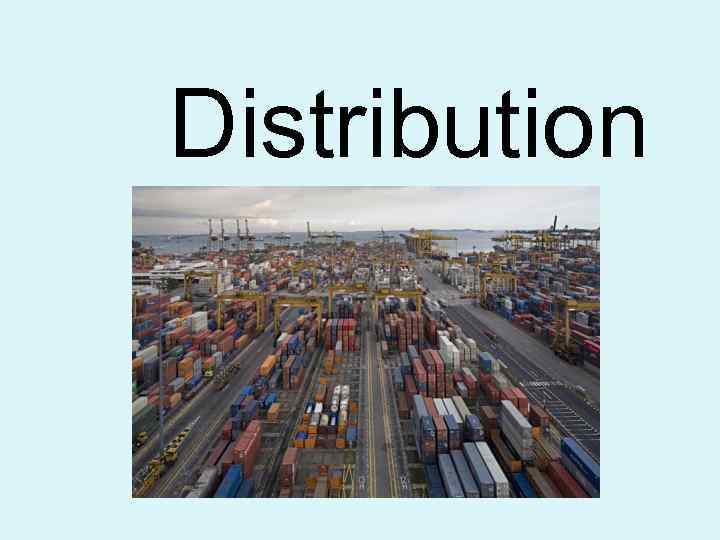
Distribution
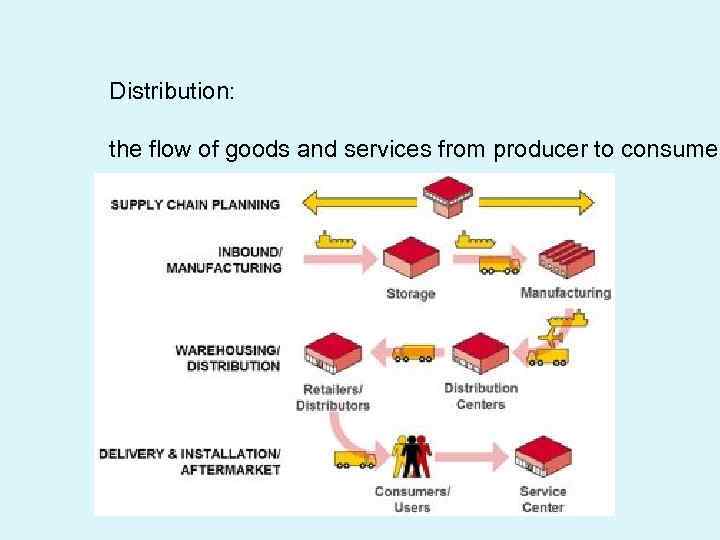
Distribution: the flow of goods and services from producer to consumer
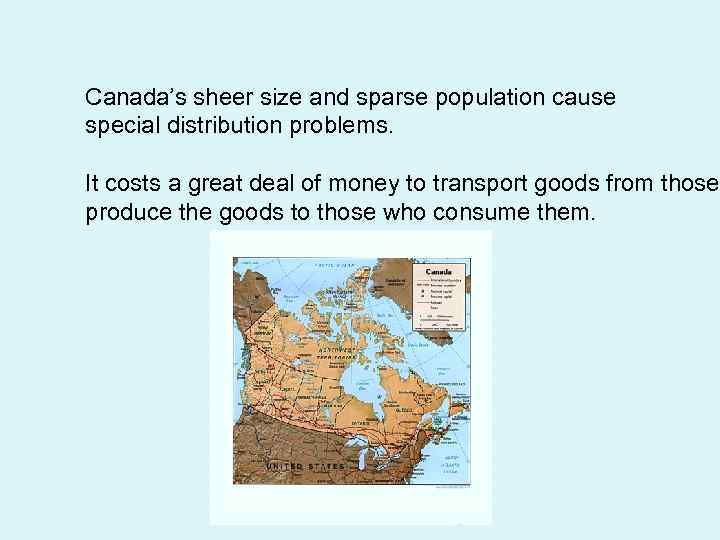
Canada’s sheer size and sparse population cause special distribution problems. It costs a great deal of money to transport goods from those produce the goods to those who consume them.
There are six elements in the distribution process: • • • Producers Processors Manufacturers Wholesalers Retailers Consumers
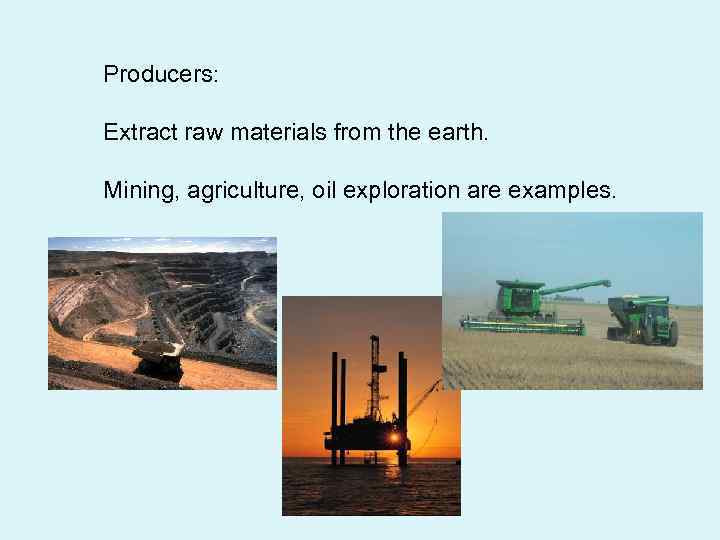
Producers: Extract raw materials from the earth. Mining, agriculture, oil exploration are examples.
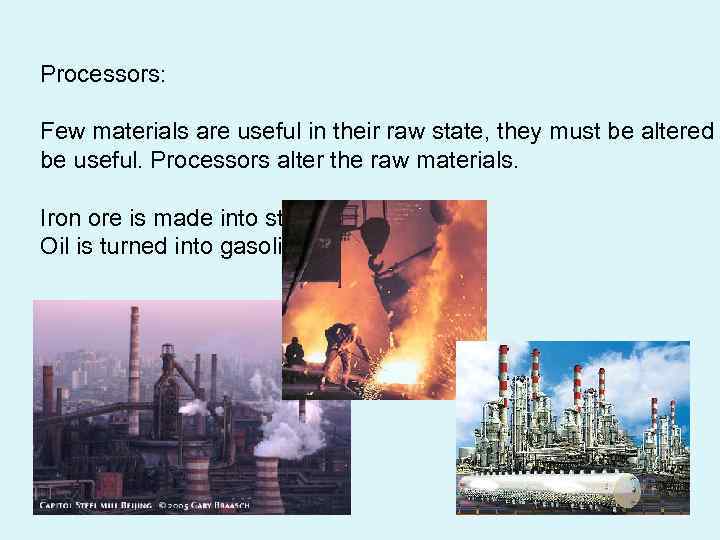
Processors: Few materials are useful in their raw state, they must be altered be useful. Processors alter the raw materials. Iron ore is made into steel Oil is turned into gasoline
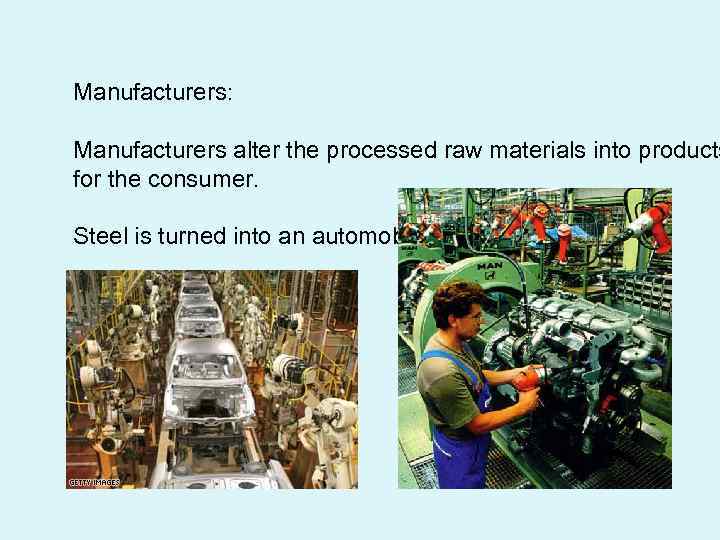
Manufacturers: Manufacturers alter the processed raw materials into products for the consumer. Steel is turned into an automobile.
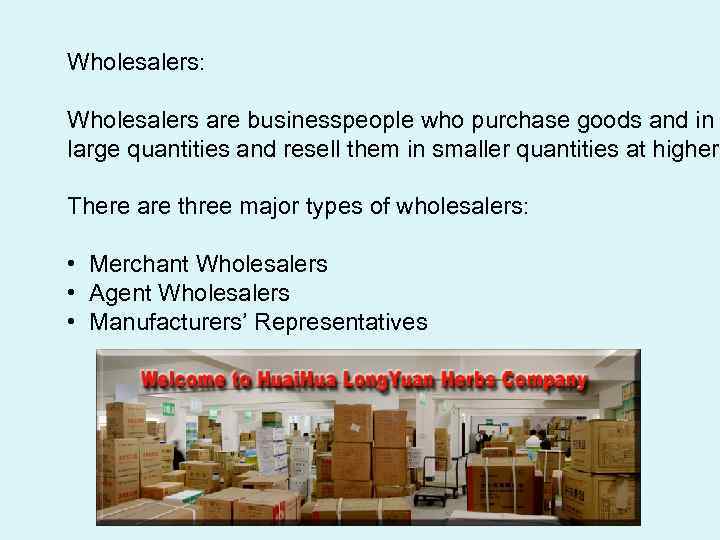
Wholesalers: Wholesalers are businesspeople who purchase goods and in large quantities and resell them in smaller quantities at higher There are three major types of wholesalers: • Merchant Wholesalers • Agent Wholesalers • Manufacturers’ Representatives

Merchant Wholesalers: They take full ownership of the goods purchased from the manufacturers. Once the sale is completed, the wholesaler takes possession the goods, then stores and warehouses them. The merchant wholesaler then finds customers for the goods. Merchant wholesalers earn their profits by marking up the pric goods they purchase beyond the price that they paid.
Agent Wholesalers: Agent wholesalers never take ownership of the goods. They arrange for the sale of the goods between manufacturer those that wish to purchase the manufacturers’ goods. Agent wholesalers are usually paid on commission, a percent of the sale, by the manufacturer. Manufacturers often prefer to deal with agents because of the expertise. Agents know the product, the parts of the country th represent the best sales opportunities and the types of consu who will purchase the item.
Example: A manufacturer in Singapore wishes to sell a new line of ski bo in Canada. The Singapore manufacturer will contact an agent wholesaler Canada who specializes in skiwear. This agent will be familiar with the retail stores and the parts o Canada that represent the best possible market for the item. The agent will visit the stores, bring samples and take orders. The orders will be sent by the agent to the manufacturer and t manufacturer will ship the product directly to the store.
The Singapore manufacturer will invoice the store for the cost boots. The agent will receive the predetermined commission from the Singapore manufacturer once the sale is completed.
Manufacturers’ Representatives: Some manufacturers set up their own wholesale divisions. The division is comprised of manufacturers’ representatives wh specialize in the wholesaling of the manufacturer’s products
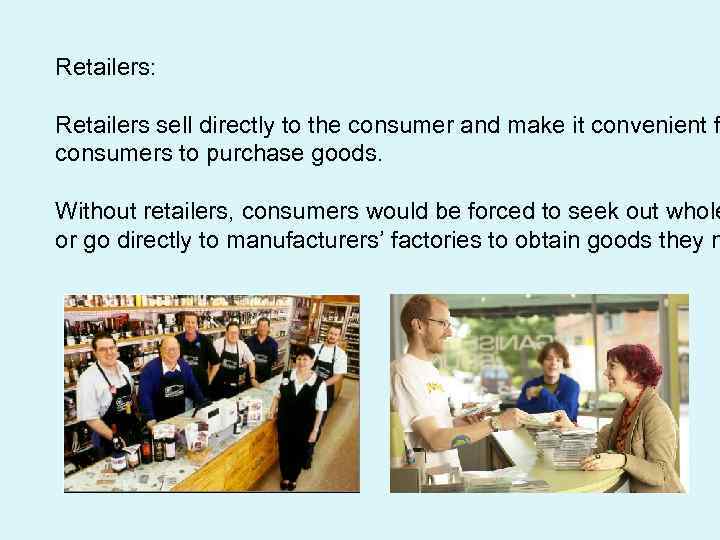
Retailers: Retailers sell directly to the consumer and make it convenient f consumers to purchase goods. Without retailers, consumers would be forced to seek out whole or go directly to manufacturers’ factories to obtain goods they n
Types of Retailers: • • • Specialty Stores Single-line Stores Convenience Stores Department Stores Supermarkets Machine Vendors Roadside Establishments e-tailing Discount Stores
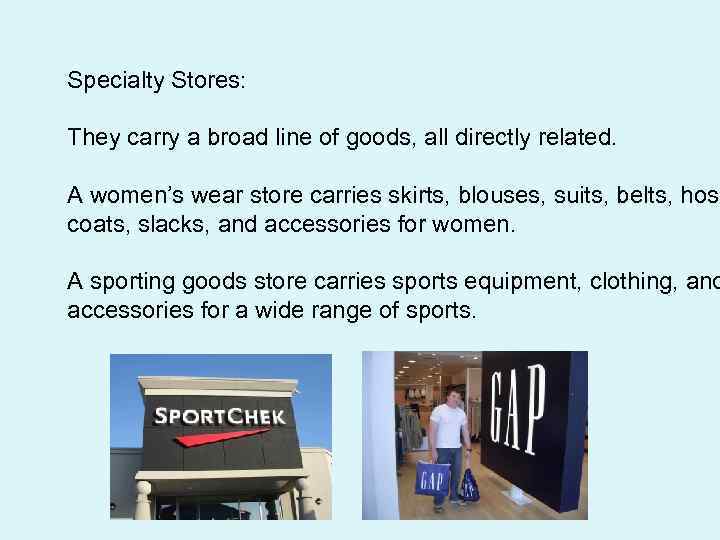
Specialty Stores: They carry a broad line of goods, all directly related. A women’s wear store carries skirts, blouses, suits, belts, hosi coats, slacks, and accessories for women. A sporting goods store carries sports equipment, clothing, and accessories for a wide range of sports.
Single-line Store: Carry a wide variety of one product. Opticians and Second Cup are examples of single-line stores.
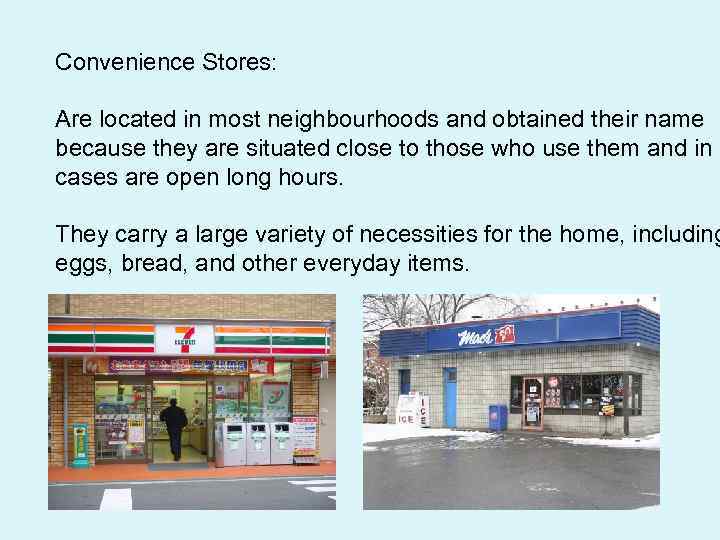
Convenience Stores: Are located in most neighbourhoods and obtained their name because they are situated close to those who use them and in m cases are open long hours. They carry a large variety of necessities for the home, including eggs, bread, and other everyday items.
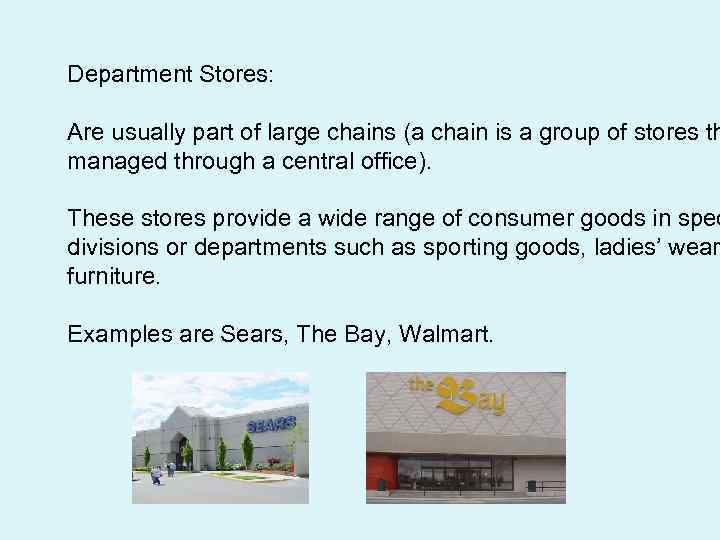
Department Stores: Are usually part of large chains (a chain is a group of stores th managed through a central office). These stores provide a wide range of consumer goods in spec divisions or departments such as sporting goods, ladies’ wear furniture. Examples are Sears, The Bay, Walmart.
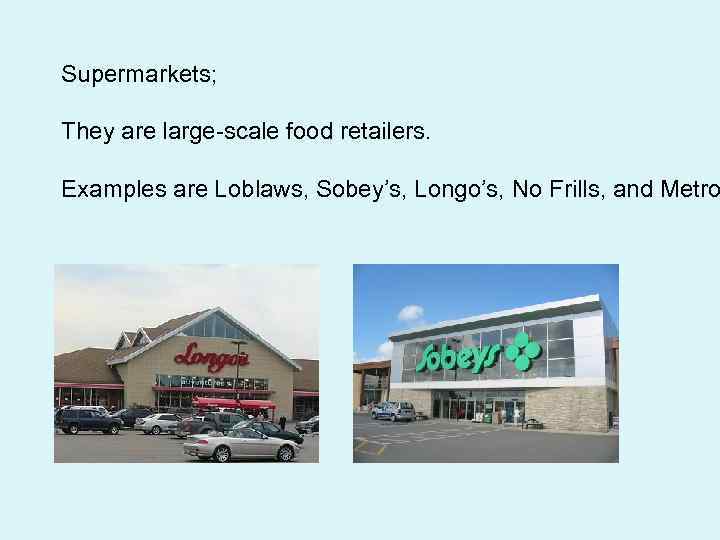
Supermarkets; They are large-scale food retailers. Examples are Loblaws, Sobey’s, Longo’s, No Frills, and Metro
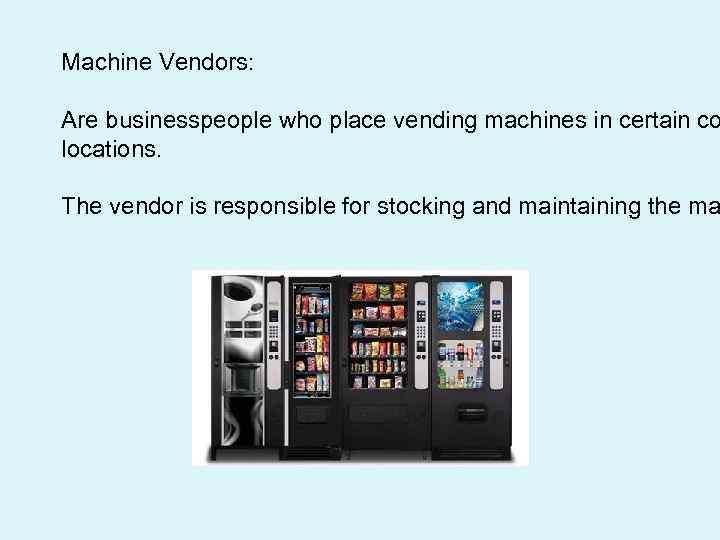
Machine Vendors: Are businesspeople who place vending machines in certain co locations. The vendor is responsible for stocking and maintaining the ma
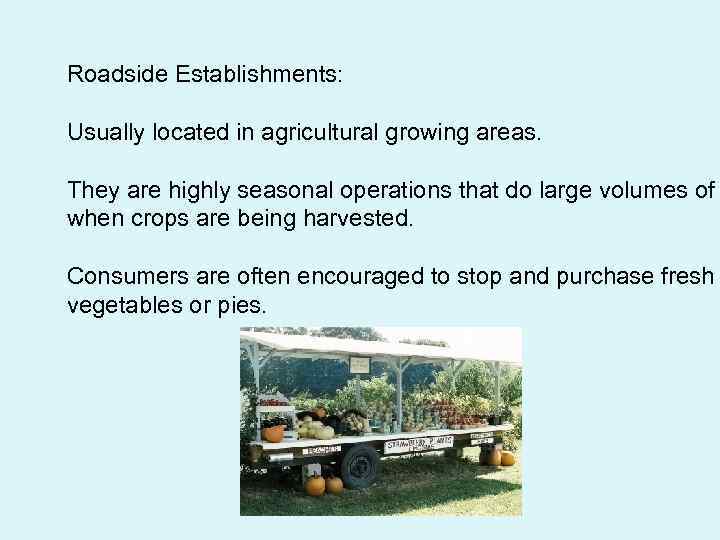
Roadside Establishments: Usually located in agricultural growing areas. They are highly seasonal operations that do large volumes of when crops are being harvested. Consumers are often encouraged to stop and purchase fresh vegetables or pies.
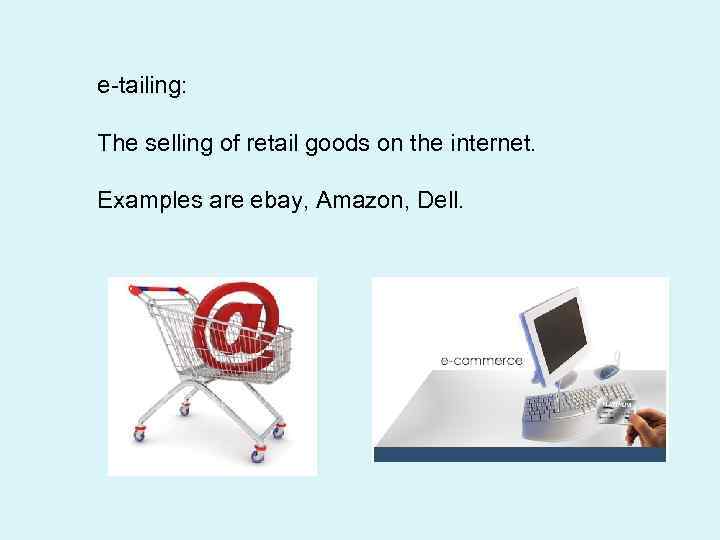
e-tailing: The selling of retail goods on the internet. Examples are ebay, Amazon, Dell.
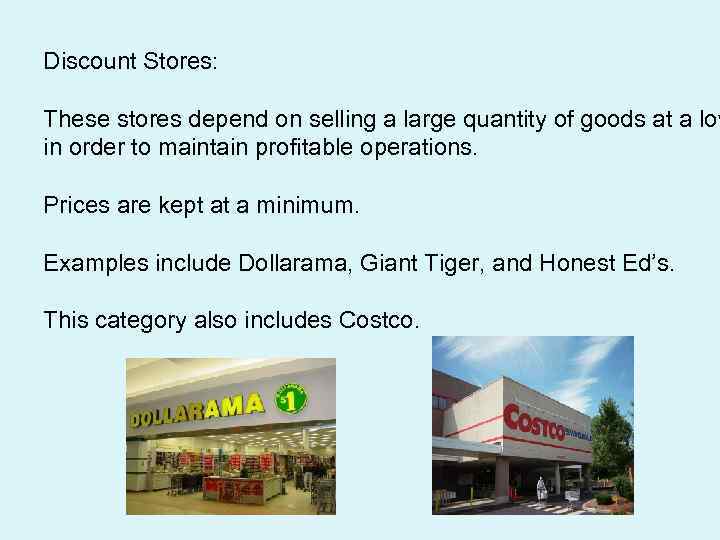
Discount Stores: These stores depend on selling a large quantity of goods at a low in order to maintain profitable operations. Prices are kept at a minimum. Examples include Dollarama, Giant Tiger, and Honest Ed’s. This category also includes Costco.
Скачать презентацию Sale and Distribution Chapter 14 — The Sales
14 Sale and Distribution.pptx