 Скачать презентацию SABEA Conference March 2004 La Ronge SK
b63b64ee5082cdc6d2de27633fdf85c3.ppt
- Количество слайдов: 23



SABEA Conference March 2004 – La Ronge, SK SK Basic Education Action Research Group 2004 Report
Workshop facilitators • Jennifer Bain, SIAST Wascana Campus • Bebe Ivanochko, Northlands College • Jeri Marchinko, Sk. Learning Supported by Donna Woloshyn, Sk Learning
Workshop Panel • Various members of the 4 Action Research Groups.
Overview of First Steps • Dr. Allan Quiqley, a professor at St. Francis Xavier University and Chair of the Dept. of Adult Education agreed to deliver a two-part workshop with adult education staff in Saskatchewan • Part One: SCN Overview October 9, 2003 1 – 4: 30 pm • Part Two: Research in Practice Workshop October 14— 15, 2003
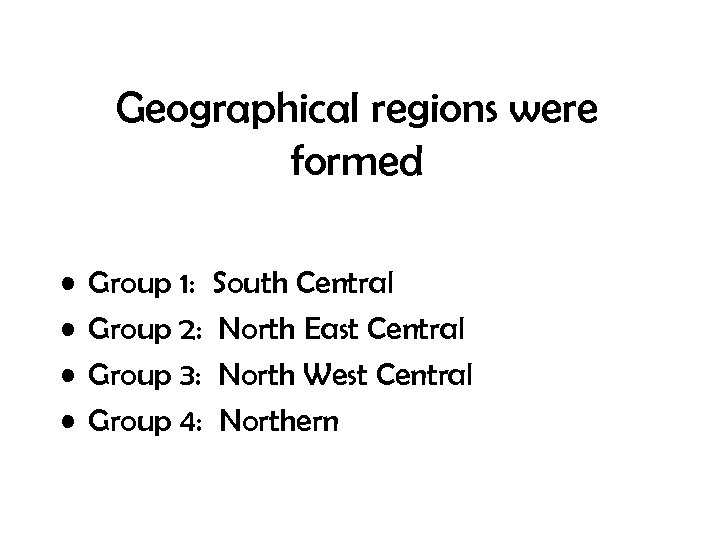
Geographical regions were formed • • Group 1: South Central Group 2: North East Central Group 3: North West Central Group 4: Northern
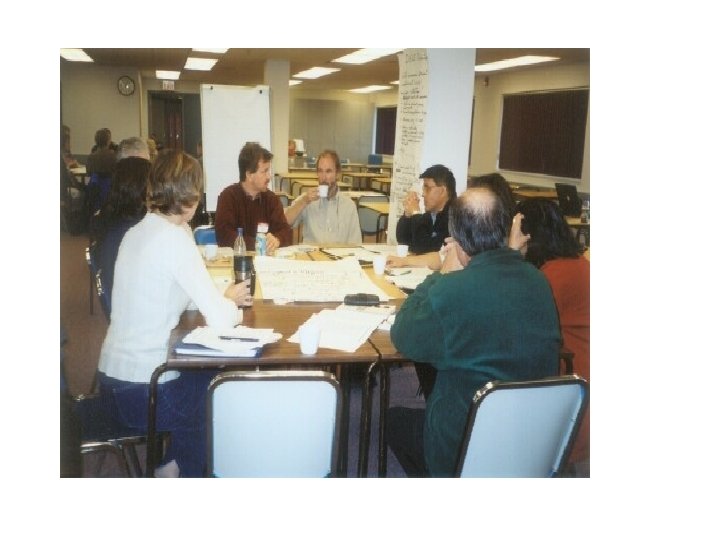
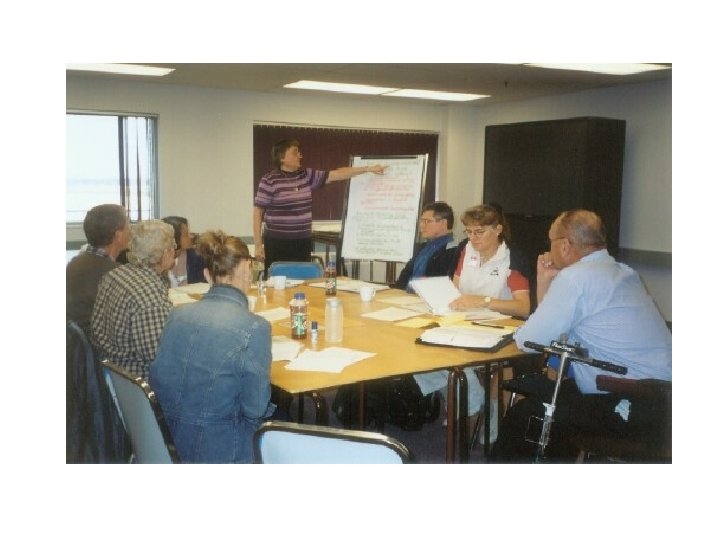
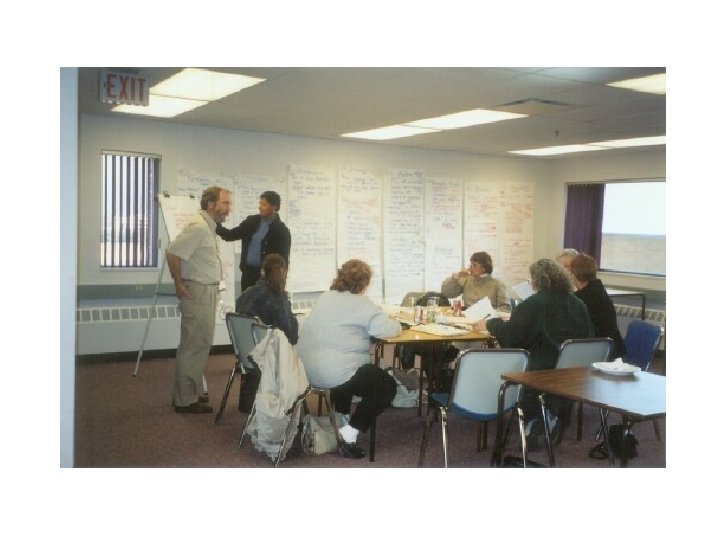
Group 1 - South Central Group Would using the current provincial election in Maple Creek, Swift Current and Moose Jaw lead to individual growth/change. Ed Bath, Cypress Hills Regional College bath 47@sasktel. net Dianne Knippshild, Cypress Hills Regional College diannek@cypresshillscollege. sk. ca Bula Ghosh, Cypress Hills Regional College bulag@cypresshillscollege. sk. ca Renee Hunt , South East Regional College rhunt@southeastcollege. org Anna Fish, South East Regional College afish@southeastcollege. org Paul Stack , SIAST Palliser stack@siast. sk. ca Lynn Mc. Caig, SIAST Palliser mccaig@siast. sk. ca Nestor Sapach, SIAST Palliser sapach@siast. sk. ca
Group 2 - North East-Central Group Will providing solution focused strategies improve student retention? Don Harris, Carlton Trail harrisd@ctrc. sk. ca Lisa Erickson, Saskatchewan Literacy Network lisa. erickson@sasktel. net Jennifer Bain, SIAST Wascana, bainj@siast. sk. ca Allan Ast, SIAST Wascana, asta@siast. sk. ca Maynard Quewezance, Saskatchewan Learning maynard. quewezance@sasked. gov. sk. ca Kami De. Pape, Parkland Regional College k. depape@parklandcollege. sk. ca Bernadette Holland, Parkland Regional College b. holland@parklandcollege. sk. ca Rod Goertzen, SIAST Kelsey goertzen@siast. sk. ca
Group 3 - North West-Central Group How can we identify potential dropout students and make interventions to keep them in their program? Marc Caron – DTI mcaron@dtipa. net Bernie Tenning – tenning@sasktel, net Sharon Chicoose , SIIT chicooses@siit. sk. ca Doreen Dubreuil, Prairie West Regional College dubreuil@pwrc. sk. ca Colleen Robinson, PWRC crobinson@pwrc. sk. ca Sandra Elviss, PWRC abe. kindersley@prwrc. sk. ca Jack Mitchell, SIAST Wascana mitchellja@siast. sk. ca Tavia Inkster, DTI tavia. inkster_dti@sasktel. net Donna Gruening, SIAST Kelsey gruening@siast. sk. ca

Group 4 - Northern Group Would including food preparation and/or food within the class keep students in class? Bebe Ivanochko, Northlands ivanochko. bebe@northlandscollege. sk. ca Anita Stewart, SIAST Woodlands stewarta@siast. sk. ca Lorene Bonnett, Northlands bonnet. lorene@northlandscollege. sk. ca Joyce Henderson, NWRC Denise Nordin, NWRC nwrc@bigriver. sk. ca Fay Harrison, SIAST Woodland harrisonfa@siast. sk. ca Bonnie Tait, Northlands tait. bonnie@northlandscollege. sk. ca Cathy Langdon, Northlands College c. langdon@sasktel. net
La Ronge, Saskatchewan Action Research in Basic Education Planner Allan Quiqley, 2003
Summary of Allan Quiqley’s notes Action Research Overhead Transparencies Used in Regina at SIAST
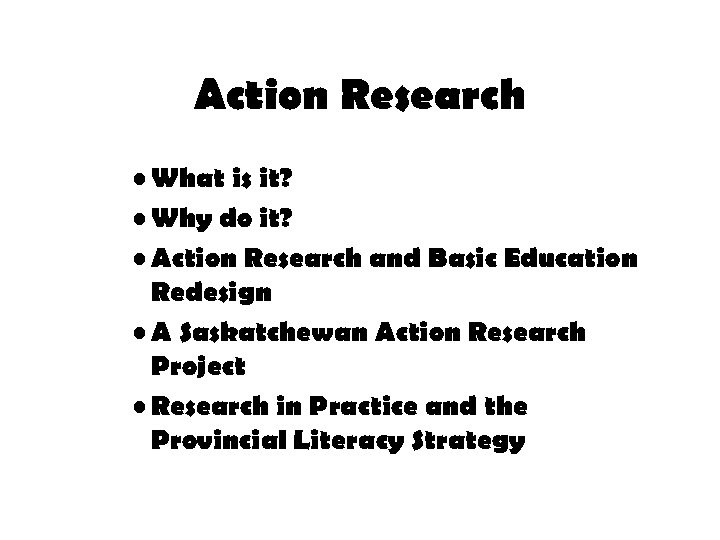
Action Research • What is it? • Why do it? • Action Research and Basic Education Redesign • A Saskatchewan Action Research Project • Research in Practice and the Provincial Literacy Strategy
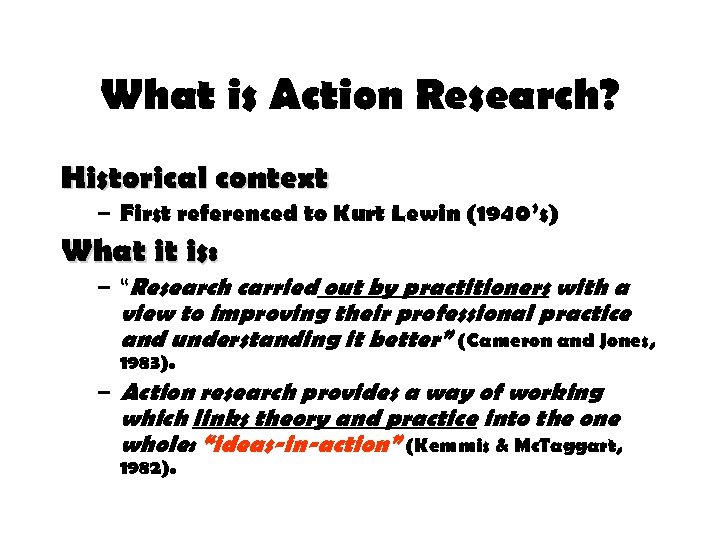
What is Action Research? Historical context – First referenced to Kurt Lewin (1940’s) What it is: – “Research carried out by practitioners with a view to improving their professional practice and understanding it better” (Cameron and Jones, 1983). – Action research provides a way of working which links theory and practice into the one whole: “ideas-in-action” (Kemmis & Mc. Taggart, 1982).
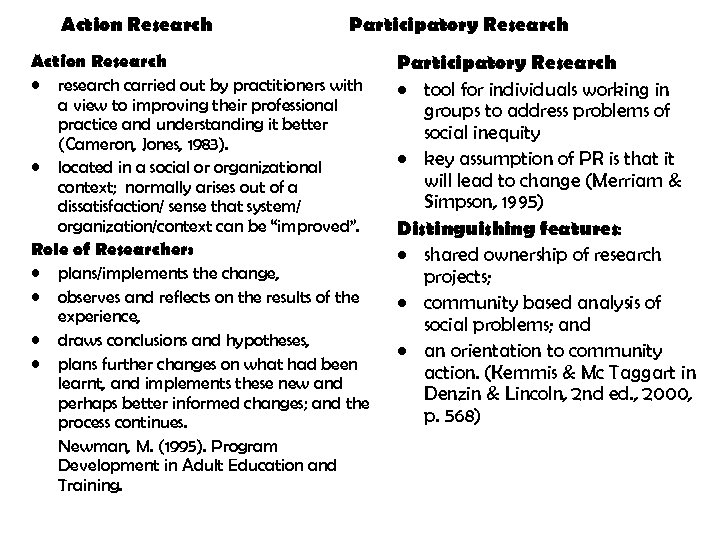
Action Research Participatory Research Action Research • research carried out by practitioners with a view to improving their professional practice and understanding it better (Cameron, Jones, 1983). • located in a social or organizational context; normally arises out of a dissatisfaction/ sense that system/ organization/context can be “improved”. Role of Researcher: • plans/implements the change, • observes and reflects on the results of the experience, • draws conclusions and hypotheses, • plans further changes on what had been learnt, and implements these new and perhaps better informed changes; and the process continues. Newman, M. (1995). Program Development in Adult Education and Training. Participatory Research • tool for individuals working in groups to address problems of social inequity • key assumption of PR is that it will lead to change (Merriam & Simpson, 1995) Distinguishing features: • shared ownership of research projects; • community based analysis of social problems; and • an orientation to community action. (Kemmis & Mc Taggart in Denzin & Lincoln, 2 nd ed. , 2000, p. 568)
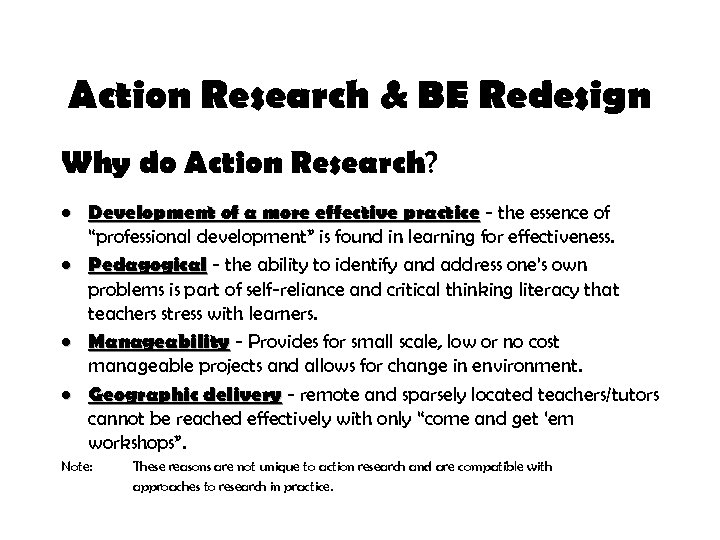
Action Research & BE Redesign Why do Action Research? • Development of a more effective practice - the essence of “professional development” is found in learning for effectiveness. • Pedagogical - the ability to identify and address one’s own problems is part of self-reliance and critical thinking literacy that teachers stress with learners. • Manageability - Provides for small scale, low or no cost manageable projects and allows for change in environment. • Geographic delivery - remote and sparsely located teachers/tutors cannot be reached effectively with only “come and get ‘em workshops”. Note: These reasons are not unique to action research and are compatible with approaches to research in practice.
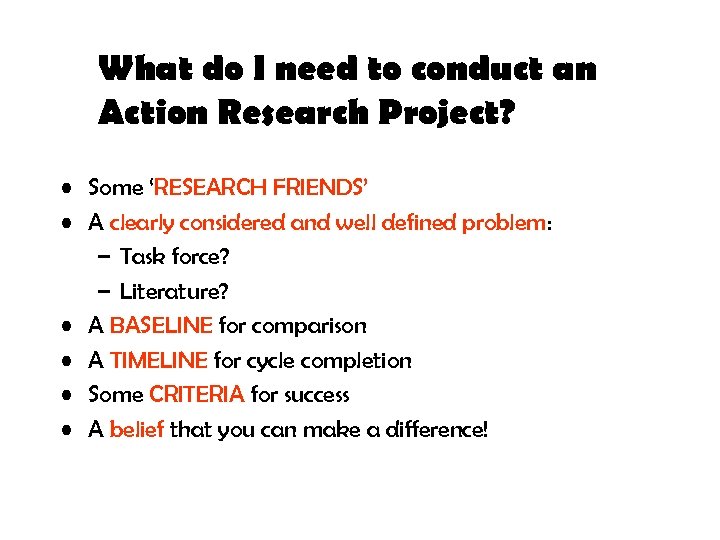
What do I need to conduct an Action Research Project? • Some ‘RESEARCH FRIENDS’ • A clearly considered and well defined problem: – Task force? – Literature? • A BASELINE for comparison • A TIMELINE for cycle completion • Some CRITERIA for success • A belief that you can make a difference!
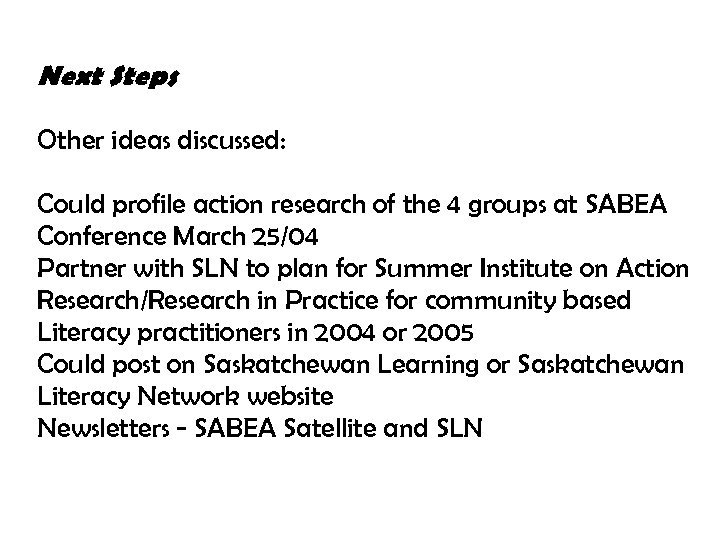
Next Steps Other ideas discussed: Could profile action research of the 4 groups at SABEA Conference March 25/04 Partner with SLN to plan for Summer Institute on Action Research/Research in Practice for community based Literacy practitioners in 2004 or 2005 Could post on Saskatchewan Learning or Saskatchewan Literacy Network website Newsletters - SABEA Satellite and SLN
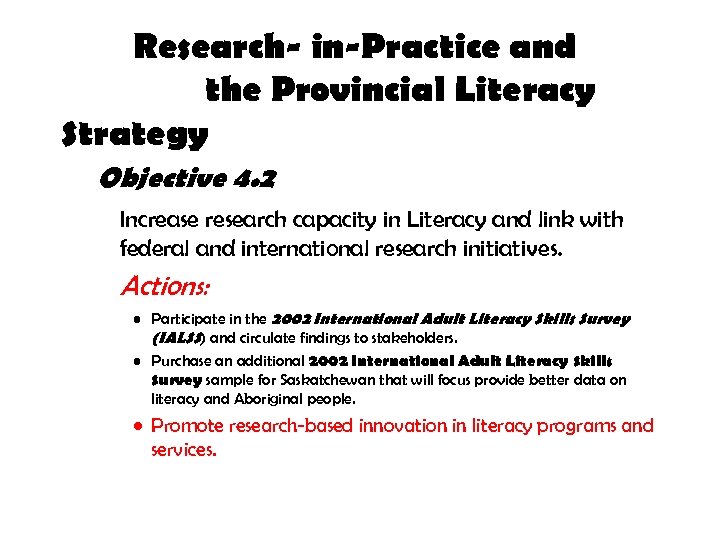
Research- in-Practice and the Provincial Literacy Strategy Objective 4. 2 Increase research capacity in Literacy and link with federal and international research initiatives. Actions: • Participate in the 2002 International Adult Literacy Skills Survey (IALSS) and circulate findings to stakeholders. • Purchase an additional 2002 International Adult Literacy Skills Survey sample for Saskatchewan that will focus provide better data on literacy and Aboriginal people. • Promote research-based innovation in literacy programs and services.
Resources ALBERTA • Publications from the Ri. PAL-Alberta Network (Ri. PAL-AB) - All titles are published in Edmonton by Learning at the Centre Press. – Begg, F. (2002). Adapting Writing to Read for adults. It worked for Bill. Will it work for Carol? – Pheasey, A. (2003). What do adult literacy students think being literate is? – Still, R. (2002). Exploring tutors' and students' beliefs about reading and reading strategies. – Young, P. (2002). "Rapid writing…is my cup of tea". Adult upgrading students' use of writing strategies. • Ri. PAL - Research in Practice in Adult Literacy http: //www. nald. ca/ripal/online. htm BRITISH COLUMBIA • Publications from British Columbia – The Adult Literacy Research and Practice Pre-Conference summary – Battell, Evelyn. (2001). Naming the Magic: Non-Academic Outcomes in Basic Literacy – • Allen, D. , Davies, P. , Mc. Rae, D. , Niks, M. & Nonesuch, K. (2003) Dancing in the Dark. How do Adults with Little Formal Education Learn? How do Practitioners do Collaborative Research? British Columbia's C 2 T 2 ( Centre for Curriculum, Transfer & Technology) http: //www. c 2 t 2. ca/page. asp? item_id=427&path=
More Resources • Cokely, S. (1993). The adult educators guide to practitioner research. Dayton, VA: Virginia Adult Education Research Network. http: //www. aelweb. vcu. edu/resguide 1. html • Enhancing Literacy Research in Canada. (1998). Ottawa: National Literacy Secretariat. http: //www. nald. ca/nls/inpub/enhance/ enhcover. htm • Focus on Basics. National Centre for the Study of Adult Learning and Literacy. (Quarterly publication dedicated to connecting research to practice) http: //gseweb. harvard. edu/~ncsall/fob/index. htm • Horsman, J. & Norton, M. (1999). A framework to encourage and support practitioner involvement in adult literacy research in practice in Canada. Edmonton, AB: The Ri. PAL Network. • Quigley, B. Allan. (1997) Rethinking literacy education: The critical need for practice-based change. San Francisco: Jossey Bass. • Quigley, A. , & Kuhne, G. (1997). Creating practical knowledge. San Francisco: Jossey Bass. • Quigley, A. & Norton, M. (2002). It simply makes us better. Learning from literacy research in practice networks. A resource for literacy research in practice in Canada. Edmonton, AB: The Ri. PAL Network. • Norton, M. & Malicky, G. (2002). Learning about participatory approaches in adult literacy education. Six research in practice studies. Edmonton, AB: Learning at the Centre Press. http: //www. nald. ca/province/alt/ripal/resourcs/learning/cover. htm
Скачать презентацию SABEA Conference March 2004 La Ronge SK
b63b64ee5082cdc6d2de27633fdf85c3.ppt