


 Скачать презентацию ROOTS OF MODERN ARCHITECTURE II The Arts
cbb1a4e224c4e78f9325d74f855f1e62.ppt
- Количество слайдов: 24
 ROOTS OF MODERN ARCHITECTURE II
 The Arts & Crafts Movement: n In England, there were still men of great influence who resisted the use of iron in architecture. n Such men as John Ruskin and William Morris set out to rejuvenate art and architecture by returning to Medieval conditions. . .
 The Arts & Crafts Movement: n French architects like Viollet - Le - duc equated iron roofed structures to sheds. n Products were overly ornamented and those architects had violent reactions to this type of construction.
 The Arts & Crafts Movement: n The solution that Viollet proposed was to recapture the romantic world of Medieval craftsmen
 The Arts & Crafts Movement: n The Arts & Crafts Movement, as it is so called, set out to, and for sixty years, provide a nostalgic postscript to country house architecture.
 The Red House: n Commissioned by Morris, Philip Web built the Red House at Bexley Heath in Kent.
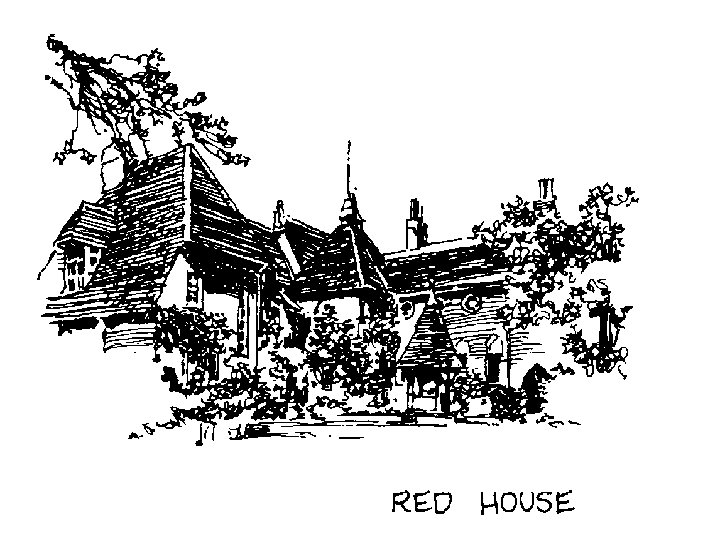
 The Red House: n The house was to represent a protest against industrialism through its: n Informality n Absence of decoration n Simple vernacular
 The Red House: n The emphasis on basic form, sound materials and good craftsmanship had great appeal to architects who in turn contributed to a poetic phase of European architecture.
 The Art Nouveau: n Country house architecture was an attempt to move away from Historicism. n The Art Nouveau (New art) was a refinement of that philosophy
 The Art Nouveau: n Appearing in the latter part of the 19 th century, this movement principally began in the applied arts
 The Art Nouveau: n The movement’s main focus comprised of ornamentation inspired by nature. n This attitude was a departure and a liberation from historic imitation.
 The Art Nouveau: n The favorite ornamental motif were the sensuous curves found in: n Natural formas of plants n The sea n Flowing hair
 The Art Nouveau: n The new expression was found everywhere: n Lamps n Furniture n Posters and drawings n Fabrics n Type faces & trinkets
 The Link with Architecture: n This process of stylization placed emphasis on clarity and purity of line. n This brought about its link with architecture
 Belgium: n Architects Henry Van der Velde and Victor Horta became the principal proponents of the Art Nouveau. n Horta experimented with flexible free curving forms. He applied this technique to his architecture.
 Spain & Gaudi: n Around the same time, Antonio Gaudi in Barcelona Spain explored similar ideas in what he called a “biological style”. n In his Sagrada Familia, Gaudi created free flowing plastic shapes that appeared to have been molded out of clay from almost pure sculpture.

 Spain & Gaudi: n Gaudi’s work has frequently been referred to as “Fantastic Architecture”
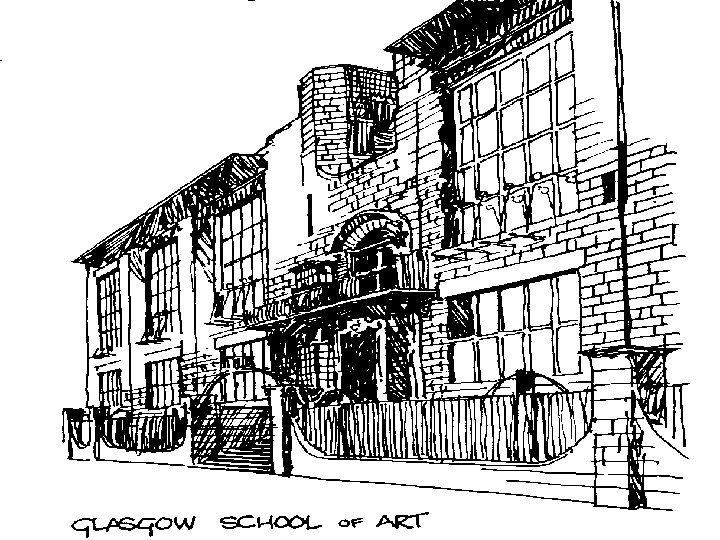
 Other Architects: n Louis Sullivan in America created not only new architecture, but used ductile metal. n Rennie Makintosh in Scotland was not influenced by the flexible ornamental line. His “School of Art” in Glasgow is an example of a strongly personal and historically developed structure. .
 Last thoughts on the Art Nouveau: n These New expressions of design were the outward manifestation of the great dissatisfaction that existed among designers. n Historical dressing for a time was a strong way of representing architecture.
 Last thoughts on the Art Nouveau: n The Industrial Revolution stimulated the need for a new way to apply architecture. n It was necessary to purge society from historical reference with regard to architecture and give architecture a new relevance to contemporary technology.
 Last thoughts on the Art Nouveau: n The Art Nouveau was a PROTEST and not the foundation from which 20 th century architecture was formed. n It left as quickly as it came…….