


 Скачать презентацию ROMANTICISM Romantic movement came to existence as
lecture_7_Romantic_Prose.ppt
- Количество слайдов: 56
 ROMANTICISM
 Romantic movement came to existence as a reaction against the age of Reason (Enlightenment)
 Contrasts with Neoclassicism (the Age of Reason) n Shift in focus from rationalism to the imagination n Shift toward a more expressive orientation toward the literary art n Freedom of expression n Freedom of the individual
 The major factors that influences the birth of Romantic Movement n French Revolution n Industrialization n Urbanization
 Major characteristics of the Romantic Movement n n n n regular language focus on emotions and feelings freedom from rules solitary life rather than life in society the beliefs that imagination is superior to reason devotion to beauty love of and worship of nature subjectivity and an emphasis on individualism
 Celebration of Nature n Nature as a healing power n Nature as a refuge from civilization n Nature viewed as “organic, ” (alive) rather than “mechanical” or “rationalist” n Nature viewed as a source of refreshment and meditation n BUT
 NATURE n Is to be feared, admired (man are not one with nature) and respected n It is wild, untamed, can’t be controlled n It inspires HORROR, TERROR & OWE
 Emotion, Lyric Poetry, and the Self n Greater emphasis on the importance of intuition, instincts, and feelings n Wordsworth’s definition of good poetry as “the spontaneous overflow of powerful feelings” was a turning point in literary history. n Ultimate source of poetry found in the individual artist and his/her traditions (present and past)
 Individualism n Summed up in opening statement of Rousseau’s Confessions : n “I am not made like anyone I have seen; I dare believe that I am not made like anyone in existence. If I am not superior, at least I am different. ”
 The Romantic Period officially begins in 1798, with the publication of Lyrical Ballads by Wordsworth and Coleridge
 Byronic hero n Absolutely irresistable n Never compromises n Indifferent to opinion n Independent

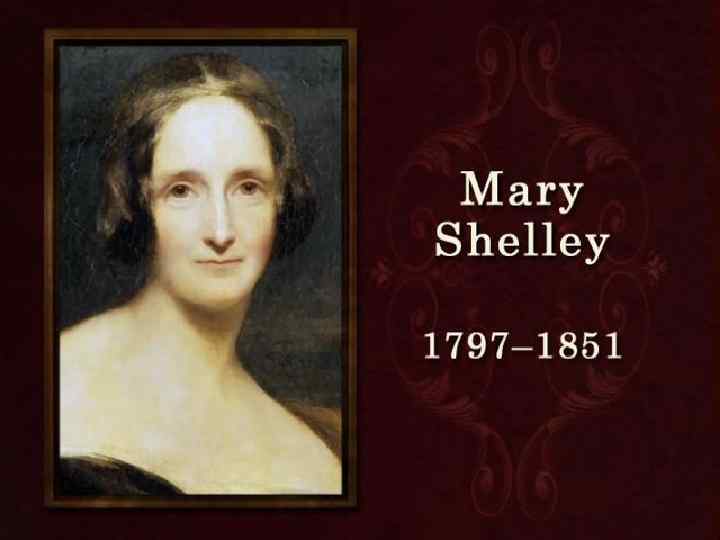
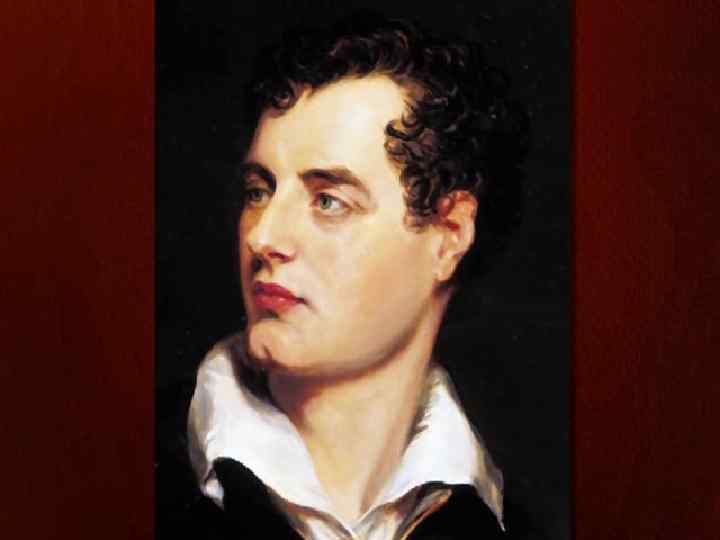
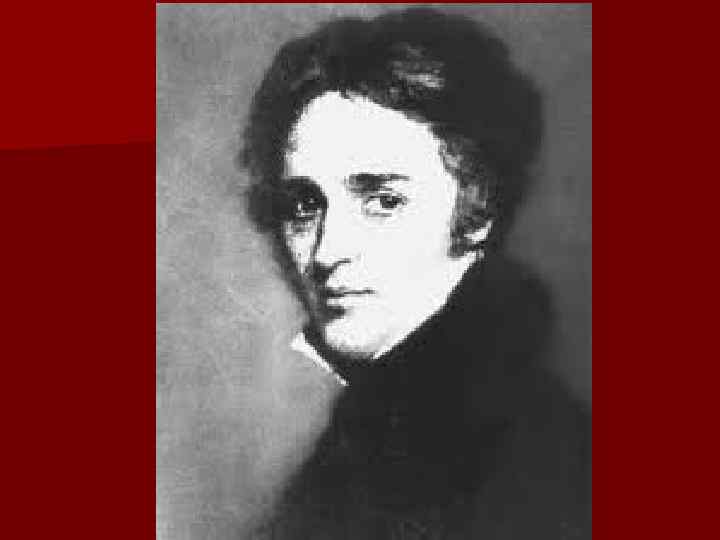
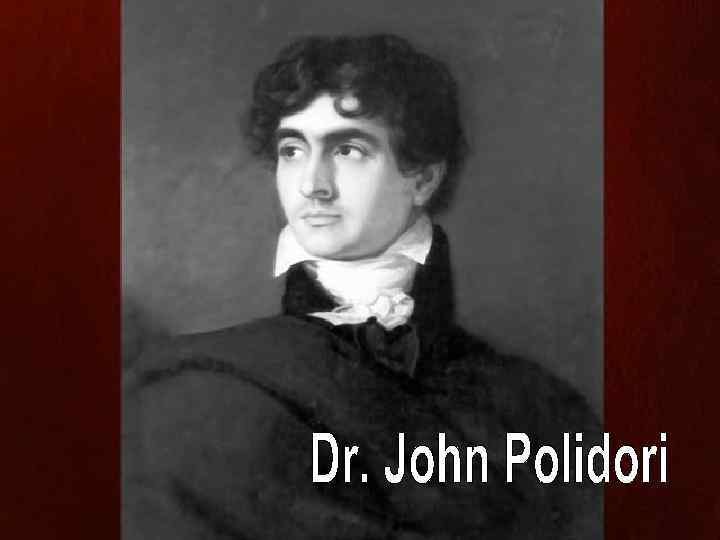
 n Mary Shelley - Frankenstein; or, The Modern Prometheus, published two years later, in 1818. n Dr. Polidori - The Vampyre, which was published in 1819.
 Ann Radcliffe n She never appeared in public, nor mingled in private society, but kept herself apart, like the sweet bird that sings its solitary notes, shrouded and unseen. The 1823 Edinburgh Review
 Ann Radcliffe n was born in 1764 n basically a hermit n super famous as a writer while she was living n the Mother of the Gothic n Great Enchantress
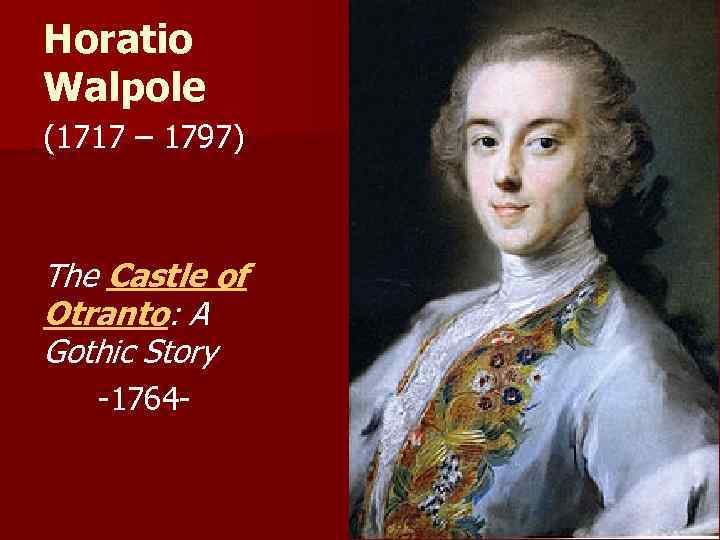 Horatio Walpole (1717 – 1797) The Castle of Otranto: A Gothic Story -1764 -
 she definitely shaped Gothic literature and made it a socially acceptable genre n The Castles of Athlin and Dunbayne - 1789 n A Sicilian Romance n The Romance of the Forest in 1791 n The Mysteries of Udolpho 1794 n The Italian in 1797 n Gaston de Blondeville 1826
 n Emily St. Aubert, Valancourt n Father dies n Aunt, married to Montoni n He delighted in the energies of the passions; the difficulties and tempests of life, which wreck the happiness of others, roused and strengthened all the powers of his mind, and afforded him the highest enjoyments, of which his nature was capable.
 What Is Gothic Literature? n young, virginal, oppressed heroine - virtuous, inquisitive, but has the unfortunate tendency to faint a lot and need rescuing n a villain – must be sinister n dashing hero willing to save the heroine and have no expectations
 What Is Gothic Literature? n mystery, suspense and terror n omens, curses, gloom and doom n thrilling, dangerous situations n passion and high emotions n supernatural events
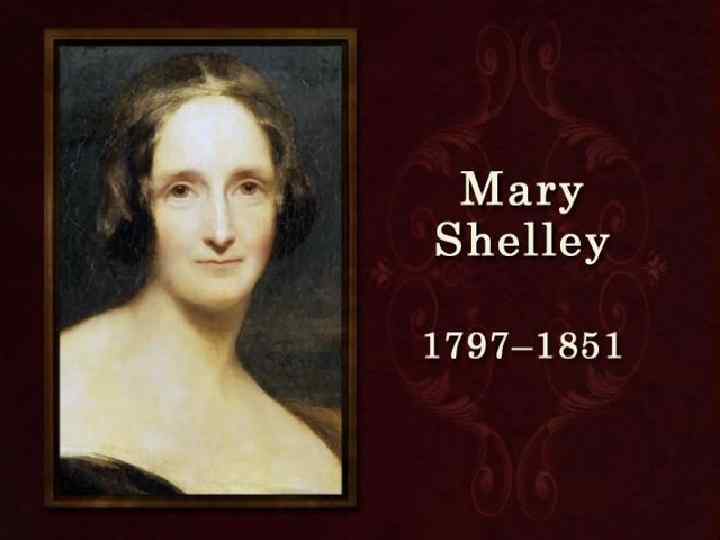
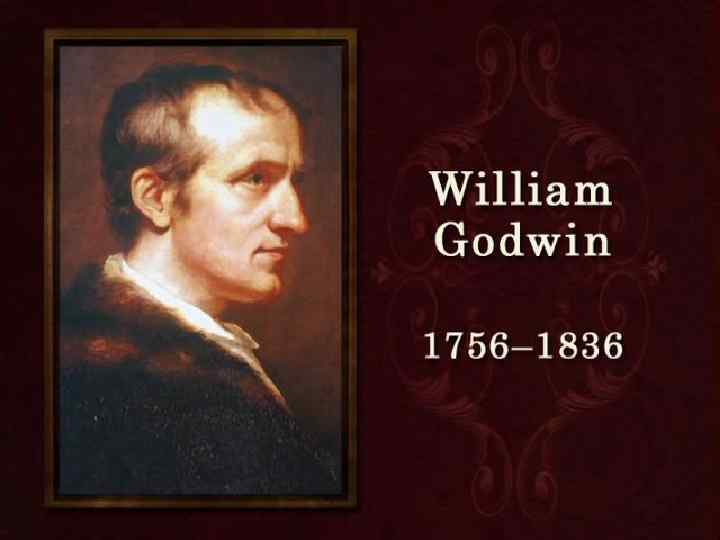
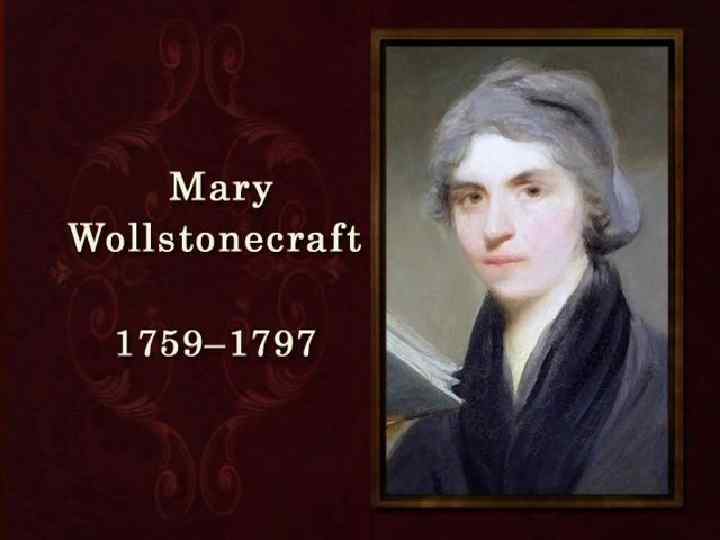
 Prometheus was a Greek Titan. He's famous for having stolen fire and given it to mortals. n two major literary devices: epistolary form (North Pole explorer Robert Walton to his sister Margaret Walton Saville) n frame narrative which is essentially just a narrative story within a story. n
 n double frame narrative 'Make a female for me so I can have company. ‘ n Prometheus - gift of fire, Victor Frankenstein - power of electricity n progenitor of modern science fiction

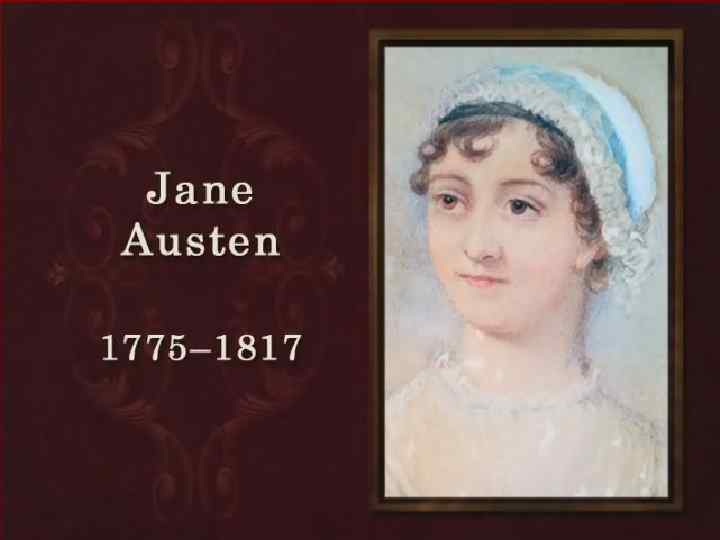
 We know little about Austen. She was known only as “a Lady. ” n grew up in a house wealthy enough to not be poor, but poor enough not to be wealthy n was raised in a respectable clergyman’s family and never really left home. n started out writing to amuse her friends and family
 n composed her narratives and read aloud early drafts to her family, whose responses, particularly those of her brothers, mattered to her. n Austen seems not to have held fierce views on the rights of women. She accepted the world into which she had been born and the status of women within it.
 n Sense and Sensibility (1811) n Pride and Prejudice (1813) n Mansfield Park (1814) n Emma (1815) n Northanger Abbey (1818, posthumous) n Persuasion (1818, posthumous)
 n relatable characters n really amazing sense of humor - she's got a perfect eye for social comedy n her books are kind of the proto-romantic comedies
 The themes n How to get married? n Should a woman marry for love or for interest, prudently, that is, with an eye toward finances? But also n What is it to be grown up? n What is it to be morally mature? n How does one become the kind of person who can deal with the complicated issues of life?
 n Austen believed that the novel could help readers mature; it could serve as a moral instructor, with a similar role as the weekly sermons the author would have heard in church.
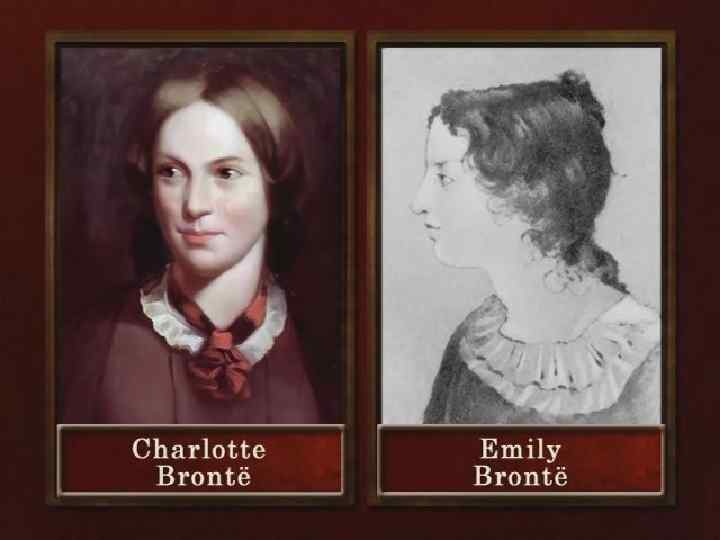
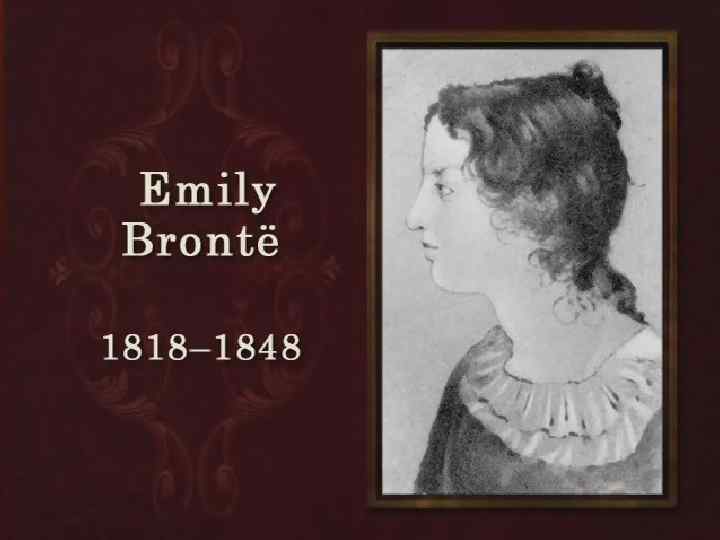
 n Patrick Prunty - in Northern Ireland n was born into a poor farming family, but he showed remarkable intellectual abilities and, in 1802, began attending Cambridge University n 1798 - bloody uprisal in Ireland - the English viewed the Irish with mistrust Patrick prudently changed his name to Brontë n 1820 - the Reverend Patrick Brontë – Haworth, Yorkshire
 n Charlotte, Emily, Anne and their brother Branwell n sent to a boarding school ( Elizabeth and Maria died) n a good library - composed long sagas around various superheroes, including Nelson, Wellington, Byron, and Napoleon n Emily and Charlotte - held various teaching jobs
 Poems n Currer (Charlotte) Bell n Ellis (Emily) Bell n Acton (Anne) Bell
 Prose n Charlotte / Currer Bell - Jane Eyre: An Autobiography (1847) - a big hit!!! n Later - Shirley, Villette, The Professor n Emily Brontë – Wuthering Heights (1847) – disaster!! n Anne Brontë - The Tenant of Wildfell Hall
 Jane Eyre n Jane's poor treatment in the Reed household (Gateshead) n school in Lowood (typhus), teacher n tutor for a young French girl named Adele, who has no parents and a mysteriously absent guardian named Mr. Rochester (Bertha) n clergyman St. John ('Sinjin) and his two sisters, Mary and Diana n 'Reader, I married him. '
 Jane Eyre n A female version of the Buildungroman n “to develop myself as I am” – to take all that is potential in me and bring it to the full maturation, to actualize my potential n 19 th century offered no advancement for women – social horizons are limited n The heroine becomes a cultural hero, a transformer of wild nature into smth humane. n Ghost, elements of fairy-tale
 Wuthering Heights -1 half – full of Romantic values Passion Intuition Subjectivity Natural world – an attempt to merge with the powers of nature Love – so strong that it can destroy the person and continue on beyond death Gothic elements – suspense, mystery and supernatural
 Nature vs Civilization n Catherine – Heathcliff n Thrushcross Grange – Edgar & Isabella Linton
 n Heathcliff – Byronic hero – moody, passionate, superior, absolutely autonomous and isolated from other people