


 Скачать презентацию Romantic Art and Writers Caspar David Friedrich Wanderer
1cc2eb14b76adff36b420eb490a0592e.ppt
- Количество слайдов: 19
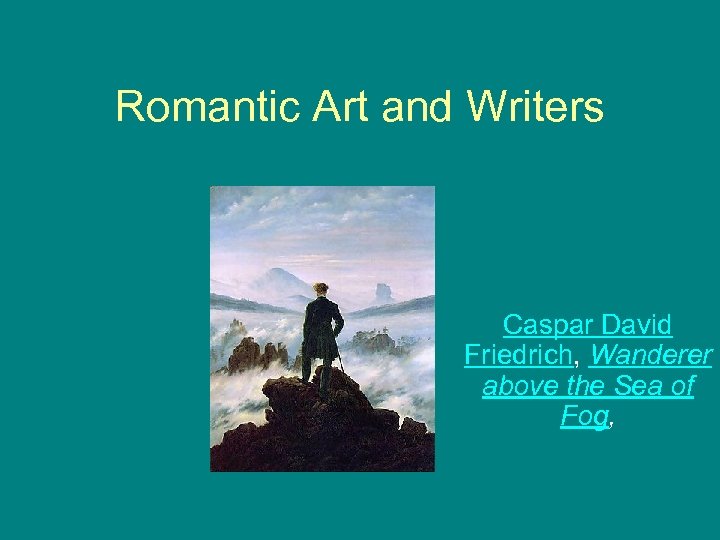 Romantic Art and Writers Caspar David Friedrich, Wanderer above the Sea of Fog,
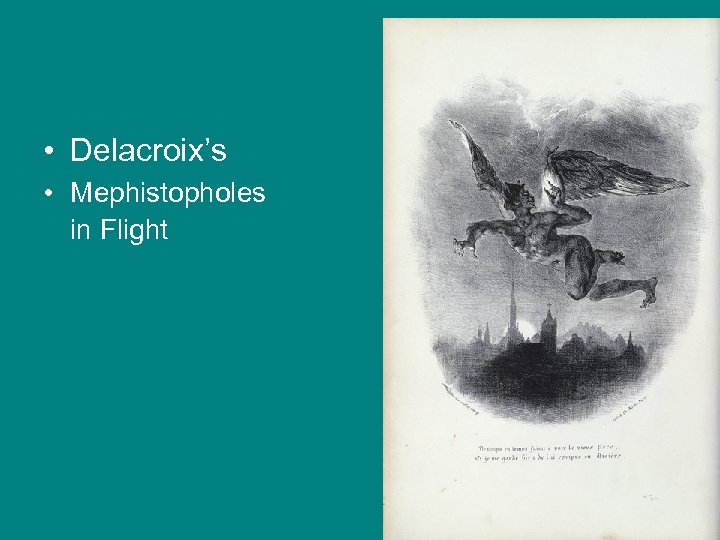 • Delacroix’s • Mephistopholes in Flight
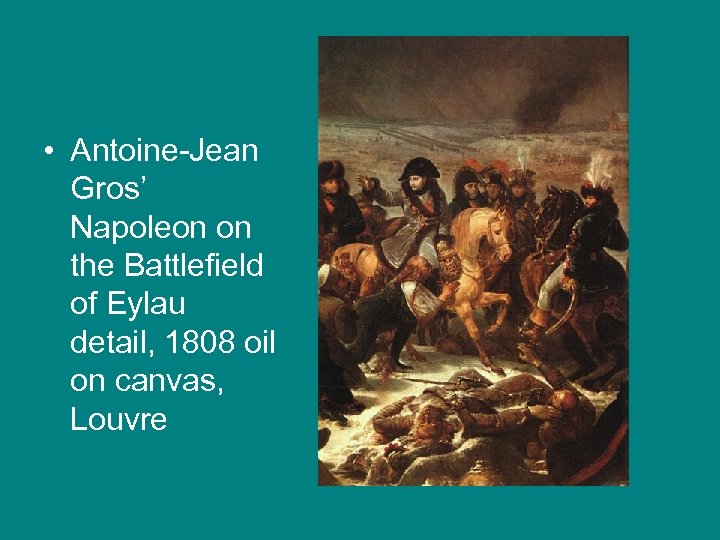 • Antoine-Jean Gros’ Napoleon on the Battlefield of Eylau detail, 1808 oil on canvas, Louvre
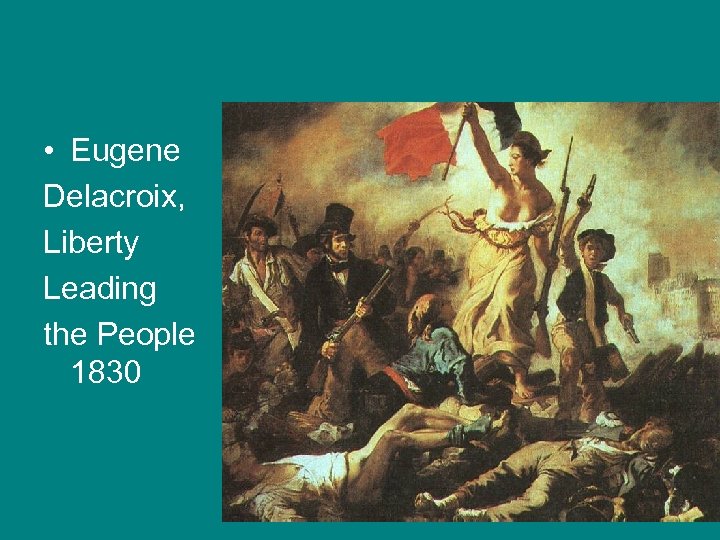 • Eugene Delacroix, Liberty Leading the People 1830
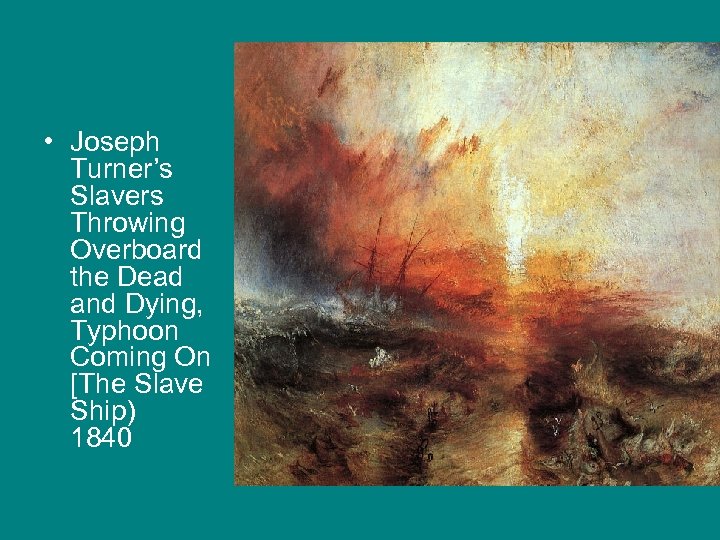 • Joseph Turner’s Slavers Throwing Overboard the Dead and Dying, Typhoon Coming On [The Slave Ship) 1840
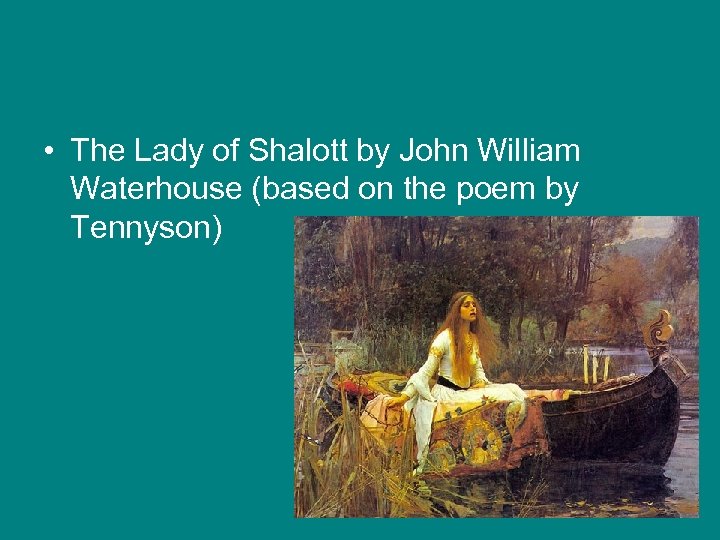 • The Lady of Shalott by John William Waterhouse (based on the poem by Tennyson)
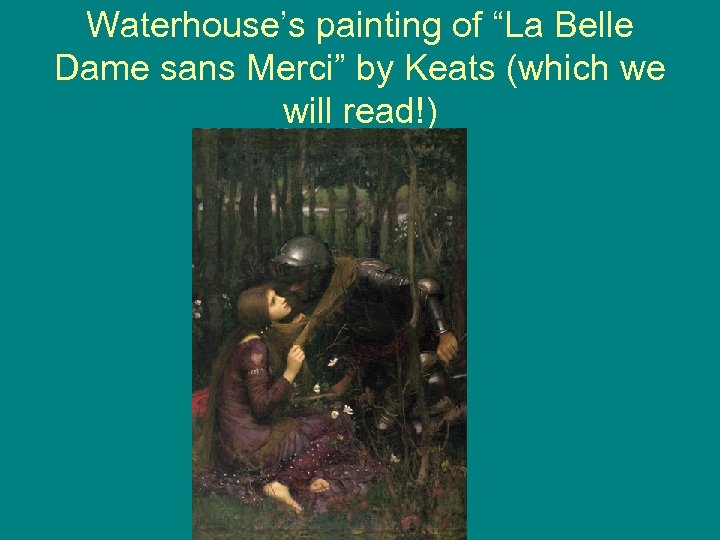 Waterhouse’s painting of “La Belle Dame sans Merci” by Keats (which we will read!)
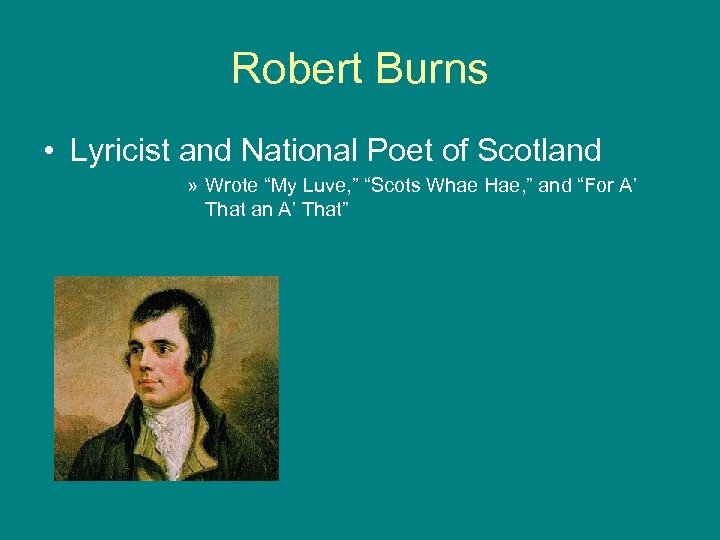 Robert Burns • Lyricist and National Poet of Scotland » Wrote “My Luve, ” “Scots Whae Hae, ” and “For A’ That an A’ That”
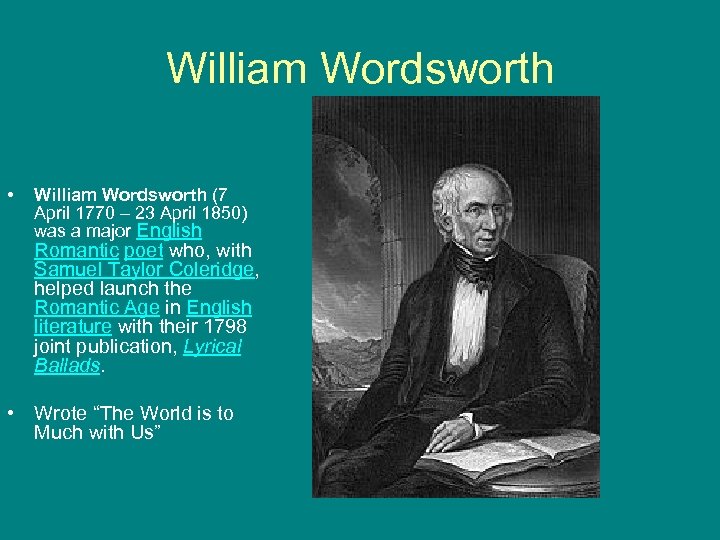 William Wordsworth • William Wordsworth (7 April 1770 – 23 April 1850) was a major English Romantic poet who, with Samuel Taylor Coleridge, helped launch the Romantic Age in English literature with their 1798 joint publication, Lyrical Ballads. • Wrote “The World is to Much with Us”
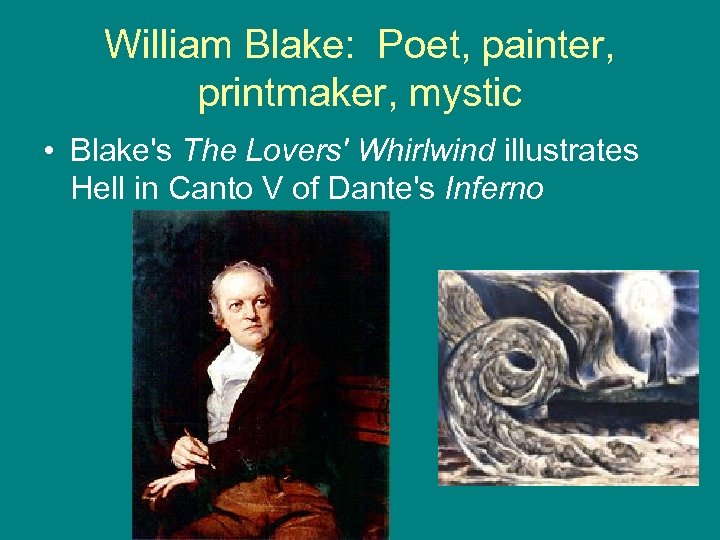 William Blake: Poet, painter, printmaker, mystic • Blake's The Lovers' Whirlwind illustrates Hell in Canto V of Dante's Inferno
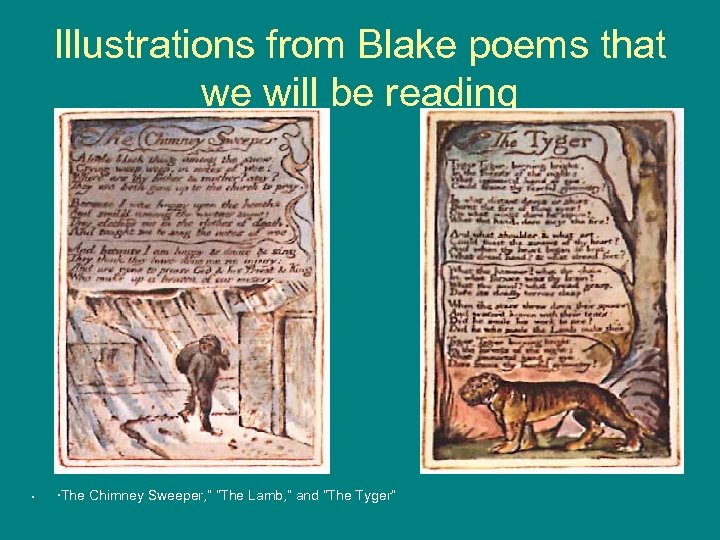 Illustrations from Blake poems that we will be reading • The Chimney Sweeper, ” “The Lamb, ” and “The Tyger” “
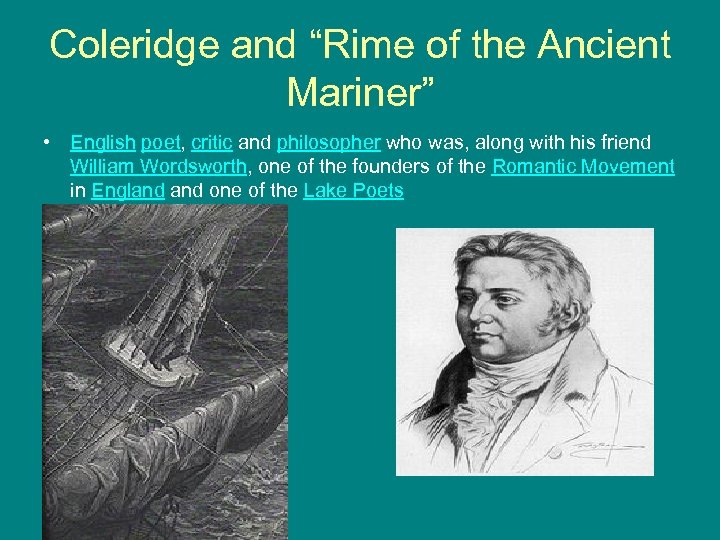 Coleridge and “Rime of the Ancient Mariner” • English poet, critic and philosopher who was, along with his friend William Wordsworth, one of the founders of the Romantic Movement in England one of the Lake Poets
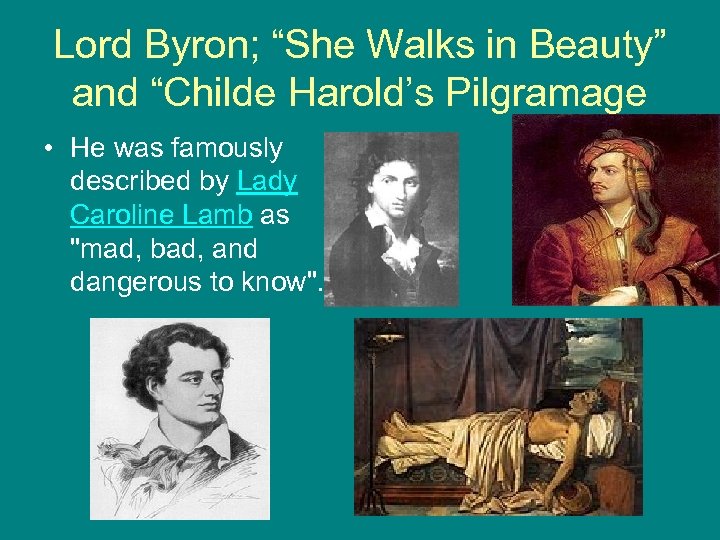 Lord Byron; “She Walks in Beauty” and “Childe Harold’s Pilgramage • He was famously described by Lady Caroline Lamb as "mad, bad, and dangerous to know".
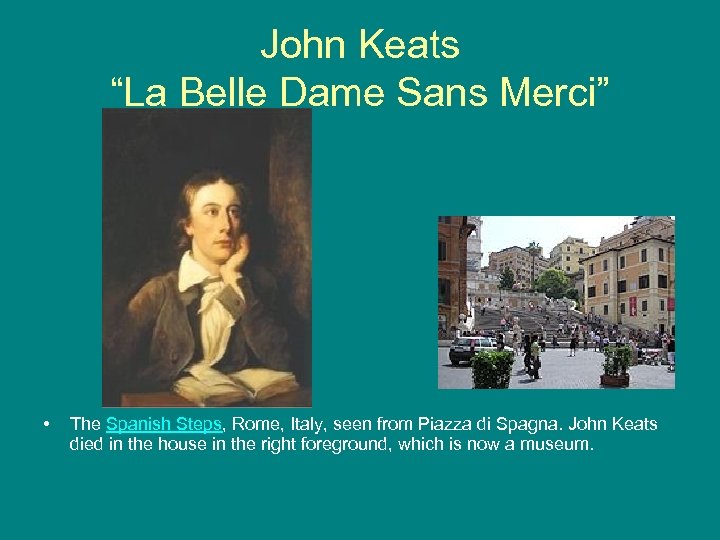 John Keats “La Belle Dame Sans Merci” • The Spanish Steps, Rome, Italy, seen from Piazza di Spagna. John Keats died in the house in the right foreground, which is now a museum.
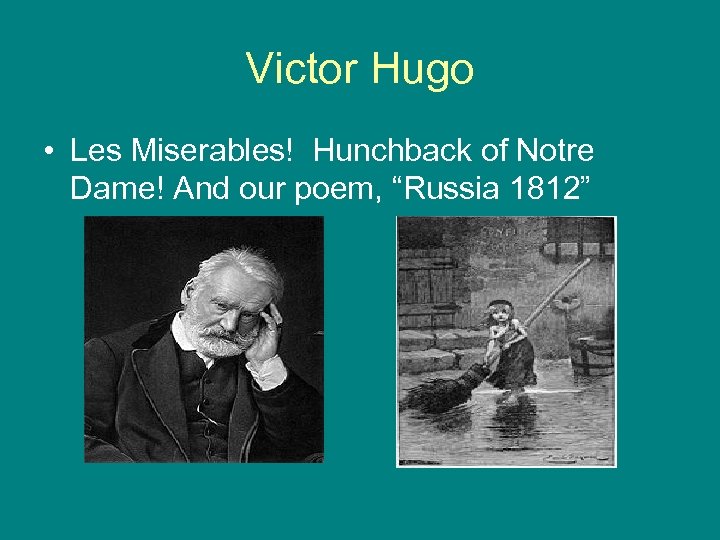 Victor Hugo • Les Miserables! Hunchback of Notre Dame! And our poem, “Russia 1812”
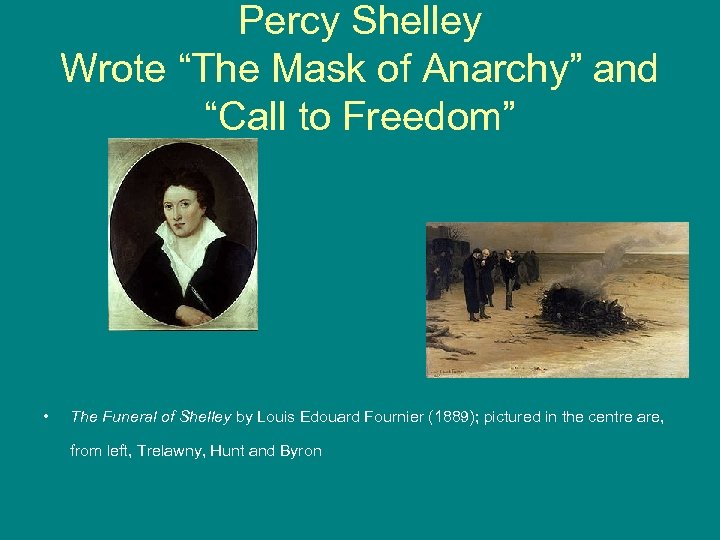 Percy Shelley Wrote “The Mask of Anarchy” and “Call to Freedom” • The Funeral of Shelley by Louis Edouard Fournier (1889); pictured in the centre are, from left, Trelawny, Hunt and Byron
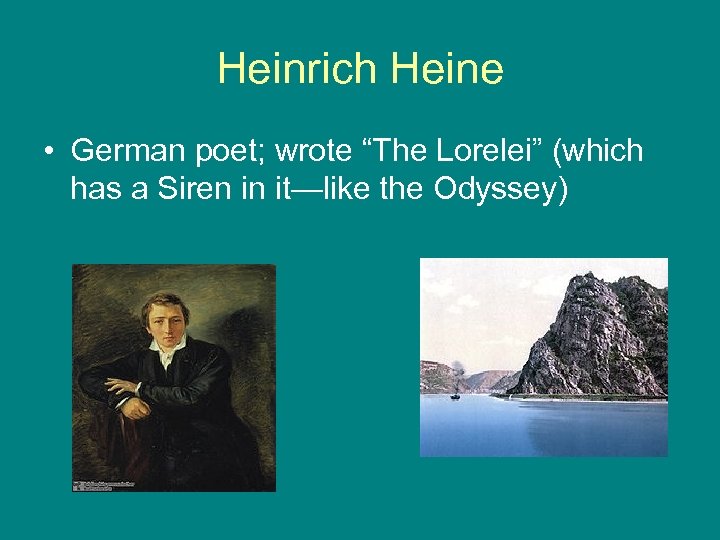 Heinrich Heine • German poet; wrote “The Lorelei” (which has a Siren in it—like the Odyssey)
 Are you a Romantic? • The answers to life’s most puzzling questions can be found through talking with a simple person who lives in the country close to nature—not with a sophisticated, well-educated person from the city. • The answers to life’s most puzzling questions can be found through a connection with nature. • The use of one’s imagination is more important than rational thought. • Subjectivity is more important than objectivity • Knowledge is gained through gut reactions and subjective hunches rather than level-headed, objective, deductive thought
 Romantic Qs continued • Nature is more important than art. • Experimental trial and error is a better process than the conventional scientific method • Poetry should be spontaneous and full of emotion, not planned and straightforward • Sensitivity, feelings, and spontaneity are more important than intellectualism • “Dare to be” is a better battle cry than “dare to know. ”