Скачать презентацию RISK MITIGATION The Life Cycle of a Deployment
b30ff4d5a4db47b856a48ac055a779e3.ppt
- Количество слайдов: 38
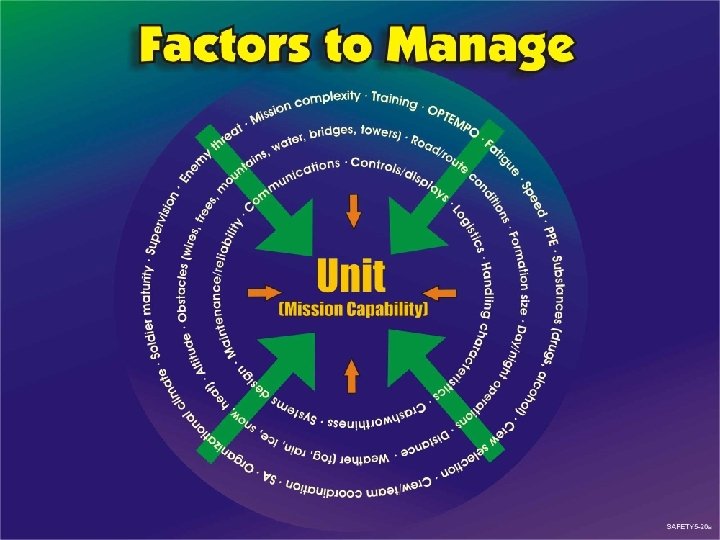

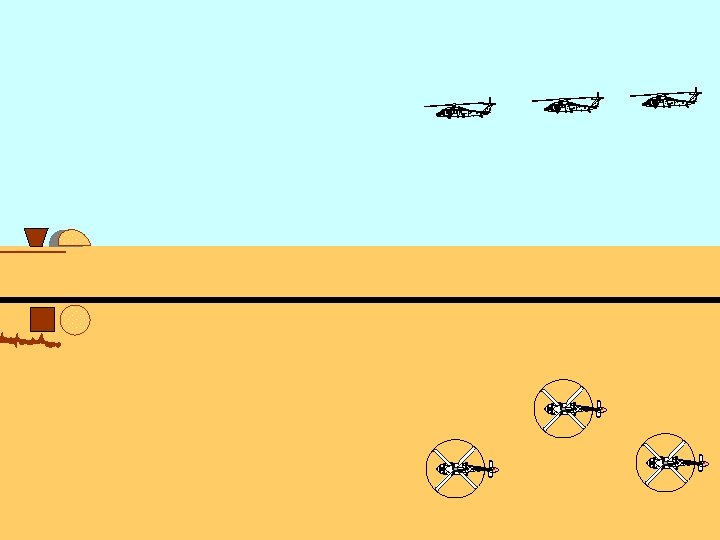
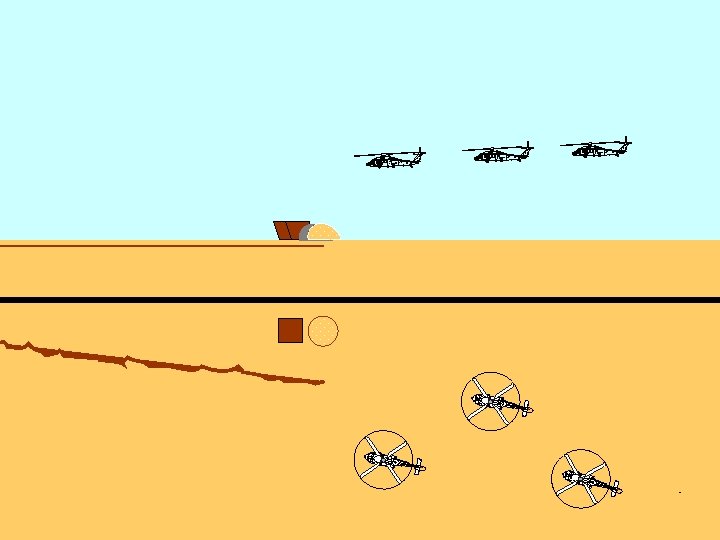
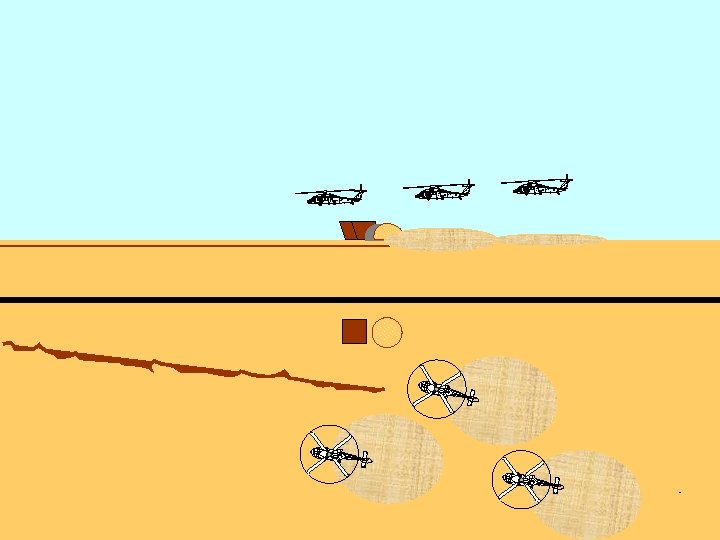
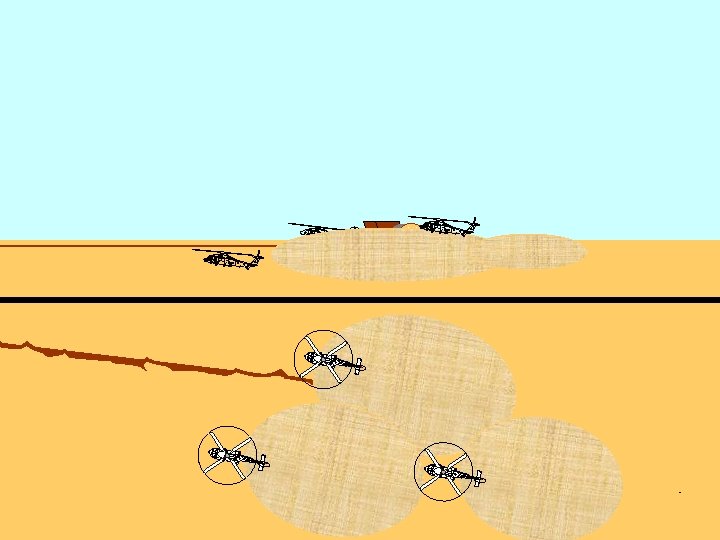
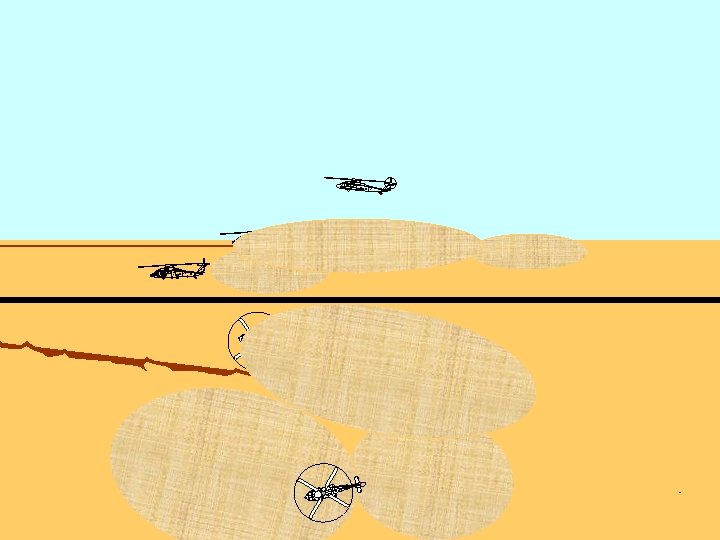
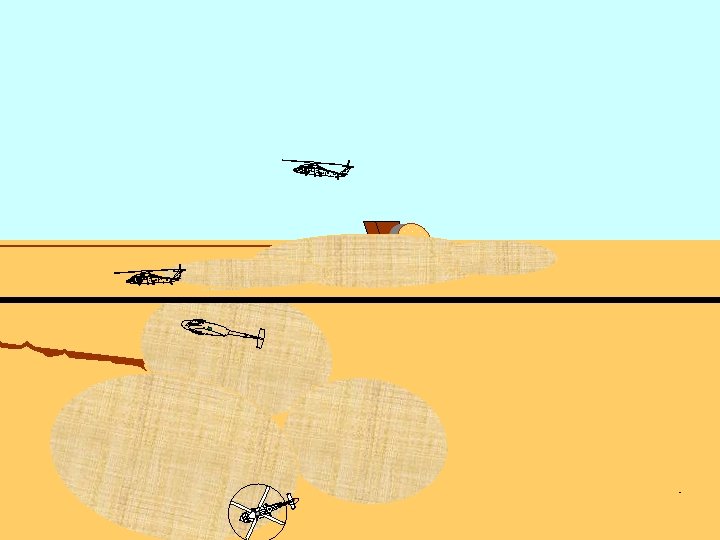
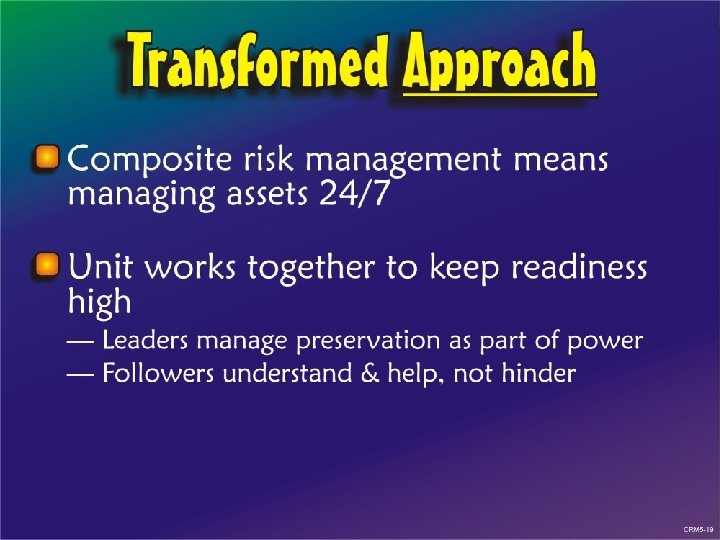

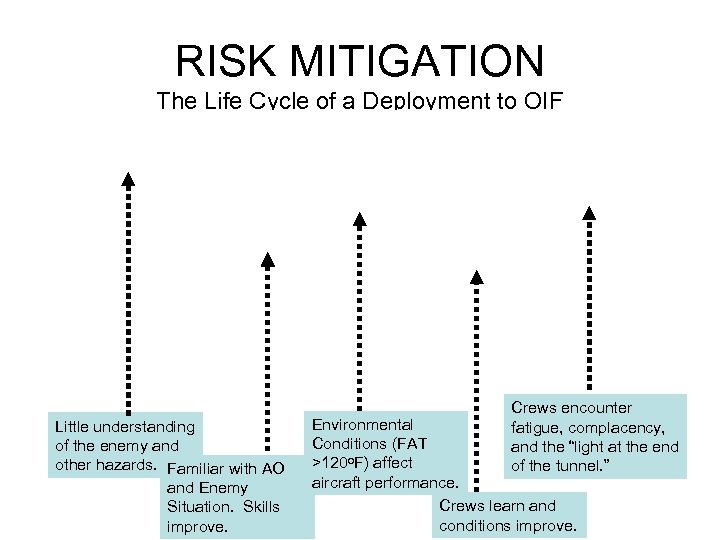 RISK MITIGATION The Life Cycle of a Deployment to OIF EXTREMELY HIGH RISK MEDIUM RISK LOW RISK Little understanding of the enemy and other hazards. Familiar with AO and Enemy Situation. Skills improve. Crews encounter fatigue, complacency, and the “light at the end of the tunnel. ” Environmental Conditions (FAT >120 o. F) affect aircraft performance. Crews learn and conditions improve.
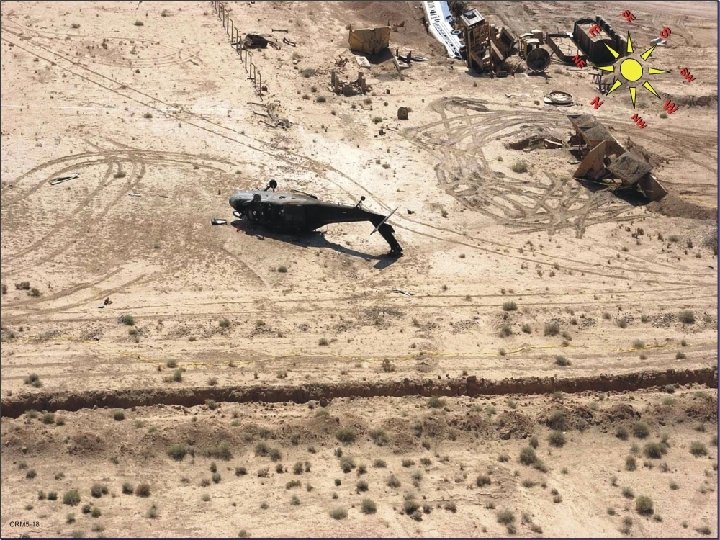
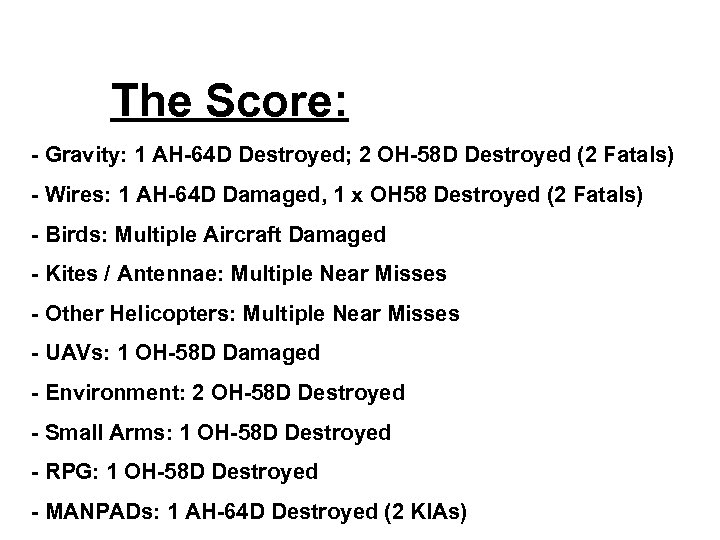 The Score: - Gravity: 1 AH-64 D Destroyed; 2 OH-58 D Destroyed (2 Fatals) - Wires: 1 AH-64 D Damaged, 1 x OH 58 Destroyed (2 Fatals) - Birds: Multiple Aircraft Damaged - Kites / Antennae: Multiple Near Misses - Other Helicopters: Multiple Near Misses - UAVs: 1 OH-58 D Damaged - Environment: 2 OH-58 D Destroyed - Small Arms: 1 OH-58 D Destroyed - RPG: 1 OH-58 D Destroyed - MANPADs: 1 AH-64 D Destroyed (2 KIAs)



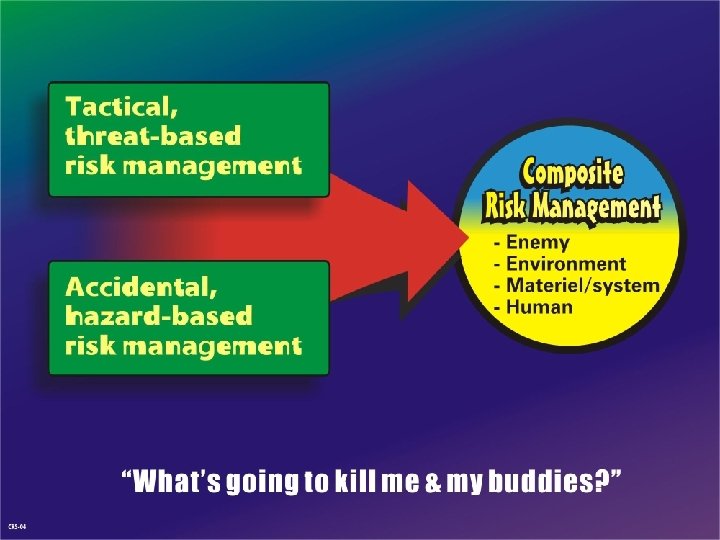
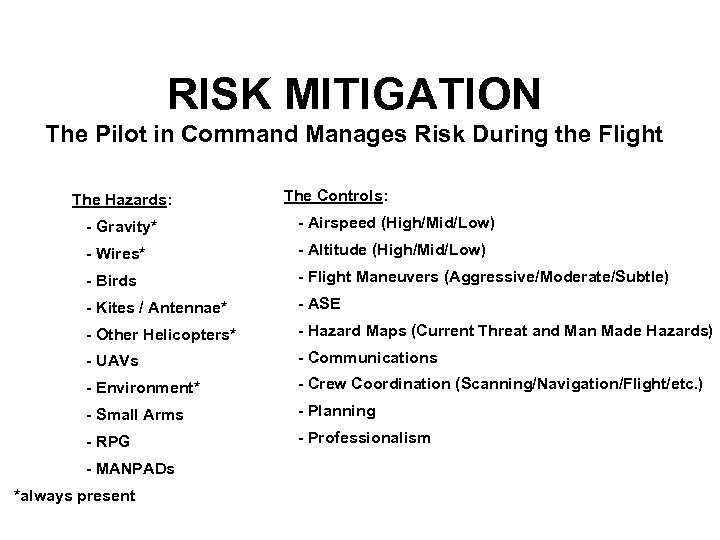 RISK MITIGATION The Pilot in Command Manages Risk During the Flight The Hazards: The Controls: - Gravity* - Airspeed (High/Mid/Low) - Wires* - Altitude (High/Mid/Low) - Birds - Flight Maneuvers (Aggressive/Moderate/Subtle) - Kites / Antennae* - ASE - Other Helicopters* - Hazard Maps (Current Threat and Man Made Hazards) - UAVs - Communications - Environment* - Crew Coordination (Scanning/Navigation/Flight/etc. ) - Small Arms - Planning - RPG - Professionalism - MANPADs *always present