


 Скачать презентацию Research Funding Opportunities for Early Career Researchers in
5d7fe89ad52b96365e6f8ea62e9343f2.ppt
- Количество слайдов: 47
 Research Funding Opportunities for Early Career Researchers in KLS Phil Ward Research Funding Manager
 Funding Opportunities • • Planning a Research Bid Writing a Research Bid Managing your Bids Help from Research Services Page 2
 Planning a Research Bid
 Think
Think
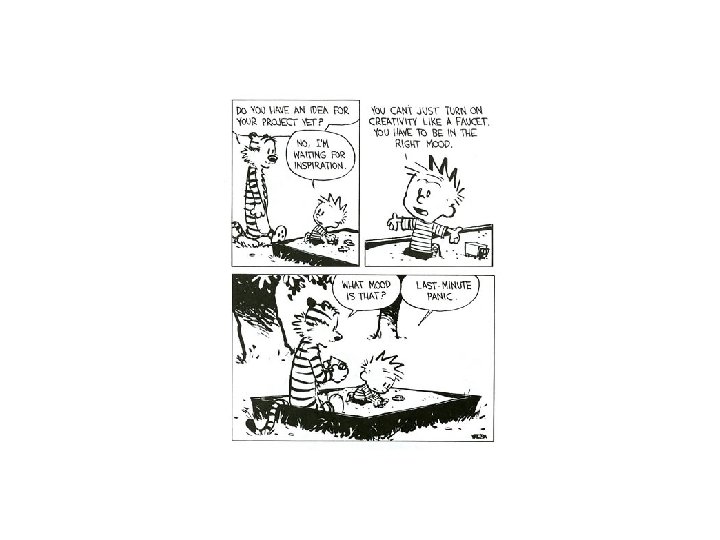
 Think
Think
 . . . about the Specifics • • • What will you do? (objectives, plan, timescale) Why now? Why you? (expertise, track record, contacts) What impact? (beneficiaries, dissemination) What kind of resources do you need? (reasonable, accurate, eligible)
 . . . about the Funder • 2 types of funding: – Managed – Responsive Mode • 5 types of funder: – Research Councils – Charities – Learned Societies and Representative Bodies – Government – Industry
 Considerations • Eligibility – Employment status and residency – Career stage • Costs – Will it cover all your costs? – Overheads • Internal Pressures – School budget – Teaching needs • Remit – Subject – Aims of scheme – ‘Politics’ • Timetable – Deadline – Duration • Success Rate – Is it worth it? – Back up plan
 Research Councils • Engineering & Physical Sciences Research Council (26% - £ 795 m) • Science & Technology Facilities Council (20% £ 624 m) • Medical Research Council (19% - £ 606 m) • Biotechnology & Biological Sciences Research Council (14% - £ 427 m) • Natural Environment Research Council (13% £ 392 m) • Economic & Social Research Council (5% - 165 m) • Arts & Humanities Research Council (3% - £ 103 m) Page 10
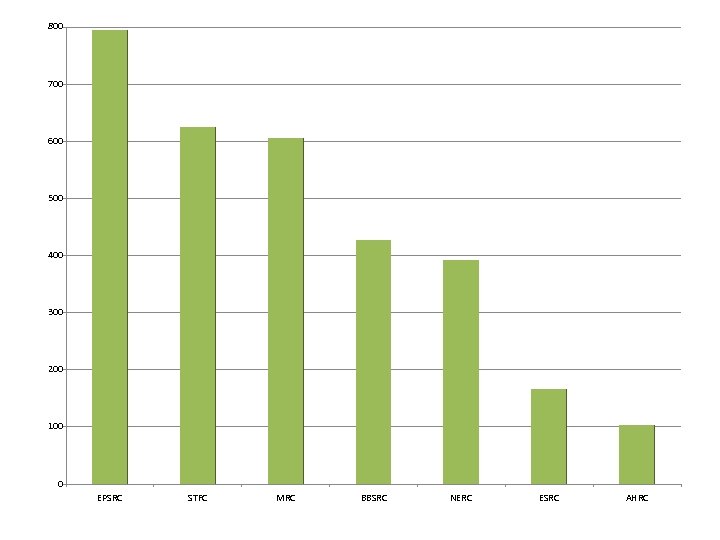 800 700 600 500 400 300 200 100 0 EPSRC STFC MRC BBSRC NERC ESRC AHRC
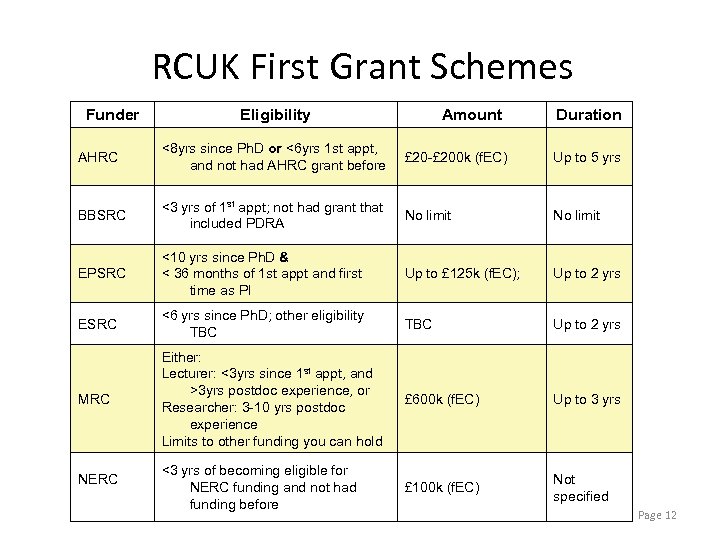 RCUK First Grant Schemes Funder Eligibility Amount Duration AHRC <8 yrs since Ph. D or <6 yrs 1 st appt, and not had AHRC grant before £ 20 -£ 200 k (f. EC) Up to 5 yrs BBSRC <3 yrs of 1 st appt; not had grant that included PDRA No limit EPSRC <10 yrs since Ph. D & < 36 months of 1 st appt and first time as PI Up to £ 125 k (f. EC); Up to 2 yrs ESRC <6 yrs since Ph. D; other eligibility TBC Up to 2 yrs MRC Either: Lecturer: <3 yrs since 1 st appt, and >3 yrs postdoc experience, or Researcher: 3 -10 yrs postdoc experience Limits to other funding you can hold £ 600 k (f. EC) Up to 3 yrs <3 yrs of becoming eligible for NERC funding and not had funding before £ 100 k (f. EC) Not specified NERC Page 12
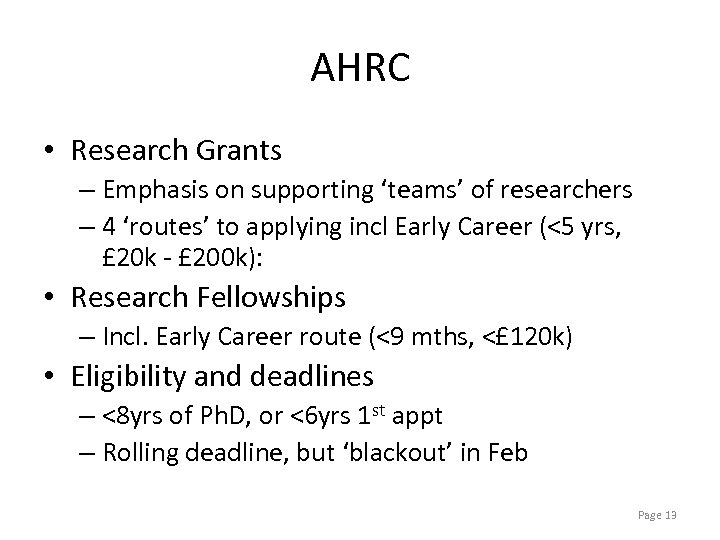 AHRC • Research Grants – Emphasis on supporting ‘teams’ of researchers – 4 ‘routes’ to applying incl Early Career (<5 yrs, £ 20 k - £ 200 k): • Research Fellowships – Incl. Early Career route (<9 mths, <£ 120 k) • Eligibility and deadlines – <8 yrs of Ph. D, or <6 yrs 1 st appt – Rolling deadline, but ‘blackout’ in Feb Page 13
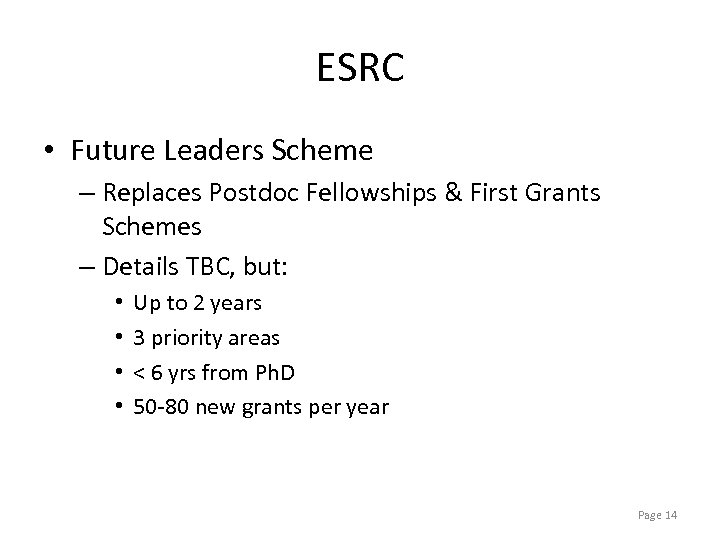 ESRC • Future Leaders Scheme – Replaces Postdoc Fellowships & First Grants Schemes – Details TBC, but: • • Up to 2 years 3 priority areas < 6 yrs from Ph. D 50 -80 new grants per year Page 14
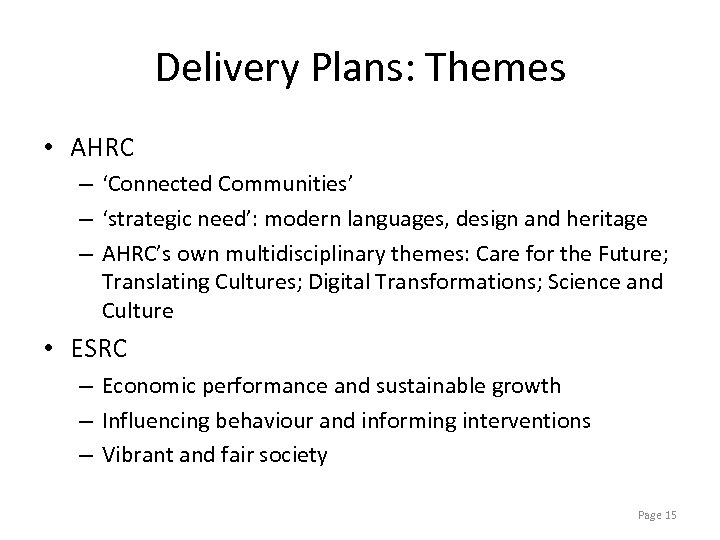 Delivery Plans: Themes • AHRC – ‘Connected Communities’ – ‘strategic need’: modern languages, design and heritage – AHRC’s own multidisciplinary themes: Care for the Future; Translating Cultures; Digital Transformations; Science and Culture • ESRC – Economic performance and sustainable growth – Influencing behaviour and informing interventions – Vibrant and fair society Page 15
 Cross-Council Themes • • • Global Uncertainties Living with Environmental Change Ageing: Lifelong Health and Wellbeing Digital Economy Energy Global Food Security Page 16
 Research Councils • Benefits of applying to RCs: – Prestige – f. EC – generous funding • What to watch out for: – Cuts – and ‘politics’ • Themes, demand management, ‘longer, larger, fewer’ • ‘Clique’? eg BBSRC: 3 HEIs get 25% of funding – Je. S form – Impact Page 17
 Charities • General – Leverhulme Trust – Wellcome Trust – Nuffield Foundation • Specialist – Joseph Rowntree Foundation – Often medical – e. g. Cancer Research UK – AMRC (www. amrc. org. uk) • Represents 111 health-related charities, with a combined expenditure on medical research of £ 630 m per annum. Page 18
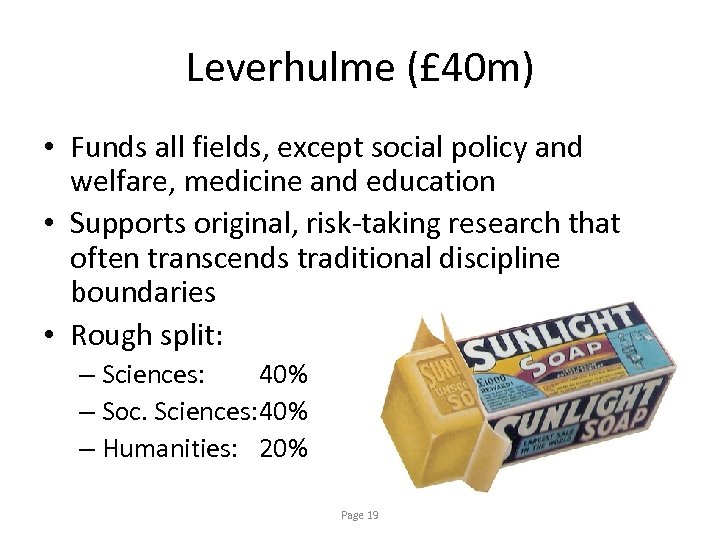 Leverhulme (£ 40 m) • Funds all fields, except social policy and welfare, medicine and education • Supports original, risk-taking research that often transcends traditional discipline boundaries • Rough split: – Sciences: 40% – Soc. Sciences: 40% – Humanities: 20% Page 19
 Leverhulme • Fellowships – Up to £ 45 k – 3 -24 mths – Call Sept, deadline Nov • Study Abroad Fellowship – – Up to £ 22 k Up to 12 mths Same deadline as above Employed FT >5 yrs • Grants – Up to £ 500 k – Up to 5 yrs – 2 part process • Success Rates – Fellowship: 10 -15% – SA Fellowship: 30% – Grants: 15 -20% Page 20
 Leverhulme • Benefits of applying to Leverhulme – Not ‘restricted’ by demands of distributing public money • no ‘political agenda’ • reporting not as onerous • What to watch out for: – Research has to appeal to broad general audience • Trustees all ex-Unilever employees • Depend for advice on: – ‘Advisory Committee’ (for smaller grants): 9 professors – ‘Advisory Panel’ (for larger grants): 32 academics – Interdisciplinary – but not ‘last resort’ – Risk taking – Individual ‘vision’ Page 21

 Wellcome (£ 520 m) • ‘To foster and promote research with the aim of improving human and animal health’ • Supports – Biomedical research – Technology transfer – Medical Humanities: • History of Medicine & Biomedical Ethics – Public engagement with science • Does not support – Clinical trials – Generally, cancer research Page 23
 Wellcome • Benefits of applying to Wellcome – Wide range of funding – More useful feedback following rejection – Supportive once you have received funding • What to watch out for – Focusing on longer, larger grants to individuals: – May 2011 launch of the Senior/New Investigator schemes in the Medical History and Humanities strand, with a Sept 2 nd 2011 first round deadline.
 Nuffield (£ 10 m) • Aims – ‘To advance social well being…by supporting work which will bring about improvements in society. ’ – Themes: – Children & Families, Education, Law & Society – Also ‘open door’ – Project Grants – Small SS Grants: up to £ 15 k Page 25
 Nuffield • Benefits of applying to Nuffield – 2 part process: initial application very simple, and can apply any time • What to watch out for: – Look at previously successful grants – Strong social policy element – Small scale funding – Importance of ‘methodology’ Page 26
 Rowntree (£ 5 m) • 3 aims: – Poverty: to examine the root causes of poverty and disadvantage and identify solutions. – Empowerment: to find ways in which people and communities can have control of their own lives. – Place: to contribute to the building and development of strong, cohesive and sustainable communities. • Benefits of applying to JRF: – Prestigious • What to watch out for: – Very prescriptive calls for proposals – Relatively small amounts of funding
 Learned Societies • Generally provide some small scale support for visits, conferences, fellowships or smaller research projects • Professional Bodies Ø Represent people working in a specific area Ø e. g. The Law Society, Socio-Legal Studies Association • Learned Societies Ø Represent, and act as a forum for, a particular subject or discipline Ø Royal Society, British Academy Page 28
 British Academy • Funds research in Humanities & Social Sciences • Small Grants and Conference Support will be cut from March • No longer provide specific support for ECRs • New Fellowships scheme <15 yrs postdoc – Will be strong competition (35 grants pa) Page 29
 Government • National – Government Departments – County Councils – Other Government-funded organisations • British Council – collaborative grants • NESTA • Lottery • International – Europe • Framework Programme – USA • Federal Grants Page 30
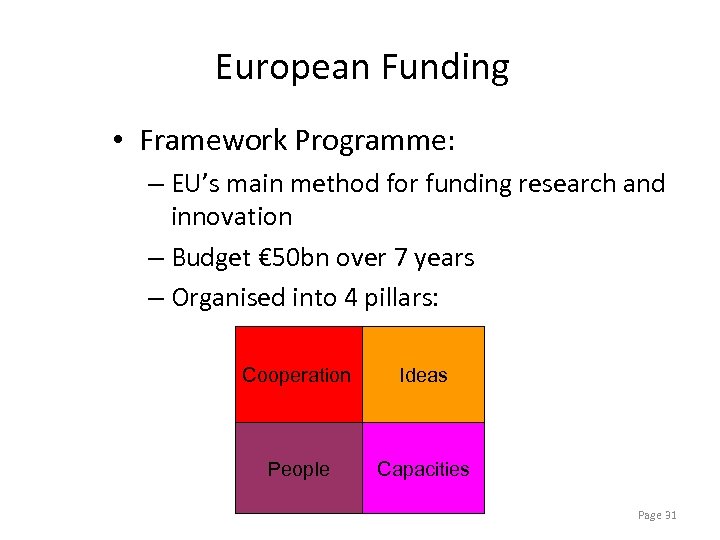 European Funding • Framework Programme: – EU’s main method for funding research and innovation – Budget € 50 bn over 7 years – Organised into 4 pillars: Cooperation Ideas People Capacities Page 31
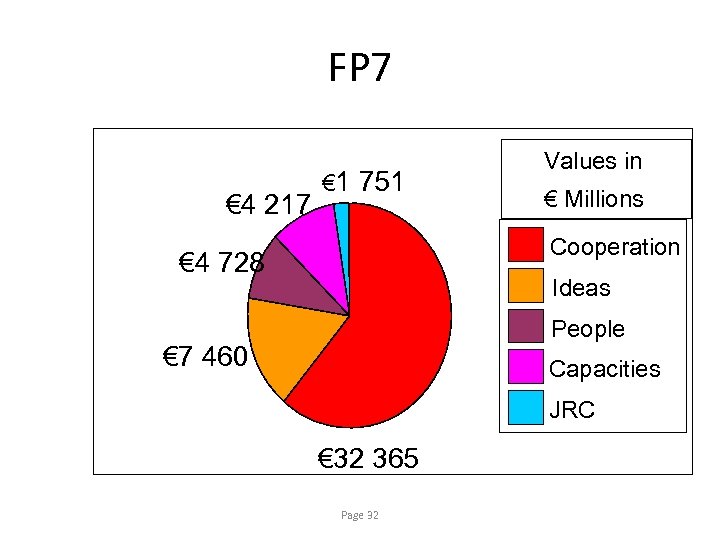 FP 7 € 4 217 € 1 751 Values in € Millions Cooperation € 4 728 Ideas People € 7 460 Capacities JRC € 32 365 Page 32
 FP 7: European Research Council • Responsive Mode • No requirement for collaborative groups • ‘Starting Independent Researcher Grant’ – 200 to be made annually, each lasting up to 5 yrs – Up to € 400 k per year – Applicants <10 yrs from Ph. D – Very competitive but success rates rising – Deadline: Nov Page 33
 Industry • Does fund research – In-house R&D – Contracts for research services – Grants or award programmes • …but tends to be more restrictive • If specifically seeking industry support, talk to Kent Innovation & Enterprise (KIE) • Brian Lingley (b. lingley@kent. ac. uk) Page 34
 Writing a Research Grant
 Perspective • Put yourself in the funder’s position – Can you understand what is proposed? – Is it worth spending money on? • • Are the objectives important? Are they achievable? Is the timeframe realistic? Does it offer value for money? – Can the applicant deliver? • Do you have the necessary track record? • Can you manage a project? Page 36
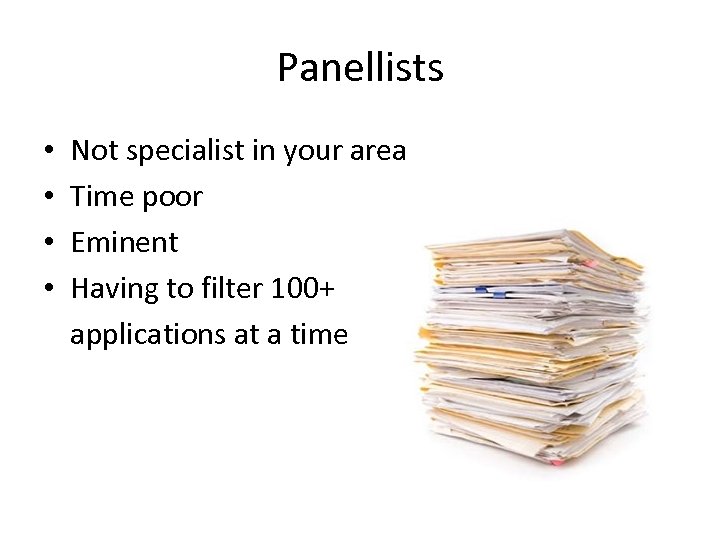 Panellists • • Not specialist in your area Time poor Eminent Having to filter 100+ applications at a time
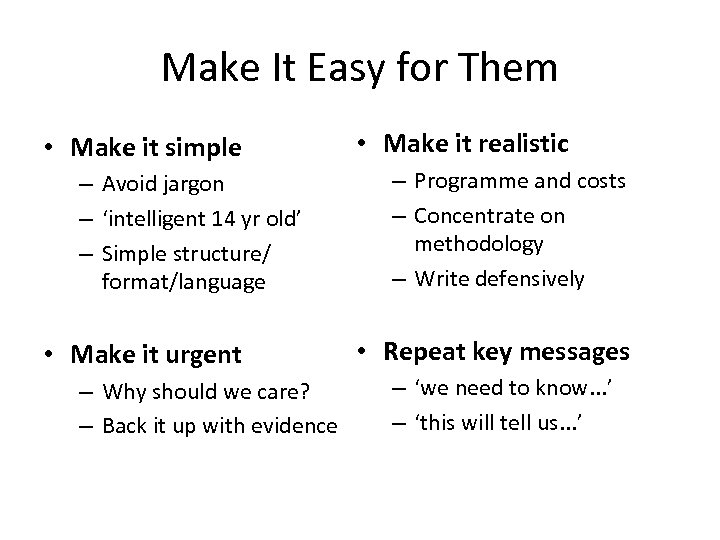 Make It Easy for Them • Make it simple – Avoid jargon – ‘intelligent 14 yr old’ – Simple structure/ format/language • Make it urgent – Why should we care? – Back it up with evidence • Make it realistic – Programme and costs – Concentrate on methodology – Write defensively • Repeat key messages – ‘we need to know. . . ’ – ‘this will tell us. . . ’
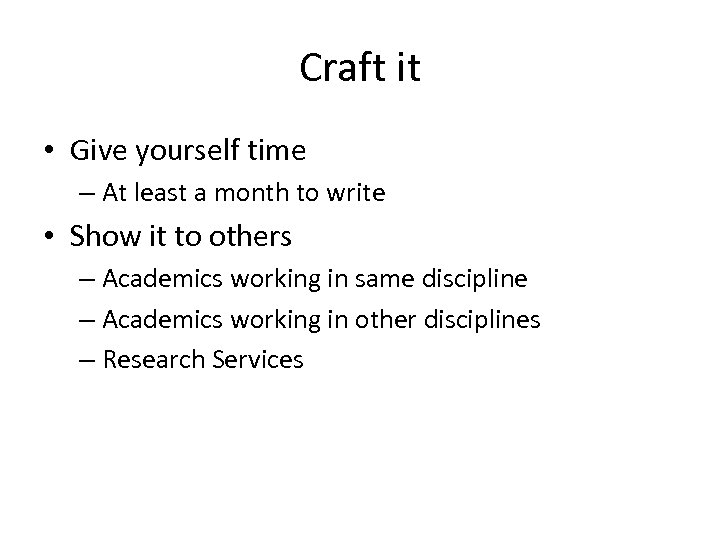 Craft it • Give yourself time – At least a month to write • Show it to others – Academics working in same discipline – Academics working in other disciplines – Research Services
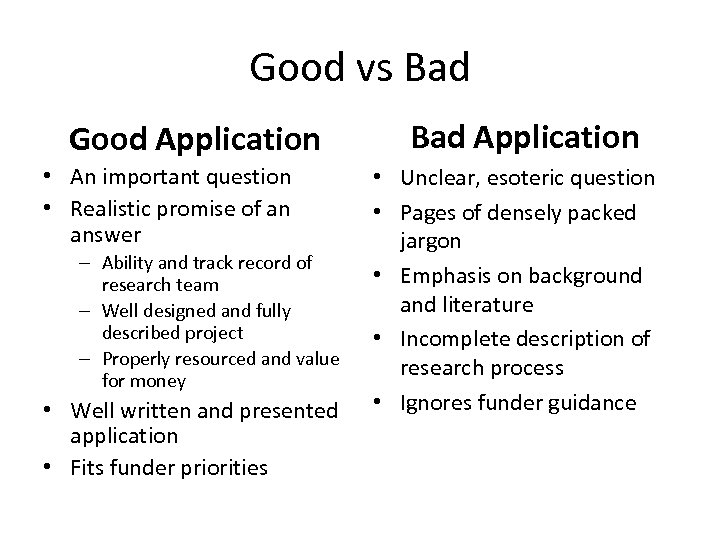 Good vs Bad Good Application • An important question • Realistic promise of an answer – Ability and track record of research team – Well designed and fully described project – Properly resourced and value for money • Well written and presented application • Fits funder priorities Bad Application • Unclear, esoteric question • Pages of densely packed jargon • Emphasis on background and literature • Incomplete description of research process • Ignores funder guidance
 Managing Your Bids • One won’t be enough – Typical success rate: 1020% – ‘lottery’ • Reuse & Recycle – Bids are time consuming – Rejection is crushing • ‘Portfolio’ – Economies of Scale – Complementary bids • Other funders • Break up project • Don’t flog a dead horse • Don’t wait for it • Multiple applications give hope Page 41
 Help from Research Services
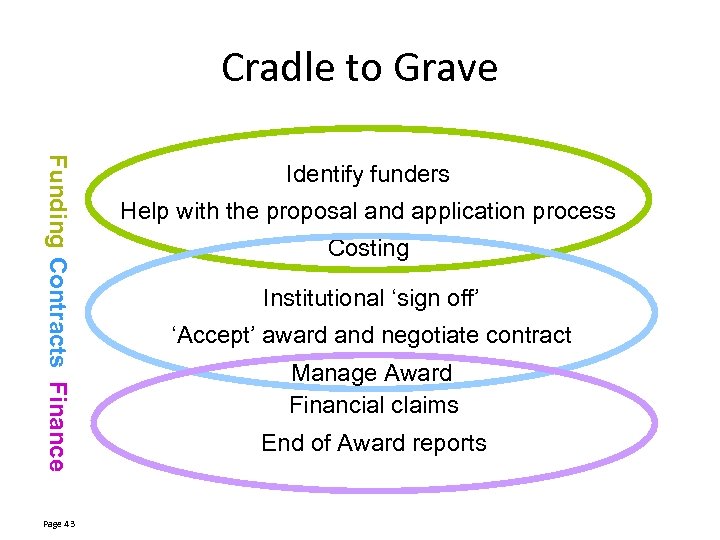 Cradle to Grave Funding Contracts Finance Page 43 Identify funders Help with the proposal and application process Costing Institutional ‘sign off’ ‘Accept’ award and negotiate contract Manage Award Financial claims End of Award reports
 Help in Developing Applications • Information – Funding opportunities • Regular, ad hoc, strategic – Background news & insights • newsletter, website, blog • Funder visits • Grants Factory • Aiding collaboration • Preparing your application – Copy editing, proof reading and advice on the text – Successful application bank – Staff costings and calculating overheads – Advice on eligible costs – Research governance – bringing those in similar disciplines together (eg Lunchtime Seminars) Page 44
 Grants Factory • Help and advice from other academics • Workshops – Tools for writing killer applications • Masterclasses – What the guidance doesn’t tell you • Mock panels – Test drive your proposal
 Internal Approval Form • Ensures the University endorses and takes responsibility for your project. • Internal Approval Form – Check list – risks/issues • Need to attach a ‘Full Economic Costing’ • Sign off by: – PI and any Co-Is – Ho. S (or representative) – Research Services Page 46
 Sources of Information • Research Funding Officers – Social Sciences: • Phil Ward (p. ward@kent. ac. uk, xtn 7748) • Rachel Donald (Mon & Tues: r. l. donald@kent. ac. uk, xtn 4575) – Humanities: Lynne Bennett (l. bennett-282@kent. ac. uk, xtn 4799) – Sciences: Carolyn Barker (c. m. barker-47@kent. ac. uk, xtn 7957) – Medway: Karen Allart (k. a. allart@kent. ac. uk, xtn 8967) • Websites – – Funding opportunities: www. researchprofessional. com European Funding: www. ukro. ac. uk Research Services: www. kent. ac. uk/res Research Fundermentals Blog: http: //fundermental. blogspot. com/ Page 47