 Скачать презентацию Renewable Energy Snap Shots from Europe and the
f66a47999dd16f05f2f174783e405359.ppt
- Количество слайдов: 41



Renewable Energy Snap Shots from Europe and the Middle-East Mohamed A. El-Sharkawi The cialab Department of Electrical Engineering University of Washington Seattle, WA 98195 http: //cialab. ee. washington. edu
Outline • Renewable projects in the Middle-East and Europe • Smart Grid • Challenges
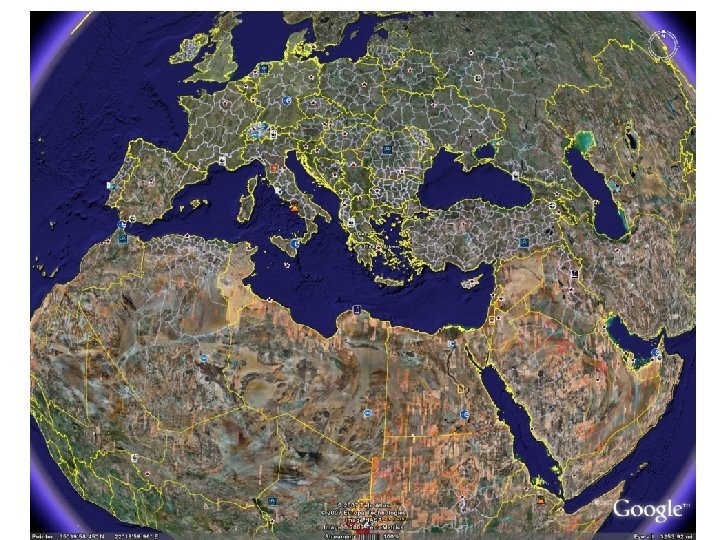
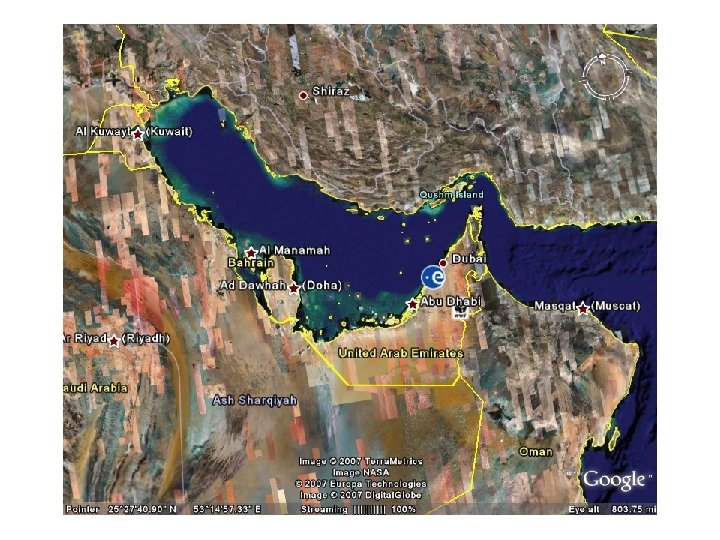
Small Projects in the Gulf Area: Solar Parking meters Offshore buoys Water heating in hotels Cooling a 100 -flat apartment complex in Dubai The government of Abu Dhabi is building a 500 MW solar power plant (2009) • The first solar-cell production line is in the Fujairah Free Zone, UAE • • •
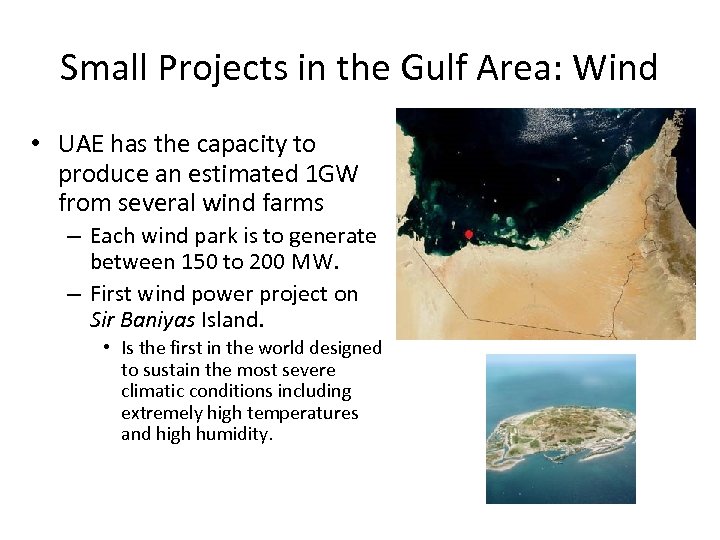
Small Projects in the Gulf Area: Wind • UAE has the capacity to produce an estimated 1 GW from several wind farms – Each wind park is to generate between 150 to 200 MW. – First wind power project on Sir Baniyas Island. • Is the first in the world designed to sustain the most severe climatic conditions including extremely high temperatures and high humidity.
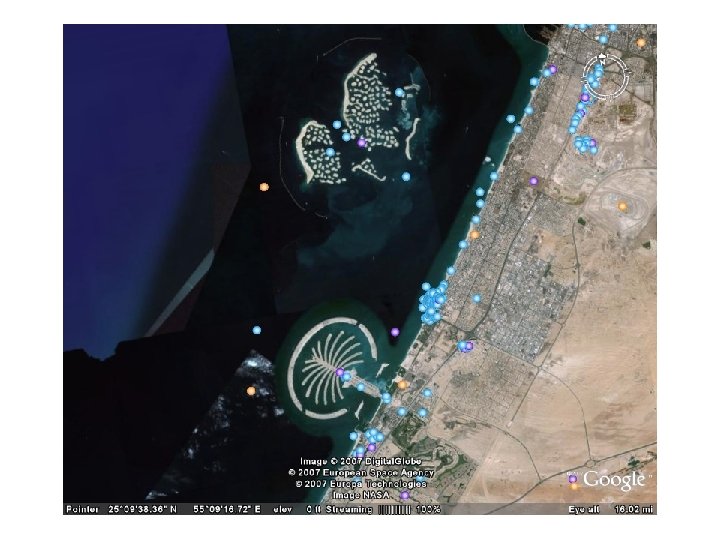
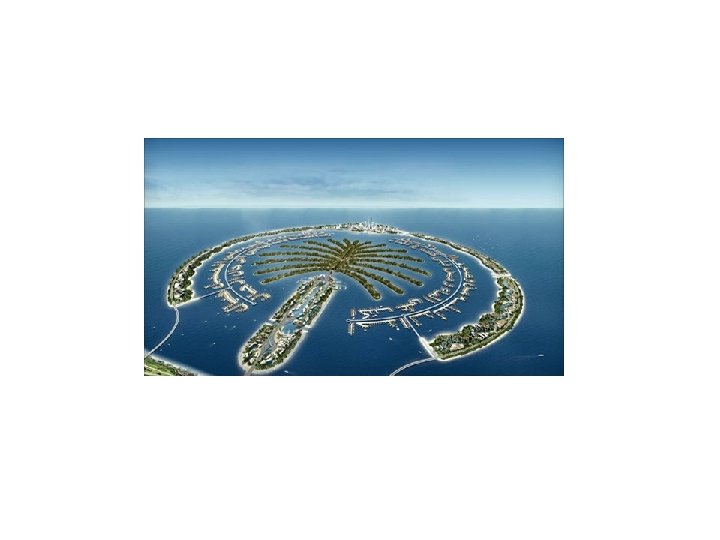
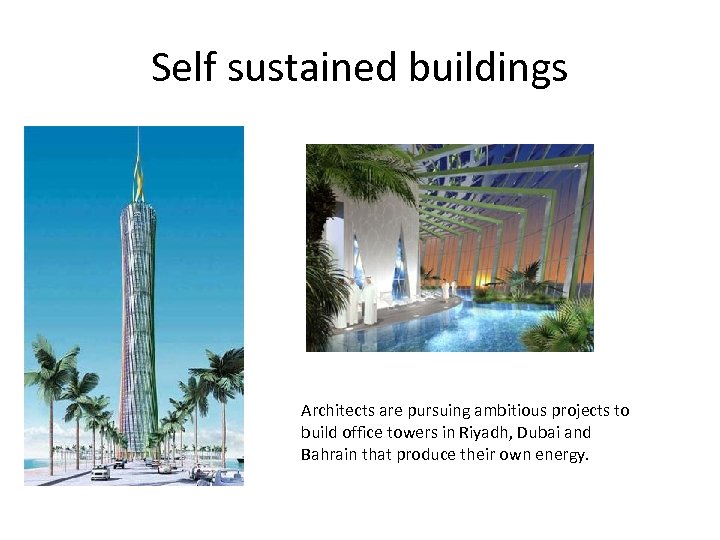
Self sustained buildings Architects are pursuing ambitious projects to build office towers in Riyadh, Dubai and Bahrain that produce their own energy.
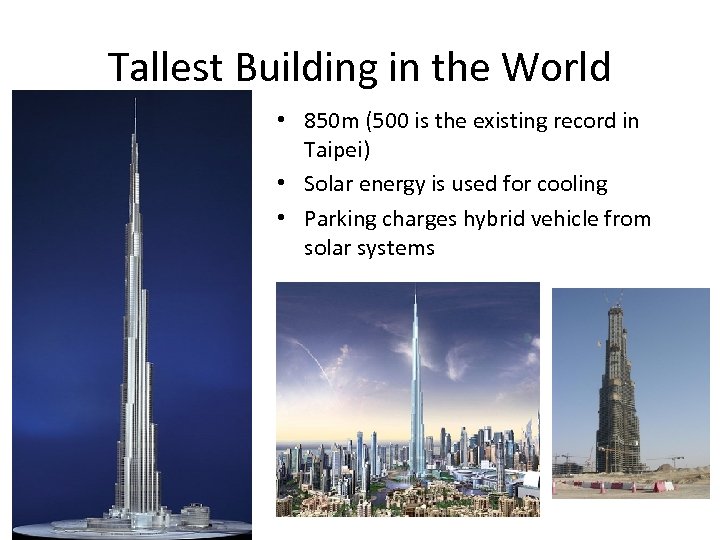
Tallest Building in the World • 850 m (500 is the existing record in Taipei) • Solar energy is used for cooling • Parking charges hybrid vehicle from solar systems
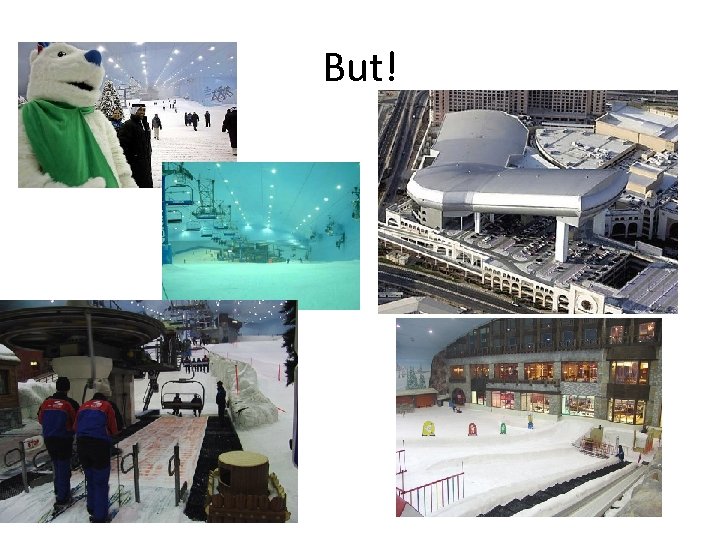
But!
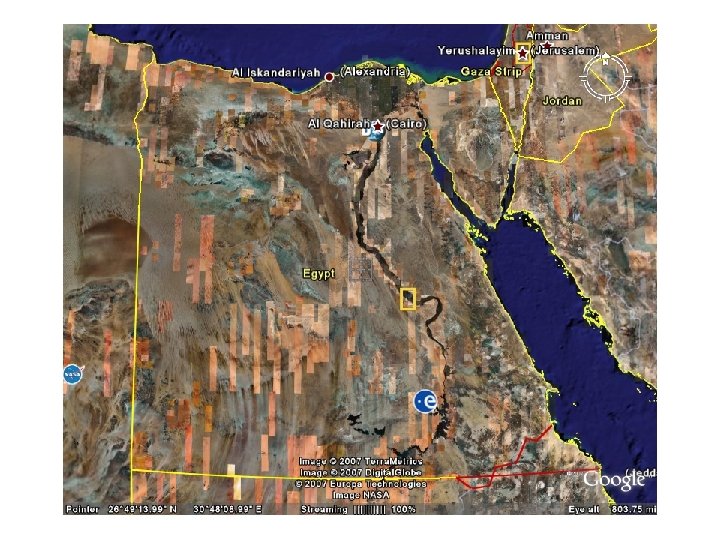
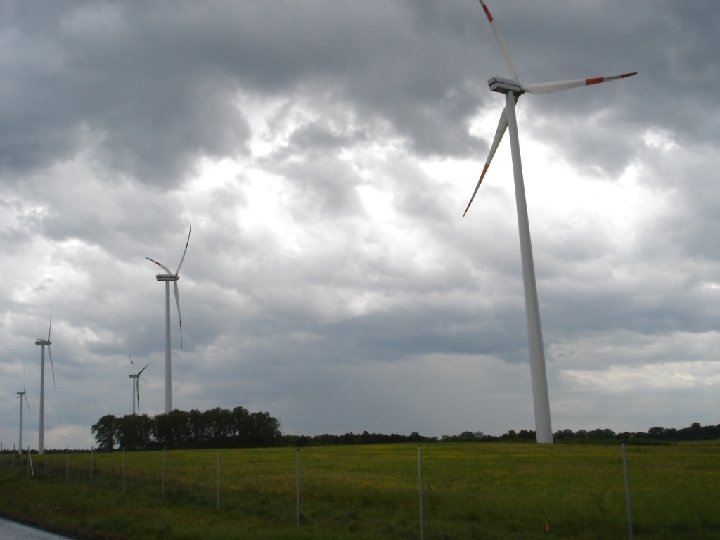
Egypt • Egypt is about to generate 3% of its electrical energy from renewable resources – Wind is the main activity – Thermo solar is rapidly growing
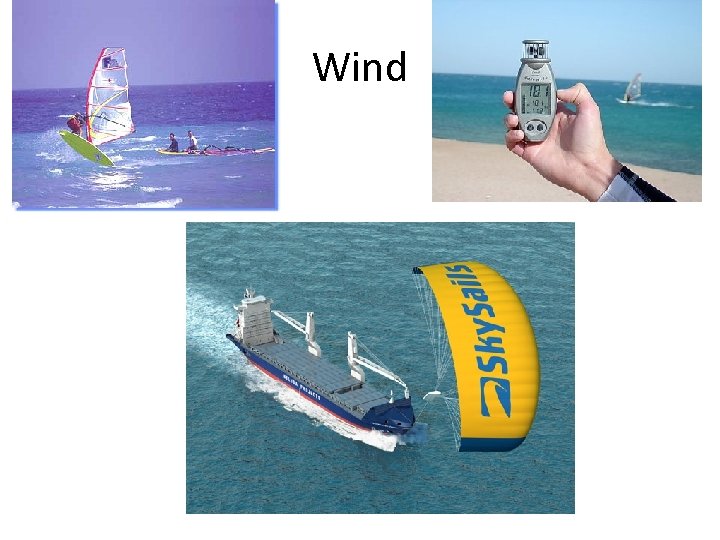
Wind
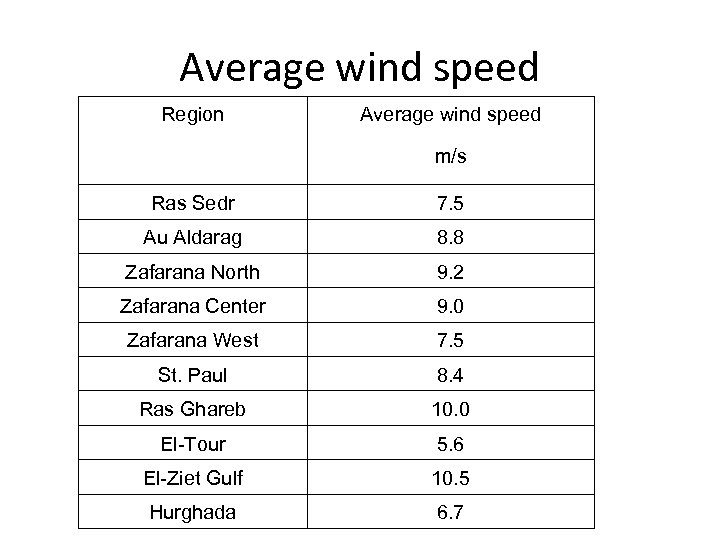
Average wind speed Region Average wind speed m/s Ras Sedr 7. 5 Au Aldarag 8. 8 Zafarana North 9. 2 Zafarana Center 9. 0 Zafarana West 7. 5 St. Paul 8. 4 Ras Ghareb 10. 0 El-Tour 5. 6 El-Ziet Gulf 10. 5 Hurghada 6. 7
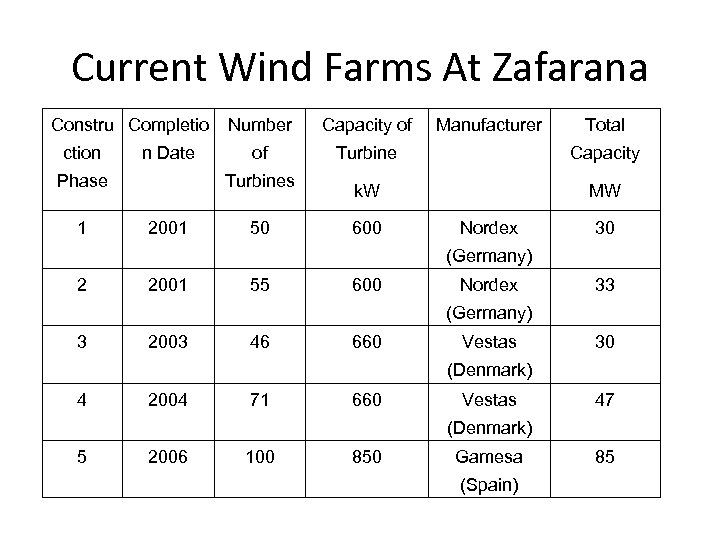
Current Wind Farms At Zafarana Constru Completio ction n Date Phase 1 Number Capacity of of Turbine Capacity k. W MW Turbines 2001 50 600 Manufacturer Nordex Total 30 (Germany) 2 2001 55 600 Nordex 33 (Germany) 3 2003 46 660 Vestas 30 (Denmark) 4 2004 71 660 Vestas 47 (Denmark) 5 2006 100 850 Gamesa (Spain) 85
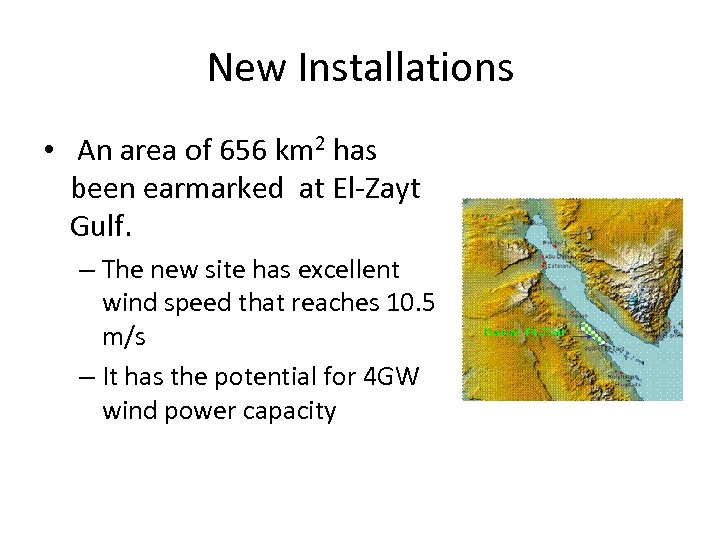
New Installations • An area of 656 km 2 has been earmarked at El-Zayt Gulf. – The new site has excellent wind speed that reaches 10. 5 m/s – It has the potential for 4 GW wind power capacity
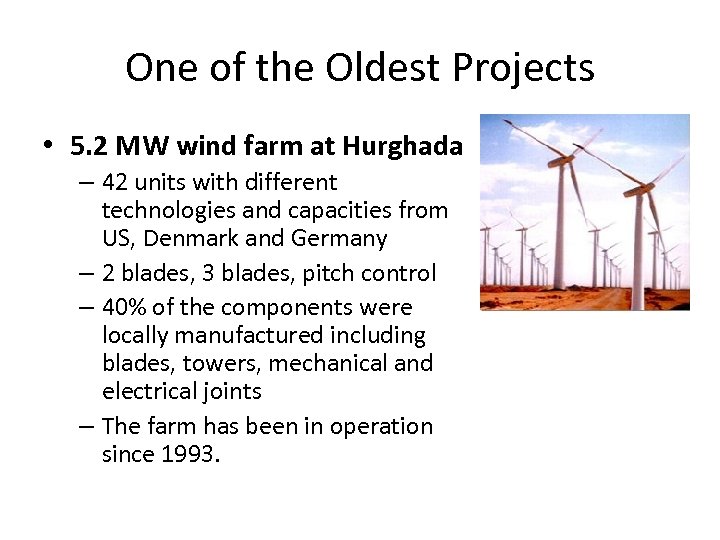
One of the Oldest Projects • 5. 2 MW wind farm at Hurghada – 42 units with different technologies and capacities from US, Denmark and Germany – 2 blades, 3 blades, pitch control – 40% of the components were locally manufactured including blades, towers, mechanical and electrical joints – The farm has been in operation since 1993.
Statistics of Operation • Average wind speed = 6. 3 m/s • Capacity factor= 18. 6% – (Generated energy/(installed power *8760) • Generated electricity = 9 GWh
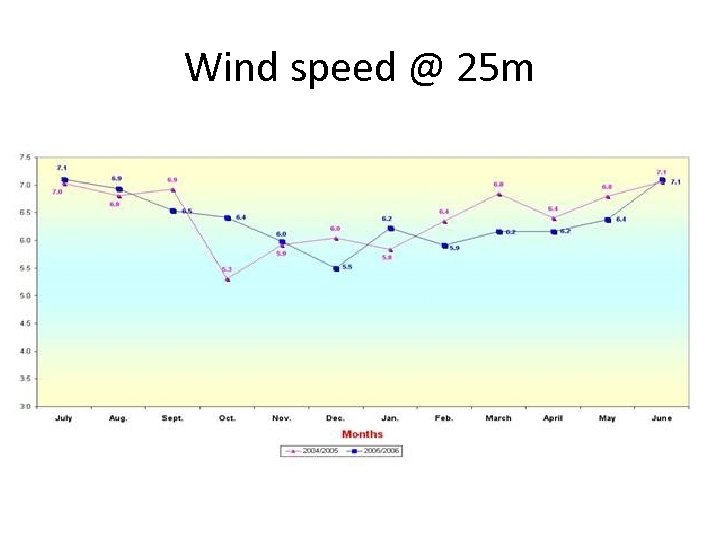
Wind speed @ 25 m
Other Projects • Hybrid Wind/Diesel systems at Matrouh – A hybrid Wind/Diesel system of • 5 × 25 k. W wind turbines • 2 × 100 KW diesel engines • Connected to 380 V local distribution grid
Thermo-solar system
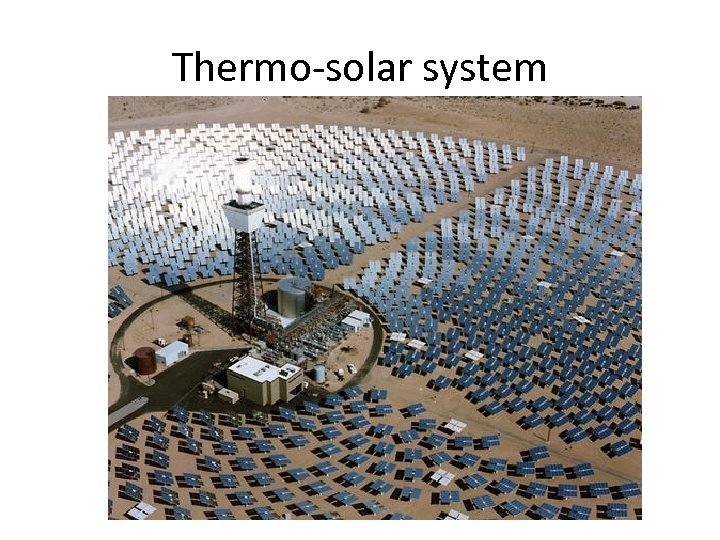
Thermo-solar system • The system is being constructed at Kuraymat • Integrated Solar Combined Cycle System (ISCCS). – Large number of parabolic trough mirrors concentrate solar radiation on a pipe system located at the focal area of the mirrors – The fluid of the pipes is to 400 o. C – The fluid is used to generate steam that can be used to generate electricity in the nearby thermal power plant.
Thermo-solar system • During the night, natural gas is used to produce the steam • The ISCCS system consists of – two gas turbines about 41 MW each. – One steam turbine of about 68 MW. • The total area of the collectors’ mirrors is about 220, 000 m 2
Europe
Europe Smart Grid: Current System
Smart Grid: Concept
Smart Grid Features • Flexible: fulfilling customers’ needs whilst responding to the changes and challenges ahead • Accessible: granting connection access to all network users • Reliable: assuring and improving security and quality of supply • Economic: providing best value through innovation and efficient energy management.
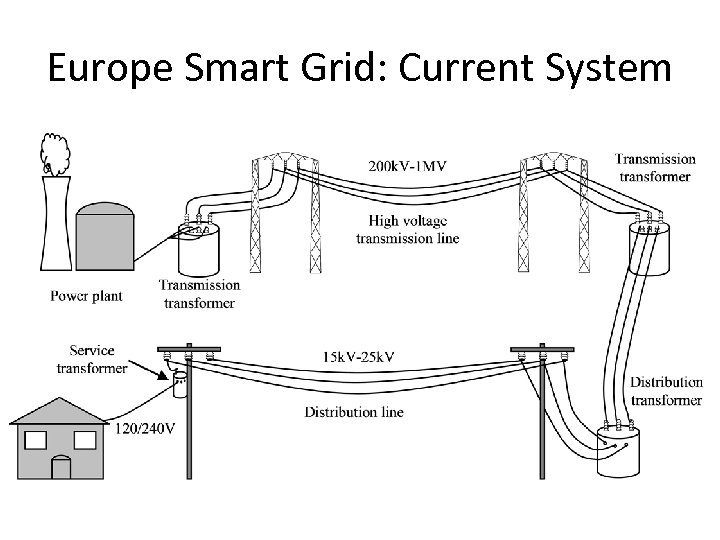
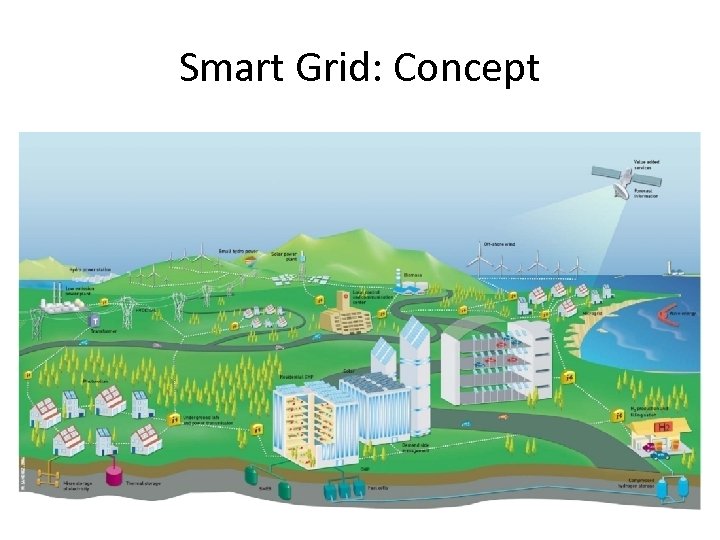
What is Smart Grid • Existing distribution networks have seen little change and tend to be radial with mostly unidirectional power flows and ”passive” operation. – Their primary role is energy delivery to end-users • Smart distribution grids will become active and will have to accommodate bi-directional power flows.
What to Expect? • A proportion of the electricity generated by large conventional plants will be displaced by – distributed generation – renewable energy sources – demand response – demand side management – energy storage.
What to Expect? • Additional stand-by capacity might be required, which could be called upon whenever the intermittent RES ceases to generate power. • It may be economically efficient to seek a European solution for balancing power rather than national ones. – For instance, the massive amount of fast-controllable hydro power in the Nordic and other mountainous countries of Europe could be used as real-time balancing power – for those areas in central Europe, where a large part of electricity generation could be provided by noncontrollable primary energy. Efficient integration of DG can be implemented
Sample of Immediate Challenges Reliable wind forecasting Distributed generation Ride through faults Two-way power flow (technology and metering) • Pollution optimization (minimization!) • Energy storage • Distribution control center • •
Thank You
Скачать презентацию Renewable Energy Snap Shots from Europe and the
f66a47999dd16f05f2f174783e405359.ppt