 Скачать презентацию REGULATION OF METABOLISM Catabolism proteins amino acids
Metabolism regulation.ppt
- Количество слайдов: 51



REGULATION OF METABOLISM
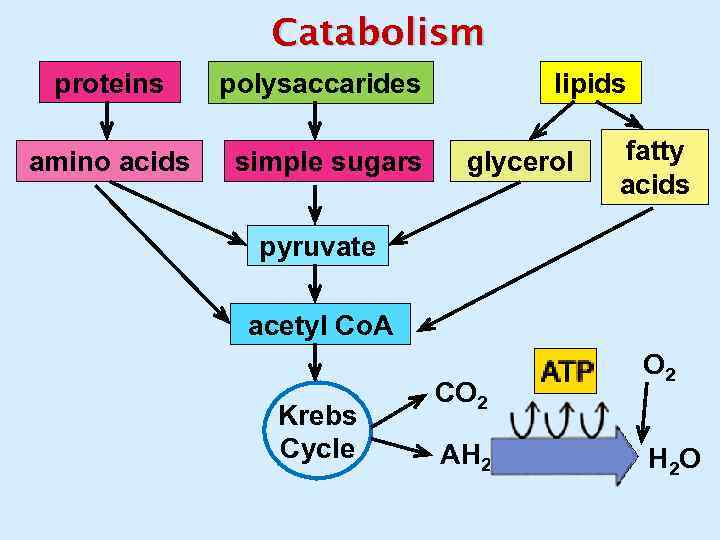
Catabolism proteins amino acids polysaccarides simple sugars lipids glycerol fatty acids pyruvate acetyl Co. A Krebs Cycle CO 2 AH 2 O 2 H 2 O
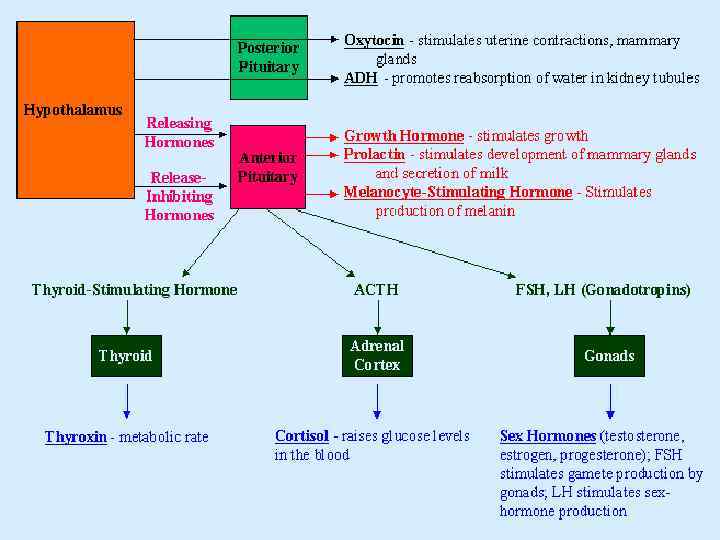
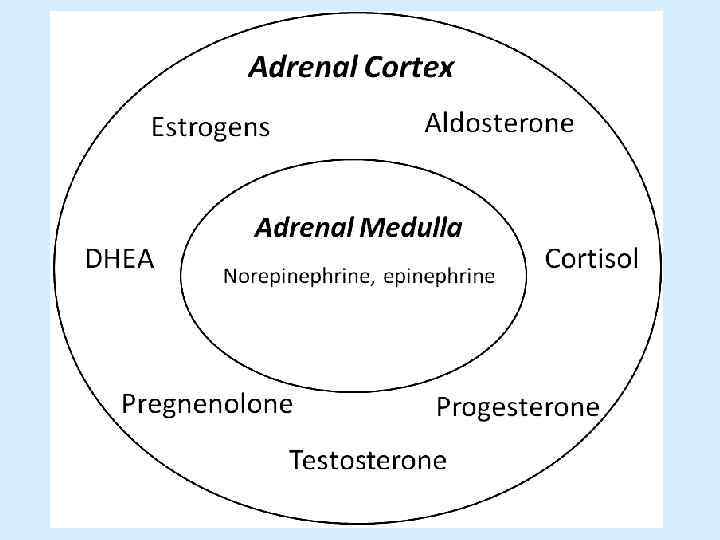
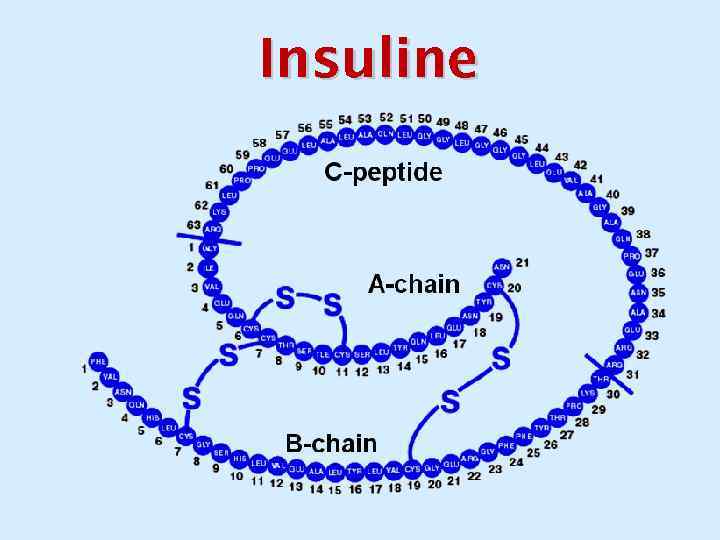
Insuline
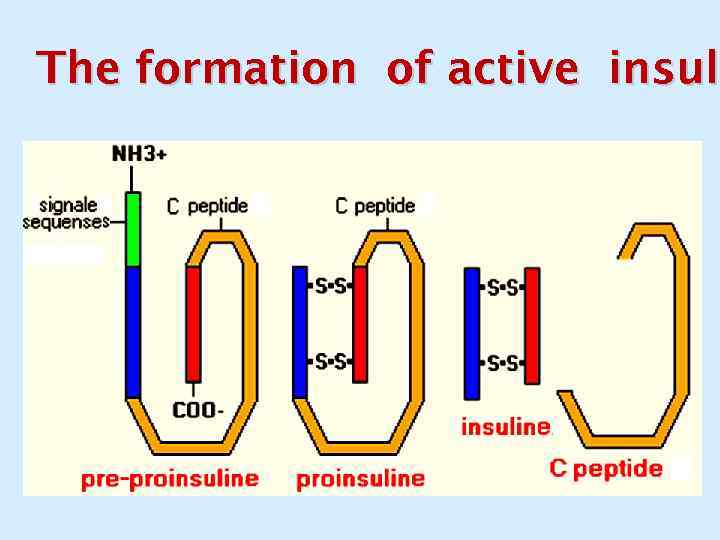
The formation of active insuli active insul
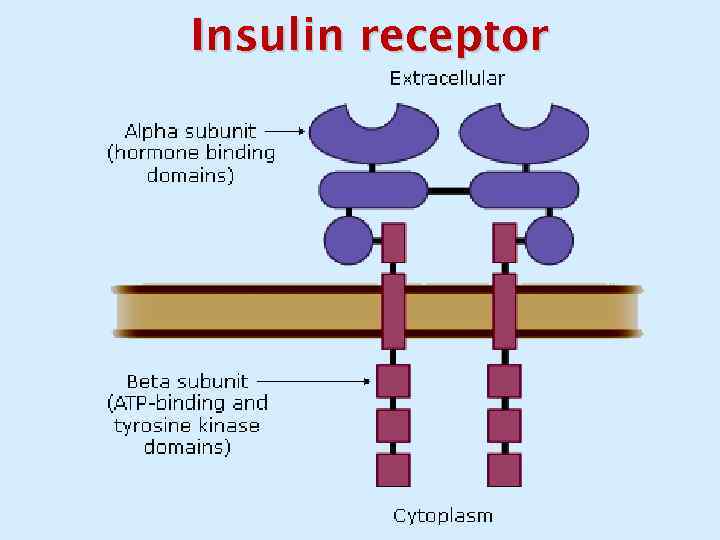
Insulin receptor
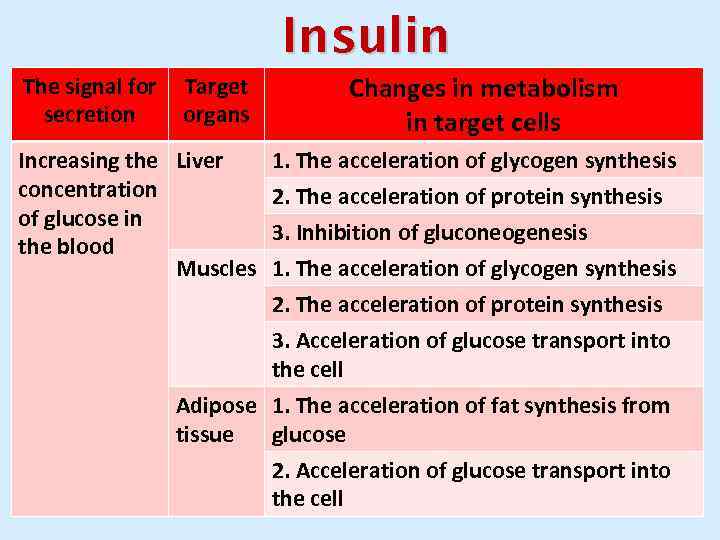
Insulin The signal for Target secretion organs Increasing the Liver concentration of glucose in the blood Muscles Changes in metabolism in target cells 1. The acceleration of glycogen synthesis 2. The acceleration of protein synthesis 3. Inhibition of gluconeogenesis 1. The acceleration of glycogen synthesis 2. The acceleration of protein synthesis 3. Acceleration of glucose transport into the cell Adipose 1. The acceleration of fat synthesis from tissue glucose 2. Acceleration of glucose transport into the cell
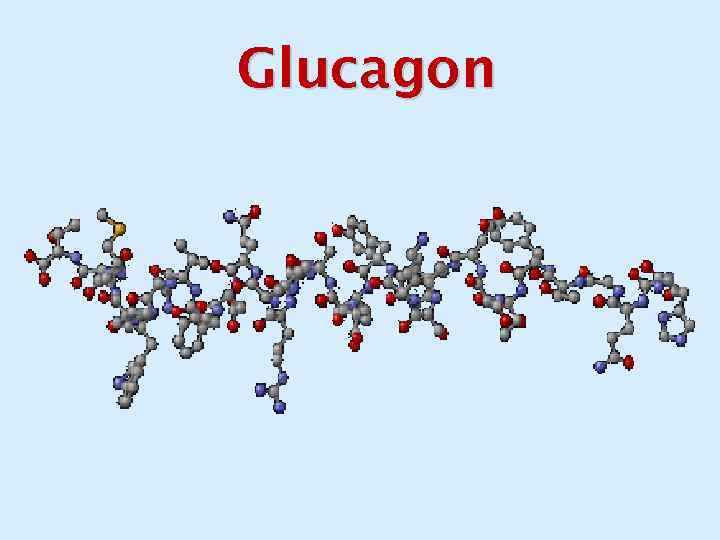
Glucagon
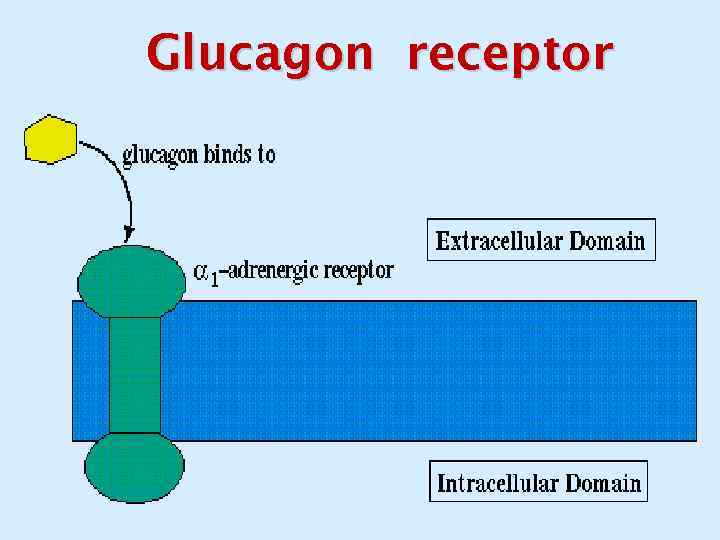
Glucagon receptor
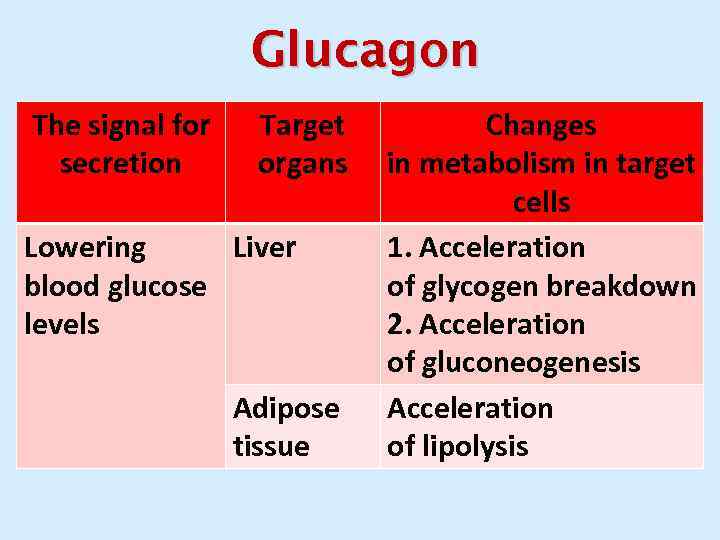
Glucagon The signal for Target Changes Сигнал для секреции Органы-мишени Изменения secretion organs in metabolism in target метаболизма в клетках-мишенях cells Понижение Печень 1. Ускорение Lowering 1. Acceleration концентрации Liver распада гликогена blood glucose of glycogen breakdown глюкозы в крови 2. Ускорение глюконеогенеза levels 2. Acceleration Жировая of gluconeogenesis ткань Ускорение липолиза Adipose Acceleration tissue of lipolysis
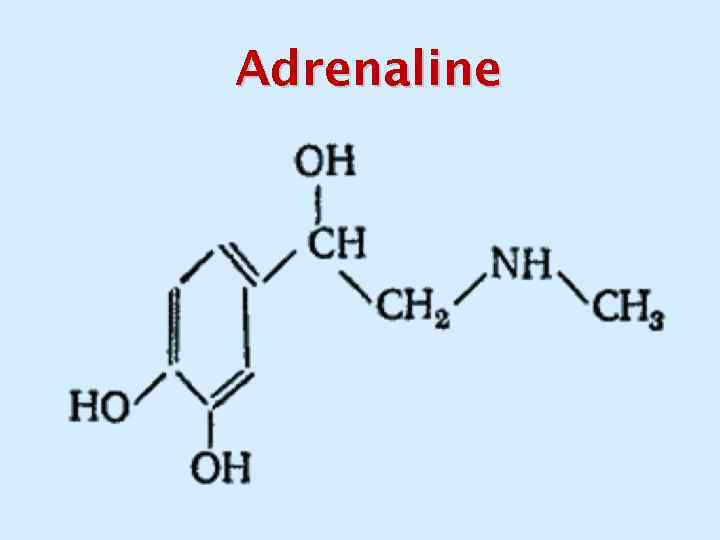
Adrenaline
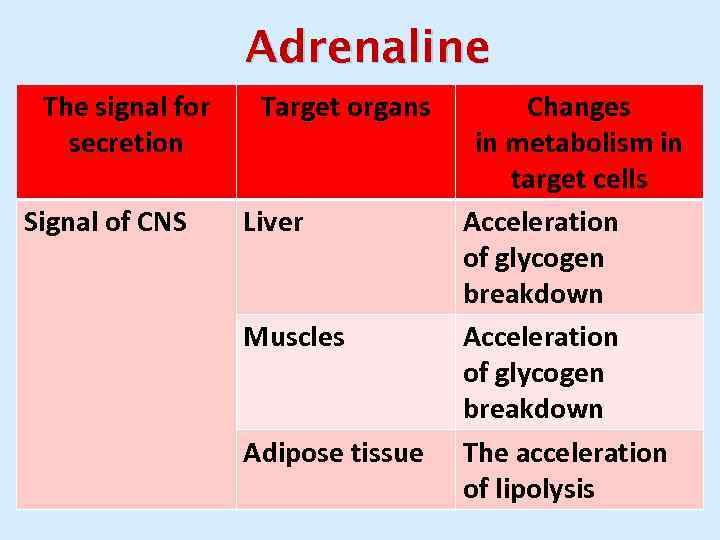
Adrenaline The signal for secretion Signal of CNS Target organs Liver Muscles Adipose tissue Changes in metabolism in target cells Acceleration of glycogen breakdown The acceleration of lipolysis
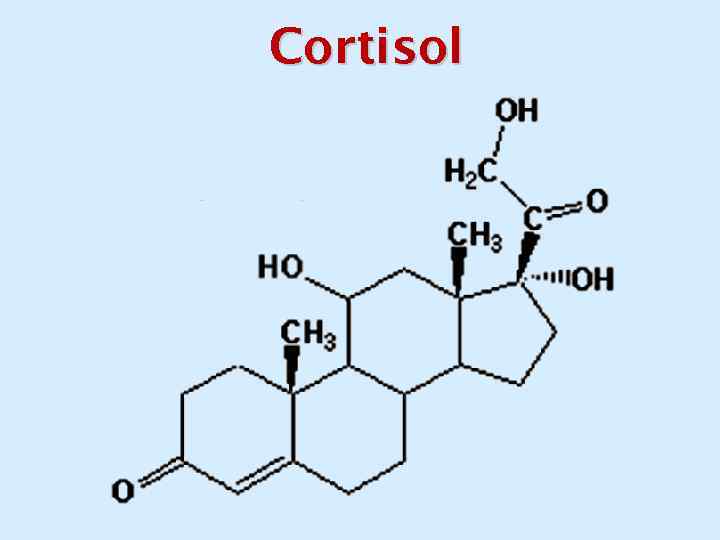
Cortisol
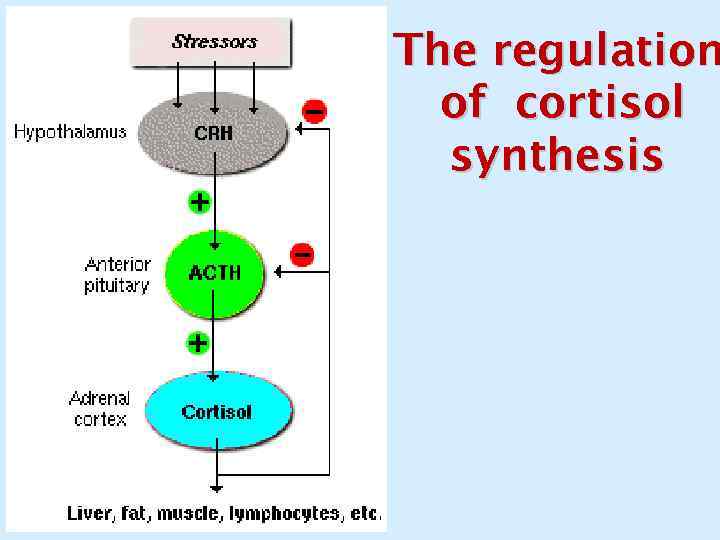
The regulation of cortisol synthesis
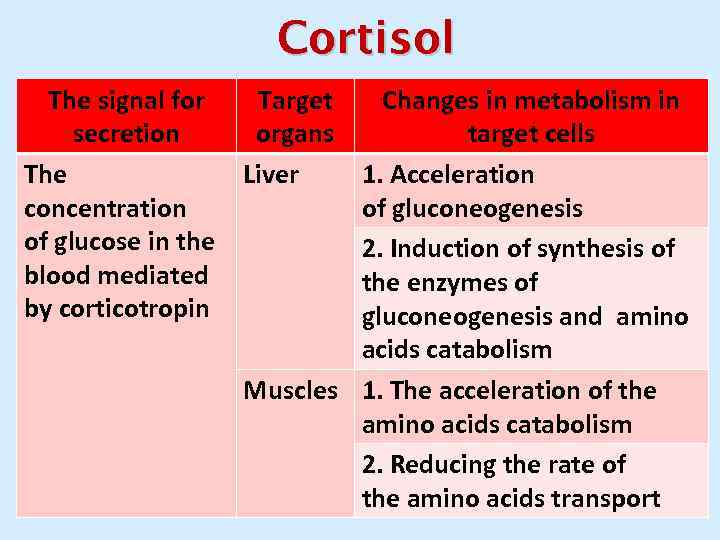
Cortisol The signal for Target secretion organs The Liver concentration of glucose in the blood mediated by corticotropin Changes in metabolism in target cells 1. Acceleration of gluconeogenesis 2. Induction of synthesis of the enzymes of gluconeogenesis and amino acids catabolism Muscles 1. The acceleration of the amino acids catabolism 2. Reducing the rate of the amino acids transport
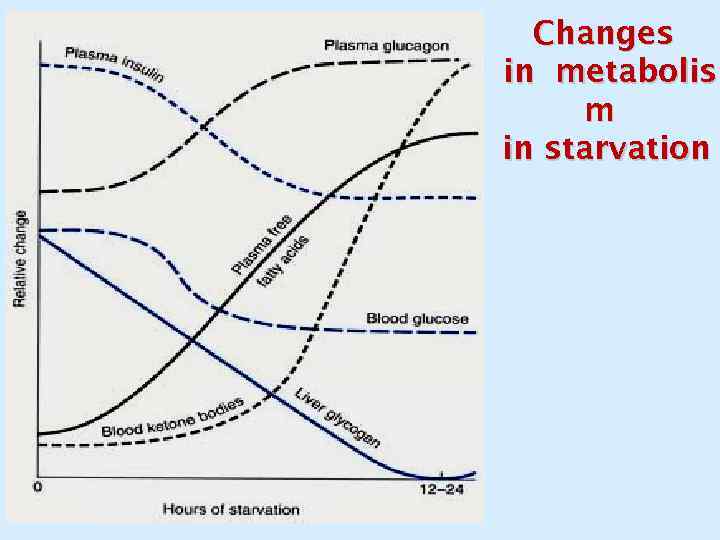
Changes in metabolis m in starvation
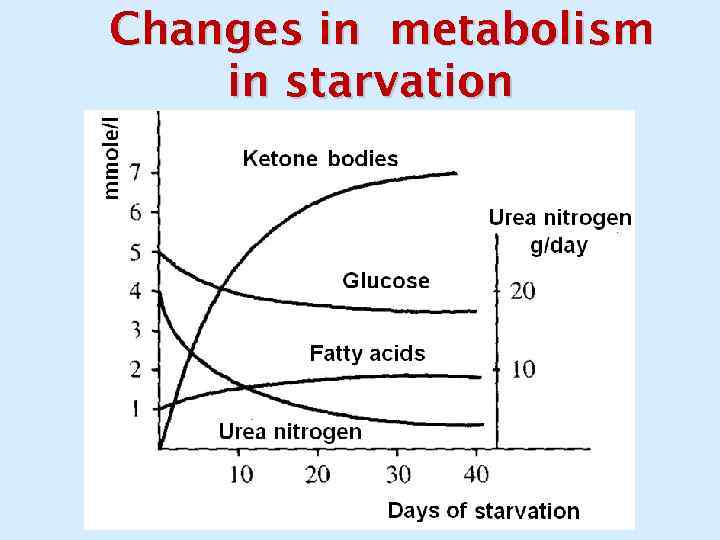
Changes in metabolism in starvation
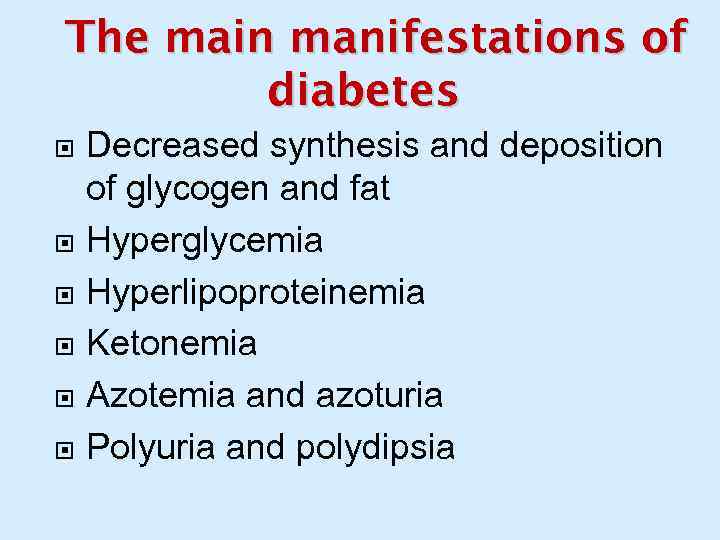
The main manifestations of diabetes Decreased synthesis and deposition of glycogen and fat Hyperglycemia Hyperlipoproteinemia Ketonemia Azotemia and azoturia Polyuria and polydipsia
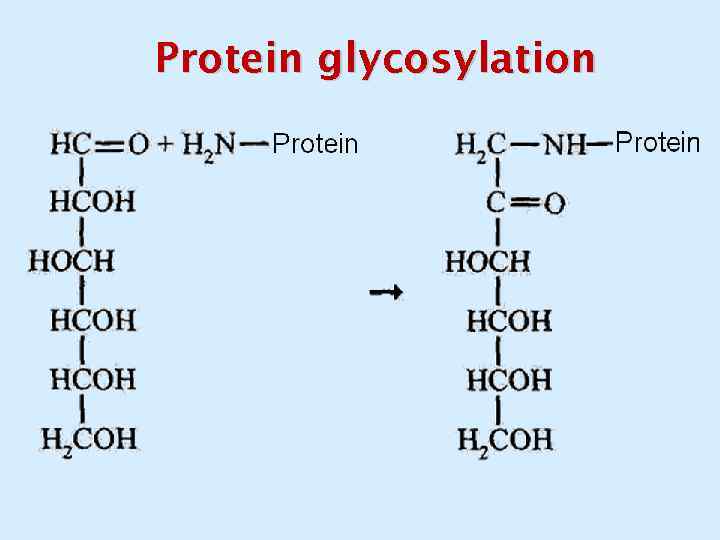
Protein glycosylation
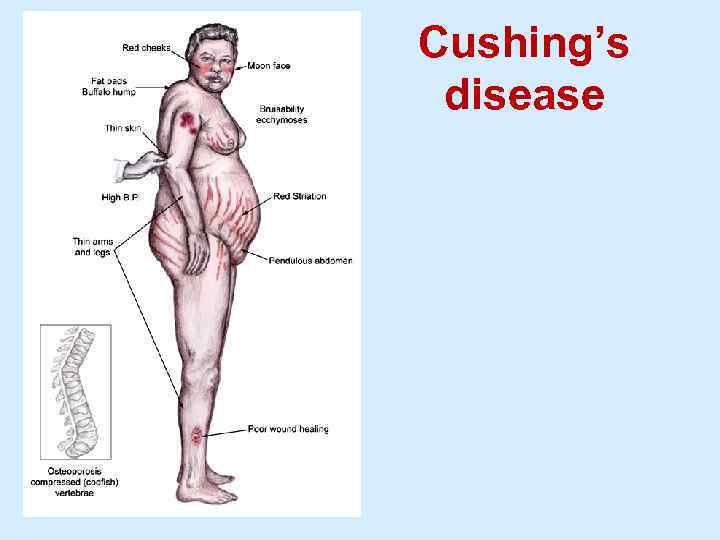
Cushing’s disease
REGULATION OF PHOSPHORUS AND CALCIUM METABOLISM
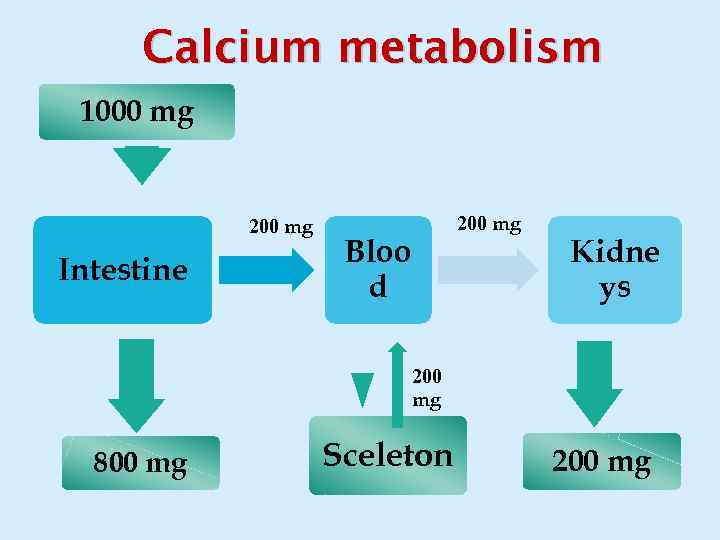
Calcium metabolism 1000 mg 200 mg Intestine 200 mg Bloo d Kidne ys 200 mg 800 mg Sceleton 200 mg
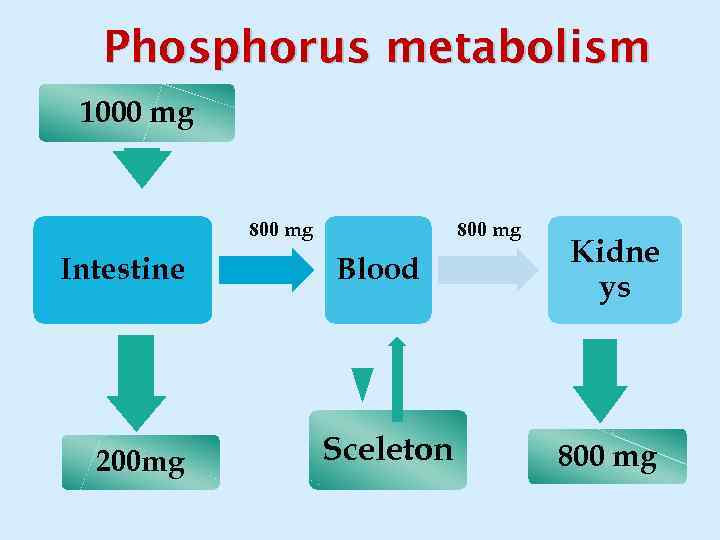
Phosphorus metabolism 1000 mg 800 mg Intestine 200 mg 800 mg Blood Sceleton Kidne ys 800 mg
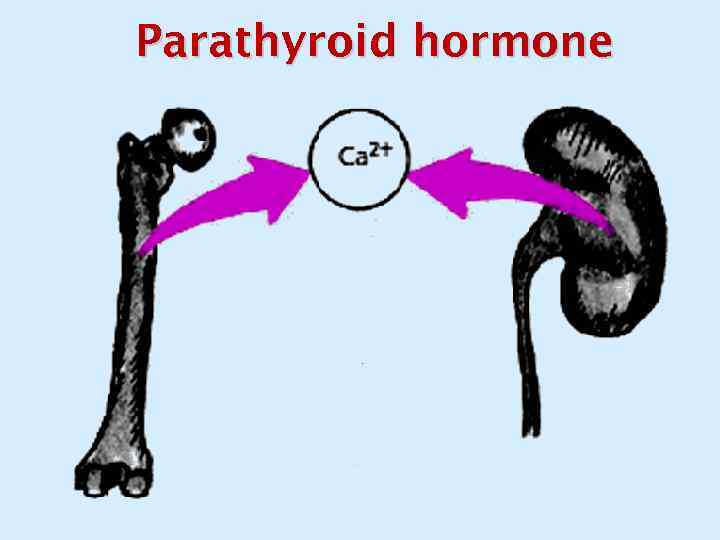
Parathyroid hormone
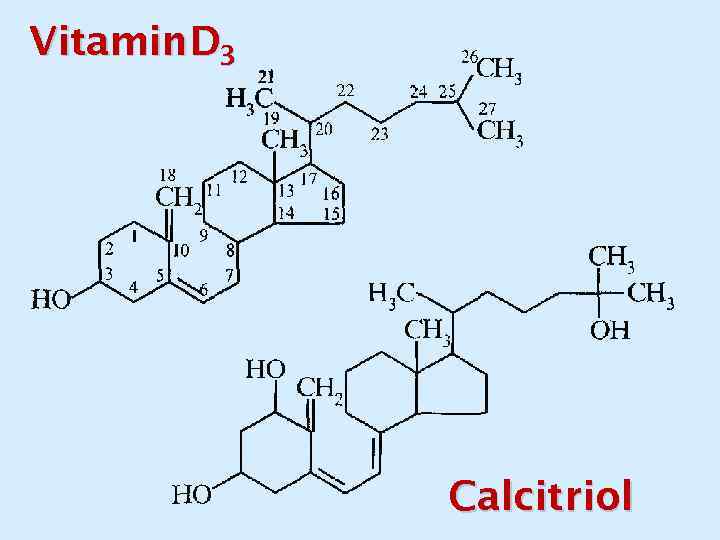
Vitamin. D 3 Calcitriol
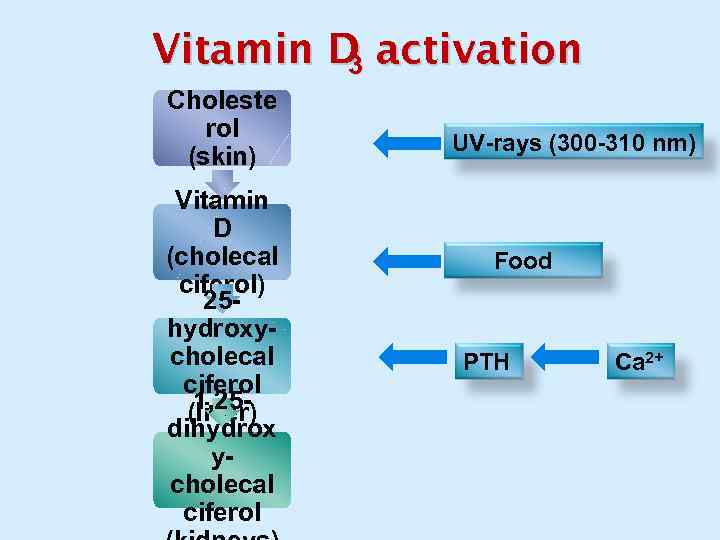
Vitamin D activation 3 Choleste rol (skin) Vitamin D (cholecal ciferol) 25 hydroxycholecal ciferol 1, 25(liver) dihydrox ycholecal ciferol UV-rays (300 -310 nm) Food PTH Са 2+
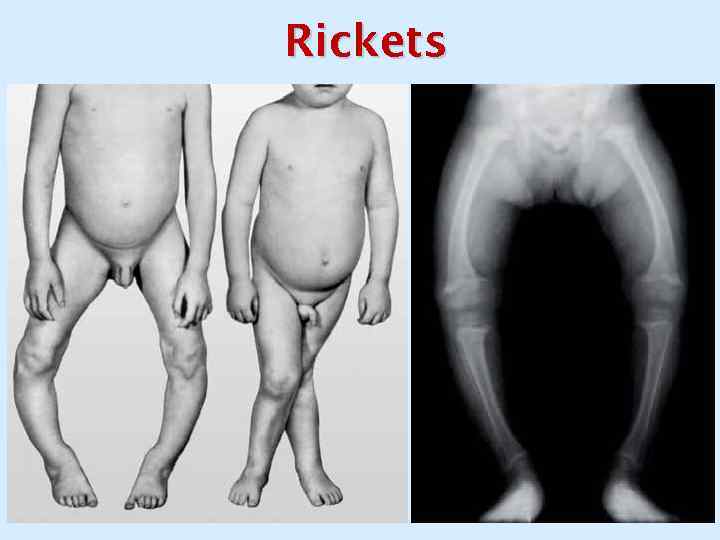
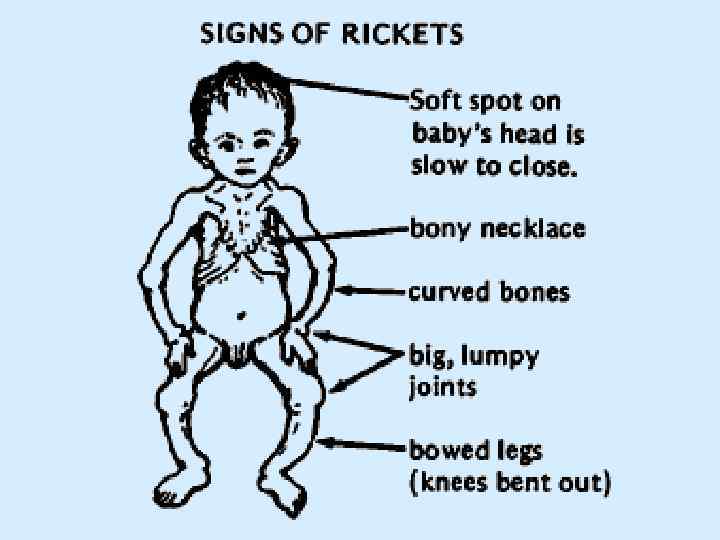
Rickets
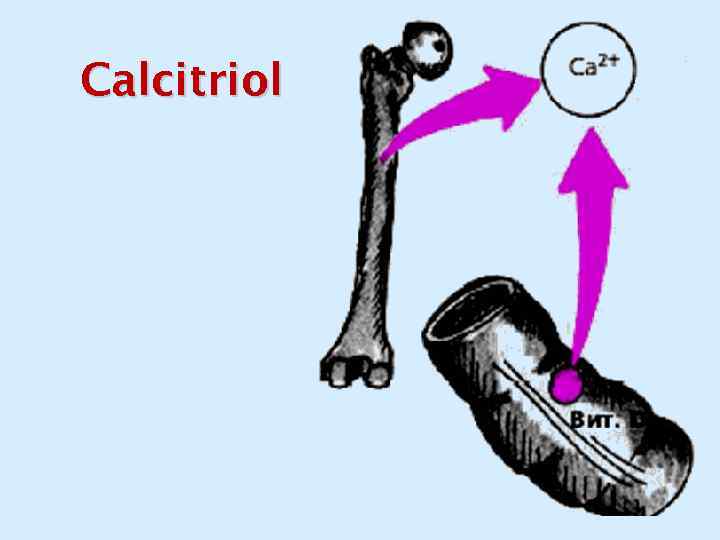
Calcitriol
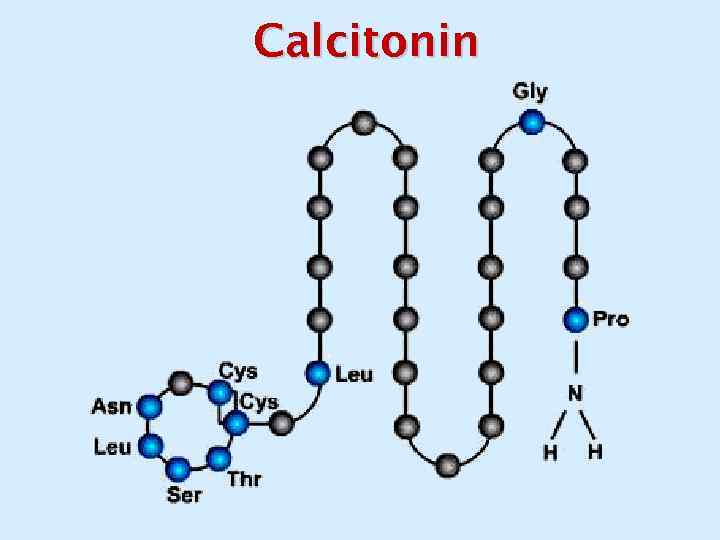
Calcitonin
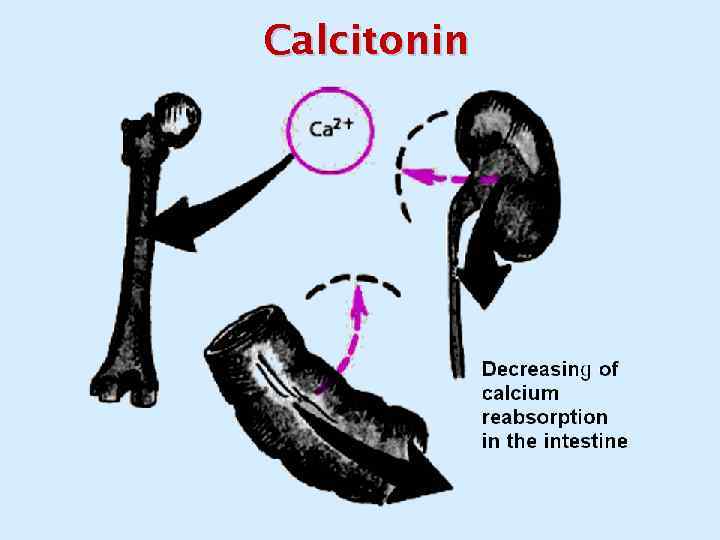
Calcitonin
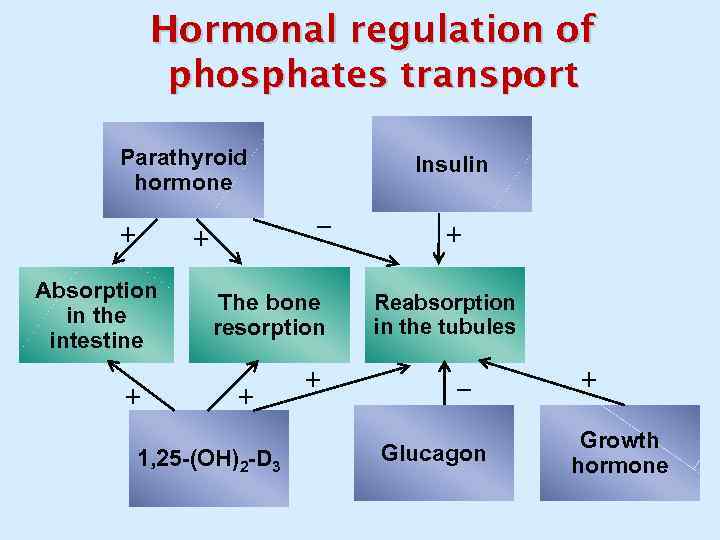
Hormonal regulation of phosphates transport Parathyroid hormone + _ + Absorption in the intestine + Insulin The bone resorption + 1, 25 -(ОН)2 -D 3 + + Reabsorption in the tubules _ Glucagon + Growth hormone
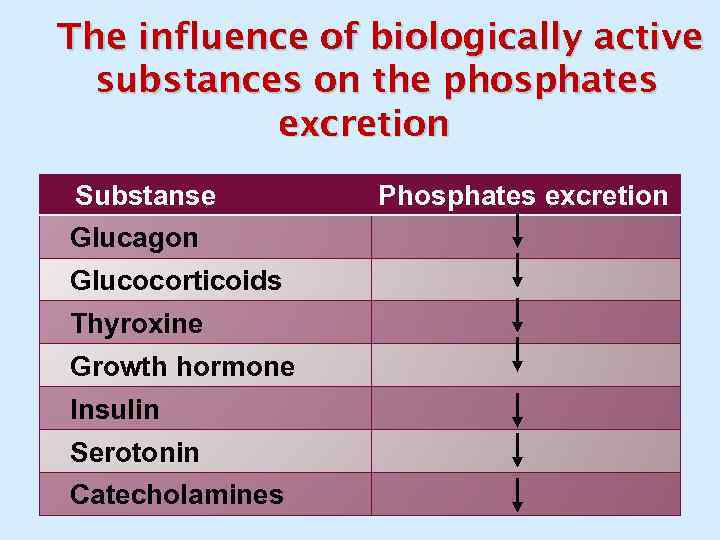
The influence of biologically active substances on the phosphates excretion Substanse Glucagon Glucocorticoids Thyroxine Growth hormone Insulin Serotonin Catecholamines Phosphates excretion
WATER AND SALT METABOLISM RENAL BIOCHEMISTRY
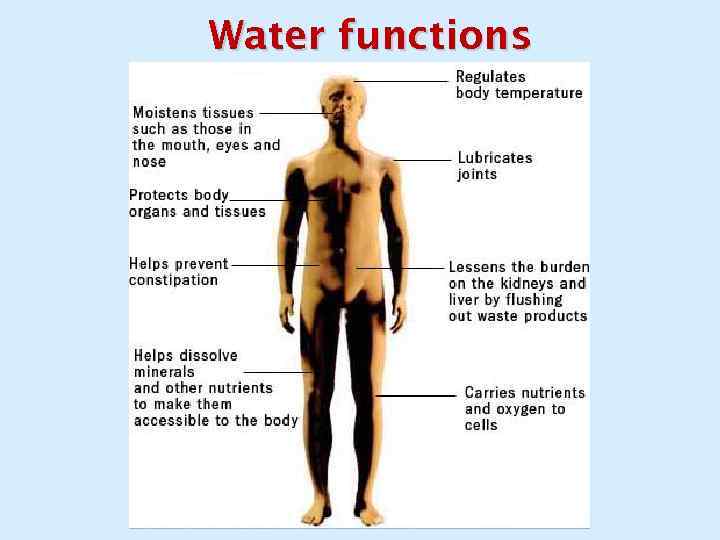
Water functions
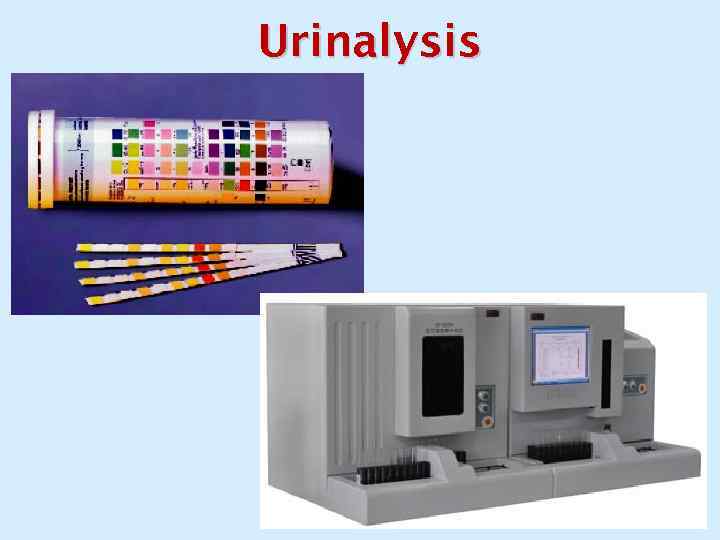
Urinalysis
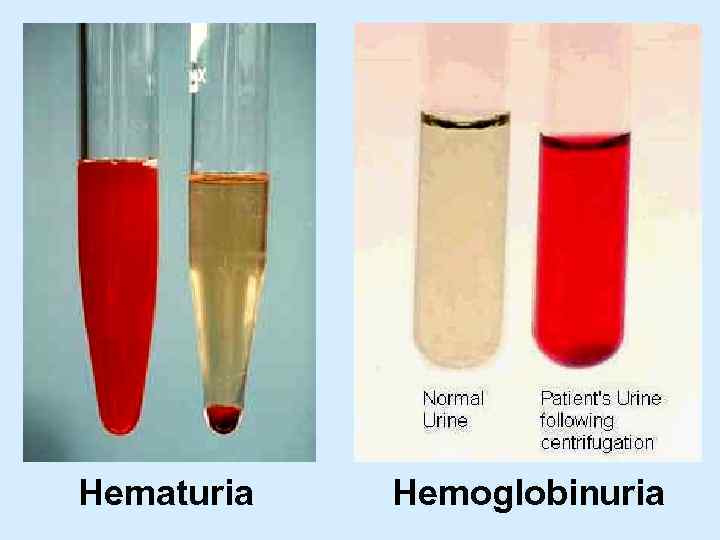
Hematuria Hemoglobinuria
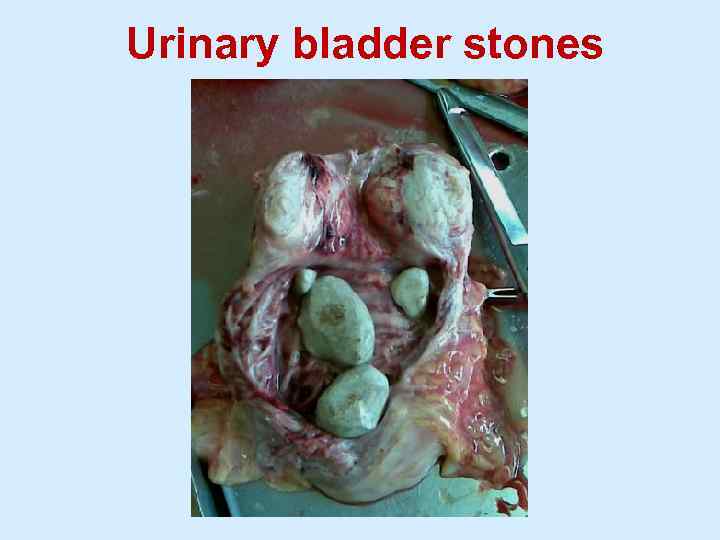
Urinary bladder stones
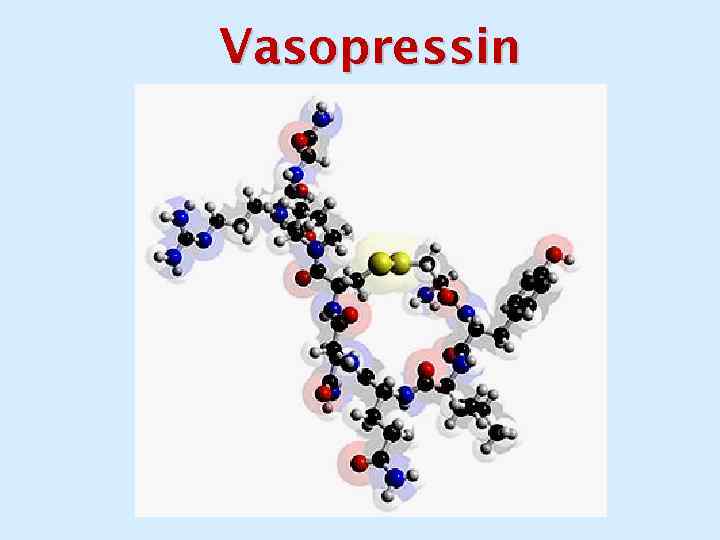
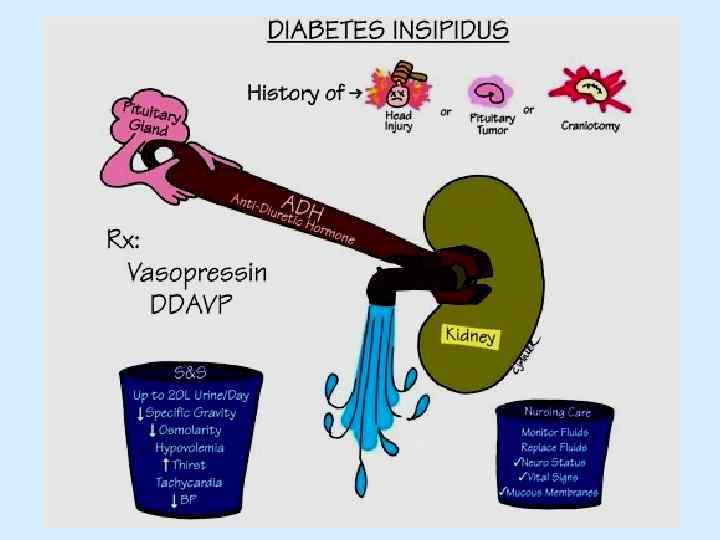
Vasopressin
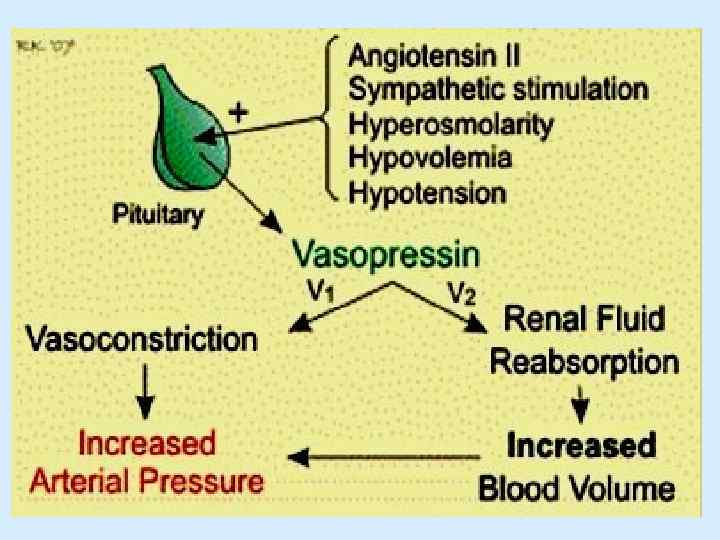
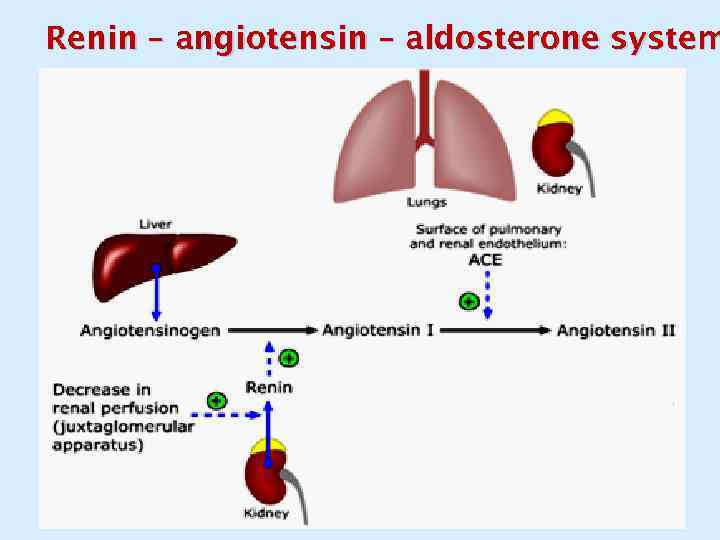
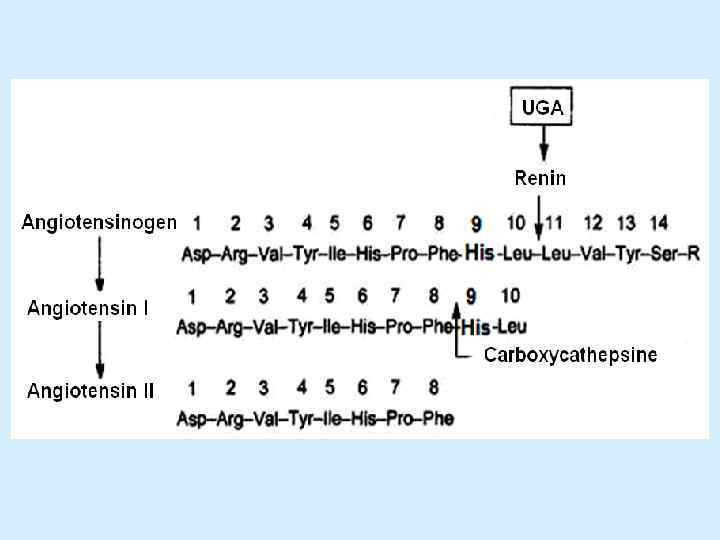
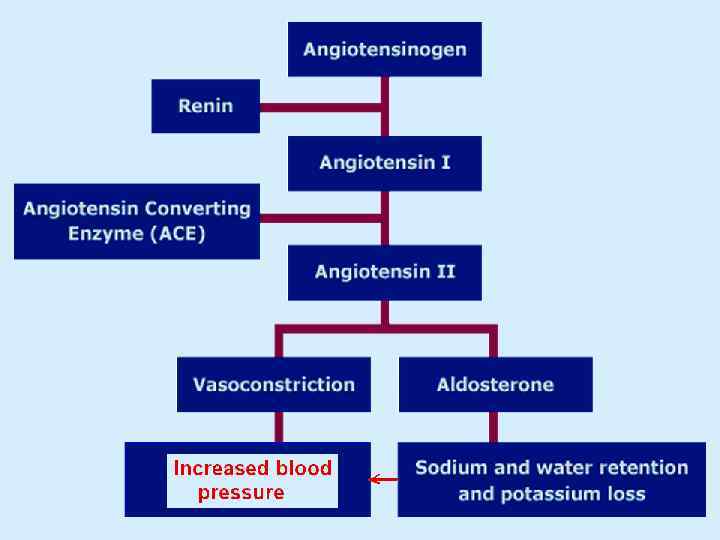
Renin – angiotensin – aldosterone system
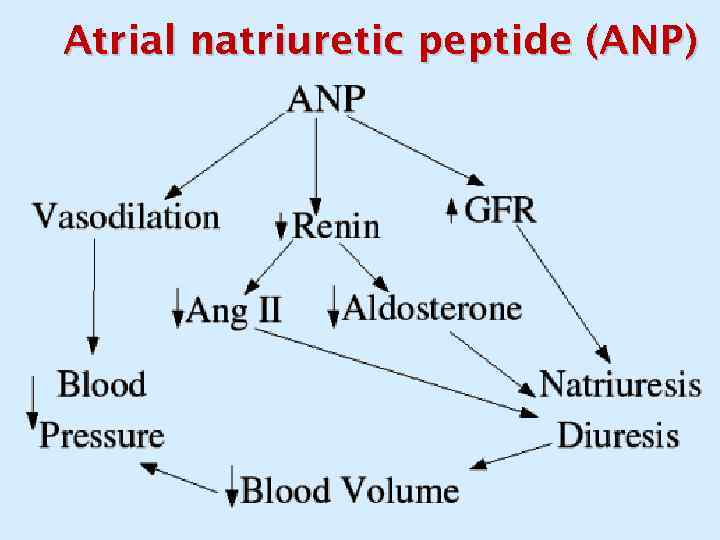
Atrial natriuretic peptide (ANP)
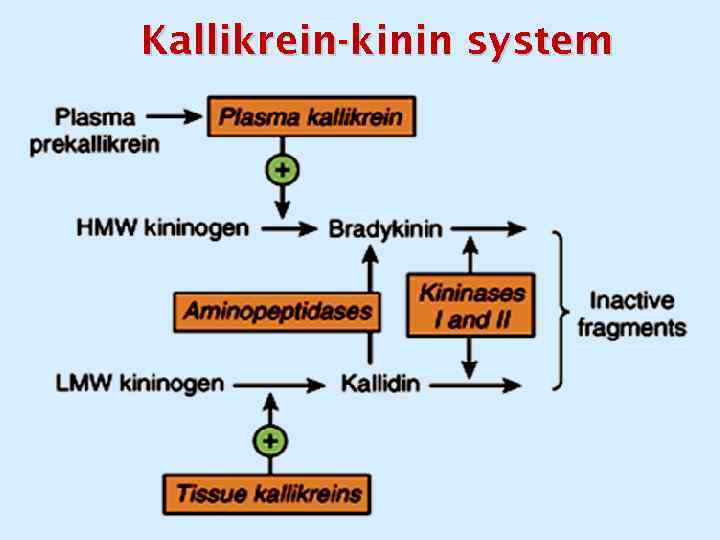
Kallikrein-kinin system
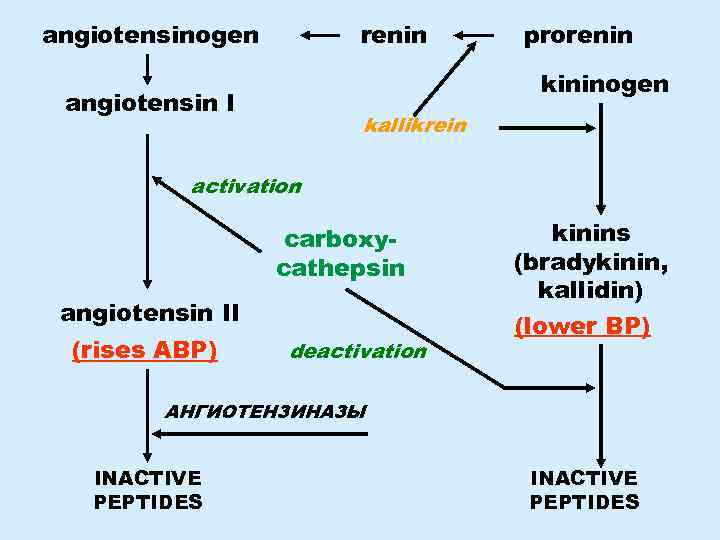
renin angiotensinogen prorenin kininogen angiotensin I kallikrein activation carboxycathepsin angiotensin II (rises ABP) deactivation kinins (bradykinin, kallidin) (lower BP) АНГИОТЕНЗИНАЗЫ INACTIVE PEPTIDES
Скачать презентацию REGULATION OF METABOLISM Catabolism proteins amino acids
Metabolism regulation.ppt