Скачать презентацию Reconstruction 1863 -1877 Three Elements 1 Political 2
5a92d8b381e0dfbc40b118a3ec93e55d.ppt
- Количество слайдов: 153
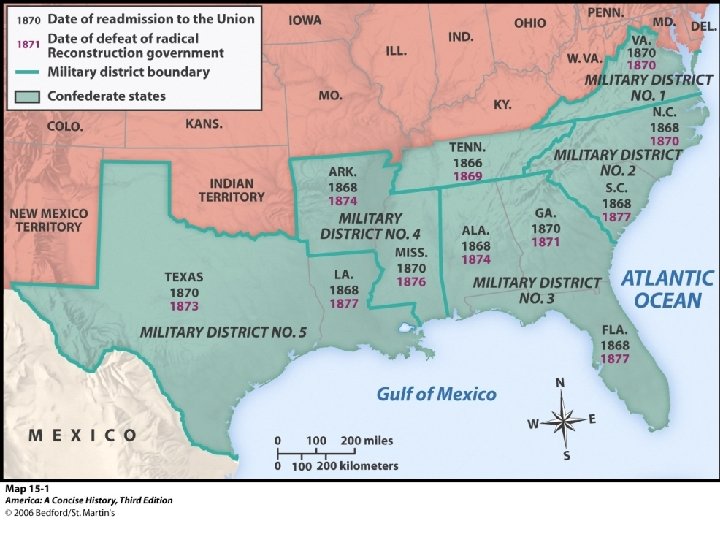
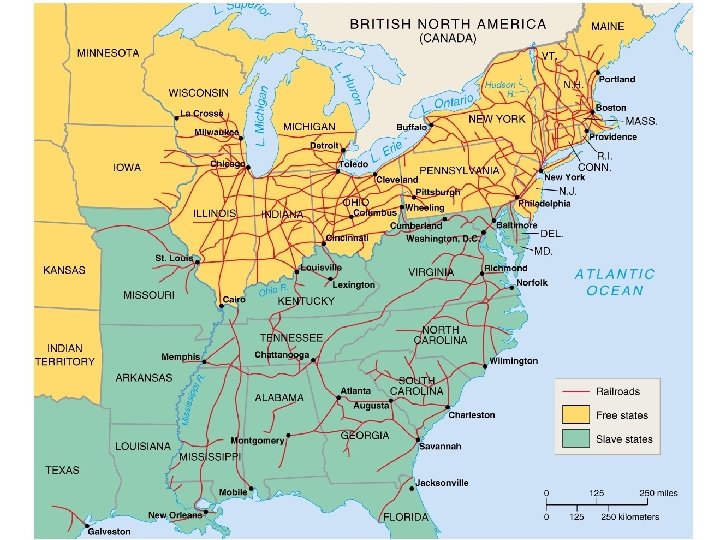
 Reconstruction 1863 -1877 Three Elements 1. Political 2. Economic 3. Social Three Phases 1. Presidential Reconstruction Lincoln 1863 -’ 65 2. Presidential Reconstruction Johnson ‘ 65 -’ 67 3. Congressional (Radical) Reconstruction ‘ 67 -’ 77
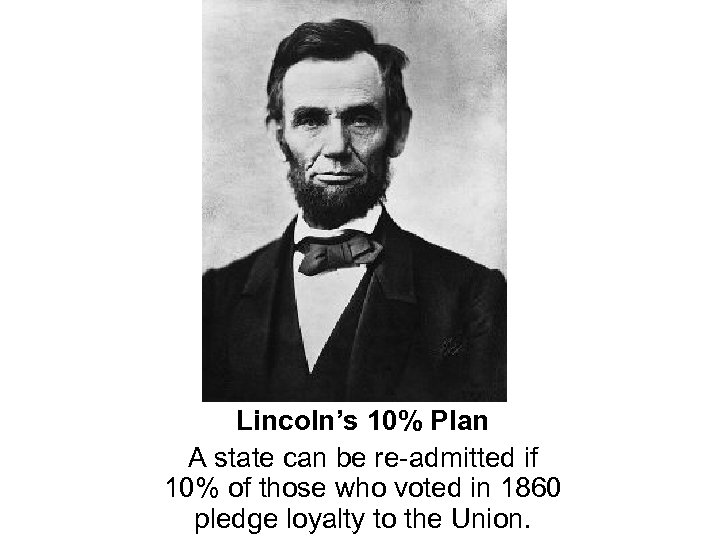 Lincoln’s 10% Plan A state can be re-admitted if 10% of those who voted in 1860 pledge loyalty to the Union.
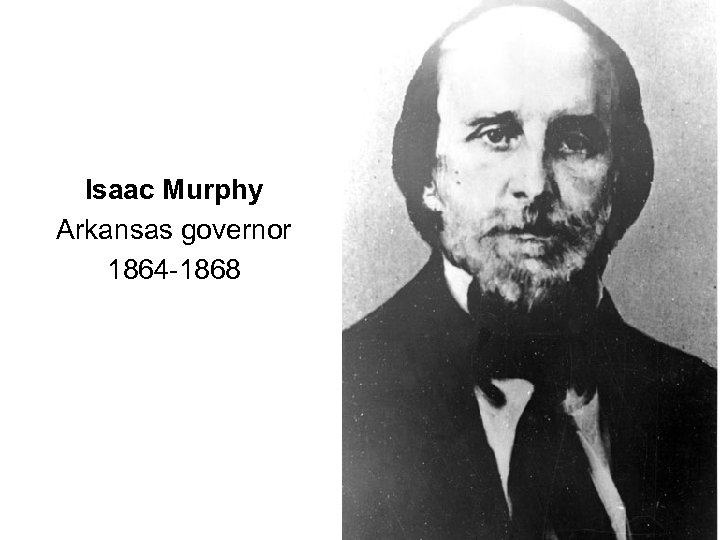 Isaac Murphy Arkansas governor 1864 -1868
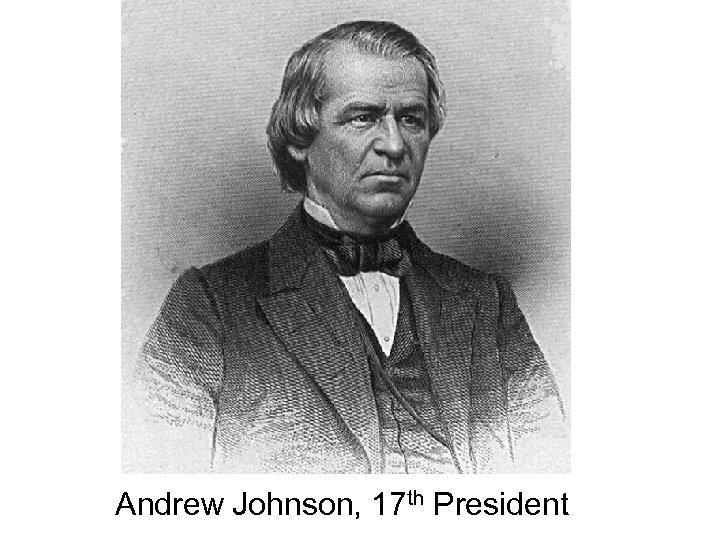 Andrew Johnson, 17 th President
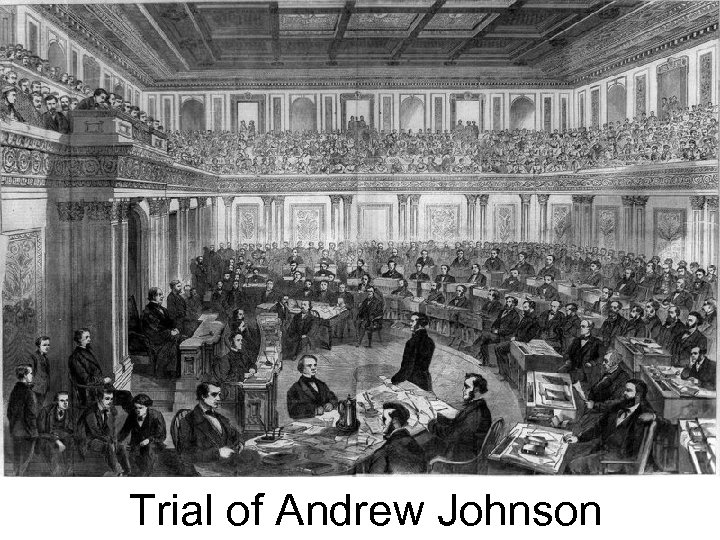 Trial of Andrew Johnson
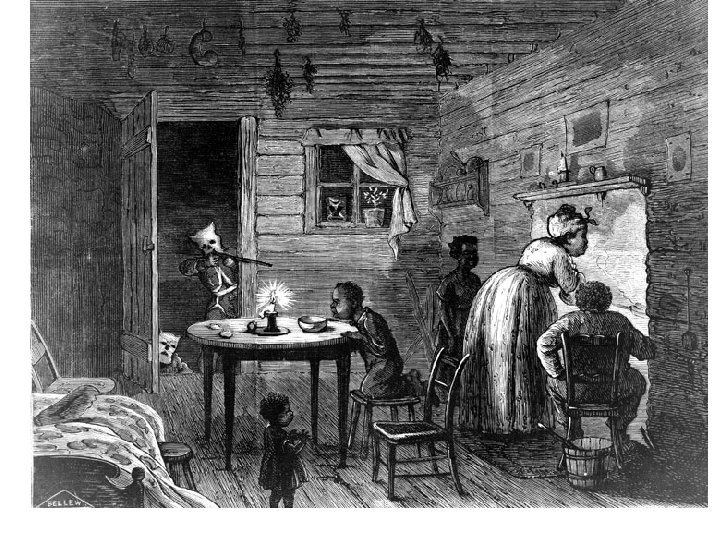
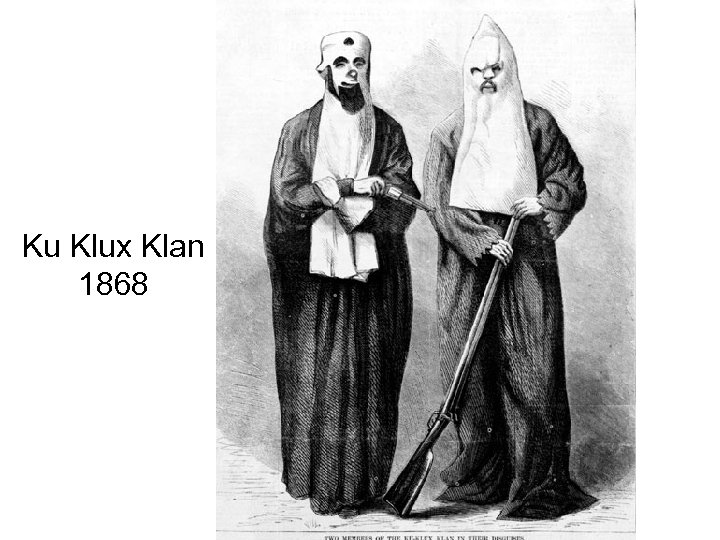 Ku Klux Klan 1868
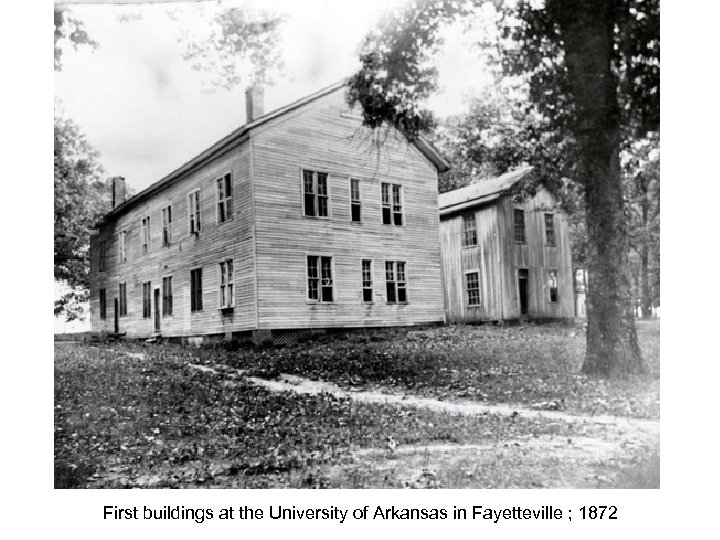 First buildings at the University of Arkansas in Fayetteville ; 1872
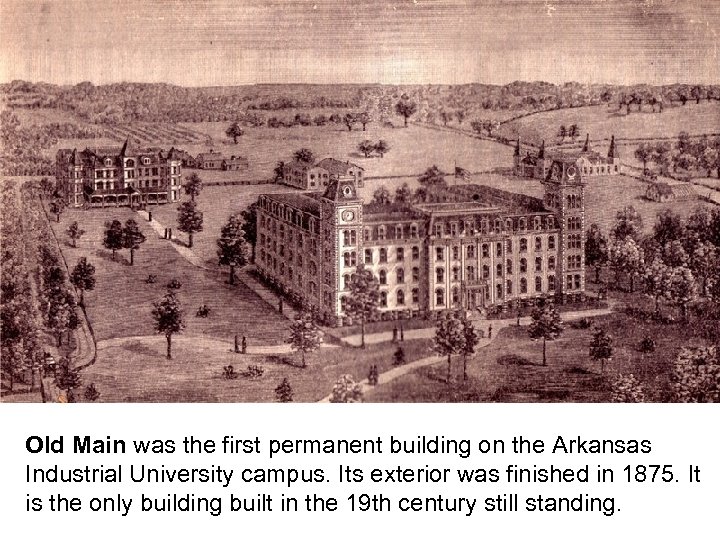 Old Main was the first permanent building on the Arkansas Industrial University campus. Its exterior was finished in 1875. It is the only building built in the 19 th century still standing.
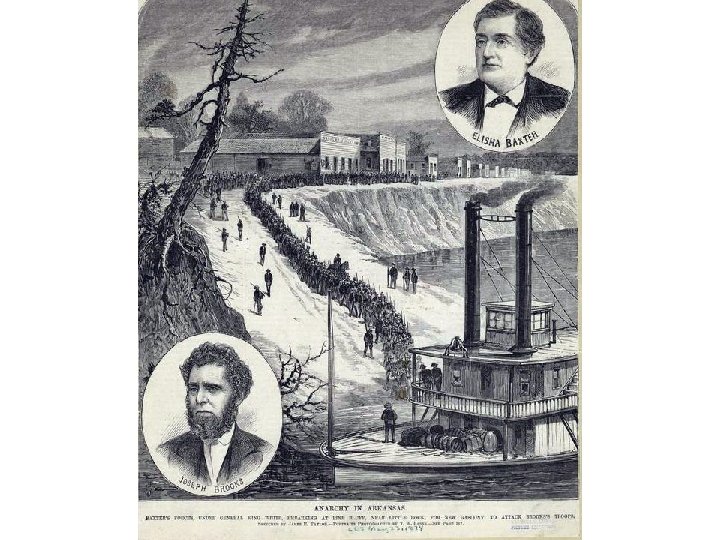
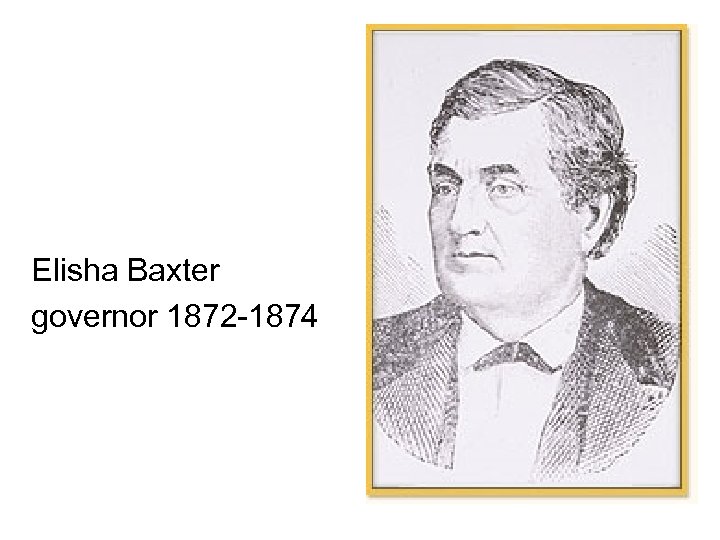 Elisha Baxter governor 1872 -1874
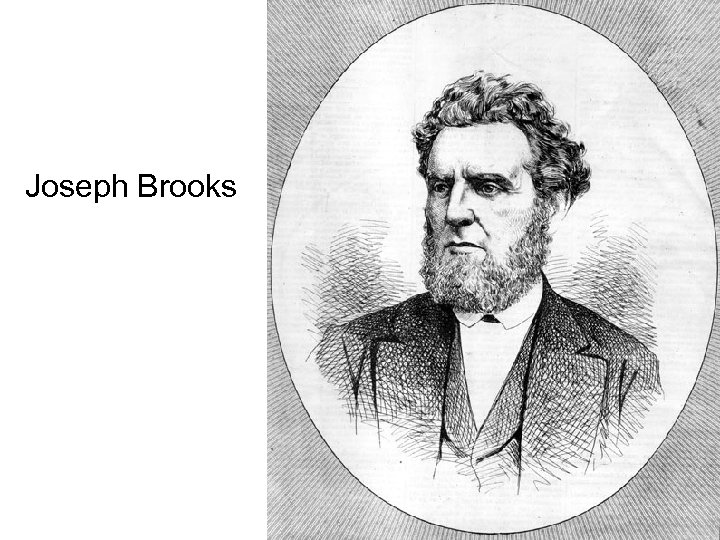 Joseph Brooks
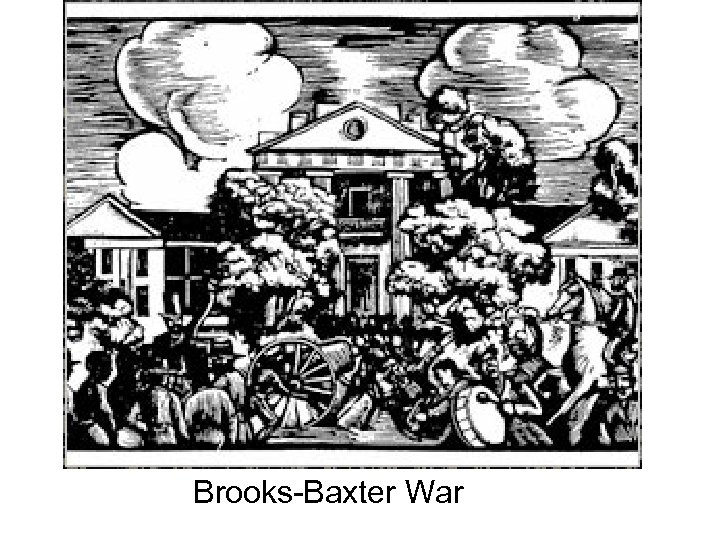 Brooks-Baxter War
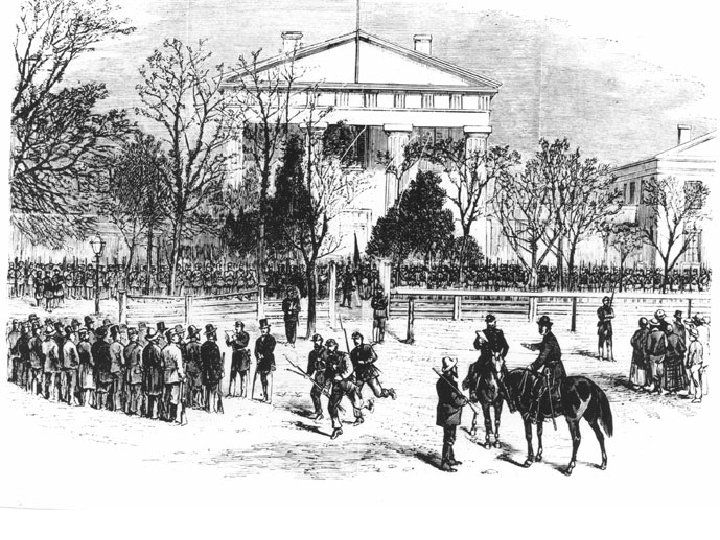
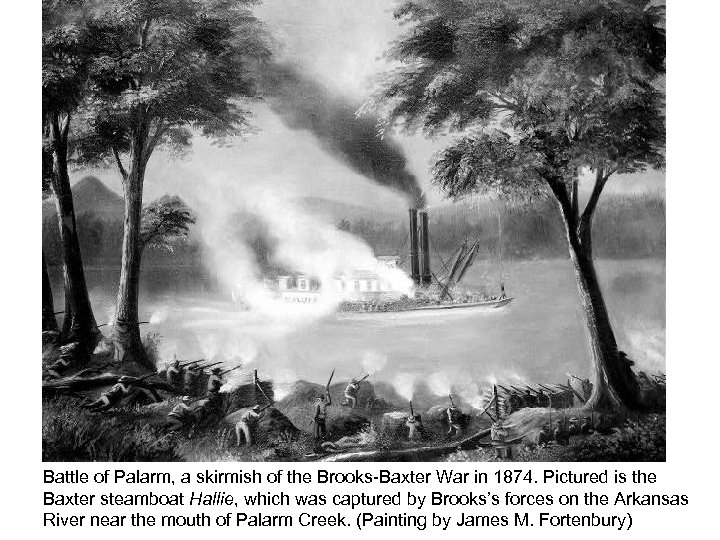 Battle of Palarm, a skirmish of the Brooks-Baxter War in 1874. Pictured is the Baxter steamboat Hallie, which was captured by Brooks’s forces on the Arkansas River near the mouth of Palarm Creek. (Painting by James M. Fortenbury)
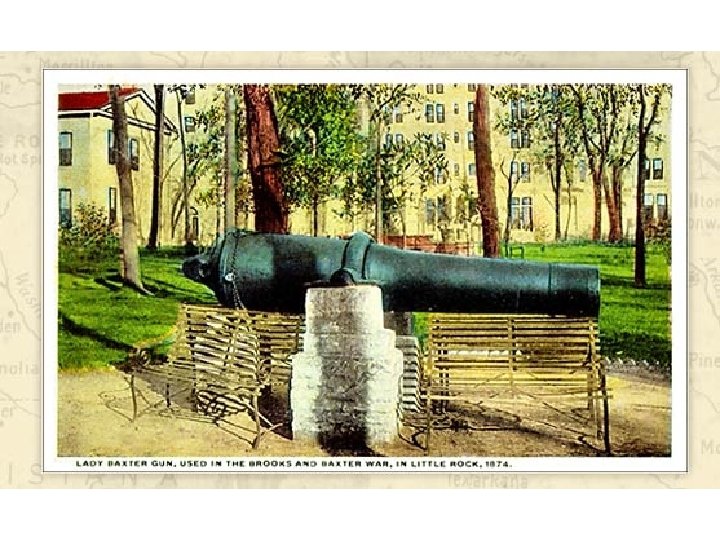
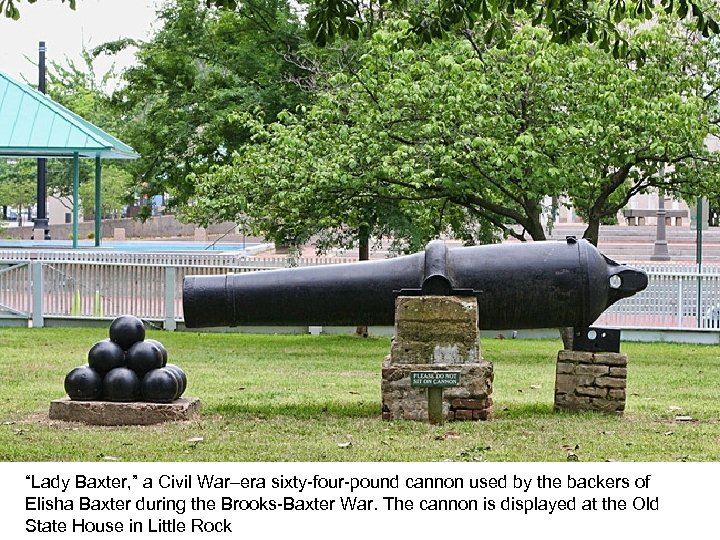 “Lady Baxter, ” a Civil War–era sixty-four-pound cannon used by the backers of Elisha Baxter during the Brooks-Baxter War. The cannon is displayed at the Old State House in Little Rock
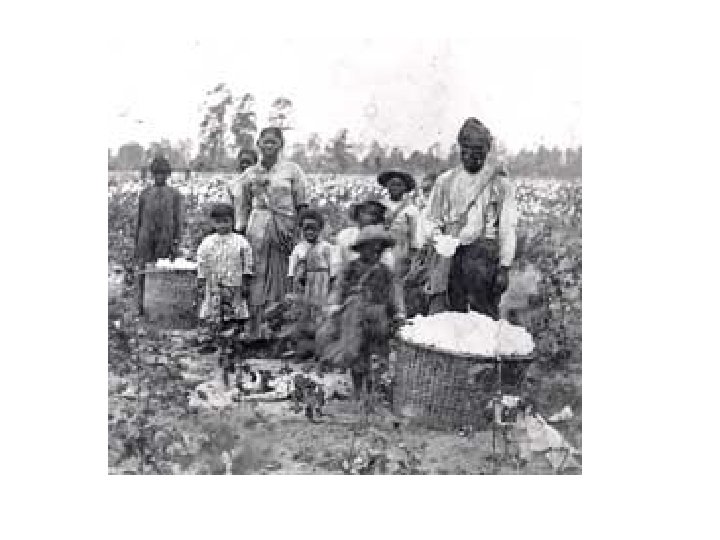
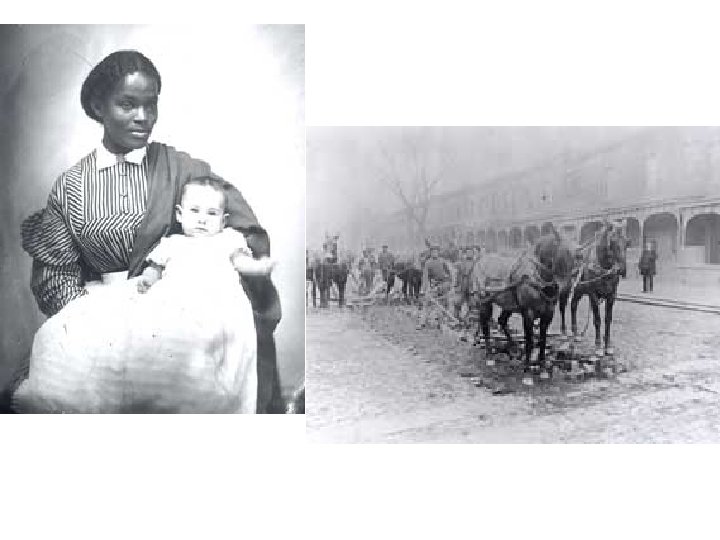
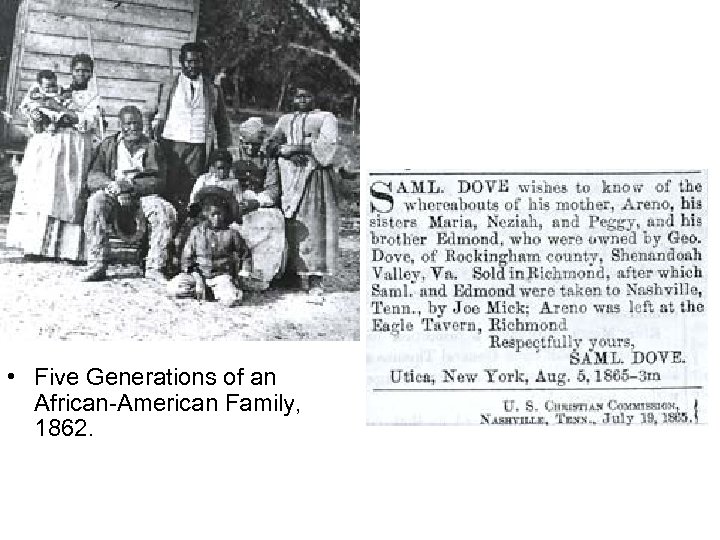 • Five Generations of an African-American Family, 1862.
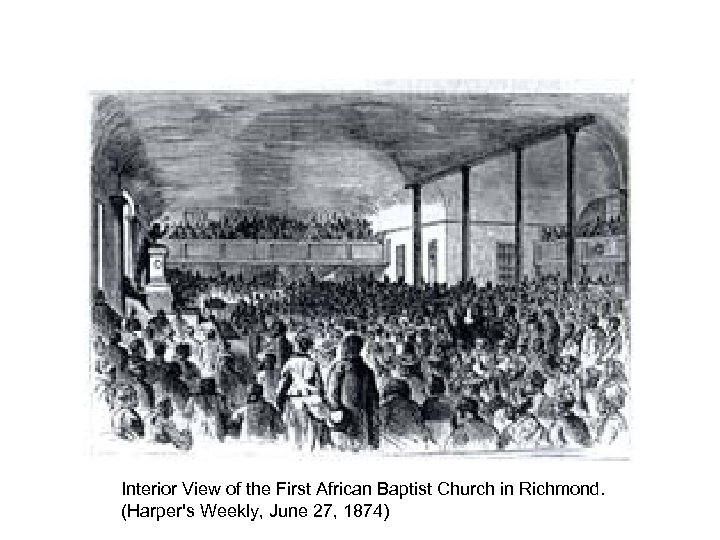 Interior View of the First African Baptist Church in Richmond. (Harper's Weekly, June 27, 1874)
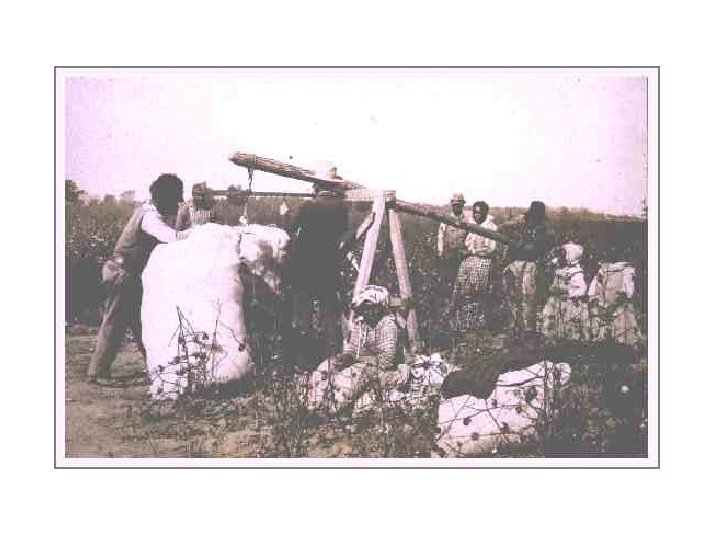
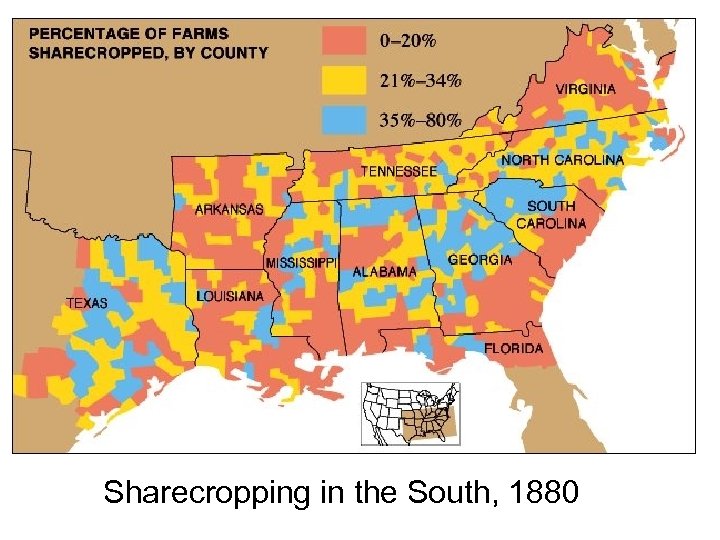 Sharecropping in the South, 1880
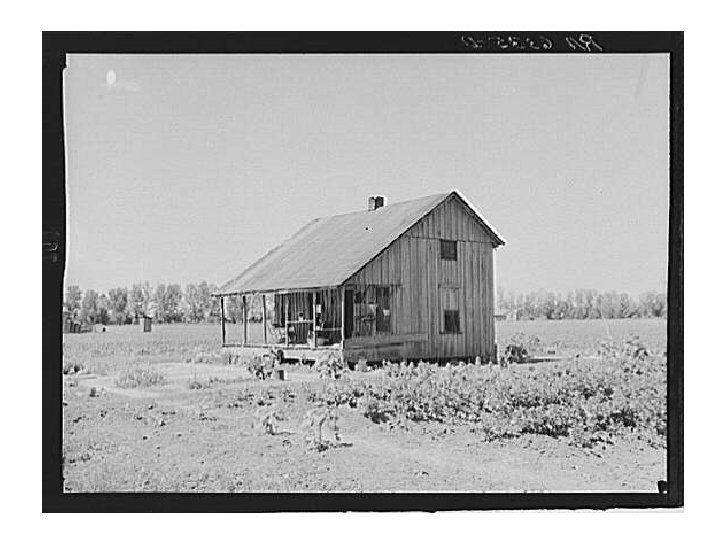
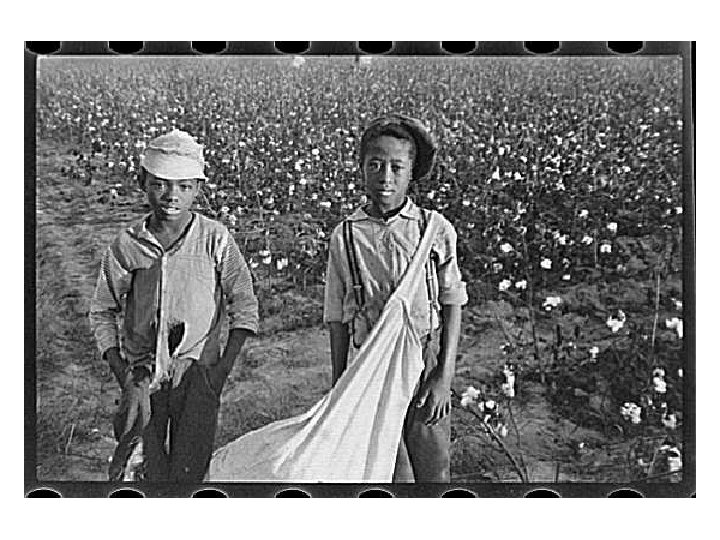
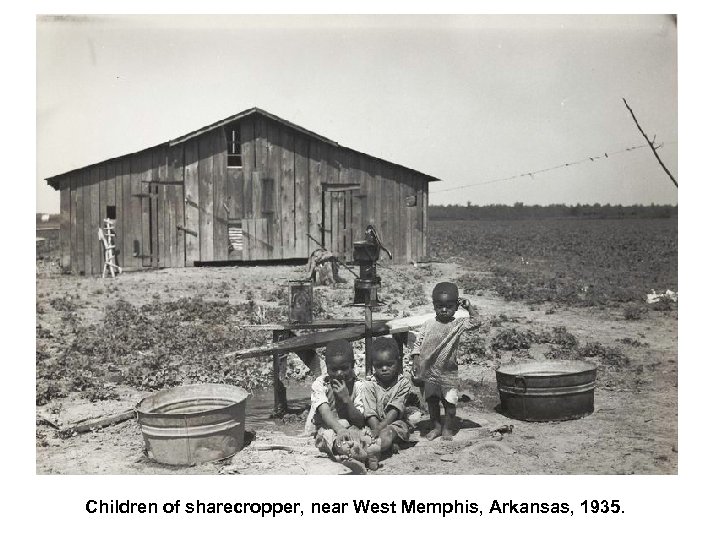 Children of sharecropper, near West Memphis, Arkansas, 1935.

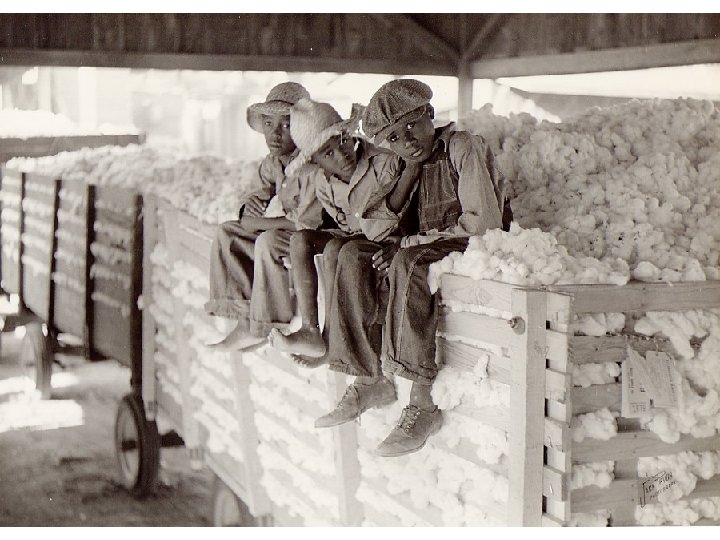
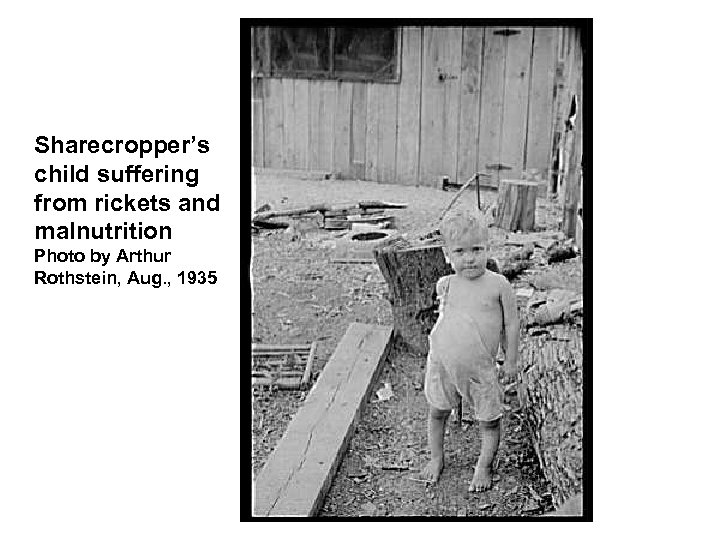 Sharecropper’s child suffering from rickets and malnutrition Photo by Arthur Rothstein, Aug. , 1935
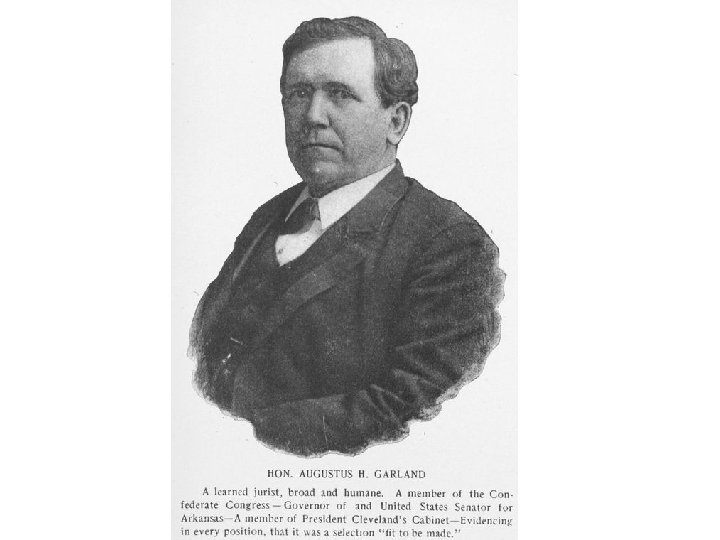
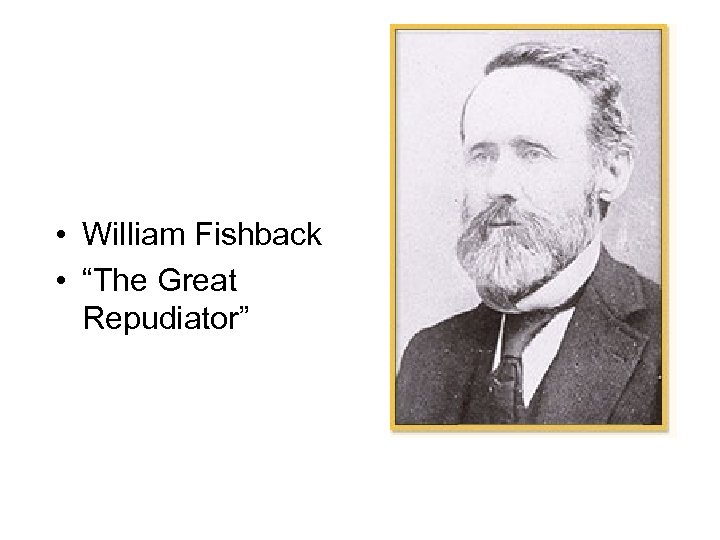 • William Fishback • “The Great Repudiator”
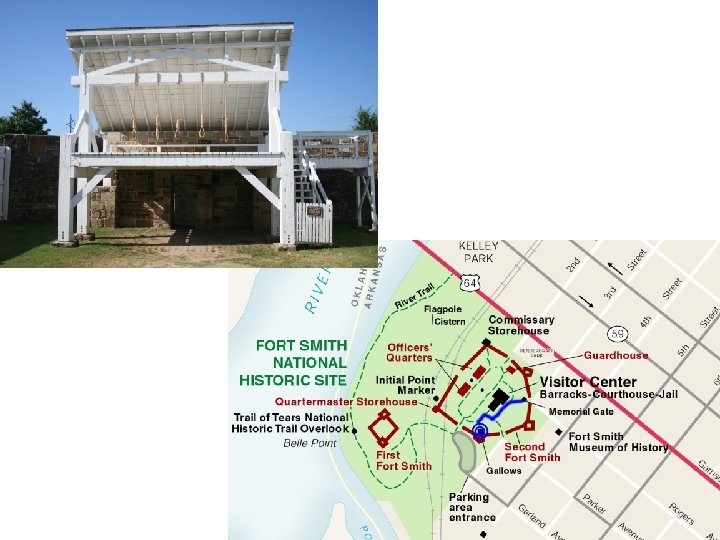
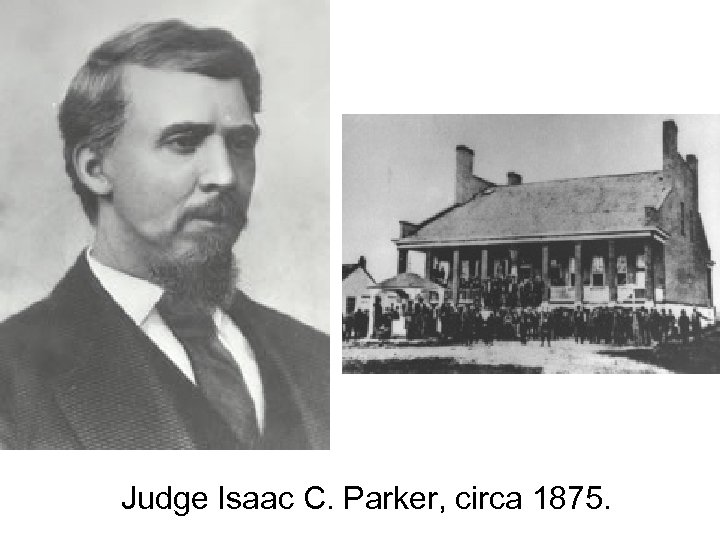 Judge Isaac C. Parker, circa 1875.
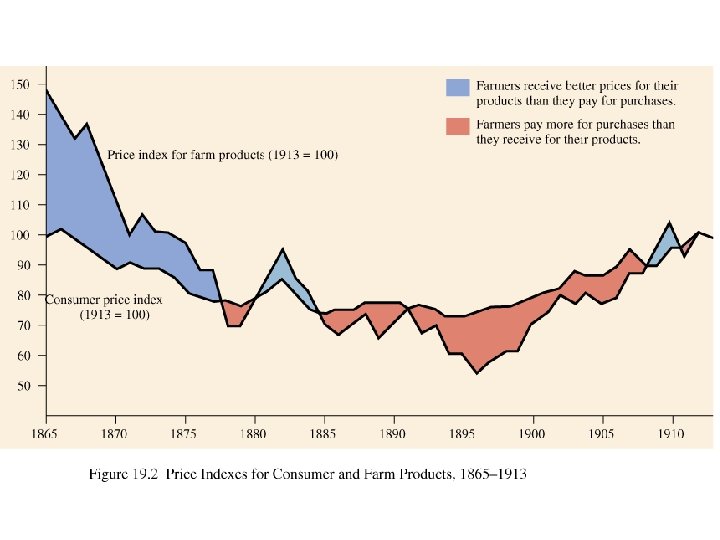
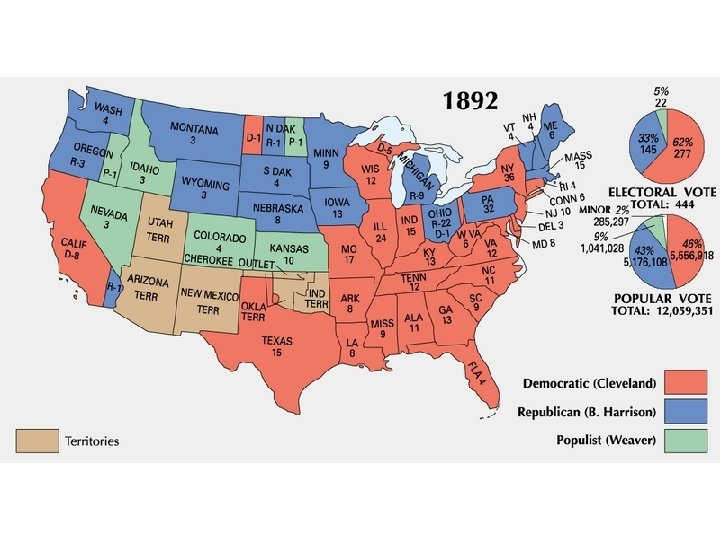
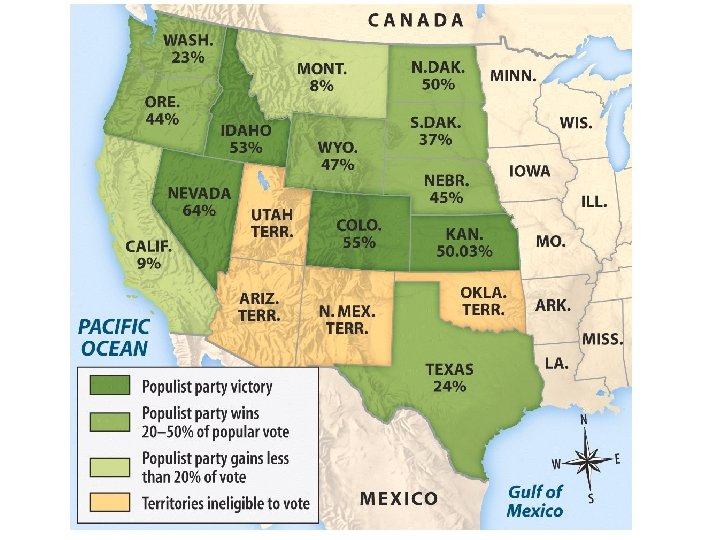
 Populism 1870 s-1890 s Agrarian revolt or The rise of the angry farmer
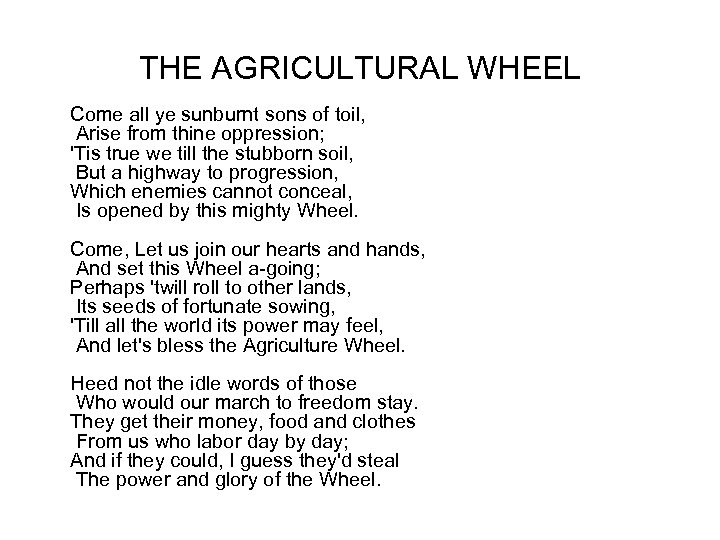 THE AGRICULTURAL WHEEL Come all ye sunburnt sons of toil, Arise from thine oppression; 'Tis true we till the stubborn soil, But a highway to progression, Which enemies cannot conceal, Is opened by this mighty Wheel. Come, Let us join our hearts and hands, And set this Wheel a-going; Perhaps 'twill roll to other lands, Its seeds of fortunate sowing, 'Till all the world its power may feel, And let's bless the Agriculture Wheel. Heed not the idle words of those Who would our march to freedom stay. They get their money, food and clothes From us who labor day by day; And if they could, I guess they'd steal The power and glory of the Wheel.
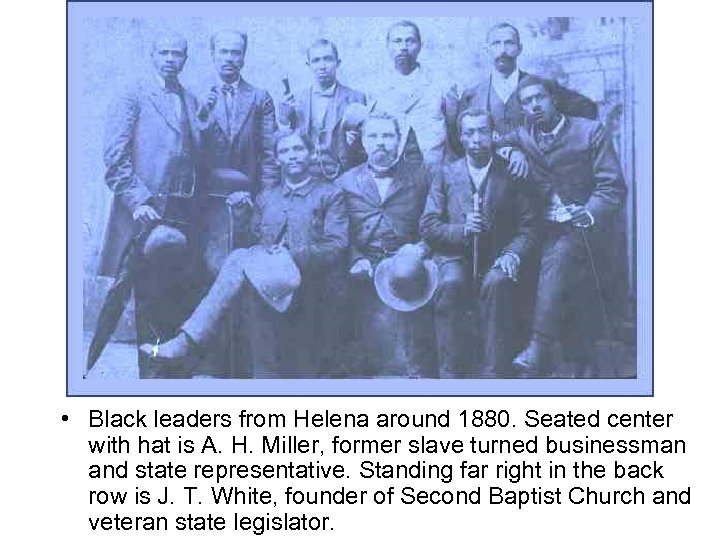 • Black leaders from Helena around 1880. Seated center with hat is A. H. Miller, former slave turned businessman and state representative. Standing far right in the back row is J. T. White, founder of Second Baptist Church and veteran state legislator.
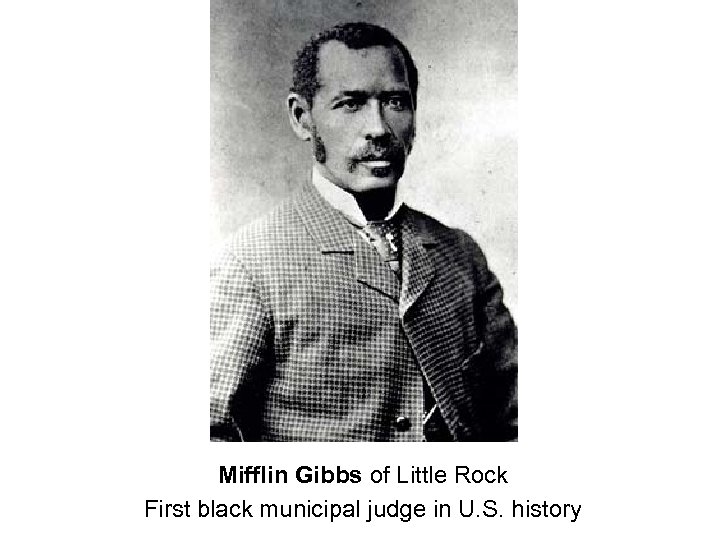 Mifflin Gibbs of Little Rock First black municipal judge in U. S. history
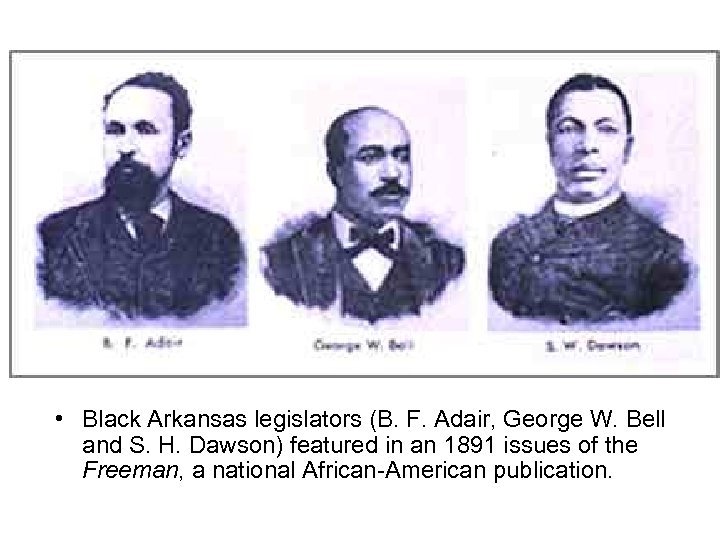 • Black Arkansas legislators (B. F. Adair, George W. Bell and S. H. Dawson) featured in an 1891 issues of the Freeman, a national African-American publication.
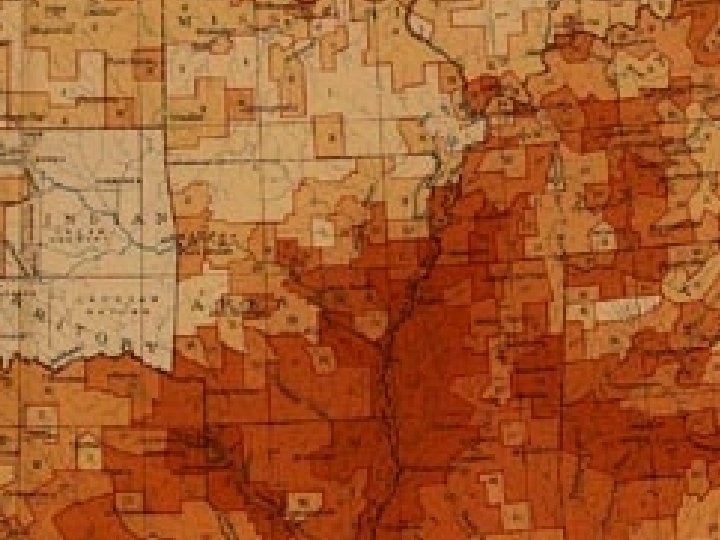
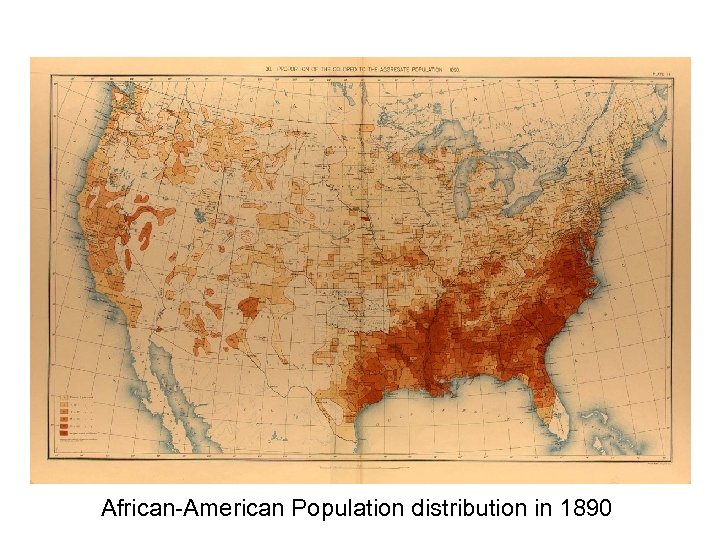 African-American Population distribution in 1890
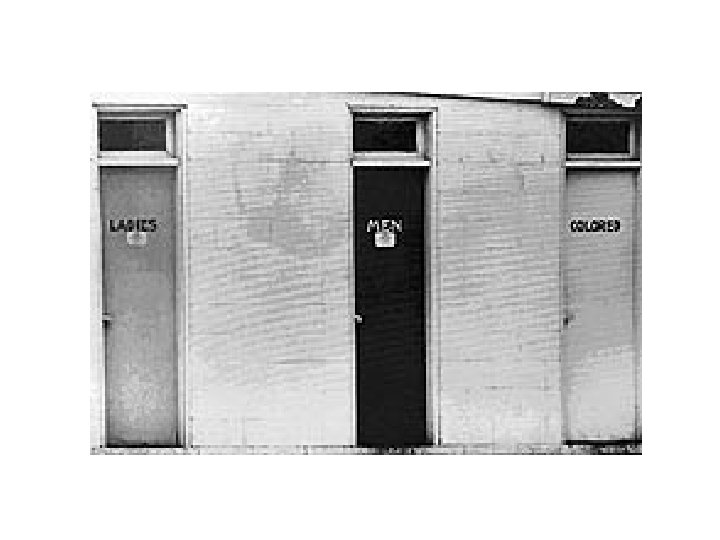
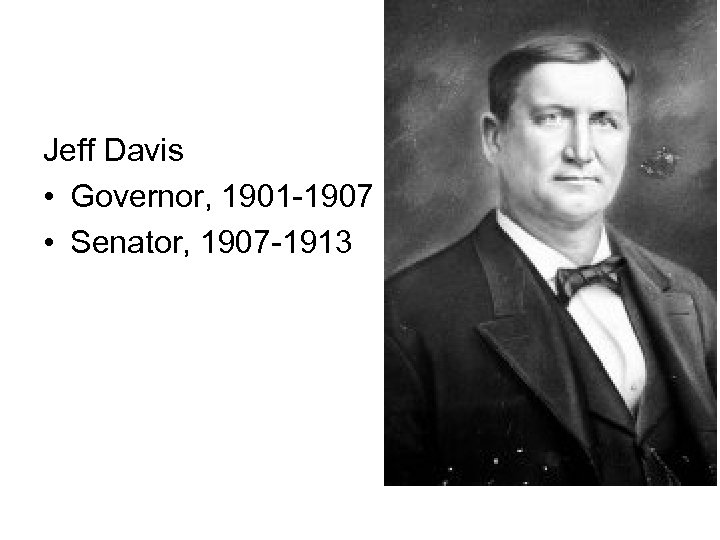 Jeff Davis • Governor, 1901 -1907 • Senator, 1907 -1913
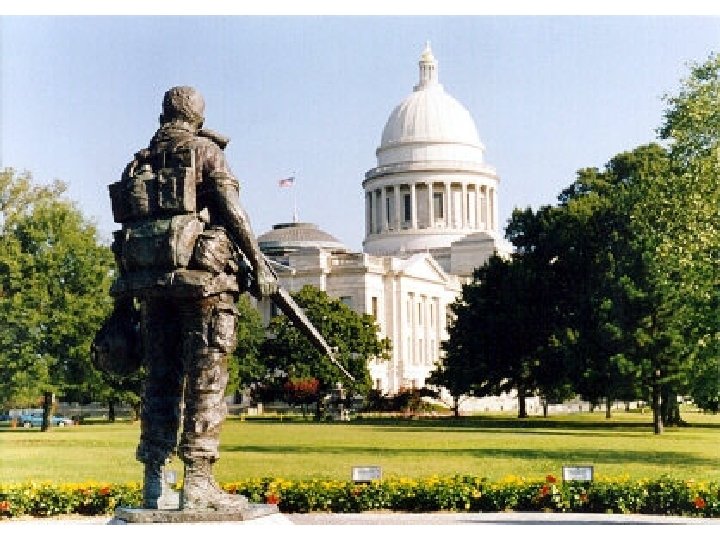
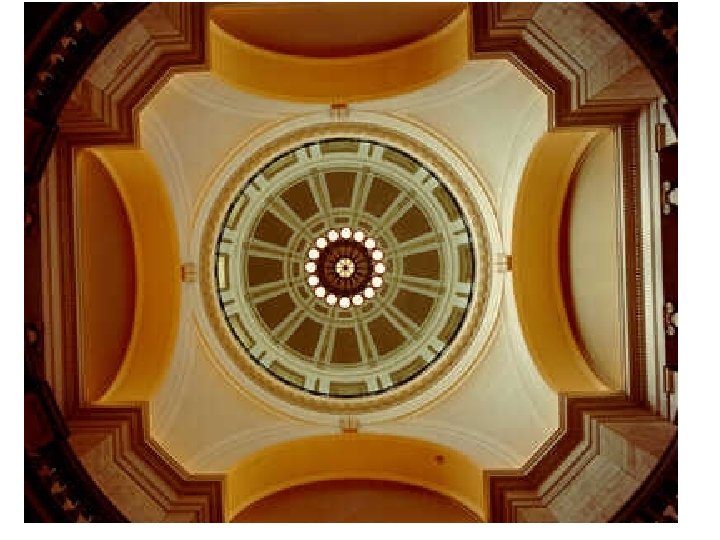
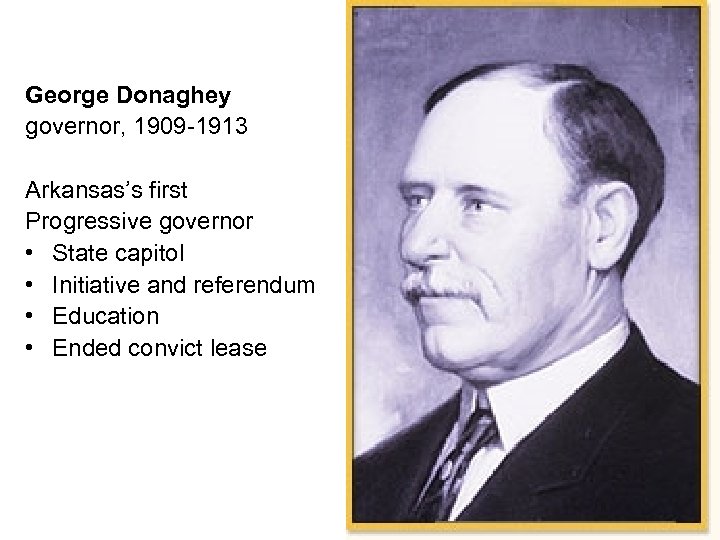 George Donaghey governor, 1909 -1913 Arkansas’s first Progressive governor • State capitol • Initiative and referendum • Education • Ended convict lease
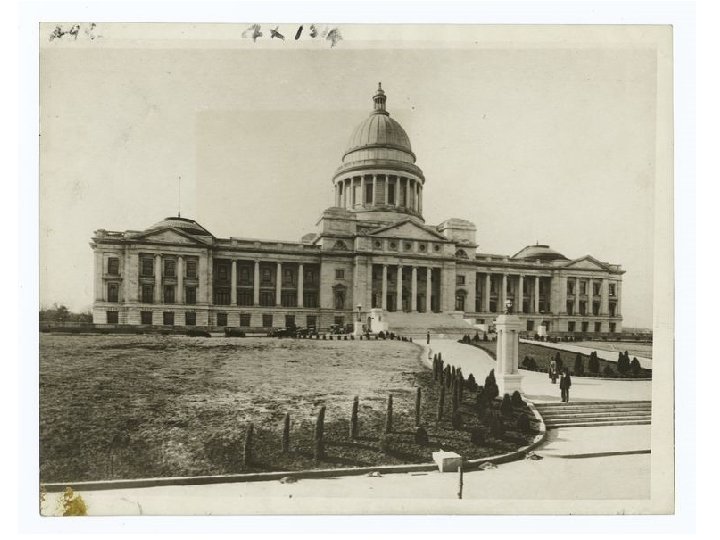
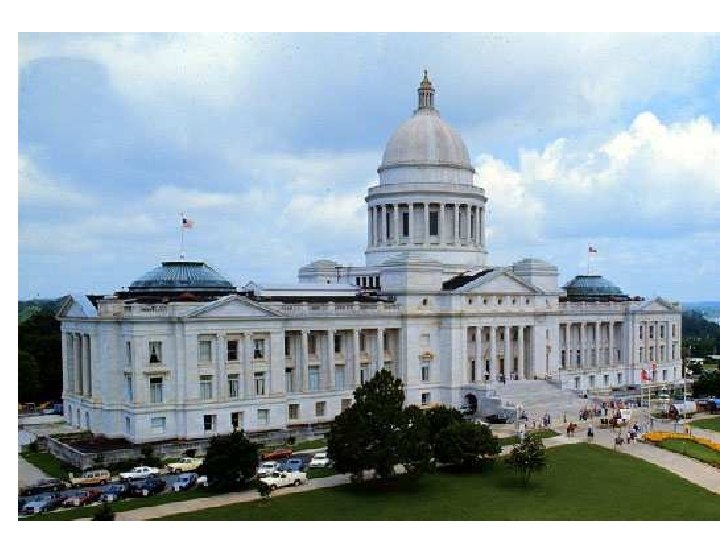
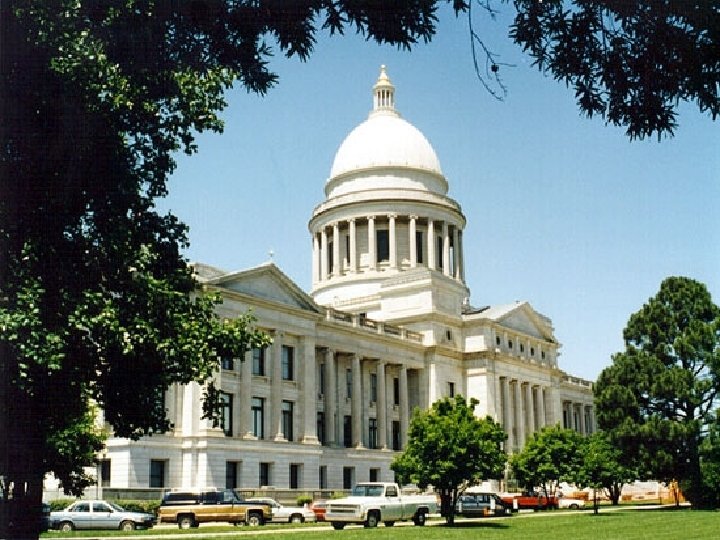
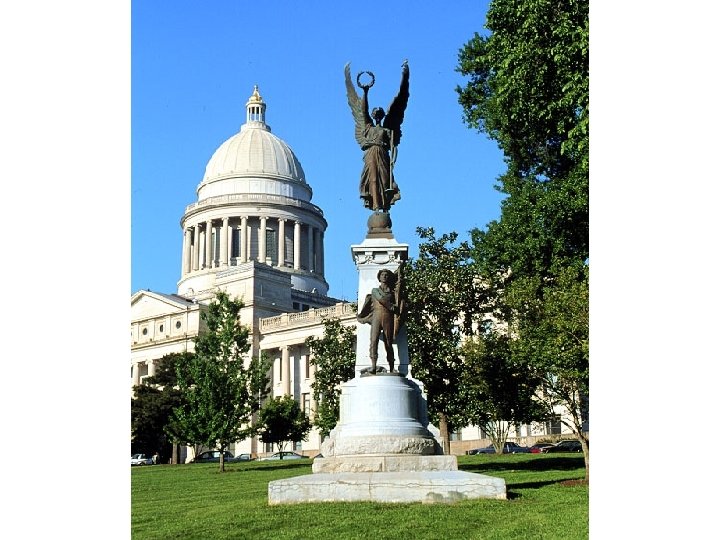
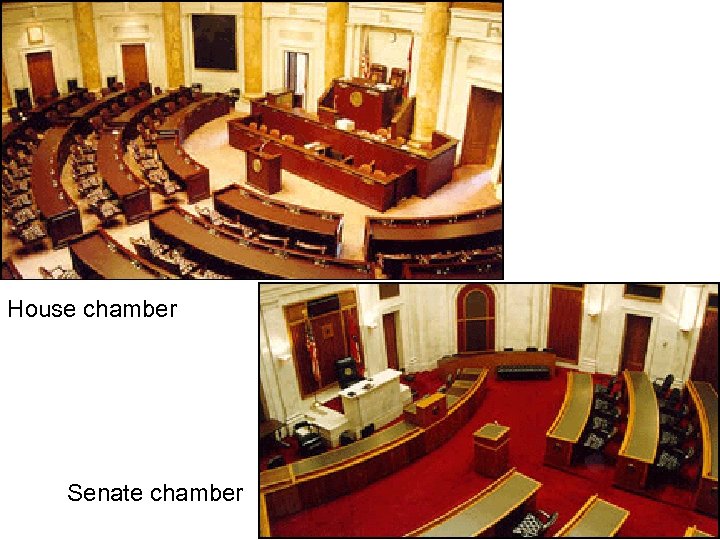 House chamber Senate chamber
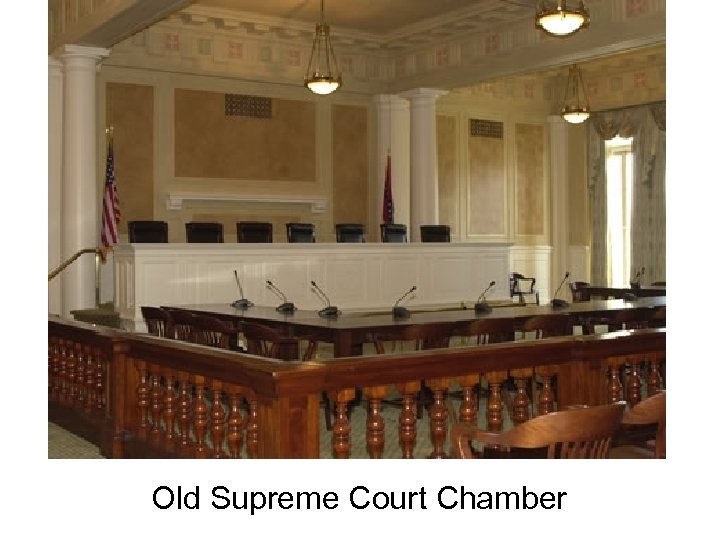 Old Supreme Court Chamber
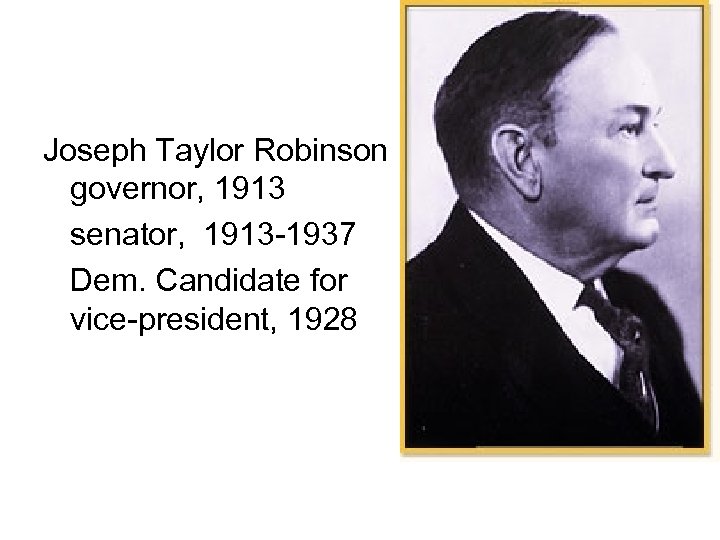 Joseph Taylor Robinson governor, 1913 senator, 1913 -1937 Dem. Candidate for vice-president, 1928
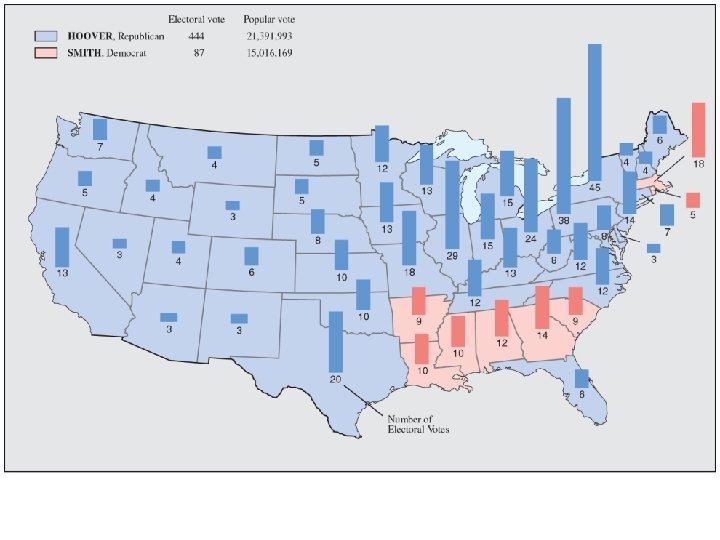
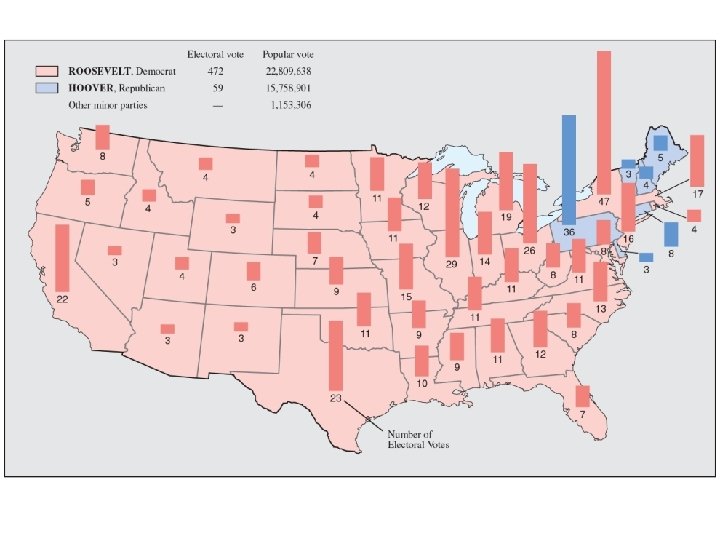
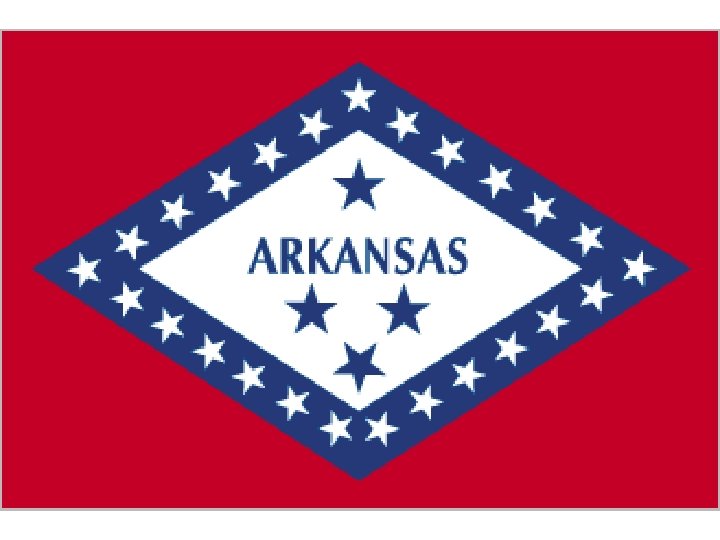
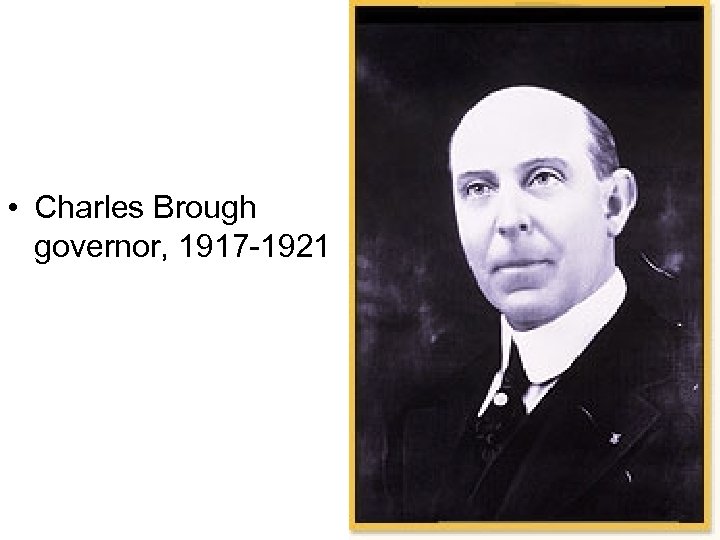 • Charles Brough governor, 1917 -1921
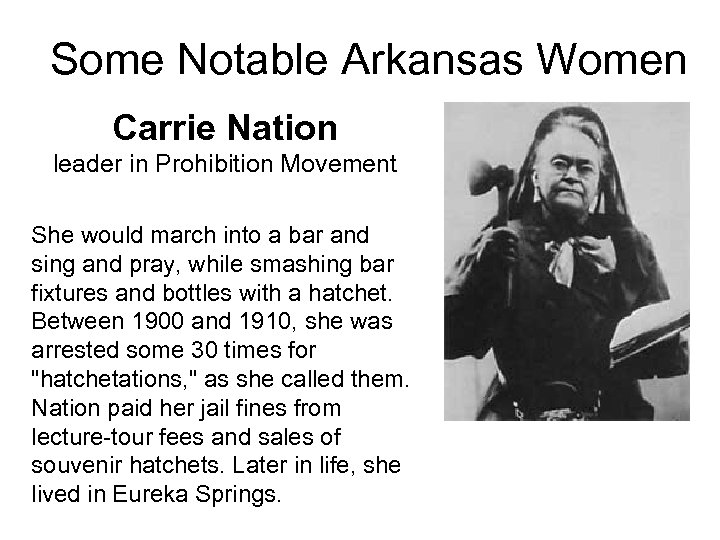 Some Notable Arkansas Women Carrie Nation leader in Prohibition Movement She would march into a bar and sing and pray, while smashing bar fixtures and bottles with a hatchet. Between 1900 and 1910, she was arrested some 30 times for "hatchetations, " as she called them. Nation paid her jail fines from lecture-tour fees and sales of souvenir hatchets. Later in life, she lived in Eureka Springs.
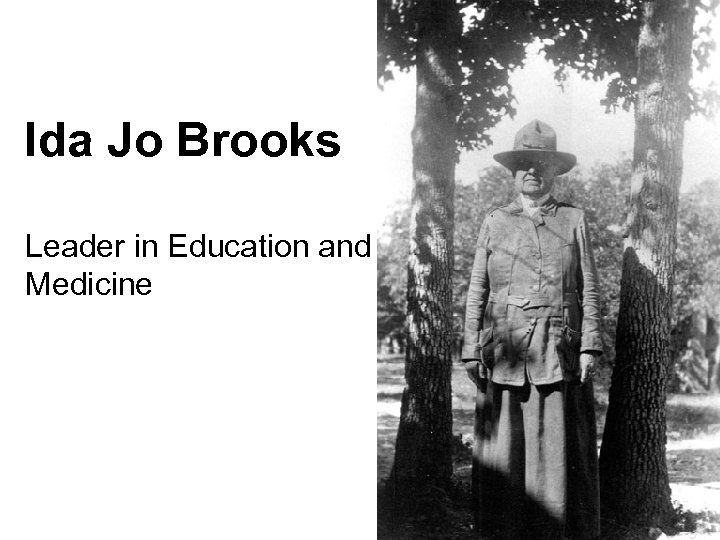 Ida Jo Brooks Leader in Education and Medicine
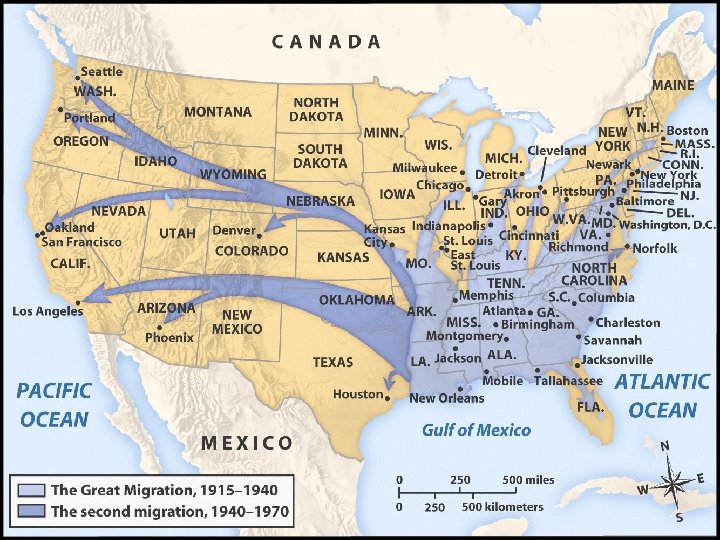
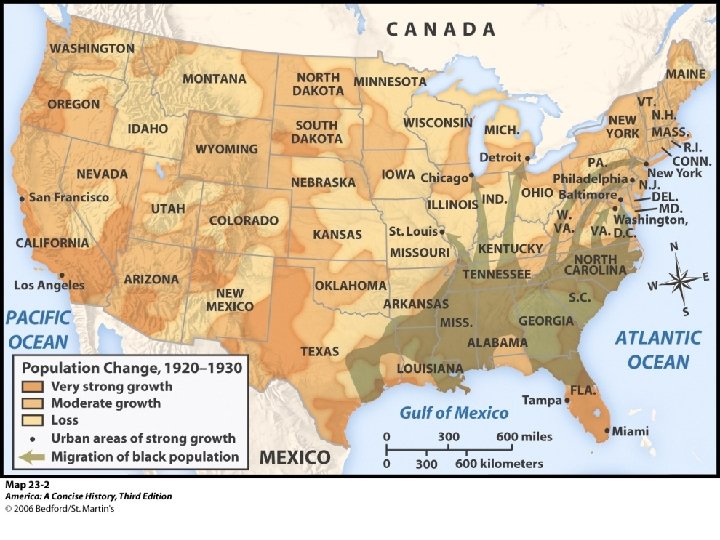
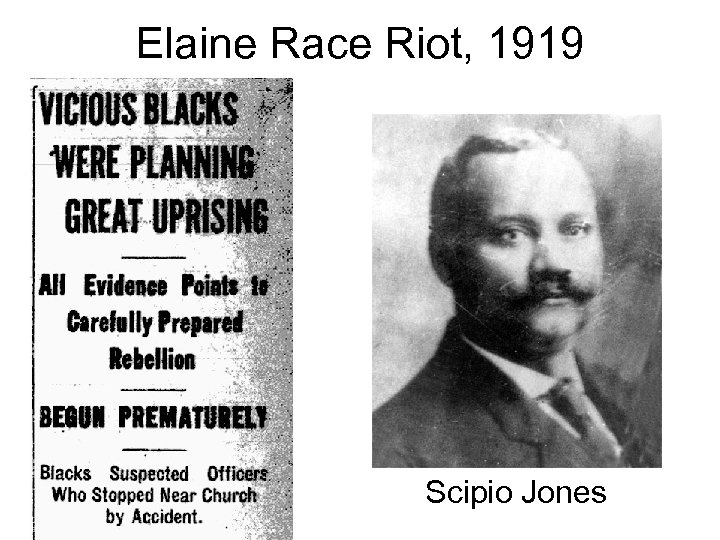 Elaine Race Riot, 1919 Scipio Jones
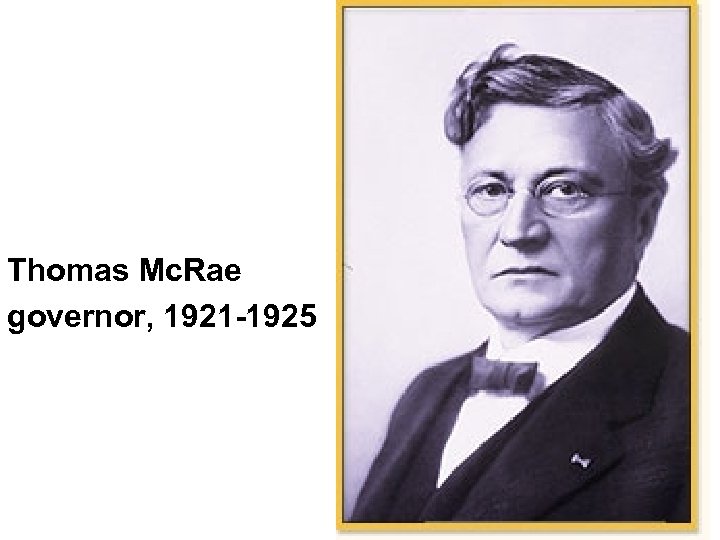 Thomas Mc. Rae governor, 1921 -1925
 Three ongoing issues in state government, 1920 s-today 1. Roads 2. Schools 3. Taxes
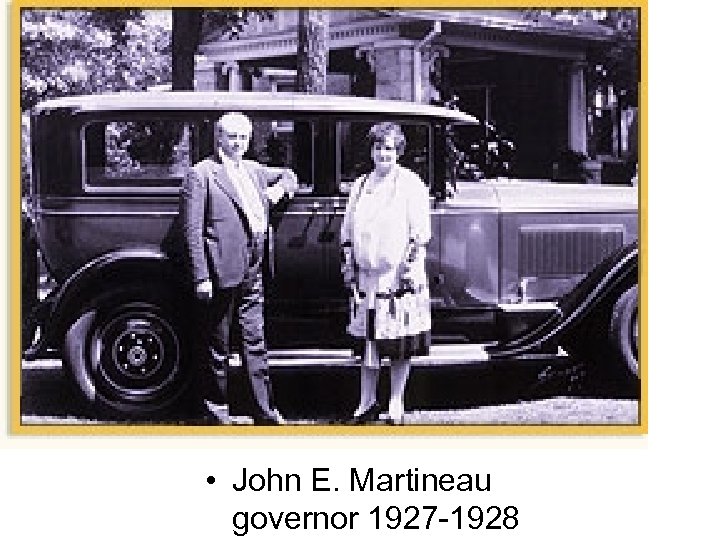 • John E. Martineau governor 1927 -1928
 Conservative victories in the Culture Wars of the 1920 s • Prohibition • Resurgence of the Ku Klux Klan • Anti-evolution
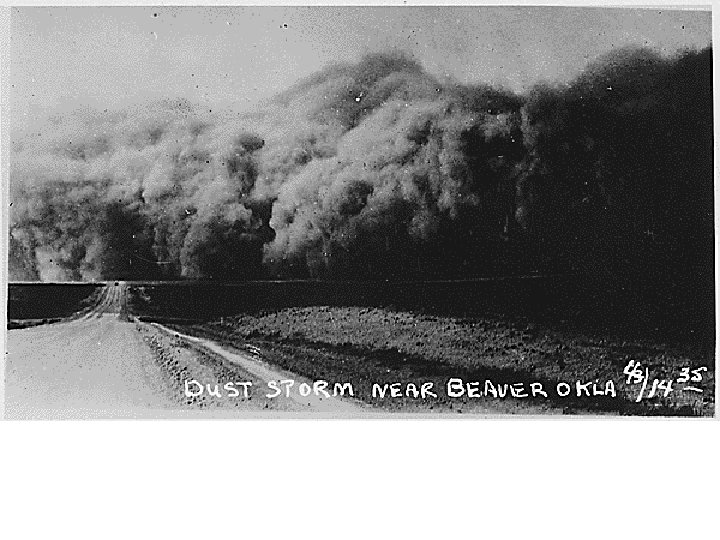
 • Two Natural Disasters – Flood of 1927 – Drought of 1930 • One Man-Made Disaster – The Great Depression
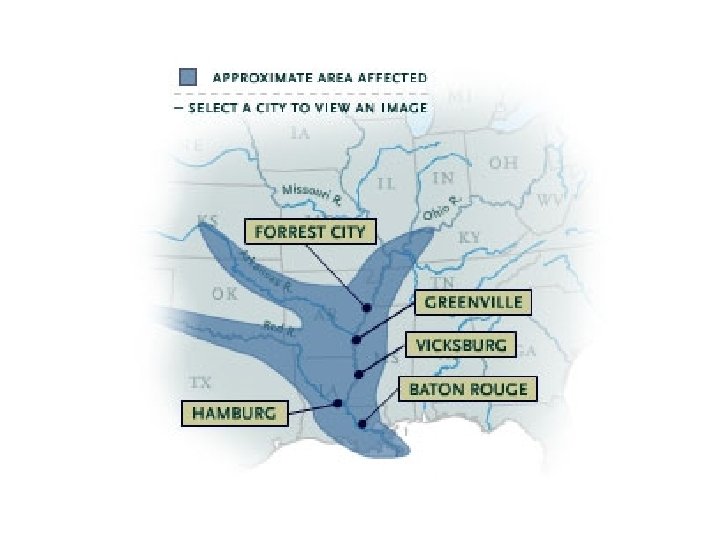
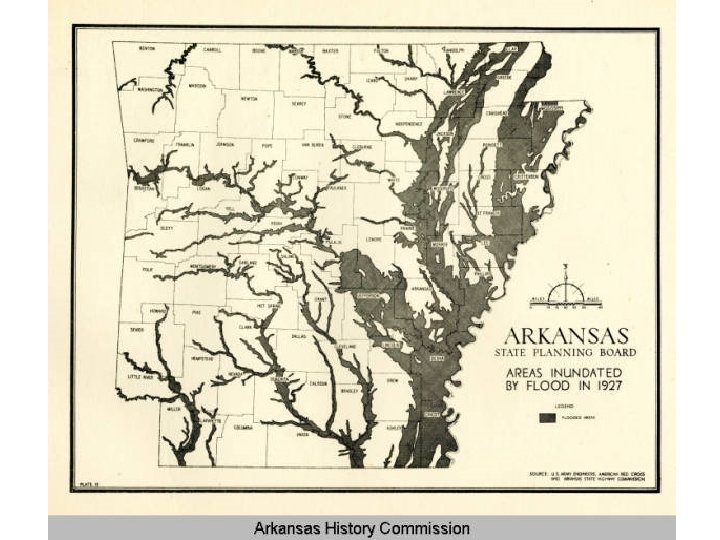
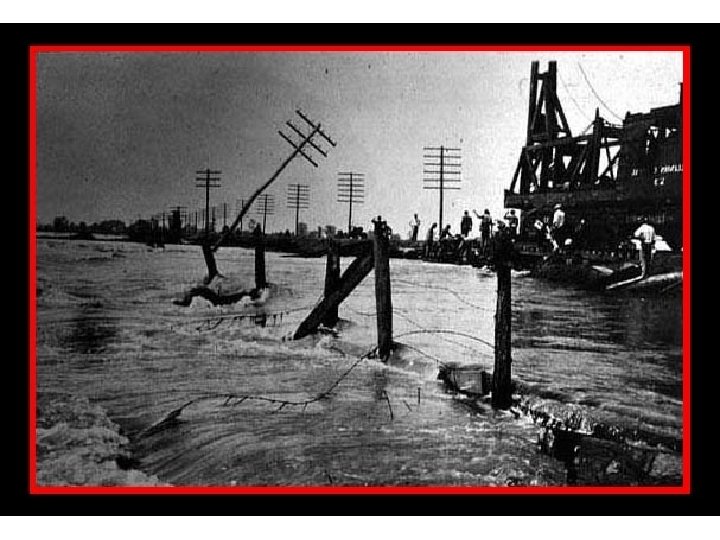
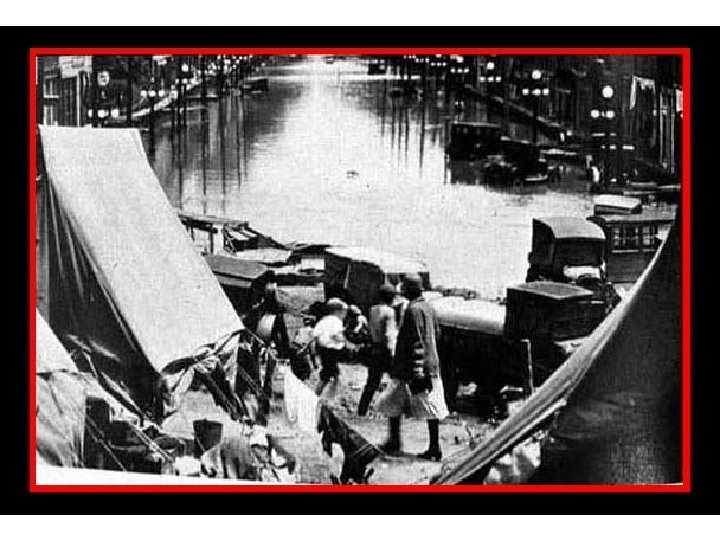
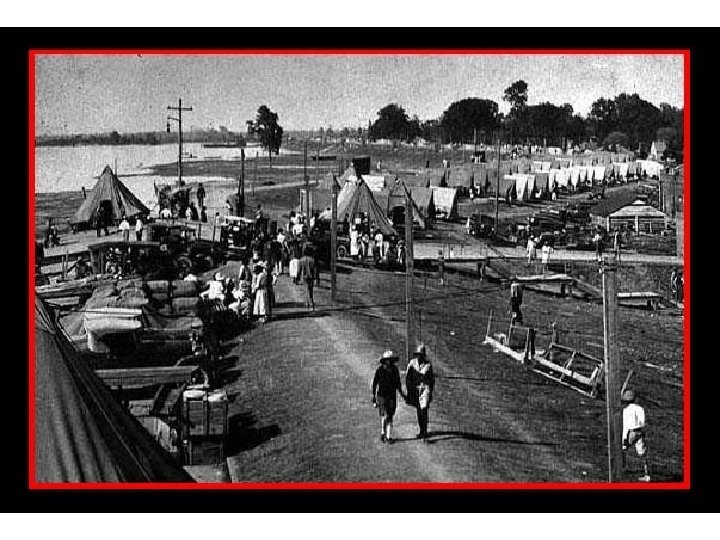
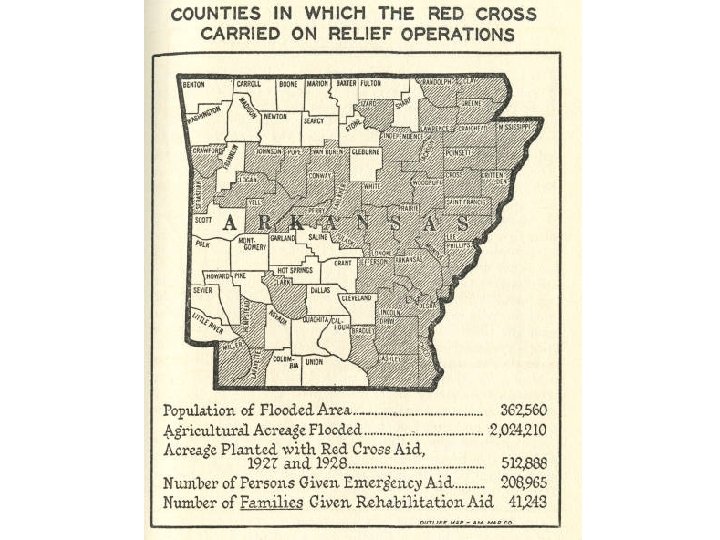
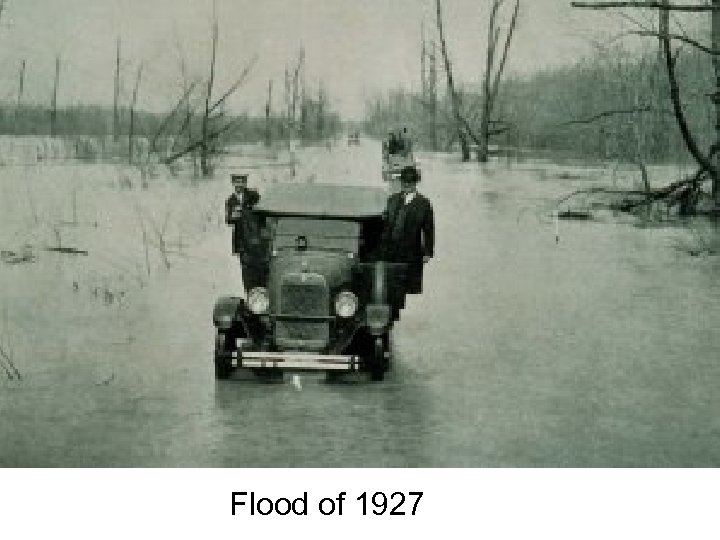 Flood of 1927
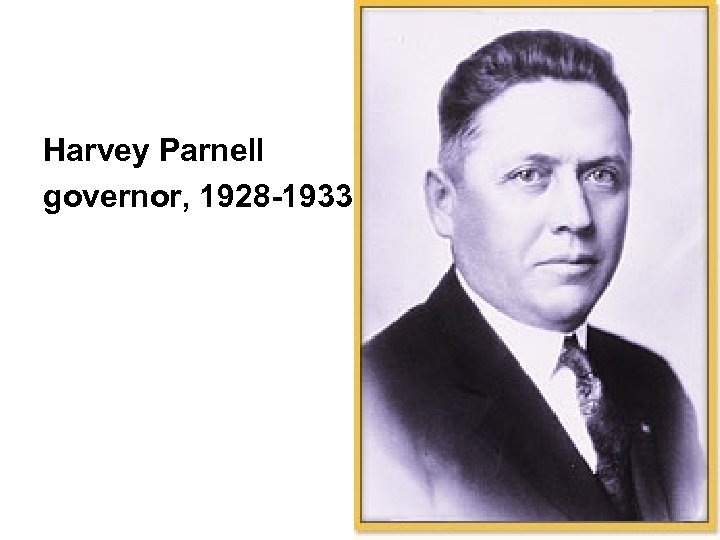 Harvey Parnell governor, 1928 -1933
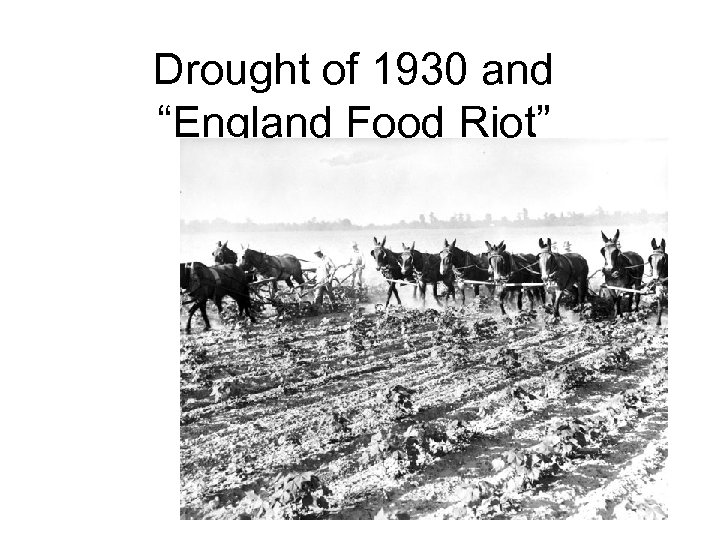 Drought of 1930 and “England Food Riot”
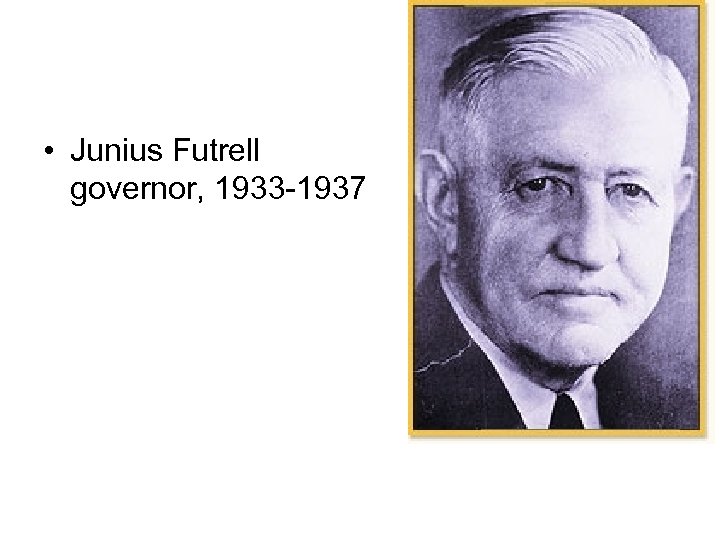 • Junius Futrell governor, 1933 -1937
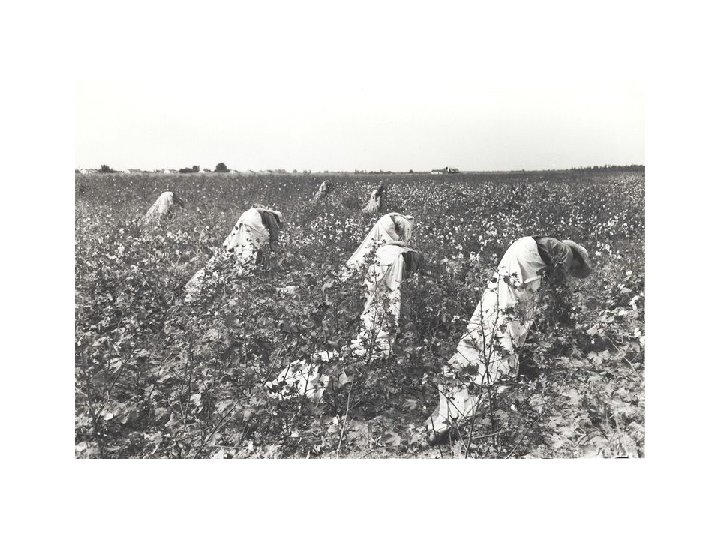
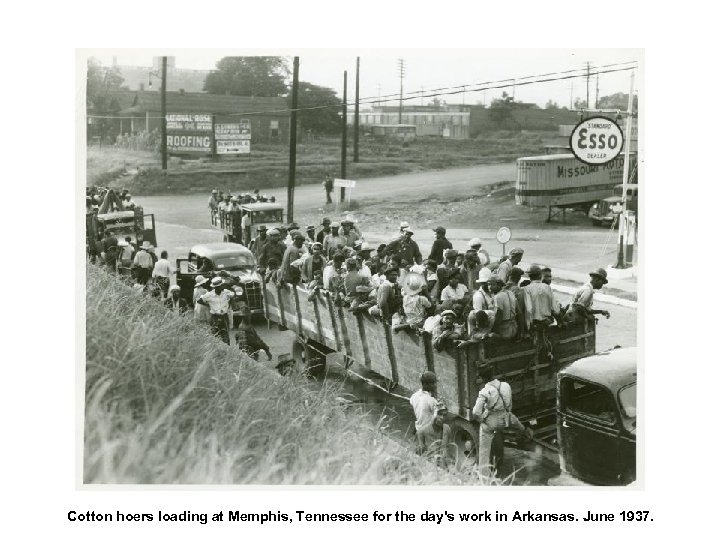 Cotton hoers loading at Memphis, Tennessee for the day's work in Arkansas. June 1937.
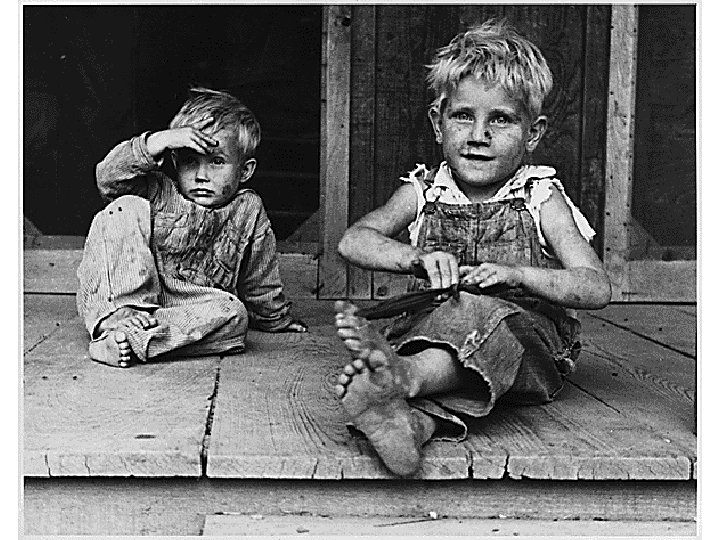
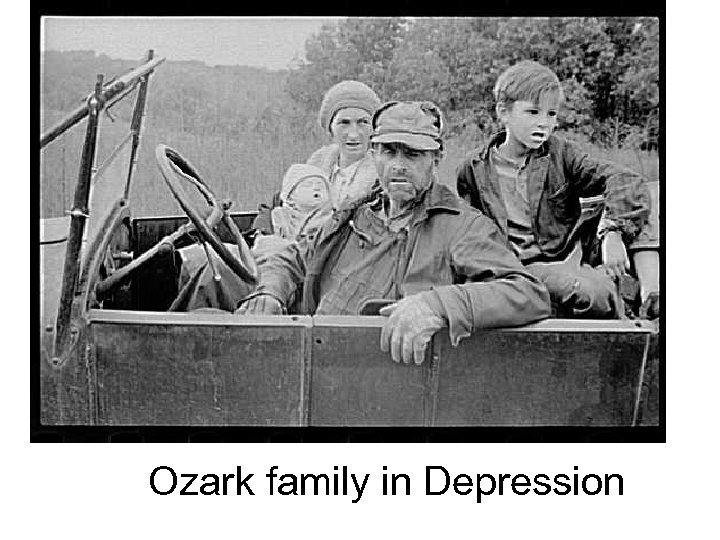 Ozark family in Depression
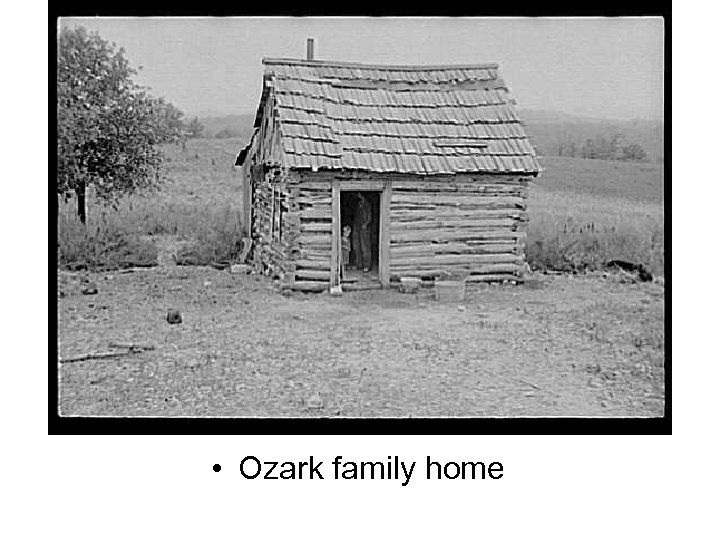 • Ozark family home
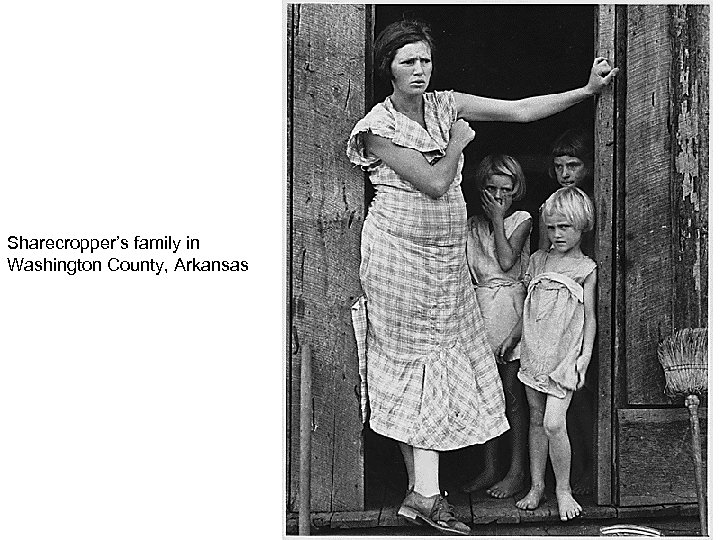 Sharecropper’s family in Washington County, Arkansas
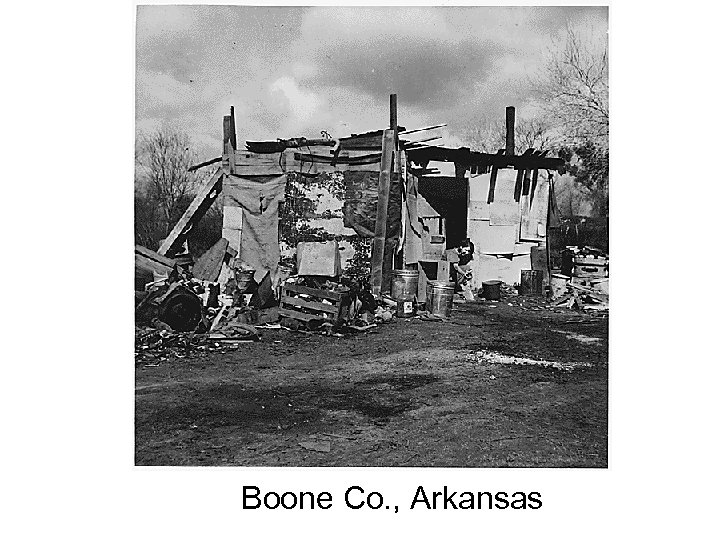 Boone Co. , Arkansas
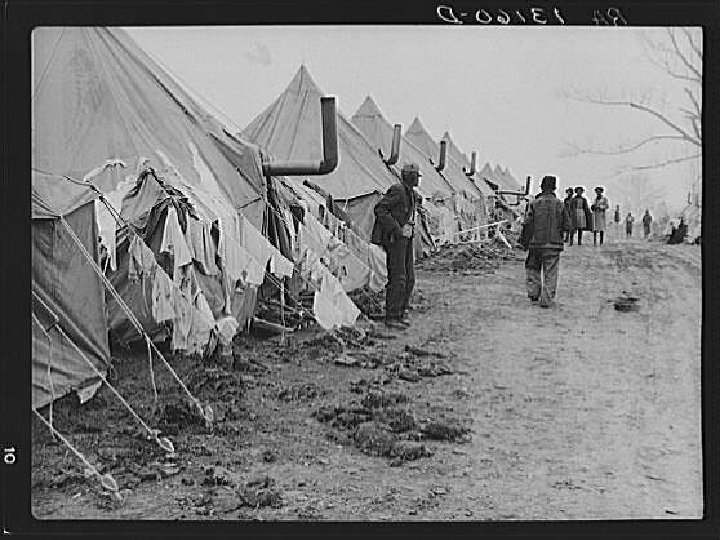
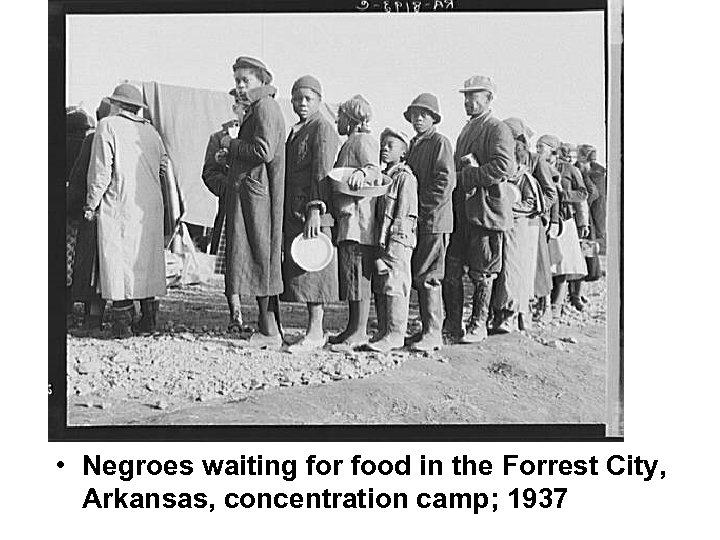 • Negroes waiting for food in the Forrest City, Arkansas, concentration camp; 1937
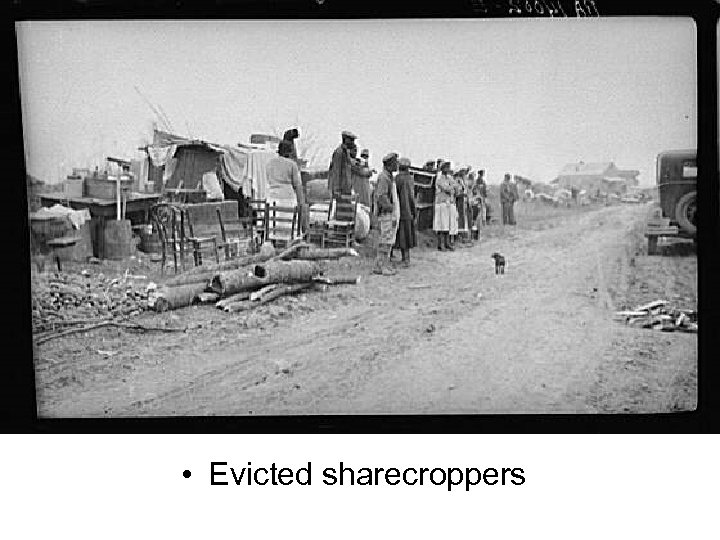 • Evicted sharecroppers
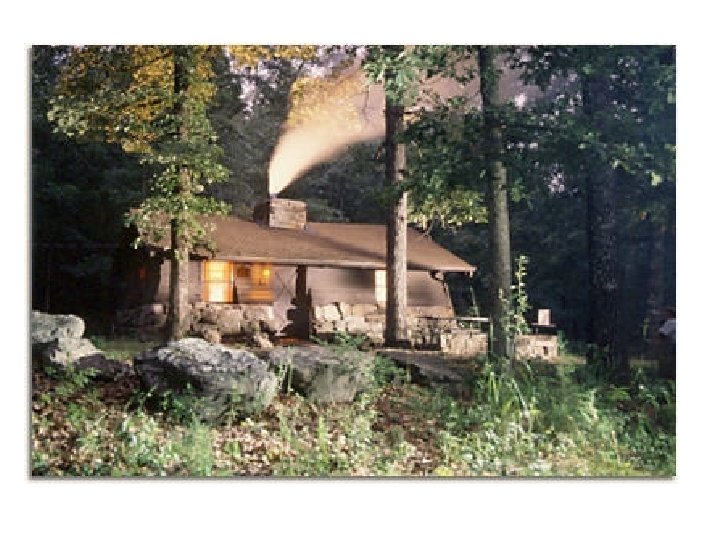
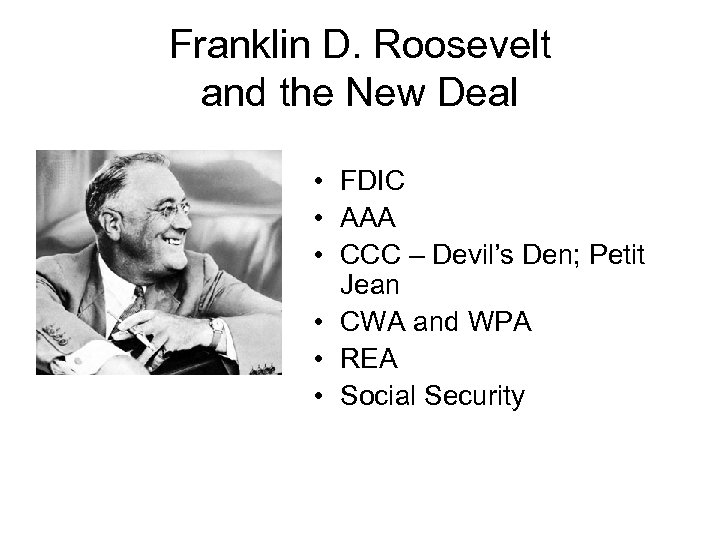 Franklin D. Roosevelt and the New Deal • FDIC • AAA • CCC – Devil’s Den; Petit Jean • CWA and WPA • REA • Social Security
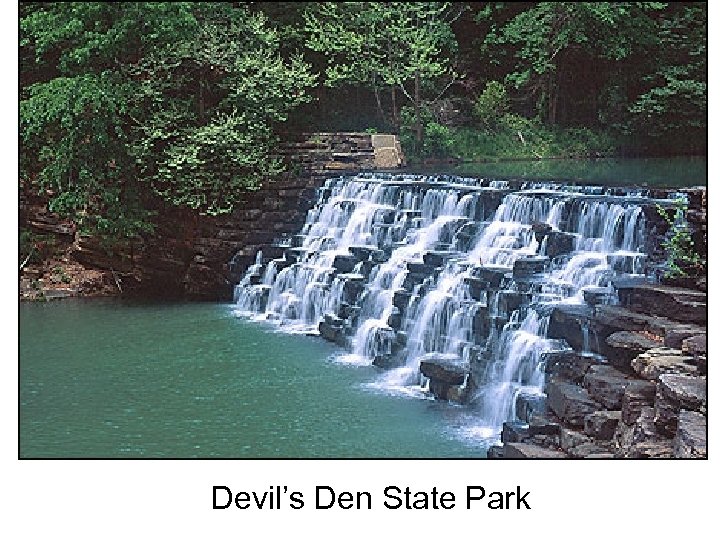 Devil’s Den State Park
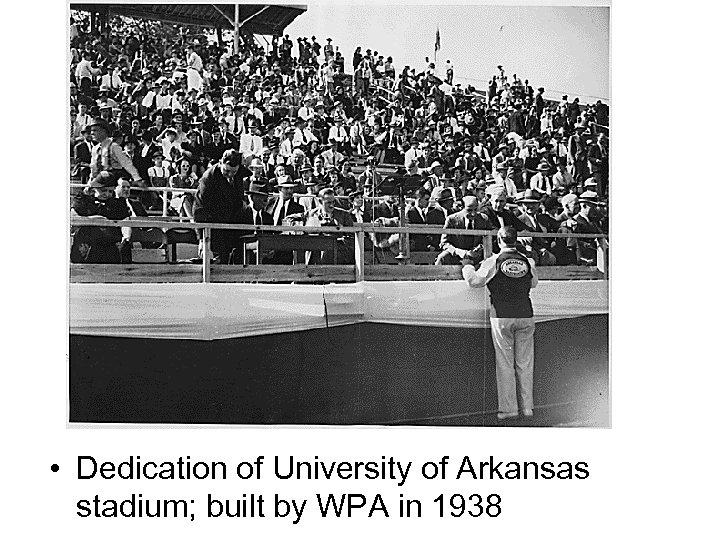 • Dedication of University of Arkansas stadium; built by WPA in 1938
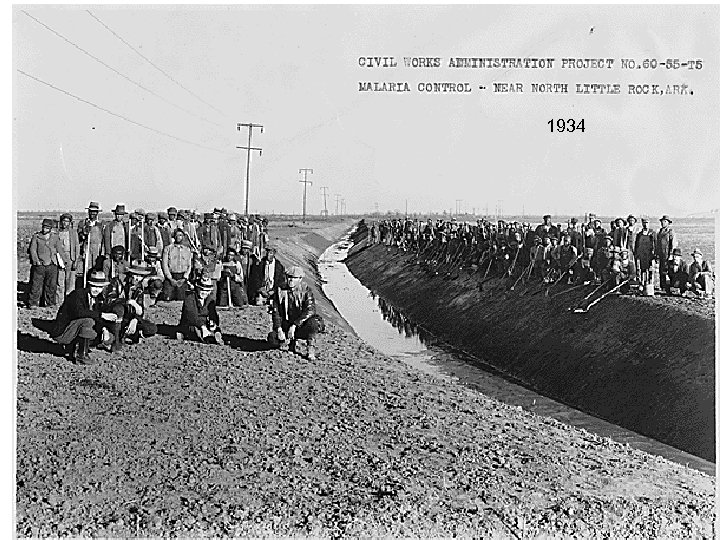 1934
1934
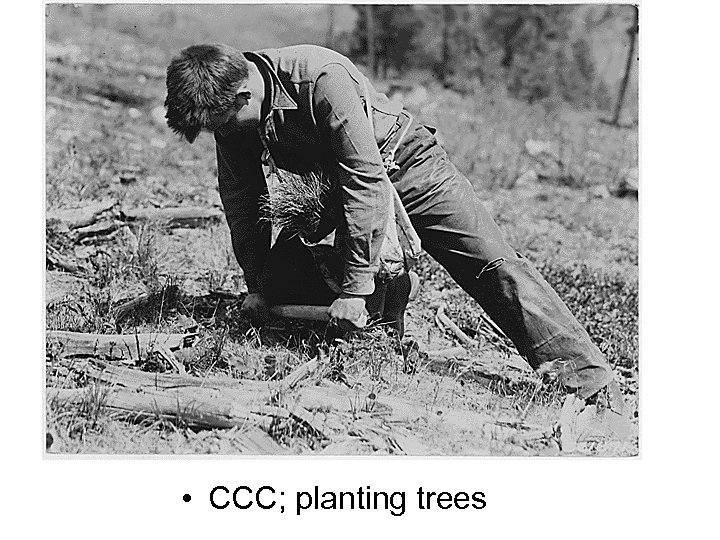 • CCC; planting trees
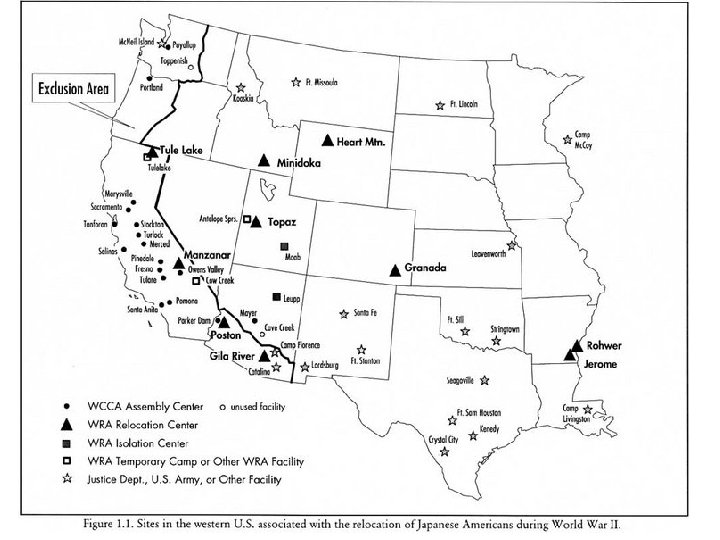
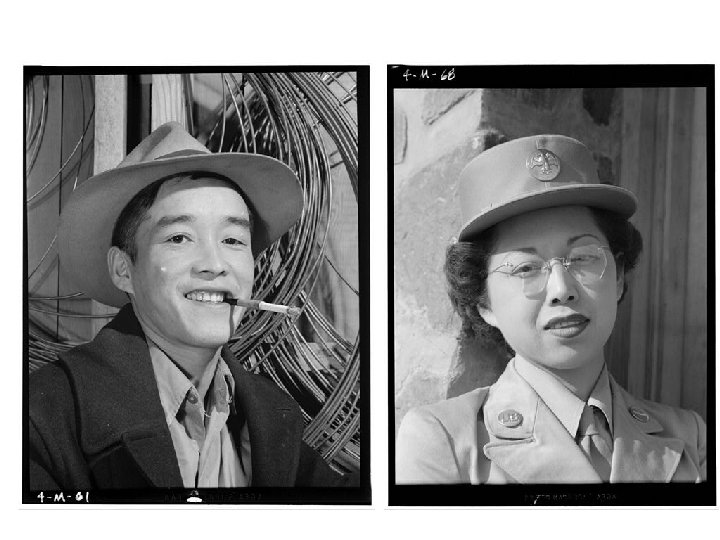
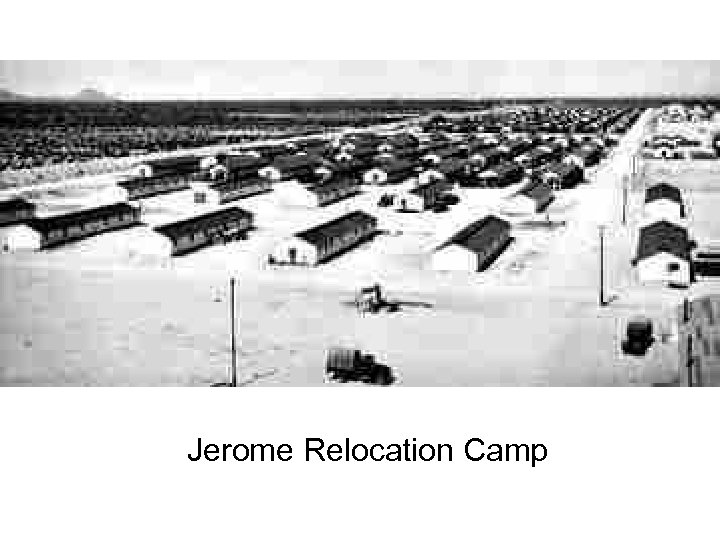 Jerome Relocation Camp
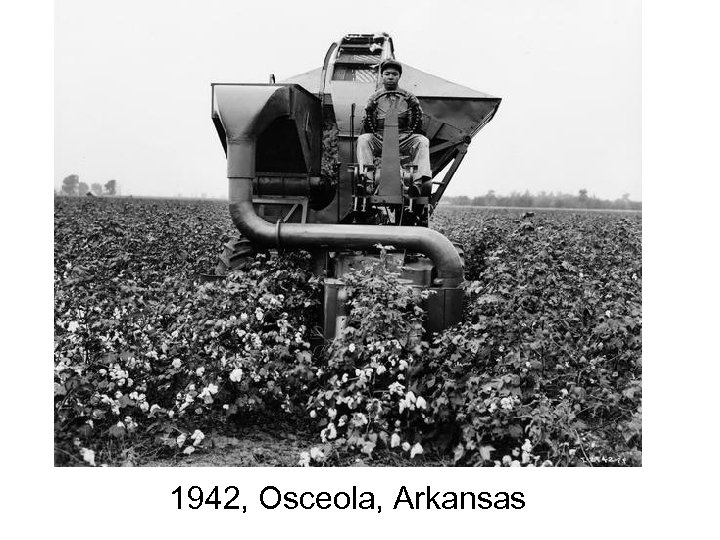 1942, Osceola, Arkansas
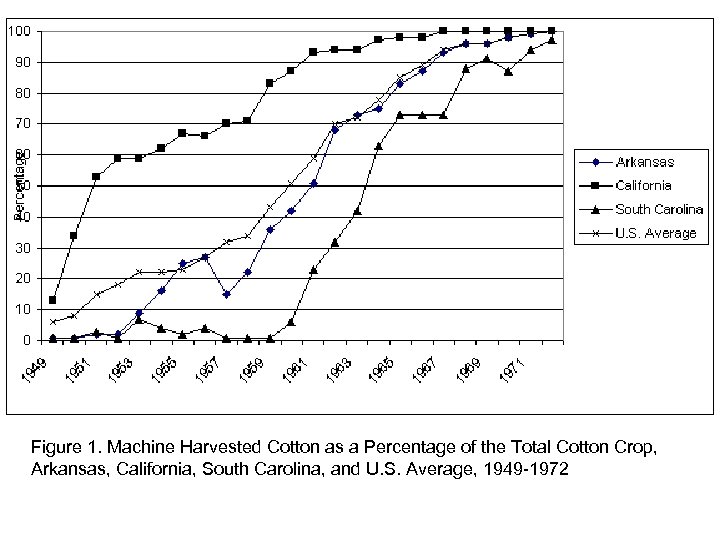 Figure 1. Machine Harvested Cotton as a Percentage of the Total Cotton Crop, Arkansas, California, South Carolina, and U. S. Average, 1949 -1972
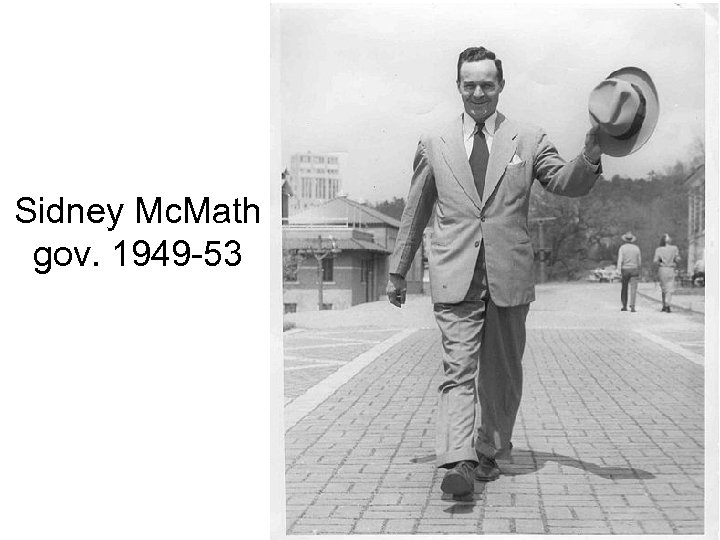 Sidney Mc. Math gov. 1949 -53
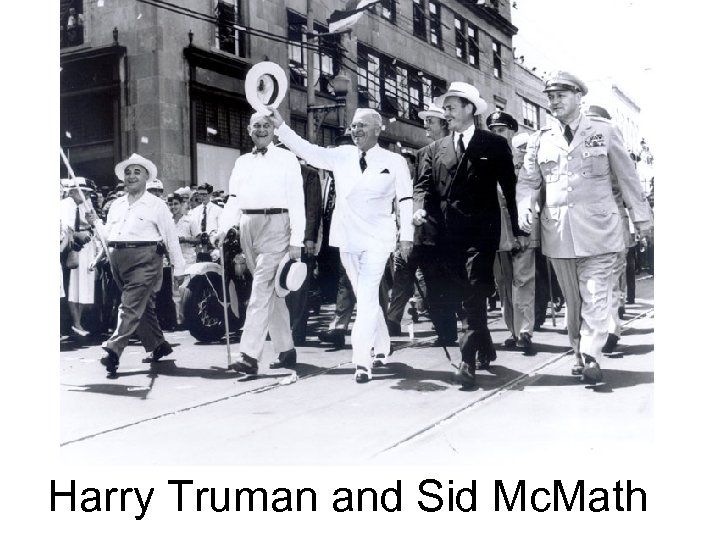 Harry Truman and Sid Mc. Math
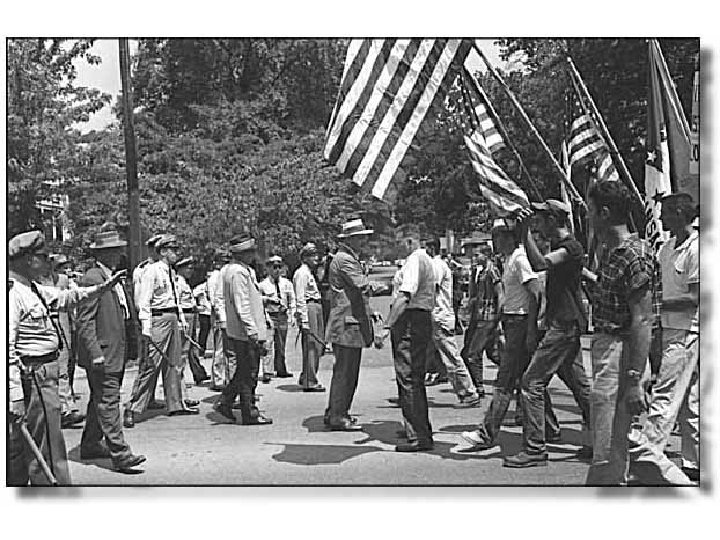
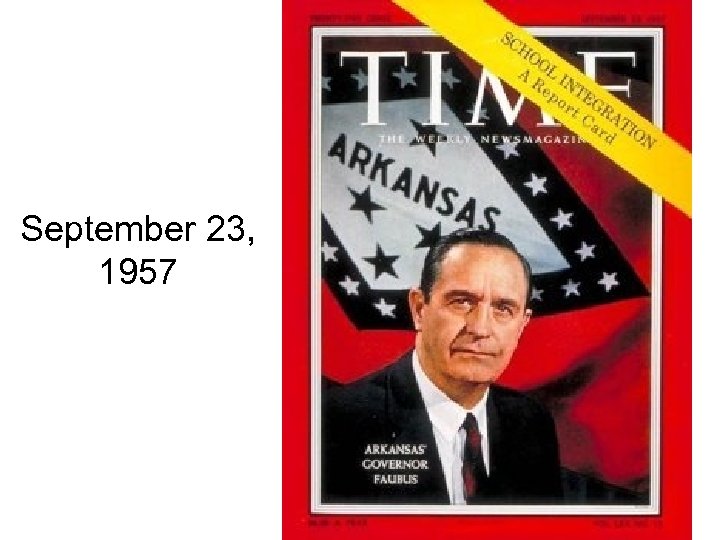 September 23, 1957
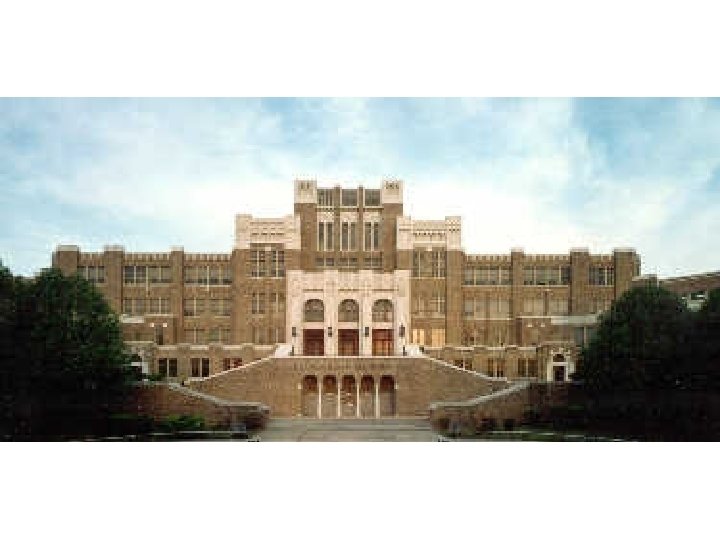
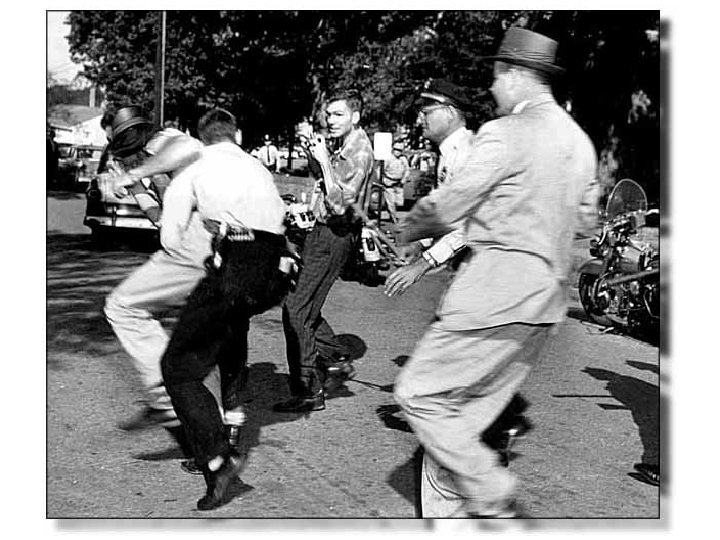
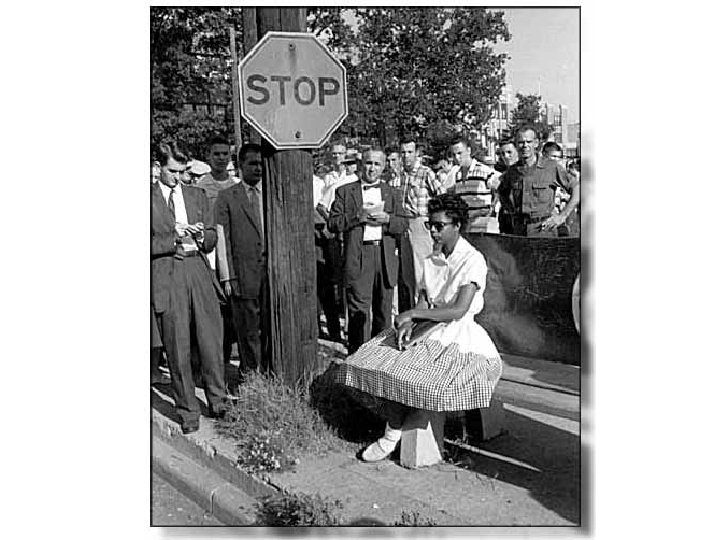
 Who's Who in the Central High School Crisis Minnijean Brown, Elizabeth Eckford, Ernest Green, Thelma Mothershed, Melba Pattillo, Gloria Ray, Terrance Roberts, Jefferson Thomas, Carlotta Walls: The nine black students who were able to attend Central High School. Daisy Bates: President of the Arkansas NAACP and coordinator of the plan to enroll nine black students at Central High. Virgil T. Blossom: Superintendent of Little Rock's public schools since 1953 and chief architect of the system's gradual desegregation plan. Dwight D. Eisenhower: president of the United States Orval E. Faubus: Governor of Arkansas, serving the second of his six two-year terms. Amis Guthridge: Lawyer of strongly segregationist views and a leader of the Capital Citizens Council of Little Rock. Brooks Hays: Democratic congressman, considered a racial moderate, who tried to mediate between Eisenhower and Faubus. Jim Johnson: Loser of the 1956 Democratic gubernatorial primary as an outspoken segregationist, to be elected in 1958 as an associate justice of the Arkansas Supreme Court. Thurgood Marshall: NAACP chief counsel.
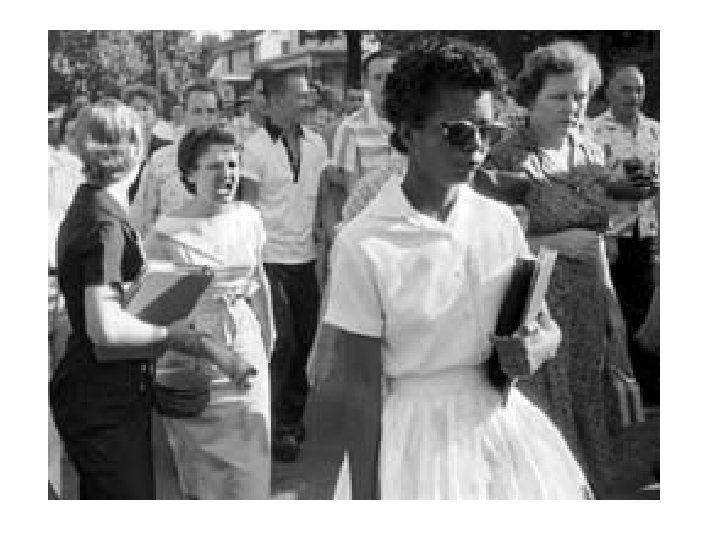
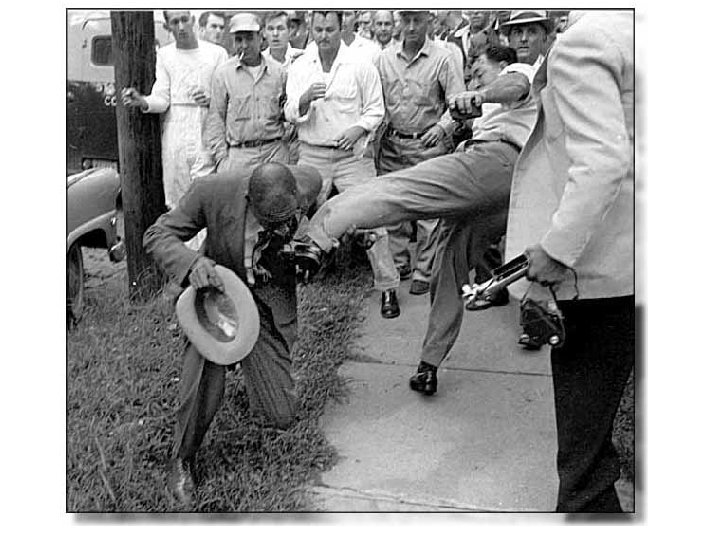
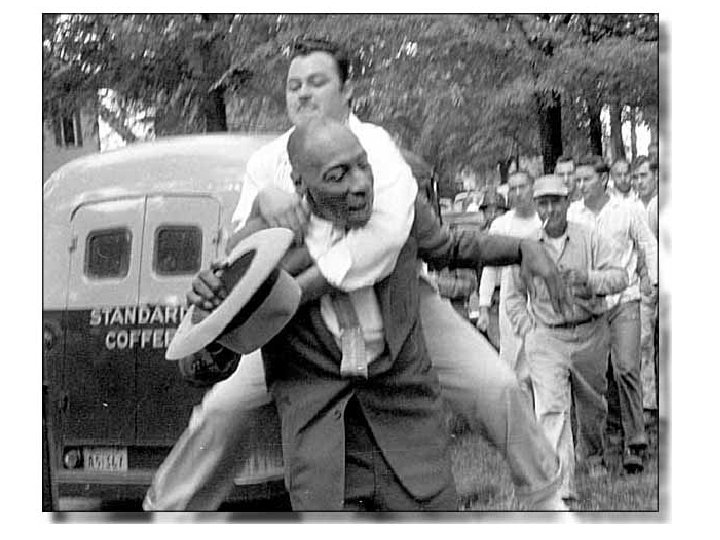
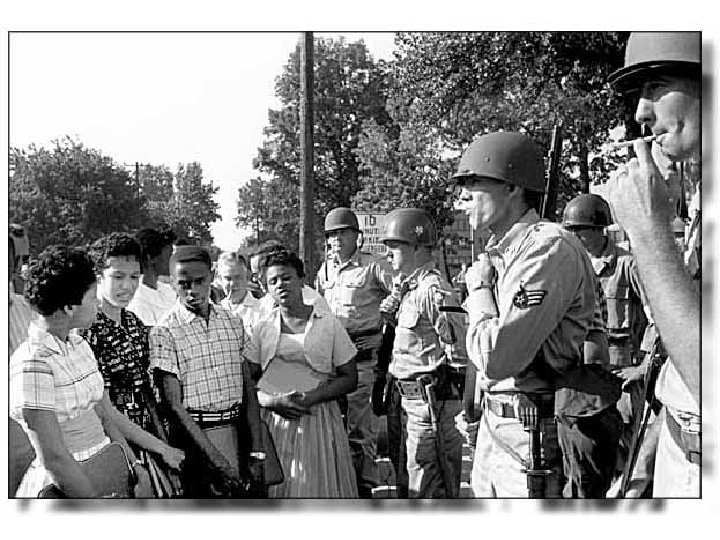
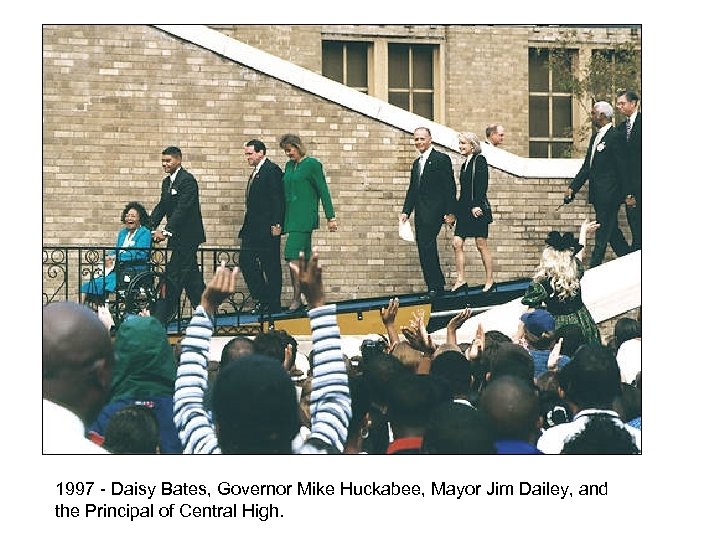 1997 - Daisy Bates, Governor Mike Huckabee, Mayor Jim Dailey, and the Principal of Central High.
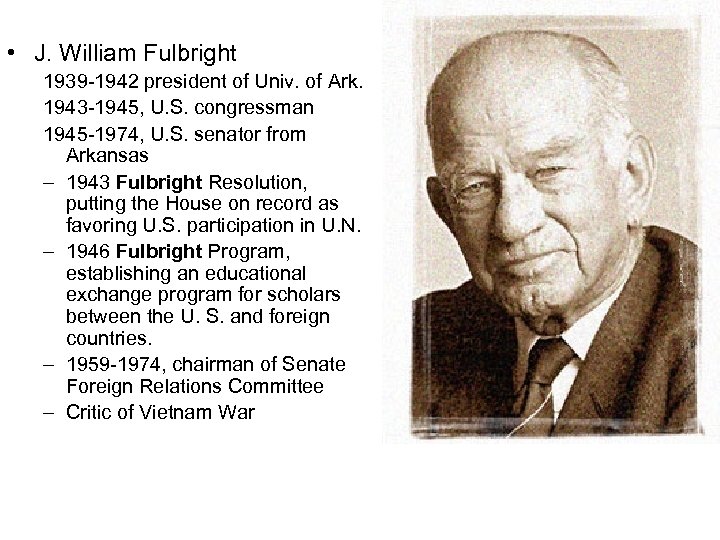 • J. William Fulbright 1939 -1942 president of Univ. of Ark. 1943 -1945, U. S. congressman 1945 -1974, U. S. senator from Arkansas – 1943 Fulbright Resolution, putting the House on record as favoring U. S. participation in U. N. – 1946 Fulbright Program, establishing an educational exchange program for scholars between the U. S. and foreign countries. – 1959 -1974, chairman of Senate Foreign Relations Committee – Critic of Vietnam War
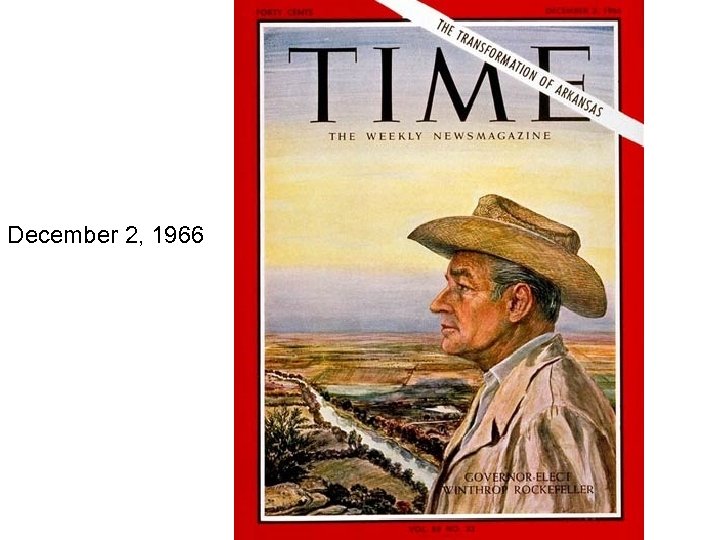 December 2, 1966
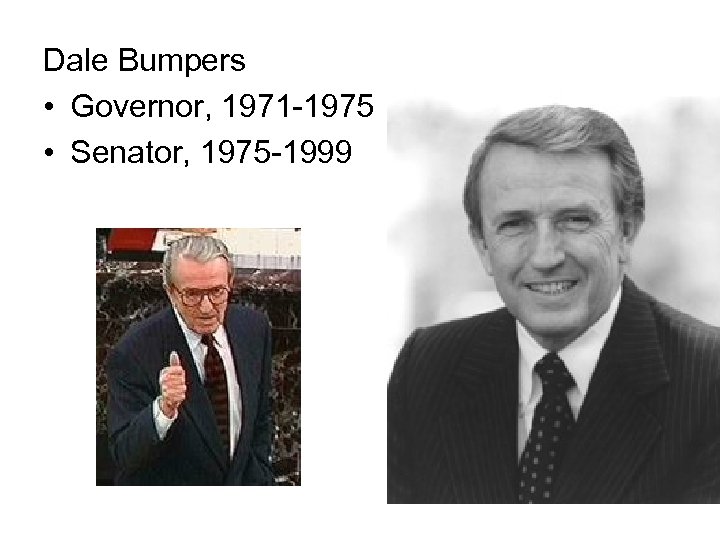 Dale Bumpers • Governor, 1971 -1975 • Senator, 1975 -1999
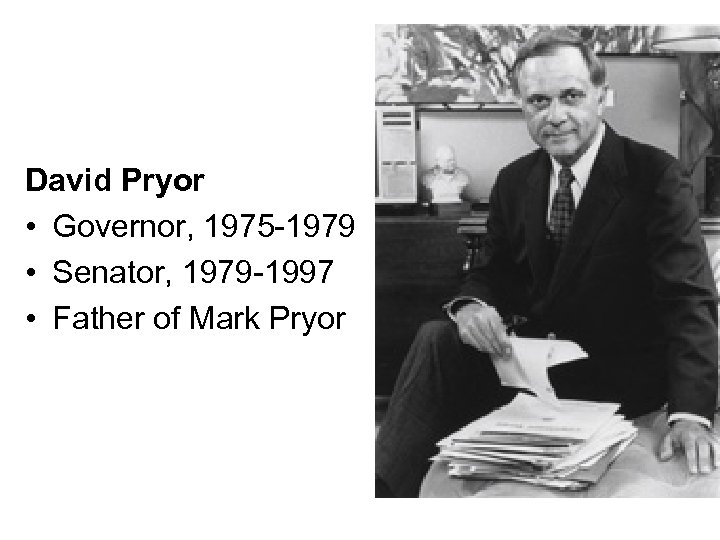 David Pryor • Governor, 1975 -1979 • Senator, 1979 -1997 • Father of Mark Pryor
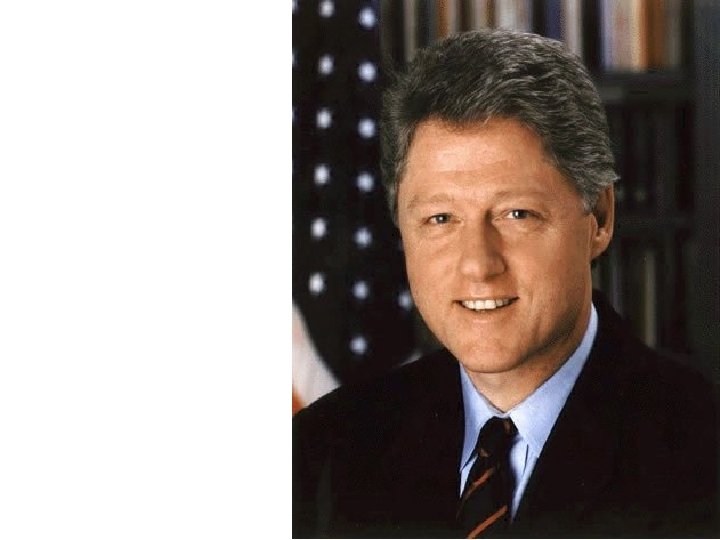
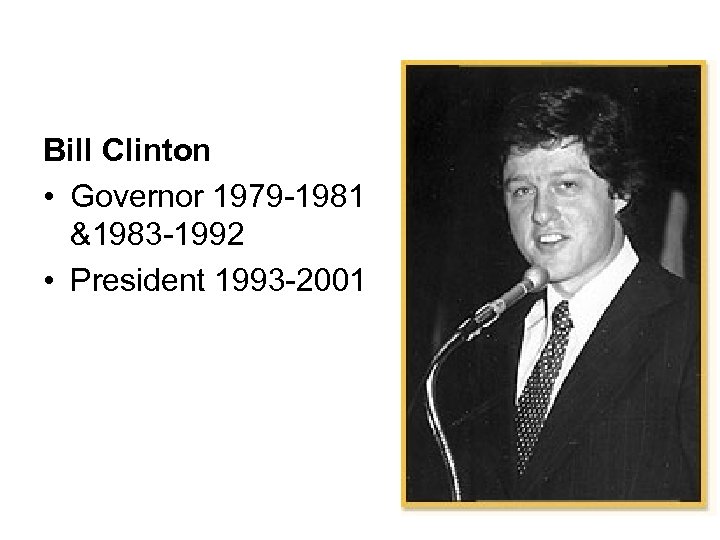 Bill Clinton • Governor 1979 -1981 &1983 -1992 • President 1993 -2001
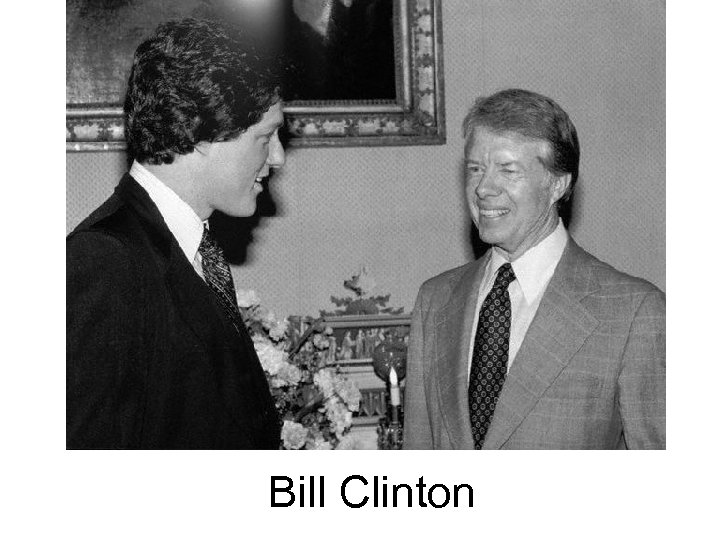 Bill Clinton
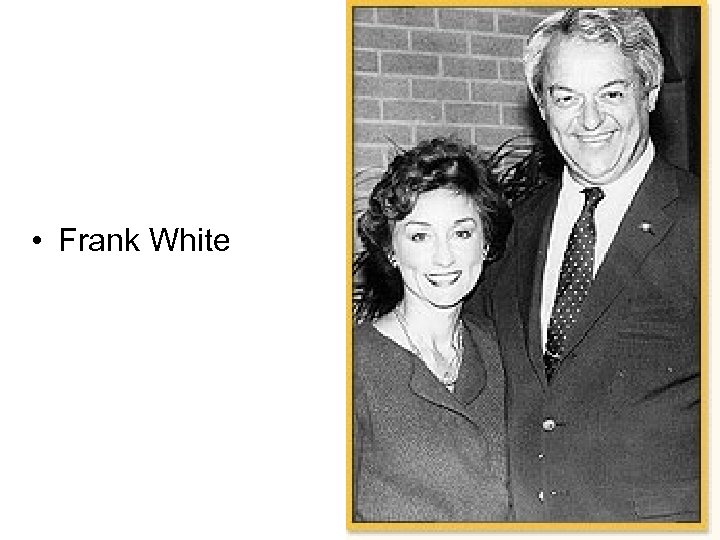 • Frank White
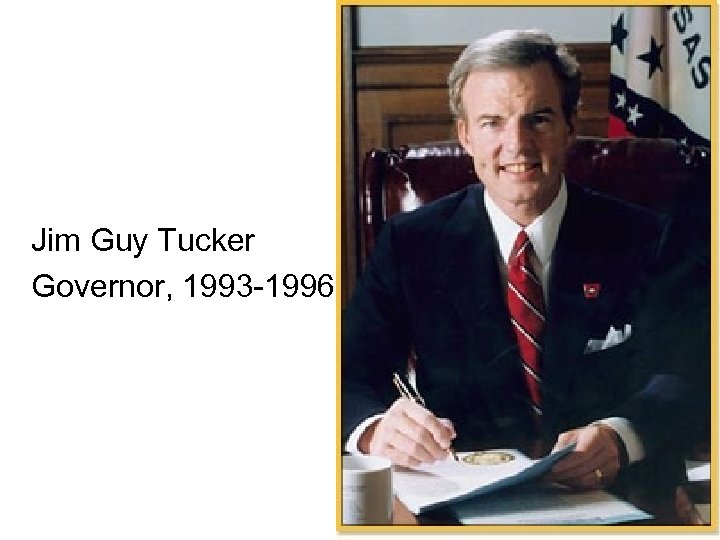 Jim Guy Tucker Governor, 1993 -1996
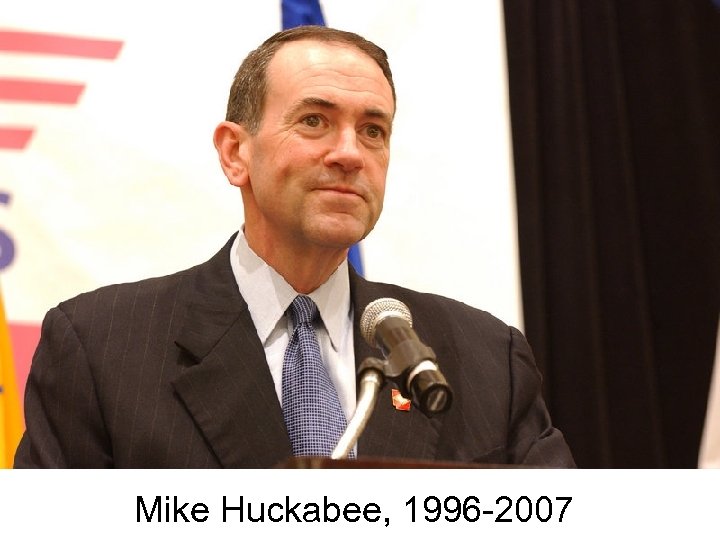 Mike Huckabee, 1996 -2007
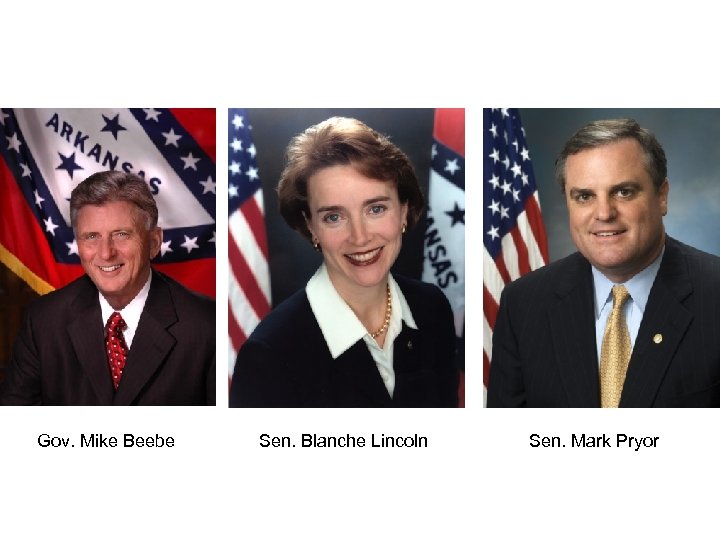 Gov. Mike Beebe Sen. Blanche Lincoln Sen. Mark Pryor
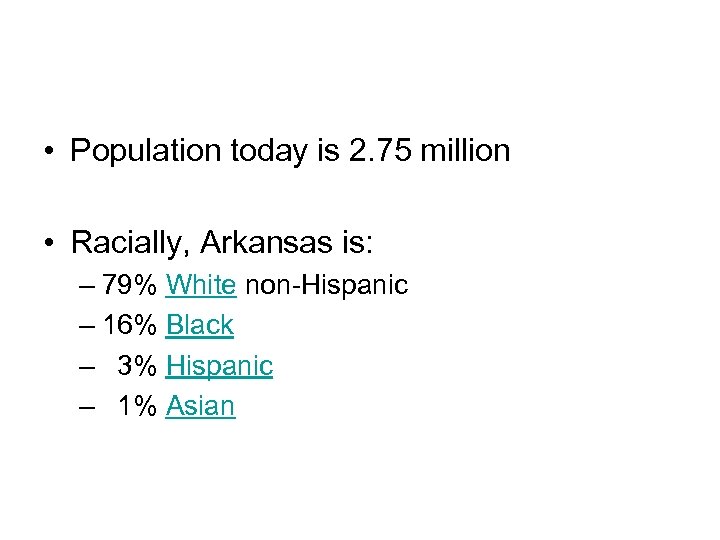 • Population today is 2. 75 million • Racially, Arkansas is: – 79% White non-Hispanic – 16% Black – 3% Hispanic – 1% Asian
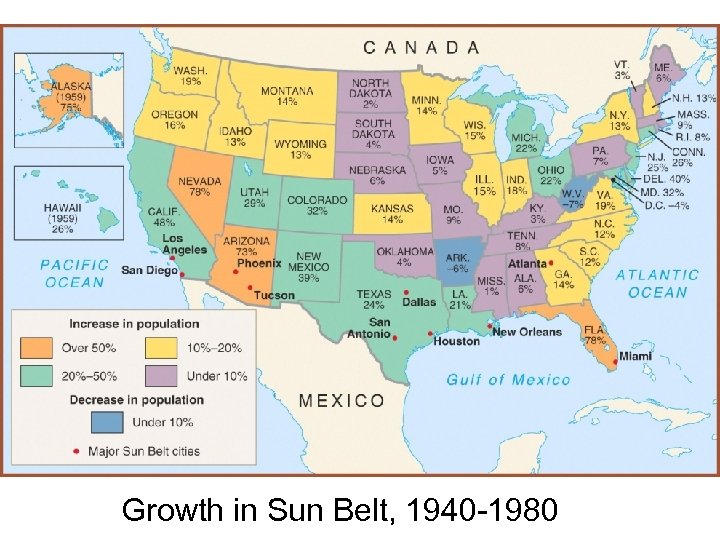 Growth in Sun Belt, 1940 -1980
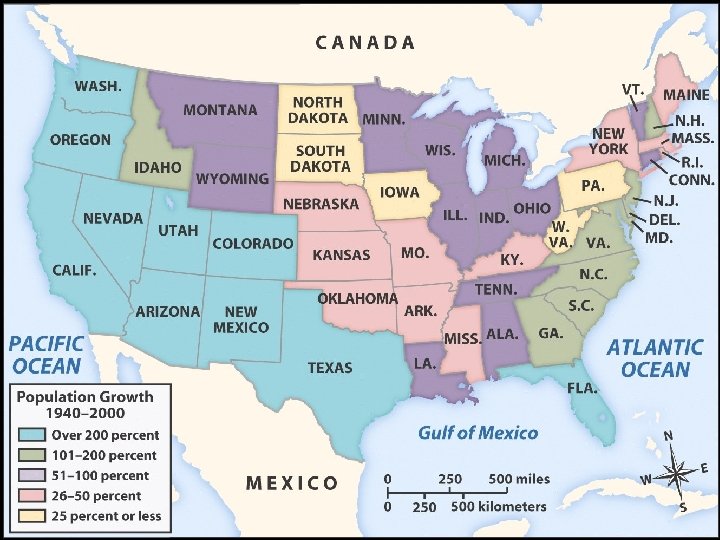
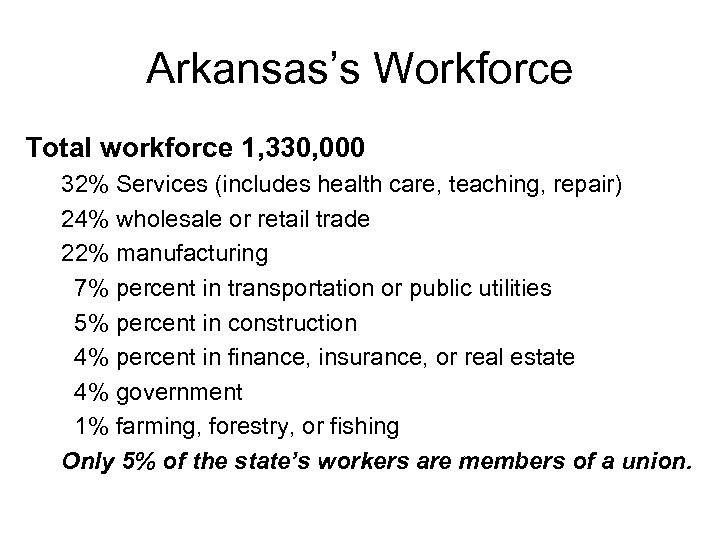 Arkansas’s Workforce Total workforce 1, 330, 000 32% Services (includes health care, teaching, repair) 24% wholesale or retail trade 22% manufacturing 7% percent in transportation or public utilities 5% percent in construction 4% percent in finance, insurance, or real estate 4% government 1% farming, forestry, or fishing Only 5% of the state’s workers are members of a union.
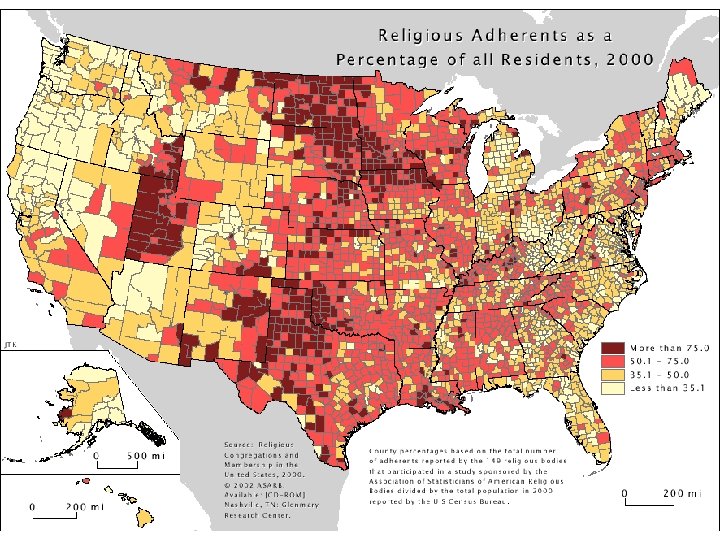
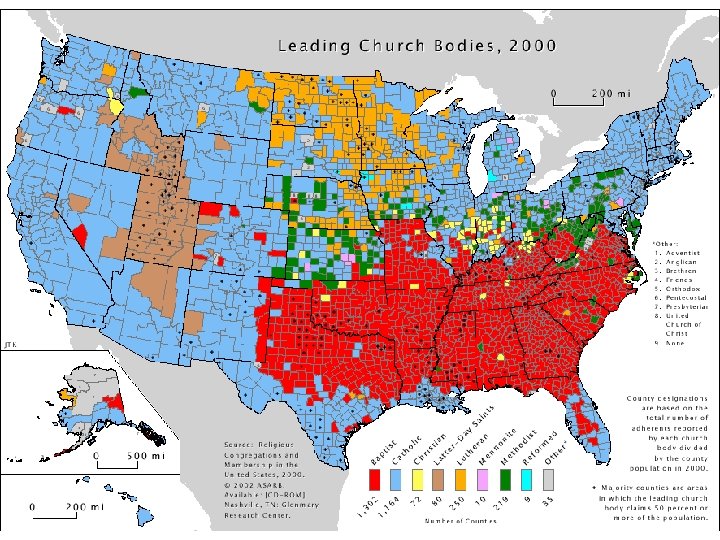
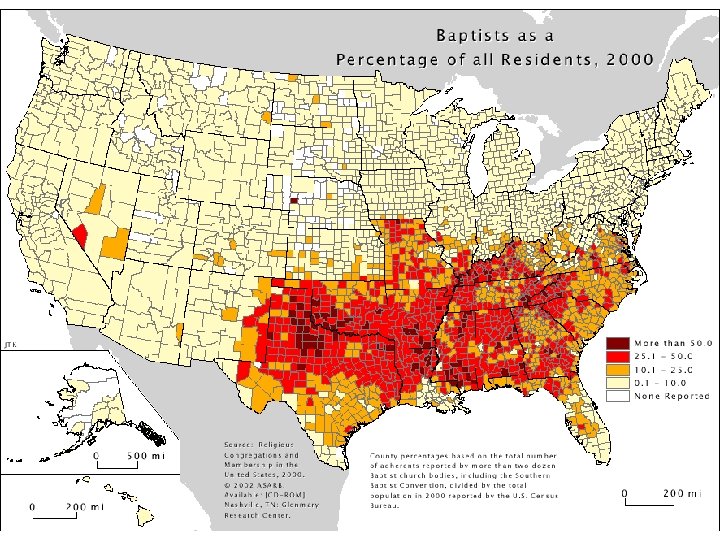
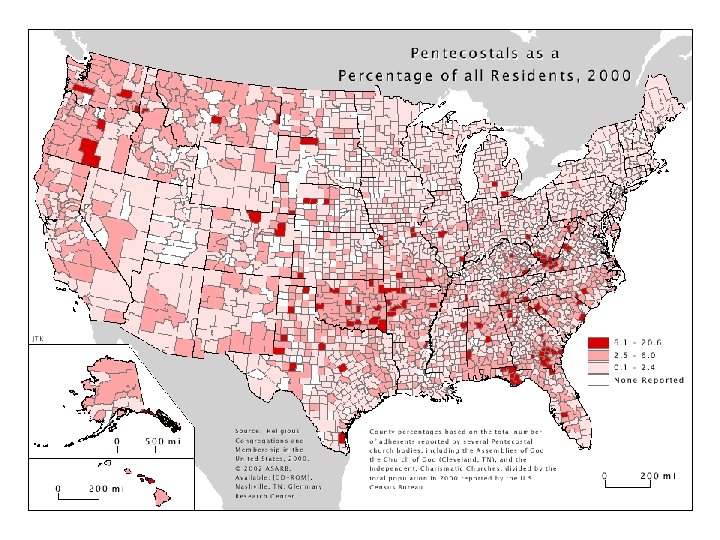
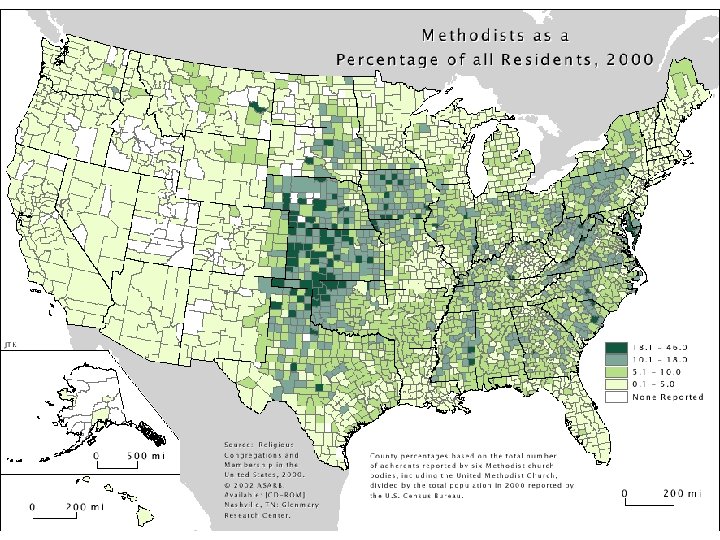
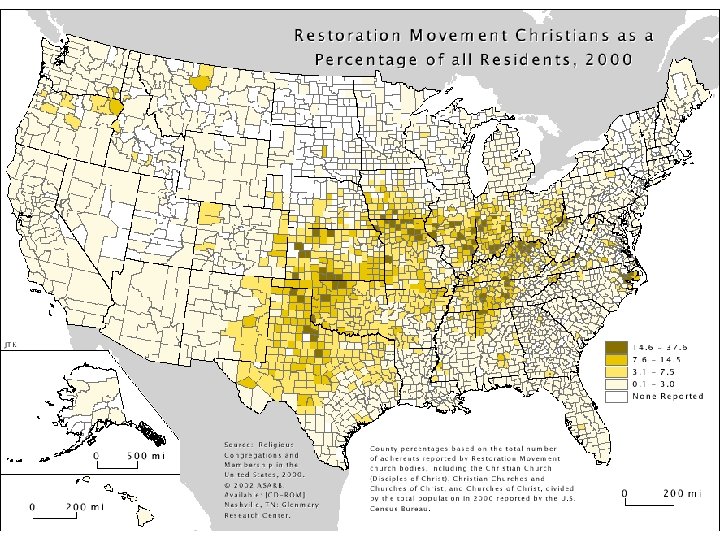
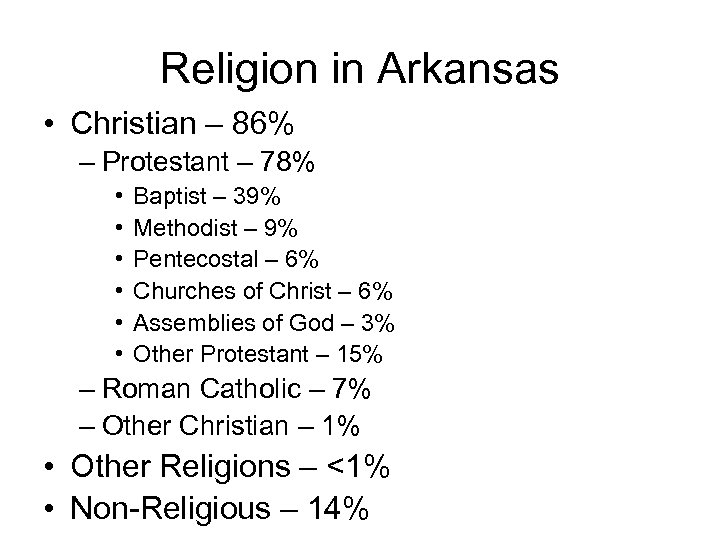 Religion in Arkansas • Christian – 86% – Protestant – 78% • • • Baptist – 39% Methodist – 9% Pentecostal – 6% Churches of Christ – 6% Assemblies of God – 3% Other Protestant – 15% – Roman Catholic – 7% – Other Christian – 1% • Other Religions – <1% • Non-Religious – 14%