


 Скачать презентацию Recent history and perspectives The ERC Paediatric
2c2e7c3b60fd52d82653e783079cdea9.ppt
- Количество слайдов: 53
 Recent history and perspectives
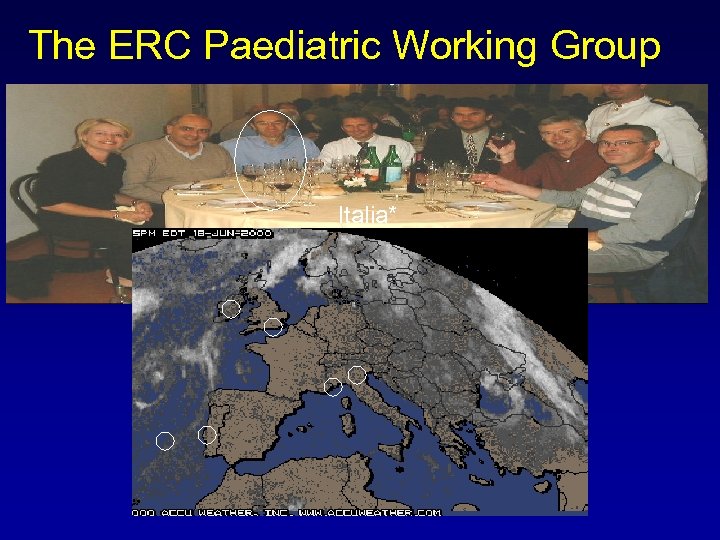 The ERC Paediatric Working Group Italia*
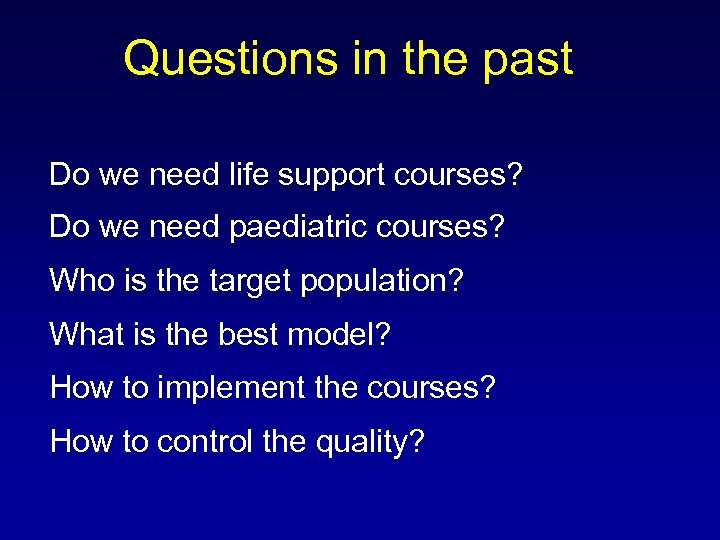 Questions in the past Do we need life support courses? Do we need paediatric courses? Who is the target population? What is the best model? How to implement the courses? How to control the quality?
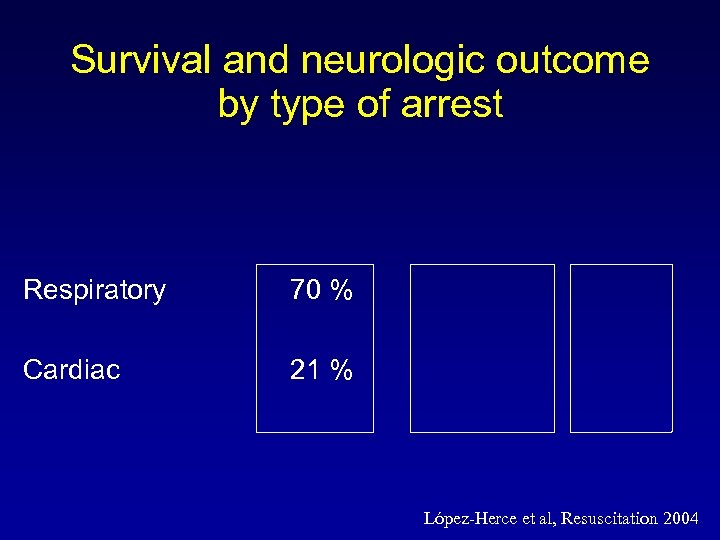 Survival and neurologic outcome by type of arrest Respiratory 70 % Cardiac 21 % López-Herce et al, Resuscitation 2004
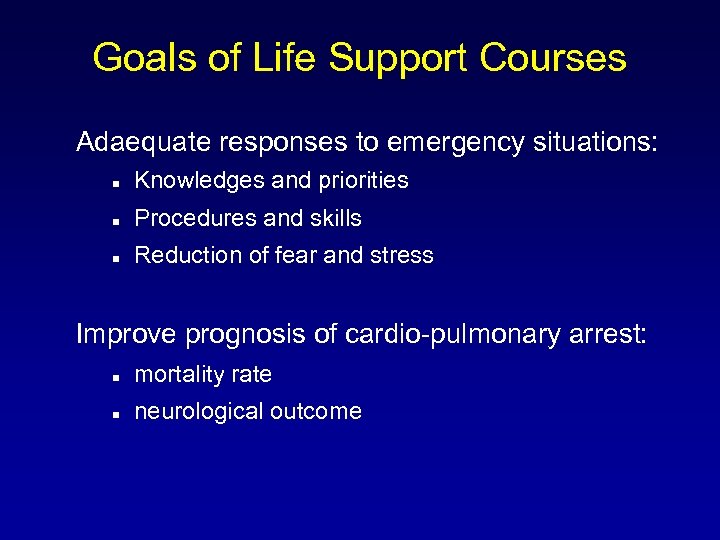 Goals of Life Support Courses Adaequate responses to emergency situations: Knowledges and priorities Procedures and skills Reduction of fear and stress Improve prognosis of cardio-pulmonary arrest: mortality rate neurological outcome
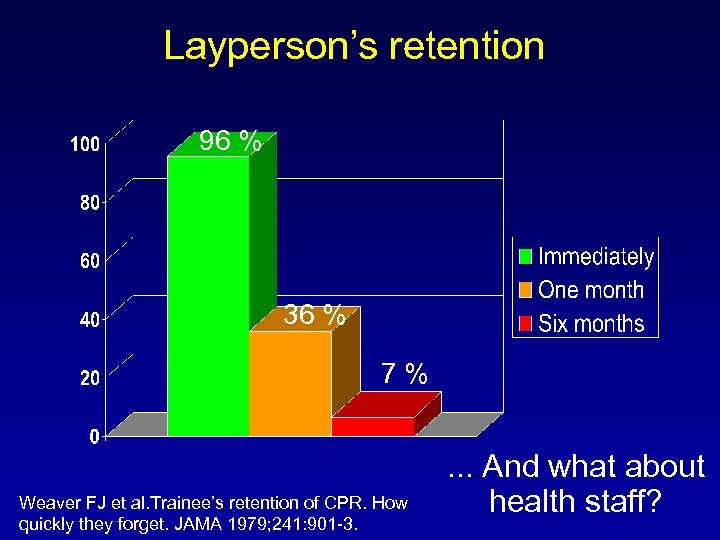 Layperson’s retention 96 % 36 % 7% Weaver FJ et al. Trainee’s retention of CPR. How quickly they forget. JAMA 1979; 241: 901 -3. . And what about health staff?
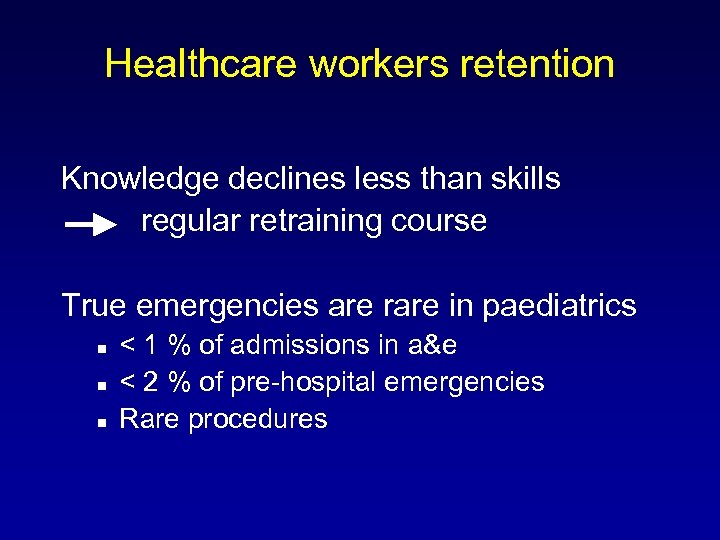 Healthcare workers retention Knowledge declines less than skills regular retraining course True emergencies are rare in paediatrics < 1 % of admissions in a&e < 2 % of pre-hospital emergencies Rare procedures
 ERC and Life Support Courses Main strategical objective Uniform guidelines Target population Spreading of knowledge and skills Quality control Accreditation issues
 Why Paediatric Life Support Courses are needed? Specific causes of arrest Poor prognosis of cardiac arrest in children Often limited qualification of medical staff Need of specific and mixed teaching material Special patient groups - e. g. the newborn
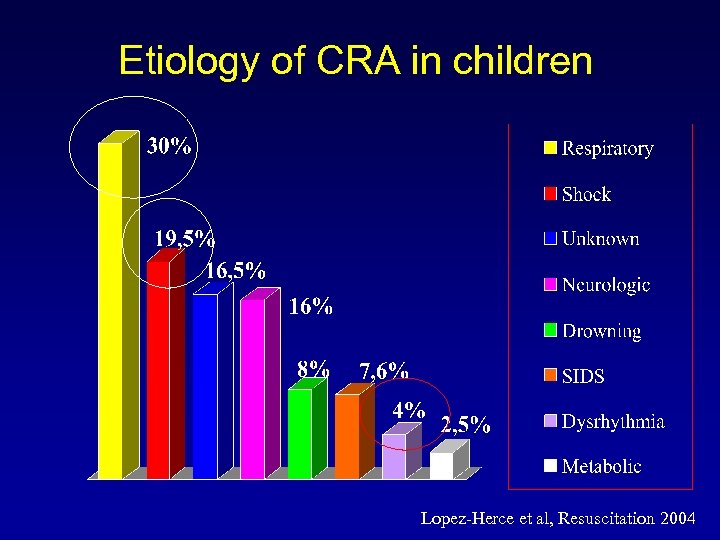 Etiology of CRA in children Lopez-Herce et al, Resuscitation 2004
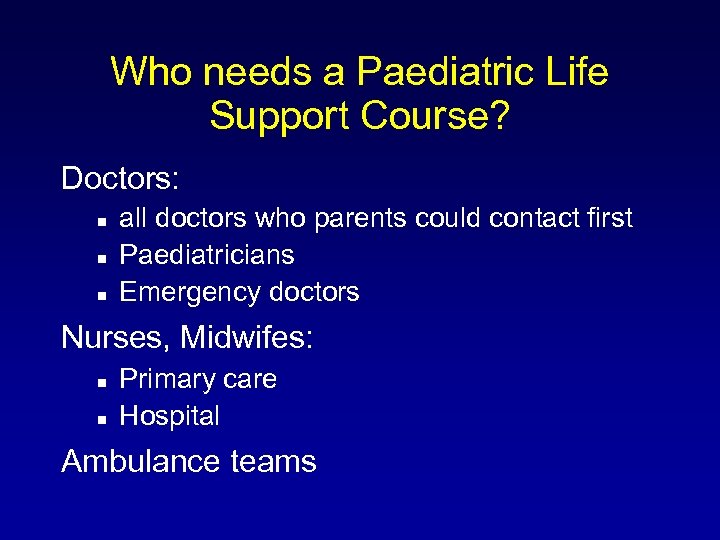 Who needs a Paediatric Life Support Course? Doctors: all doctors who parents could contact first Paediatricians Emergency doctors Nurses, Midwifes: Primary care Hospital Ambulance teams
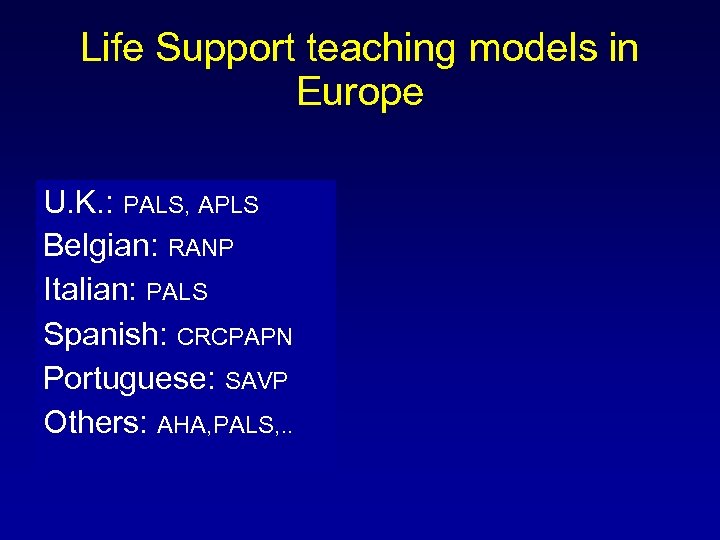 Life Support teaching models in Europe U. K. : PALS, APLS Belgian: RANP Italian: PALS Spanish: CRCPAPN Portuguese: SAVP Others: AHA, PALS, . .
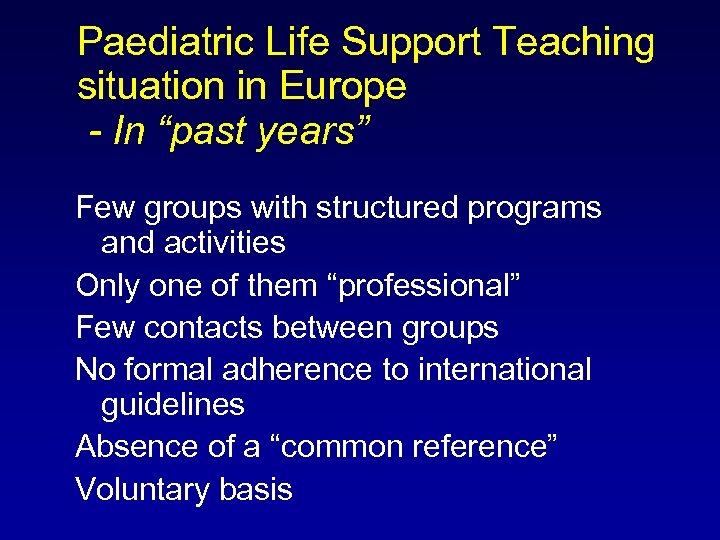 Paediatric Life Support Teaching situation in Europe - In “past years” Few groups with structured programs and activities Only one of them “professional” Few contacts between groups No formal adherence to international guidelines Absence of a “common reference” Voluntary basis
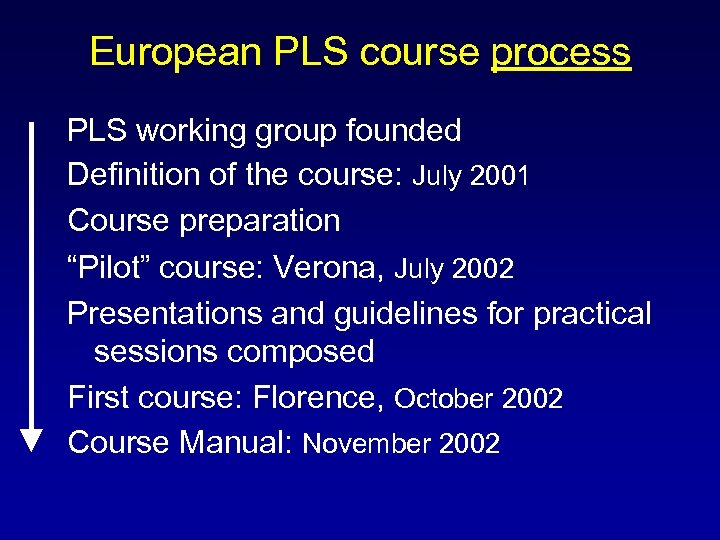 European PLS course process PLS working group founded Definition of the course: July 2001 Course preparation “Pilot” course: Verona, July 2002 Presentations and guidelines for practical sessions composed First course: Florence, October 2002 Course Manual: November 2002
 Goals Uniform guidelines for paediatric life support in Europe (ERC) Tools for education (manual, slides) Provider courses Instructor courses Groups of enthusiastic instructors Translations to local languages

 European Paediatric Life Support Course Book (1 st ed. 2002) • • • Introduction Recognition of the seriously ill child Paediatric Basic Life Support Management of the airway Vascular access Fluids and medications Rhythm disturbances in seriously ill child Special situations in paediatric resuscitation Trauma child Stabilisation after resuscitation and transportation Ethical considerations Resuscitation of the newly born
 Main focuses of the EPLS course Recognition of children at risk Cardiac arrest anticipation Bag-mask ventilation Intraosseous access Drugs - Adrenaline Defibrillation Integrated approach Adaptation to special situations
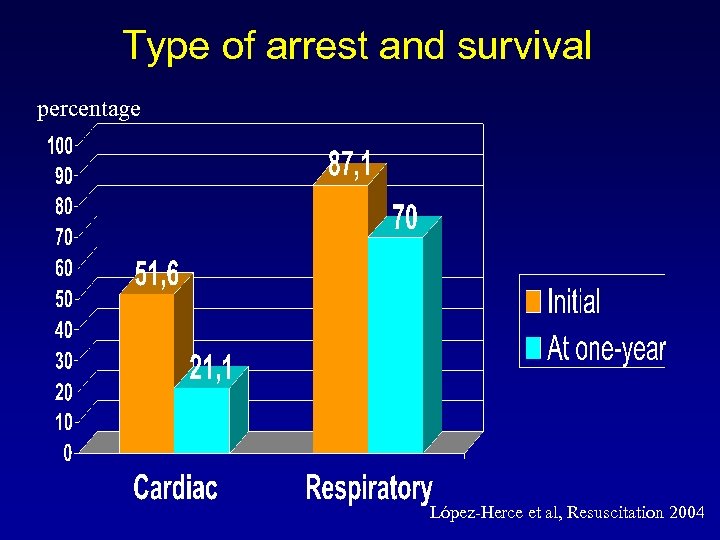 Type of arrest and survival percentage López-Herce et al, Resuscitation 2004
 Main focuses of the EPLS course Recognition of children at risk Cardiac arrest anticipation Bag-mask ventilation Intraosseous access Drugs - Adrenaline Defibrillation Integrated approach Adaptation to special situations
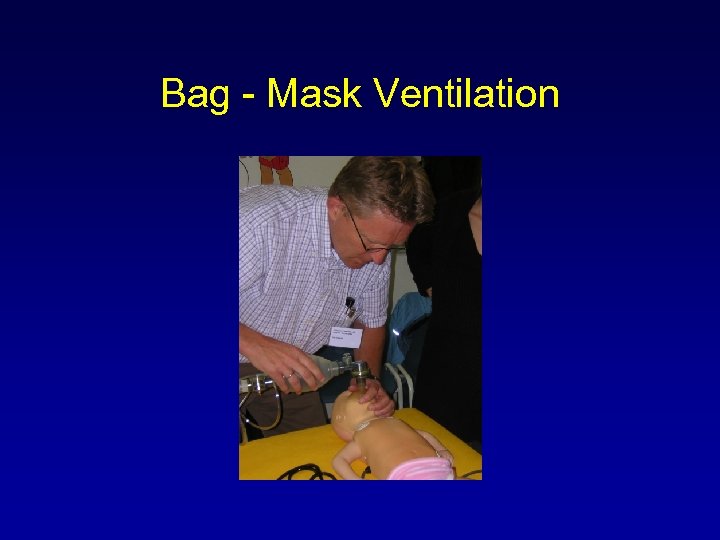 Bag - Mask Ventilation
 Main focuses of the EPLS course Recognition of children at risk Cardiac arrest anticipation Bag-mask ventilation Intraosseous access Drugs - Adrenaline Defibrillation Integrated approach Adaptation to special situations
 Main focuses of the EPLS course Recognition of children at risk Cardiac arrest anticipation Bag-mask ventilation Intraosseous access Drugs - Adrenaline Defibrillation Integrated approach Adaptation to special situations
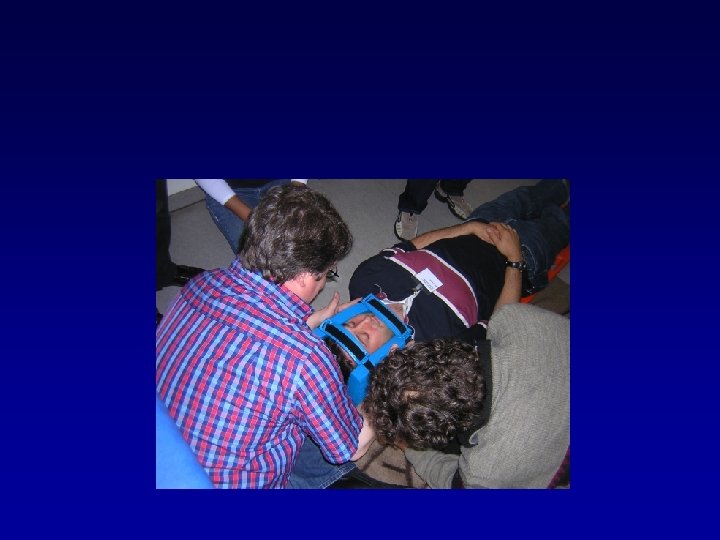
 Course Content Pre course MCQ test, sent to candidates with the manual Duration: 2 days -16 effective hours Presentations and demonstrations: 4 hours Skill stations: 5 hours Scenarios: 4 hours BLS and ALS exams: 3 hours
 Course Lectures Early recognition of critically ill child Particularities of child’s airway and introduction to airway management Cardiac arrest in children. Recognition of arrhythmia and defibrillation Trauma management Resuscitation of the Newly-born Post-resuscitation care Ethical aspects
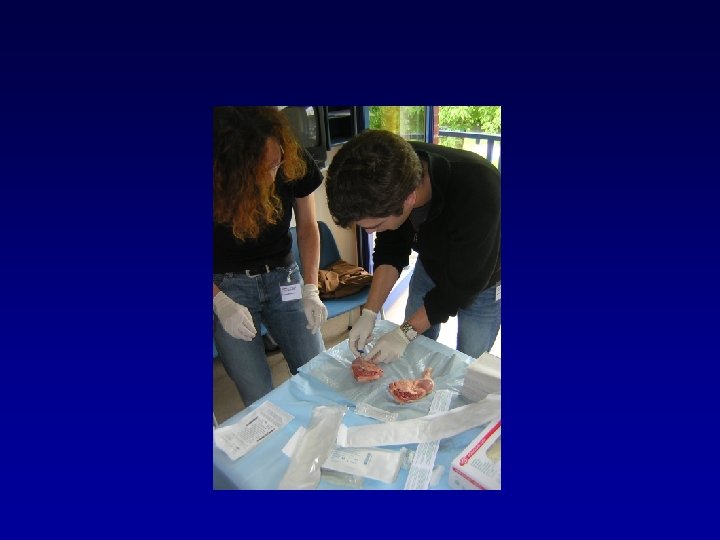
 Course Skill stations • • • Basic life support and management of foreign bodies in the airways Opening the airway, cervical spine care and bag/mask ventilation Oxygen delivery and tracheal intubation Vascular access, fluids, drugs Arrhythmia and defibrillation
 Course Integrated cases • • Respiratory failure Circulatory failure and Trauma Resuscitation at birth Cardiac arrest and teamwork
 To permit self-assessment and improvement by the candidate Make ease a friendly climate in the group Encourage comments and corrections by colleagues The instructor: - First, remark positive aspects - Then, correct errors
 Course evaluations Of the candidates: Basic life support Written examination Scenario testing Of the course: By the candidates By the instructors
 Requirements for EPLS course candidates Health care staff Paediatric or Emergency activity Basic Life Support Course passed Pre course study of manual – Pre test A minimum knowledge of english language
 First EPLS course Florence 1 -2 October, 2002 Target group: Health care providers Interactive method 9 instructors / 24 candidates 2 “observers” Language: English
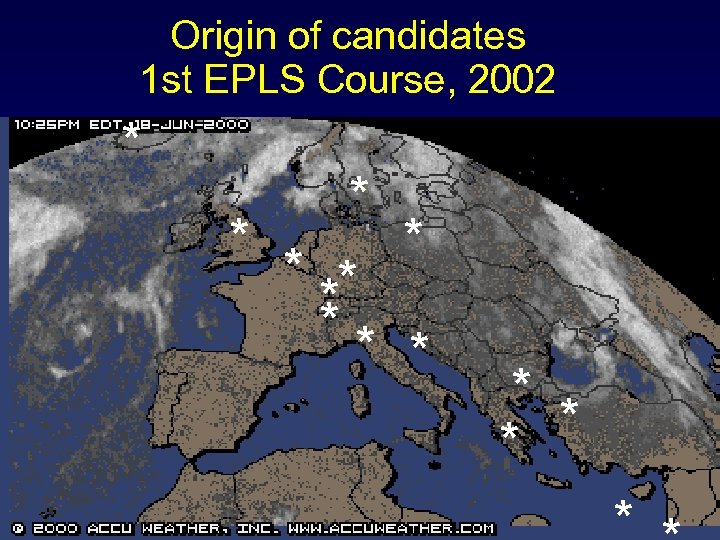 Origin of candidates 1 st EPLS Course, 2002 * * * ** * *
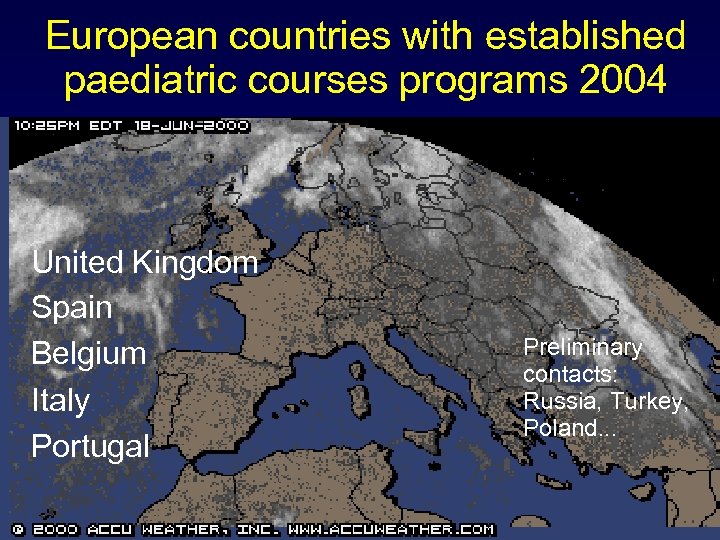 European countries with established paediatric courses programs 2004 United Kingdom Spain Belgium Italy Portugal Preliminary contacts: Russia, Turkey, Poland. . .

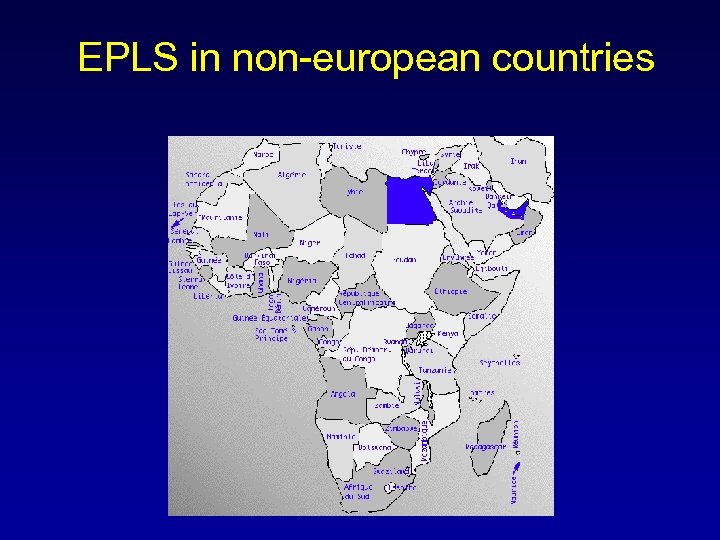 EPLS in non-european countries
 The EPLS course in German speaking areas (PBLS + EPLS) The Sud-Tyrol experience: Multi-cultural, multi-language, interchange of experiences, basis for development in other areas Germany: Hannover Viersen Mainz Austria: Vienna All centres: Translation of the slides, December 2003
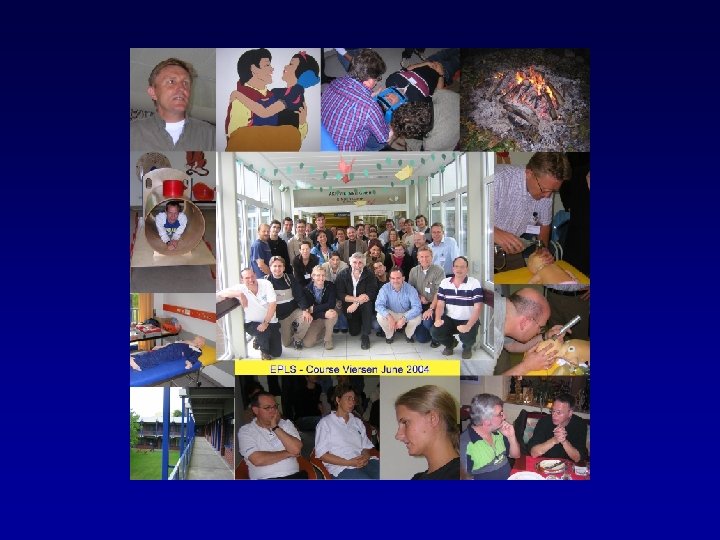
 Austria and Germany: PBLS+EPLS 3 days course Most of candidates haven’t participate in a PBLS - Course Performance in BLS is worse than in advanced procedures Permits more time for stations Permits to incorporate new modules: e. g. automated external defibrillation
 EPLS Courses in Germany 2005 Hannover - Spring 2005 Viersen - Spring / Summer 2005 Mainz - Autumn 2005
 EPLS Retraining Courses for British Forces in Germany 2005 Viersen - Spring / Summer 2005 1 day course Teaching by lectures and in small groups 20 - 28 participiants ERC - accreditation enquired Interested collegues ? - please find informations and an application form at the website www. kinder-notfallkurse. com
 Practical barriers to EPLS courses Need of enthusiastic local organisers Commitment of National RC Expenses Paediatric material Paediatric mannequins Experienced Instructors
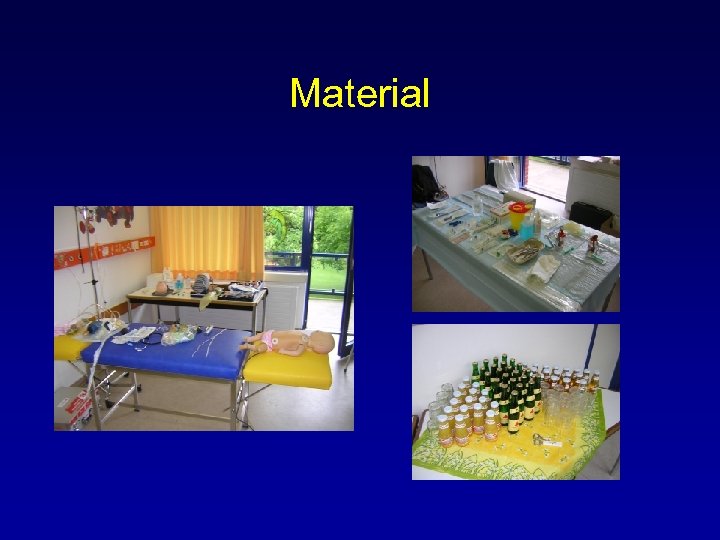 Material
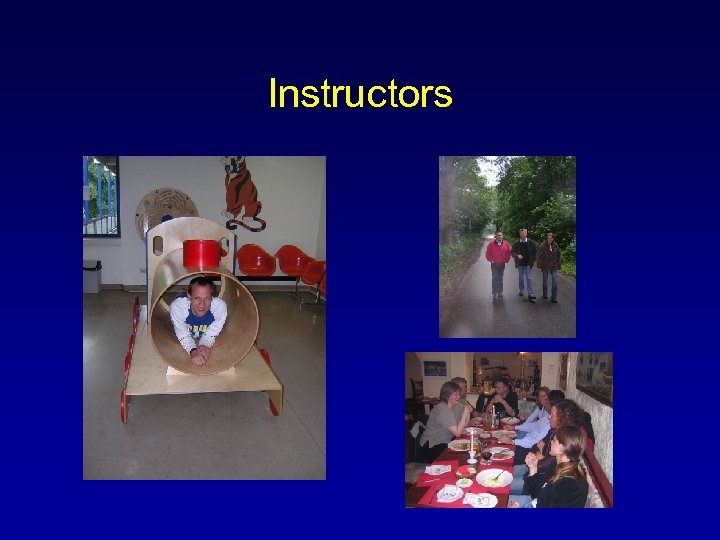 Instructors
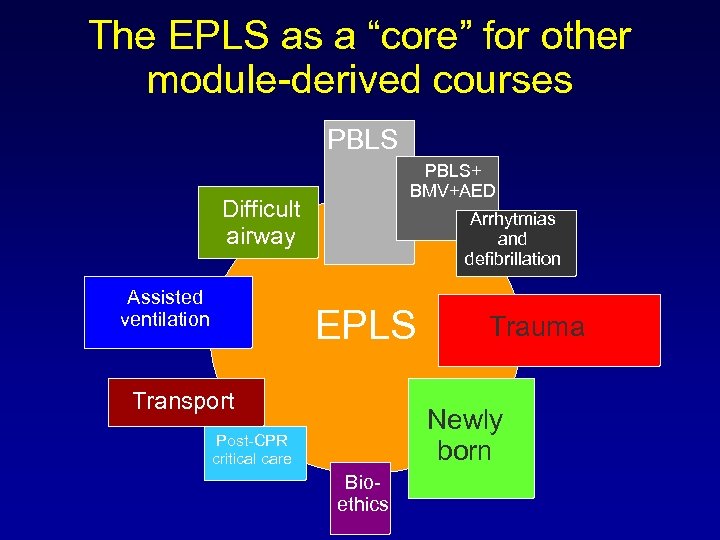 The EPLS as a “core” for other module-derived courses PBLS+ BMV+AED Difficult airway Assisted ventilation Arrhytmias and defibrillation EPLS Transport Trauma Newly born Post-CPR critical care Bioethics
 EPLS Instructor Courses Generic Instructor Course vs. Specific Paediatric Instructor Course with adaptations to the EPLS course specifications
 The immediate future ERC on-line management of administrative aspects: material, candidates, accreditations, instructors List of voluntary international instructors New international guidelines (end of 2005) New course manual (during 2005) Translations of the new course manual (during 2005) 2006 Update: New guidelines, new manual
 To evaluate Does the course will achieve a significant increase in the PLS knowledge and skills? Will it reduce the incidence of cardiac arrest in childhood? Will it improve the prognosis of paediatric cardio-pulmonary arrest?
 Conclusions A good and effective model At least 17 countries already involved in the project Instructor’s courses are needed Translation of course materials. Courses in local languages are needed.
 Thank you for your attention!