


 Скачать презентацию READING ASSIGNMENT For Tuesday UCC pages 169
65f5543ca88eac58c2ec0fdcc0a16831.ppt
- Количество слайдов: 120
 READING ASSIGNMENT For Tuesday – UCC pages 169 -176 For Friday – UCC pages 184 -191
 Comunicación y Gerencia THE BIBLE Religious Studies One – Unit 6 “The Hebrew Scriptures”
 STYLES & CRITICISMS
 OVERVIEW Bible – from Greek word “byblos” Who What Where When Why How
 WHO? The Ancient Israelites (Modern Judaism did not exist prior to the destruction of the Temple in 6 th century B. C. )
 WHAT? 1. Salvation History – story of the Israelite relationship with God (NOT history the way we are used to from school) 2. God’s love for us as evidenced in the life and works of Jesus 3. The early mission to continue the presence of Jesus in our world
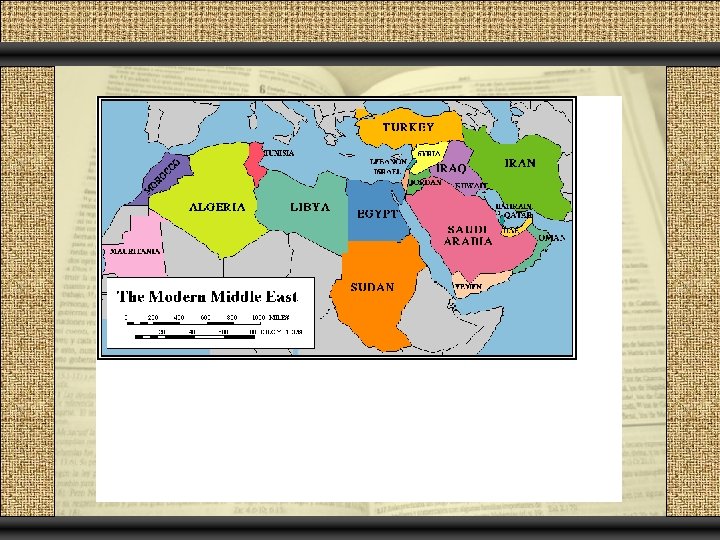
 WHERE? The Middle East At the “crossroads” between… Egypt Greco-Roman Europe/Asia Minor Persia/Syria Arabia/India
 WHEN? 2000 BC – 65 AD
 WHY? To codify and transmit the stories of God’s revelation concerning the three stories of salvation, Jesus, and mission.
 HOW? The OT was organized between 800 -100 BC The NT was organized between 40 -100 AD Here’s how… 1. Canon – books considered to be a part of the Bible (OT closed in 1 st century AD, NT closed in 5 th century) 2. Canonicity requires inspiration, age, proper theology, and use 3. Translation – OT written in Hebrew and Aramaic, while NT written in Greek (Eventually both were translated into Greek, then Latin, then the vernacular)
 CONTENTS Old Testament (Hebrew Scriptures) New Testament (Christian Scriptures) Pentateuch (Torah) History Books Wisdom Literature Prophetic Books The Gospels Acts of the Apostles The Epistles (letters) Book of Revelation
 OT LITERARY STYLES • Myth – story meant to explain something that cannot otherwise be explained • Legend – story based in fact but exaggerated to demonstrate a point of faith or morality • Saga – collection of legends involving one character raised to the level of “epic” • Law – rules that the Israelites are supposed to obey in order to remain in God’s grace • Prophecy – variety of forms, including foretelling of events, messages from God, and warnings from prophets • Prayer – offerings to God usually requesting protection/ strength or offering thanksgivings or praising God • Song – lyric (musical) poetry used similarly to prayers
 NT LITERARY STYLES • Gospel – spiritual/salvation account of the life, works, and teachings of Jesus • Parable – anecdote (story) meant to teach lessons in plain and simple terms • Letters – communications between early Church leaders and the Christian communities throughout the early Church
 OT-NT LITERARY STYLES • Miracles – stories where the natural order is subverted to make a holy point • Apocalypse – stories relating symbolically to the “end times”
 INTERPRETATION • Literal – total fact with no interpretation • Literary – viewed as literature with interests in setting, plot, and character (a. k. a. Stylistic) • Historical – viewed as history with interest in actual events and evidence (a. k. a. Archeological/Scientific) • Cultural – viewed in light of the fact that The Bible is the product of a particular people in a particular place at a particular time (a. k. a. Contextual) • Mythographical – viewed within the symbolic framework of myth (a. k. a. Metaphorical) • Linguistic – interprets the language and translations in order to uncover “original” meaning • Theological – interpreted exclusively to support teachings of faith and morals
 RESPONSE PAPER 6 A Explain which form of Biblical Interpretation you find the most helpful? What about the least helpful? What is the point of Biblical Interpretation?
 READING ASSIGNMENT For Tuesday – Genesis 1 -3 For Friday – Genesis 4 -11
 GENESIS & MYTH
 NATURE OF MYTH Myth is fundamental style of communication found in The Book of Genesis Myth – method of storytelling used by primitive peoples to make sense of their universe Myth contains nine essential elements
 ELEMENTS OF MYTH 1. 2. 3. 4. 5. 6. 7. 8. 9. Quest or journey (physical/spiritual) Moral teaching Role of gods/super-humans Anthropomorphic non-humans (guides/ interpreters of the “natural” way) Explanation of “greater truth” Majick – subversion of natural order Wise, sage figure Use of symbol to convey meaning Oppositional resolution (good/evil)
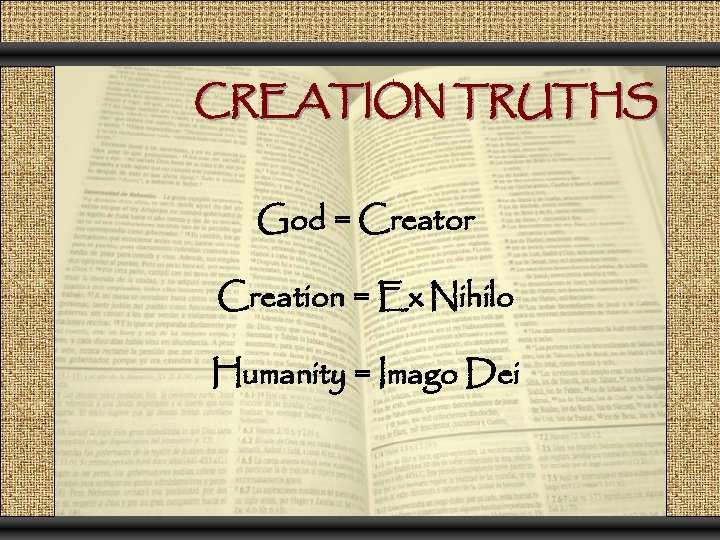 CREATION TRUTHS God = Creator Creation = Ex Nihilo Humanity = Imago Dei
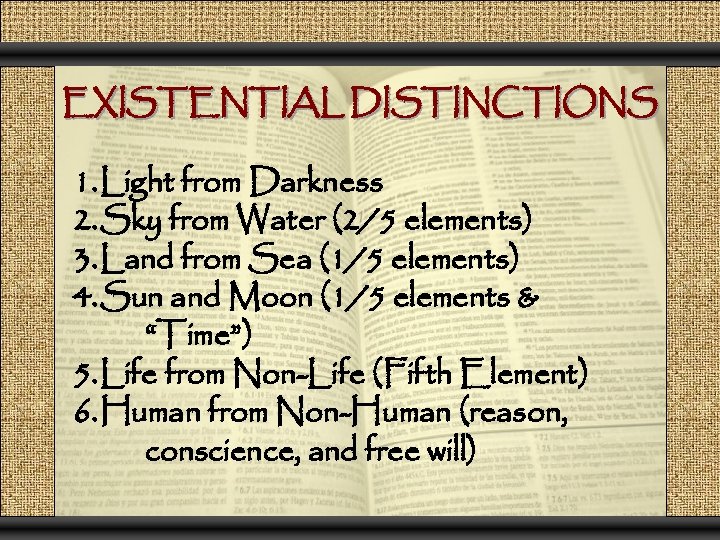 EXISTENTIAL DISTINCTIONS 1. Light from Darkness 2. Sky from Water (2/5 elements) 3. Land from Sea (1/5 elements) 4. Sun and Moon (1/5 elements & “Time”) 5. Life from Non-Life (Fifth Element) 6. Human from Non-Human (reason, conscience, and free will)
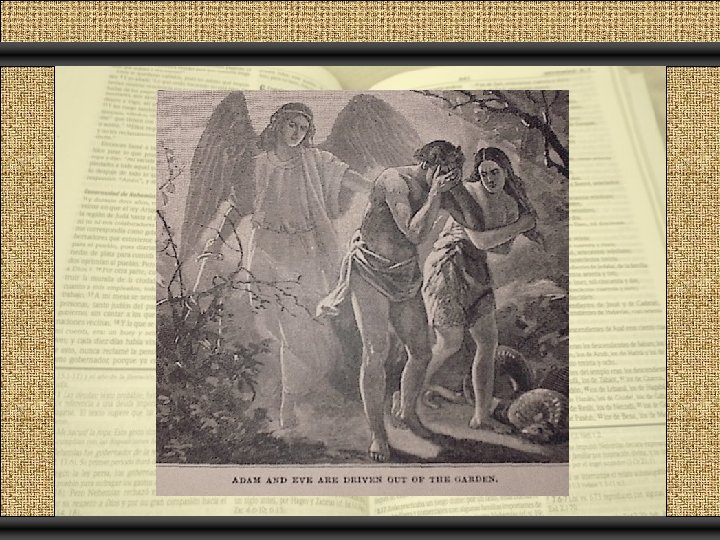
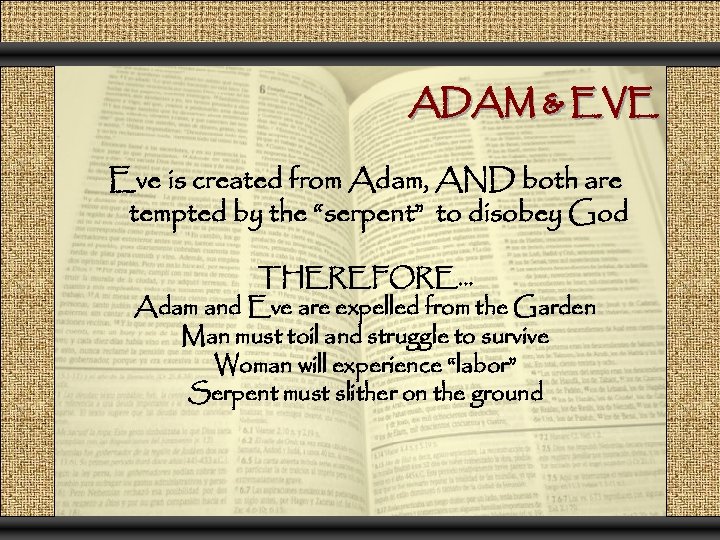 ADAM & EVE Eve is created from Adam, AND both are tempted by the “serpent” to disobey God THEREFORE… Adam and Eve are expelled from the Garden Man must toil and struggle to survive Woman will experience “labor” Serpent must slither on the ground
 IN SEARCH OF NOAH’S FLOOD Do Ryan and Pitman’s arguments convince you? Why or why not?
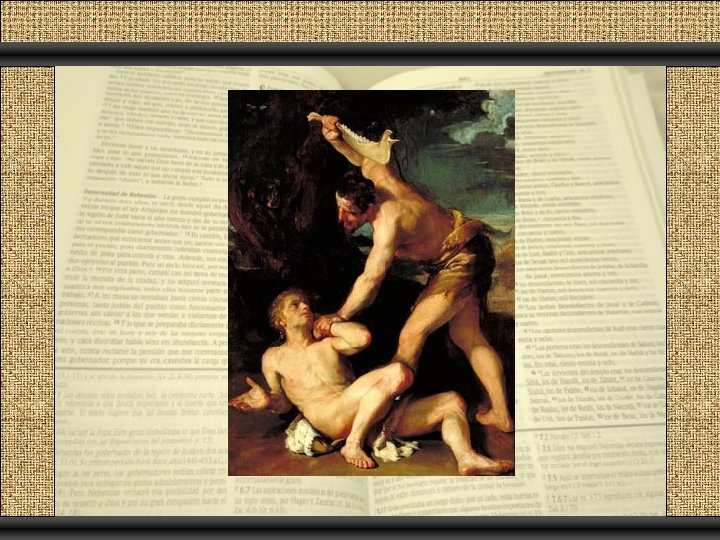
 CAIN & ABEL • Older brother (Cain) is jealous of younger brother (Abel) who is “practically perfect in every way” • Cain murders Abel in jealous rage • Cain dodges God’s questioning • God “marks” Cain and forces him to wander • Story explains first “true” sin • Provides other important moral lessons
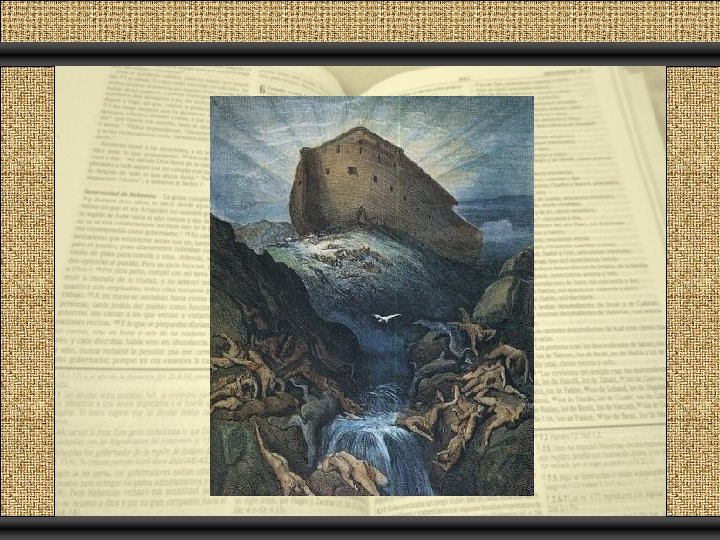
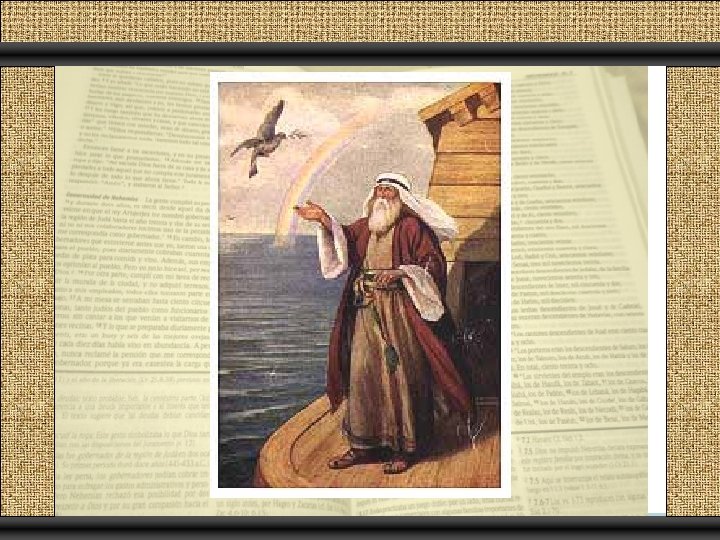
 NOAH’S FLOOD • God is angered by his creation • He orders Noah to build and ark and rescue the animals before the flood comes • Flood waters destroy the Earth • After they recede, Noah (and his family) re-people the world • Story explains…How animal species come to live in strange places, Origins of “rainbow” and “salvation”, Origins of Divine attributes: Vengeful and Forgiving • The establishment of “first” covenant
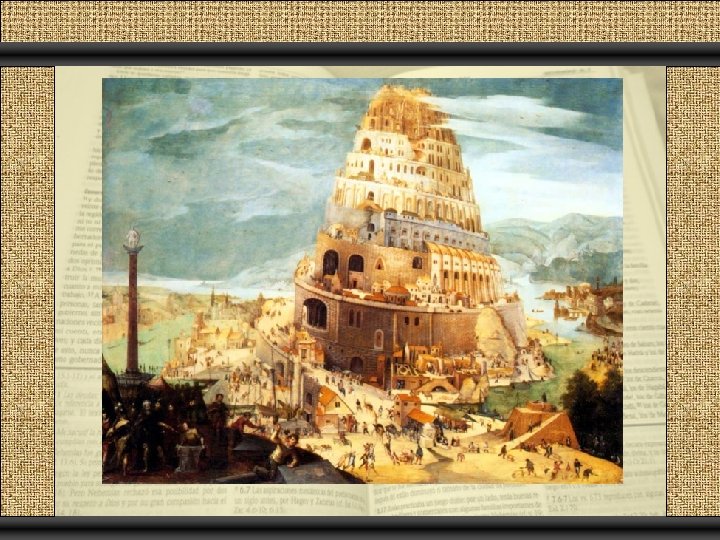
 TOWER OF BABEL • People want to be closer to God so they begin constructing a great tower to heaven • God punishes this arrogance by giving each person a different language • Mythic Lessons…You can only be as close to God as God will allow, Provides explanation of where different languages come from, Provides explanation for the origin of the “Hanging Gardens”
 RESPONSE PAPER 6 B Select one of the five stories from Genesis 1 -11 Explain how this story fits into the categories of myth
 READING ASSIGNMENT Understanding Catholic Christianity Pages 59 -7
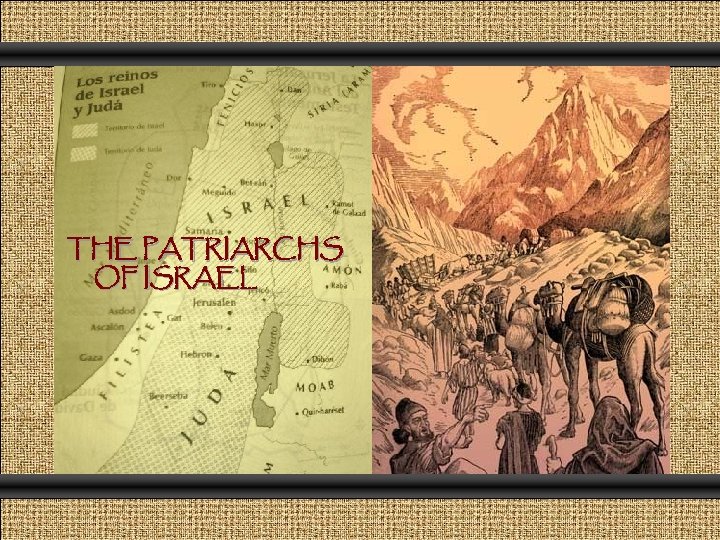 THE PATRIARCHS OF ISRAEL
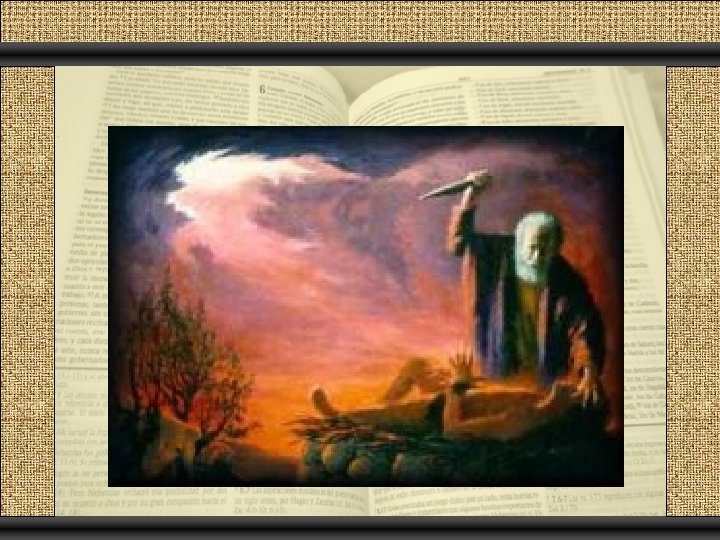
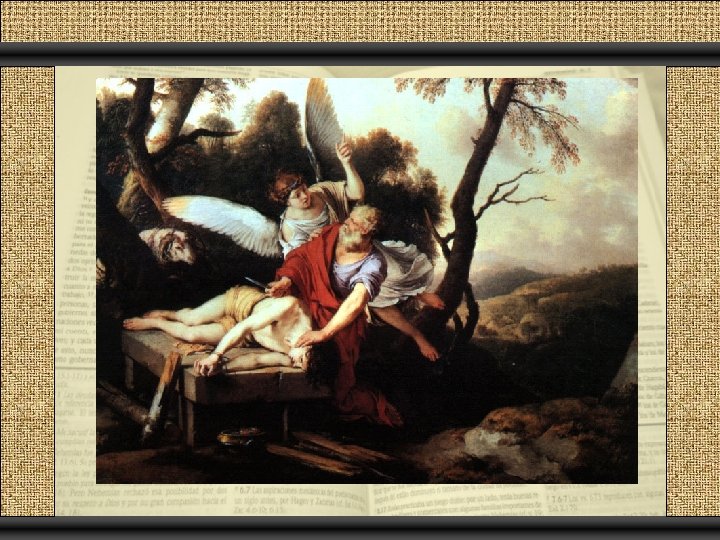
 ABRAHAM • Remainder of Pentateuch tells the stories of Israel’s five patriarchs (founding fathers) • Abraham called by God from Ur to settle in Canaan • Abraham accepts and God promises to protect him (1 st Covenant) • Begets Ishmael and Isaac ( 2 nd covenant) • God tests Abraham’s faith with Isaac • Circumcision at Shechem (3 rd covenant) • Abraham remains patriarch of all three western faiths
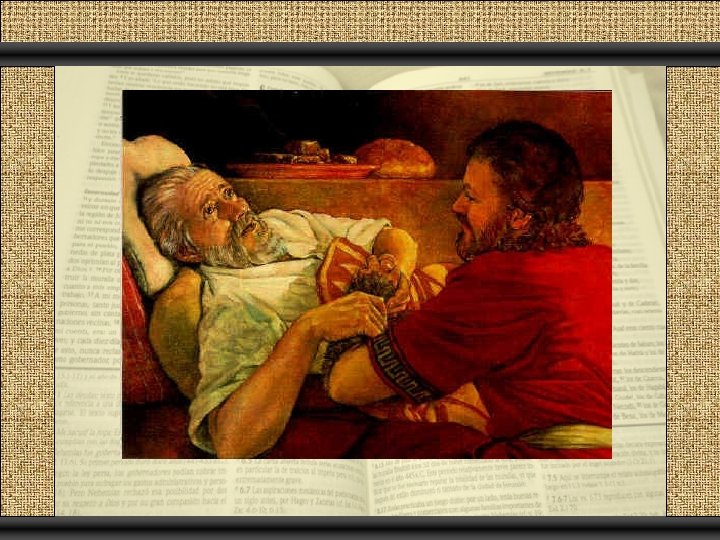
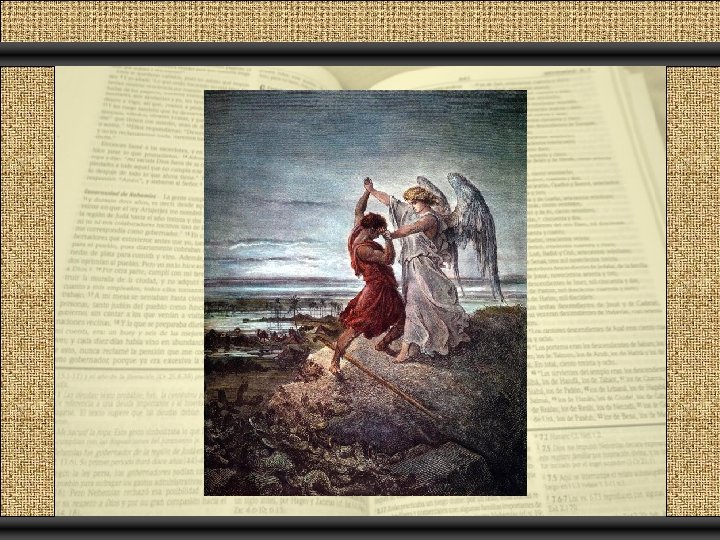
 JACOB • Jacob (the younger son) tricks Esau (the older son) out of his birthright by deceiving their father, Isaac • Jacob flees to stay and work for Uncle Laban Marries twice (Leah/Rachel) and has numerous children who eventually become known as the “ 12 tribes of Israel” • On his return to Esau to seek forgiveness, Jacob wrestles with an angel of God and is renamed “Israel” • Upon Jacob’s return, Esau welcomes him with great enthusiasm
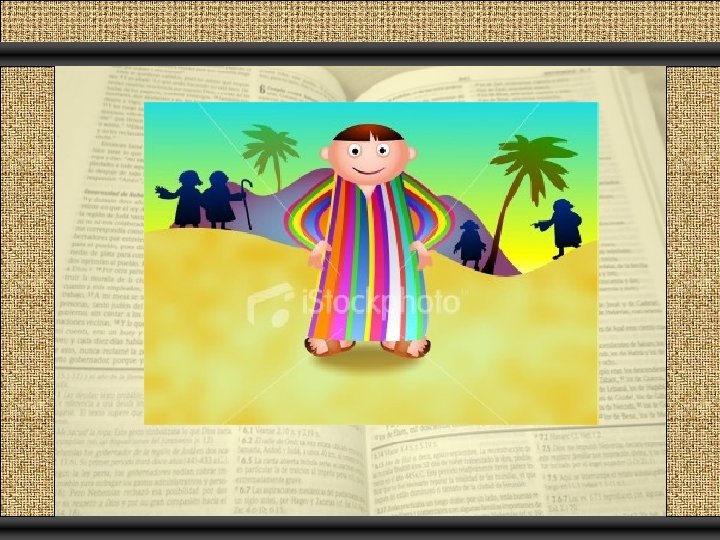
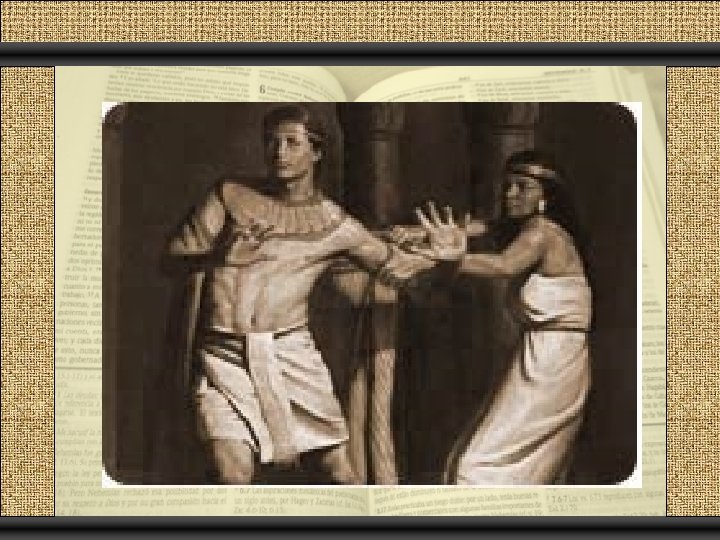
 JOSEPH • Joseph (favored son of Jacob) is sold into slavery in Egypt by his jealous brothers • Turns up in jail for his rebuke of Potiphar’s wife where he in accurately interprets the dreams of two of Pharaoh's servants and the Pharaoh himself • Pharaoh is so impressed that Joseph is made a royal governor • During the famine, Jacob sends his sons to Egypt for food, where Joseph eventually forgives • Eventually, the descendents of these brothers are enslaved by the Egyptian government and remain so for 400 years
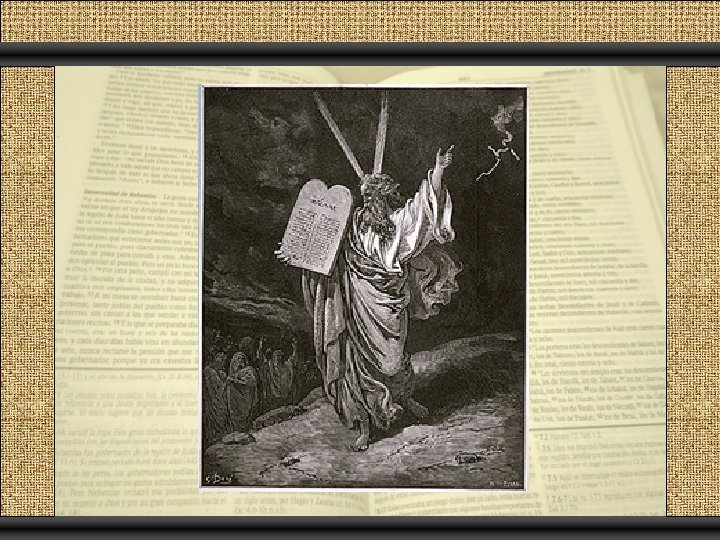
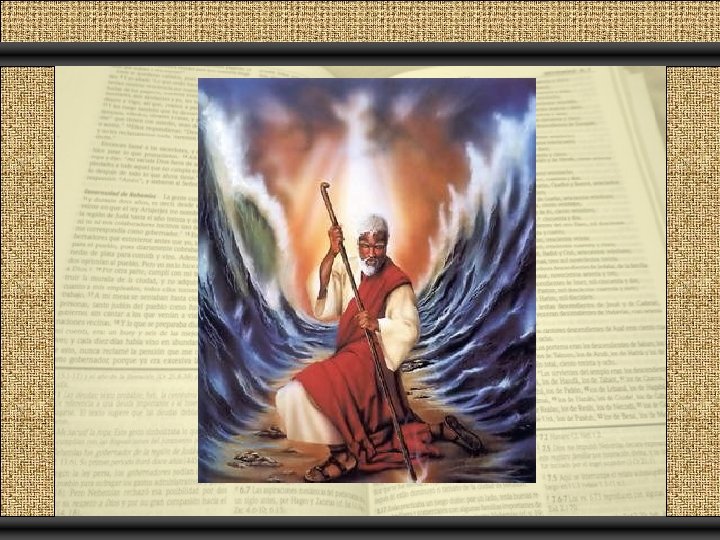
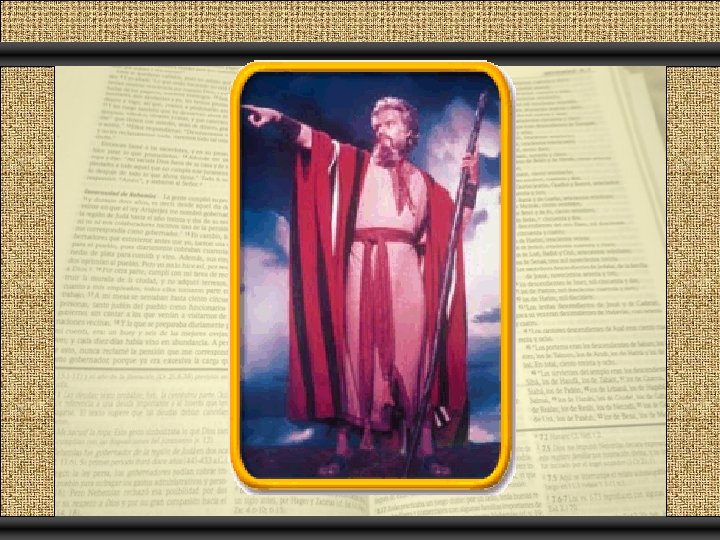
 MOSES • Moses was an Israelite slave who was spared Pharaoh’s death edict and raised in the royal household • Becomes an Egyptian prince of great distinction, but soon learns of his true heritage • While living with the slaves, Moses kills an Egyptian overseer before being banished • Moses settles and marries in Midian • Burning Bush informs Moses of his true ministry • Pharaoh will not release the slaves, hence the plagues (Passover) • After escaping Pharaoh (Red Sea Crossing), Moses leads the Israelites to Mt. Sinai and the Ten Commandments • As punishment for the Golden Calf, the Israelites must wander in the desert for 40 years
 READING ASSIGNMENT Exodus 1 -20
 RESPONSE PAPER 6 C Compare and contrast the film The Ten Commandments with the narrative found in The Book of Exodus chapters 1 -20.
 READING ASSIGNMENT Understanding Catholic Christianity Pages 70 -73
 THE JUDGES OF ISRAEL
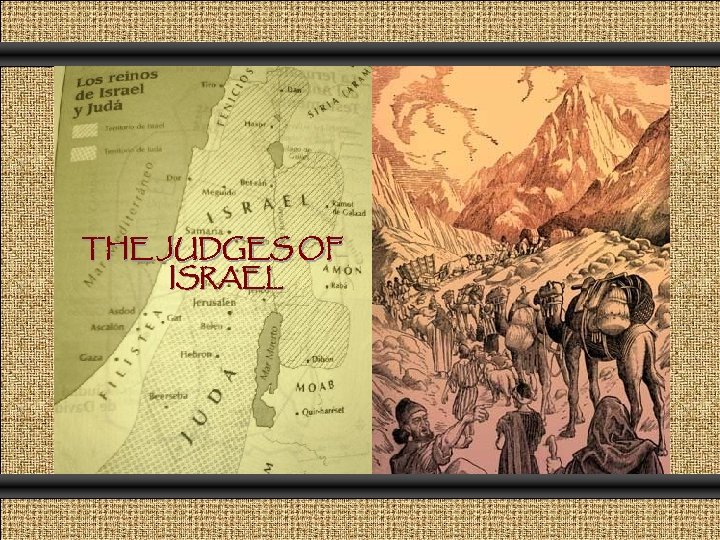
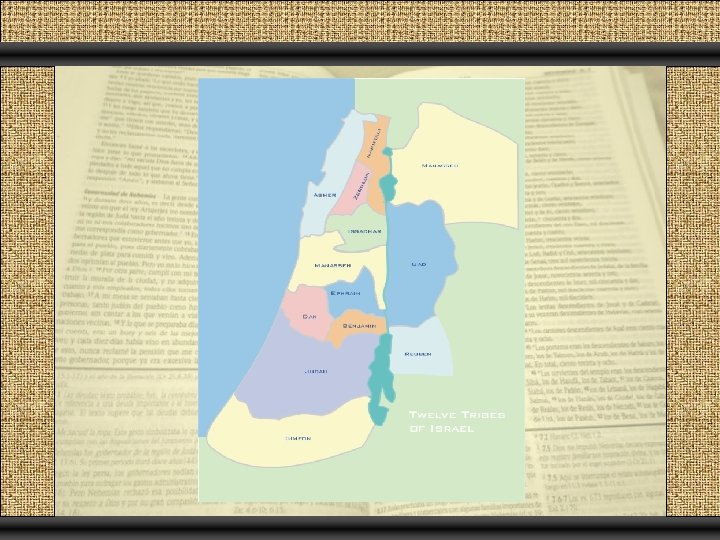
 OVERVIEW • 200 years (or so) • From the death of Moses to the anointing of King Saul • 12 tribes of Israel • Time periods tells the story of how the wandering Israelites (re)settle Canaan (the promised land) • Judges were temporary Israelite leaders who came from a variety of different tribes and “ruled” for a short time during crisis
 STORY STRUCTURE 1. Israel falls into sin 2. Israel is threatened from an outsider 3. God sends a judge to lead 4. Judge leads Israelites through crisis 5. Judge disappears from focal role 6. Israel returns to sin 7. Repeat, as necessary
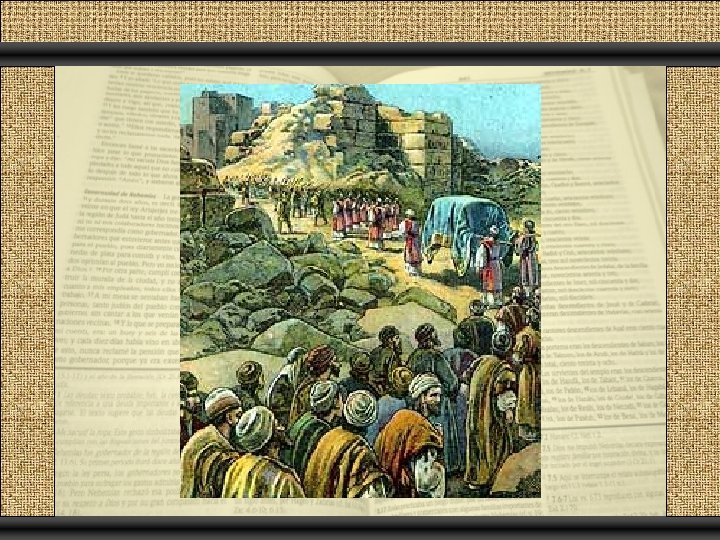
 JOSHUA • Commissioned by Moses to lead Israelites into Canaan at the end of Pentateuch • Joshua leads Israelites across the Jordan River (border of Canaan) with the Ark of the Covenant…Joseph’s bones, Replacement Ten Commandments, Moses’ walking staff, Scrolls of the Torah (books of Moses) • Conquest of Jericho: The Ban: nothing may be preserved from a conquered city (all must be sacrificed to God) • Rahab: preserved, because she helps Israelite spies by giving a sign for the invasion • Fall of the Walls of Jericho: priests (Levites) with the Ark of the Covenant and trumpets circle Jericho 7 times for 7 days • Land is apportioned among the twelve tribes • Joseph bids farewell and warns Israelites to remain faithful to God, which they don’t
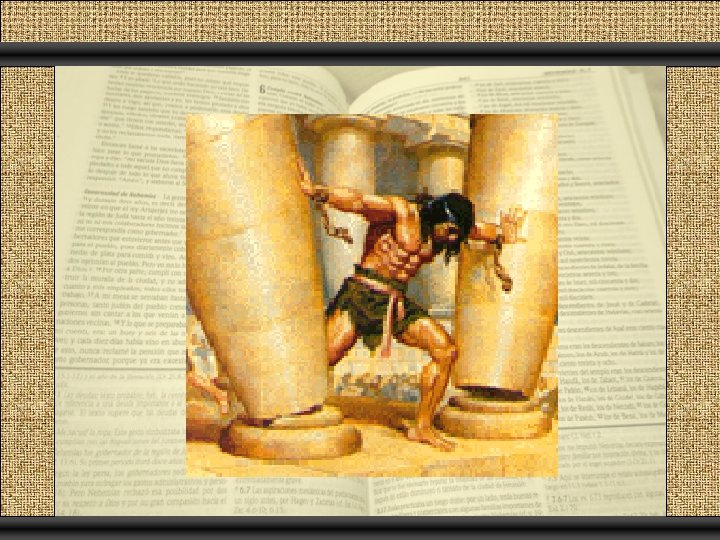
 OTHER JUDGES 1. Othniel, Ehud, and Shamgar – ch. 3 2. Deborah – ch. 4 -5 3. Gideon – ch. 6 4. Gideon – ch. 7 -8 5. Abimelach – ch. 9 6. Tula, Jair, and Japhthah – ch. 10 -12: 7 7. Ibzan, Elon, and Abdon – ch. 12 8. Samson – ch. 13 9. Samson – ch. 14 -15 10. Samson – ch. 16
 READING ASSIGNMENT “The First Kings – Part 1”
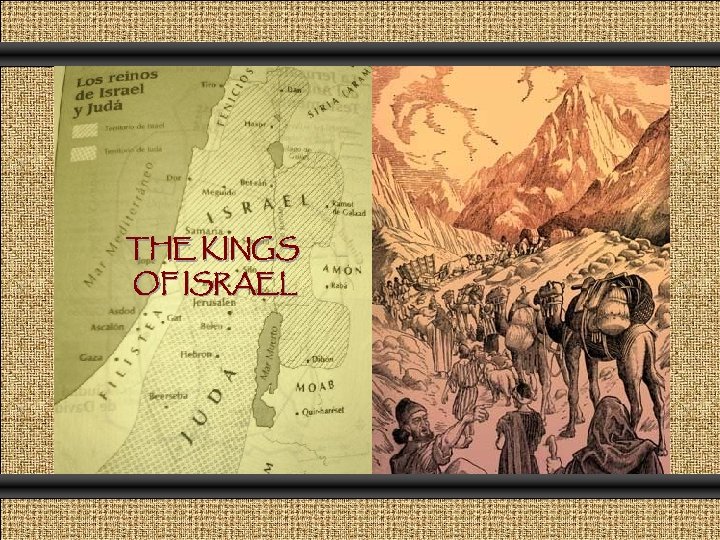 THE KINGS OF ISRAEL
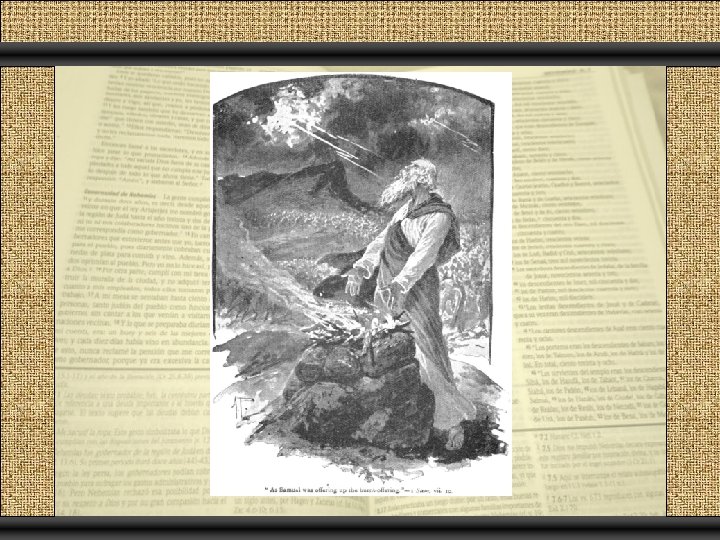
 SAMUEL • Son of Hannah, born a Nazarite (like Samson) • Final Judge of the period • Becomes a priest under the tutelage of Eli where he is proclaimed a prophet of God • The Ark of the Covenant is stolen by the Philistines • This prompts the Israelites to beg Samuel to find them a king “to be like other nations”
 BENEFITS OF KINGSHIP • Leadership • Military strength • Pride /Prestige • Order, structure, and authority • Regulation of economy/resources
 NATIONHOOD • Land/Territory • Population (unified) • Government/Order • Recognition • Resources/Economy
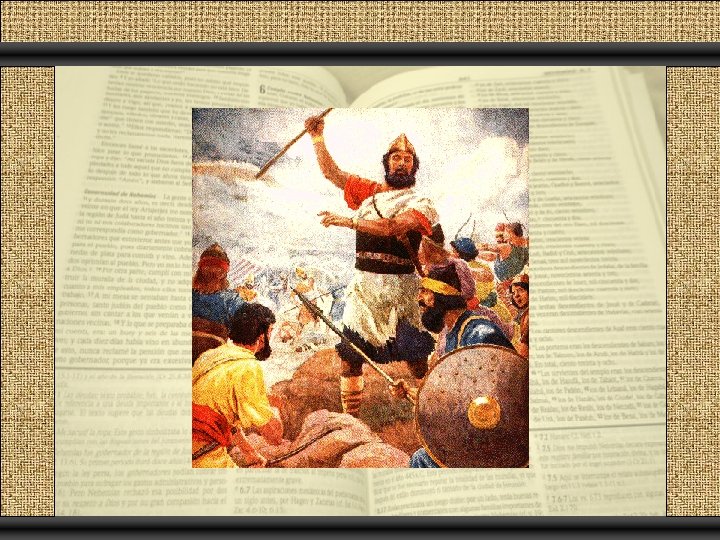
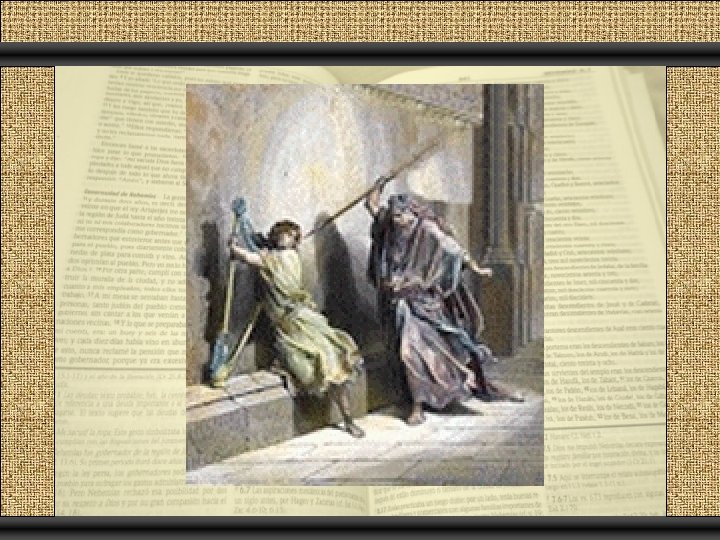
 • • • SAUL From the tribe of Benjamin, Saul is anointed the first king of the Israelites by Samuel Saul consolidates most of the southern tribes, but he is unable to restore all of the tribes to unity As such, his power and commitment to God begins to wane Just prior to a large battle, Saul refuses to wait for Samuel to perform the pre-battle prayers (Saul performs them himself) This, God command Samuel to secretly find a new king for the Israelite people and anoint him Samuel finds and anoints a young shepherd boy (David) David then comes to Saul’s household becoming friends with Saul’s children and Saul’s armor-bearer Saul becomes jealous of David’s popularity, wisdom, and strength (this signals the nearing of the end of Saul’s reign) David kills Goliath and amasses his own large army When Saul is killed in battle, the southern tribes look to David for leadership As David has already been anointed king by Samuel, David assumes throne
 READING ASSIGNMENT “The First Kings – Part 2”
 READING ASSIGNMENT “The First Kings – Part 3”
 THE KINGS OF ISRAEL
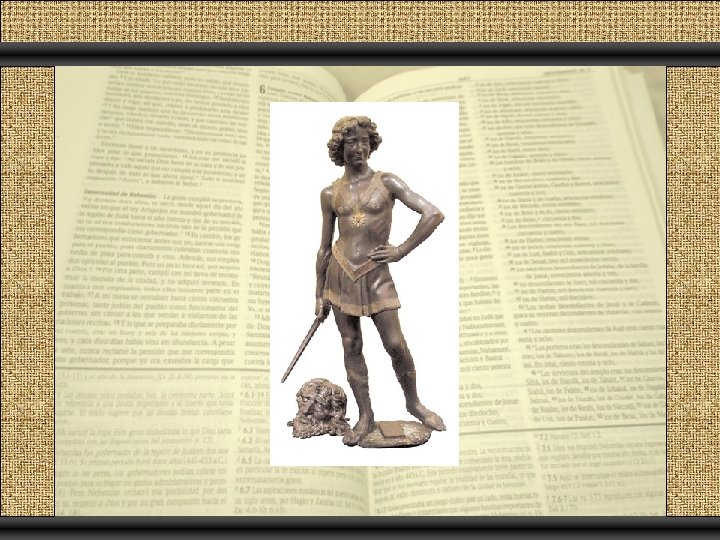
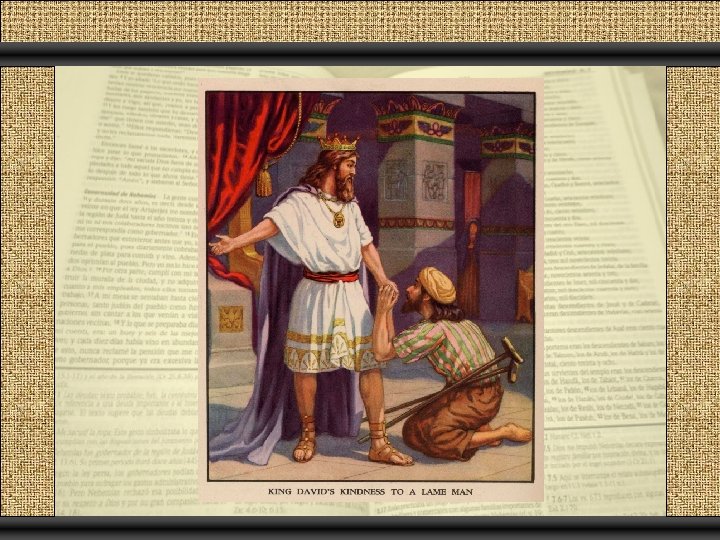
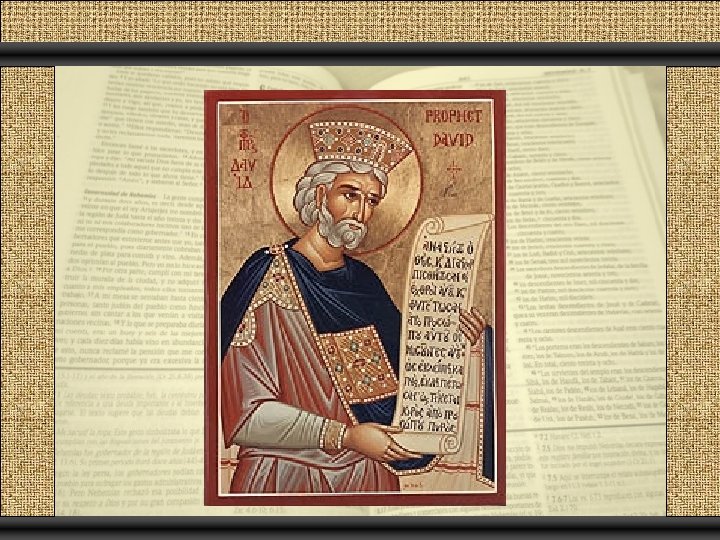
 DAVID • Fulfillment of Nationhood – Land/Territory – Population (unified) – Government/Order – Recognition – Resources/Economy • David’s Indiscretions – David banishes Absalom (2 nd son) for killing older brother for raping Tamar (sister) – Adultery with Bathsheba – Uriah’s murder • Prophecies of Davidic Restoration – Messiah of Israel – Jesus from David’s line – Despite shortcomings, David is still considered the greatest of Israel’s kings
 KING DAVID Were there differences between the film adaptation and your historical understanding of David’s life? What struck you most about this movie in terms of your understanding of King David?
 RESPONSE PAPER 6 D Compare and contrast the Judges and Kings with the Patriarchs. You may discuss them as a whole or use specific people.
 READING ASSIGNMENT “The First Kings – Part 4”
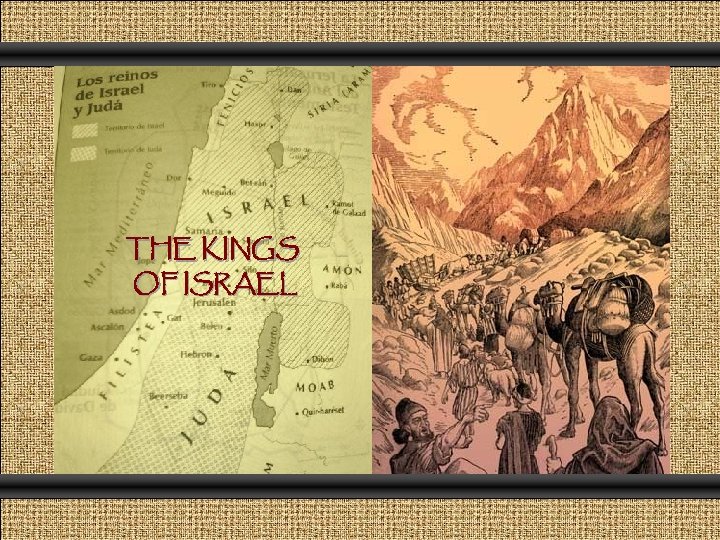 THE KINGS OF ISRAEL
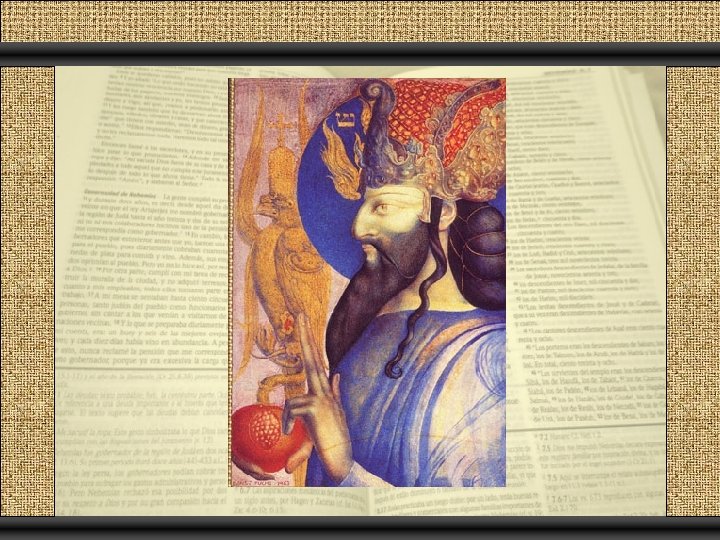
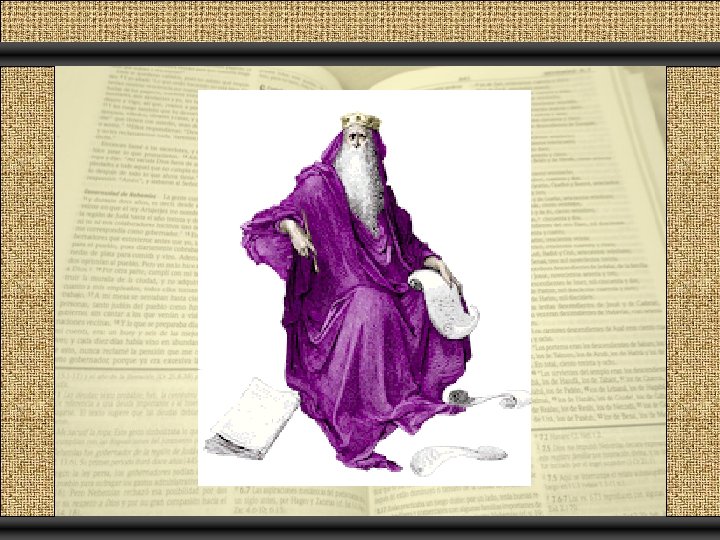
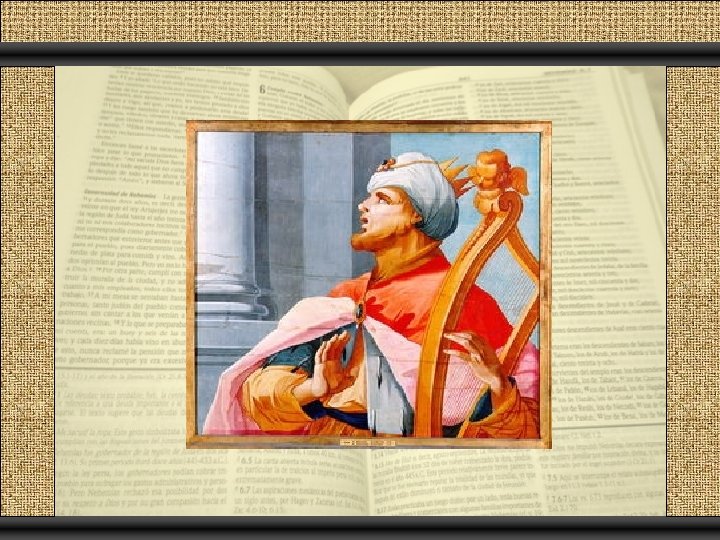
 SOLOMON • David’s son through Bathsheba • Becomes king over a united Israel • Known for Wisdom • “Two Mothers and a Baby” • Author of Songs, Proverbs, and Wisdom • Builder of the First Temple (based on David’s design) at great human cost • Relationship with Queen of Sheeba
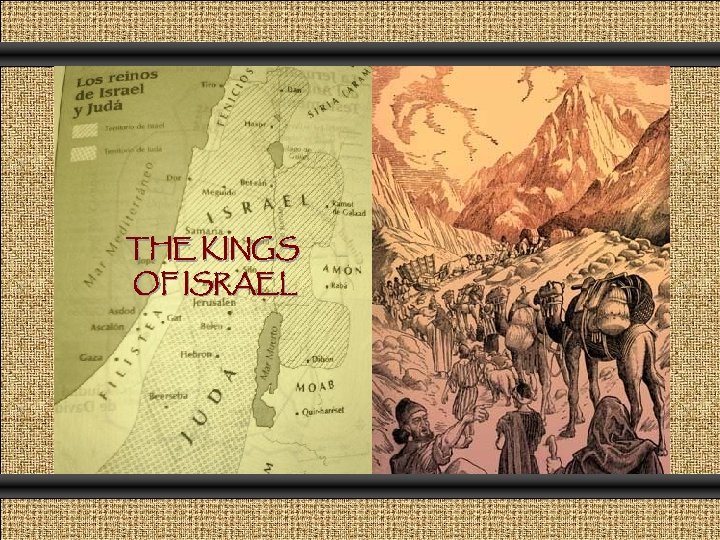
 THE DIVIDED KINGDOM • • • After Solomon’s death, his son Rehoboam becomes king of a united Israel Political intrigue results in the United Kingdom of Israel splitting into two (divided) kingdoms Rehoboam (and the rest of David’s line) continues to rule in the south (Judah and Benjamin) to henceforth be known as the Southern Kingdom or the Kingdom of Judah until Judah is conquered by the Babylonians in the 500’s BC The rebel Jeroboam begins to rule in the north (the remaining ten tribes) to henceforth be known as the Northern Kingdom or the Kingdom of Israel until Israel is conquered by the Assyrians in the 700’s BC These conquering and the stories of the kings that follow Rehoboam and Jeroboam take place during the Time of the Prophets The Southern Kingdom is eventually restored (but not as a kingdom), while the Northern Kingdom disappears (and becomes the Lost Tribes of Israel)
 WRITING ASSIGNMENT Compare and contrast ONE patriarch with ONE of the early kings (Saul, David, or Solomon) in terms of character, leadership, and relationship with God
 RESPONSE PAPER 6 E In terms of Saul, David, and Solomon… How was each king more successful than the king that preceded him?
 READING ASSIGNMENT Understanding Catholic Christianity Pages 74 -81
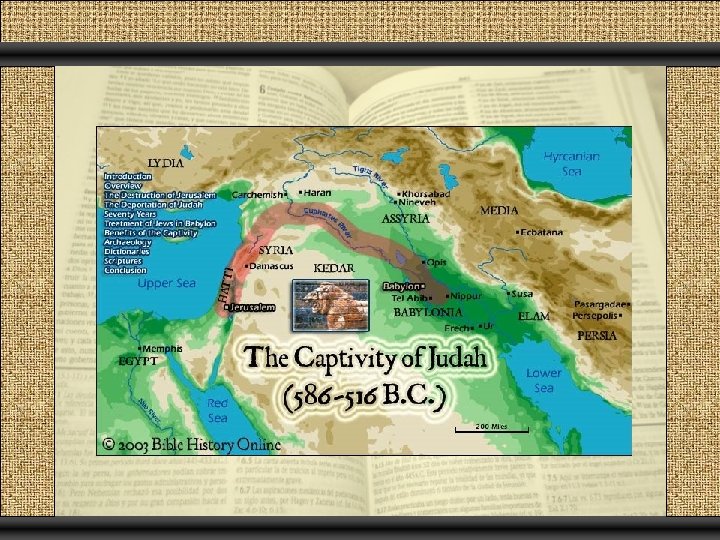
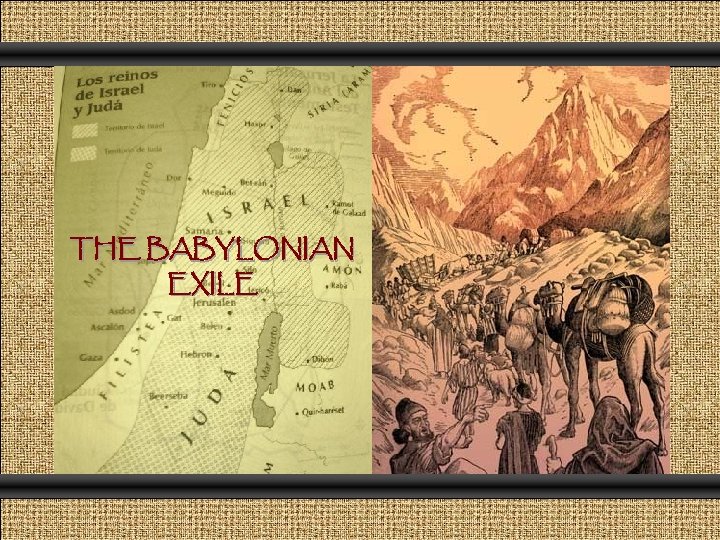 THE BABYLONIAN EXILE
 BABYLONIAN EXILE • In 597 BC, Babylon conquers Assyria • The King of Judah refuses to pay tribute to this new empire, so he is taken prisoner • In 587 BC, the new King of Judah still refuses to pay, so Babylon… – Destroyed the Temple (and the Ark) – Destroyed Jerusalem (and its walls) – The King’s eyes were gouged out, his sons executed, and the majority of the residents were shipped off • Those Hebrews who remained = “diaspora”
 LIFE IN EXILE • Jewish life in Babylon was relatively peaceful and secure • Hebrews were allowed to… – – Work any job they pleased Own property and trade Move freely about the city Worship in private any god they chose • Hebrews were not allowed to… – Leave the city – Worship in public • So the Hebrews… – Moved away from the physical/external faith life to a more spiritual/internal faith life – Developed the synagogue as an alternative to the Temple – Began compiling the Bible as we know it today
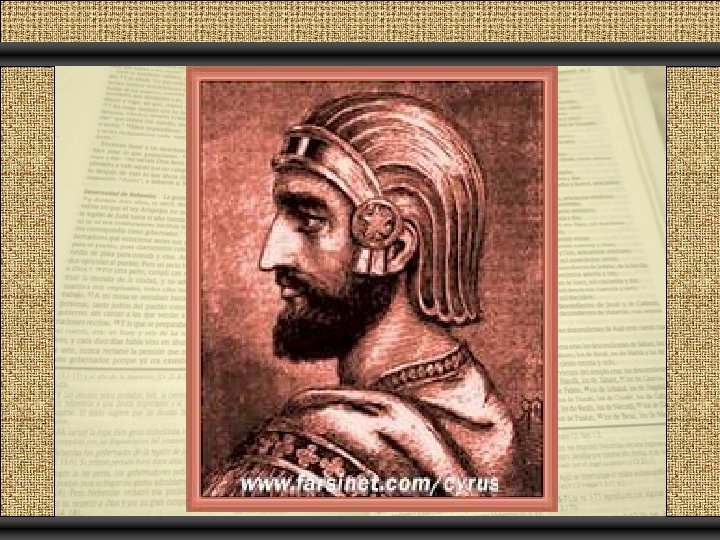
 EDICT OF RESTORATION • In 538 BC, Cyrus the Great of Persia conquers Babylon and issues the “Edict of Cyrus” • This edict allows the Hebrews to… – – Return home Rebuild the city walls of Jerusalem Rebuild the Temple Rule themselves (more or less) • A Persian-appointed magistrate would rule in Jerusalem, but he would be chosen to work with the Hebrews (not control them)
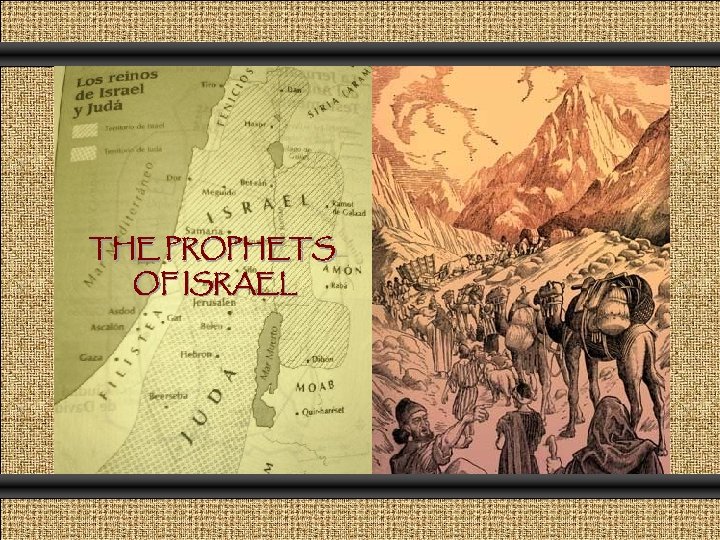 THE PROPHETS OF ISRAEL
 OVERVIEW • Begins around 8 th century BC (classical) • Classical prophecy would continue through the restoration of the Temple in the 4 th century BC • Writing and non-writing prophets in both Northern and Southern Kingdoms • Three great writing prophets – – Isaiah Jeremiah Ezekiel (Daniel): less classical prophecy, more apocalypse • Prophets speak on God’s behalf (usually against willful kings and idolaters) • Prophetic warnings came true with the Assyrians and Babylonians
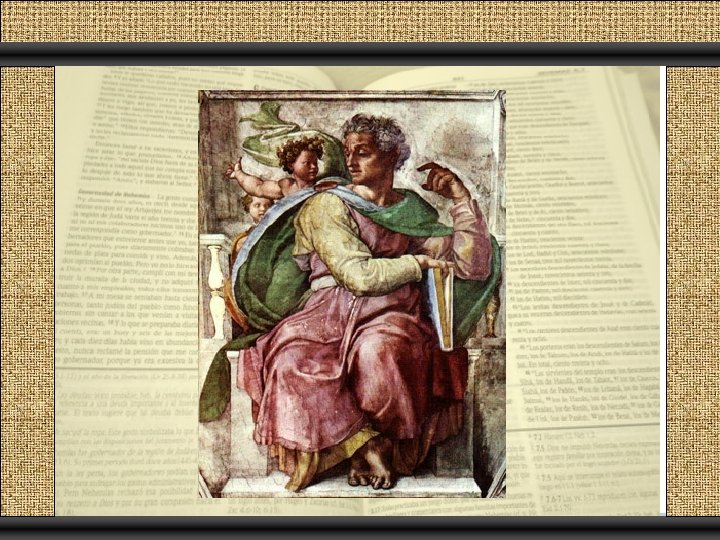
 ISAIAH • Greatest of all Hebrew prophets • Scholars have divided book into three authors (perhaps there are more) – First Isaiah (of Jerusalem): chapters 1 -39, 740680 BC (the true Isaiah) – Second Isaiah (of the Exile): chapters 40 -55, 600 -550 BC – Third Isaiah (of the Remnant): chapters 56 -66, 550 -500 BC – Jeremiah was preaching during the gap in Isaiahs
 POLITICS DURING ISAIAH • King Ahaz of Judah – – Ahaz allies himself with Assyria against Israel is conquered, while Judah remains a vassal state of Assyria is paid with treasures from the Temple which angers God Ahaz sought help from Assyria (not God), thus God condemns Ahaz – – – Hezekiah listens to Isaiah’s advice Hezekiah refuses to pay Assyria with Temple treasure When Assyria threatens Judah, Hezekiah turns to God sends a plague into the Assyrian camp killing most Jerusalem is spared because of Hezekiah’s faith • King Hezekiah of Judah • The House of David – After Hezekiah, Judah was ruled by corrupt kings who allowed idol worship in the Temple – Numerous assassination plots take place within the palace which prompts Isaiah’s three messages…
 ISAIAH’S PROPHECIES • Unlike other prophets, Isaiah volunteers to be God’s messenger • Foretells the destruction of the Temple – the center of Jewish worship • Foretells the coming of a Messiah (Davidic King) who will restore Judah and the Temple to worthiness of God’s grace • This final prophecy generates much heated debate between Jews and Christians
 JEREMIAH • Major writing prophet of Judaism • Was reluctant to take up God’s challenge, and always regretted doing it • Foretold the destruction of the Temple and Jerusalem (was persecuted for these warnings) • When Babylon conquers Jerusalem, Jeremiah flees to Egypt
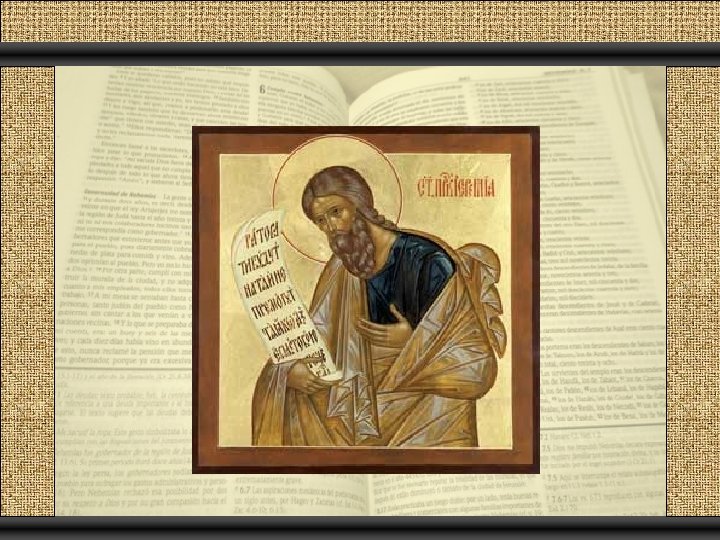
 EZEKIEL • Last of the major writing prophets • Part of the exile – spent much of the exile as God’s messenger • In his writings, he provides a blueprint for the restoration of the Temple (if the Hebrews are ever allowed to return to Jerusalem)
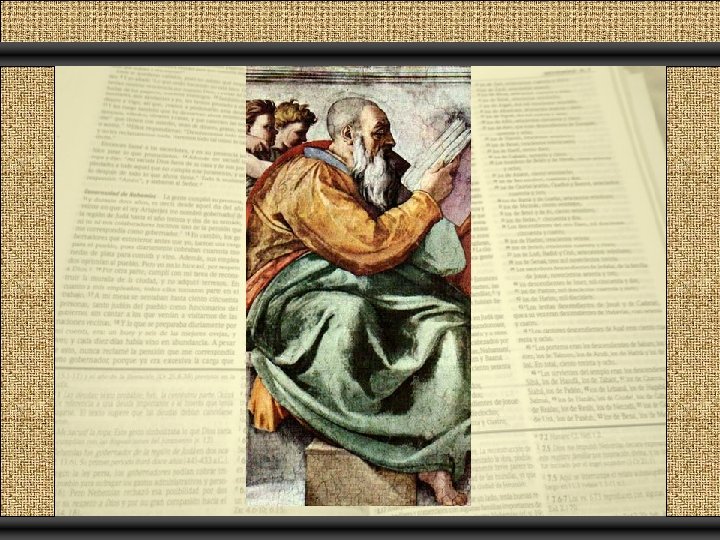
 DANIEL • Christians love Daniel because of his allusions to the savior (…one like a son of man…) • The Hebrew Scriptures, however, place Daniel in their “other writings” section, because… – The Book of Daniel is written late in the exile (maybe later), especially chapters 7 -12 – His message does not fit into the characteristics of Jewish prophetic writing – His book is more apocalyptic than prophetic (though there is a relationship)
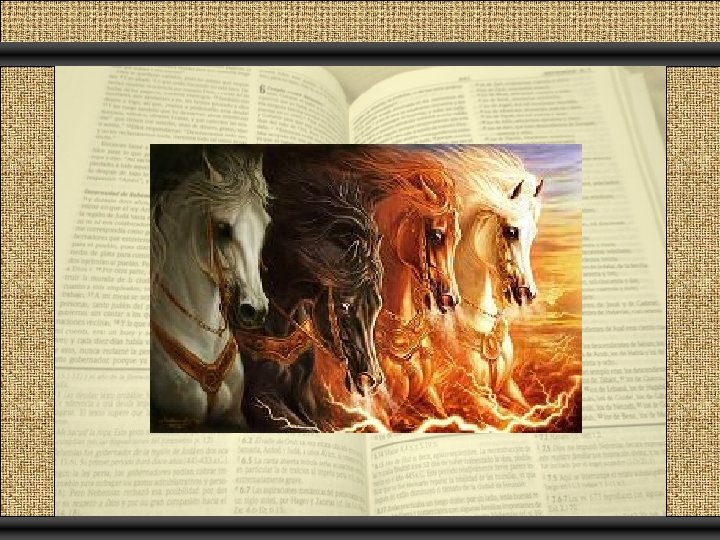
 APOCALYPTIC LITERATURE • • • Rich tradition of Jewish (and early Christian) writing during the 2 nd Temple Period An apocalypse is a telling of the end of the world (eschaton/eschatology), God’s judgment, and what happens to us when that happens Apocalyptic writing uses lots of symbolic language and it is difficult to ascertain what the author really means Characteristics of apocalyptic lit are… – Revelation of hidden knowledge – Authors usually referred to as “seers” (pseudonyms) – Mysterious, highly symbolic language – God’s imminent victory over evil is ever-present theme – Eschaton placed in near-future through historical preludes – Universal language (unlike other Jewish writing which is Israel-specific – Common points of interest = resurrection, last judgment, heaven/hell, and the Messiah Daniel 7 and The Book of Revelation
 RESPONSE PAPER 6 F Why were the prophets so unsuccessful in keeping the Hebrews from repentance? Identify a modern prophet. Are we listening?
 READING ASSIGNMENT “History of the Canon
 SECOND TEMPLE PERIOD
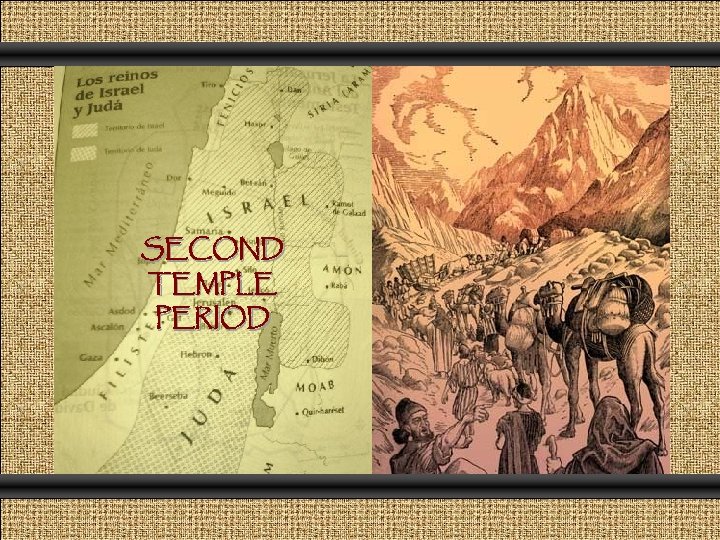
 OVERVIEW • Life in Judah under the leadership of Ezra and Nehemiah known as 2 nd Temple Period • The Temple and Jerusalem’s walls are rebuilt (according to Ezekiel’s blueprint) • Treasure taken by Babylon is returned by the Persians • Series of laws are passed which are meant to return the Hebrews to proper observance of the law – Marrying a foreigner is forbidden – Sabbath MUST be observed strictly – Money swindled from poor must be returned
 THE GREEK PERIOD • During the 4 th century BC, Alexander the Great of Macedonia conquers the Middle East (including Israel) • After his premature death, his empire is divided into three parts with the Seleucids ruling Syria (north of Israel) and the Ptolemies ruling Egypt (southwest of Israel) • Israel thus becomes battle ground for these two rival regional powers • Both kingdoms seek to Hellenize (Greekify) the Jews – in fact many Jews do adopt Greek ways and find social success (those who don’t adapt are often punished) • In 166 BC, Antiochus IV of Syria moves into the Temple and defiles it prompting the family of the Temple High Priest (the Maccabees) to revolt and expel the Greeks from Jerusalem • This story is the inspiration for Hanukkah, and Jerusalem (more or less) remains a free city until the local Greeks are conquered by the Romans in 63 BC
 APOCRYPHA • Those books chosen by the Catholic Church as canonical, but excluded from Jewish Scriptures and Protestant OT • Canonicity requires inspiration, age, proper theology, and use • These books are considered too recent for Judaism (Protestants remain faithful to Jewish canon) • These books include… – Baruch – Tobit – Judith – Wisdom of Solomon – Ecclesiasticus (Ben Sirach) – 1, 2 Maccabees
 READING ASSIGNMENT Psalms 23, 42, 73, 100, 150
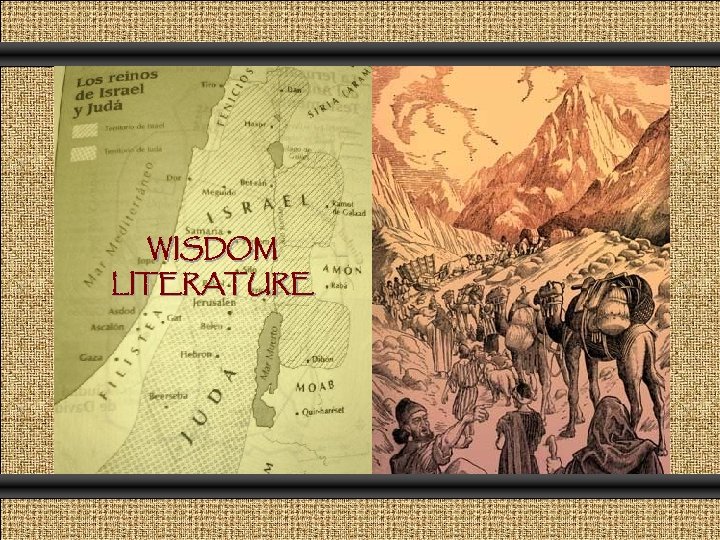 WISDOM LITERATURE
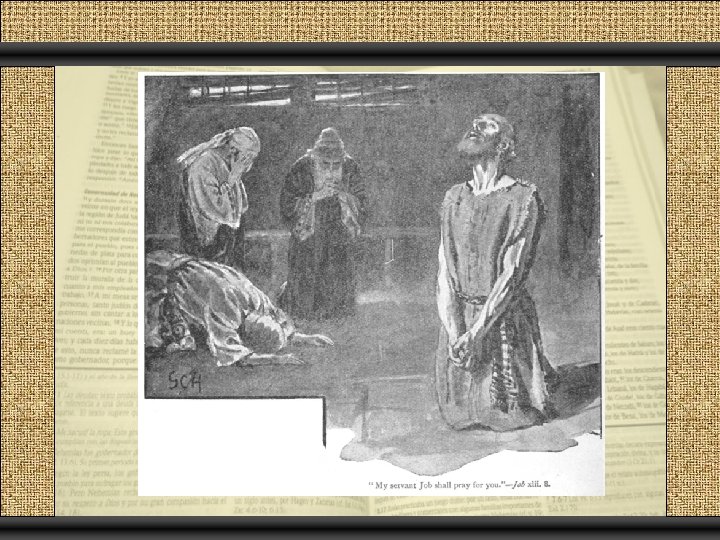
 OVERVIEW Job Psalms Proverbs Ecclesiastes Song of Songs (Wisdom) (Ben Sirach)
 PSALMS • Types of Psalms – Thanksgivings – Laments – Enthronements (Kingdom of God) – Petitionary • In-class assignment: in pairs answer the following questions for 10 psalms – What is the main idea of this psalm? – Which type of psalm is it? – What is your favorite line from this psalm? – Rate this psalm with a letter grade (A-F)
 UNIT 6 EXAM U 6 A: Why is understanding myth important to the study of the Book of Genesis? U 6 B: Explain how Hebrew life evolved from the time of the Patriarchs through the period of the Judges to the Kingdoms of Judah and Israel