


 Скачать презентацию Readiness standards comprise 65 the U S History
be9fc50900d822905b57434516e3218a.ppt
- Количество слайдов: 95
 Readiness standards comprise 65% the U. S. History Test 3 (B)
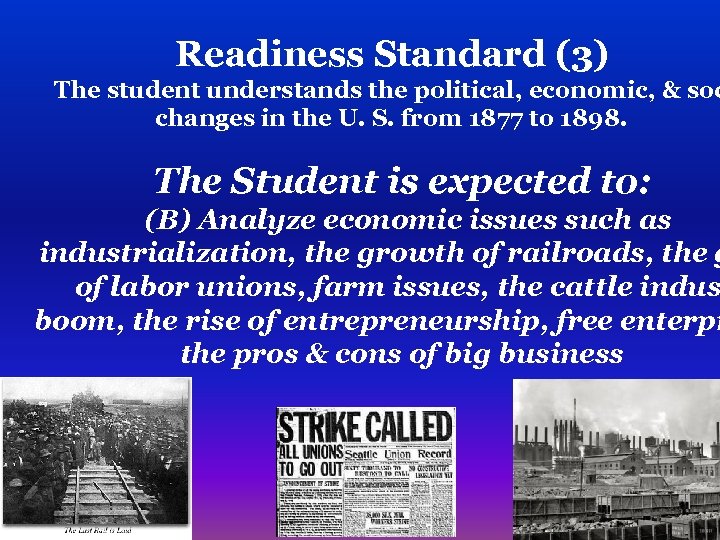 Readiness Standard (3) The student understands the political, economic, & soc changes in the U. S. from 1877 to 1898. The Student is expected to: (B) Analyze economic issues such as industrialization, the growth of railroads, the g of labor unions, farm issues, the cattle indus boom, the rise of entrepreneurship, free enterpr the pros & cons of big business
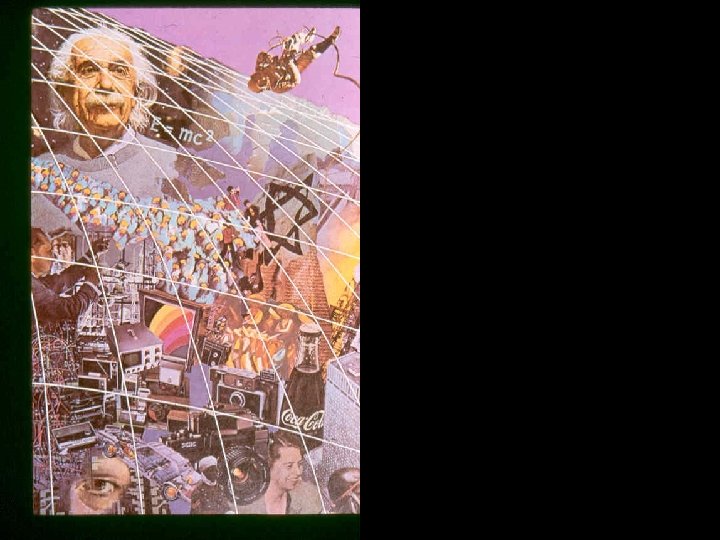
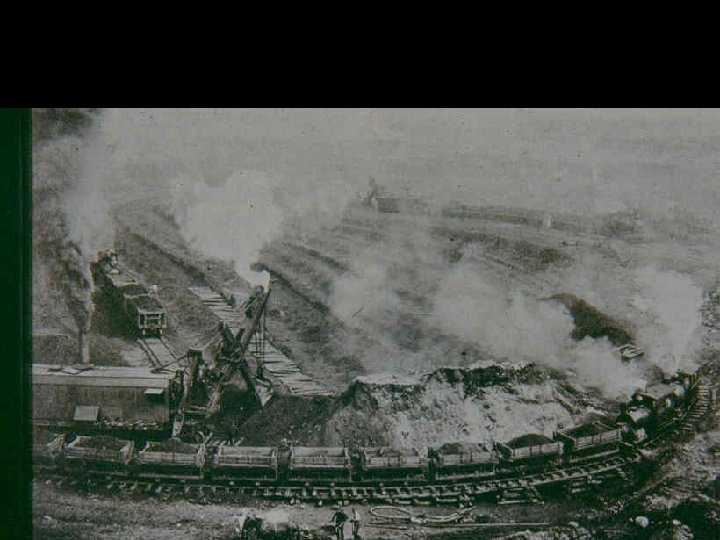
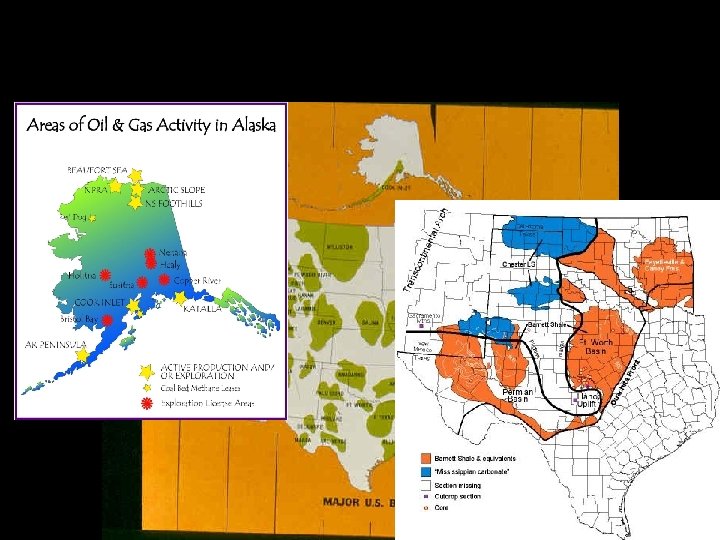
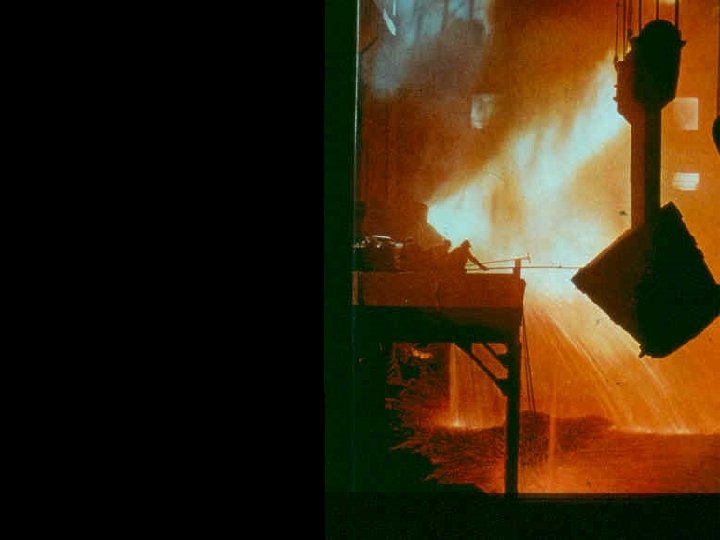
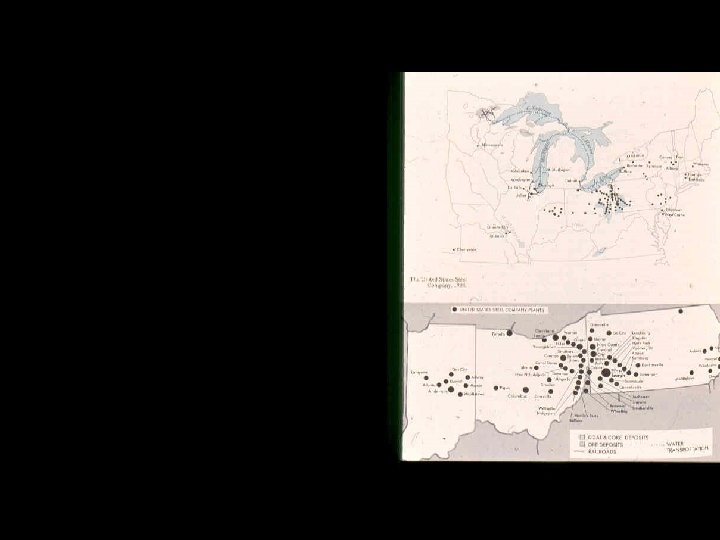
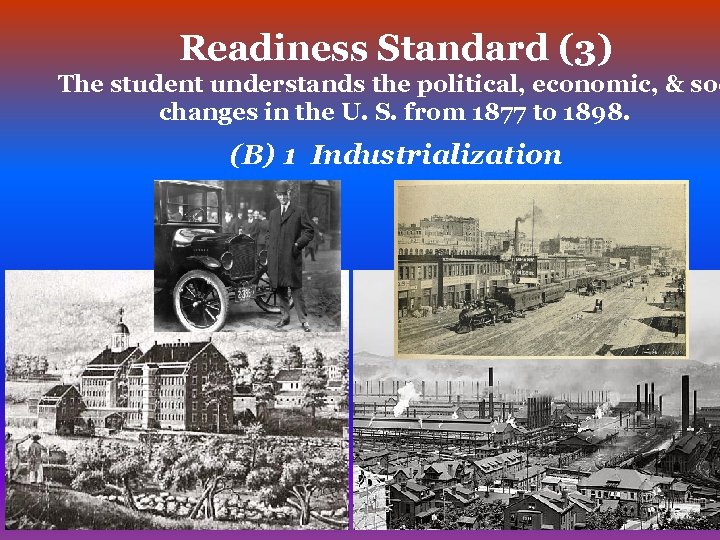 Readiness Standard (3) The student understands the political, economic, & soc changes in the U. S. from 1877 to 1898. (B) 1 Industrialization

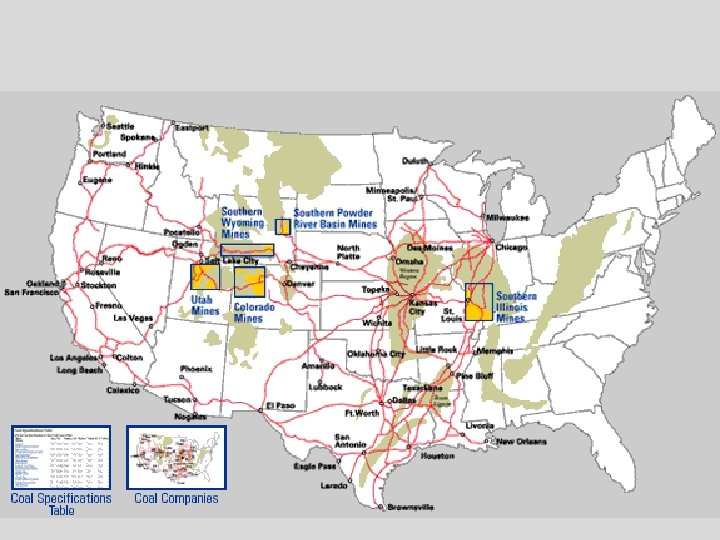
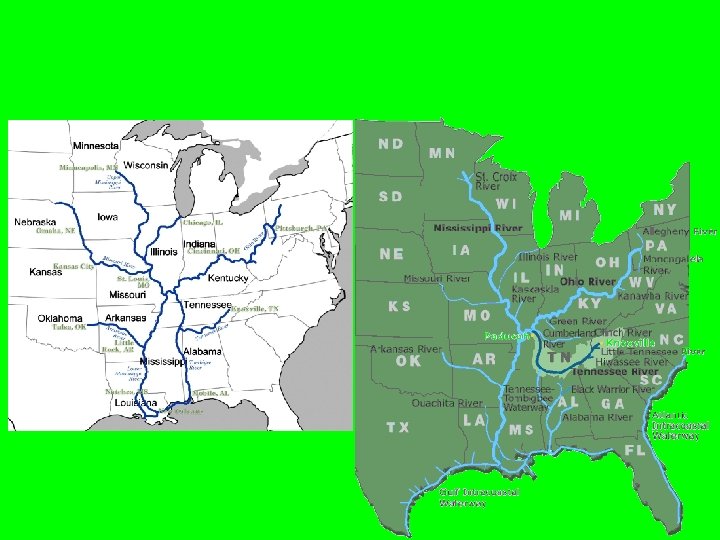



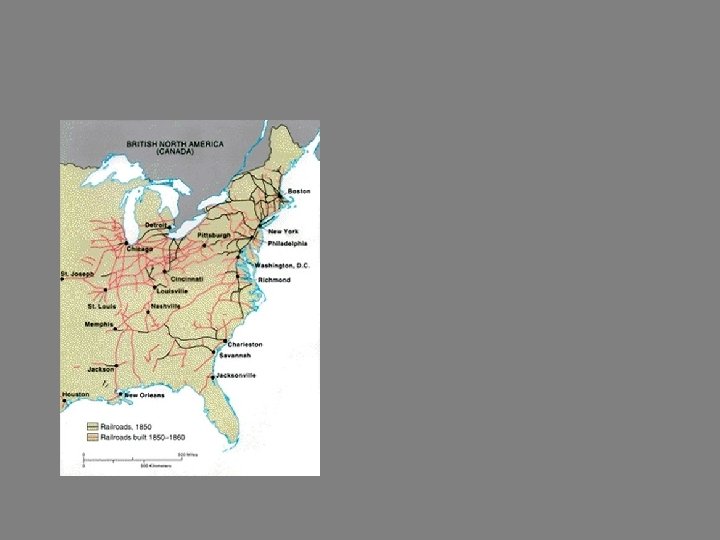
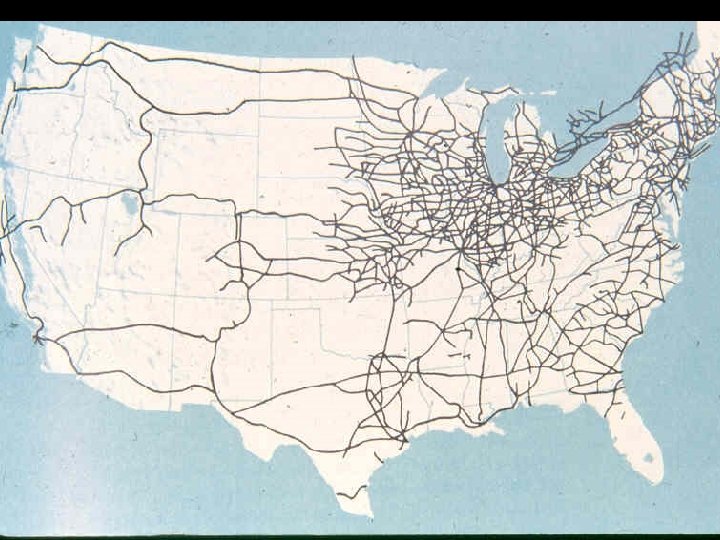
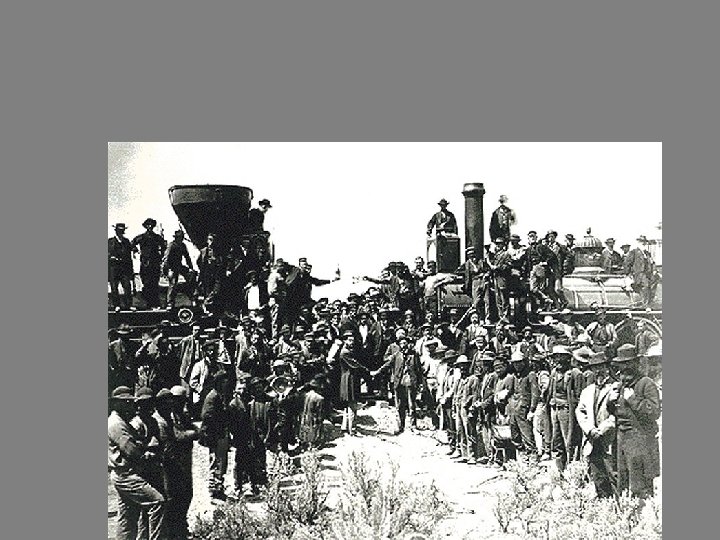
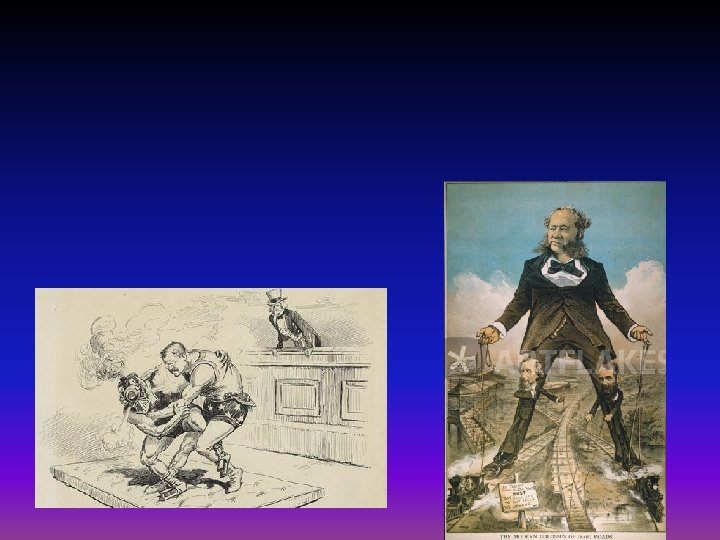
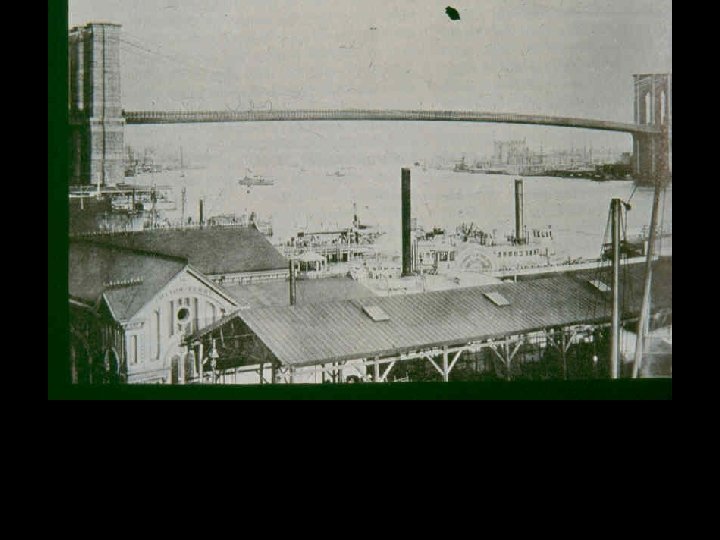
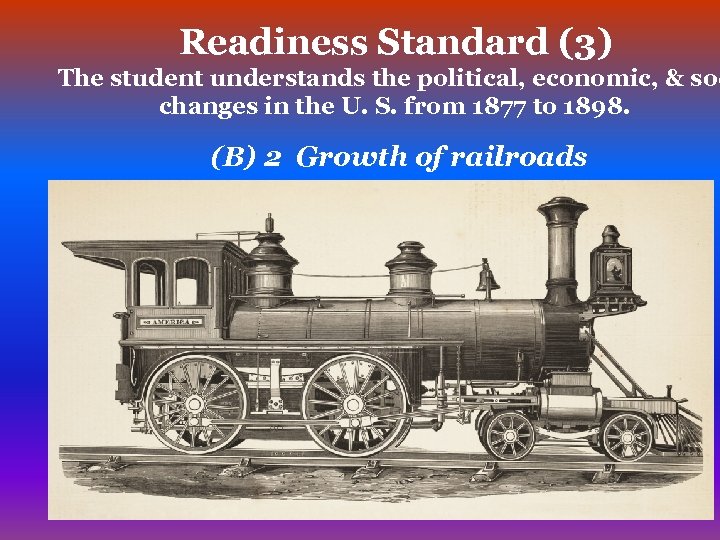 Readiness Standard (3) The student understands the political, economic, & soc changes in the U. S. from 1877 to 1898. (B) 2 Growth of railroads




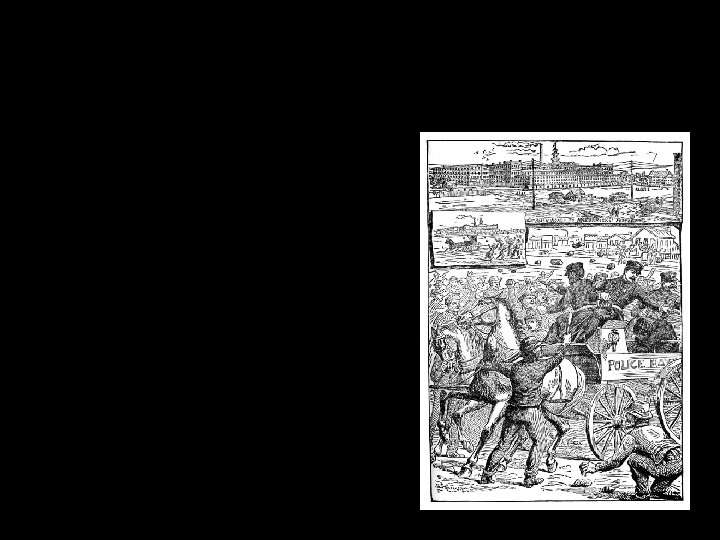
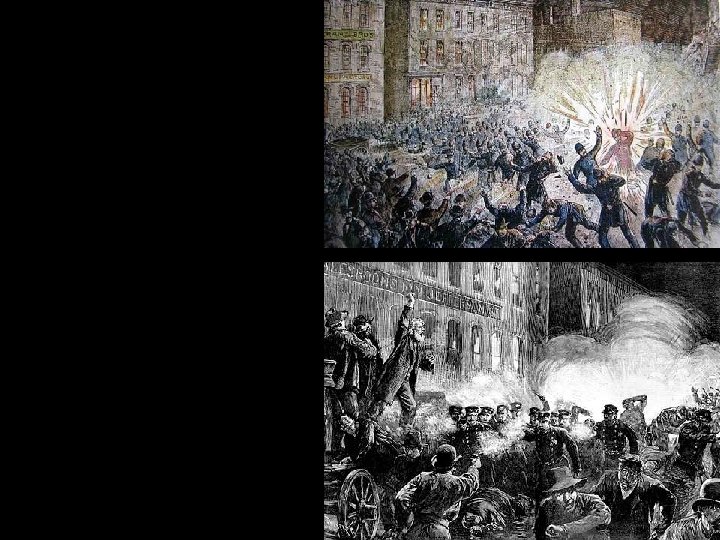
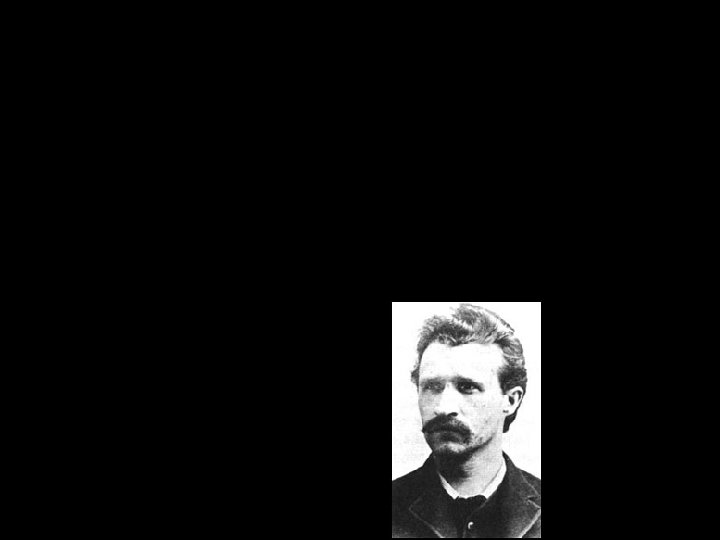
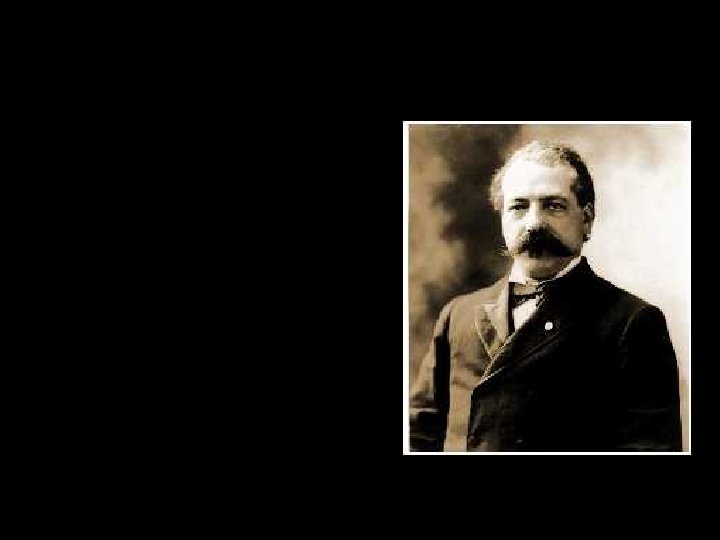
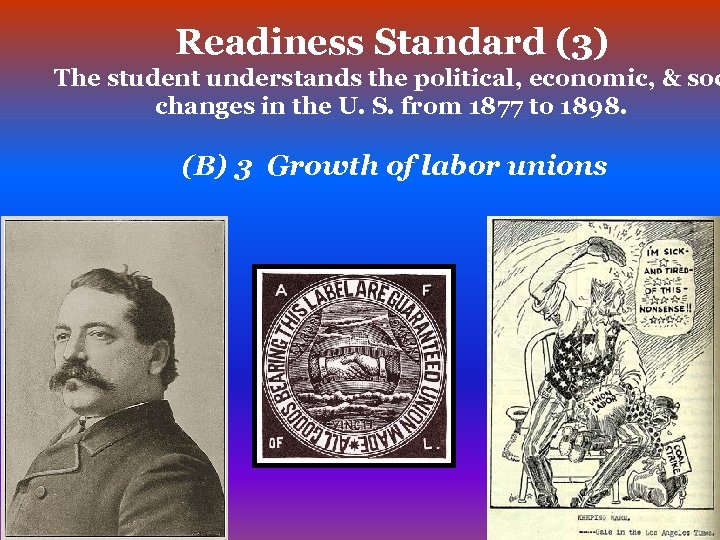 Readiness Standard (3) The student understands the political, economic, & soc changes in the U. S. from 1877 to 1898. (B) 3 Growth of labor unions





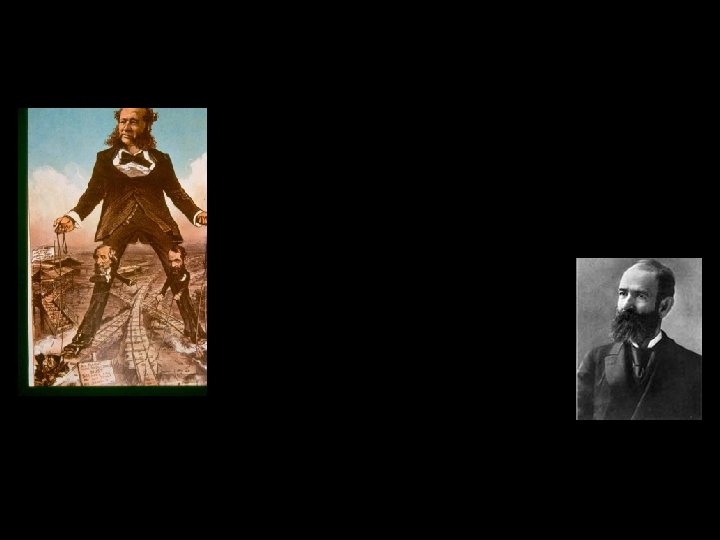
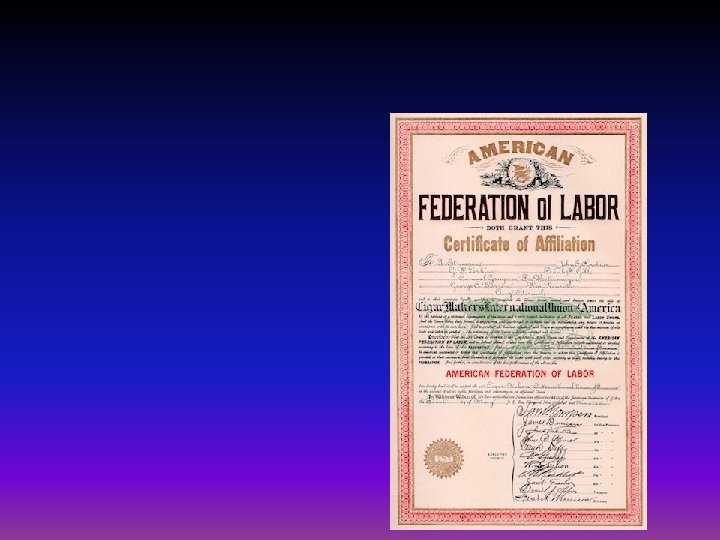
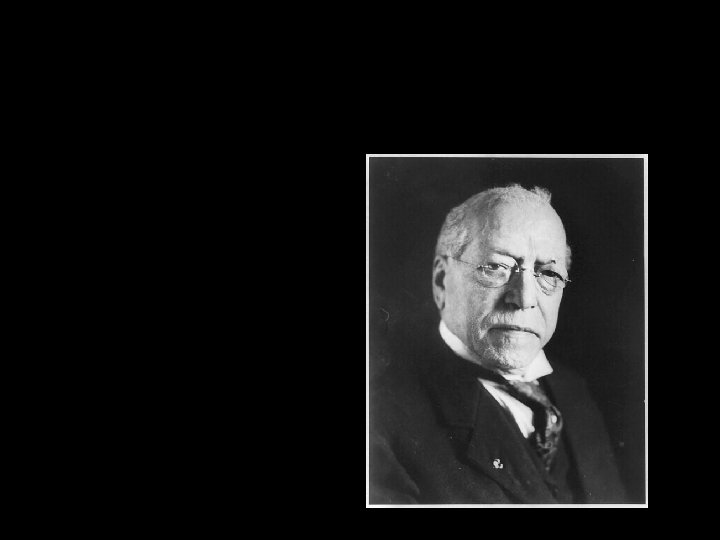
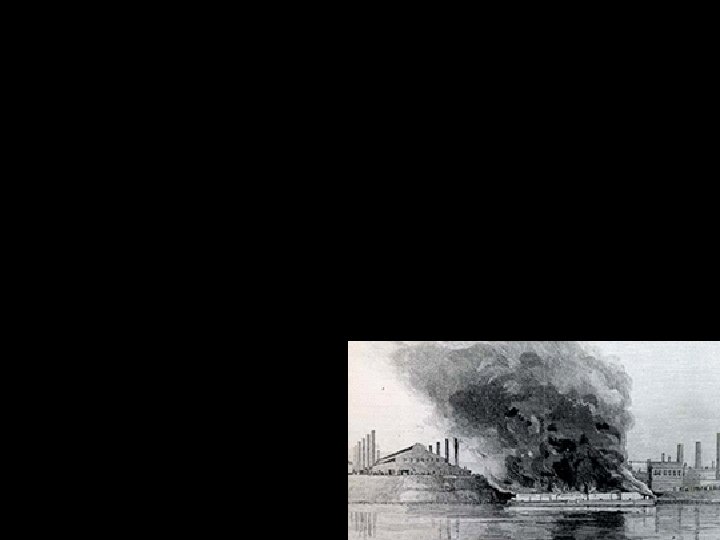
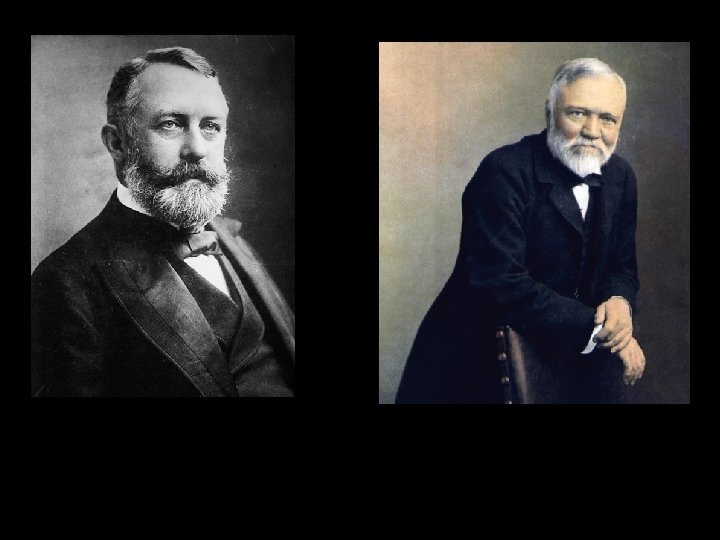
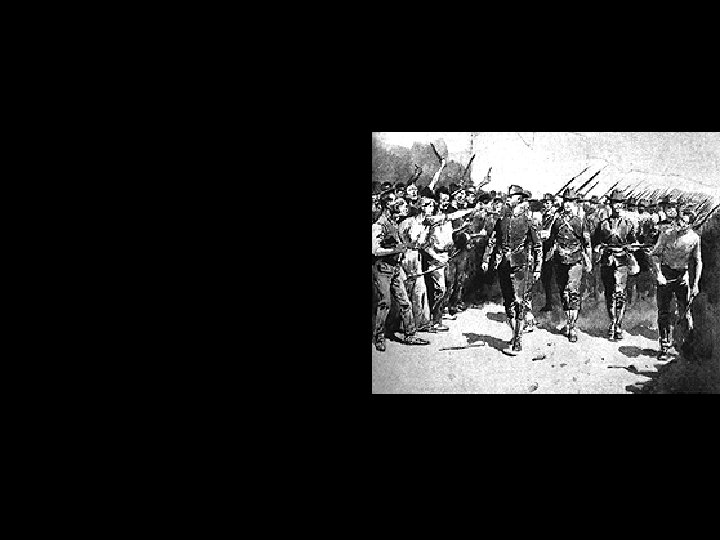
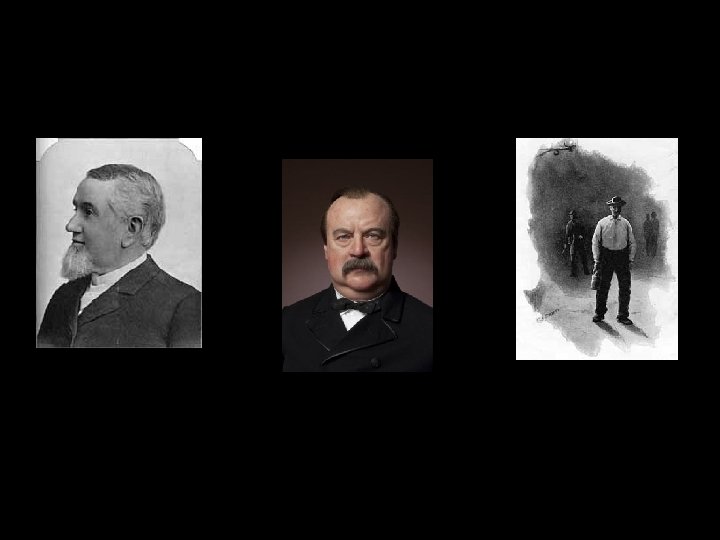
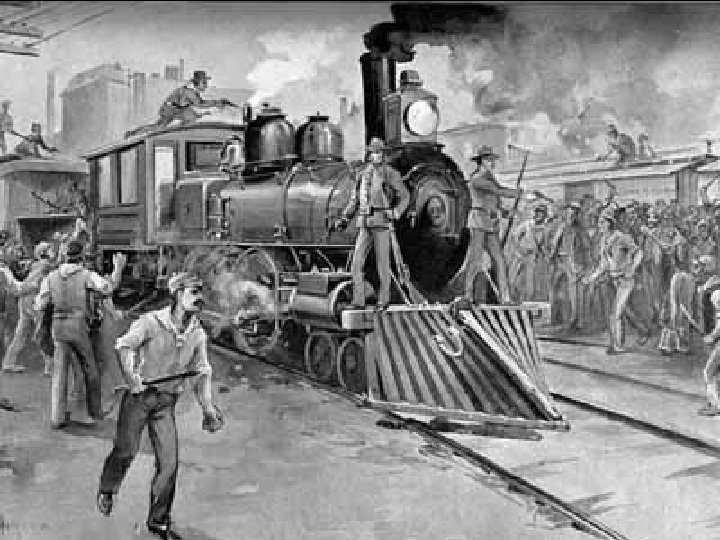



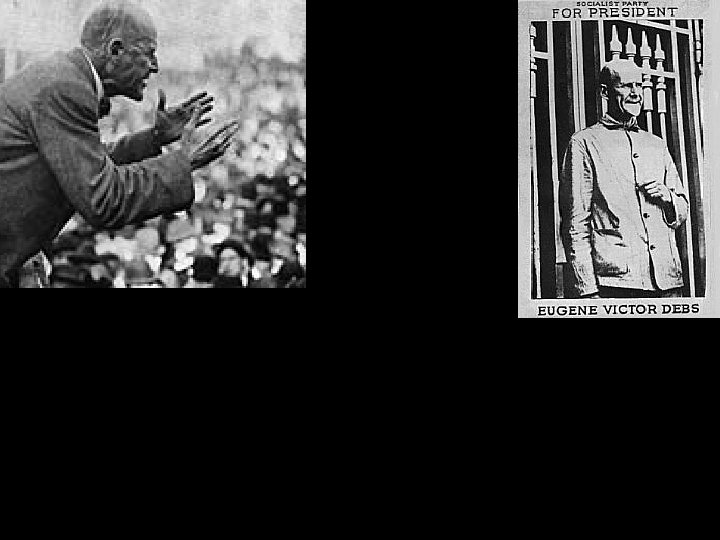
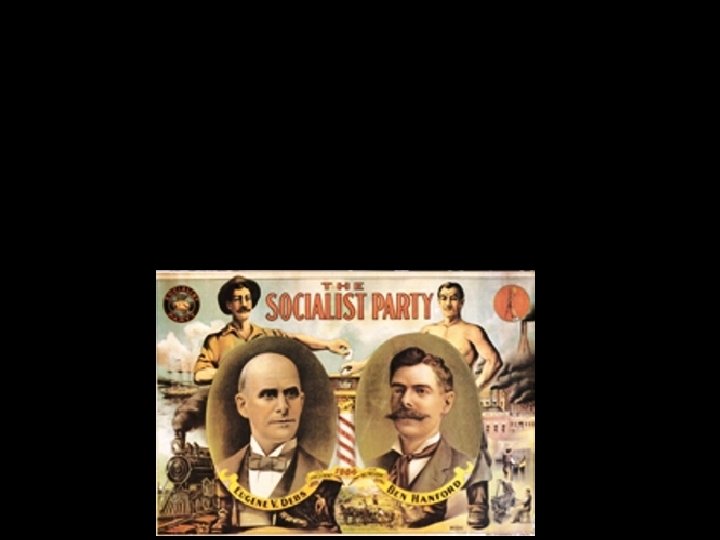
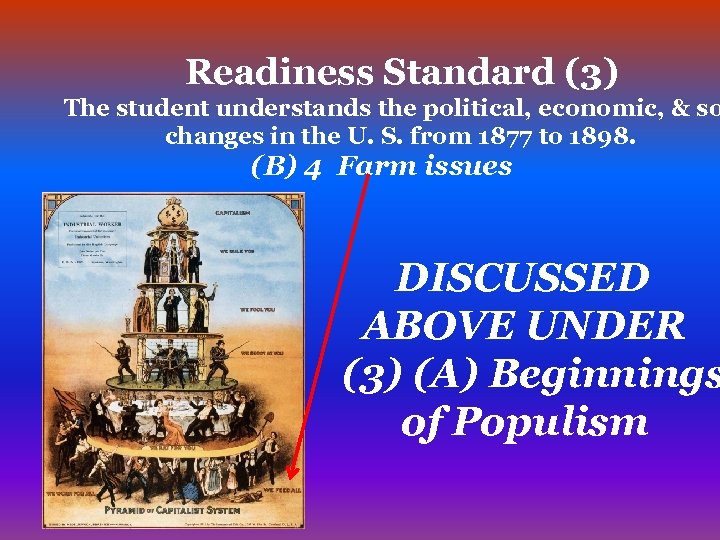 Readiness Standard (3) The student understands the political, economic, & so changes in the U. S. from 1877 to 1898. (B) 4 Farm issues DISCUSSED ABOVE UNDER (3) (A) Beginnings of Populism
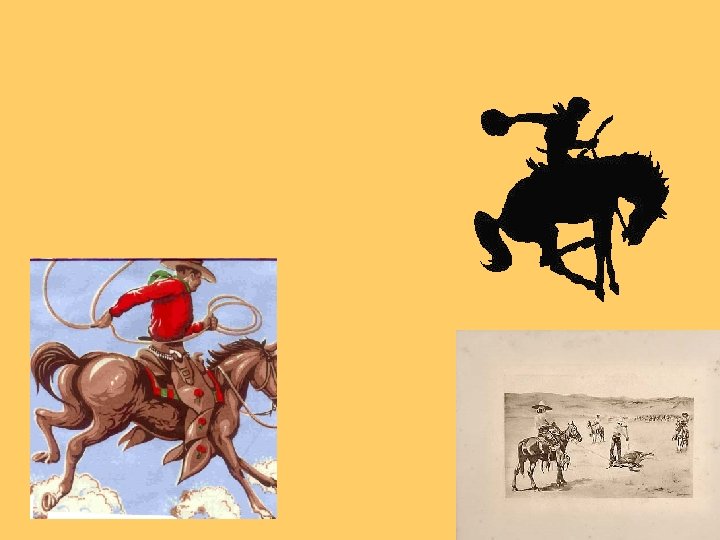
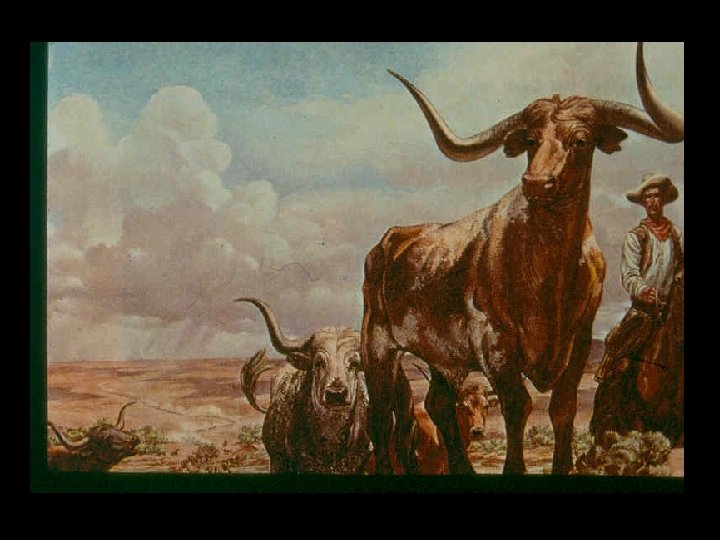
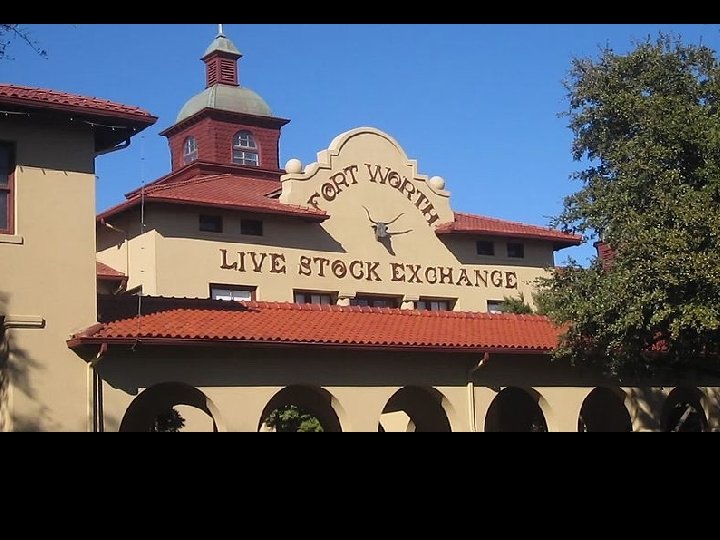
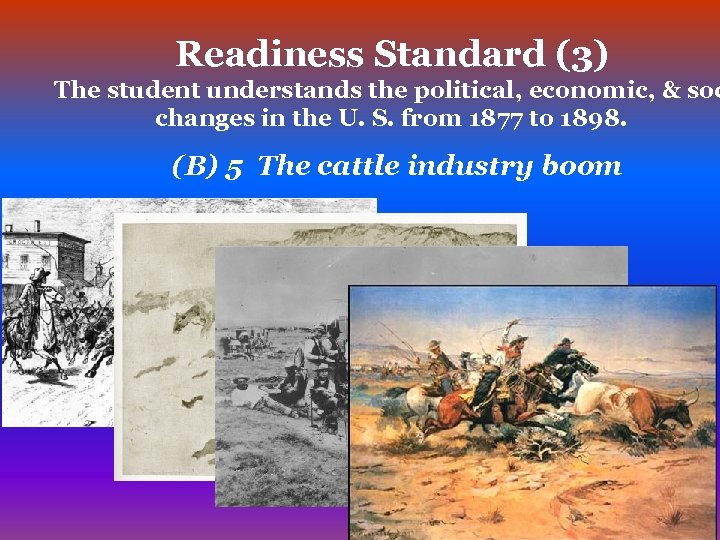 Readiness Standard (3) The student understands the political, economic, & soc changes in the U. S. from 1877 to 1898. (B) 5 The cattle industry boom
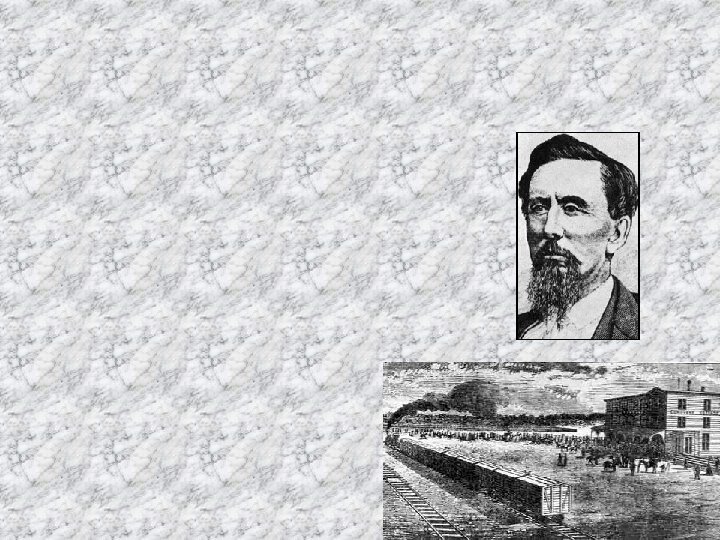
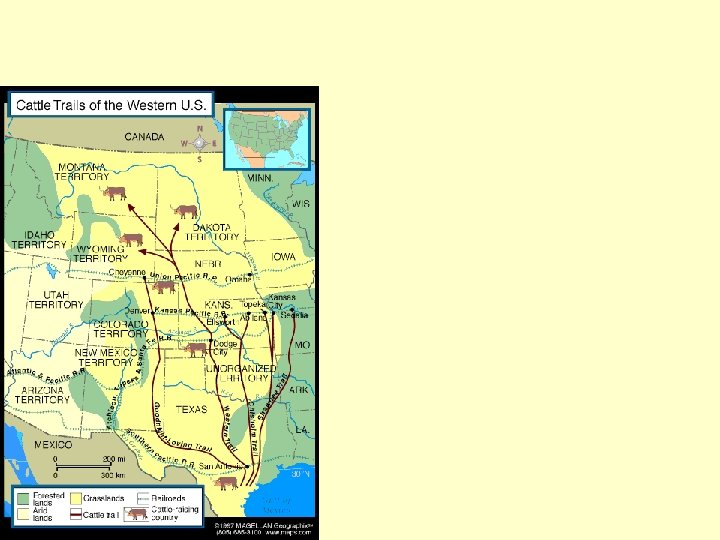
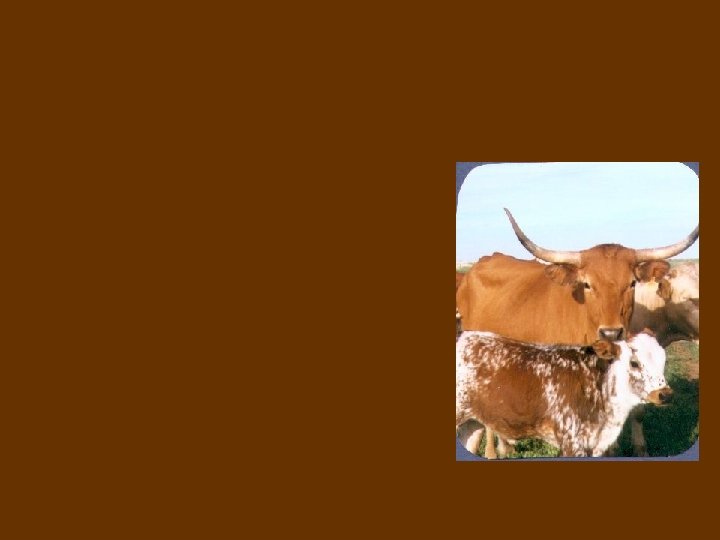
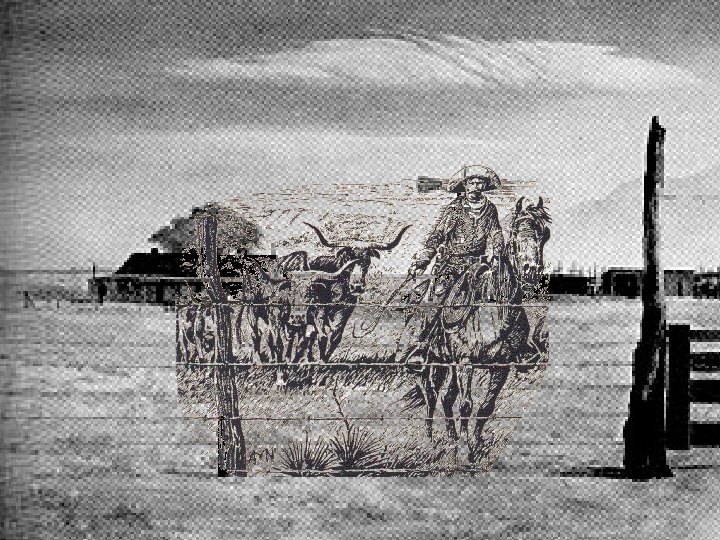
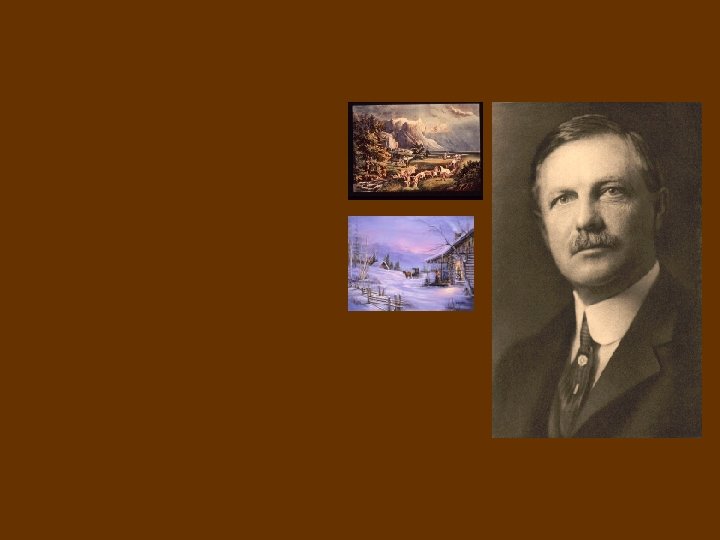
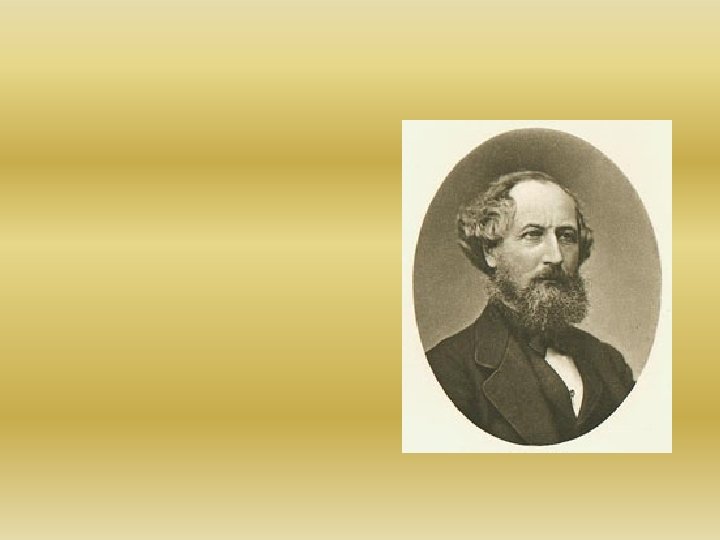
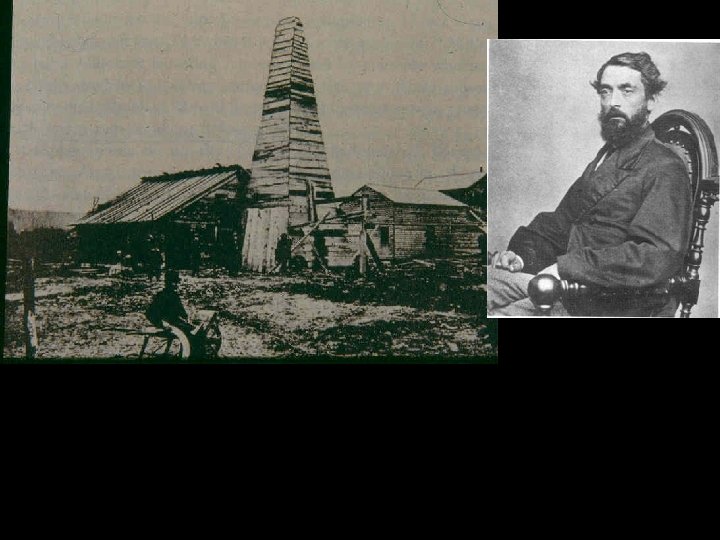
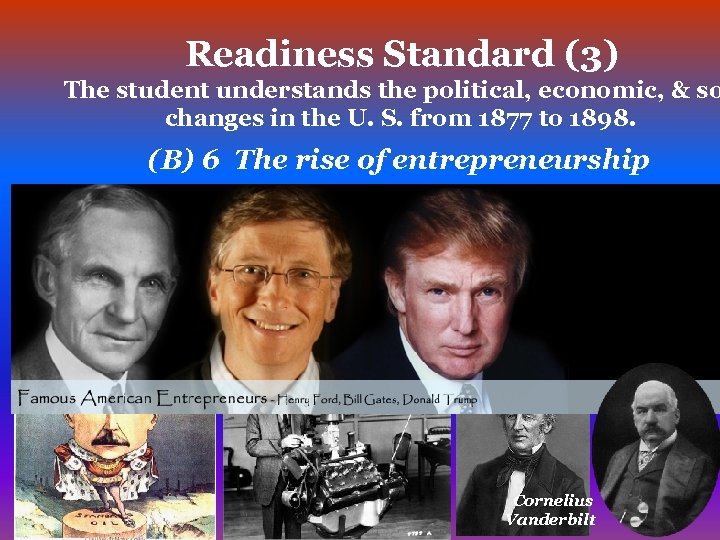 Readiness Standard (3) The student understands the political, economic, & so changes in the U. S. from 1877 to 1898. (B) 6 The rise of entrepreneurship Cornelius Vanderbilt

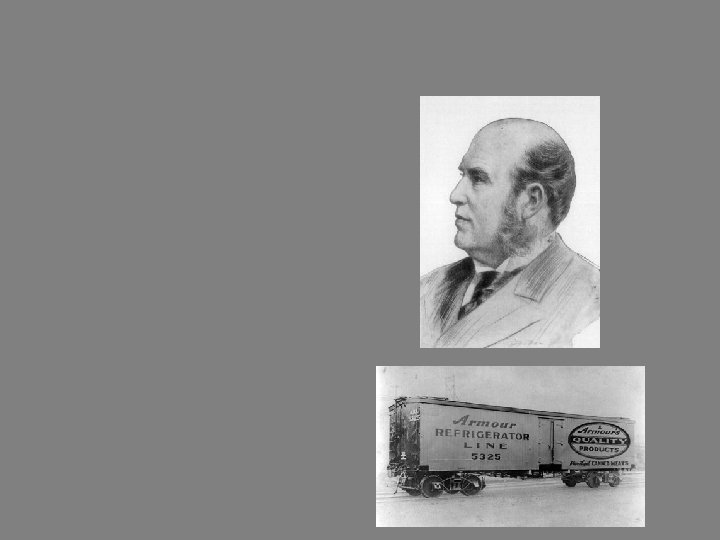
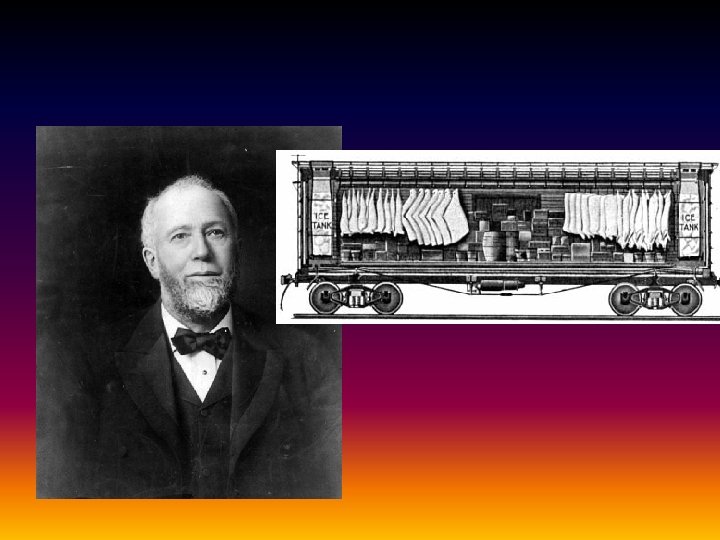

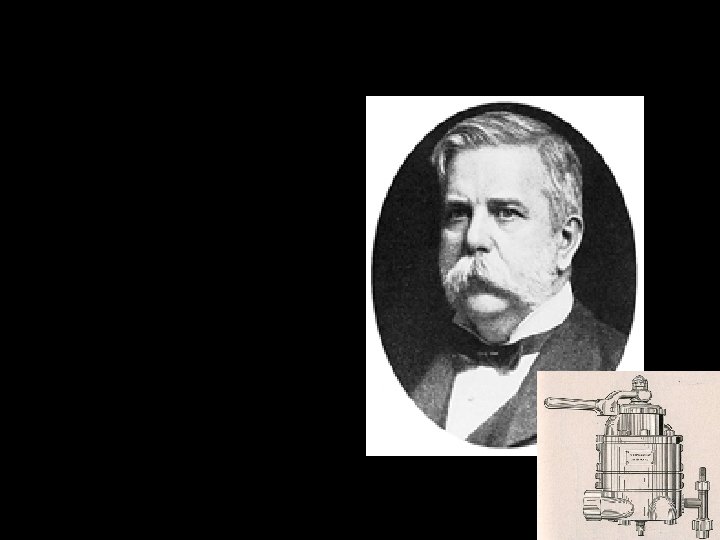
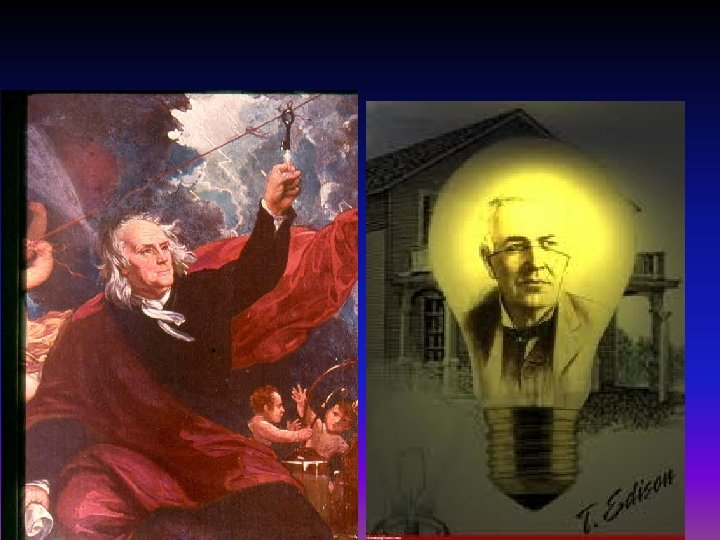
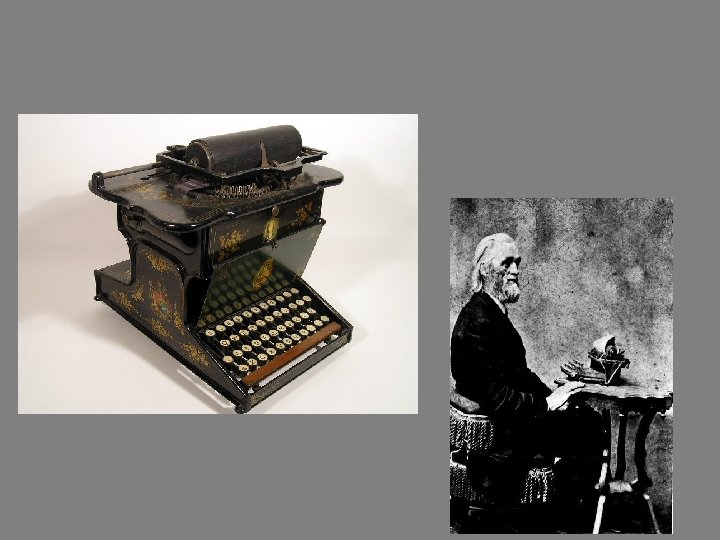
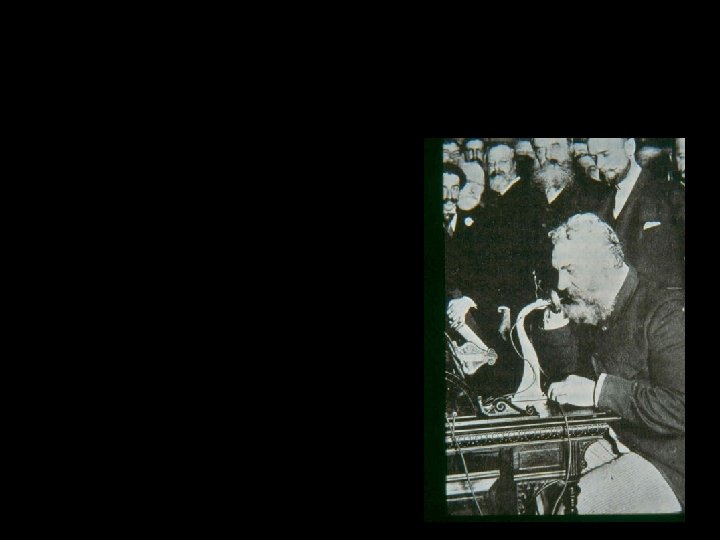
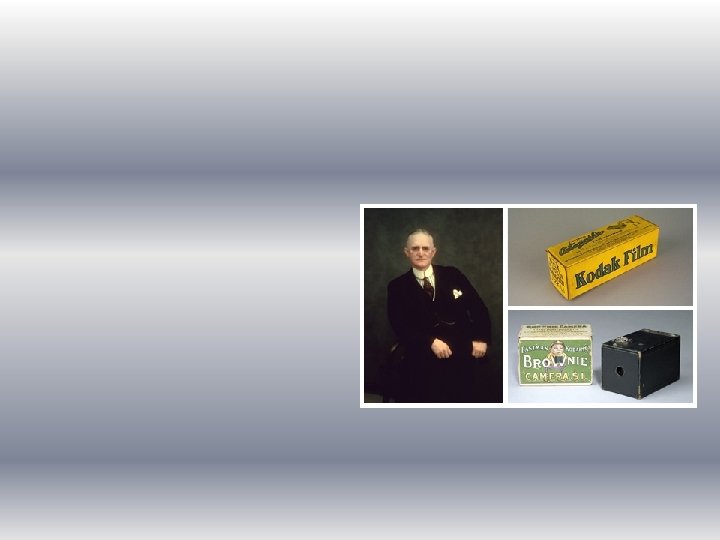
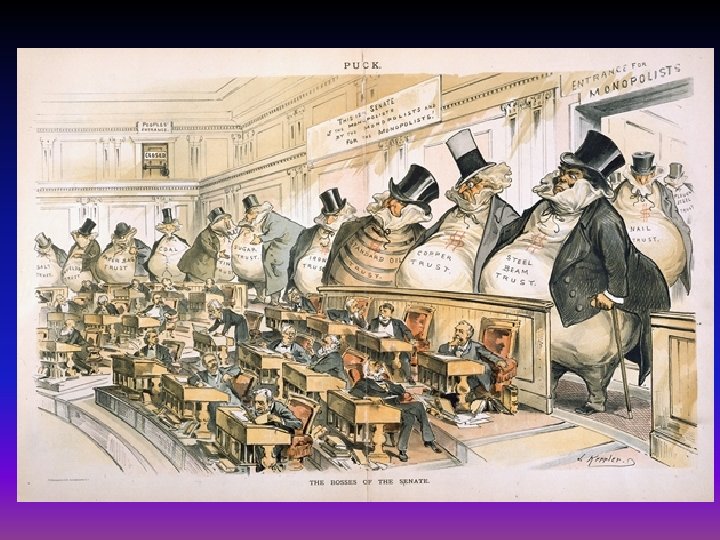
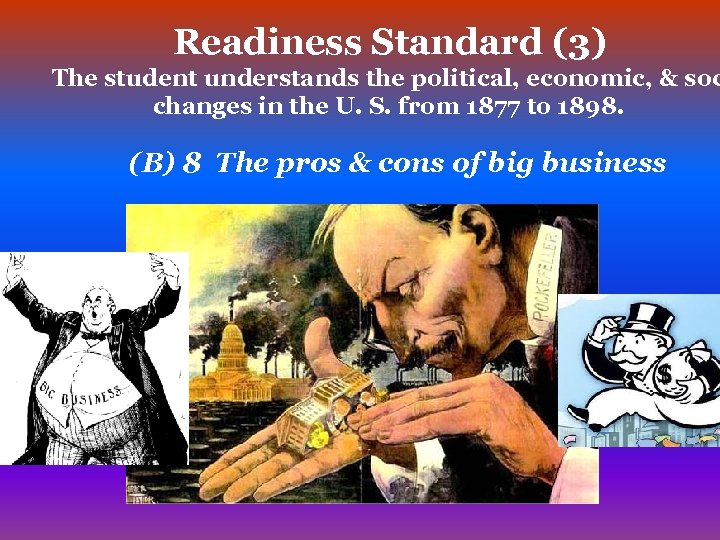 Readiness Standard (3) The student understands the political, economic, & soc changes in the U. S. from 1877 to 1898. (B) 8 The pros & cons of big business



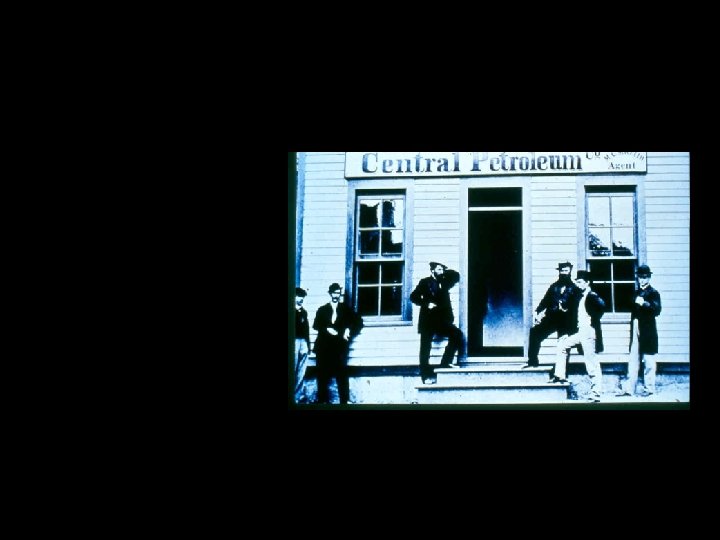
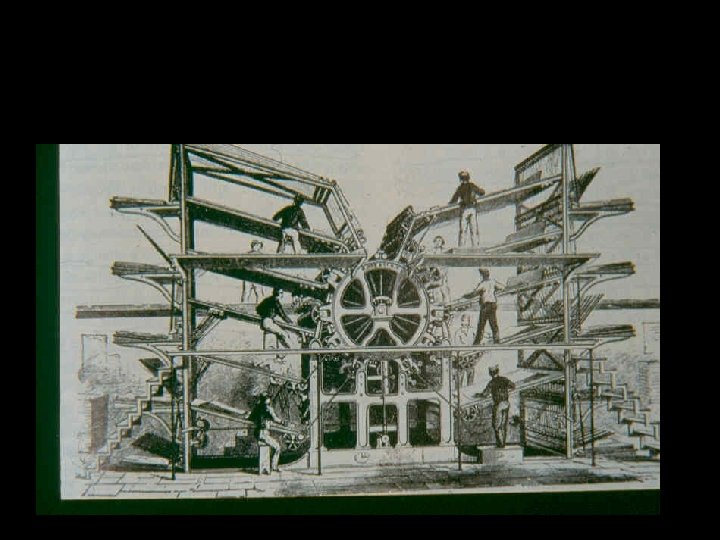
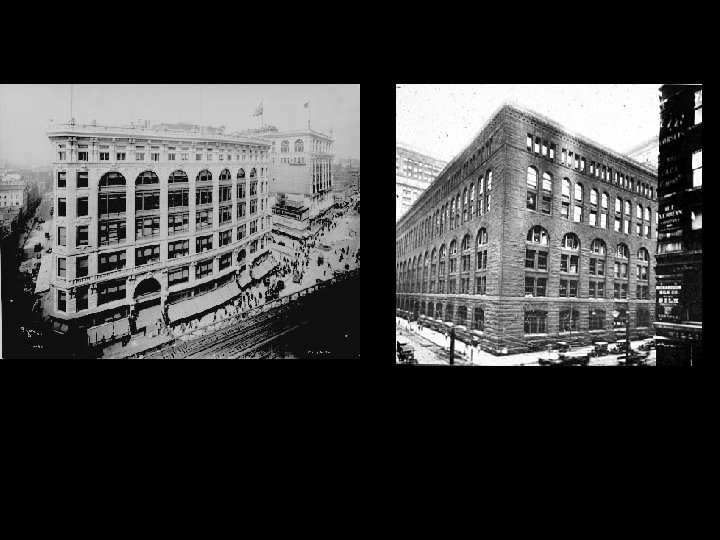
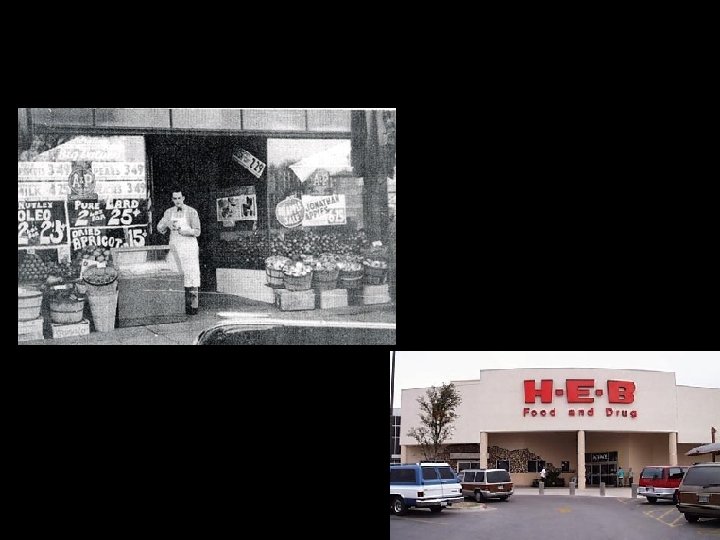
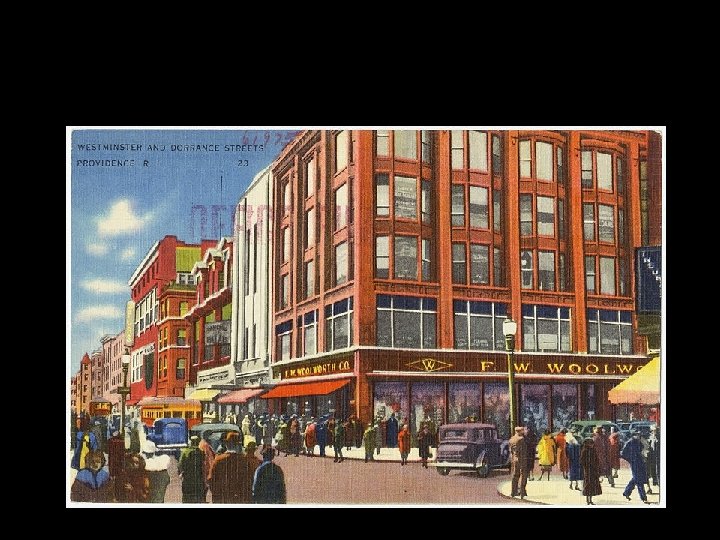
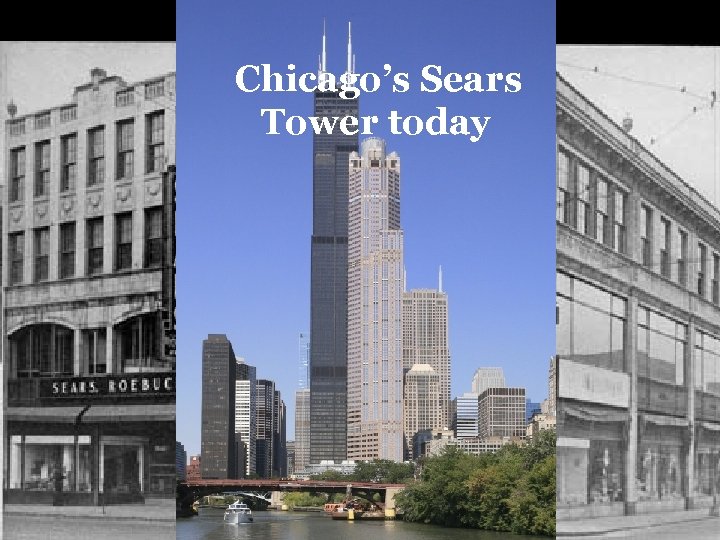 Chicago’s Sears Tower today
 . . . &thisis today’s lineal ancestor
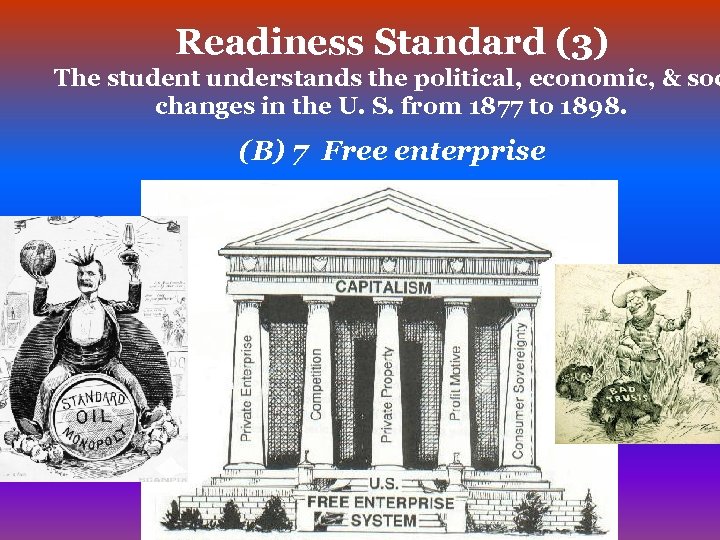 Readiness Standard (3) The student understands the political, economic, & soc changes in the U. S. from 1877 to 1898. (B) 7 Free enterprise
 Fini
Fini