


 Скачать презентацию Re-evaluating the PE model coming out of 2008
64e389cb191a20f456bcb8a684d759e2.ppt
- Количество слайдов: 34
 Re-evaluating the PE model coming out of 2008 Prof. Luc Nijs Founder & Chairman Horizon Ltd Founder & Group CEO The Talitha Group Warsaw September 7 -8, 2009 Buy-outs in the CEE – Marcus. Evans 2009
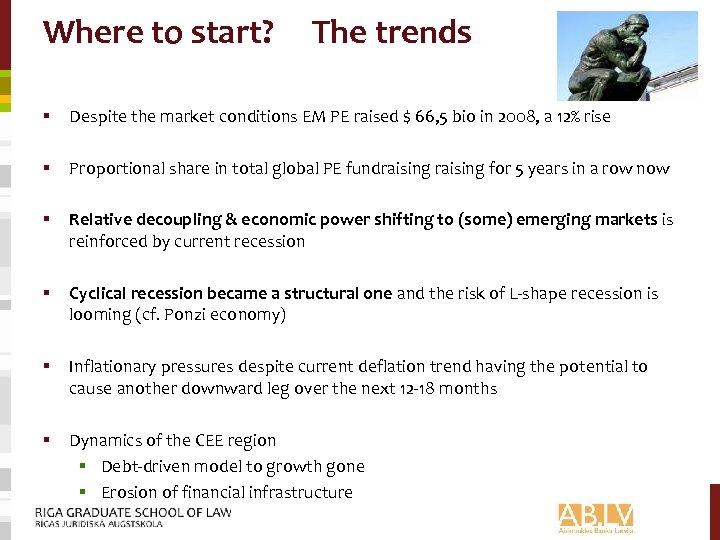 Where to start? The trends § Despite the market conditions EM PE raised $ 66, 5 bio in 2008, a 12% rise § Proportional share in total global PE fundraising for 5 years in a row now § Relative decoupling & economic power shifting to (some) emerging markets is reinforced by current recession § Cyclical recession became a structural one and the risk of L-shape recession is looming (cf. Ponzi economy) § Inflationary pressures despite current deflation trend having the potential to cause another downward leg over the next 12 -18 months § Dynamics of the CEE region § Debt-driven model to growth gone § Erosion of financial infrastructure
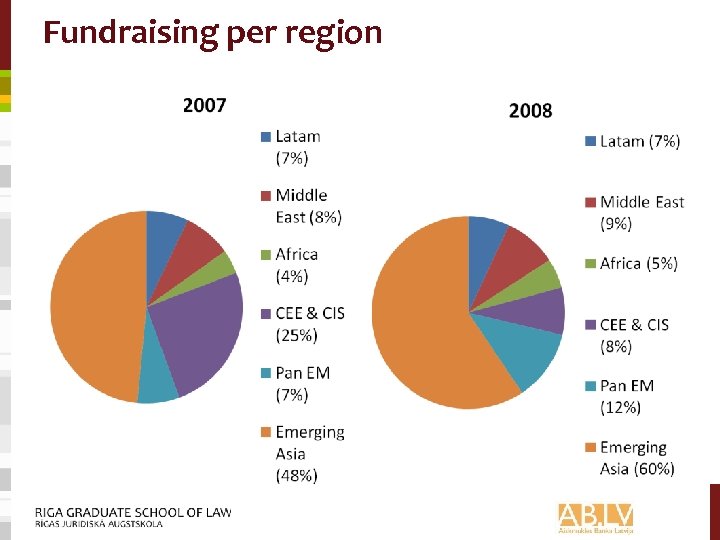 Fundraising per region
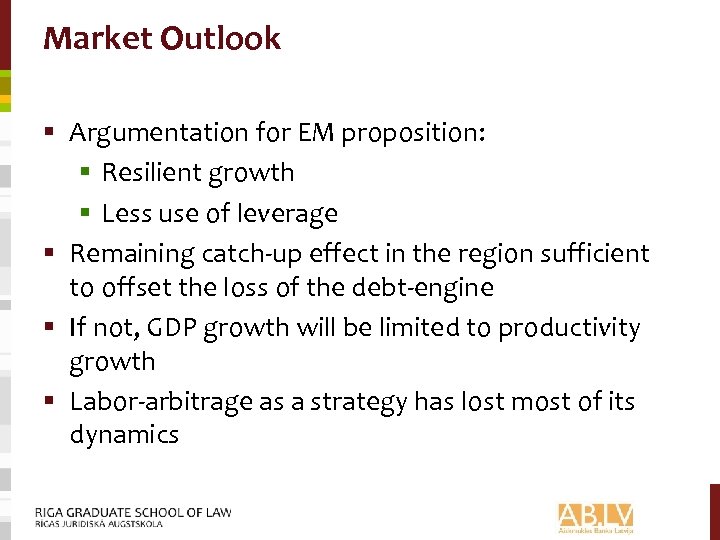 Market Outlook § Argumentation for EM proposition: § Resilient growth § Less use of leverage § Remaining catch-up effect in the region sufficient to offset the loss of the debt-engine § If not, GDP growth will be limited to productivity growth § Labor-arbitrage as a strategy has lost most of its dynamics
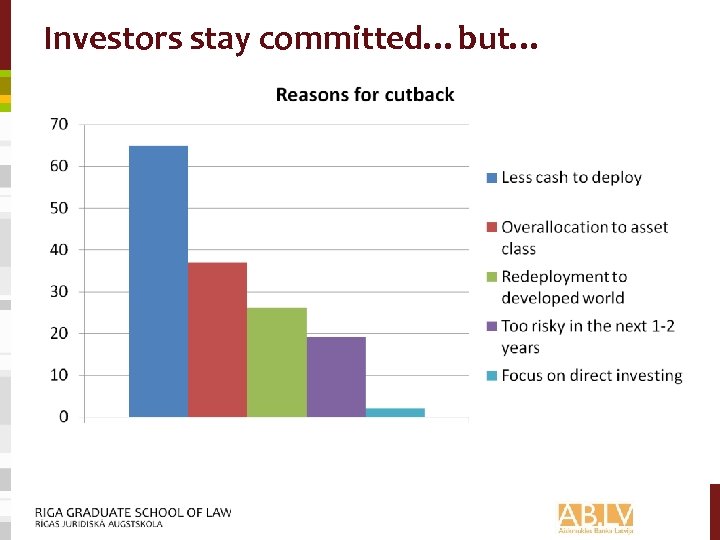 Investors stay committed…but…
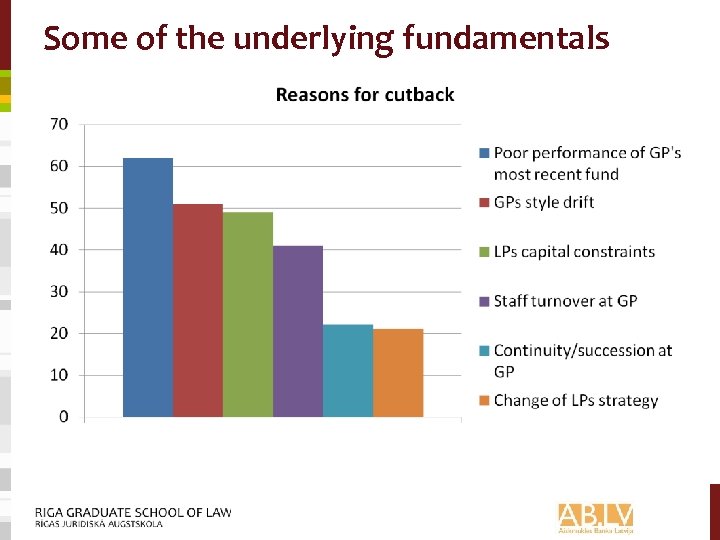 Some of the underlying fundamentals
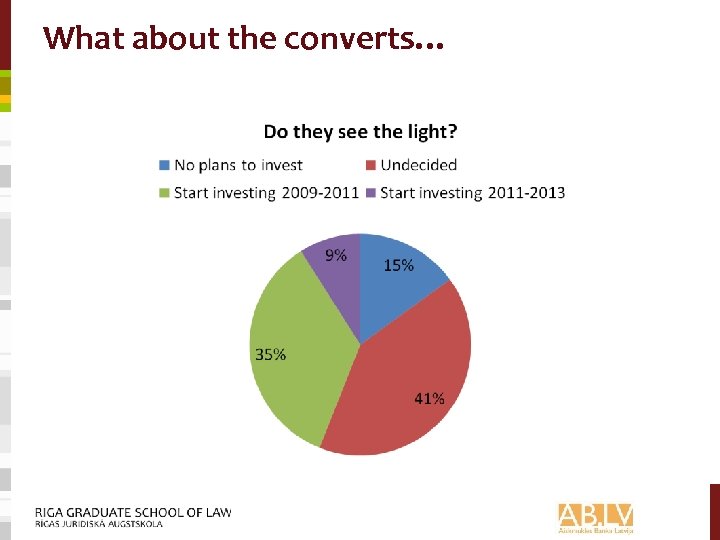 What about the converts…
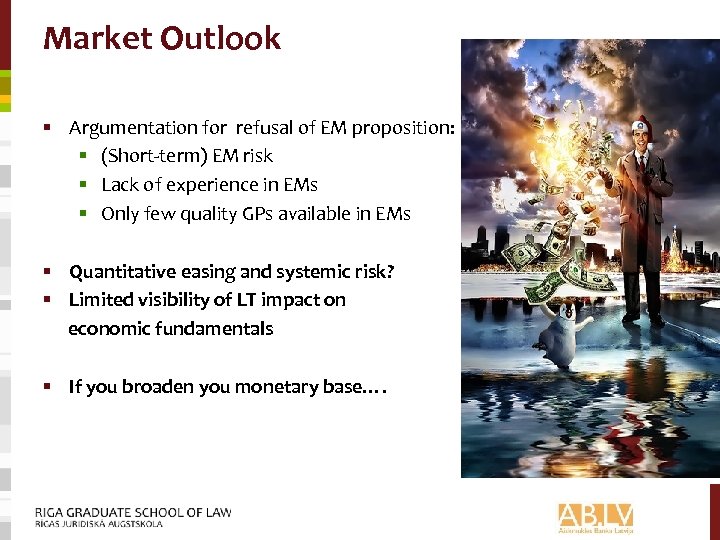 Market Outlook § Argumentation for refusal of EM proposition: § (Short-term) EM risk § Lack of experience in EMs § Only few quality GPs available in EMs § Quantitative easing and systemic risk? § Limited visibility of LT impact on economic fundamentals § If you broaden you monetary base….
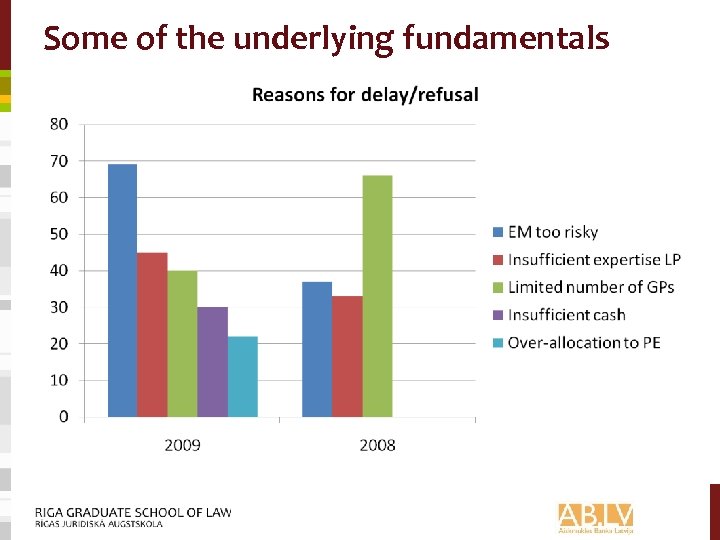 Some of the underlying fundamentals
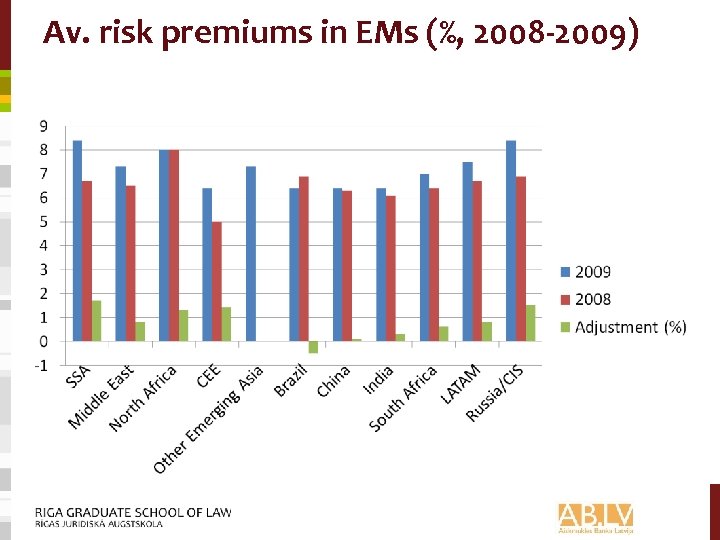 Av. risk premiums in EMs (%, 2008 -2009)
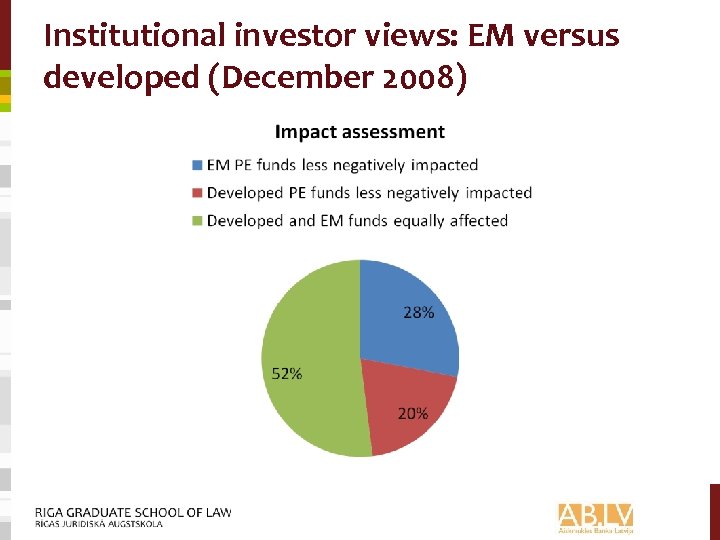 Institutional investor views: EM versus developed (December 2008)
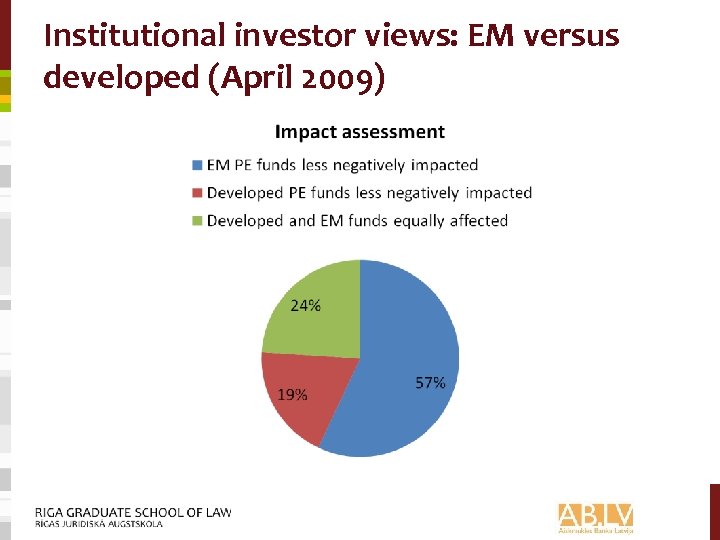 Institutional investor views: EM versus developed (April 2009)
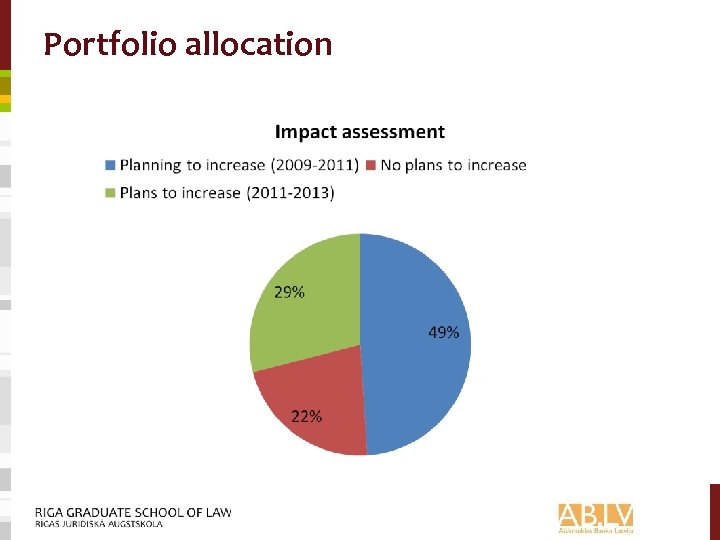 Portfolio allocation
 The dynamics of LT capital § The need for LT capital is beyond doubt in every economy based sustainable fundamentals § Patient capital is there to unleash human & business potential § Has PE ignored some of its fundamental DNA § Conflict of interest when engaged in multiple parts of the capital structure § Going back to the core of being an ‘activist shareholder’ § Semi-globalization = procession of Echternach
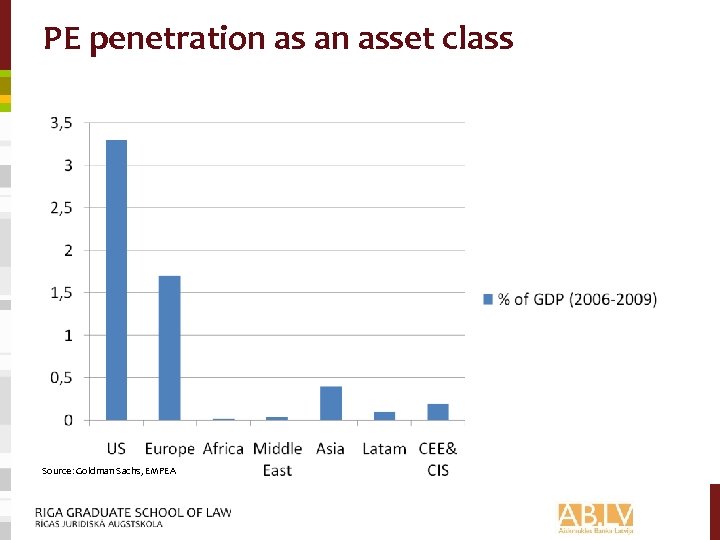 PE penetration as an asset class Source: Goldman Sachs, EMPEA
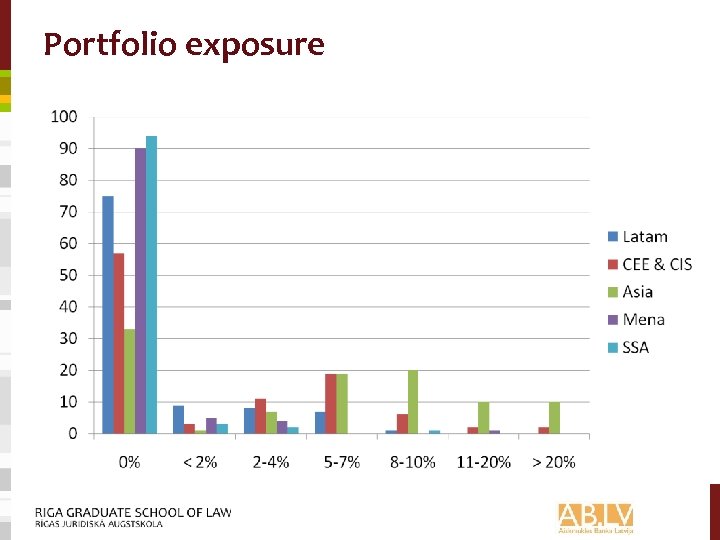 Portfolio exposure
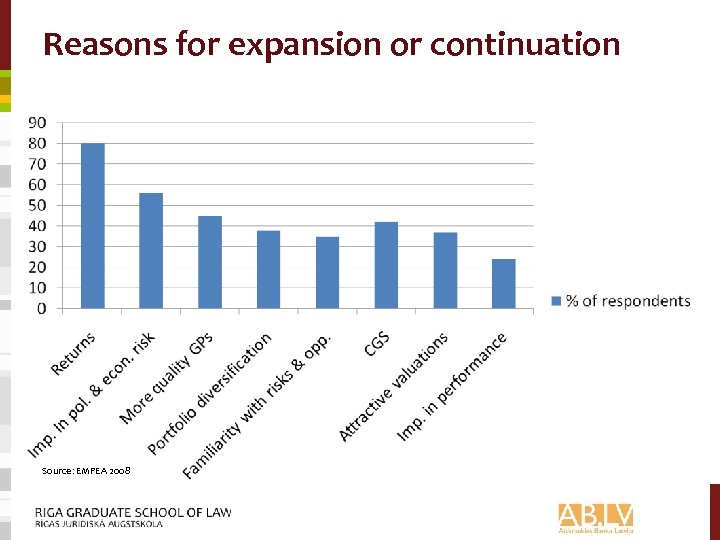 Reasons for expansion or continuation Source: EMPEA 2008
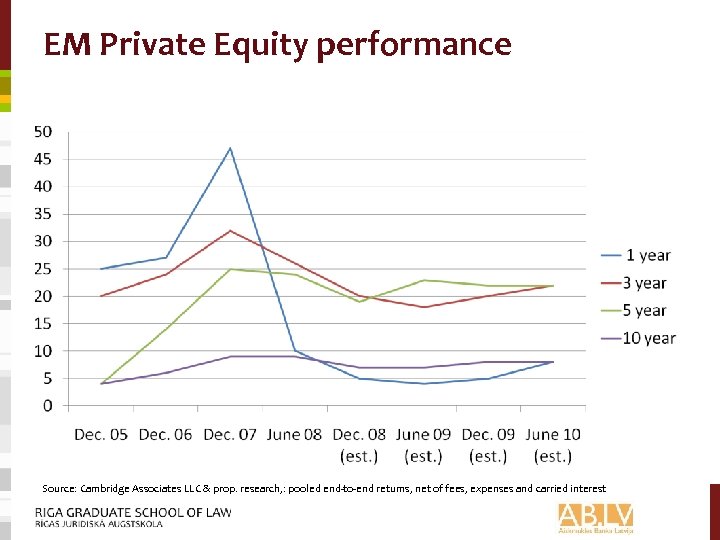 EM Private Equity performance Source: Cambridge Associates LLC & prop. research, : pooled end-to-end returns, net of fees, expenses and carried interest
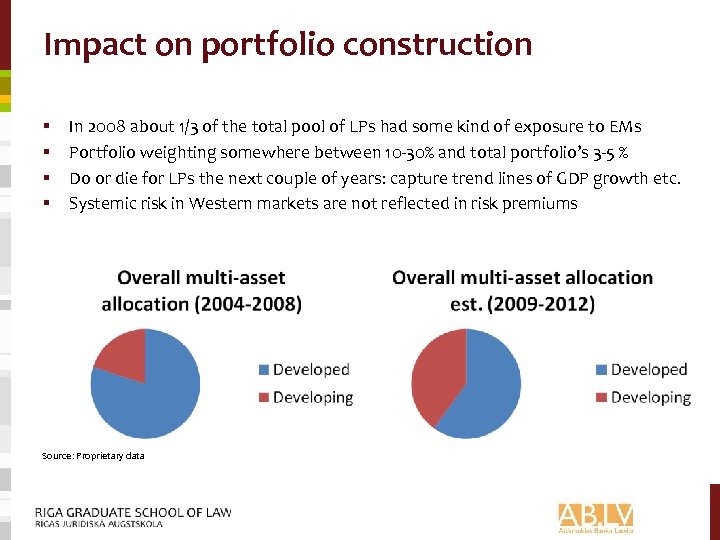 Impact on portfolio construction § § In 2008 about 1/3 of the total pool of LPs had some kind of exposure to EMs Portfolio weighting somewhere between 10 -30% and total portfolio’s 3 -5 % Do or die for LPs the next couple of years: capture trend lines of GDP growth etc. Systemic risk in Western markets are not reflected in risk premiums Source: Proprietary data
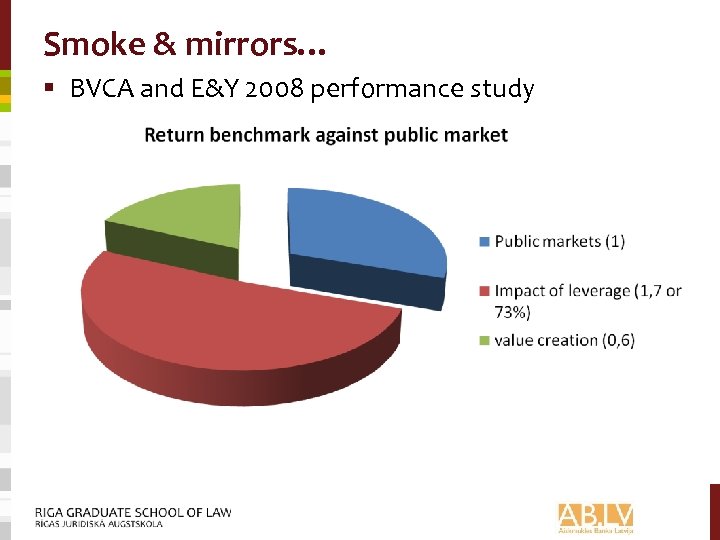 Smoke & mirrors… § BVCA and E&Y 2008 performance study
 So now what… § If PE is an activist shareholders’ position than why have these funds been managed as investment vehicles § Demonstrate inept to manage companies § Focus on financial engineering § Models have to change § Fund structure § Terms & conditions § Exit modeling § Valuation and transparency
 So now what…life after leverage § Value creation/operational side § Impact of average /holding periods § Massive room for improvement of private capital formation § Put capital to work § But do they have the right ‘human capital in place’?
 What is considered important § Survey institutional investors by BNY Mellon (May 2009) 1. Alignment of interests 2. Transparency 3. Performance 4. …. 5. ….
 Sunshine is the best disinfectant § US seems to understand that. . registration and info § Europe does not …at least judging based on their April 30, 2009 proposal to manage the AIM industry § § § Ill-thought through Politically compromised Creates barriers-to-entry Unnecessary conditions Blocking 3 rd country managers/funds Erodes competitiveness of EU investors
 Team What is the DNA of your team? What is the set-up of the team? Locations? How is decision-making shared? How is the carry shared? Stability- How are you going to execute your strategy § Is your team ready for the ‘new normal’. . i. e. generating returns by improving operations and creating synergies rather than leverage § Can your HC live up to that test? § § §
 Team § The HC rainmaker paradox § Human Capital center of excellence § Retention § Change management § Compliance § Organizational Development § Recruiting § Sourcing § Resource Development
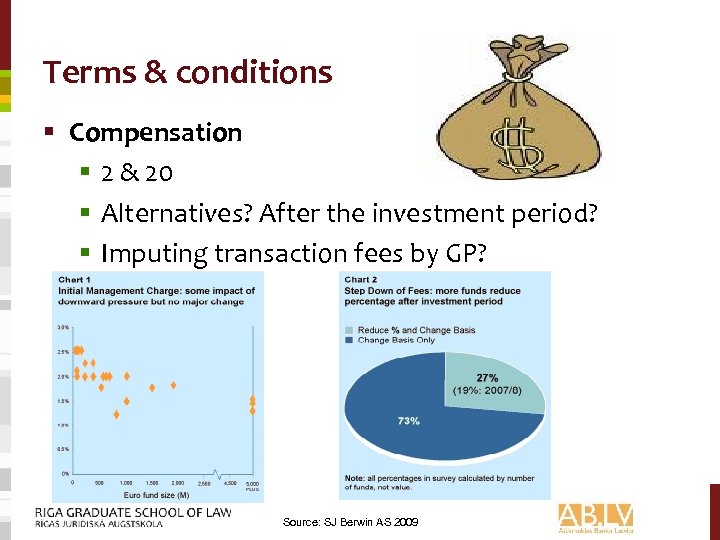 Terms & conditions § Compensation § 2 & 20 § Alternatives? After the investment period? § Imputing transaction fees by GP? Source: SJ Berwin AS 2009
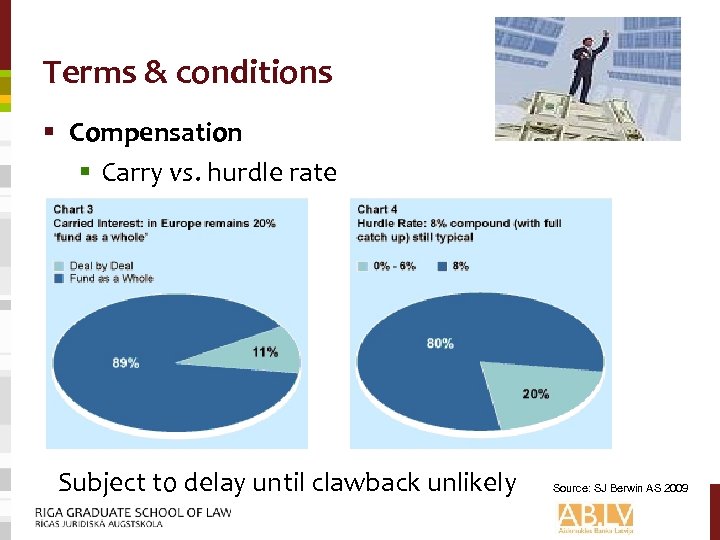 Terms & conditions § Compensation § Carry vs. hurdle rate Subject to delay until clawback unlikely Source: SJ Berwin AS 2009
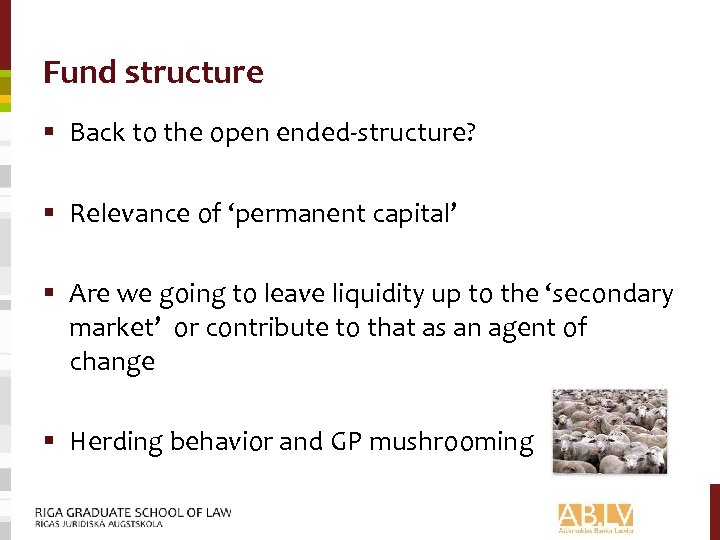 Fund structure § Back to the open ended-structure? § Relevance of ‘permanent capital’ § Are we going to leave liquidity up to the ‘secondary market’ or contribute to that as an agent of change § Herding behavior and GP mushrooming
 Regional versus country specific § Regional specific strategies more-difficult to execute unless industry focus § Macro-economics are going to drift among CEE countries more than in the past § Relation between performance, investment strategy and in-house specialists
 Who do you want to be ? § Align you personal interest with the dynamics of LT capital § Mushrooming of GPs not necessary a blessing for the industry § Contribute to value creation in a world where too much money is chasing too little opportunities § Consider yourself an entrepreneur
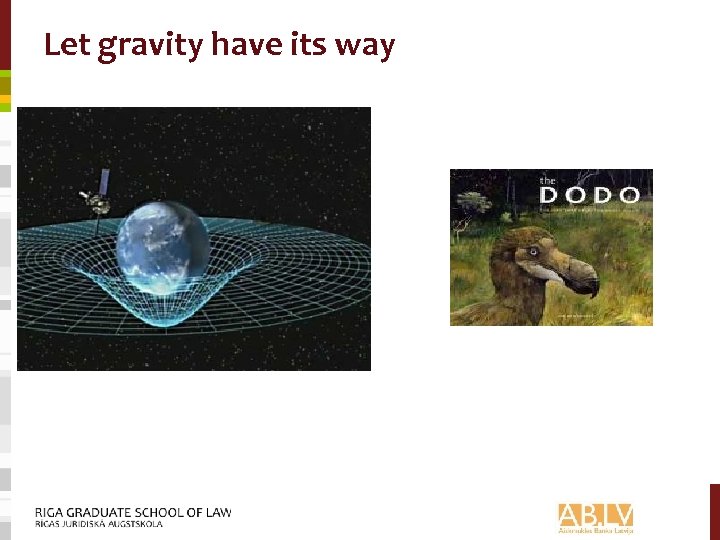 Let gravity have its way
 Conclusion § Re-thinking of PE model is very much needed § Live the talk… § No right or wrong, no good or bad § The LPs are at the centre of everything you do § EMs have become a relative game § CEE needs to show its bearings § Remaining catch-up in CEE needs to be supported by economic and financial maturity and permanent efforts re innovation & technical enhancements § PE needs to evolve towards being part of the mainstream finance environment
 Contact Riga Graduate School of Law & Finance Chair Strelnieku iela 4 k-2 Riga LV-1010 LATVIA luc. nijs@rgsl. edu. lv Tel. +37167039230