 Скачать презентацию Rational Design of Vaccine Adjuvants Based on Dendritic
c25acaae3bcc4c56a6d39b6a3b2e0835.ppt
- Количество слайдов: 38



Rational Design of Vaccine Adjuvants Based on Dendritic Cell Receptor Agonists; Harnessing Innate Immunity for The Development of New Generation Vaccines VTH-2015, 2 nd October, 2015 “Immunization has been a great public health success story. The lives of millions of children have been saved, millions have the chance of a longer healthier life, a greater chance to learn, to play, to read and write, to move around freely without suffering”. nelson Mandela, HALMUTHUR SAMPATH KUMAR Vaccine Immunology Laboratory, CSIRIICT, Hyderabad , India
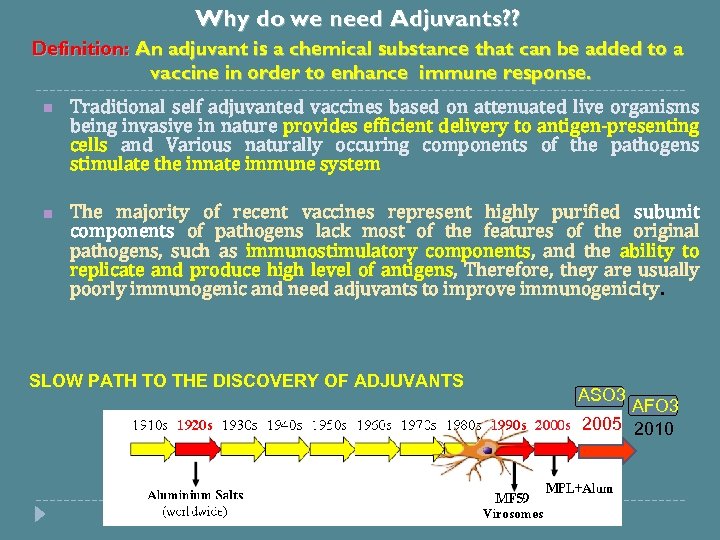
Why do we need Adjuvants? ? Definition: An adjuvant is a chemical substance that can be added to a vaccine in order to enhance immune response. n Traditional self adjuvanted vaccines based on attenuated live organisms being invasive in nature provides efficient delivery to antigen-presenting cells and Various naturally occuring components of the pathogens stimulate the innate immune system n The majority of recent vaccines represent highly purified subunit components of pathogens lack most of the features of the original pathogens, such as immunostimulatory components, and the ability to replicate and produce high level of antigens, Therefore, they are usually poorly immunogenic and need adjuvants to improve immunogenicity. SLOW PATH TO THE DISCOVERY OF ADJUVANTS ASO 3 AFO 3 2005 2010
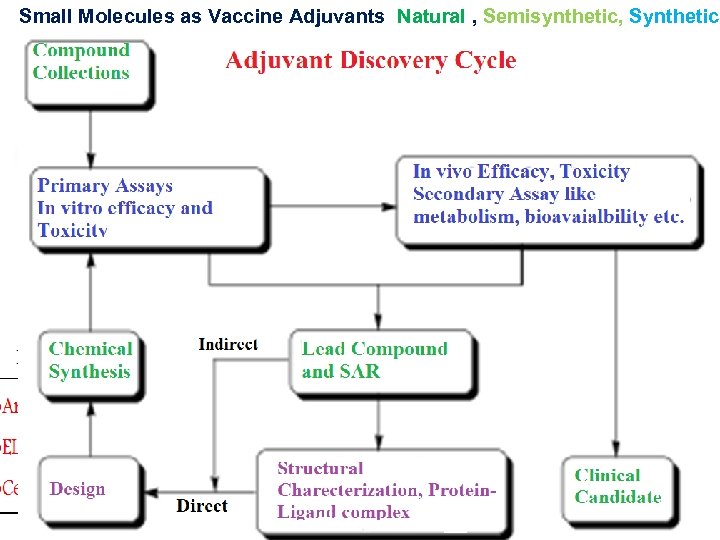
Small Molecules as Vaccine Adjuvants Natural , Semisynthetic, Synthetic Preliminary Screening Splenocytes/DCs OVA Immunized BALB/C mice Re-stimulation with OVA and analog treatment 48 hr incubation In Vitro Toxicity screening Haemolytic assay. Cytotoxicity (MTT) assay. Oxidative stress (Lipid Peroxidation). Comet Assay - Determination of DNA degradation In vitro mechanistic assay: Th 1 Cytokines (eg. IL 2, IL-12, TNF-α, IFN-γ) ELISA Th 2 Cytokines (eg. IL 4) Hits for In Vivo NF-κB activation assay in HEKBlue h. TLR/h. NOD cell line. • Spectrophotometric measurement (OD) of SEAP in cell supernatant • Compounds stimulating NFκB activation are TLR/NOD agonist
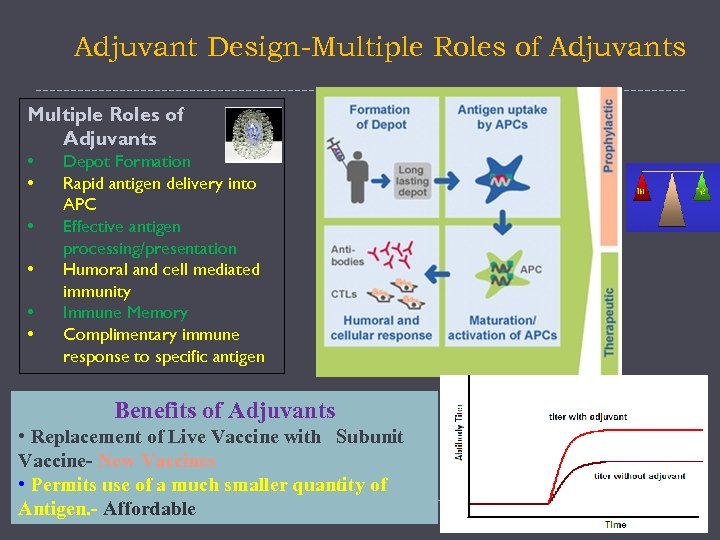
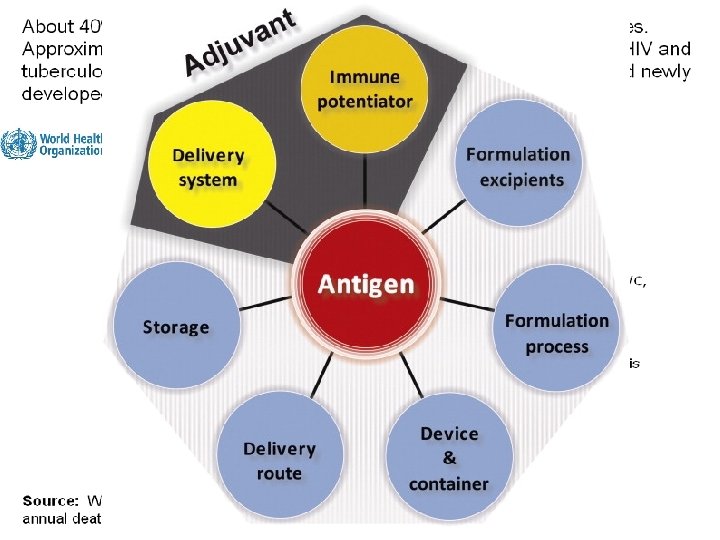
Adjuvant Design-Multiple Roles of Adjuvants • • • Depot Formation Rapid antigen delivery into APC Effective antigen processing/presentation Humoral and cell mediated immunity Immune Memory Complimentary immune response to specific antigen Benefits of Adjuvants • Replacement of Live Vaccine with Subunit Vaccine- New Vaccines • Permits use of a much smaller quantity of Antigen. - Affordable
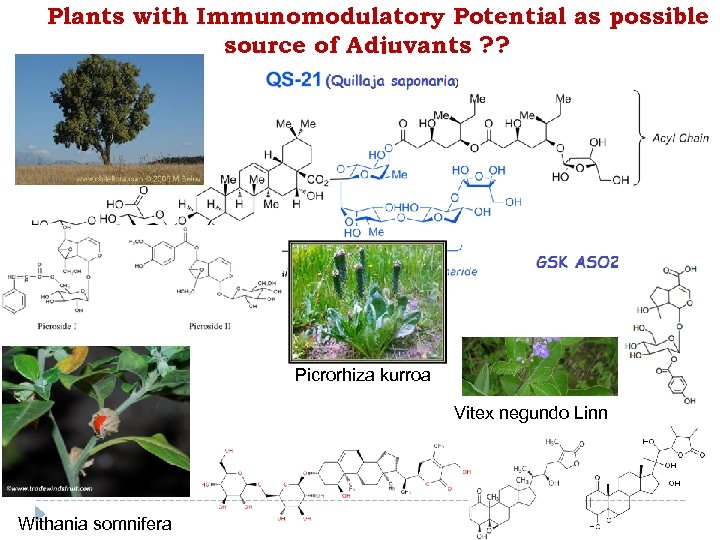
Plants with Immunomodulatory Potential as possible source of Adjuvants ? ? Tinospora cardifolia Picrorhiza kurroa Vitex negundo Linn Withania somnifera
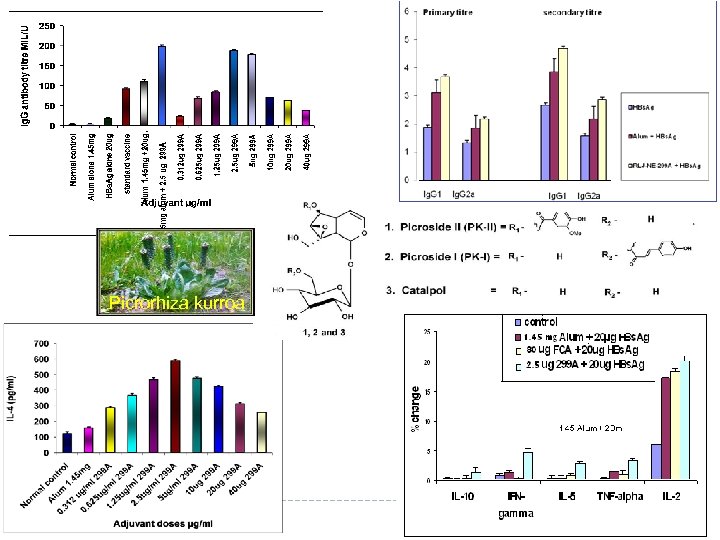
Picrorhiza kurroa
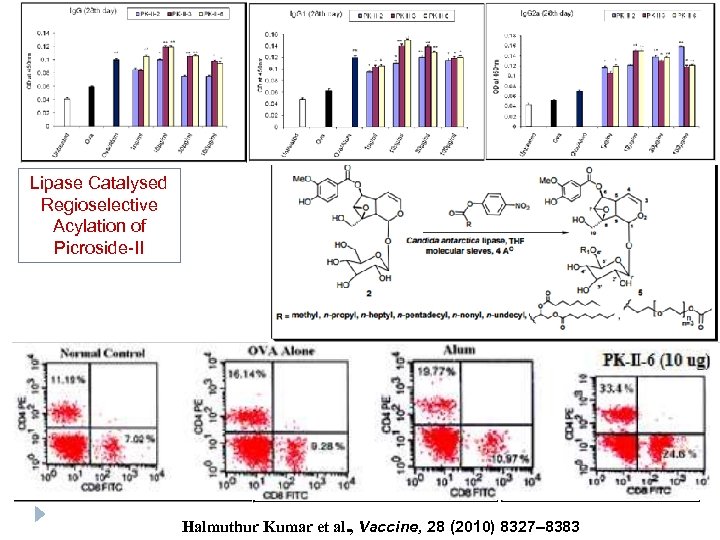
Lipase Catalysed Regioselective Acylation of Picroside-II Halmuthur Kumar et al. , Vaccine, 28 (2010) 8327– 8383
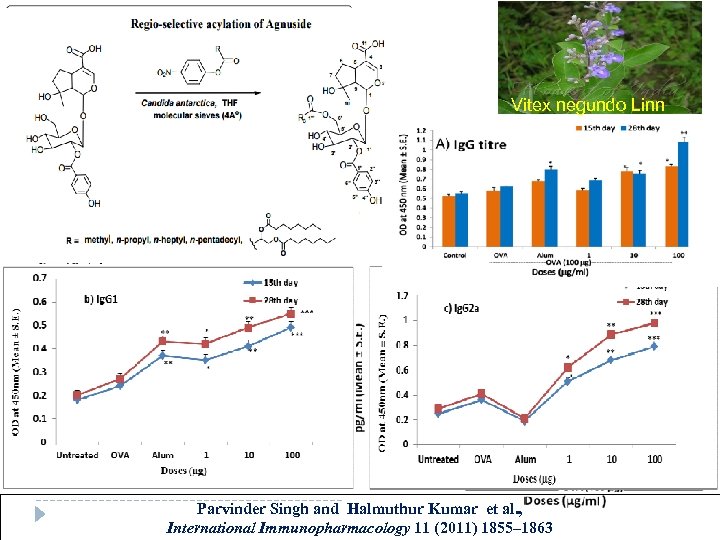
Vitex negundo Linn Parvinder Singh and Halmuthur Kumar et al. , International Immunopharmacology 11 (2011) 1855– 1863
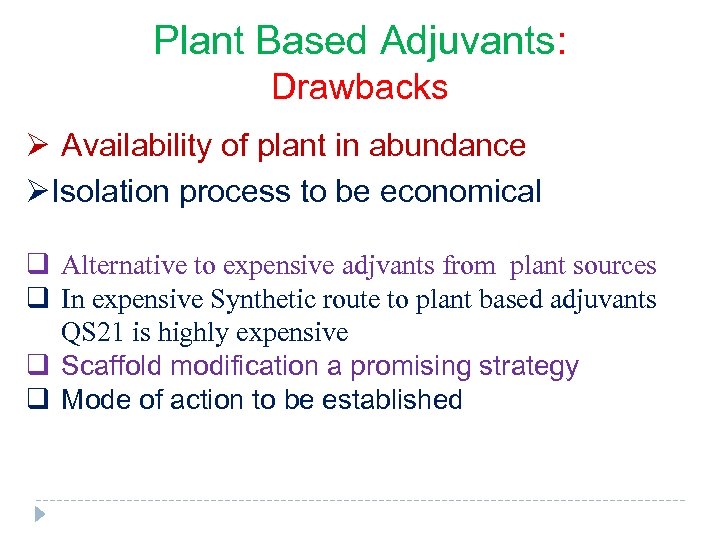
Plant Based Adjuvants: Drawbacks Ø Availability of plant in abundance ØIsolation process to be economical q Alternative to expensive adjvants from plant sources q In expensive Synthetic route to plant based adjuvants QS 21 is highly expensive q Scaffold modification a promising strategy q Mode of action to be established
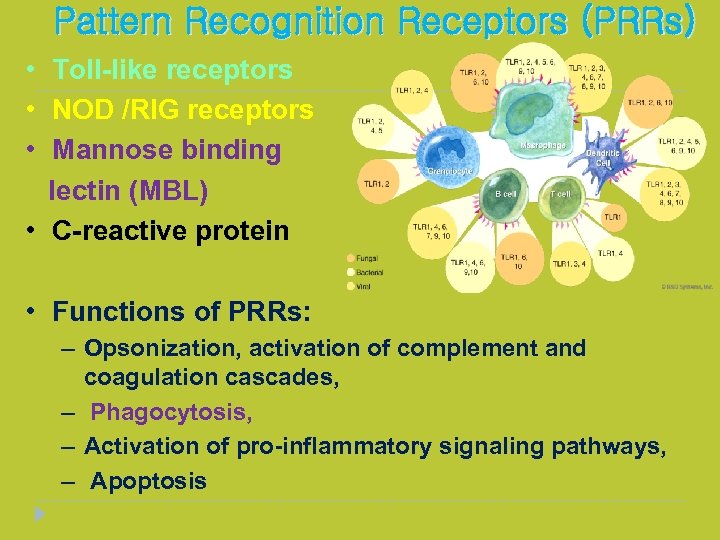
Pattern Recognition Receptors (PRRs) • Toll-like receptors • NOD /RIG receptors • Mannose binding lectin (MBL) • C-reactive protein • Functions of PRRs: – Opsonization, activation of complement and coagulation cascades, – Phagocytosis, – Activation of pro-inflammatory signaling pathways, – Apoptosis
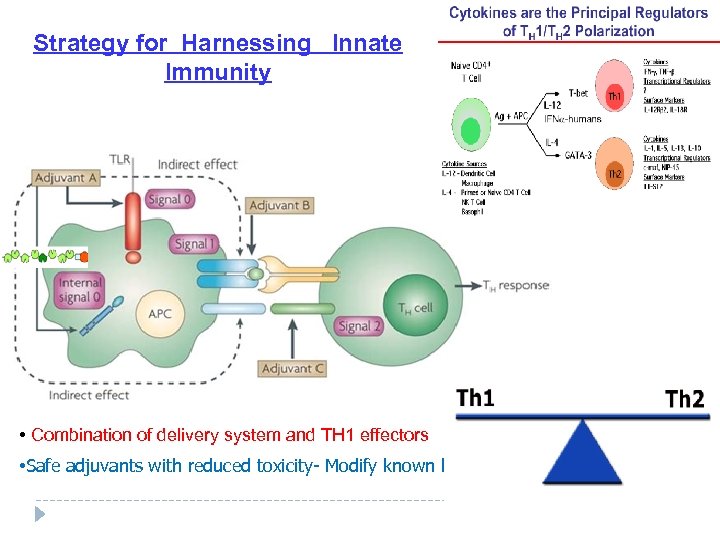
Strategy for Harnessing Innate Immunity • Combination of delivery system and TH 1 effectors • Safe adjuvants with reduced toxicity- Modify known ligands
PAMPS n n n Conserved among microbes Known as Pathogen-Associated Molecular Patterns (PAMPs) PAMPs are recognized by plants as well as animals, meaning this innate response arose before the split Recognized by the complimentary PRR Only vertebrates have evolved an adaptive immune response
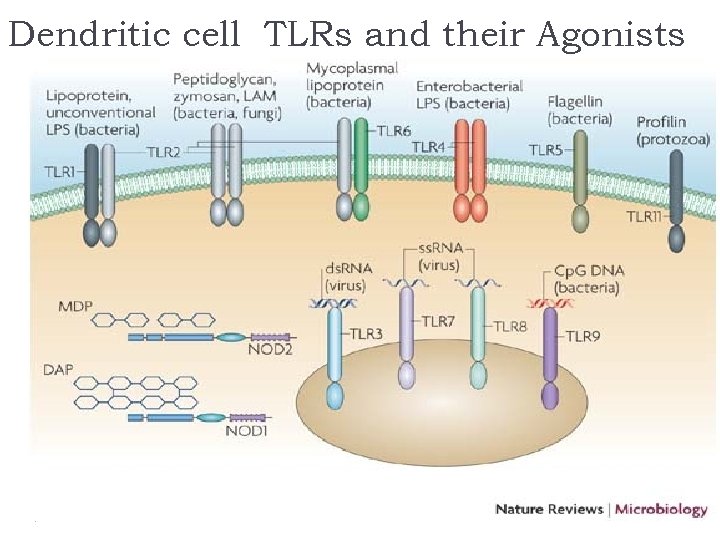
Dendritic cell TLRs and their Agonists
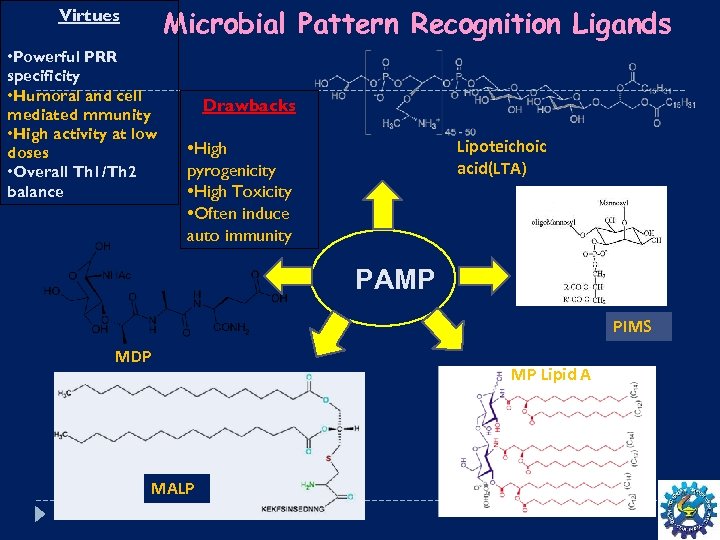
Microbial Pattern Recognition Ligands Virtues • Powerful PRR specificity • Humoral and cell mediated mmunity • High activity at low doses • Overall Th 1/Th 2 balance Drawbacks Lipoteichoic acid(LTA) • High pyrogenicity • High Toxicity • Often induce auto immunity PAMP PIMS MDP MALP MP Lipid A
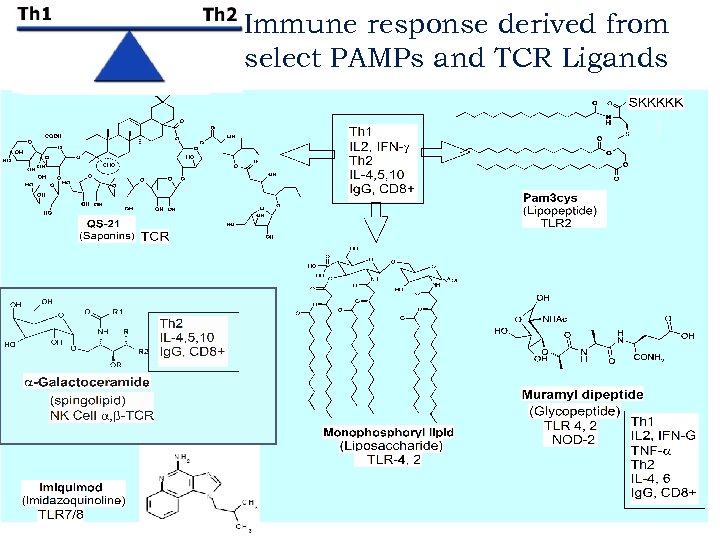
Immune response derived from select PAMPs and TCR Ligands
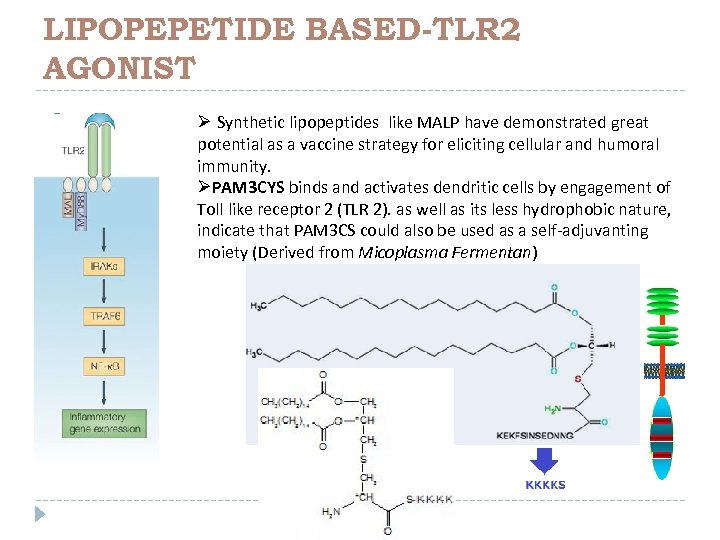
LIPOPEPETIDE BASED-TLR 2 AGONIST Ø Synthetic lipopeptides like MALP have demonstrated great potential as a vaccine strategy for eliciting cellular and humoral immunity. ØPAM 3 CYS binds and activates dendritic cells by engagement of Toll like receptor 2 (TLR 2). as well as its less hydrophobic nature, indicate that PAM 3 CS could also be used as a self-adjuvanting moiety (Derived from Micoplasma Fermentan)
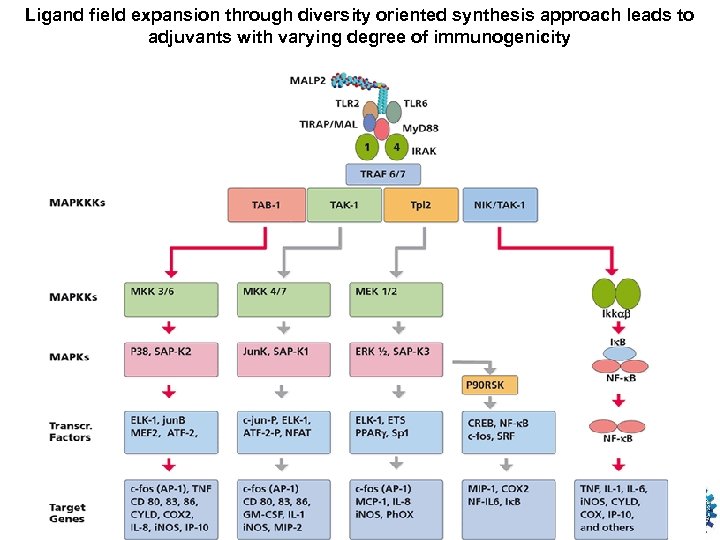
Ligand field expansion through diversity oriented synthesis approach leads to adjuvants with varying degree of immunogenicity
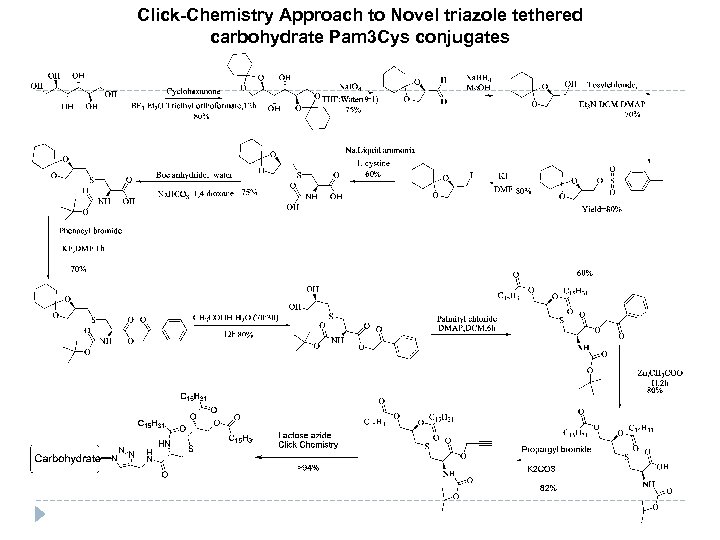
Click-Chemistry Approach to Novel triazole tethered carbohydrate Pam 3 Cys conjugates
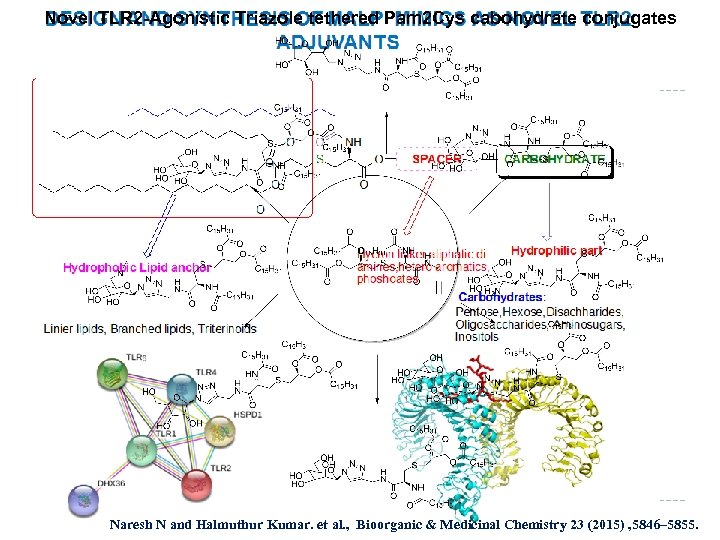
Novel TLR 2 -Agonistic Triazole tethered Pam 2 Cys cabohydrate conjugates Naresh N and Halmuthur Kumar. et al. , Bioorganic & Medicinal Chemistry 23 (2015) , 5846– 5855.
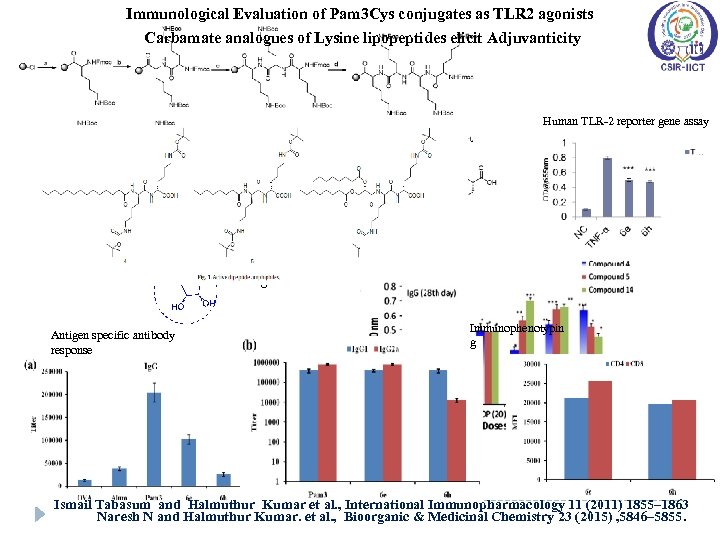
Immunological Evaluation of Pam 3 Cys conjugates as TLR 2 agonists Carbamate analogues of Lysine lipopeptides elicit Adjuvanticity Human TLR-2 reporter gene assay Antigen specific antibody response Immunophenotypin g Ismail Tabasum and Halmuthur Kumar et al. , International Immunopharmacology 11 (2011) 1855– 1863 Naresh N and Halmuthur Kumar. et al. , Bioorganic & Medicinal Chemistry 23 (2015) , 5846– 5855.
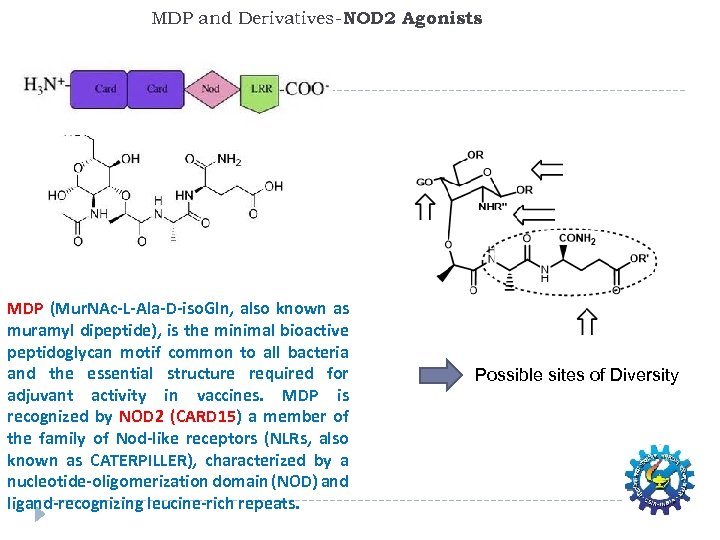
MDP and Derivatives-NOD 2 Agonists MDP (Mur. NAc-L-Ala-D-iso. Gln, also known as muramyl dipeptide), is the minimal bioactive peptidoglycan motif common to all bacteria and the essential structure required for adjuvant activity in vaccines. MDP is recognized by NOD 2 (CARD 15) a member of the family of Nod-like receptors (NLRs, also known as CATERPILLER), characterized by a nucleotide-oligomerization domain (NOD) and ligand-recognizing leucine-rich repeats. Possible sites of Diversity
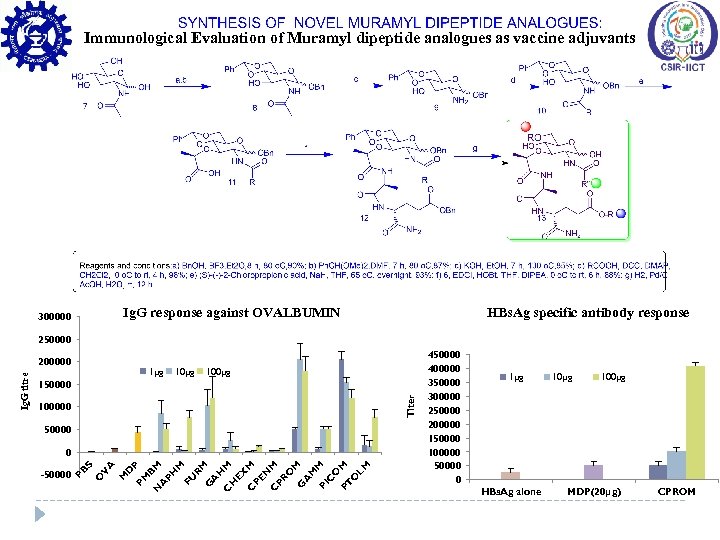
Immunological Evaluation of Muramyl dipeptide analogues as vaccine adjuvants Ig. G response against OVALBUMIN 300000 HBs. Ag specific antibody response 250000 1µg 100µg Titer 150000 100000 50000 V A M D P PM BM N A PH M FU RM G A H M C H EX M C PE N M C PR O M G A M PI M C O PT M O LM O -50000 S 0 PB Ig. G titre 200000 450000 400000 350000 300000 250000 200000 150000 100000 50000 0 1µg HBs. Ag alone 10µg 100µg MDP(20μg) CPROM
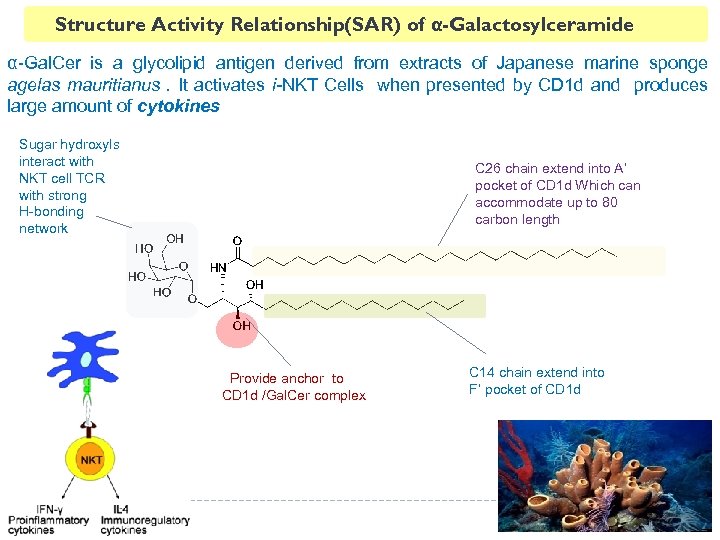
Structure Activity Relationship(SAR) of α-Galactosylceramide α-Gal. Cer is a glycolipid antigen derived from extracts of Japanese marine sponge agelas mauritianus. It activates i-NKT Cells when presented by CD 1 d and produces large amount of cytokines Sugar hydroxyls interact with NKT cell TCR with strong H-bonding network α-linkage is must for holding sugar head out C 26 chain extend into A’ pocket of CD 1 d Which can accommodate up to 80 carbon length Provide anchor to CD 1 d /Gal. Cer complex C 14 chain extend into F’ pocket of CD 1 d
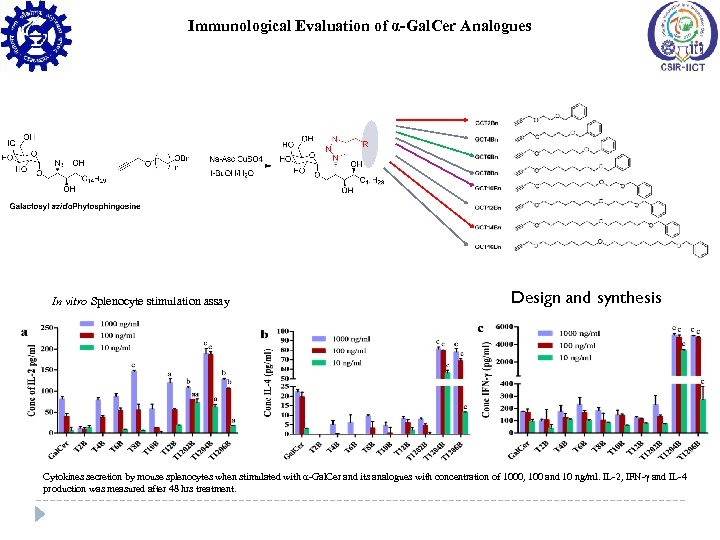
Immunological Evaluation of α-Gal. Cer Analogues In vitro Splenocyte stimulation assay Design and synthesis Cytokines secretion by mouse splenocytes when stimulated with α-Gal. Cer and its analogues with concentration of 1000, 100 and 10 ng/ml. IL-2, IFN-γ and IL-4 production was measured after 48 hrs treatment.
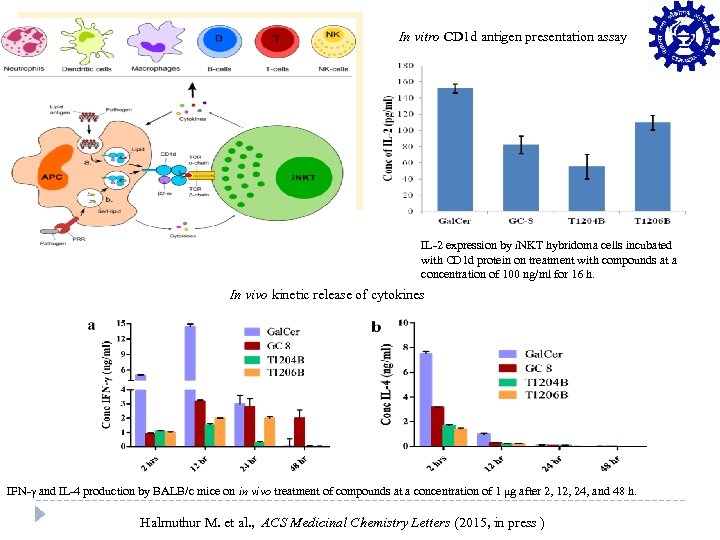
Conti…. In vitro CD 1 d antigen presentation assay IL-2 expression by i. NKT hybridoma cells incubated with CD 1 d protein on treatment with compounds at a concentration of 100 ng/ml for 16 h. In vivo kinetic release of cytokines IFN-γ and IL-4 production by BALB/c mice on in vivo treatment of compounds at a concentration of 1 μg after 2, 12, 24, and 48 h. Halmuthur M. et al. , ACS Medicinal Chemistry Letters (2015, in press )
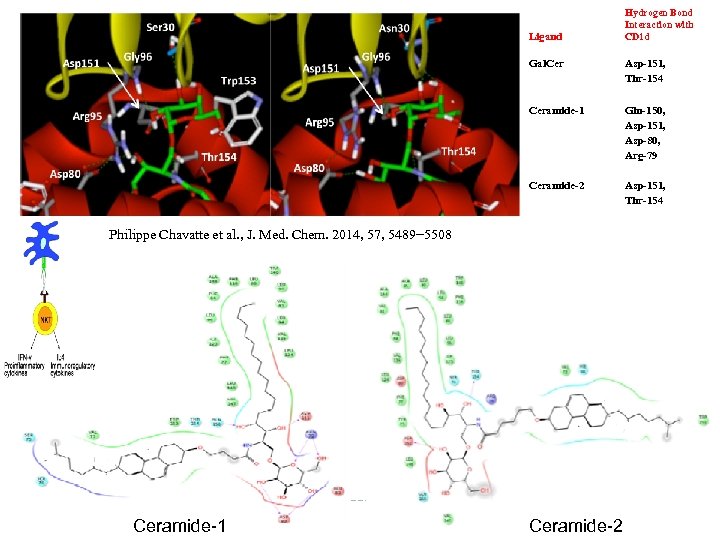
Ligand Hydrogen Bond Interaction with CD 1 d Gal. Cer Asp-151, Thr-154 Ceramide-1 Gln-150, Asp-151, Asp-80, Arg-79 Ceramide-2 Asp-151, Thr-154 Philippe Chavatte et al. , J. Med. Chem. 2014, 57, 5489− 5508 Ceramide-1 Ceramide-2
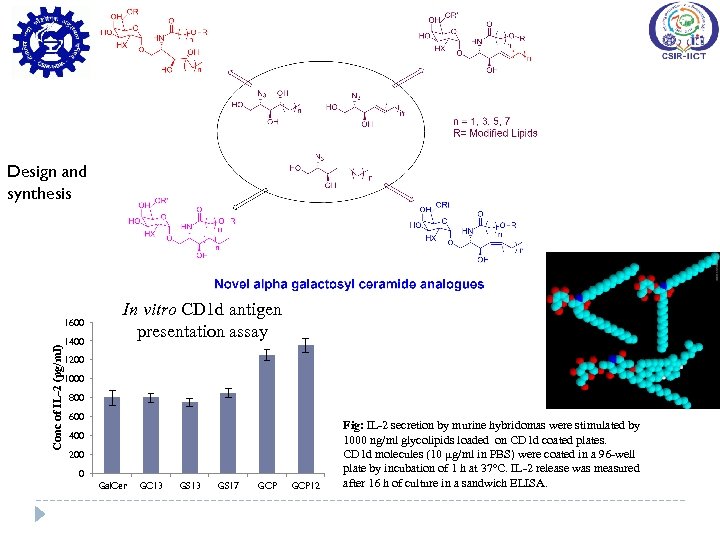
Design and synthesis Conc of IL-2 (pg/ml) 1600 1400 In vitro CD 1 d antigen presentation assay 1200 1000 800 600 400 200 0 Gal. Cer GC 13 GS 17 GCP 12 Fig: IL-2 secretion by murine hybridomas were stimulated by 1000 ng/ml glycolipids loaded on CD 1 d coated plates. CD 1 d molecules (10 µg/ml in PBS) were coated in a 96 -well plate by incubation of 1 h at 37°C. IL-2 release was measured after 16 h of culture in a sandwich ELISA.
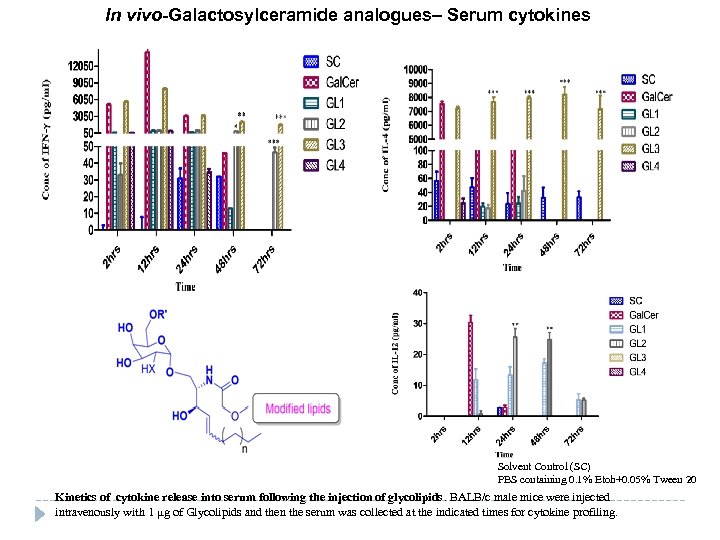
In vivo-Galactosylceramide analogues– Serum cytokines Solvent Control (SC) PBS containing 0. 1% Etoh+0. 05% Tween 20 Kinetics of cytokine release into serum following the injection of glycolipids. BALB/c male mice were injected intravenously with 1 µg of Glycolipids and then the serum was collected at the indicated times for cytokine profiling.
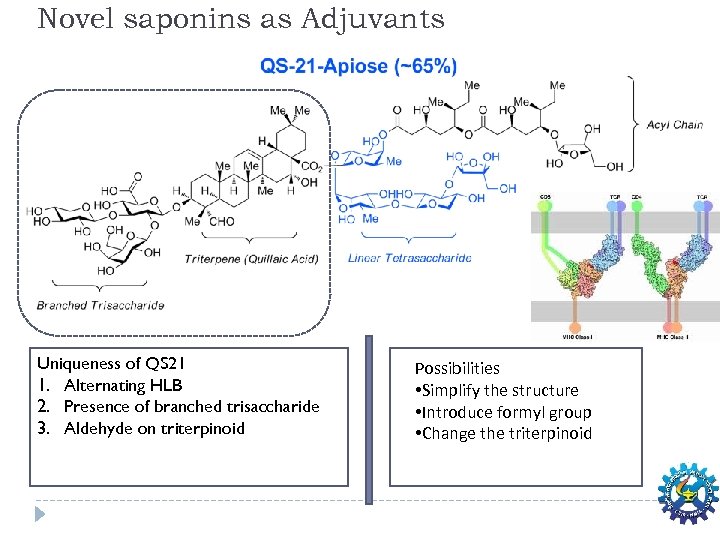
Novel saponins as Adjuvants Uniqueness of QS 21 1. Alternating HLB 2. Presence of branched trisaccharide 3. Aldehyde on triterpinoid Possibilities • Simplify the structure • Introduce formyl group • Change the triterpinoid
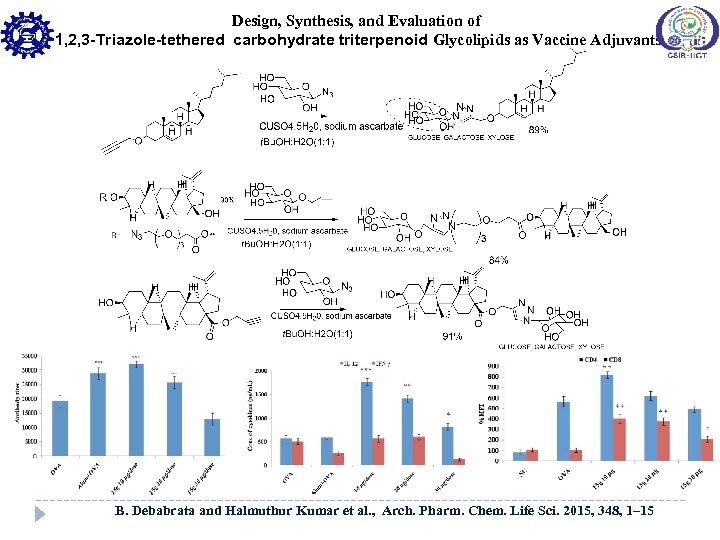
Design, Synthesis, and Evaluation of 1, 2, 3 -Triazole-tethered carbohydrate triterpenoid Glycolipids as Vaccine Adjuvants B. Debabrata and Halmuthur Kumar et al. , Arch. Pharm. Chem. Life Sci. 2015, 348, 1– 15
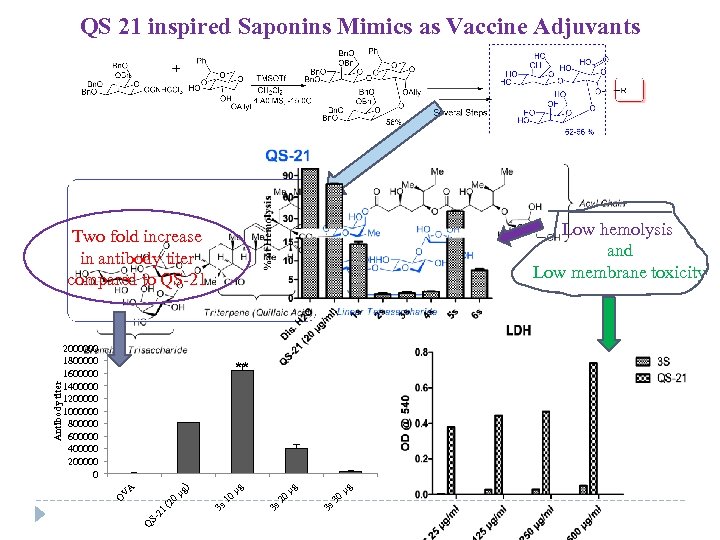
QS 21 inspired Saponins Mimics as Vaccine Adjuvants Low hemolysis and Low membrane toxicity 2000000 1800000 1600000 1400000 1200000 1000000 800000 600000 400000 200000 0 µg 3 s 30 µg 3 s 20 µg 10 0 (2 S 21 Q 3 s V µg ) A ** O Antibody titer Two fold increase in antibody titer compared to QS-21
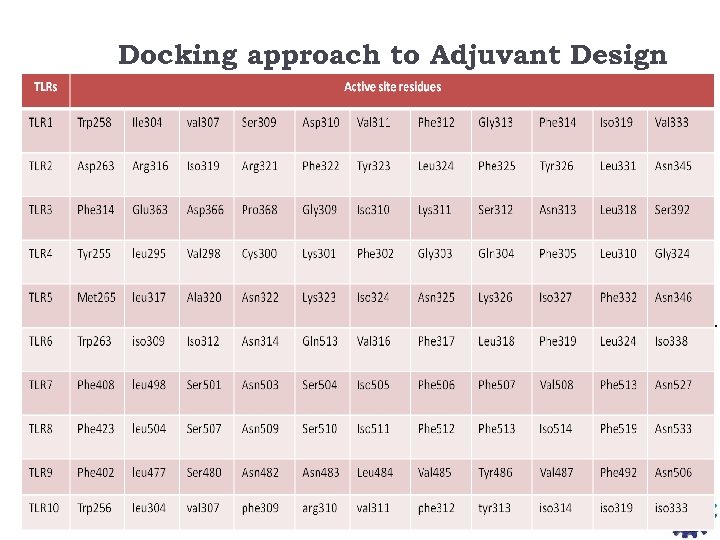
Docking approach to Adjuvant Design Fragment libraries were downloaded from Zinc Database containing 3, 67, 504 fragment like molecules All the fragments were docked into TLR 7 for understanding its specific active site pockets. Based on the dock score top scorer fragment molecules were identified and linked together to made a full fledge molecule. The obtained molecules again docked to the receptor and their scores are compared with the already known inhibitors for prioritization. Strategy 1. Identified various targets for adjuvant designing 2. Built Homology models for TLR 7, 8 and 9 3. Validation of homology models 4. Docking analysis on TLR homology model with known ligands
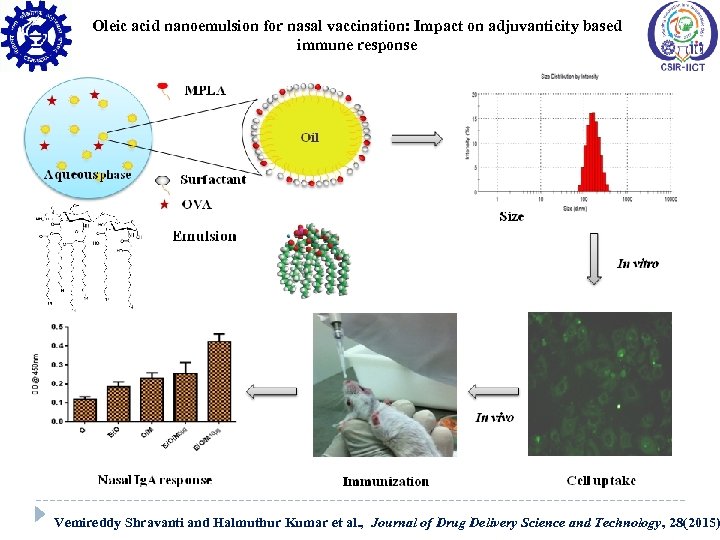
Oleic acid nanoemulsion for nasal vaccination: Impact on adjuvanticity based immune response Saponins Formulations Vemireddy Shravanti and Halmuthur Kumar et al. , Journal of Drug Delivery Science and Technology, 28(2015)
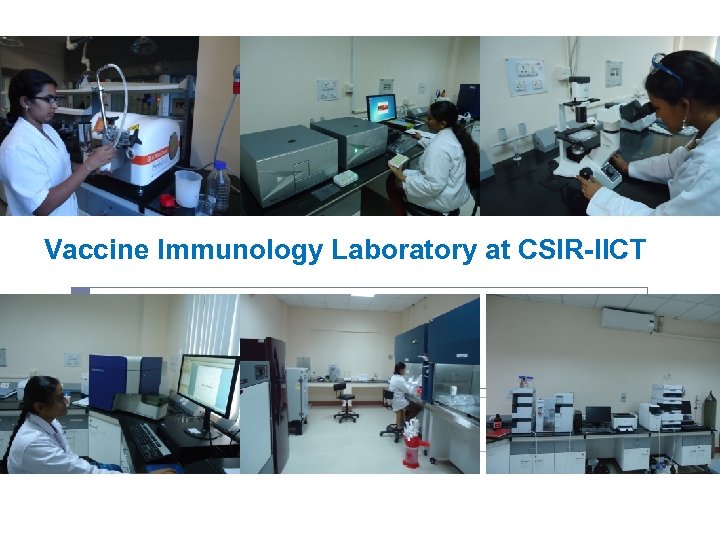
Vaccine Immunology Laboratory at CSIR-IICT
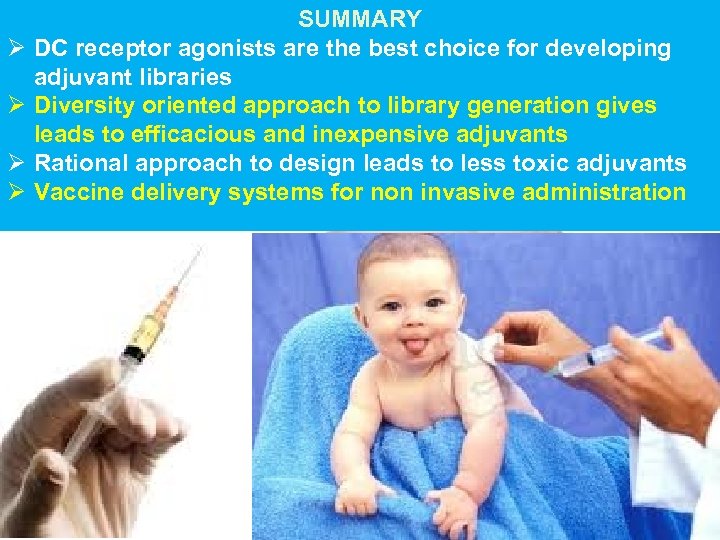
Ø Ø SUMMARY DC receptor agonists are the best choice for developing adjuvant libraries Diversity oriented approach to library generation gives leads to efficacious and inexpensive adjuvants Rational approach to design leads to less toxic adjuvants Vaccine delivery systems for non invasive administration
Acknowledgements Ms. Preethi Pallavi Mr. Bonam Srinivasa Reddy Ms. Sravanthi Vemireddy Mr. Sreekant Myryala Mr. Naresh Nalla Mr. Yogesh Verma Mr. Debabrata Bhunia Ms. Lakhmi Tunki Mr. Irfan Hyder Dr. Sathyabama Dr, Dr. Parvinder Pal Singh Dr. Syed Shafi Dr. Naveed Ahmed Qazi Dr. V. Naveen Kumar Funding and collaboration DAPR DST-New Delhi Govt of India Dr. Ella Krishanmurthy, Dr. Sumathi and Dr. Brunda Bharat Biotech International, Hyderabad Director, CSIR-IICT
Скачать презентацию Rational Design of Vaccine Adjuvants Based on Dendritic
c25acaae3bcc4c56a6d39b6a3b2e0835.ppt