 Скачать презентацию Rated Excellent 2009 September 15 th 2009 1
95928d583ad662c3ddb27c098fffc074.ppt
- Количество слайдов: 32




Rated “Excellent” 2009 September 15 th 2009 1 1
Facilities Master Plan: Sept. 2002 Board of Education began the process to include community in developing the plan: • 50 Year Committee • Community Forums • Phase III Committee (January 2009) 2
Phase III: Plan Requirements The Board placed few limits on potential solutions that might be suggested by the community committee: • Lakewood would remain a “neighborhood” walking school district • There would not be busing • Eminent domain would not be used to obtain land 3
Phase III: Committee Charge Develop options for finalizing Phase III of Facilities Master Plan: • Completing the work at Lakewood High School • Completing construction for 6 -elementary school configuration 4
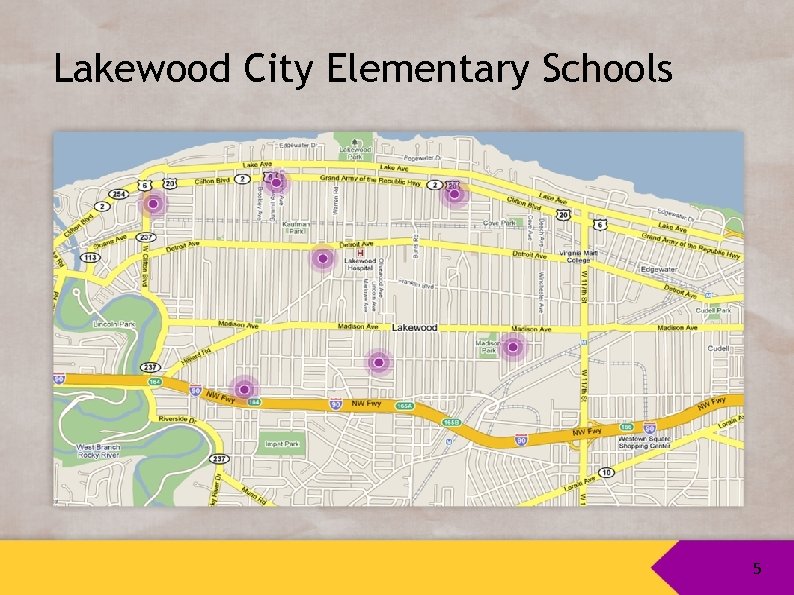
Lakewood City Elementary Schools 5
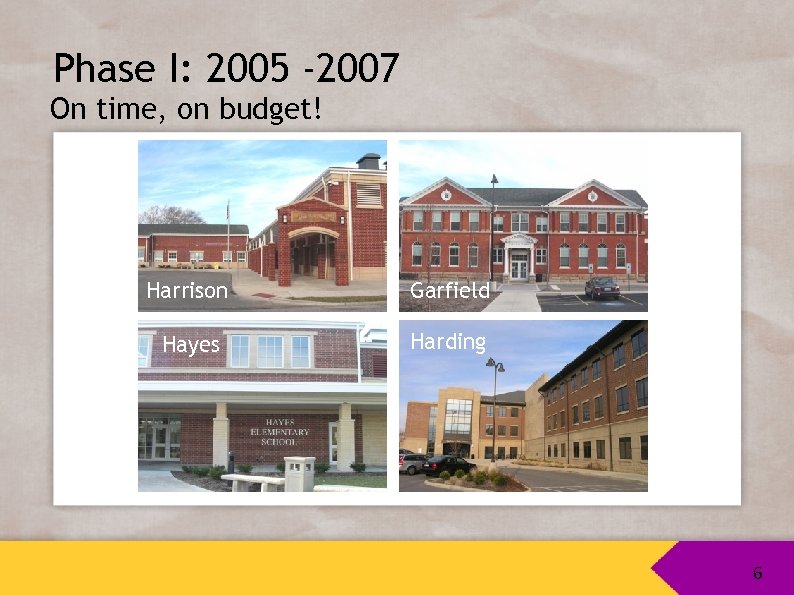
Phase I: 2005 -2007 On time, on budget! Harrison Garfield Hayes Harding 6
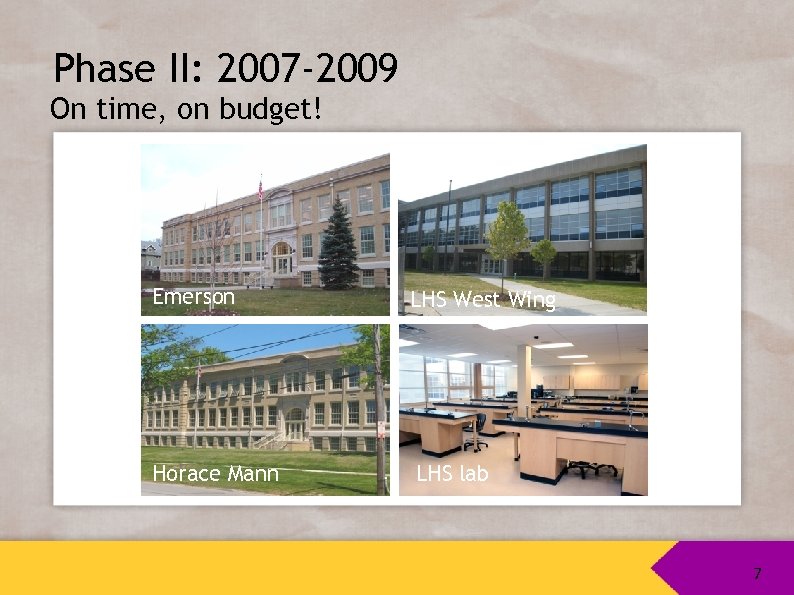
Phase II: 2007 -2009 On time, on budget! Emerson LHS West Wing Horace Mann LHS lab 7
Phase III Overview Original Facilities Master Plan/Phase III: 2003 Renovate/rebuild 3 remaining elementary schools Complete east side of Lakewood High Revised Phase III Plan: 2009 Renovate/rebuild 2 of 3 remaining elementary schools Complete east side of Lakewood High Construction timeline: 2010 -2013 (estimated) 8
Community Forum 1: April 2009 Community Consensus: • Receive $47 million Ohio School Facilities Commission funding • 6 -elementary school plan • Finish rebuild of Lakewood High School • Maintain class size and program quality 9
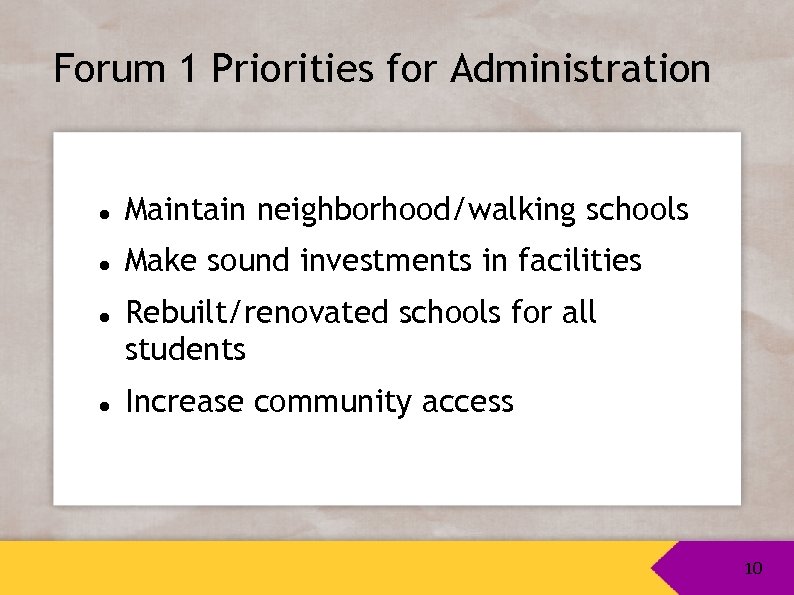
Forum 1 Priorities for Administration Maintain neighborhood/walking schools Make sound investments in facilities Rebuilt/renovated schools for all students Increase community access 10
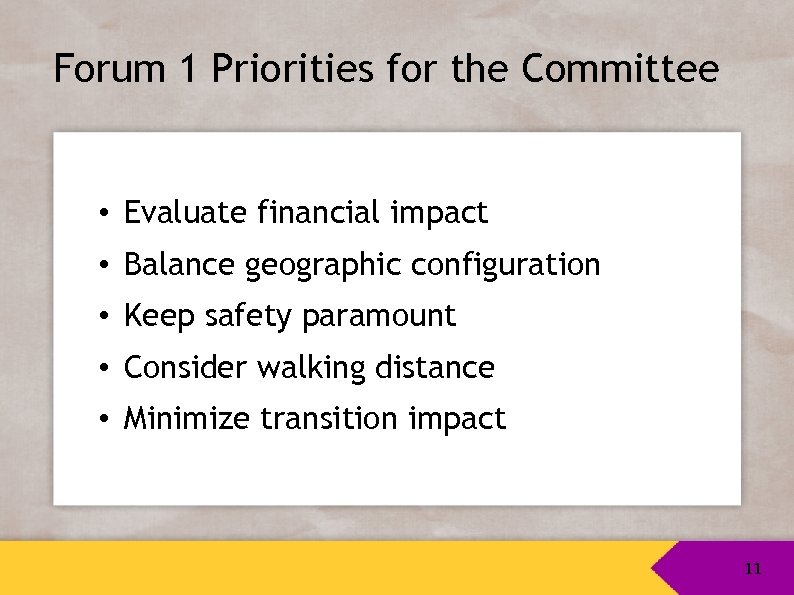
Forum 1 Priorities for the Committee • Evaluate financial impact • Balance geographic configuration • Keep safety paramount • Consider walking distance • Minimize transition impact 11
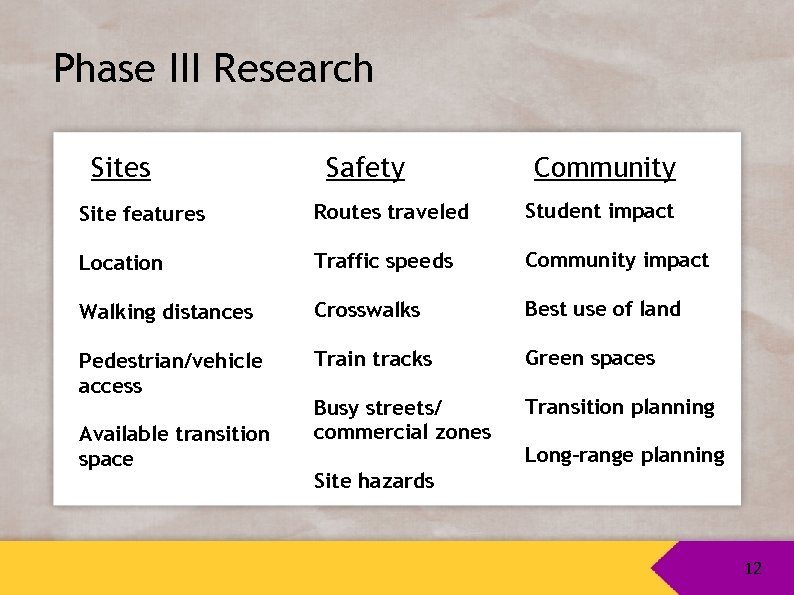
Phase III Research Sites Safety Community Site features Routes traveled Student impact Location Traffic speeds Community impact Walking distances Crosswalks Best use of land Pedestrian/vehicle access Train tracks Green spaces Busy streets/ commercial zones Transition planning Available transition space Long-range planning Site hazards 12
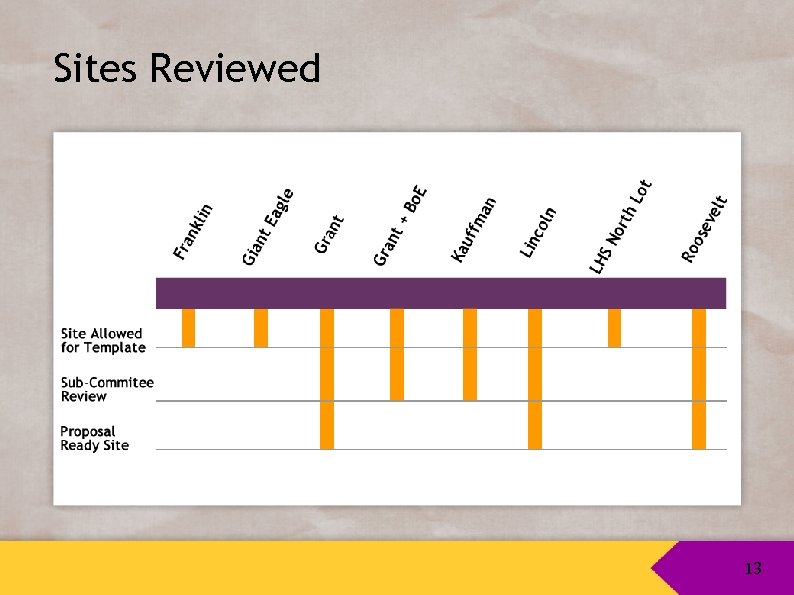
Sites Reviewed 13
Committee Findings • Accommodate 65, 000 sq. ft. building • Total project costs similar • Built to LEED “Silver” standard • All elementary school boundaries to be redrawn 14
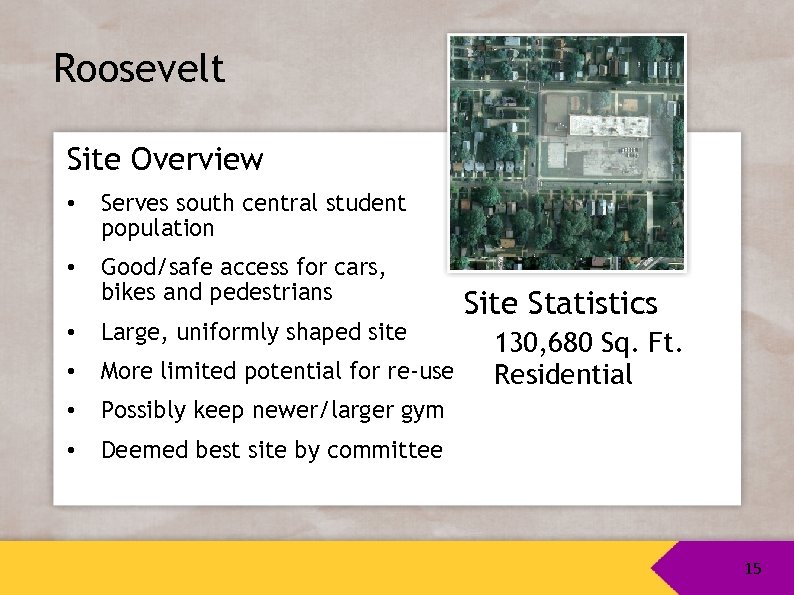
Roosevelt Site Overview • Serves south central student population • Good/safe access for cars, bikes and pedestrians • Large, uniformly shaped site • More limited potential for re-use • Possibly keep newer/larger gym • Site Statistics Deemed best site by committee 130, 680 Sq. Ft. Residential 15
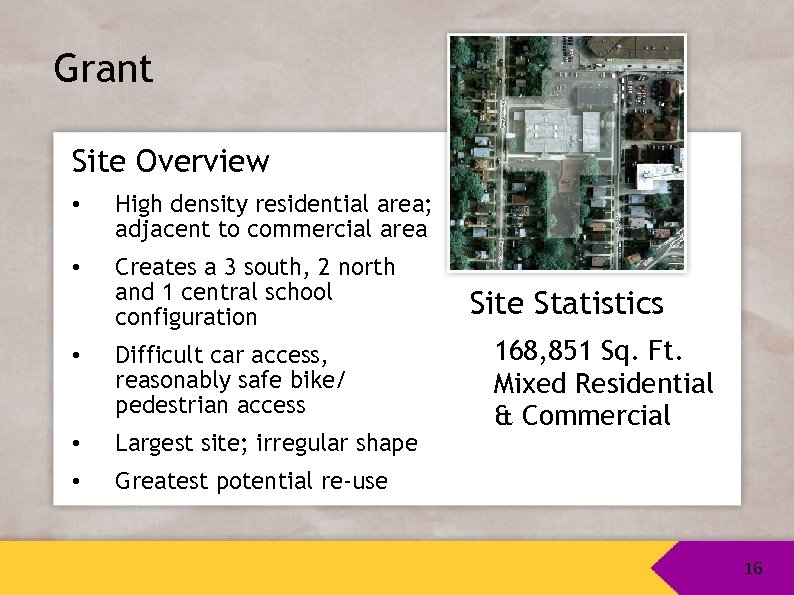
Grant Site Overview • High density residential area; adjacent to commercial area • Creates a 3 south, 2 north and 1 central school configuration • Difficult car access, reasonably safe bike/ pedestrian access • Largest site; irregular shape • Site Statistics 168, 851 Sq. Ft. Mixed Residential & Commercial Greatest potential re-use 16
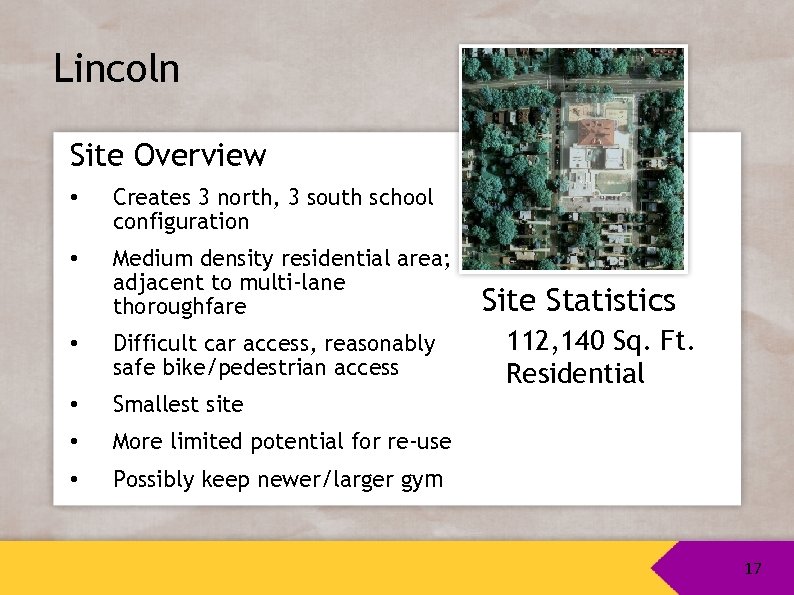
Lincoln Site Overview • Creates 3 north, 3 south school configuration • Medium density residential area; adjacent to multi-lane thoroughfare • Difficult car access, reasonably safe bike/pedestrian access • More limited potential for re-use • 112, 140 Sq. Ft. Residential Smallest site • Site Statistics Possibly keep newer/larger gym 17
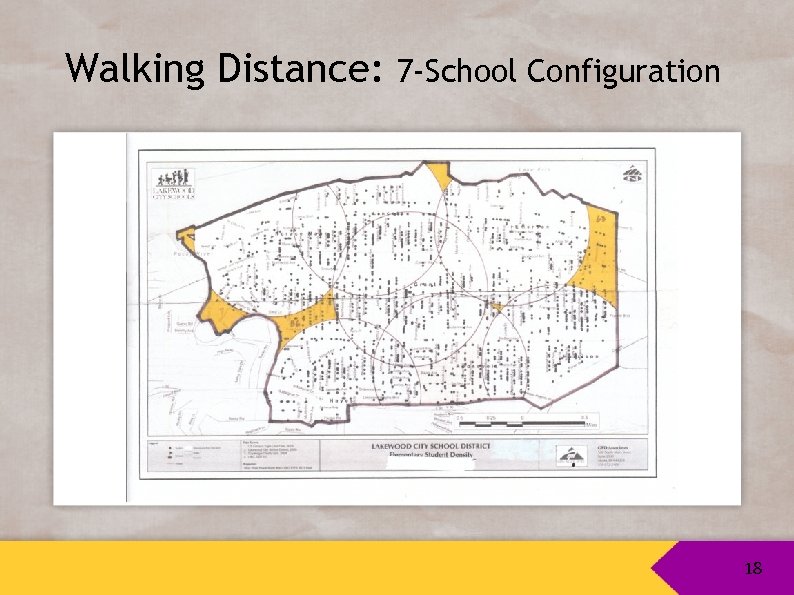
Walking Distance: 7 -School Configuration 18
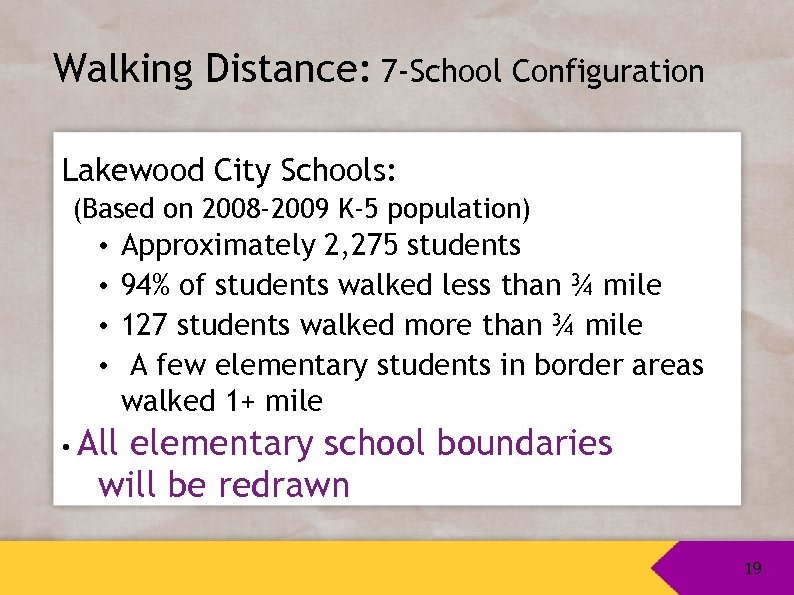
Walking Distance: 7 -School Configuration Lakewood City Schools: (Based on 2008 -2009 K-5 population) • • • Approximately 2, 275 students 94% of students walked less than ¾ mile 127 students walked more than ¾ mile A few elementary students in border areas walked 1+ mile All elementary school boundaries will be redrawn 19
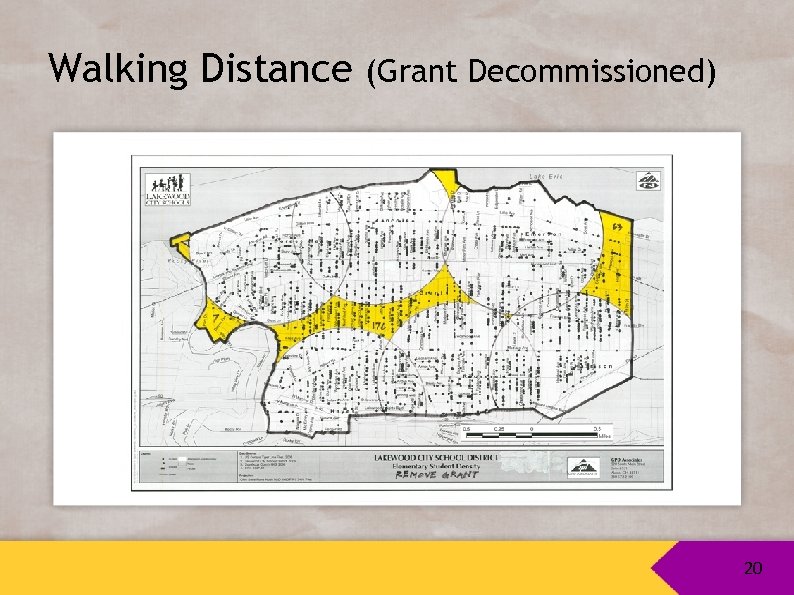
Walking Distance (Grant Decommissioned) 20
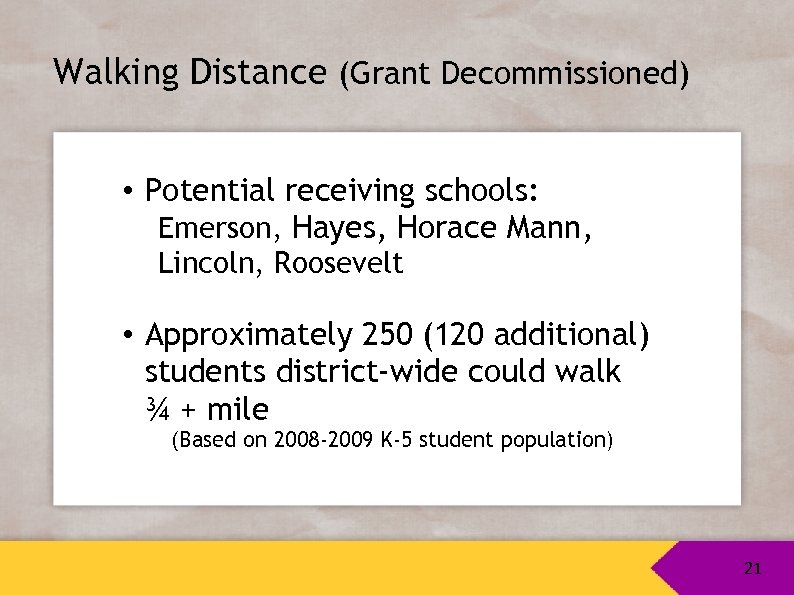
Walking Distance (Grant Decommissioned) • Potential receiving schools: Emerson, Hayes, Horace Mann, Lincoln, Roosevelt • Approximately 250 (120 additional) students district-wide could walk ¾ + mile (Based on 2008 -2009 K-5 student population) 21
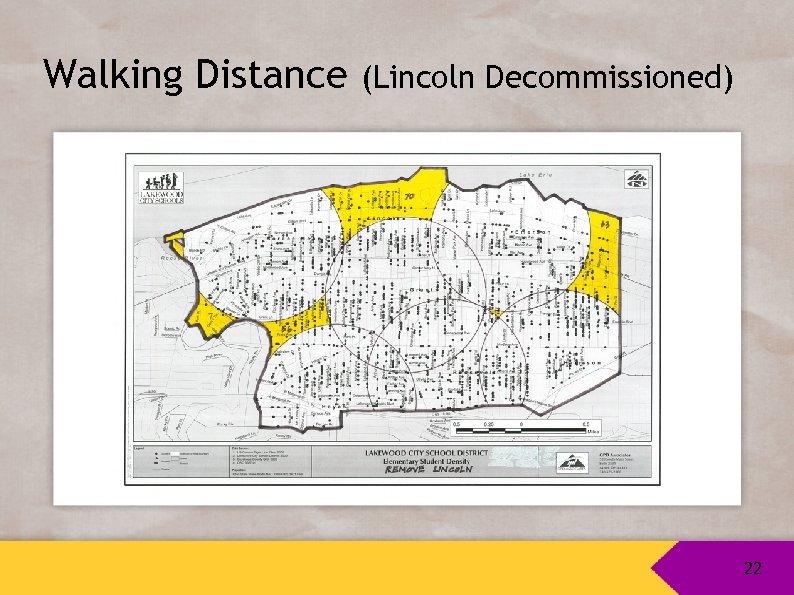
Walking Distance (Lincoln Decommissioned) 22
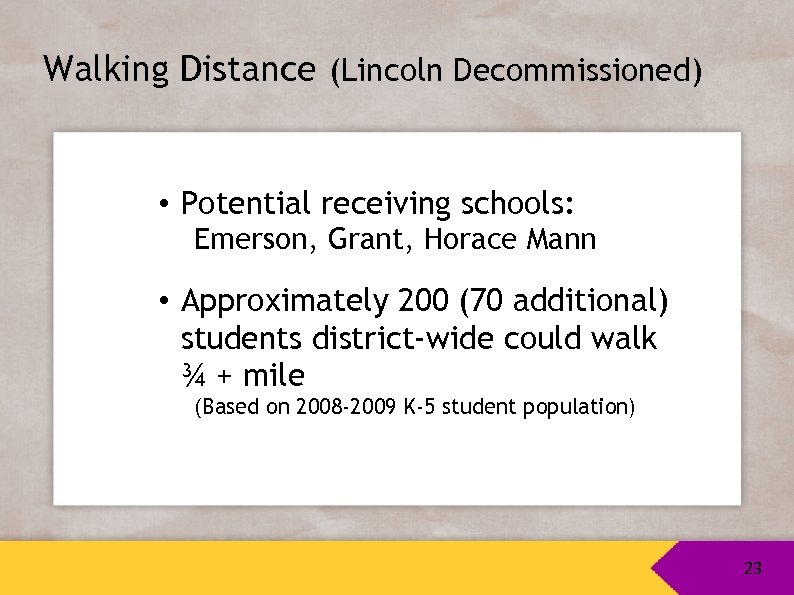
Walking Distance (Lincoln Decommissioned) • Potential receiving schools: Emerson, Grant, Horace Mann • Approximately 200 (70 additional) students district-wide could walk ¾ + mile (Based on 2008 -2009 K-5 student population) 23
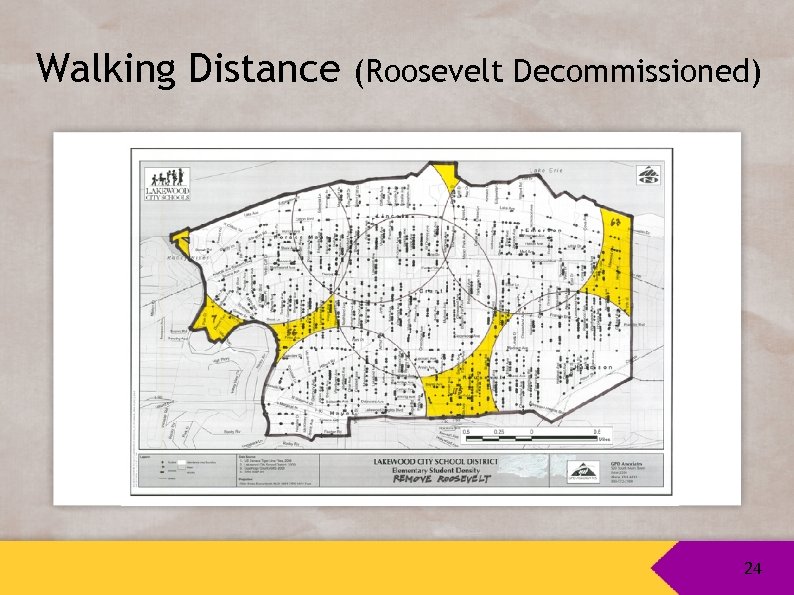
Walking Distance (Roosevelt Decommissioned) 24
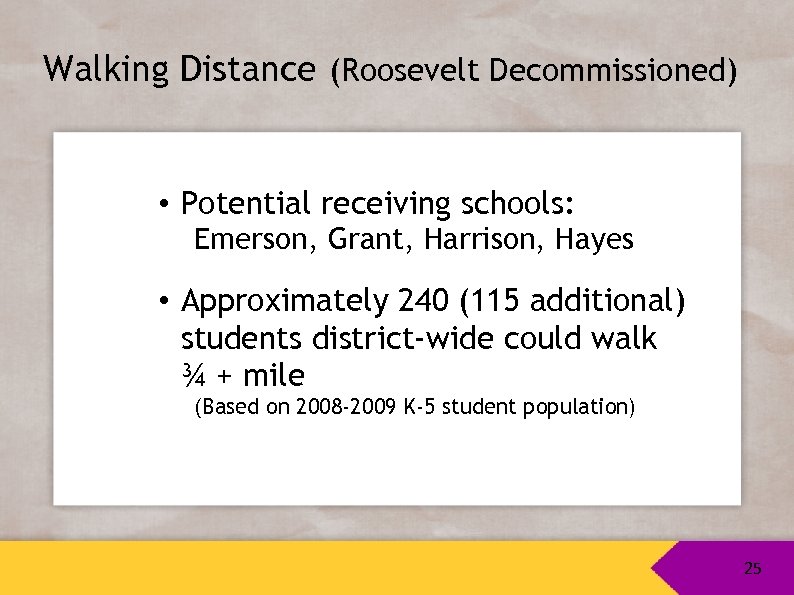
Walking Distance (Roosevelt Decommissioned) • Potential receiving schools: Emerson, Grant, Harrison, Hayes • Approximately 240 (115 additional) students district-wide could walk ¾ + mile (Based on 2008 -2009 K-5 student population) 25
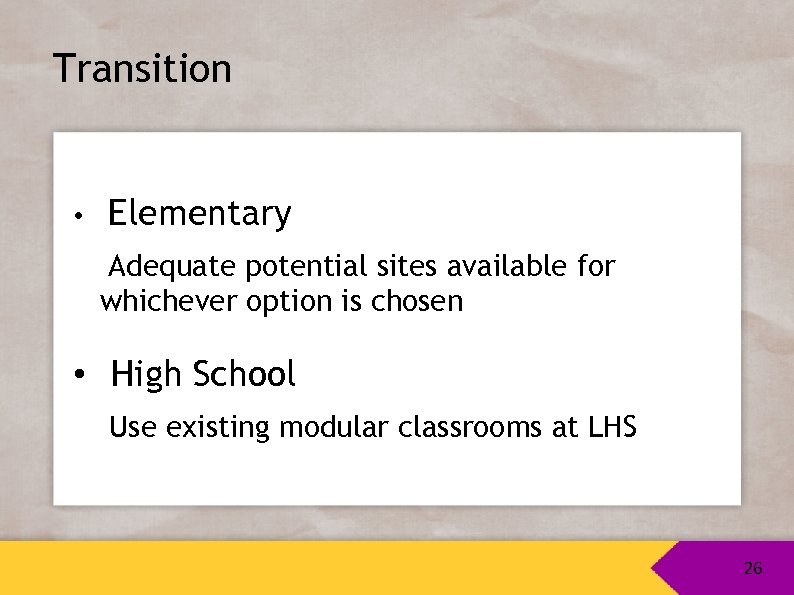
Transition • Elementary Adequate potential sites available for whichever option is chosen • High School Use existing modular classrooms at LHS 26
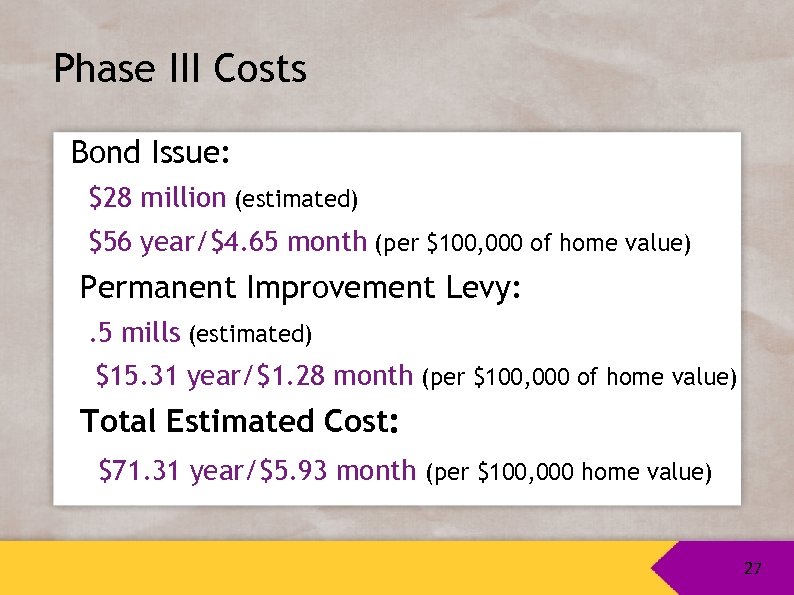
Phase III Costs Bond Issue: $28 million (estimated) $56 year/$4. 65 month (per $100, 000 of home value) Permanent Improvement Levy: . 5 mills (estimated) $15. 31 year/$1. 28 month (per $100, 000 of home value) Total Estimated Cost: $71. 31 year/$5. 93 month (per $100, 000 home value) 27
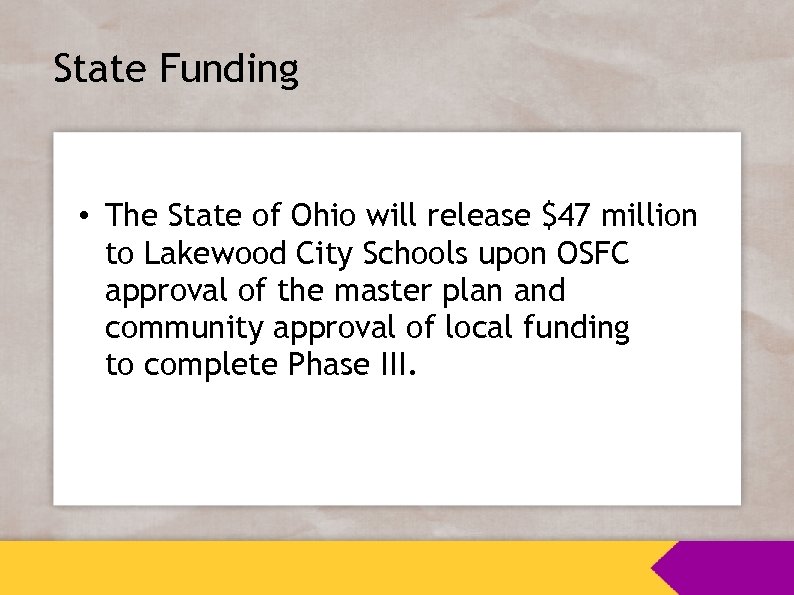
State Funding • The State of Ohio will release $47 million to Lakewood City Schools upon OSFC approval of the master plan and community approval of local funding to complete Phase III.
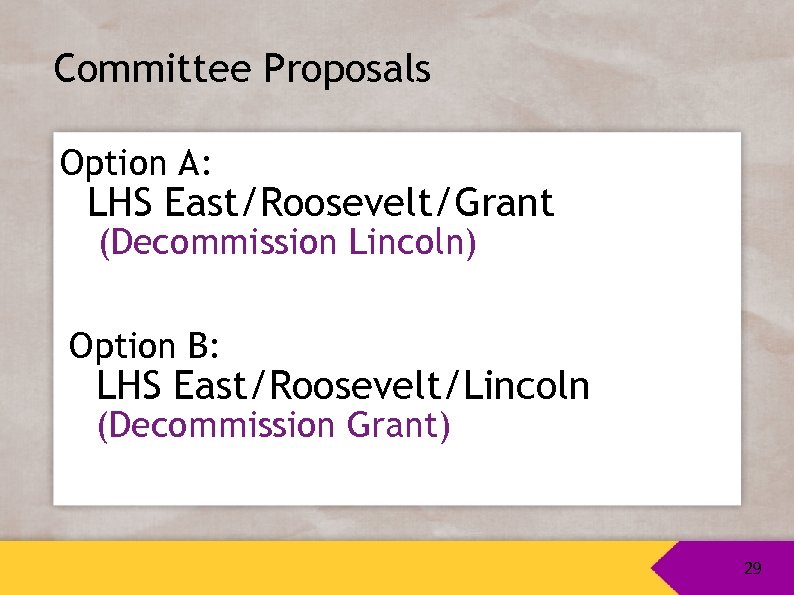
Committee Proposals Option A: LHS East/Roosevelt/Grant (Decommission Lincoln) Option B: LHS East/Roosevelt/Lincoln (Decommission Grant) 29
Consensus • Thoughtful discussion • Listening to others • Sharing rationale • Coming to congenial agreement • Consensus choice most members can support 30
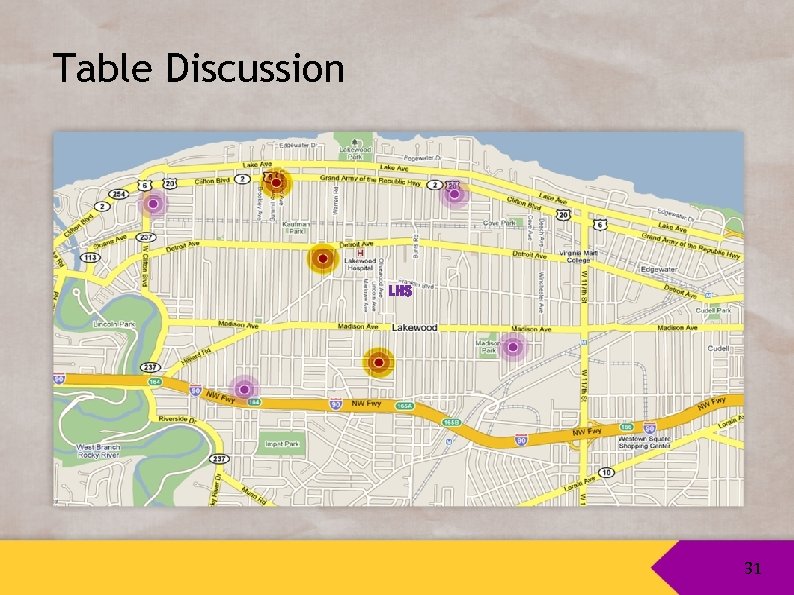
Table Discussion LHS 31
Report Results Wall Chart: • One dot for consensus choice per table Response Form: • Top 3 reasons for consensus choice • Returned to Committee in table packet • Individual written comments in table packet 32
Скачать презентацию Rated Excellent 2009 September 15 th 2009 1
95928d583ad662c3ddb27c098fffc074.ppt