


 Скачать презентацию Queen Margaret University Chris De Placido Senior Lecturer Professional
f330957bb6ccdcaf7b568050bde4db89.ppt
- Количество слайдов: 38
 Queen Margaret University Chris De. Placido Senior Lecturer/Professional Lead (Audiology)
 History of the QMU Audiology Programmes • PHIS (2003) Needs Assessment Report highlighted the need for audiology training in Scotland • Funding was made available by the Scottish Executive and QMU was successful in bidding for this • In 2005, QMU offered 2 programmes – BSc (Hon) and Graduate Diploma • We currently have students studying audiology at Dip HE, BSc, Grad Dip, PGDip/MSc (pre-reg), PGDip/MSc (post-reg), Professional Doctorate and Ph. D level
 Who are we • School of Health Sciences • Division of speech and Hearing Sciences • • Chris De. Placido Christine Johnson Liz Ross (PL) Dr Jo White Lizanne Steenkamp Dr Ben Matthews Pauline Campbell Lesley Pringle
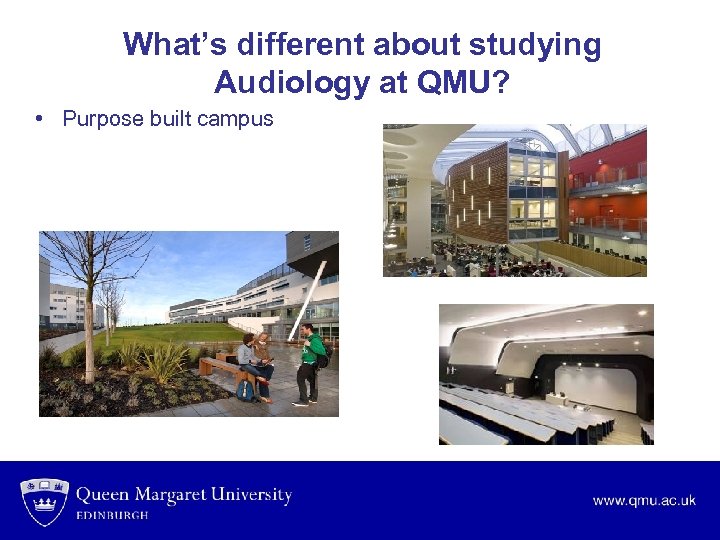 What’s different about studying Audiology at QMU? • Purpose built campus
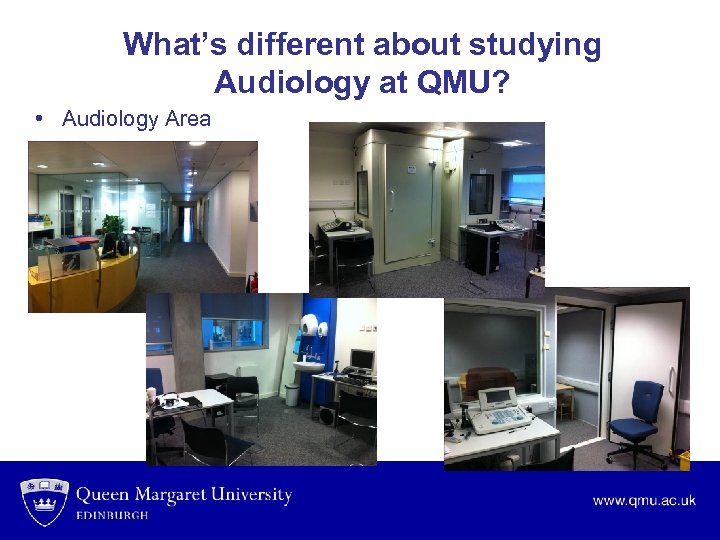 What’s different about studying Audiology at QMU? • Audiology Area
 What’s different about studying Audiology at QMU? • Modules offered – e. g. BSL/Deaf culture, Counselling, Cochlear Implants • Staff with dual qualifications – Audiology & SLT, Audiology & Therapeutic Counselling, Audiology & Psychology, Audiology & Hearing Therapy, Audiology and RHAD • Strong interest in rehabilitative issues • A high level of in-house clinical training • Focus on innovative educational methods •
 Innovative Approaches to Education • The aim of all our programmes is to produce graduates who are able to work autonomously and reflectively • Students are encouraged to become active participants in the learning process • Programmes provide a variety of learning opportunities to stimulate and guide independent learning. • Lectures, seminars, workshops and a range of online learning activities and resources, designed to support a variety of individual learning styles. • Problem-based learning
 Why do we do this?
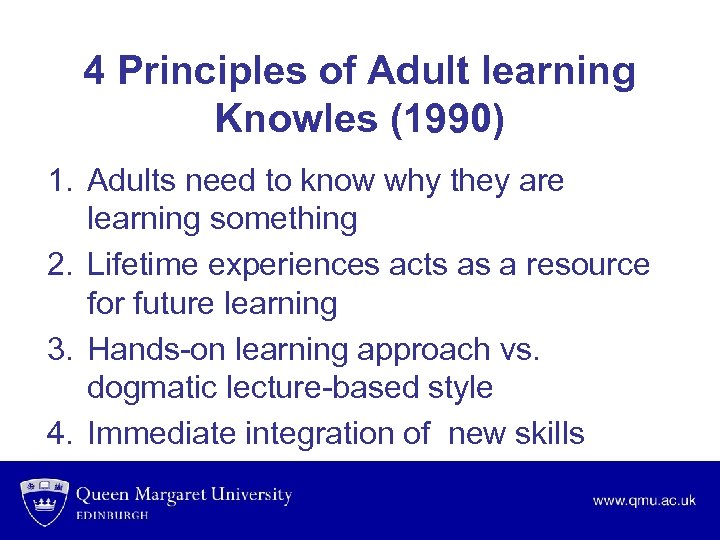 4 Principles of Adult learning Knowles (1990) 1. Adults need to know why they are learning something 2. Lifetime experiences acts as a resource for future learning 3. Hands-on learning approach vs. dogmatic lecture-based style 4. Immediate integration of new skills
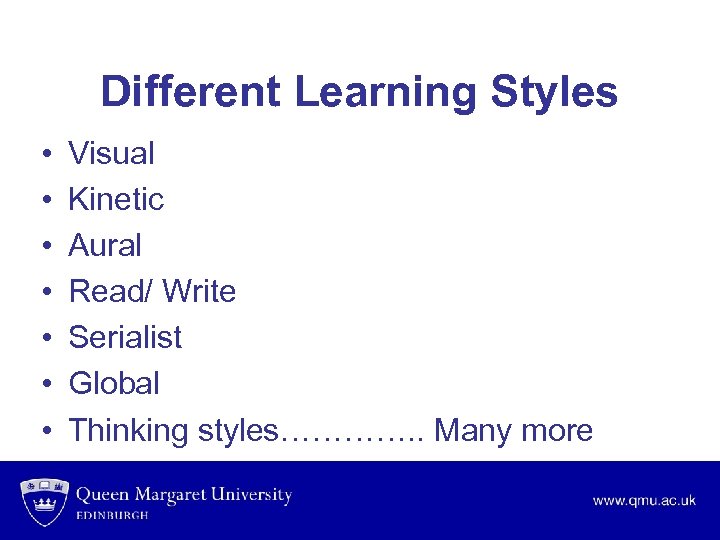 Different Learning Styles • • Visual Kinetic Aural Read/ Write Serialist Global Thinking styles…………. . Many more
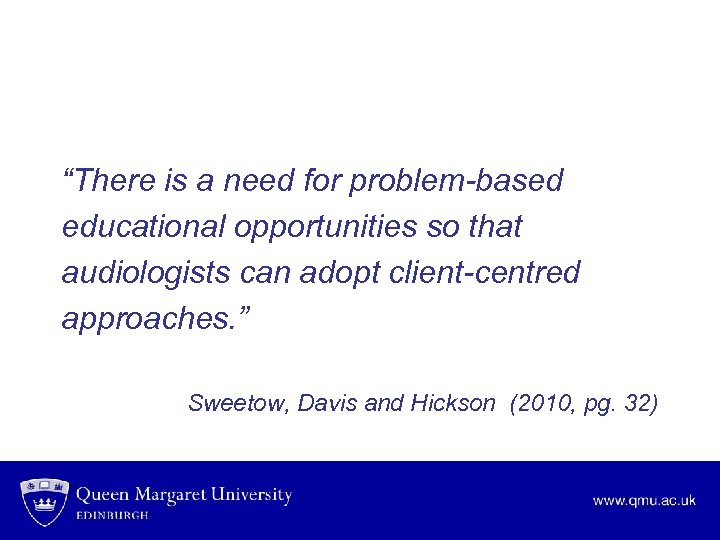 “There is a need for problem-based educational opportunities so that audiologists can adopt client-centred approaches. ” Sweetow, Davis and Hickson (2010, pg. 32)
 A few examples….
 Recorded lectures • These can take a variety of forms • We make recordings of ‘live’ lectures/seminars delivered either to students on campus or in a ‘virtual classroom’
 Reflection • It is important for all healthcare professionals to recognise that they will never have finished learning • 3 stages are necessary for reflection to affect learning – events, reflection and action • In healthcare the stakes are higher than in almost any other sphere of human activity • Mistakes can and will happen • It is important that we learn from mistakes and that steps are taken to minimise recurrence
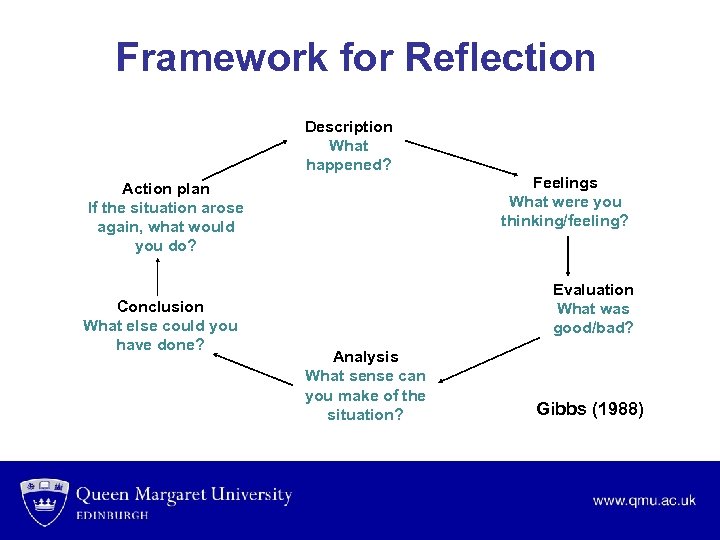 Framework for Reflection Description What happened? Action plan If the situation arose again, what would you do? Conclusion What else could you have done? Feelings What were you thinking/feeling? Evaluation What was good/bad? Analysis What sense can you make of the situation? Gibbs (1988)
 Reflective Exercise • In pairs, reflect on the recorded lecture we showed you • What do you think might be the advantages of this way of learning? • What would the disadvantages be? • What might you, as a student, do to maximise the benefits of this approach to teaching/learning? • What might you, as a lecturer/tutor, do to maximise the benefits of this approach to teaching/learning?
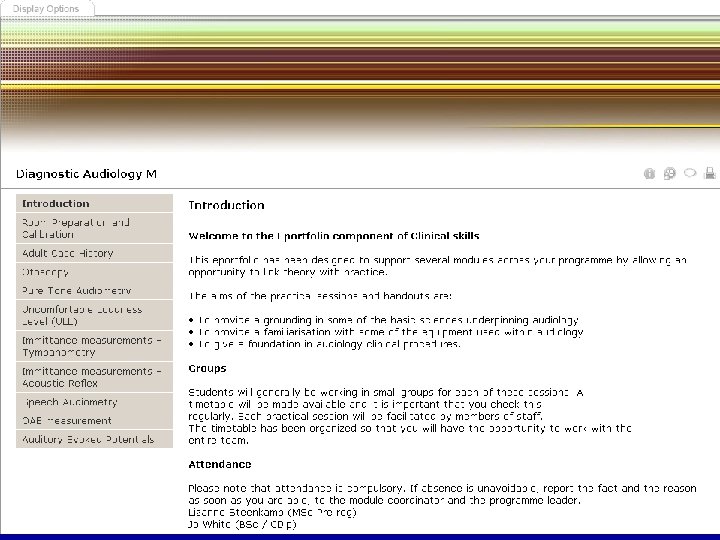
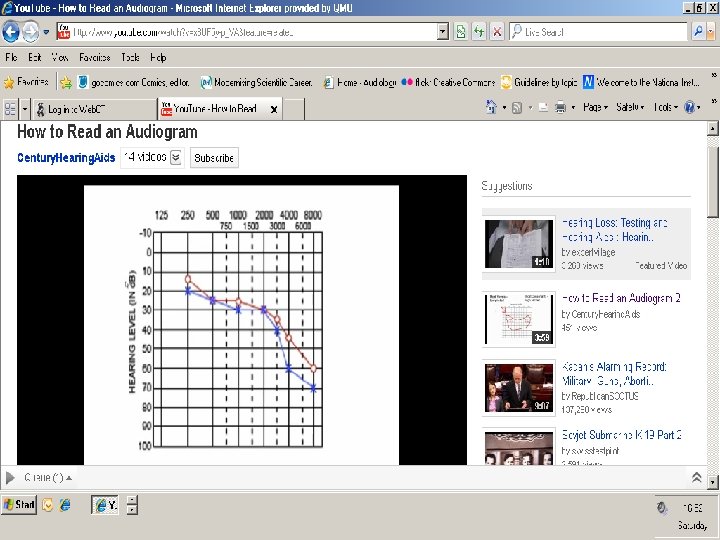
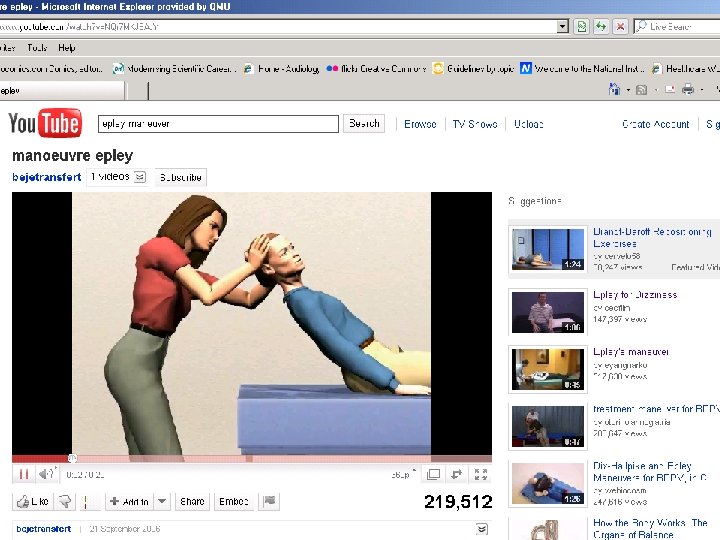
 Virtual Learning Environment • • • Eportfolio Blogs Web. CT discussions ‘Live’ tutorials You tube
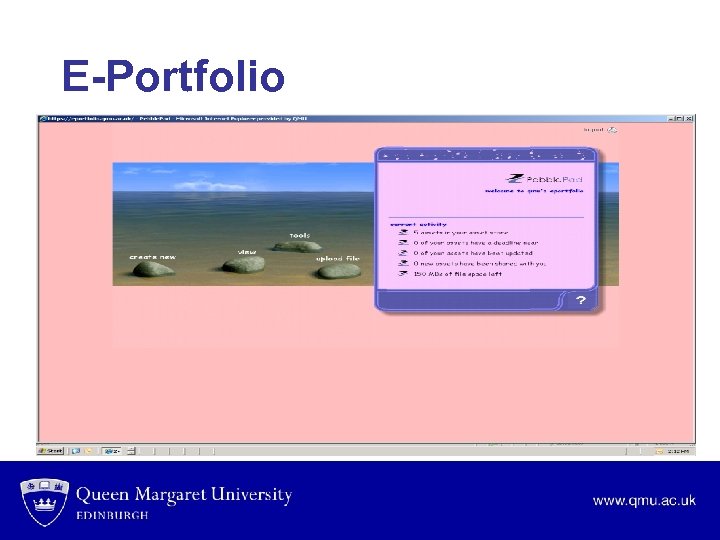 E-Portfolio
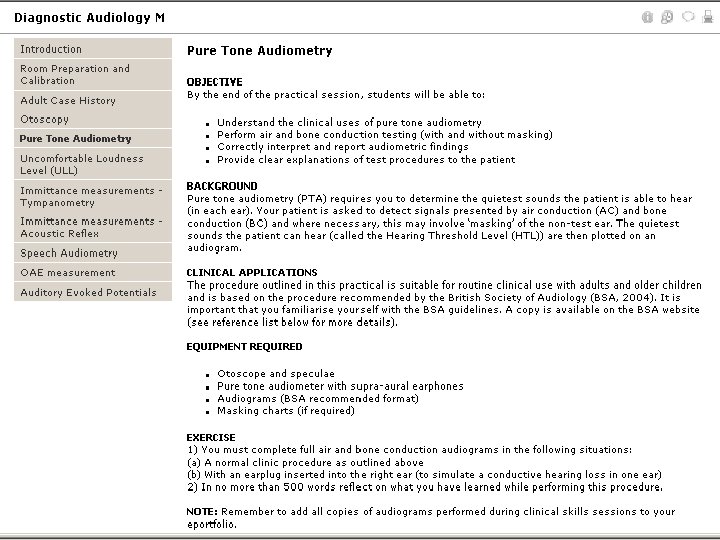
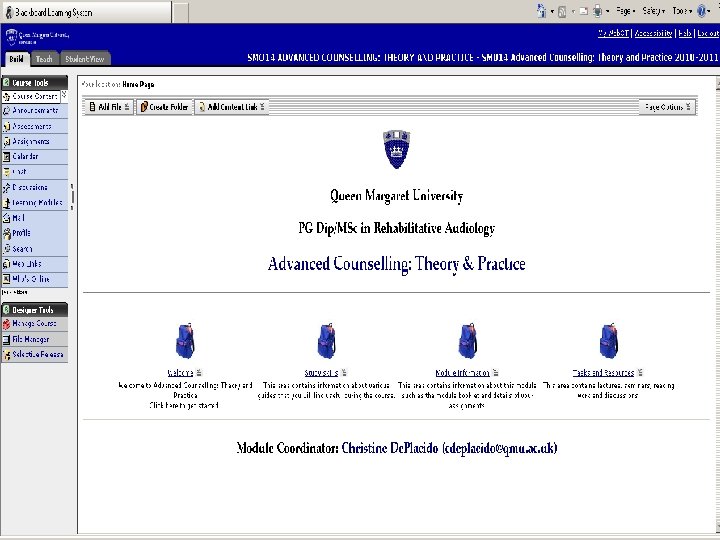
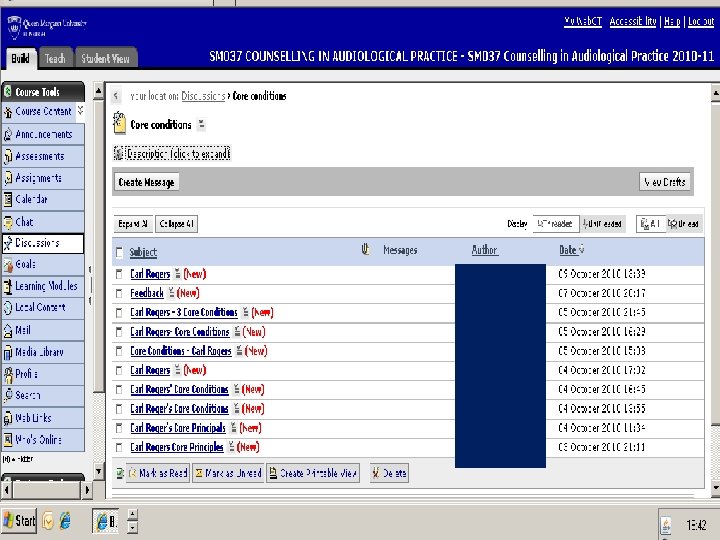
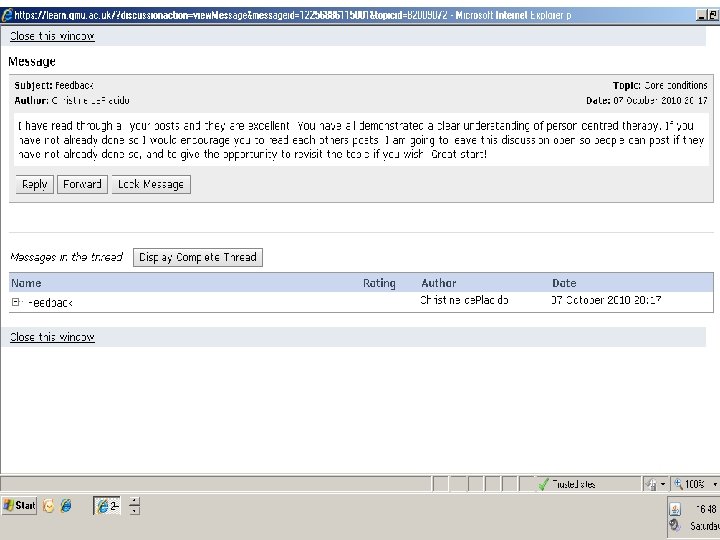
 The demand for virtual learning “ Adults want and need to be able to learn things ondemand – whether it is at 3: 00 am or 10: 00 pm. Students are mobile now and thus desire to learn in their homes, in their cars, in their offices, on the manufacturing floor, and while travelling. In particular, people want to obtain the required knowledge just before or right at the time they have need for it. “ Mcvay Lynch (2004; pg. 2)
 Virtual Classroom • http: //www. qmu. ac. uk/palatine/videos/e xample. htm
 Approaches to assessment • • Discussions/debates Eportfolio Web pages Posters Presentations Leaflets Case studies
 Structure of the Diploma • • 2 year course 24 modules each 10 credits 8 modules on campus 16 modules taught online
 Modules timetable – on Campus Year 1 Year 2 Semester 1 • Otoscopy and video otoscopy • Hearing Assessment 1(PTA and ULL) • Hearing Assessment 2(Tympanometry and reflexes) • Hearing Assessment 3(Speech Audiometry) Semester 2 • Earmould Technology • Counselling skills 1 • Counselling skills 2 • Verification and evaluation of Hearing Aid fittings
 Modules timetable -online Year 1 Year 2 • • Communication skills History taking and assessment Basic Sciences Basic Anatomy of the audiovestibular system • Basic physiology and pathology of the audiovestibular system • Psycho-social aspects of deafness • • • Paediatric Audiology Deaf Culture Aural Rehabilitation 1 Developing and implementing care plans Professional issues Special issues in Audiology Assistive listening devices Tinnitus and Hyperacusis Aural Rehabilitation 2 Working in multidisciplinary teams
 Support for Students • • • Personal Academic Tutor Year Tutor Student Reps Effective Learning Service Learning resource centre
 Support for supervisors • Initial training in supervision and assessing • Online certificated modules in supervision • Regular supervisors training days • On site visits
 CPD • • “Build your own degree!” All modules are individually available for CPD purposes. While registered for the module the individual is registered as an associate student and has full use of the facilities
 Comments from students • I have enjoyed my experience at QMU and can't believe that 1 st year is nearly over. It has been very challenging, but I am so glad I took that first step to apply for a place in this course. • QMU is a fantastic new building which is superbly suited to our studies. Facilities are top grade and with a light and airy atmosphere it is easy to work in. • The course content is very informative and at times quite intense but by the end of each module I feel I have learned so much. The lecturers are well informed and helpful and presentations are very comprehensive. • • • Thanks to this course I feel sure that I will be fully equipped to carry out my new position at work.
 Contact details • Chris De. Placido Professional lead – cdeplacido@qmu. ac. uk • Liz Ross Programme Leader – lross@qmu. ac. uk • Lizanne Steenkamp Admissions tutor – lsteenkamp@qmu. ac. uk • Tel no 0131 474 0000 (voice activated)
 References • Biggs, J. 2003. Teaching for Quality Learning at University. 2 nd ed. Buckingham: SRHE and OU Press. • Knowles, M. S. 1990. The Adult Learner: a neglected species. 4 th ed. Houston: Gulf Publishing. • Mc. Vay Lynch, M. 2004. Learning online: a guide to success in the virtual classroom. New York: Routledge. Falmer. • Sweetow, R. W. , Davis, A. and Hickson, L. 2010. A Paradigm shift in Audiolgy Education. Audiology Today. Sept. Oct.